
Add GIZMOCHINA as Preferred Source on Google
The Samsung Galaxy S24 Ultra, praised for its impressive anti-reflective display, is now facing issues with the anti-reflective coating. Less than a year after the phone’s release, the layer is beginning to peel off, particularly in areas most used for scrolling, and in some cases, around the edges of the screen.
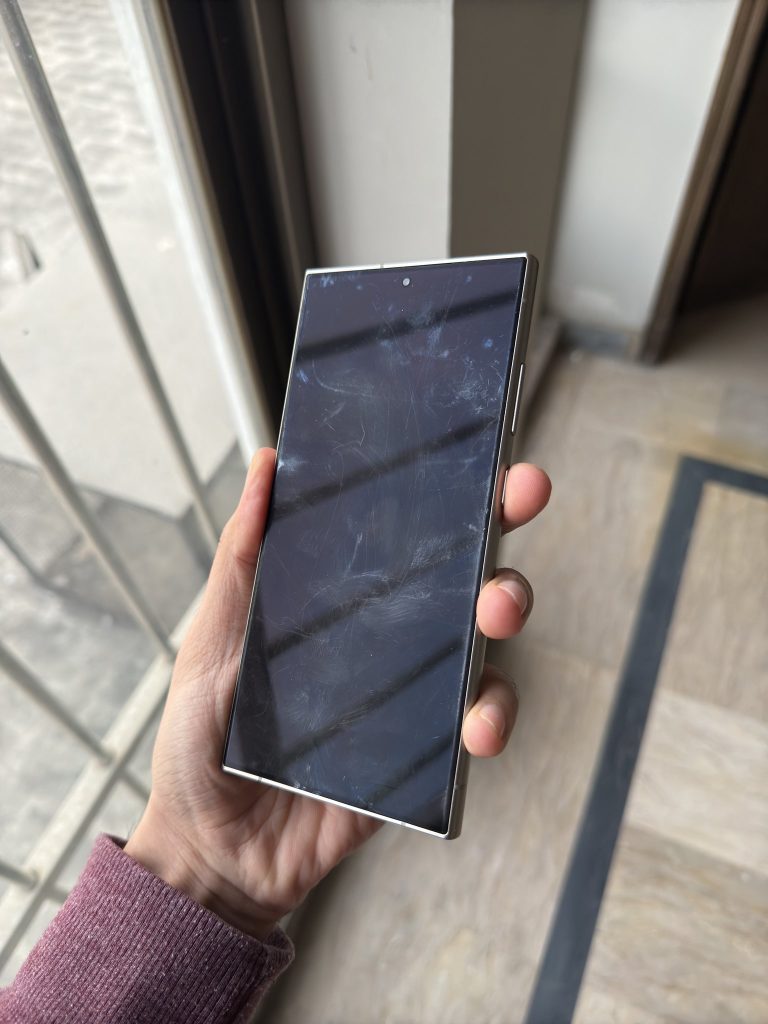
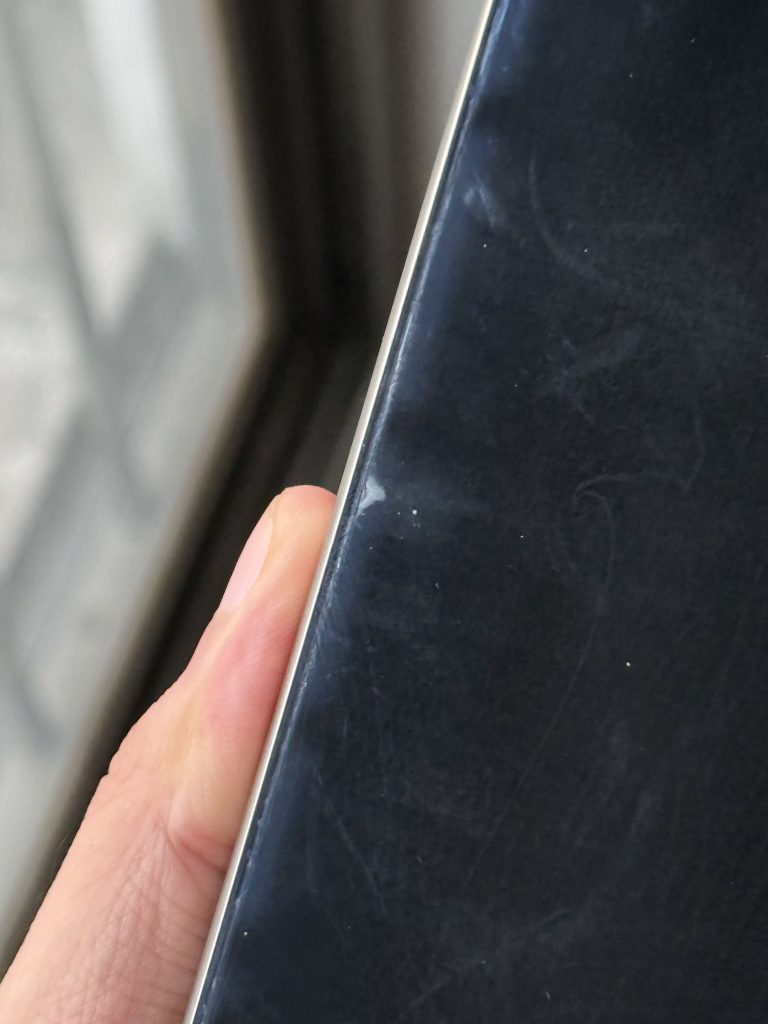
S24 Ultra’s anti-reflective coating wearing out
The complaints from users primarily highlight that the anti-reflective coating, which contributes to the phone’s sharp and glare-free display, is deteriorating far sooner than expected. One X user, @xeetechcare, posted images showing peeling at the right edge of the screen, and spots all over the surface.
He confirmed that the phone was not exposed to any external factors like keys or coins in his pocket, ruling out common causes of screen damage. However, the scuff marks were still visible, and other users chimed in with similar stories, indicating that the issue could be widespread.
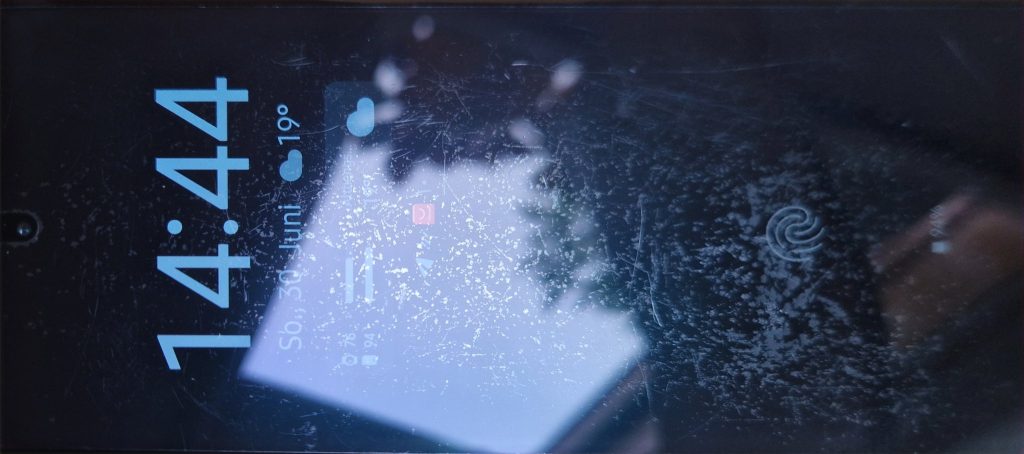
Several other users shared images of their devices showing permanent marks caused by the worn coating, which appears to be susceptible to tiny scratches due to its relatively softer nature compared to the glass beneath. Hannes Brecher from Notebookcheck highlighted that the coating might be too delicate to withstand regular wear and tear, which could explain why so many users are encountering this issue so soon after purchasing the device.
No official response yet from Samsung
As of writing, Samsung has yet to comment on the issue, leaving users uncertain about whether the display damage is covered under warranty or if it’s a design flaw that might affect a larger number of Galaxy S24 Ultra units. There have been reports in the Samsung Community about the ‘oleophobic coating coming off.’ However, the company has refused to cover this under warranty, citing it as natural wear and tear.
In the meantime, users are advised to take extra care of the display. It is recommended to clean the screen only with a microfiber cloth, avoiding any cleaning solutions that could potentially damage the coating further. While using a screen protector might help prevent damage, it will also render the anti-reflective coating beneath the protector ineffective, leaving the user with a trade-off between protection and display quality.
Don’t miss a thing! Join our Telegram community for instant updates and grab our free daily newsletter for the best tech stories! 🚀



Comments