Add GIZMOCHINA as Preferred Source on Google
Smartwatches have evolved from niche gadgets to mainstream tech in just a few years. Brands like Apple, Samsung, and Garmin are among the leading players in this business. They offer wearables with precise health tracking features and other software functionality. But they don’t come cheap.
The latest Apple Watch Series 10 will set you back $400, which is the cost of a mid-range phone. So this begs the question, are they worth it?
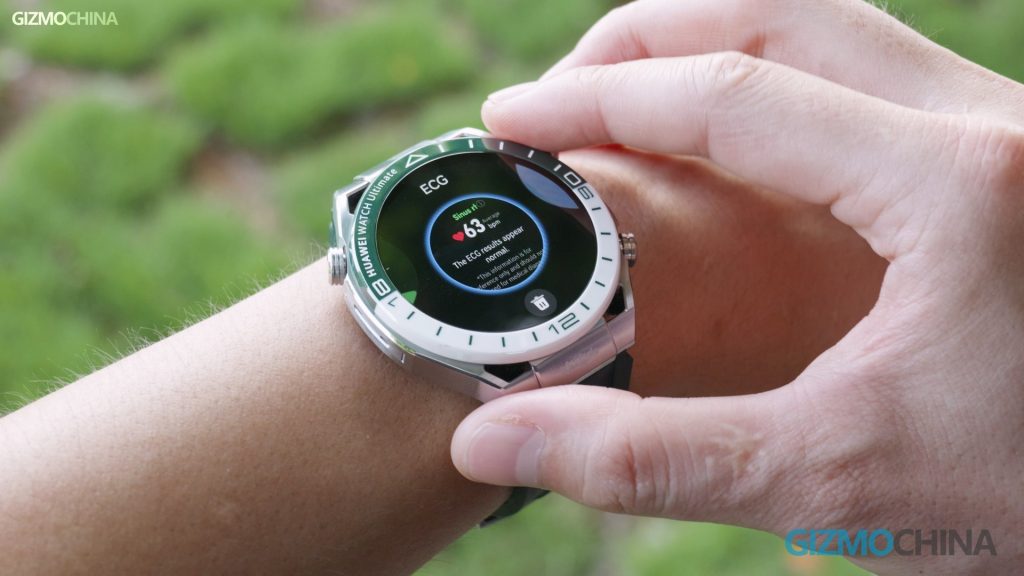
The answer largely depends on what you need from your devices and how much you value the features smartwatches provide. Let’s break it down.
1. What Can a Smartwatch Do?
Fitness Tracking
Fitness tracking is a key selling point for smartwatches. Most models come with a set of standard features such as step counting, calorie tracking, and sleep monitoring.
And while those are basics, premium models like Apple Watch Series 10 and Galaxy Watch 7 offer much more advanced features like ECGs, and VO2 max estimates. They can also detect atrial fibrillation or Samsung even offers blood pressure monitoring on their watches.
Keep in mind though, they’re in no way substitutes for medical devices. These features could be valuable for health-conscious users or those managing chronic conditions.
Convenience
Another key offering of smartwatches is their ability to handle notifications and communication. They provide quick access to calls, messages, and app alerts.
While that’s definitely convenient, it often overlaps with smartphone usage, which might make it redundant for those already accustomed to checking their phones regularly.
Productivity and Entertainment
Smartwatches also cater to productivity and entertainment needs. You can use them to set timers, wake voice assistants, or even play some games.
LTE-equipped smartwatches model takes this convenience further by enabling phone-free activities like streaming music or making calls. However, these added benefits come with a higher price tag.
Last but not least, the smartwatch isn’t just functional—it’s a fashion statement. So most brand offers customizable watch faces, interchangeable straps, and diverse designs to ensure there’s a style to match everyone’s preferences.
Who Benefits Most from a Smartwatch?
The utility of a smartwatch largely depends on individual lifestyles. It’s a great device for fitness enthusiasts and athletes who can benefit from the detailed workout metrics provided by many models.
On the other hand, health-focused users with chronic conditions or who prioritize wellness might find the health-tracking capabilities of smartwatches valuable.
Another niche audience for smartwatches is tech-savvy consumers who are already invested in ecosystems like Apple’s or Samsung’s and appreciate how seamlessly these devices integrate with other gadgets. And for busy professionals, the ability to quickly manage notifications or tasks to streamline their routines makes a smartwatch a practical addition to their toolkit.
2. The Downsides of Smartwatches
Despite these advantages, smartwatches are not without drawbacks. One significant limitation is the battery life.
Premium models from Apple and Samsung which are loaded with health and wellness features require daily or bi-daily charging. And this could be inconvenient for users accustomed to traditional watches that last months or years on a single battery.
Cost is another factor, as high-end smartwatches are priced comparably to smartphones. Budget models, on the other hand, often compromise on durability and features. Additionally, there is a learning curve for less tech-savvy users to optimize smartwatch functionality.
Durability is also a concern. Unlike traditional watches, smartwatches are more prone to scratches, damage, and obsolescence. Their lifespan is also tied to software support, which often lasts only 4-5 years.
Most important of all, exclusivity is one of the major drawbacks, especially of Apple and WearOS smartwatches. That is, the Apple Watch isn’t compatible with Android phones, and WearOS watches don’t work with Apple smartphones.
3. What About the Alternatives?
For individuals who find smartwatches excessive, there are alternatives you can consider. Fitness trackers like the Fitbit Inspire or Xiaomi Band cater to fitness-focused users without the additional features of a smartwatch.
There are also hybrid watches from brands like Withings and Garmin that combine traditional aesthetics with basic smart functionalities. Such models often have great battery life.
And for niche needs who want pinpoint accuracy from their devices, be it in terms of navigation or heath-tracking, going with standalone GPS units or medical-grade health monitors might be more suitable.
4. Are They Worth It for You?
To decide if a smartwatch is worth it, ask yourself:
- How much do I value fitness and health tracking? If you already use a fitness tracker or don’t engage in activities where these metrics matter, a smartwatch may not add much value.
- Am I comfortable with regular charging and updates? A smartwatch requires more upkeep than a traditional watch, from software updates to daily charging routines.
- Does it fit within my budget? Spending $200-$800 on a smartwatch is a commitment. Alternatives might achieve similar outcomes for a fraction of the cost.
5. Final Thoughts
Smartwatches aren’t a one-size-fits-all solution. They offer versatility and have compelling use cases, but they’re not essential for everyone. Fitness enthusiasts, health-conscious users, and tech-savvy individuals may find them valuable, while others may be perfectly satisfied with their smartphones or simpler devices.
The key is to consider your lifestyle and priorities in relation to the cost and functionality of a smartwatch. For some, it’s a game-changer; for others, it’s an expensive accessory. Either way, it’s important to assess whether this blend of tech and convenience aligns with what you truly need.
Stay ahead in tech! Join our Telegram community and sign up for our daily newsletter of top stories! 💡