
Add GIZMOCHINA as Preferred Source on Google
OnePlus 13R has just been launched globally, and it doesn’t look like a promising upgrade over last year’s OnePlus 12R. Yes, there are many improvements to the OnePlus 13R, but it also has some downgrades that could make it a less lucrative deal, depending on your priorities.
If you think the OnePlus 13R could be your next smartphone upgrade, read this article until the end to make an informed purchase decision. We’ll go through the upgrades and downgrades, as well as areas where the OnePlus 13R could have done better.
OnePlus 13R vs OnePlus 12R: Upgrades, Downgrades, and Missing Improvements
Design & Display
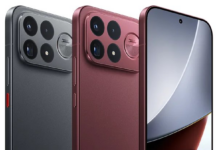
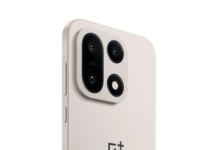
OnePlus has finally revamped the camera module — it’s still circular but doesn’t extend to the frame. It looks cleaner than before. Would it have been better if OnePlus had repositioned it to the center? Let me know what you think.
The other side doesn’t have many changes. The 13R weighs essentially the same at 206g and is 0.8mm slimmer than the 13R. It’s also 1.5mm shorter but 0.5mm wider. The device protection rating has got better, though, from IP64 to IP65.
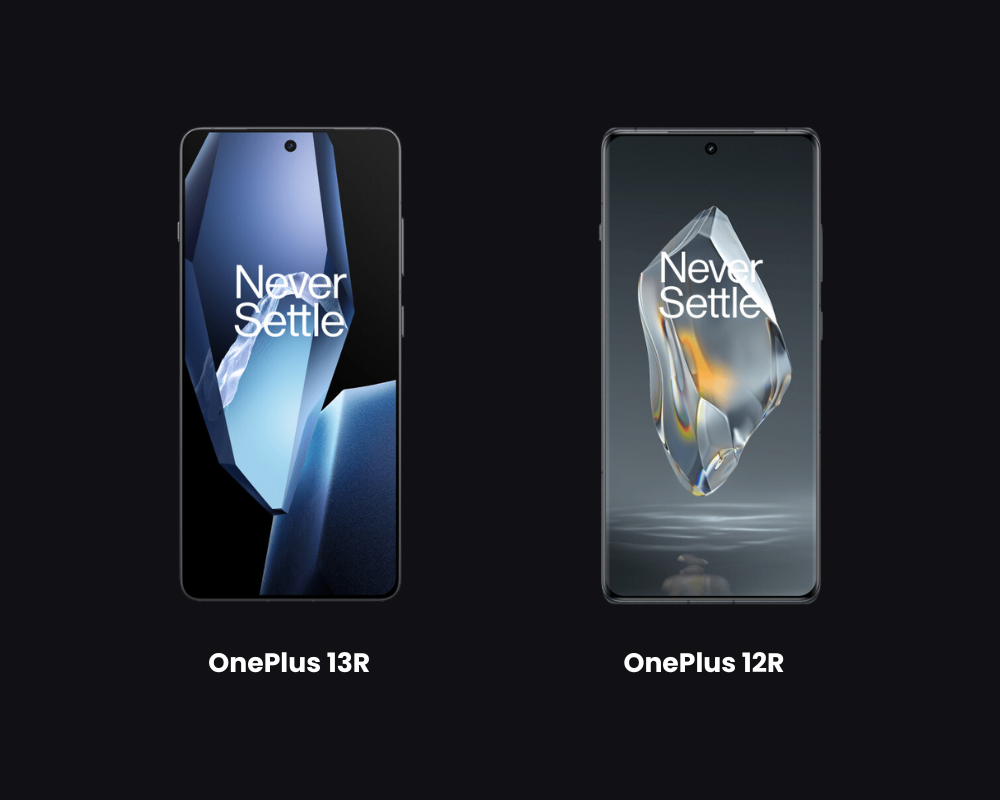
The display is unchanged—it’s still a 6.78-inch AMOLED with a 120Hz refresh rate and 4500 nits peak brightness. However, the display protection is a bit downgraded. The OnePlus 13R’s screen is equipped with Gorilla Glass 7i, while the 12R has Gorilla Glass Victus 2 with better drop protection.
Performance
The OnePlus 13R rocks the Snapdragon 8 Gen 3, which brings significant CPU and GPU improvements over the Snapdragon 8 Gen 2 that’s inside the OnePlus 12R. Read the Snapdragon 8 Gen 3 vs. 8 Gen 2 comparison for more details. The newer model also gets faster UFS 4.0 storage (vs. UFS 3.1 on the 12R).
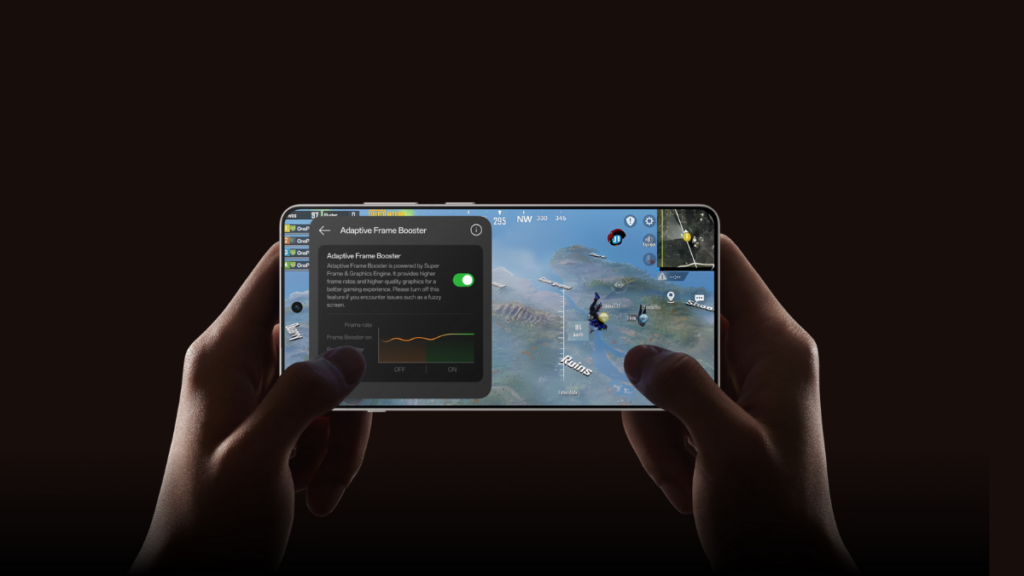
The already larger vapor chamber is now 8.6% bigger, which promises an additional 1.5°C reduction in temperature over the 12R. Both smartphones smoothly handle everyday tasks. However, when it comes to handling resource-intensive tasks such as gaming, the 13R does a better job.
Camera
The rear camera setup has been upgraded. The 50MP Sony IMX890 primary sensor is replaced with a 50MP Sony LYT-700 sensor, promising improvements. Another big change is the addition of a 50MP telephoto camera with 2x optical zoom. The high-resolution sensor allows it to capture 4x zoom without sacrificing image quality. It doesn’t have OIS, though.
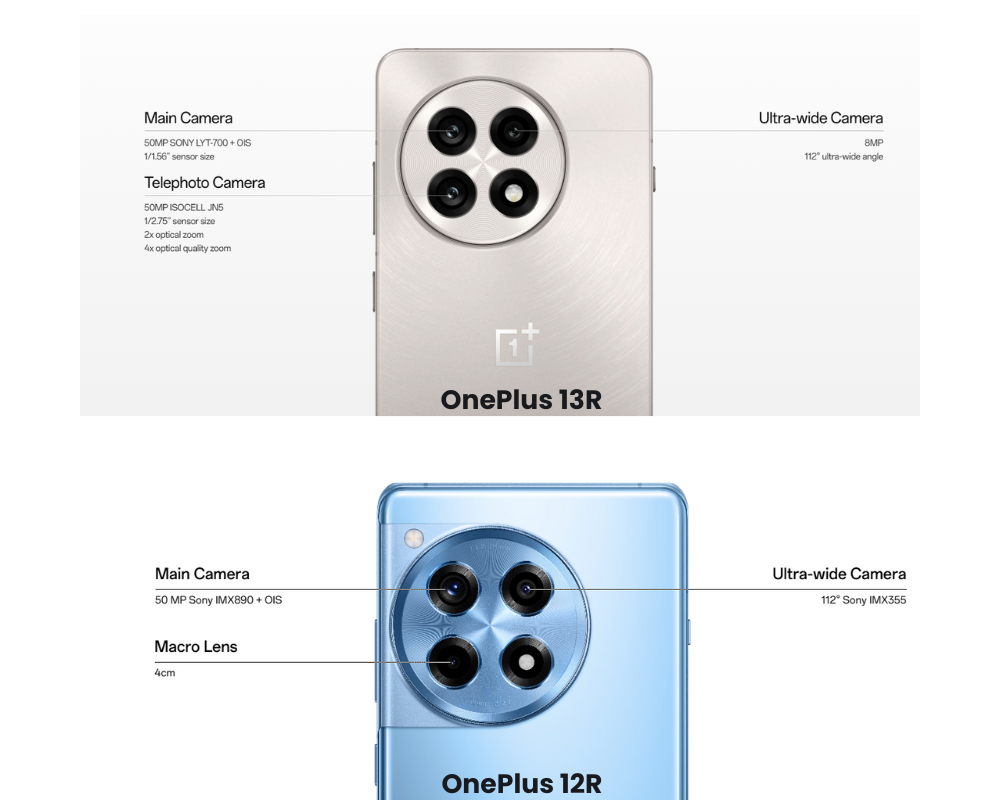
The 8MP ultrawide camera is still there. The OnePlus 13R has a 16MP selfie camera on the front, just like the 12R.
In short, the OnePlus 13R cameras perform better in zoom shots, while other aspects are almost the same.
Software
OnePlus has also improved the software update policy for the 13R. It promises four Android updates, while the 12R would only get three. In other words, the newer model will get OS updates until Android 19, but for the 12R, Android 17 would be the final major upgrade.
While four OS upgrades are generous, OnePlus doesn’t match Google and Samsung support.
Connectivity
The OnePlus 13R adds Wi-Fi 6e support and a newer Bluetooth v5.4 standard. However, it still uses Type-C 2.0. Even cheaper phones nowadays come with Type-C 3.2, which offers significantly faster data transfer over a USB cable.
Battery & Charging
The OnePlus 13R packs a massive 6,000mAh battery, a big jump from the 5,500mAh on the 12R. That’s great, but the charging speed has been reduced from 100W to 80W.
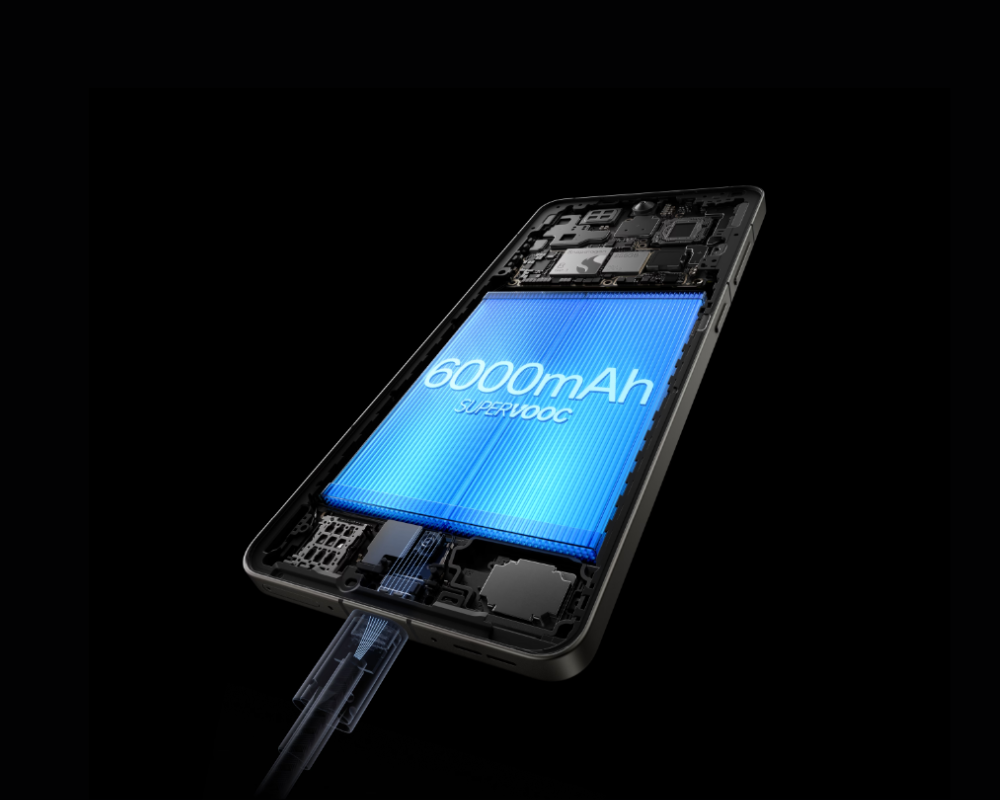
According to OnePlus, the 13R takes 20 minutes to reach 50%, while the 100W charging on the 12R only takes 26 minutes to fully charge the battery. Yes, the 13R has a bigger battery, but still, that’s a massive difference in the charging time.
OnePlus should have added wireless support on the 13R. Wireless charging is no longer exclusive to expensive phones. It’s already present on many mid-range phones, such as the Nothing Phone (1), Galaxy S21 FE, and Motorola Edge 50 Neo. The OnePlus 13R is priced higher than these phones, and therefore, I strongly feel the need for wireless charging support.
OnePlus 13R vs 12R: Conclusion
OnePlus 13R is a great mid-range phone that brings necessary upgrades to the camera, performance, battery capacity, and software support. However, there are some downgrades as well, such as weaker Gorilla Glass protection and slower wired charging compared to 12R (review).
The two areas where the OnePlus 13R could have done better are: improving the USB data transfer rate (should have been upgraded to type-C 3.2) and adding wireless charging support. The OnePlus 13R is an excellent value-for-money smartphone, otherwise.
Tech enthusiast? Get the latest news first! Follow our Telegram channel and subscribe to our free newsletter for your daily tech fix! ⚡


Comments