
Add GIZMOCHINA as Preferred Source on Google
As an Amazon Associate, Gizmochina earns from qualifying purchases. Links on this page may earn us a commission at no extra cost to you.
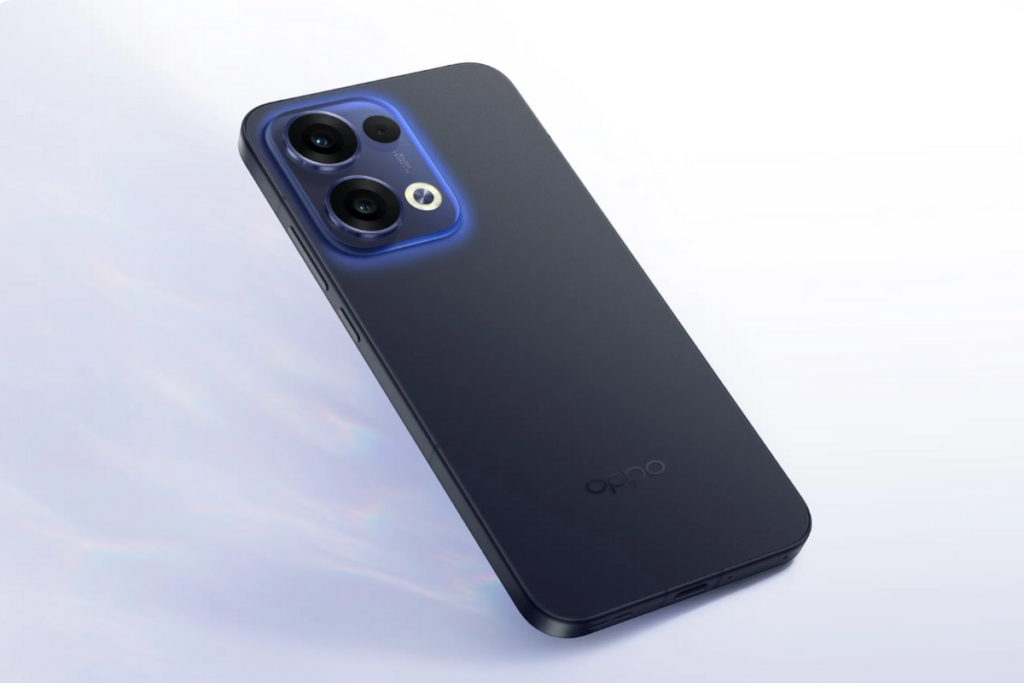
The nice-looking Oppo Reno 13 was initially unveiled in China, and recently to the global market as a mid-range phone. It brings an AMOLED screen, a Dimensity 8350 chip, a 50MP triple rear camera setup, and a long-lasting 5600mAh battery. Overall, it’s a good package. However, there are some excellent options that might offer you more value for the money.
4 Best alternatives to Oppo Reno 13
1. Samsung Galaxy S23
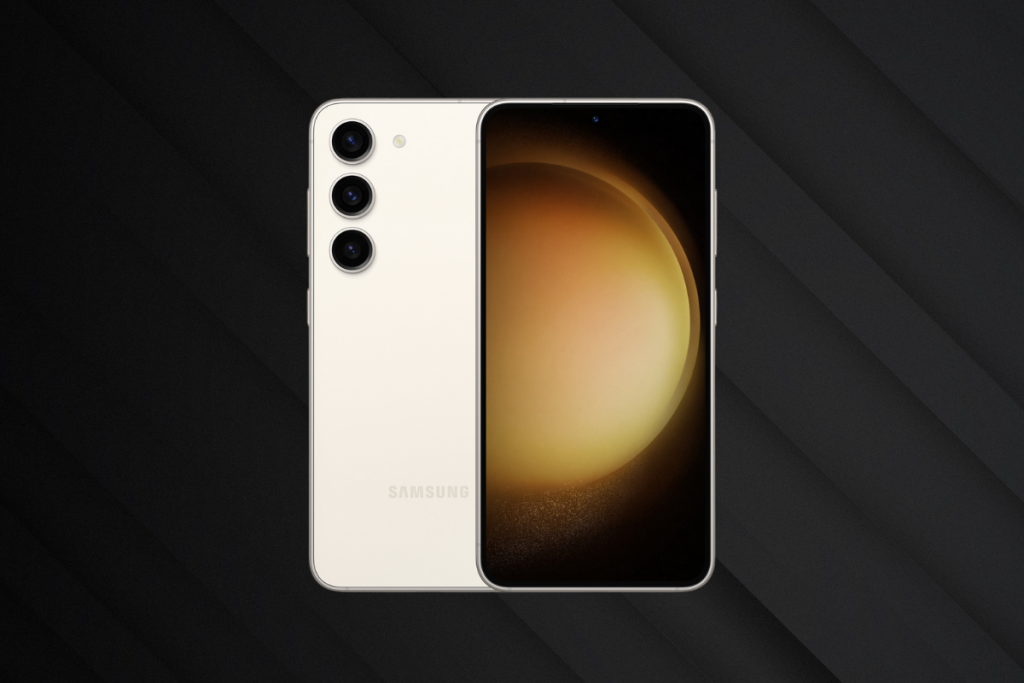
The Galaxy S23 5G is a no-brainer pick over the Oppo Reno 13 for many reasons. It’s a flagship smartphone rocking a high-quality 6.1-inch AMOLED screen with a 120Hz refresh rate and HDR10+ support. The brightness peaks at 1750 nits (vs. 1200 nits on the Reno 13), resulting in better clarity outdoors. It also has better screen protection, Corning Gorilla Glass Victus 2.
The Galaxy flagship is powered by a Snapdragon 8 Gen 2 chipset, which has better CPU and GPU performance than the Dimensity 8350 that’s inside the Oppo Reno 13. That’s another win for the Galaxy S23. However, the software may be disappointing.
The Galaxy S23 also does a great job with cameras. It rocks a high-end triple camera setup that includes a 50MP OIS-enabled primary sensor, a 10MP telephoto sensor with 3x optical zoom, and a 12MP ultrawide camera with 120˚ field-of-view (FOV). The Reno 13, on the other hand, lacks a telephoto sensor and has an ultrawide sensor with a smaller FOV.
The S23 has a 12MP shooter for selfies. The Reno 13 can record up to 4K videos, but the Galaxy S23 can also record 8K videos. The selfie videos on both phones are capped at 4K.
The Galaxy S23 has an ultrasonic fingerprint reader, which works faster than the optical one on the Reno 13. However, one aspect where the Reno 13 clearly shines is the battery and charging. It has a 5,600mAh battery, offering longer screen time than the Galaxy S23’s 3,900mAh. The Reno 13 also has faster wired charging. However, it lacks wireless charging, but the Galaxy S23 doesn’t.
The bottom line is that the Galaxy S23 is a much better option than the Reno 13 as long as you don’t mind slightly lesser battery backup and relatively slower charging.

Please Note: When you buy something using the links in our articles, we may earn a small commission at no cost to you.
2. Xiaomi 14 Civi
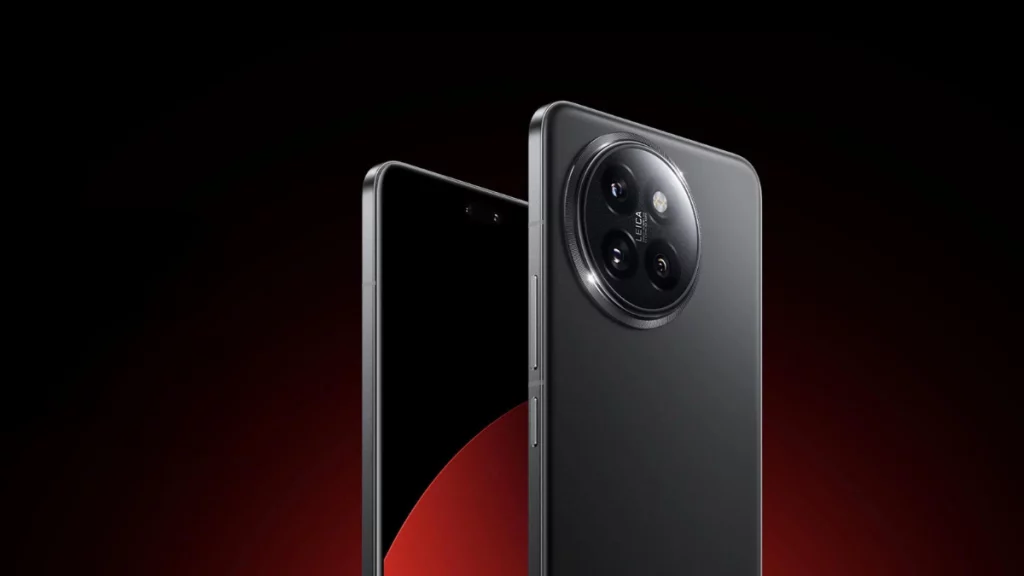
Xiaomi 14 Civi (review) is another great phone in the sub-INR 40,000 price bracket. It has some unique color options and a dual finish on the back. Both Xiaomi 14 Civi and Reno 13 have decent build quality, though the former lacks an IP rating for dust/water protection.
Both phones have an AMOLED screen that is almost similar in size, although they greatly differ in other aspects. For instance, the Xiaomi phone offers a higher peak brightness, Dolby Vision support, and tougher Gorilla Glass protection. It also has a slightly higher screen-to-body ratio.
The Xiaomi smartphone also wins the performance battle, as it rocks a more powerful Snapdragon 8s Gen 3 chip than the Dimensity 8350-powered Reno 13. It also brings faster storage, which adds to the performance. It also has an excellent rear camera setup that includes a 50MP OIS-enabled primary sensor, a 50MP telephoto shooter with 2x optical zoom, and a 12MP ultrawide sensor with 120˚ FOV.
The Xiaomi phone also has a better selfie camera as it also brings a 32MP ultrawide sensor in addition to a 32MP wide sensor. Overall, the Xiaomi 14 Civi has better cameras.
The Xiaomi 14 Civi falls short to the Oppo Reno 13 in terms of battery capacity and charging speed. It rocks a 4,700mAh battery and supports 67W wired charging versus 5,600mAh and 80W charging on the Reno 13.

Please Note: When you buy something using the links in our articles, we may earn a small commission at no cost to you.
3. Realme GT 6
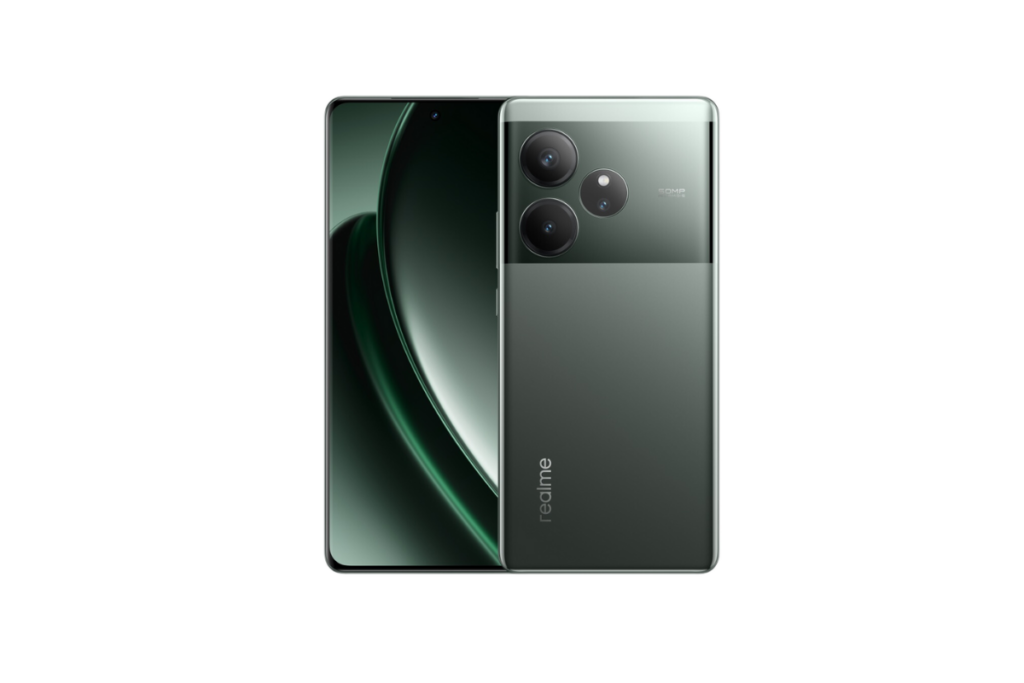
This Realme phone has a slightly bigger screen than Reno 13. More importantly, it’s an LTPO panel, so you’ll enjoy extra smoothness while saving the battery. The Realme GT 6 also has a higher peak brightness and better screen protection than Reno 13. It has a lower IP rating, though.
The Realme GT 6 also has a 50MP primary sensor and an 8MP ultrawide sensor, but it replaces the 2MP depth sensor from the Reno 13 with a 50MP telephoto shooter for better zoom shots. The device also has a 32MP selfie snapper. Both phones can record up to 4K videos using rear and front cameras.
They have nearly identical battery sizes — 5,600mAh on the Reno 13 and 5,500mAh on the Realme GT 6. However, the latter is ahead with 120W charging (vs. 80W on the Reno 13).
| Preview | Product | |
|---|---|---|

|
realme GT 6T 5G (Razor Green,8GB RAM+256GB Storage) | India’s 1st 7+ Gen 3 Flagship Chipset | 1.5M +… | Check Price on Amazon |
Please Note: When you buy something using the links in our articles, we may earn a small commission at no cost to you.
4. OnePlus 13R
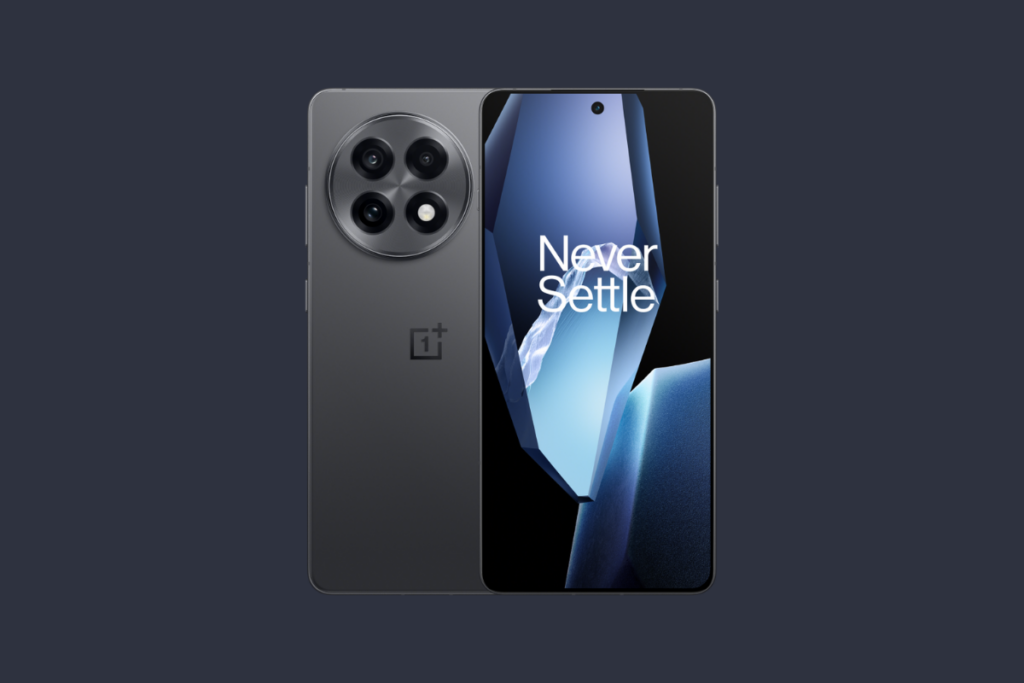
OnePlus 13R is another great value midrange, putting a tough show to against the Reno 13. It has a bigger AMOLED screen with LTPO support and a peak brightness of 4500 nits. The 13R also supports HDR10+ and Dolby Vision. However, it features a lower IP rating than Reno 13.
Both phones ship with Android 15 out of the box. However, the OnePlus 13R will get an extra Android upgrade and two additional years of security patches.
The biggest difference between the two is performance. The OnePlus 13R rocks a flagship Snapdragon 8 Gen 3, which is way faster and more efficient than the Dimensity 8350 inside the Reno 13. The 13R also has a better rear camera setup, which includes a 50MP primary shooter, an 8MP ultrawide sensor, and a 50MP telephoto shooter with 2x optical zoom. The selfie camera is 16MP.
Although both have all necessary connectivity features, the OnePlus 13R’s inclusion of Wi-Fi 7 makes it future-proof. This device also beats the Reno 13 in battery capacity, though the charging speed remains the same.
| Preview | Product | |
|---|---|---|

|
OnePlus 13R | Smarter with OnePlus AI (12GB RAM, 256GB Storage Astral Trail) | Check Price on Amazon |
Please Note: When you buy something using the links in our articles, we may earn a small commission at no cost to you.
Would you still go for Oppo Reno 13 or you seek more value in any of these alternatives? Share your thoughts in the comments below.




Comments