
Add GIZMOCHINA as Preferred Source on Google
Google‘s mid-range Pixel A-series has been great for those seeking a flagship-level camera and a good build quality without breaking the bank. While Google is yet to announce the Pixel 9a, the Pixel 10 series has already entered the conversation and the latest news is about the Pixel 10a, or more specifically, its chipset.
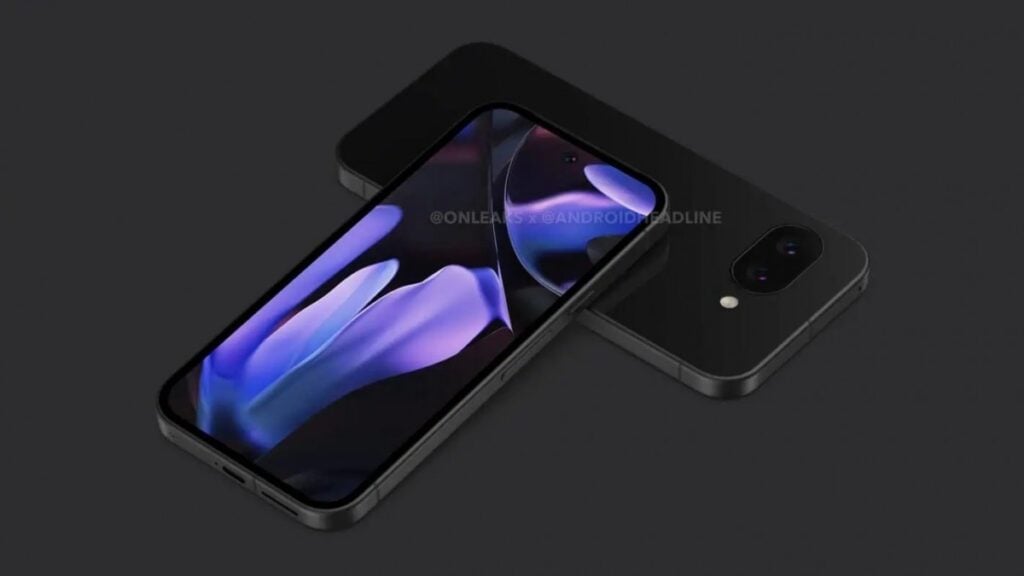
People have been waiting a long for Google to switch to TSMC from Samsung Foundry for the manufacturing of its Tensor chips, which will make them more power efficient, reduce heat generation, and improve their overall capabilities. Google is indeed rumored to partner with TSMC for the Tensor G5, which will power the Pixel 10 series, except for the Pixel 10a.
If true, Pixel 10a will be the first Pixel device ever with a year-old Tensor chip. This hurts us more as we have been waiting for a TSMC-fabbed Tensor since the Tensor G1 hit the market.
Pixel 10a could be the first to boast a generation old Tensor
According to AndroidAuthority, Google has not yet made a final decision on whether it will use the ‘custom’ version of the Tensor G5, or the older Tensor G4, manufactured by Samsung Foundry, in the Pixel 10a. While Google has made optimizations with its Tensor chips before putting them in the more affordable devices (possibly to balance performance and heating) using Tensor G4 is expected to increase the gap by a significant margin.
This might greatly restrict the feature set of the Pixel 10a. Many of the features expected to appear in the Pixel 10 series, including several AI features and camera upgrades, are apparently linked to the Tensor G5. With the Tensor G4, the Pixel 10a won’t be able to run those cutting-edge on-device AI models designed for the Tensor G5.
And here’s the fun part. If Google decides to stick to Tensor G4, it will mean using the chip for three years straight: the Pixel 9 series in 2024, the Pixel 9a in 2025, and the Pixel 10a in 2026.
Why Tensor G4 in 2026?
The higher cost of the TSMC-manufactured Tensor G5 could be the main reason for this potential cost-cutting move. Google might wait until the Tensor G6, which is said to be more cost-optimized, before bringing a fully custom SoC to its mid-range devices.
Tech enthusiast? Get the latest news first! Follow our Telegram channel and subscribe to our free newsletter for your daily tech fix!
(Source)



Comments