
Add GIZMOCHINA as Preferred Source on Google
It wasn’t long ago that premium features and performance were reserved for the best smartphones around—devices that often cost north of $1,000. They deliver the best in terms of performance, design, and innovation, but not everyone needs—or wants—to pay top dollar for those upgrades.
This is where “budget” flagships, or sub-flagship phones, come into play. These devices offer many of the same premium features found in high-end smartphones but at a much more digestible price. The rise of budget flagships has made it possible for consumers to get a flagship-like experience without the hefty price tag. But are these more affordable alternatives truly worth the trade-offs?
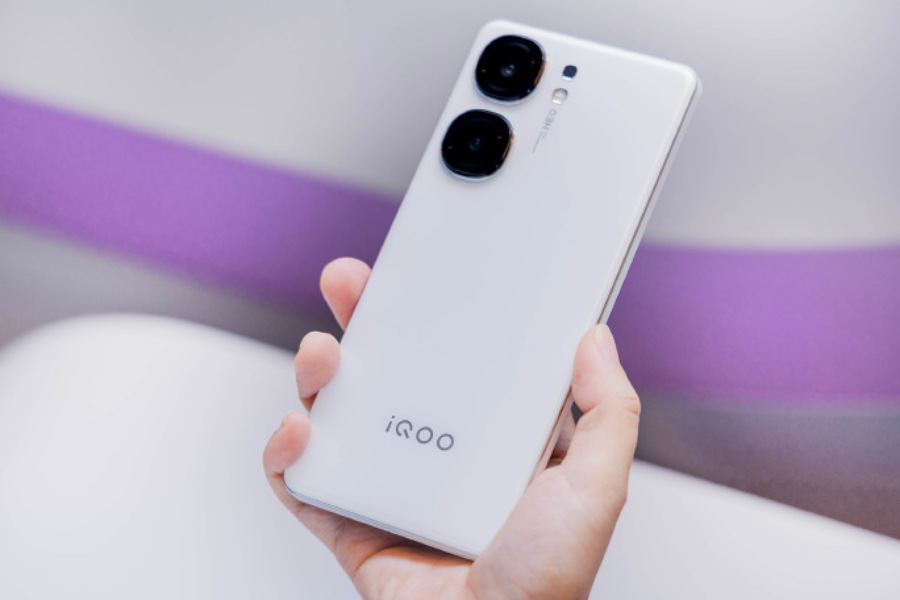
1. What Defines a Budget Flagship?
A budget flagship is essentially a device that sits between mid-range and premium-tier smartphones. It typically includes flagship processors, solid build quality, and competitive cameras, but avoids premium extras like advanced telephoto lenses, flagship-level displays, or wireless charging. These devices are designed for users who want strong performance and good cameras but can live without top-tier features.
For example, the OnePlus 13R features Qualcomm Snapdragon 8 Gen 3 SoC, a chipset that powered last year’s flagships. At the same time, brands cut costs in areas like camera sensors, display quality, or software support to maintain lower price points.
2. Handling your everyday tasks — and then some
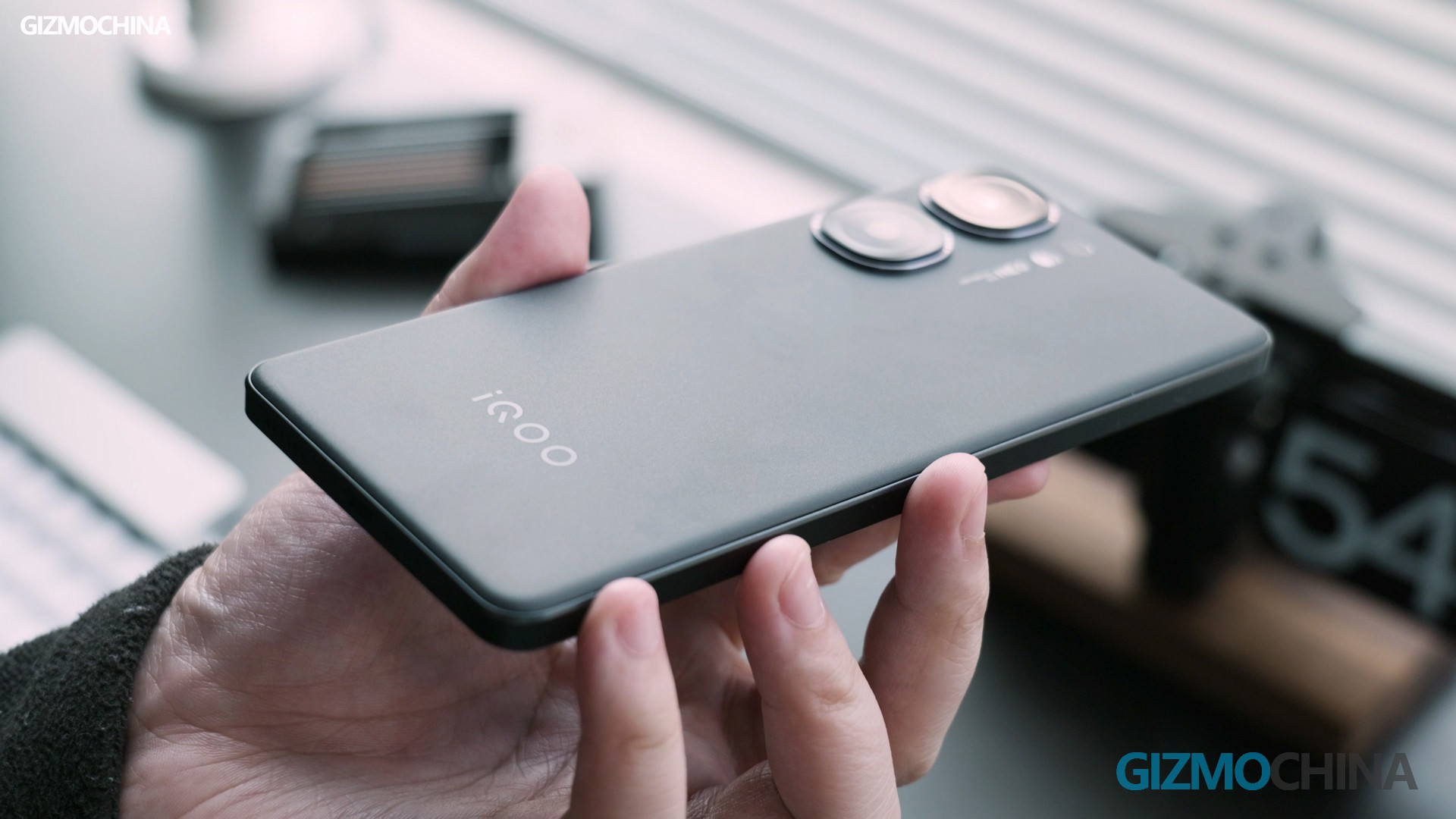
Performance is a key selling point for budget flagships. They typically include high-end processors, making them ideal for gaming, multitasking, and demanding apps. However, these devices often use last-generation chipsets rather than the latest ones found in true flagship models.
For instance, the Snapdragon 8 Gen 2 in the iQOO Neo 9 delivers excellent day-to-day performance, but it may lack the efficiency gains or AI features of newer chipsets like the Snapdragon 8 Gen 3 or 8 Elite.
This difference might not matter to casual users, but for gamers or professionals seeking the best, the trade-off becomes noticeable. Still, the majority of users will find these processors more than capable of handling their needs.
3. Capturing your best moments
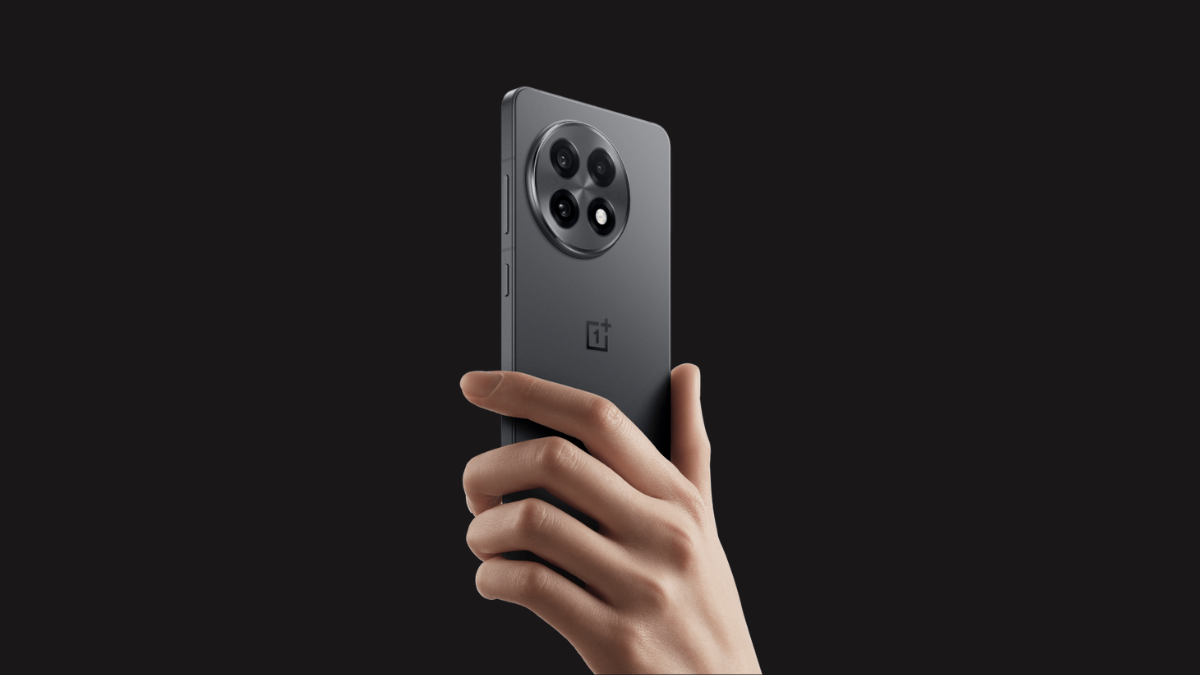
Cameras are another area where these affordable flagships shine—but only to a point. These devices often include a solid main sensor, sometimes borrowed from older flagship models, but they usually skimp on secondary sensors.
Take the Pixel 8a, for example. It delivers excellent still photography thanks to Google’s computational photography algorithms, but it lacks a telephoto lens for those crisp portrait shots. Similarly, devices like the OnePlus 13R include a good 50MP primary sensor but offer a mediocre 8MP ultrawide lens.
This makes budget flagships great for everyday photography but less versatile than premium flagships, which often include advanced zoom and ultra-wide capabilities.
4. A premium-ish look

When it comes to design, budget flagships do a decent job of mimicking premium devices. Glass backs, metal frames, and slim bezels are increasingly common. However, these phones often make small compromises, such as using plastic frames or skipping advanced durability features like IP68 water resistance.
While these trade-offs might not matter to everyone, they can make a difference over time. Premium flagships with Gorilla Glass Victus and ceramic builds tend to hold up better against wear and tear, whereas affordable flagships might start showing signs of use sooner.
5. Software
Software is arguably one of the most significant trade-offs for budget flagships. While brands like Samsung and Google offer extended software support even for mid-range devices, others don’t.
For instance, Poco and iQOO typically promise two or three major OS updates for their budget flagships, compared to four or five years of updates on premium devices.
Additionally, software experiences on budget flagships often include bloatware or lack the polish found in true flagships. If you’re someone who values timely updates and a clean user experience, this is worth considering.
6. Price vs. Value
The biggest draw of budget flagships is their price. Devices like the OnePlus 13R and Pixel 8a offer flagship-grade processors and decent cameras for nearly half the cost of premium models. But do the savings justify the trade-offs?
For many users, the answer is yes. Budget flagships strike a balance that works for those who want high performance without spending $1,000 or more. However, if you prioritize features like advanced cameras, premium materials, or extended software support, the trade-offs might outweigh the benefits.
7. Who Should Buy a Budget Flagship?
Budget flagships are ideal for users who:
- Prioritize performance and value over premium features.
- Don’t mind settling for last year’s processors or scaled-back cameras.
- Prefer spending less upfront, even if it means upgrading sooner.
On the other hand, if you’re someone who values durability, software updates, or cutting-edge features, it’s worth saving up for a true flagship—or even considering older flagship models, which often offer better hardware and longer support at a similar price point.
For more daily updates, please visit our News Section.
Don’t miss a thing! Join our Telegram community for instant updates and grab our free daily newsletter for the best tech stories!
