Add GIZMOCHINA as Preferred Source on Google
With the rise of affordable 5G smartphones, the Redmi 14C 5G and Vivo T3 Lite 5G have emerged as strong contenders in the budget segment. Both devices aim to deliver excellent value with modern features, but they cater to slightly different user needs. This comparison helps you understand how they differ in terms of design, performance, camera capabilities, and unique features, making it easier to choose the right device for your lifestyle and priorities.
1. Design and Display
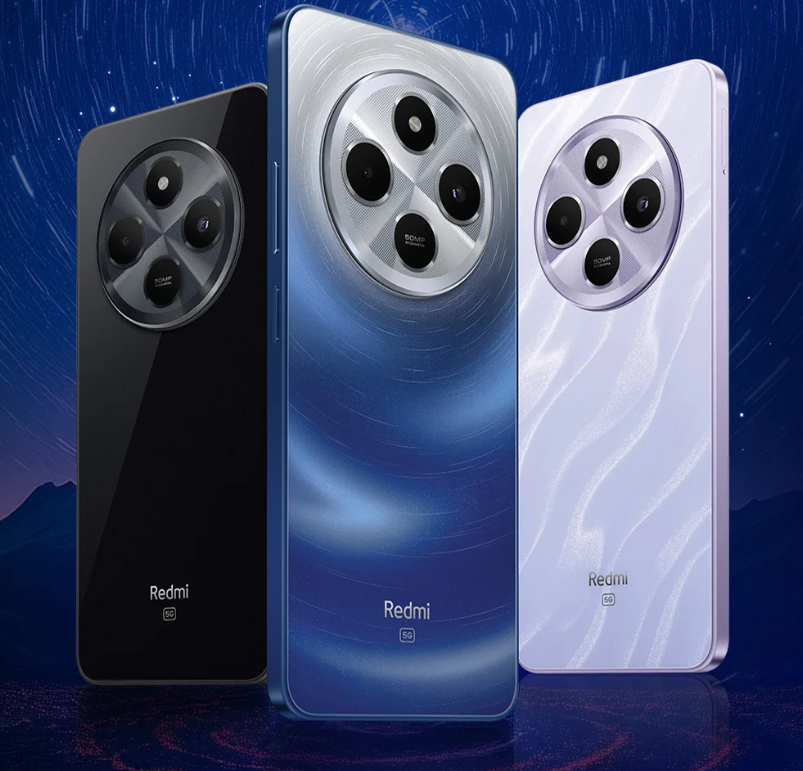
The Redmi 14C 5G and Vivo T3 Lite both feature glass fronts with plastic frames, but the Vivo T3 Lite adds a plastic back and an IP64 water and dust resistance, making it slightly more durable. The Redmi 14C has a splash and dust-resistant build but lacks an official IP64 rating.
In terms of display, the Redmi 14C offers a larger 6.88-inch IPS LCD with a smoother 120Hz refresh rate compared to the Vivo T3 Lite’s 6.56-inch display with a 90Hz refresh rate. However, the Vivo T3 Lite’s display is brighter, achieving up to 840 nits, making it better suited for outdoor use.
The Redmi 14C stands out for its larger, smoother display, which is ideal for gaming and scrolling. However, the Vivo T3 Lite’s brighter screen and IP64 certification make it better for on-the-go users who prioritize durability and visibility.
2. Specifications
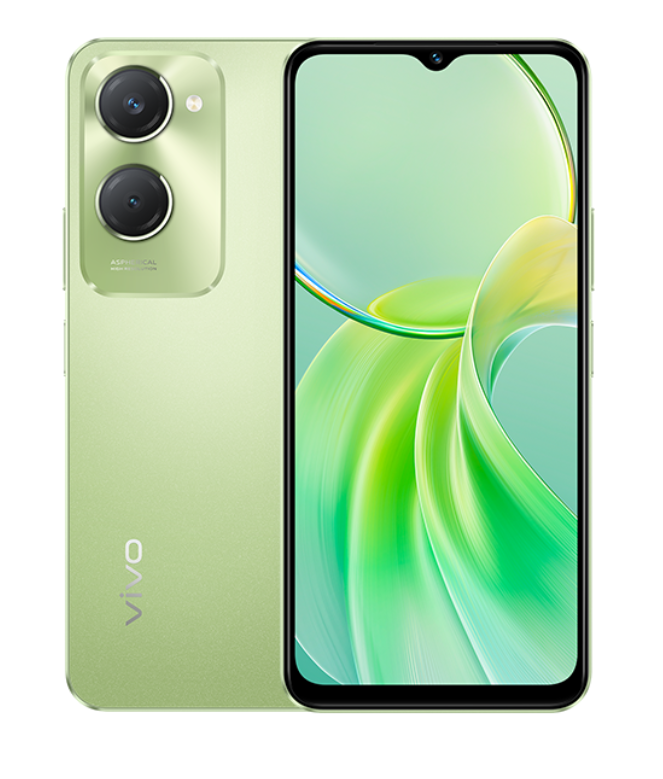
The Redmi 14C is powered by the Snapdragon 4 Gen 2 (4 nm) chipset, while the Vivo T3 Lite uses the MediaTek Dimensity 6300 (6 nm). The Snapdragon chipset offers efficient multitasking and power-saving benefits. Both devices have up to 6GB RAM, but Redmi supports UFS 2.2 storage, offering faster read/write speeds compared to Vivo’s eMMC 5.1.
Battery-wise, the Redmi 14C edges out with a larger 5160mAh battery and 18W fast charging, whereas the Vivo T3 Lite has a slightly smaller 5000mAh battery with only 15W charging.
The Redmi 14C is better for heavy users due to its larger battery and faster storage. However, the Vivo T3 Lite’s chipset offers slightly better performance for demanding tasks.
3. Camera
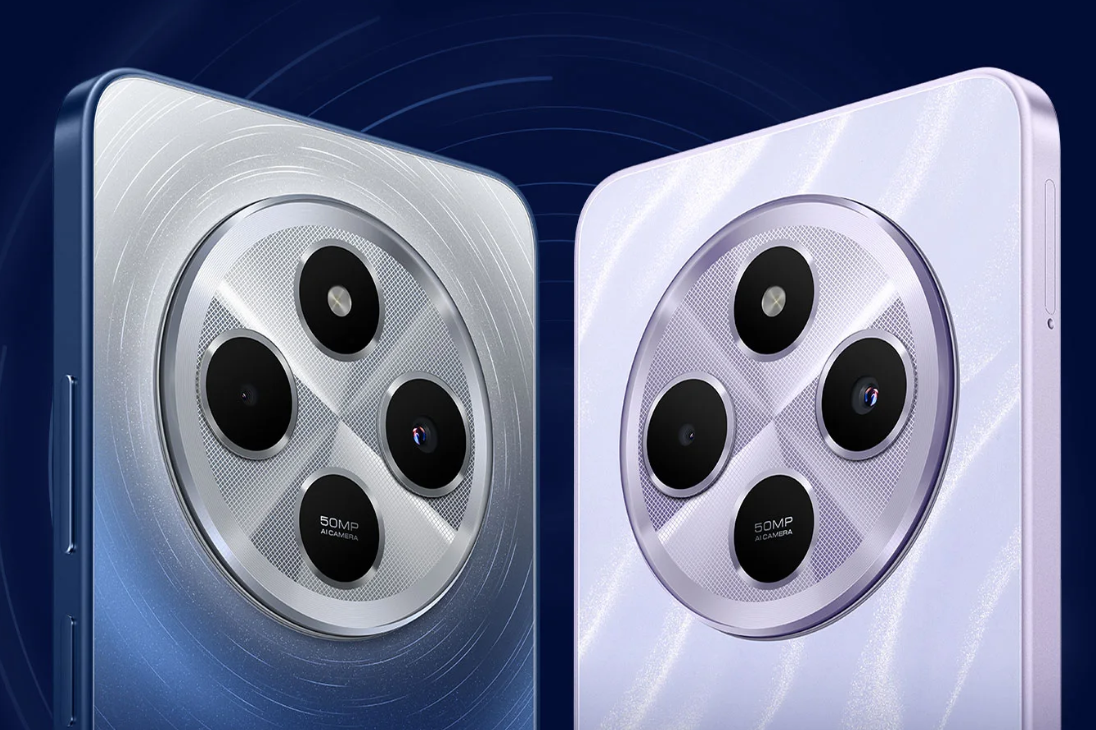
Both phones feature a 50MP main camera with f/1.8 aperture, ensuring good detail and low-light performance. The Redmi 14C only has a single rear camera, while the Vivo T3 Lite adds a 2MP depth sensor for better portrait shots. For selfies, both sport an 8MP front camera, with comparable quality.
While the Redmi 14C provides reliable photography for its price, the Vivo T3 Lite’s additional depth sensor gives it an edge for creative portrait shots.
4. Pricing
The Redmi 14C starts at ₹9,999, while the Vivo T3 Lite is slightly pricier at ₹10,485. Both devices offer good value, but Redmi’s pricing is more accessible for budget-conscious buyers.
Redmi’s aggressive pricing makes it a better deal for users who want strong features without stretching their budget. Vivo, however, justifies its price with added durability and a dual-camera system.
5. Conclusion
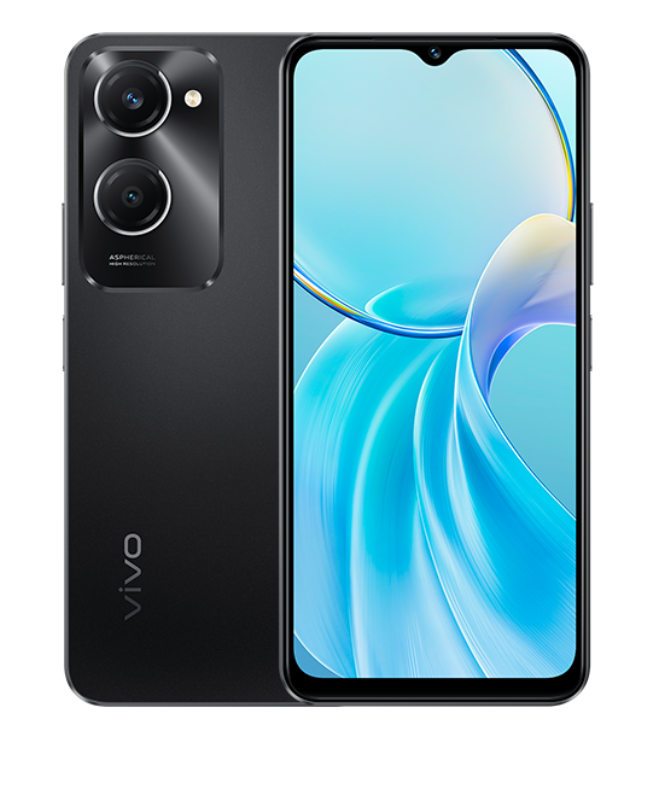
Unique features of the Redmi 14C include its 120Hz display and larger 5160mAh battery, making it ideal for gamers and binge-watchers. The Vivo T3 Lite, on the other hand, stands out with its IP64 rating and additional depth sensor for better photography.
Both phones have their strengths, but the Redmi 14C caters to performance enthusiasts, while the Vivo T3 Lite appeals to users seeking a more versatile and durable device.
Read More:
- Comparing Redmi 14C 5G and Oppo A3x 5G: Which should you buy ?
- Comparing Redmi 14C 5G and Realme C63 5G: Which is Better?
- Comparing Vivo S20 and Redmi K80: Which is a Better Buy?