Add GIZMOCHINA as Preferred Source on Google
As an Amazon Associate, Gizmochina earns from qualifying purchases. Links on this page may earn us a commission at no extra cost to you.
OnePlus 13 and Samsung Galaxy S24 both bring flagship features with different strengths. OnePlus focuses on cutting-edge hardware, massive battery life, and ultra-fast charging, while Samsung refines software longevity, AI-powered camera processing, and ecosystem integration. Both phones deliver top-tier performance but cater to different user preferences. If you’re wondering which one offers the best experience for your needs, this detailed breakdown will help you decide.
1. Design and Display
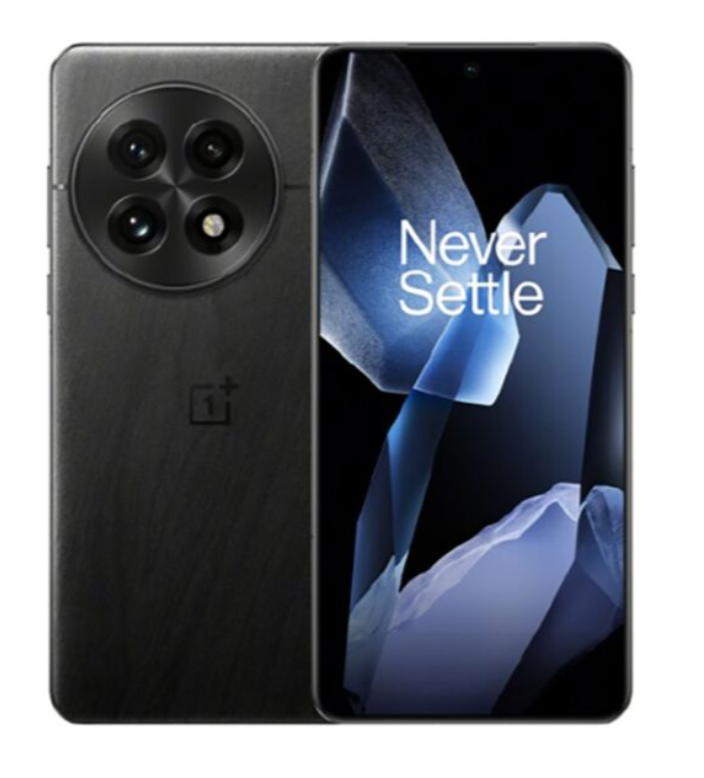
The OnePlus 13 and Galaxy S24 both feature premium materials, but the OnePlus offers Ceramic Guard glass and an IP69 rating, making it more durable against high-pressure water jets. The S24, with its Armor Aluminum 2 frame and IP68 rating, is still sturdy but lacks the extreme durability of the OnePlus.
In terms of display, the OnePlus 13’s 6.82-inch LTPO 4.1 AMOLED panel outshines the 6.2-inch Dynamic LTPO AMOLED 2X on the S24. OnePlus offers a 1440p resolution and 4500 nits peak brightness, while Samsung is limited to 1080p and 2600 nits. Both support HDR and always-on displays, but OnePlus includes Dolby Vision and Ultra HDR for superior contrast.
OnePlus 13 is the better choice for those wanting a bigger, brighter, and sharper display, while the S24 is great for compact phone lovers.


Please Note: When you buy something using the links in our articles, we may earn a small commission at no cost to you.
2. Specifications
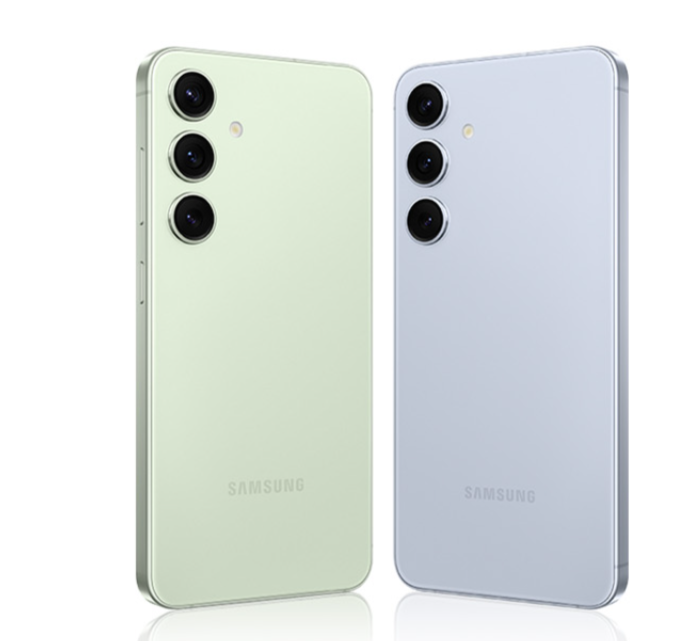
Both phones start at around $799, making performance the real deciding factor. The OnePlus 13’s Snapdragon 8 Elite (3nm) is newer and more powerful than the Snapdragon 8 Gen 3 (USA) or Exynos 2400 (International) in the S24. It also packs up to 24GB RAM, compared to the S24’s 12GB max.
Battery life is another major difference. OnePlus 13 boasts a massive 6000mAh battery, while the S24 settles for 4000mAh. Charging speeds favor OnePlus with 100W wired and 50W wireless, compared to 25W wired and 15W wireless on Samsung.
With almost the same price, OnePlus 13 offers far better performance and battery life, making it a smarter buy for power users.
3. Camera
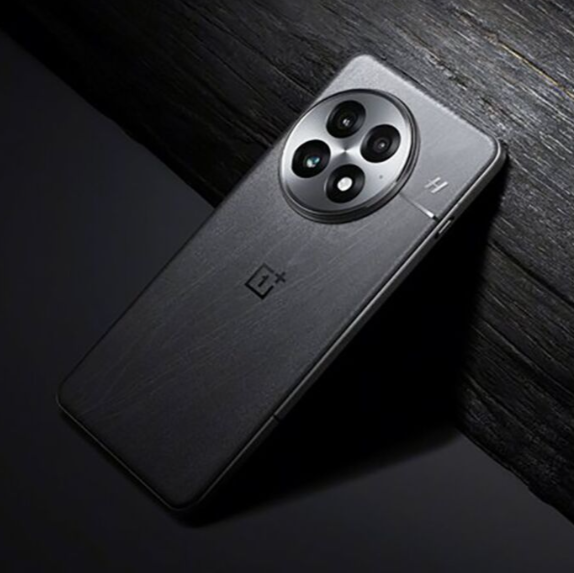
Both phones offer triple-camera setups, but OnePlus features three 50MP sensors, including a periscope telephoto lens. The Galaxy S24 has a 50MP main, 10MP 3x zoom, and 12MP ultrawide, with Samsung’s software tuning enhancing image processing.
For video, both support 8K recording, but OnePlus adds Dolby Vision HDR, making it better for pro-level content. The 32MP selfie camera on OnePlus also outclasses the 12MP on the S24.
OnePlus 13 offers better raw camera hardware, while Samsung’s AI tuning ensures great out-of-the-box image quality.
4. Pricing
With both phones priced at around $799 for the base variant, OnePlus delivers more value for the money in terms of battery, display, and raw performance. Samsung, however, still holds an edge in software longevity, offering 7 years of updates, while OnePlus commits to 4 years.
At the same price, the OnePlus 13 gives you more power and battery life, while Samsung provides longer software support.
5. Conclusion
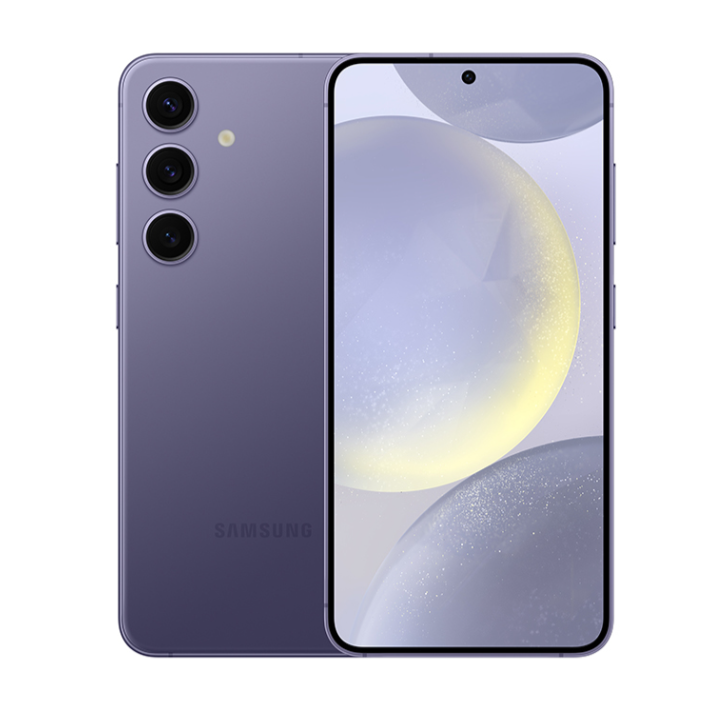
- OnePlus 13 has a bigger battery (6000mAh) and faster charging (100W wired, 50W wireless) compared to Samsung’s 4000mAh and 25W charging.
- Samsung offers 7 years of updates, while OnePlus only guarantees 4 years.
- OnePlus 13 has a superior 1440p display with 4500 nits brightness, while S24 maxes out at 1080p and 2600 nits.
- Samsung DeX support turns the S24 into a desktop-like experience, which OnePlus lacks.
- OnePlus includes an IR blaster, useful for controlling devices.
- OnePlus has better raw camera hardware, while Samsung’s software optimizations improve color processing.
At almost the same price, the OnePlus 13 wins in display, battery, and raw performance, while the Galaxy S24 is better for long-term software support and a compact design.
Read More:
- Comparing OnePlus 13 and Oppo Find X8: Which is Better?
- Comparing OnePlus 13 and Samsung Galaxy S25: Which early 2025 flagship to choose?
- Comparing OnePlus 13 and iPhone 16: Which is the best phone ?