
Add GIZMOCHINA as Preferred Source on Google
Camera technology has become one of the biggest differentiators among brands in the world of smartphones. While smartphone manufacturers have made significant strides in camera hardware and software, many have also turned to established camera brands for expertise. These partnerships aim to enhance image processing, lens quality, and color science, pushing mobile photography closer to professional-grade results.
Let’s take a closer look at some of the key partnerships between smartphone and camera brands and what they bring to the table.
1. Oppo & OnePlus x Hasselblad
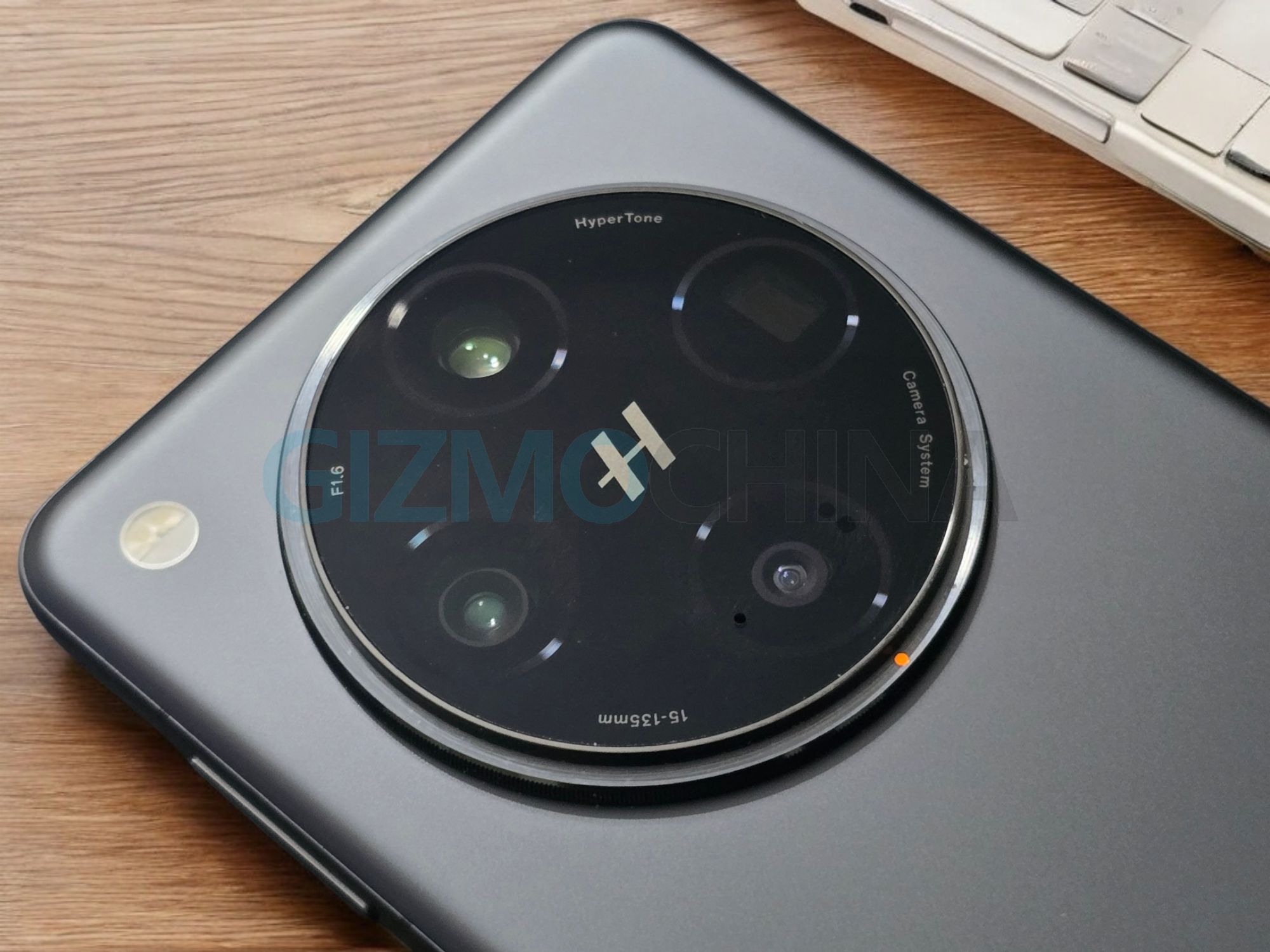
Hasselblad, a legendary Swedish camera manufacturer known for its medium-format cameras, has been working with Oppo and OnePlus since 2021. The collaboration focuses on colour accuracy, natural tone reproduction, and Hasselblad’s unique computational photography enhancements.
- Hasselblad Camera for Mobile: OnePlus and Oppo flagships have advanced colour tuning co-developed with Hasselblad, ensuring accurate, life-like colors.
- XPan Mode: Inspired by Hasselblad’s classic XPan film cameras, this mode allows users to shoot cinematic panoramic photos with a vintage look.
- Portrait enhancements: The latest OnePlus and Oppo flagships use Hasselblad’s expertise to improve portrait bokeh, mimicking DSLR-like depth-of-field effects.
2. Vivo x ZEISS
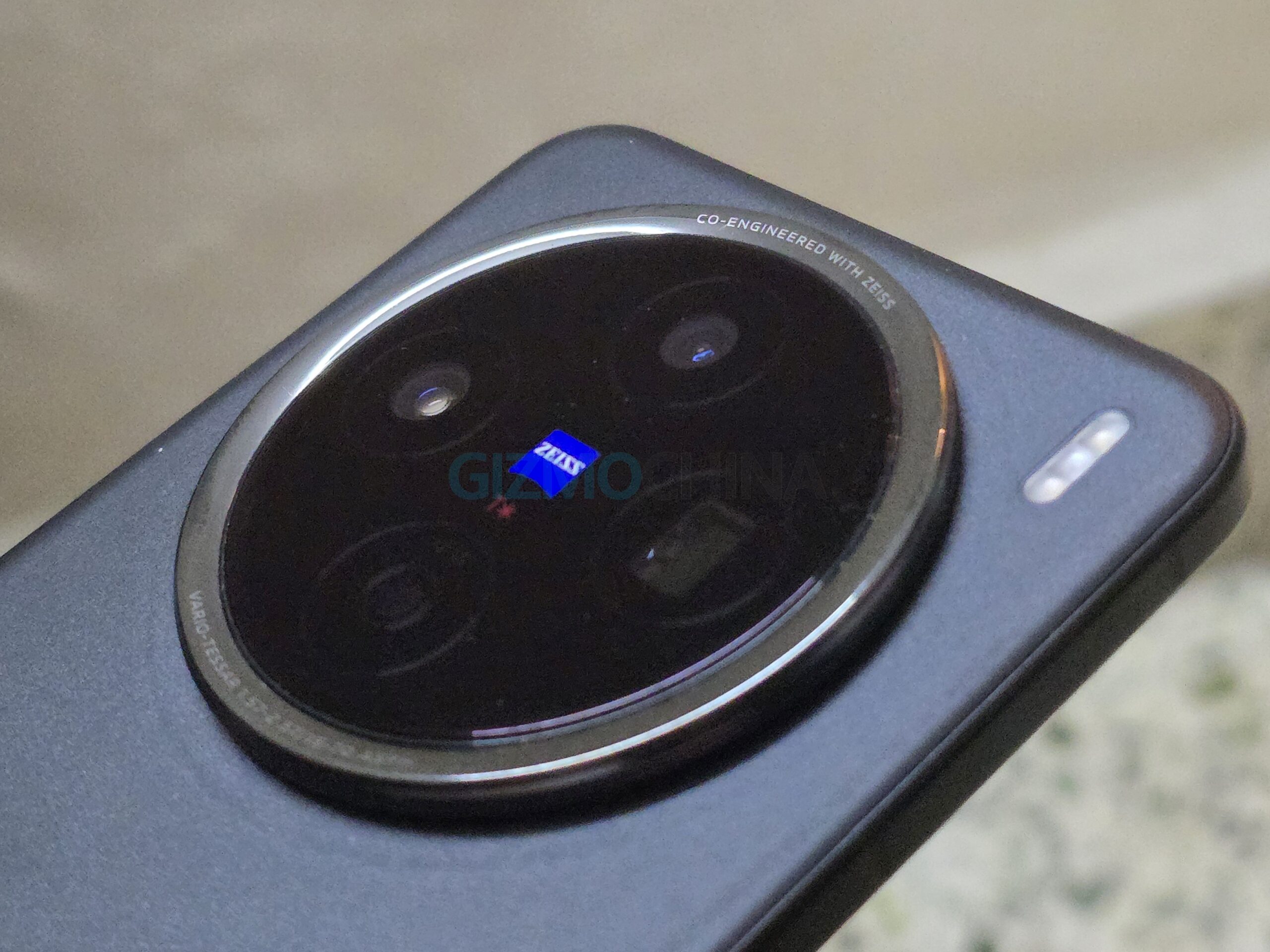
Vivo has partnered with ZEISS, a German optics giant known for its high-end lenses, to refine its smartphone camera systems. This collaboration, launched in 2020, has led to some of the best camera-focused smartphones on the market.
- ZEISS T Coating*: Reduces reflections, ghosting, and lens flares, ensuring better low-light photography.
- ZEISS Natural Color Science: Vivo phones benefit from ZEISS’s color tuning for more accurate and natural-looking photos.
- Professional bokeh styles: Vivo’s flagship models feature ZEISS-inspired bokeh effects that mimic lenses used in professional portrait photography.
Huawei with XMAGE: After parting ways with Leica, Huawei developed its own XMAGE imaging system, which builds on the foundation laid by their previous partnership, focusing on AI for better photo editing and capturing.
3. Xiaomi x Leica
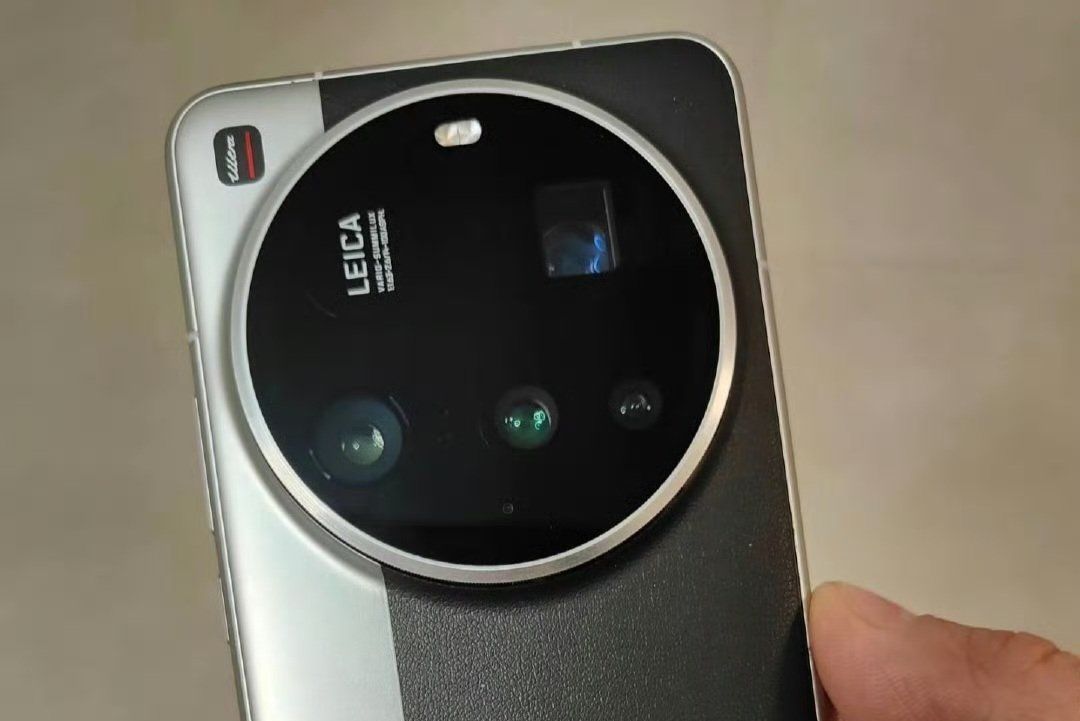
Leica, the legendary German camera brand, has been collaborating with Xiaomi to improve its smartphone cameras. This partnership, announced in 2022, has brought Leica’s signature image processing and colour science to Xiaomi’s high-end devices.
- Leica Authentic and Leica Vibrant modes: Offers two distinct colour profiles, one preserving natural colours and the other enhancing vibrancy.
- Leica Summicron lens: Co-engineered lenses deliver sharper images and better light transmission.
- Custom Leica filters: Xiaomi phones come with classic Leica-inspired filters, bringing a professional-grade aesthetic to smartphone photography.
4. Sony x Alpha and Huawei XMAGE: The power of in-house camera systems
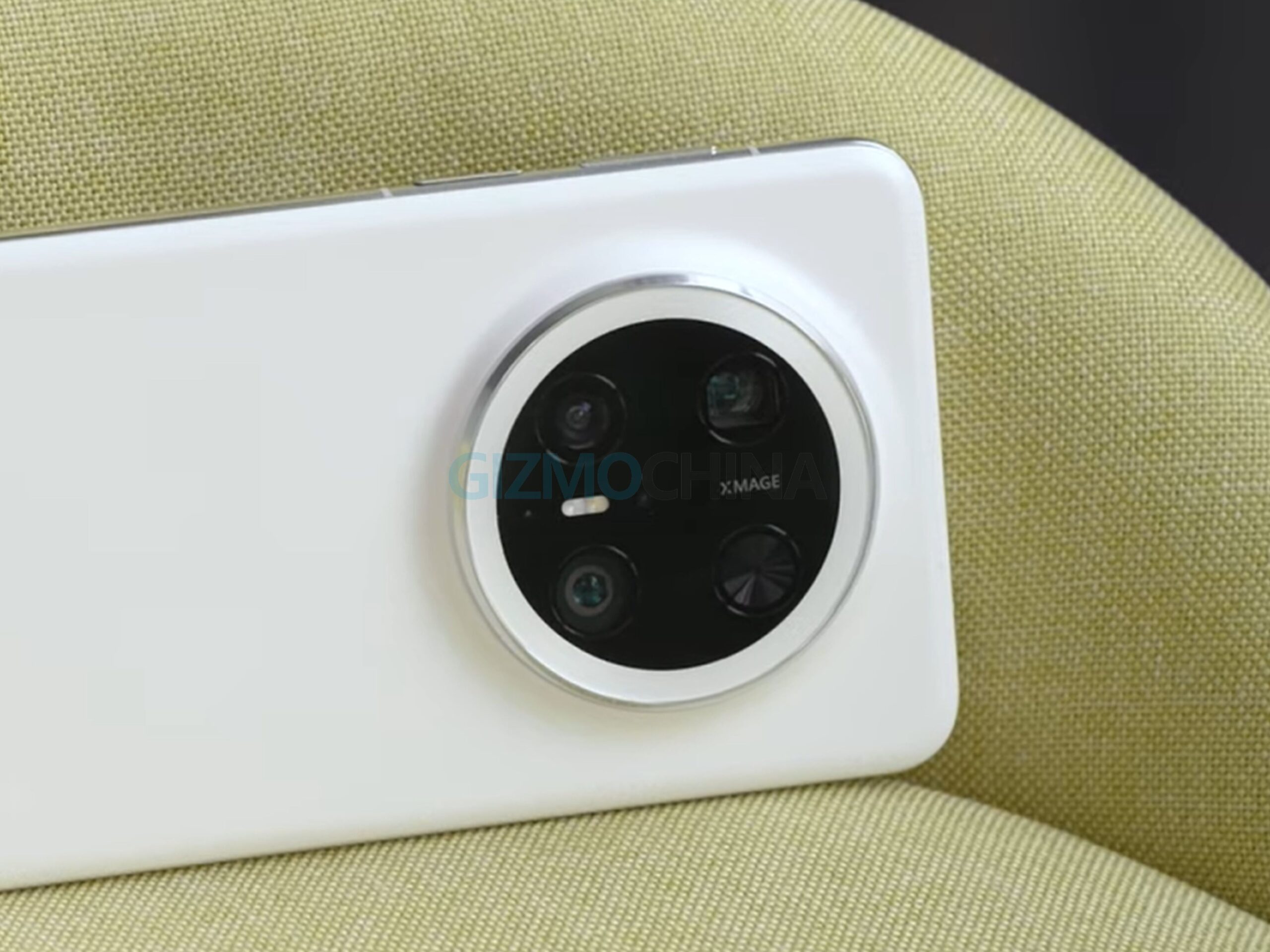
While many brands collaborate with camera manufacturers, Sony and Huawei have developed their own in-house imaging solutions.
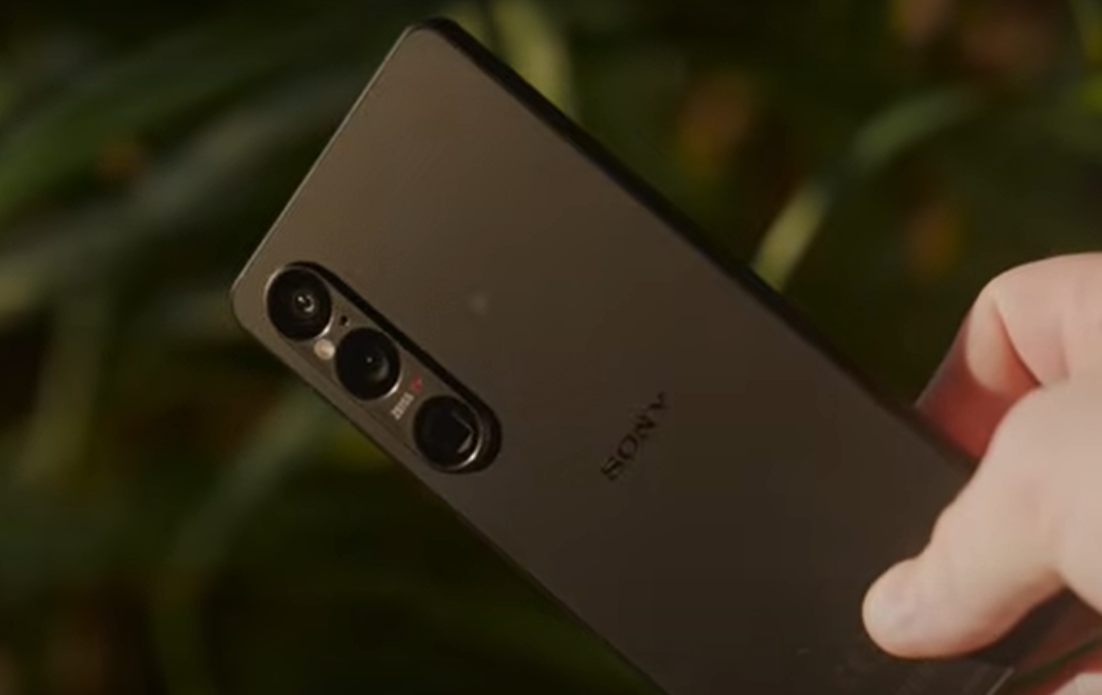
Sony x Alpha integrates professional camera technology from Sony’s Alpha series into Xperia smartphones. Features include DSLR-like manual controls, real-time Eye Autofocus, Exmor-T sensors for superior low-light performance, and S-Cinetone for cinematic video recording. Xperia devices cater to photography enthusiasts seeking a pro-grade mobile experience.
Huawei XMAGE, developed after parting ways with Leica, brings advanced imaging innovations like custom high-transmittance lenses, RYYB sensors for better low-light capture, AI-enhanced image processing, and Ultra Aperture Camera for dynamic depth control. XMAGE ensures Huawei remains a leader in mobile photography.
By developing their own camera systems, Sony and Huawei gain full control over hardware-software optimisation, offering cutting-edge photography features without relying on third-party partnerships.
5. Why do these partnerships matter?
These collaborations aren’t just about branding; they bring real technological advancements. Established camera brands contribute decades of optical and imaging expertise, helping smartphone manufacturers refine their camera software and hardware.
For consumers, this means better colour accuracy, improved low-light photography, superior lens coatings, and DSLR-like portrait effects. As smartphone cameras continue to evolve, these partnerships will play a crucial role in shaping the future of mobile photography.
Whether it’s Hasselblad’s colour science, ZEISS’s lens technology, or Leica’s signature image processing, these collaborations ensure that smartphone users can capture stunning images with just a tap of their fingers.


Comments