Add GIZMOCHINA as Preferred Source on Google
Chinese smartphone brands have a dual identity. The flagship phone you see in China often isn’t quite the same as the one launched globally. And while companies like Xiaomi, Vivo, Oppo, and even Huawei have pushed their global presence, there are still key differences between their domestic and international models. Some of these are technical, some are software-based, and others are simply about marketing choices.
If you’ve ever wondered why the latest Chinese flagship seems to have slightly different specs—or even an entirely different experience—outside of China, here’s why.
1. Software — It’s a different game altogether
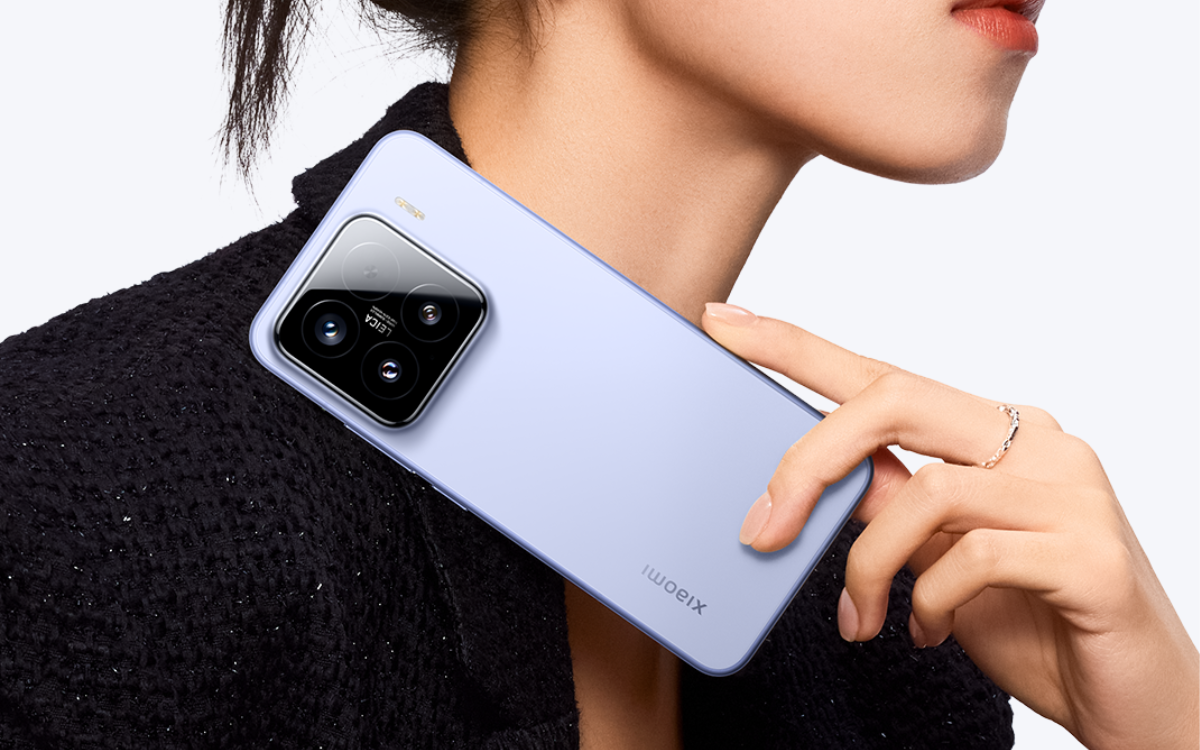
One of the most striking differences between Chinese and global flagship phones is software. In China, Google services don’t exist, and that changes everything. Phones launched there come without the Play Store, Google Maps, or even Google Assistant. Instead, manufacturers rely on their own app stores, mapping services, and AI assistants.
This affects more than just app availability. It changes how the entire software experience is designed. Chinese flagships have much deeper integrations with local platforms like WeChat, Alipay, and Baidu.
What’s impressive is that the decentralization from Google has pushed manufacturers to develop their own solutions for voice assistants, file sharing, and more. And the best part? It’s all built on Chinese services which creates an ecosystem that feels entirely native.
For global models, manufacturers need to rework their software to fit the Google ecosystem. This includes adding Google Play services, tweaking AI assistants to support Google Assistant, and ensuring apps comply with international standards.
2. Same hardware…but different
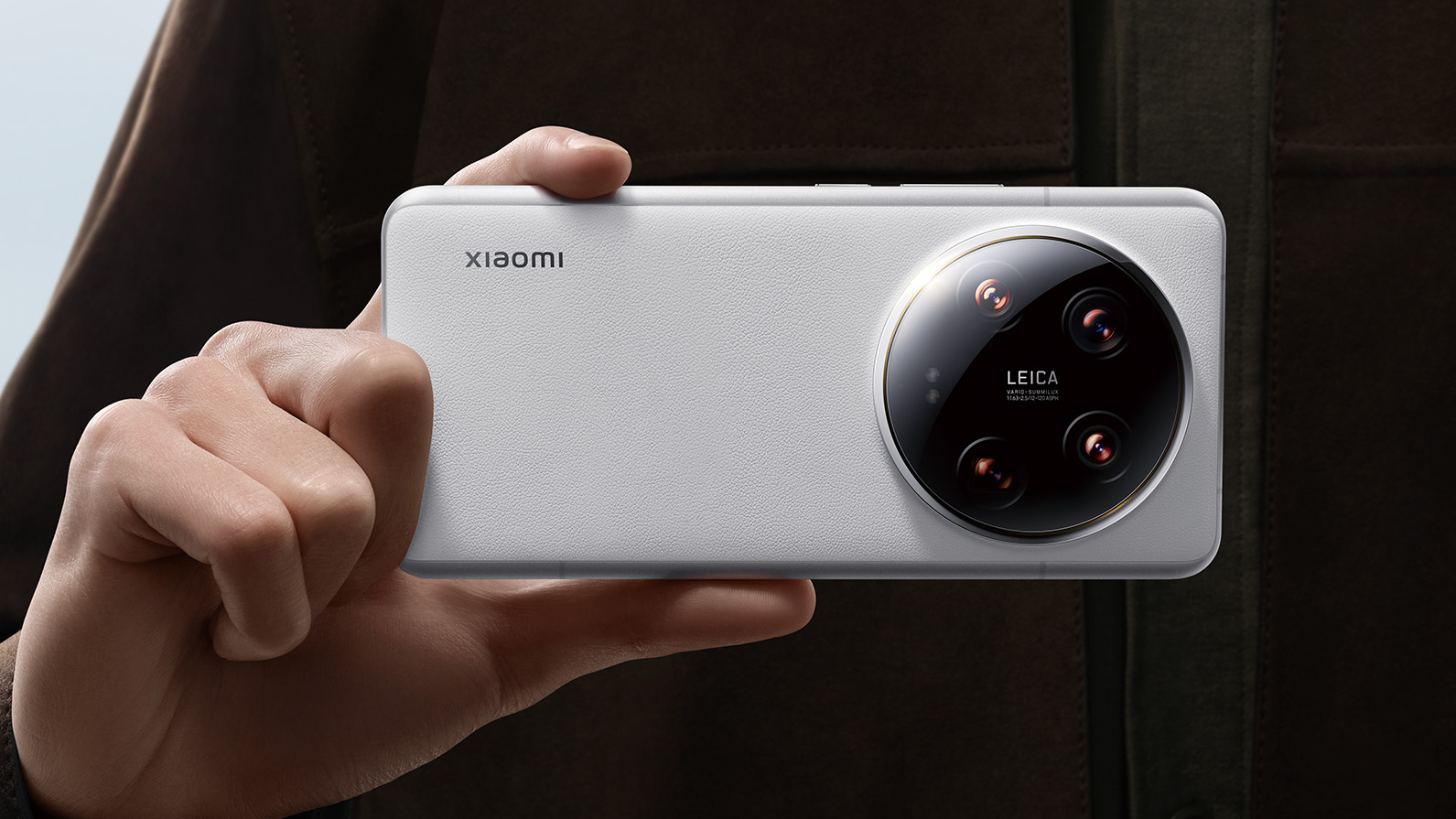
On paper, most flagship models from Chinese brands look identical across markets. But if you dig into the details, there are often key differences. Sometimes, these are small variations, like different storage configurations or slightly altered designs. Other times, there are major changes that affect the user experience.
Take the Xiaomi 14 Ultra, for example. The Chinese version has a bigger 5300mAh battery while the global variant is limited to 5000mAh. Similarly, Oppo or Vivo might offer a high-end ceramic version in China but stick with standard glass for international models. Other features, like fast charging, might also differ in global and Chinese models.
And then there’s the case of missing bands. Many Chinese flagships support network bands specifically designed for China, while their global counterparts are adjusted to support more LTE and 5G bands used in Europe, India, and the US. This is crucial because importing a Chinese flagship and expecting full network support outside of China is often a gamble.
3. AI Features
AI-driven features are a big deal in smartphones these days, and this is another area where Chinese flagships differ. In China, voice assistants like Xiaomi’s Xiao AI, Huawei’s Celia, and Oppo’s Breeno are heavily integrated into daily functions.
These assistants work seamlessly with local services and offer deep WeChat integration, real-time translation, and payment functions via Alipay and WeChat Pay.
In global versions, these assistants are either entirely removed or reduced to minor roles. Instead, the phones ship with Google Assistant, which might not integrate as deeply with the manufacturer’s ecosystem. This makes certain AI features feel more fluid in Chinese models, even if they’re technically running the same software version.
4. Bloatware and Ads
If you’ve ever used a Chinese flagship straight out of the box, you might have noticed something: ads. Many Chinese manufacturers subsidize their phones by including pre-installed apps and built-in ads.
Xiaomi, for example, is well known for placing ads in its system apps. This is widely accepted in China, where consumers are used to the trade-off of lower prices for ad-supported experiences.
For global models, however, this doesn’t always fly. While some brands still push pre-installed apps, international users are far less tolerant of ads inside their settings menus. As a result, many Chinese brands tone down (but don’t completely remove) these ad placements in their global software.
5. Branding and Positioning
One of the more subtle differences is how Chinese flagships are marketed. In China, these phones are often sold as lifestyle devices, deeply tied to a particular ecosystem. Vivo and Oppo, for instance, don’t just sell a phone—they sell a compl, and what it means for buyers.ete AI-powered experience that includes smart home integration, advanced beauty filters for selfies, and seamless file-sharing with other Chinese-brand devices.
Globally, the same brands take a more straightforward approach: performance, camera tech, and battery life. Instead of ecosystem lock-in, they emphasize raw specs.
Huawei, for instance, focuses on camera quality and design when marketing its global flagships, rather than pushing its app ecosystem (which remains a hard sell outside China due to Google’s absence).
6. More Affordable in China, Even for the Same Model
One of the biggest frustrations for international buyers is pricing. Chinese flagship models are almost always cheaper in China than their global counterparts. This is largely due to different taxation policies, local competition, and brand positioning. Companies like Xiaomi and Vivo can afford to price their high-end devices more aggressively in China because of direct sales models and lower distribution costs.
For example, the OnePlus 13 was launched in China at a significantly lower price than its global release, even though the hardware was nearly identical. Brands might justify this pricing gap by including longer warranty services, additional accessories, or region-specific promotions in global markets, but for many buyers, the price difference still feels hard to justify.
7. Importing a Chinese Flagship is Worth It?
After reading all this, if you’re considering buying a Chinese flagship directly instead of waiting for the global version, there are trade-offs. You might get better hardware, faster updates, and more customization options, but you’ll also have to deal with missing Google services, lack of proper 4G/5G band support, and a software experience that isn’t fully optimized for international users.
Some tech folks might not mind this. They can flash global ROMs or tweak settings to make Chinese models work internationally. But for most users, waiting for the global model is the better option—it’s optimized for your region, comes with proper Google support, and avoids compatibility headaches.
8. Final Thoughts
Chinese flagship smartphones might share the same names globally, but they’re often two different products. The Chinese versions tend to be more tightly integrated with local ecosystems, sometimes offer better specs, and receive updates faster. The global versions, on the other hand, are tuned for a broader audience, with Google services, wider network support, and fewer ads.
For most users, the differences won’t be a dealbreaker. But if you’re an enthusiast thinking about importing a Chinese flagship, it’s worth considering what you gain—and what you might lose.