
Add GIZMOCHINA as Preferred Source on Google
Pro iPhone users are upgrading at a much faster pace than those with base models, and a new report from Counterpoint explains why. On average, Pro model owners replace their iPhones every 2.75 years, while non-Pro users hold onto their devices for 3.15 years. The difference may not seem huge at first, but in a premium smartphone market where Apple is pushing higher-priced models, it signals a major shift.
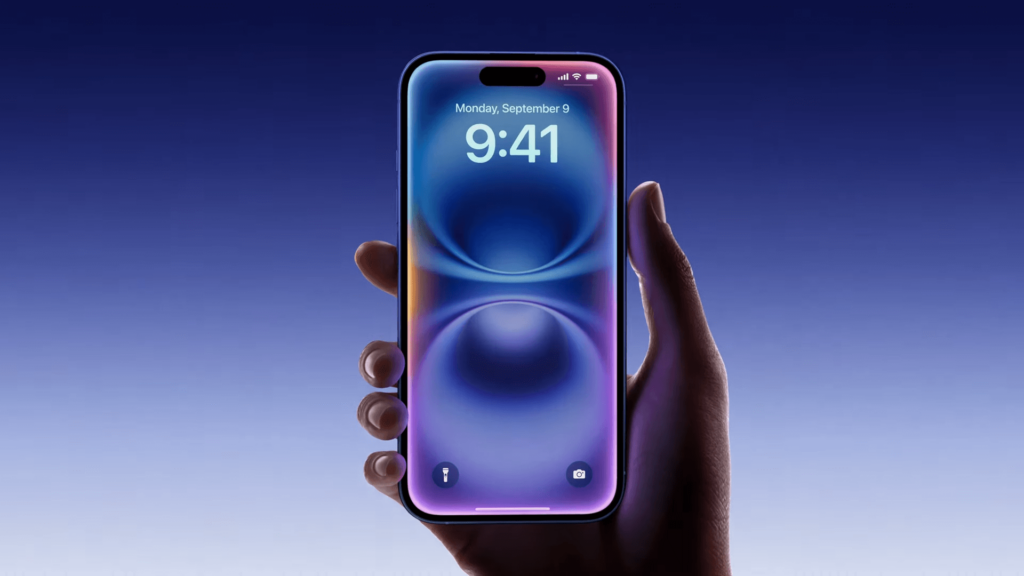
What’s driving the trend?
The trend is driven by a mindset shift among iPhone users. Many Pro owners see themselves as innovators or early adopters, with 45 percent identifying as the first to embrace new technology. An additional 25 percent consider themselves opinion leaders who influence purchasing decisions. This self-perception fuels a sense of urgency to upgrade, often within two to three years of a phone’s launch. At the same time, base model users are increasingly moving toward the Pro lineup, drawn by exclusive features like advanced cameras, ProMotion displays, and premium materials.
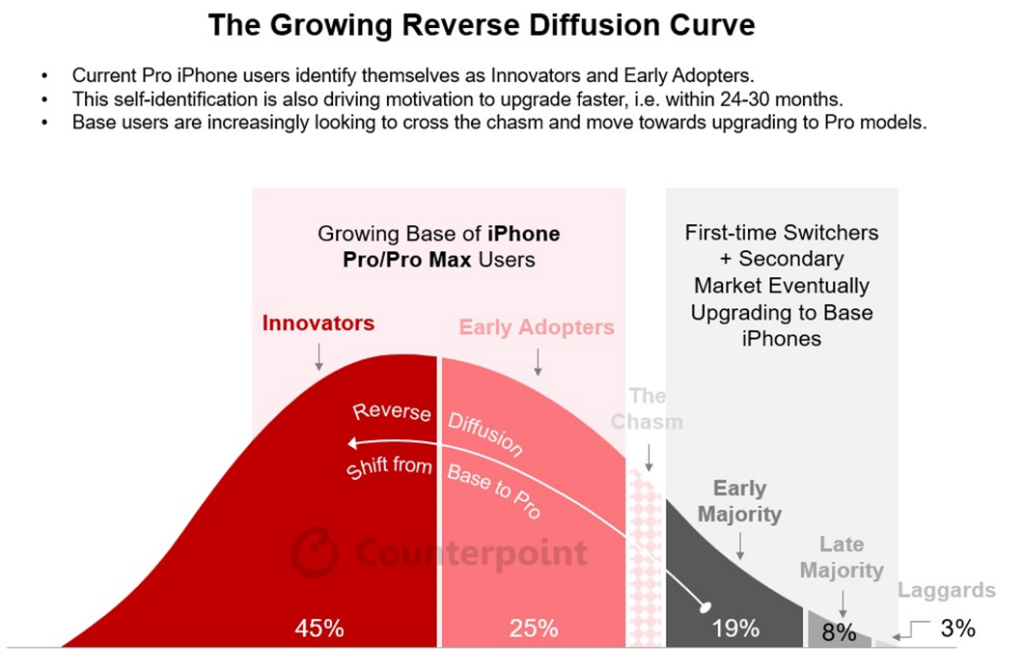
Shorter upgrade cycles are having a ripple effect on the secondary market. As more Pro models enter resale channels, the availability of refurbished units is expected to improve, especially in regions like India and Southeast Asia, where demand for used iPhones is high. Supply constraints have made it difficult for many buyers to get their hands on refurbished Pro models, but this shift could ease some of those challenges.
The timing of this trend is particularly interesting with the iPhone SE 4 launch expected tonight. Apple’s most affordable iPhone has long catered to price-conscious buyers, but the upcoming model is rumored to bring a significant design overhaul, likely resembling the iPhone 14 with Face ID and an OLED display. If Apple keeps its pricing aggressive, the SE 4 could become the perfect entry point for first-time iPhone buyers and switchers coming from Android.
The report also highlights Apple’s growing success in pulling users away from Android. Nearly half of the surveyed iPhone owners previously used Android devices, with Samsung and Google being the biggest brands affected. As more premium Android users switch to iPhones, companies like Samsung, OnePlus, and Vivo are doubling down on AI-powered features and high-end specifications to stay competitive.
Recent data from CIRP (via AppleInsider) reinforces the trend of shorter upgrade cycles. In Q4 2024, 36 percent of iPhone users upgraded within two years, up from 31 percent the year before. Carrier trade-in deals and installment plans have made upgrading more accessible, while Apple’s strategy of introducing exclusive features on newer models is adding pressure to upgrade sooner.
Despite iPhones remaining functional for four to five years, Apple continues to push innovations that create a sense of urgency among its most dedicated users. Whether this trend will hold depends on future product launches, but for now, Pro users are upgrading at a faster rate, and Apple is shaping the market to keep that momentum going.
In related news, iPhone SE 4 cases have appeared on Alibaba, reinforcing the expected design. Feel free to check them out.
For more daily updates, please visit our News Section.
Stay ahead in tech! Join our Telegram community and sign up for our daily newsletter of top stories! 💡

Comments