
Add GIZMOCHINA as Preferred Source on Google
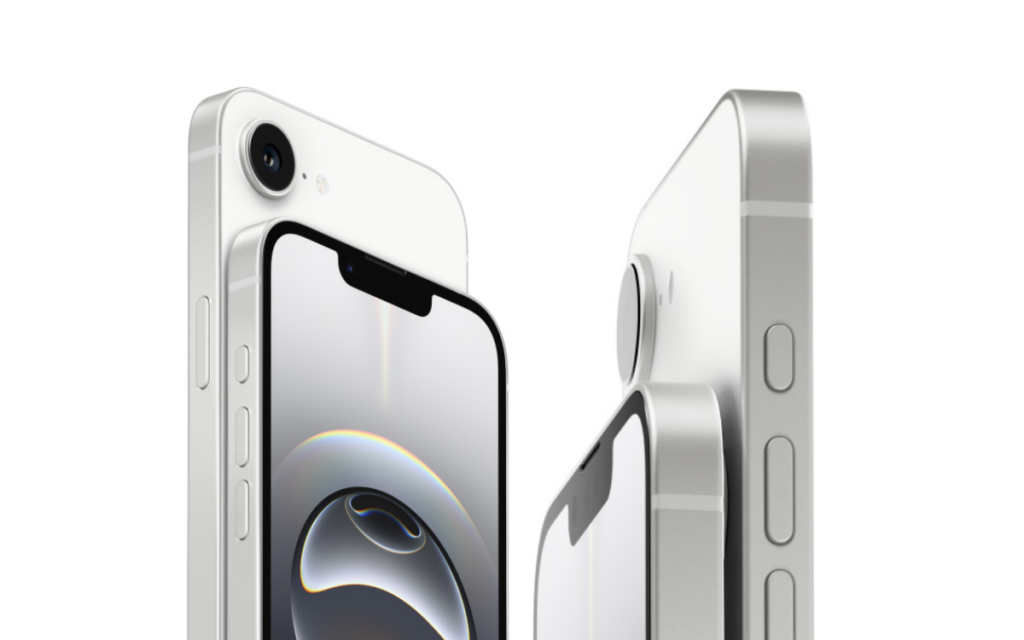
Apple’s iPhone 16e is an odd device. It exists in a strange limbo between the iPhone SE and the iPhone 16, offering an awkward mix of new and old features at a price that doesn’t quite justify its existence.
While Apple is clearly positioning the 16e as an entry-level iPhone for users who don’t need all the bells and whistles, the compromises make it hard to recommend, especially when the iPhone 15 or even the iPhone 16 are just a bit more expensive. If you’re considering the iPhone 16e, here’s why you might want to look elsewhere.
It’s Too Expensive for What It Offers
The biggest issue with the iPhone 16e is its price. Starting at $599, it sits uncomfortably close to the iPhone 15, which costs just $100 more. For that extra money, you get a brighter display, a second camera, MagSafe charging, and a more refined design.
Historically, the iPhone SE was meant to be a budget-friendly alternative to Apple’s flagship models. The 16e, however, isn’t particularly affordable, especially when compared to Android devices that offer high refresh-rate displays, multiple cameras, and better value for the same price.
No MagSafe
In 2025, MagSafe has become a standard iPhone feature. From chargers to accessories, Apple’s entire ecosystem is built around the magnetic system introduced with the iPhone 12. The iPhone 16e, inexplicably, does not support MagSafe, meaning you won’t be able to use Apple’s wireless battery packs, car mounts, or magnetic wallet attachments.
Instead, it only supports standard Qi wireless charging, which is not only slower but also lacks the convenience that MagSafe provides. This feels like a deliberate omission rather than a necessary cost-cutting measure, and it makes the 16e feel outdated right out of the box.
Notch Instead of Dynamic Island
Apple introduced the Dynamic Island with the iPhone 14 Pro, and by now, most iPhones have adopted it, except for the iPhone 16e. Instead of the more functional, interactive Dynamic Island, the 16e retains the outdated notch design.
This makes the phone feel stuck in the past, especially when even mid-range Android phones are pushing the envelope with punch-hole displays and under-display camera technology. If you’re upgrading from an older iPhone, you’re not getting Apple’s latest UI advancements, which is a serious downside.
A Single Camera That Feels Limited
While Apple touts the 16e’s 48MP main camera, it lacks the versatility of the dual-camera setup on the iPhone 15 and 16. There’s no ultra-wide lens, no macro mode, and no sensor-shift stabilization like on the standard iPhone 16.
Sure, the 16e offers a 2x zoom using sensor cropping, but that’s not the same as having a dedicated telephoto or ultra-wide option. If you care about smartphone photography, even casually, you’re much better off with the iPhone 15, which offers a wider range of shooting options and better overall camera performance.
Battery Life is Good But Not a Game Changer
Apple claims the iPhone 16e has excellent battery life, with up to 26 hours of video playback. That’s great, thanks to its C1 modem, but it’s only marginally better than the iPhone 15, which lasts around 24 hours.
For real battery-life gains, you’d need to jump to the iPhone 15 Plus or iPhone 16 Plus. If battery life is a major factor in your decision, you’re better off getting a phone that truly excels in this area rather than settling for minor improvements. Some Android phones also feature silicon-carbon batteries, offering massive capacity and ultra-fast charging.
Who is the iPhone 16e For?
That’s the million-dollar question. The iPhone 16e doesn’t seem to be aimed at existing iPhone users looking for an upgrade, it lacks key features like MagSafe, an ultra-wide camera, and Dynamic Island. It’s also not a great value for budget-conscious shoppers since $599 is still a lot of money for a phone that’s missing features found on last year’s models.
If you’re coming from an iPhone SE 3 or iPhone 11, the 16e might feel like a step up in some ways, but it also introduces compromises that make it hard to justify over an iPhone 15. And if you’re switching from Android, there are better options in this price range that offer more features and fewer limitations.
Final Verdict: Wait or Spend More
The iPhone 16e is a classic example of Apple trying to create a mid-tier product that doesn’t quite fit anywhere in its lineup. It’s not affordable enough to be a true budget iPhone, but it’s not premium enough to be a compelling alternative to the iPhone 15 or 16.
Unless you can find it at a steep discount, it’s better to either save up for an iPhone 16 or look at a discounted iPhone 15. In 2025, settling for the iPhone 16e feels like settling for less.
For more daily updates, please visit our News Section.
Stay ahead in tech! Join our Telegram community and sign up for our daily newsletter of top stories! 💡


Comments