
Add GIZMOCHINA as Preferred Source on Google
Despite Samsung‘s negligible presence in China’s smartphone market, the South Korean tech giant has emerged as a key player in supplying memory chips to the country. A recent report reveals that Samsung exported $44.6 billion worth of chips to China in 2023, surpassing its exports to the United States, which stood at $42.1 billion. This marks a significant 53.9% year-over-year increase, driven by China’s economic stimulus policies aimed at boosting demand for newer devices.
China’s aggressive economic measures, which injected over $20 billion into the market, have spurred the replacement of older smartphones and home appliances with newer models. This has created a surge in demand for memory chips, which benefits suppliers like Samsung and SK Hynix.
It’s not Exynos—mostly memory chips and image sensors
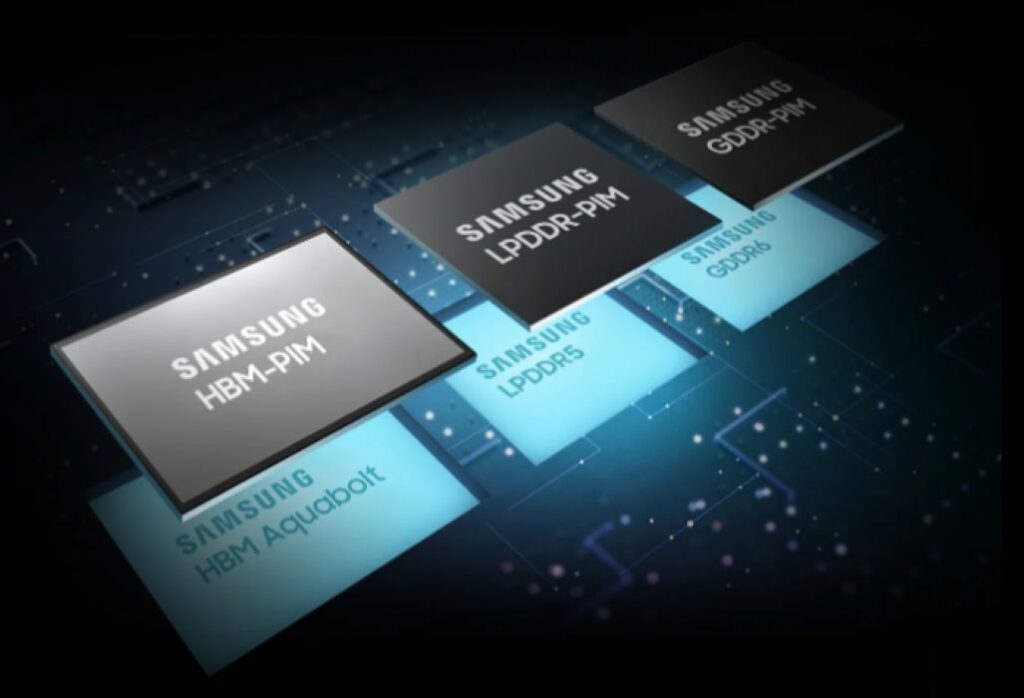
Samsung primarily supplies NAND flash, LPDDR memory, image sensors, and display driver ICs to China, along with some high-bandwidth memory (HBM) modules. The company has adopted a dual-track strategy, where it sells legacy memory products in China and advanced HBM modules in Western markets like the US.
Nonetheless, with Samsung making this information public, its growth in China could soon hit hurdles due to the ongoing US-imposed chip sanctions. These restrictions may prevent the company from selling some of its most advanced and lucrative memory products in China in the near future.
As the trade war between the US and China continues, industry analysts warn that these sanctions could expand, which will force Samsung and other memory manufacturers to navigate a delicate balance between the two economic superpowers. For now, Samsung remains a critical player in China’s tech supply chain, but the company’s future success will depend on how it adapts to the evolving geopolitical landscape.
Tech enthusiast? Get the latest news first! Follow our Telegram channel and subscribe to our free newsletter for your daily tech fix!
For more daily updates, please visit our News Section.
(Via)




Comments