
Add GIZMOCHINA as Preferred Source on Google
Xiaomi’s story in India was once one of unbeatable value and overwhelming popularity. The brand’s success was built on solid hardware, extremely competitive pricing, and crowd-pleasing devices like the Redmi Note series, Poco F1, and K20 Pro. These phones became benchmarks in their segments, building an enormous community of loyal “Mi fans.”
But by 2025, that landscape has shifted dramatically. Xiaomi India is no longer the default recommendation it once was. In fact, Realme — once seen as the challenger — has caught up and, in some areas, overtaken Xiaomi’s market share and mindshare in India. The decline didn’t happen overnight; it was a combination of strategic missteps, missed opportunities, and ignoring consumer frustrations.
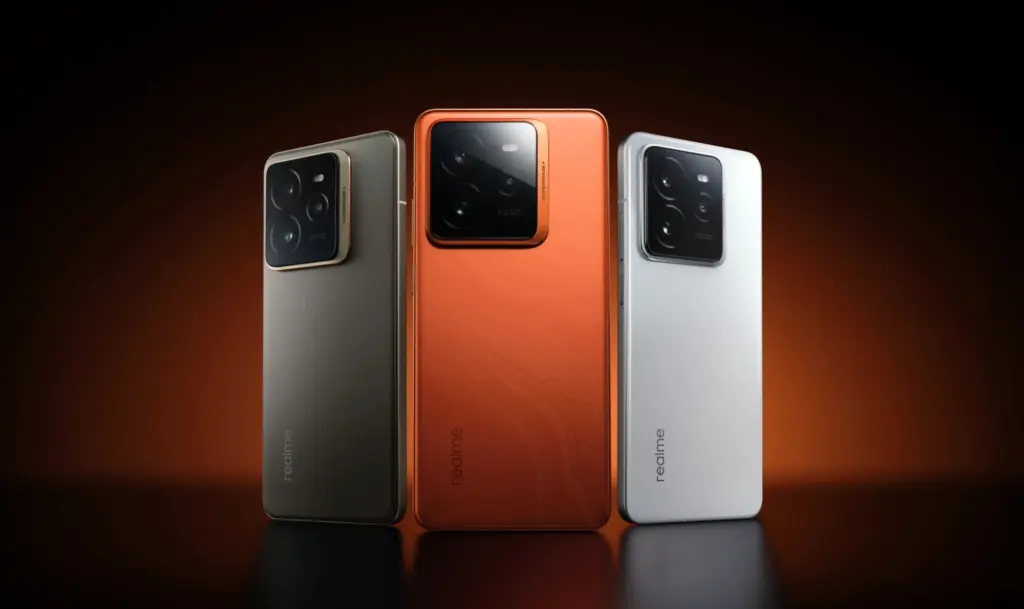
Recent IDC data highlight this change. Vivo currently leads the Indian smartphone market with a 16.6% share, followed by Samsung at 13.2%. Realme and Xiaomi are closely matched, each holding around 11-12%. But Realme’s momentum stands out — the brand recorded a 69% year-on-year growth in Q4 2023 and is ambitiously aiming for an 18% market share in 2025. This rapid growth has cemented Realme’s position on par with Xiaomi in India’s competitive smartphone market.
Realme’s Clean Software
One of Xiaomi India’s biggest downfalls has been its software. MIUI — and even the newer HyperOS — remains riddled with bloatware, intrusive ads, and spammy notifications. Consumers increasingly found themselves spending time disabling unwanted features or dealing with constant interruptions. Even premium devices weren’t spared, leaving a sour aftertaste for users who paid top rupees but got an ad-heavy experience.
In contrast, Realme quietly focused on delivering what users wanted. Realme UI, built on Oppo’s ColorOS foundation, is lighter, smoother, and less cluttered. System apps don’t aggressively push ads. The interface feels more premium and intuitive right out of the box. Realme also introduced practical AI features like smart page summaries, photo object removal, and privacy enhancements — all promoted effectively to India’s younger audience. This is where Xiaomi lagged: even though HyperOS brought similar features, they failed to connect with consumers the same way.
Balanced Product Portfolio vs. Xiaomi’s Confusion
Realme’s steady rise is also the result of its smart, balanced product portfolio. The brand has devices for every price point — from the affordable C-series and Narzo models to the stylish Number series, and the flagship-grade GT lineup with features like 150W–240W fast charging and top-tier processors. Whether you’re a first-time buyer or an enthusiast looking for flagship performance on a budget, Realme has something for you.
Xiaomi, on the other hand, has struggled to maintain this balance. The company’s pivot toward premium devices under the Xiaomi branding hasn’t resonated well. Attempts to sell flagship phones at ₹50,000 or more have been met with skepticism in India, where Xiaomi is still largely perceived as a budget brand. While Xiaomi’s premium devices perform well on paper, they fail to generate excitement — and more importantly, sales — in a market that remembers the brand for affordable performance champions like the Poco F1 and Redmi K20 Pro.
Losing the Enthusiasts
Xiaomi’s failure to follow up on its most iconic midrange hits created a vacuum. The Poco F1 and K20 Pro weren’t just phones — they were moments in India’s smartphone history. After 2019, Xiaomi India never really delivered successors that captured the same magic. Instead, the focus shifted toward expensive flagships and camera-centric devices.
Realme, iQOO, and Samsung’s M and A series quickly moved in. Realme’s GT Neo series, in particular, became the go-to option for performance enthusiasts, offering flagship-grade processors at aggressive prices — the very formula Xiaomi once owned. This shift left Xiaomi’s core fanbase disenchanted, pushing them toward brands that understood their needs better.
Realme’s Clever Marketing and Gaming Focus
In India, gaming is a massive driver for smartphone purchases, with titles like BGMI and Free Fire enjoying enormous popularity. Realme understood this and actively marketed features like 90fps and 120fps gaming support, gaming modes, and performance optimizations across its midrange devices. They launched campaigns focused on the gaming community, offering devices that catered directly to their needs.
Xiaomi, by contrast, seems to be focusing primarily on camera performance and premium design. While there’s nothing wrong with that, it leaves the gaming-focused midrange audience to competitors. The result? Realme is reaping the benefits of a large, young, gaming-obsessed market that Xiaomi once served but no longer prioritizes.
Pricing Strategy
Realme isn’t afraid of aggressive pricing, even at the risk of thin margins. Their goal is simple — flood the market with devices that deliver top-tier features at every budget level. Whether it’s ultra-fast charging, higher refresh-rate displays, or stylish designs, Realme makes sure its phones offer standout specs.
Xiaomi, however, has become more conservative. Pricing strategies that once defined the brand — like offering flagship chipsets in midrange phones — have largely disappeared. The boldness of the Poco F1 era is missing, replaced by safer, more premium-focused pricing that hasn’t worked in India. Consumers who once flocked to Xiaomi for unbeatable value now find that Realme is the brand delivering that punch.
The Consumer Sentiment Shift
If you ask an average Indian smartphone buyer in 2025 where they’d invest their money, the answer is more likely to be Samsung or Realme than Xiaomi. The reason is simple: Realme feels fresh, exciting, and attuned to user needs. Xiaomi India phones, despite being capable, often leave consumers feeling that something’s missing — whether it’s clean software, aggressive pricing, or innovative features.
Realme phones feel complete out of the box. They’ve built an identity around style, performance, and affordability — the same qualities that once made Xiaomi India unbeatable.
Can Xiaomi India Make a Comeback?
Xiaomi isn’t down and out. The company still holds strong positions in the budget and midrange segment, and devices like the Xiaomi 15 series have been well-received among tech enthusiasts. But to truly bounce back, Xiaomi needs to rediscover its roots. The brand must launch India-exclusive devices that revive the excitement of the Poco F1 and K20 Pro era. Phones that thrill users not just with camera prowess but with flagship-level performance, gaming optimizations, and ultra-fast charging — all at aggressive prices.
India’s smartphone market is all about timing, listening, and delivering. Xiaomi’s Chinese arm continues to innovate with incredible products, but Xiaomi India needs to reflect that same energy in devices tailored to Indian consumers.
For more daily updates, please visit our News Section.
Stay ahead in tech! Join our Telegram community and sign up for our daily newsletter of top stories! 💡



Comments