
Add GIZMOCHINA as Preferred Source on Google
Apple’s adoption of USB-C on iPhones could be short-lived, as the European Union (EU) has clarified that a portless iPhone would comply with its regulations. According to Bloomberg’s Mark Gurman, Apple initially considered making the iPhone 17 Air its first portless device but opted to retain USB-C due to concerns about EU rules.
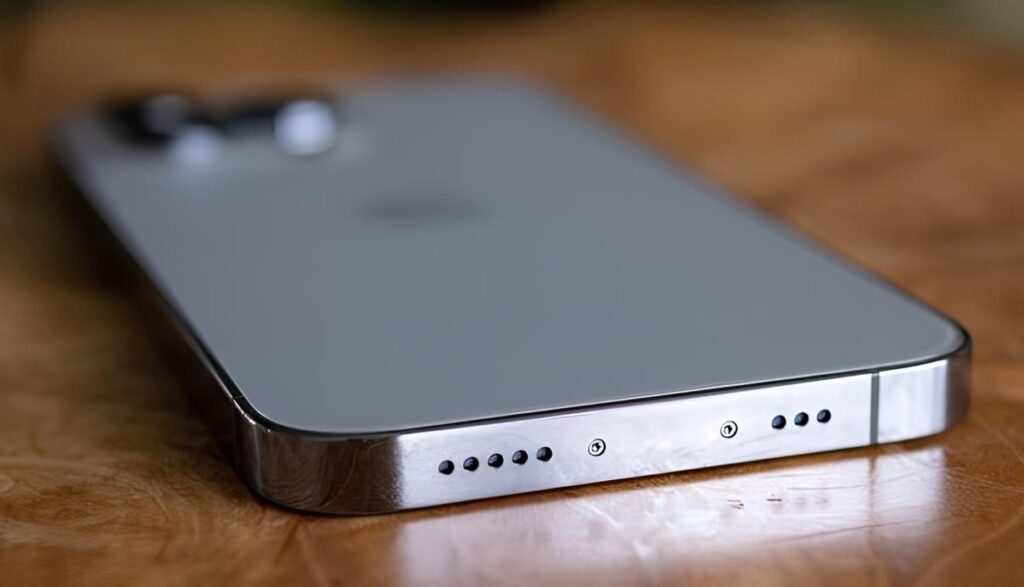
USB-C is mandatory only for devices that support wired charging
However, European Commission press officer Federica Miccoli confirmed to 9to5Mac that devices relying solely on wireless charging are fully compliant with EU laws. As long as there’s no wired charging, there’s no need for a Type-C port, as Apple’s AirDrop is already pretty good at data transfer
The EU’s regulations mandate USB-C only for devices that support wired charging. Since a portless iPhone would charge exclusively wirelessly, it would not require a USB-C port. It opens the door for Apple to pursue a fully wireless future for its devices. The EU’s goal was to eliminate incompatible wired charging standards, and it is now pushing for the harmonization of wireless charging technologies to prevent market fragmentation.
The Wireless Power Consortium’s Qi2 standard, which is backward-compatible with the original Qi and inspired by Apple’s MagSafe, is likely to become the universal wireless charging standard. This development aligns with the EU’s vision of promoting interoperability in wireless charging.
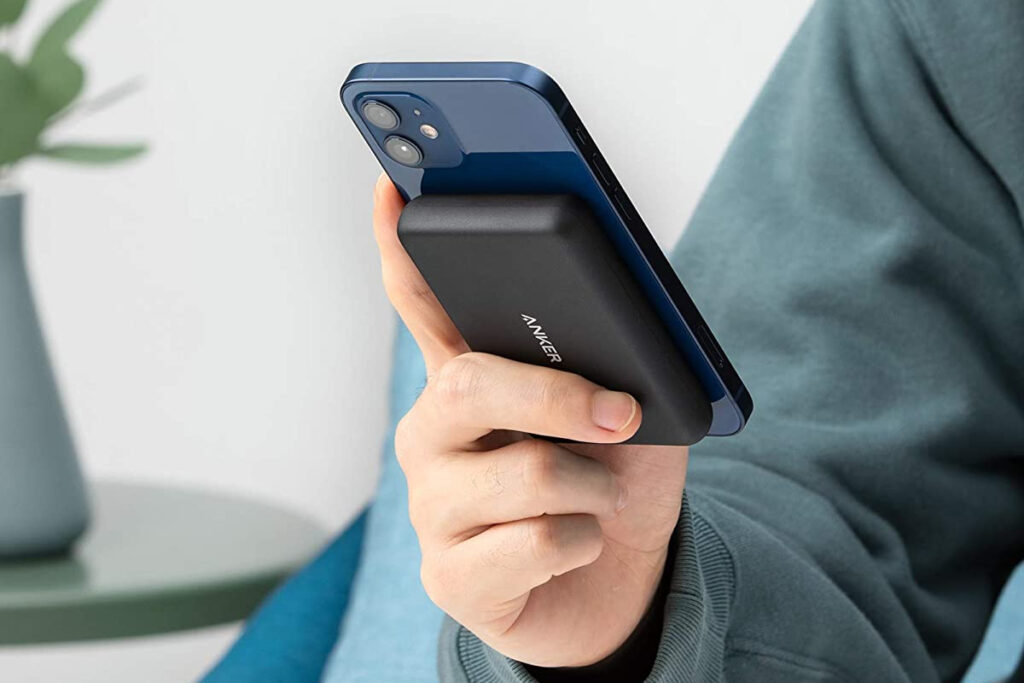
While the iPhone 17 Air will likely feature a USB-C port, we may see completely portless iPhones in the near future. While Apple has yet to improve the charging speeds of iPhones, this possible switch to portless design and complete reliance on wireless charging will likely influence the Android world as well.
Some of the Android OEMs are already working on MagSafe-like charging systems, but most of the devices do not come with built-in magnets. While official cases with magnets get the job done, it’s far from the seamless experience that Apple’s MagSafe offers. Perhaps you want to charge the phone without the case to improve heat dissipation, and you suddenly lose a key functionality. Meanwhile, majority of the Android devices lack wireless charging altogether.
Tech enthusiast? Get the latest news first! Follow our Telegram channel and subscribe to our free newsletter for your daily tech fix!
For more daily updates, please visit our News Section.
(Source)

Comments