
Add GIZMOCHINA as Preferred Source on Google
Samsung has begun taking pre-orders for its Odyssey 3D monitor in South Korea, a 4K display that promises a glasses-free 3D experience. Using eye-tracking cameras, it renders unique perspectives for each eye, creating a stereoscopic effect that’s dazzling both in person and on paper. However, this cutting-edge tech comes with steep hardware demands and limitations that might leave buyers questioning its value—especially at Samsung’s premium price point.
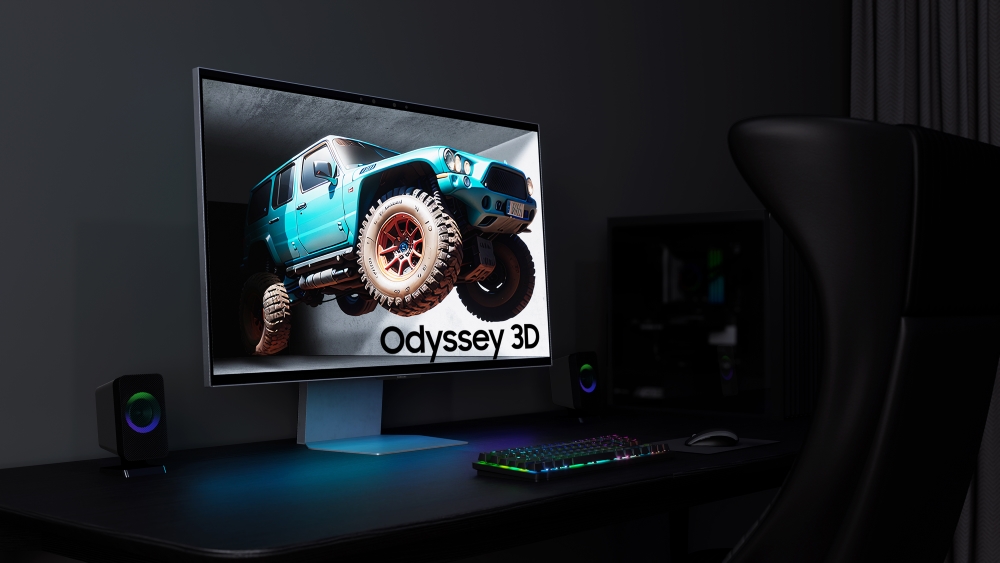
The Odyssey 3D doesn’t magically turn all content into 3D
For gaming, it requires developer optimization, with only two titles—The First Berserker: Khazan and Lies of P—currently supported. Samsung is partnering with studios to expand this list, but for now, the 3D gaming potential is narrow.
Its 2D-to-3D video conversion feature is equally restricted: it needs Reality Hub running, full-screen playback, and an Nvidia GPU (RTX 3080 or higher recommended). It also won’t work with HDR, DRM-protected content like Netflix, or unsupported video players, severely limiting its entertainment appeal. Add in the need for a beefy CPU (Intel i7 or AMD Ryzen 7 1700X minimum), and the monitor’s best features demand a high-end rig.

As a fallback, the Odyssey 3D doubles as a solid 2D monitor, boasting a 27-inch 4K panel, 165Hz refresh rate, 1ms response time, and support for AMD FreeSync and Nvidia G-Sync. But here’s the rub: if 3D isn’t your priority, cheaper Odyssey models offer better 2D performance for less.
Samsung’s track record of hyping “quality” innovations—only to saddle them with caveats or follow competitors’ cuts—feels familiar. The Odyssey 3D’s price tag reflects its ambition, but its niche appeal and hardware hurdles might trick buyers expecting a seamless, all-purpose upgrade. For now, it’s a flashy tech flex with a steep entry fee.
Don’t miss a thing! Join our Telegram community for instant updates and grab our free daily newsletter for the best tech stories!
For more daily updates, please visit our News Section.




Comments