
Add GIZMOCHINA as Preferred Source on Google
For years, many of us in the tech media fraternity have confidently recommended Amazon over other retailers in India. The reason was pretty simple: Amazon’s reputation for stellar customer service and hassle-free resolution of issues.
But lately, for some reason, I’ve been hearing an increasing number of complaints regarding the brand’s customer service and resolution offers.
And a couple of weeks ago, I personally had to go through with something similar.
The Incident: Car Polish Instead of Headphones
In March, my sister reached out to me for recommendations on a cheap pair of headphones. For someone who has personally used the OnePlus neckband earphones before, my recommendation was pretty straightforward – get a pair of the OnePlus Bullets Z2 Earbuds. And I was the one who asked her to go with Amazon since I was confident that there wouldn’t be any issues and even if there were, it would be handled properly.
But imagine our shock when, upon opening the package, she discovered not the Z2 earphones that she had ordered but a box of car polish instead.
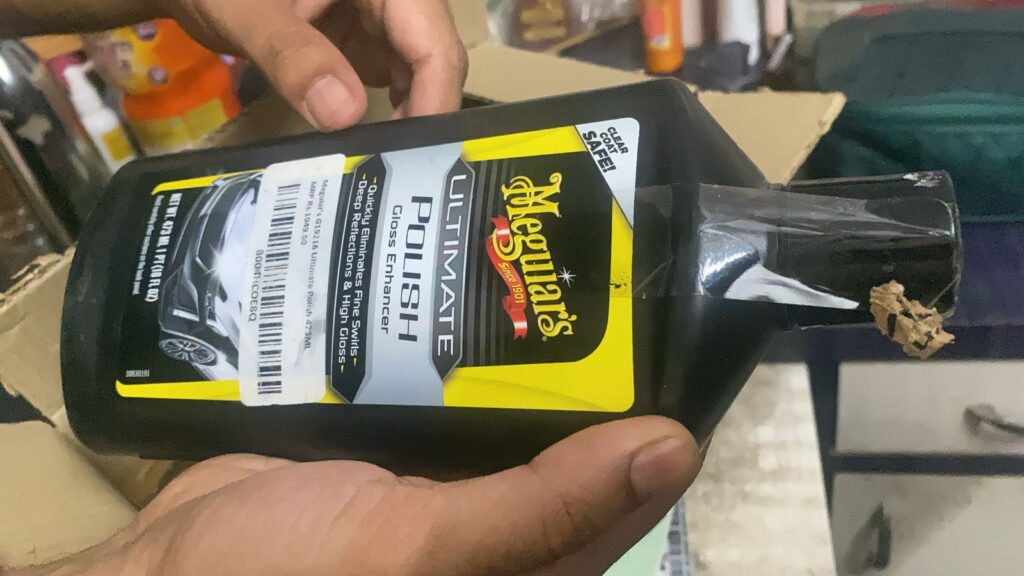
The mix-up was so absurd it would be comical if not for the frustrating aftermath.
When she called me, honestly, I was laughing. We have seen such cases before, but I never thought I would hear this about an Amazon shipment.
But immediately, I asked her to report it to Amazon customer service; I assured her not to worry. “It’s Amazon, not some other retailer,” I told her confidently. “They’ll sort this out without any hassle.”
My confidence was clearly misplaced.
The Response: “Nothing Can Be Done”
After what Amazon claimed was a thorough “investigation,” my sister received a stunning response: nothing could be done about the mix-up.
This was not merely disappointing; it was shocking. The fundamental principle of retail is that the customer should receive what they pay for. If they don’t, the retailer has an obligation to make it right—regardless of where in the supply chain the error occurred.
I personally had a chat with one of their executives, and they said our fulfillment center placed the item in the box properly. So we can’t do anything about it.
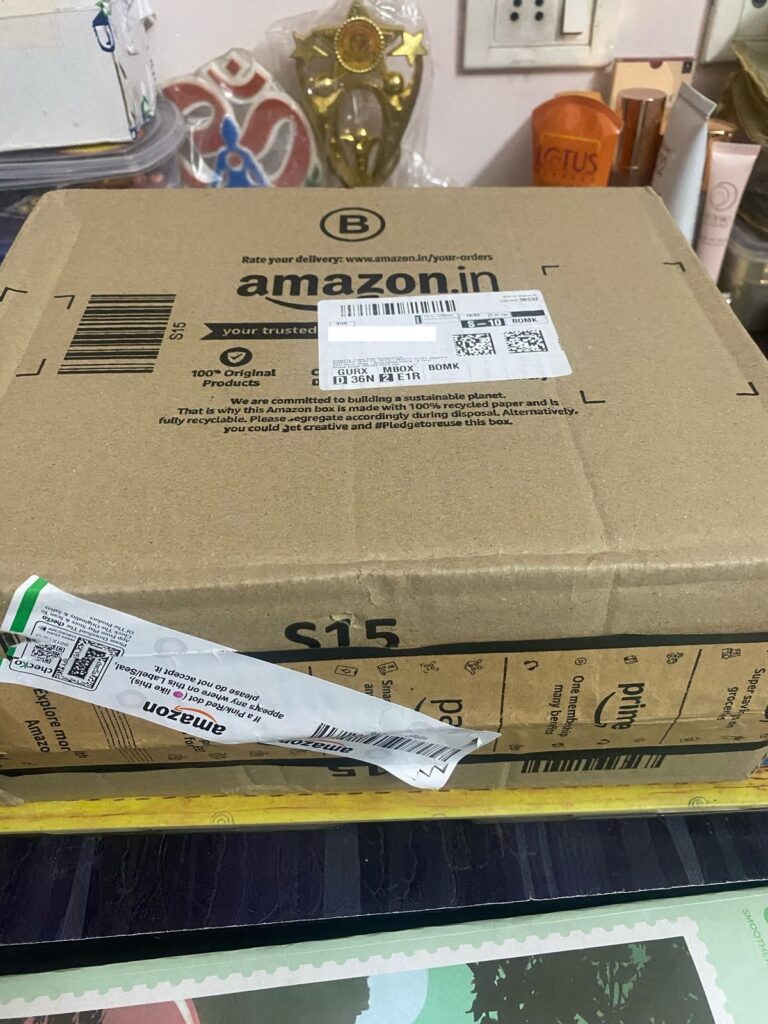
Now, I checked the box – there was no visible damage that could have hinted at any kind of tampering when we accepted the package. No holes, or visible patch-up work. No evidence that could have forced us to not accept the shipment.
So Amazon’s refusal to acknowledge this basic responsibility represents a troubling shift in their approach to customer service, at least in the Indian market.
The end result — my sister has a nice car polish instead of a pair of earphones.
A Matter of Trust
Honestly, I’m just glad that this was with a relatively inexpensive item. But it definitely shatters my trust in Amazon and its delivery service. Imagine if I had ordered a phone from Amazon (which I have done and recommended plenty of times before).
Like many Amazon customers, I’ve developed such trust in their service that I often leave packages unopened for days after delivery, confident that:
- Mix-ups are extremely rare with Amazon
- If a genuine issue occurs, their support team would promptly resolve it
That confidence has now been shattered.
If Amazon can simply wash their hands of responsibility for delivering the wrong product, what does this mean for customers purchasing higher-value items?
The Broader Concern: Industry Standards Slipping?
What’s particularly concerning is that Amazon has long set the gold standard for customer service in e-commerce. If they’re lowering their standards, what can consumers expect from other platforms that have historically offered less robust customer protection?
The message seems clear: the burden of verification is shifting increasingly to the consumer. In an era of fast-paced deliveries and increasing automation, customers can no longer assume what’s inside the package matches what was ordered—even from retailers they’ve trusted for years.
It is now your duty to ensure that the package contains the right product.
Protecting Yourself: What Consumers Should Do?
In light of this experience, here are some precautions I now recommend to all online shoppers:
- Open and inspect all packages immediately upon delivery even for retailers like Amazon, ideally while the delivery person is still present.
- Record unboxing videos for high-value items as evidence.
- Check the packaging for signs of tampering before accepting delivery.
- Save all order confirmation emails and screenshots of your purchases.
- Document any communication with customer service in writing.
The Bottom Line: Trust But Verify
For years, I’ve enthusiastically recommended Amazon to my readers, friends, and family. While I won’t stop using their services, I’ll certainly be more cautious with my Amazon orders. More importantly, I can no longer recommend them with the same confidence I once did.
Genuine and excellent customer support was Amazon’s biggest selling point in a competitive market. It appears that this advantage may be eroding, and consumers would be wise to adjust their expectations accordingly.
Whether this incident represents an isolated failure or a broader policy shift remains to be seen. What’s clear is that even with the most trusted retailers, the age-old advice applies more than ever: trust, but verify.
Have you experienced similar issues with Amazon or other online retailers?




Comments