
Add GIZMOCHINA on Google:
As an Amazon Associate, Gizmochina earns from qualifying purchases. Links on this page may earn us a commission at no extra cost to you.
Amazfit, a brand under the Zepp Health banner (formerly Huami), which notably had a close partnership with Xiaomi in its early years, has strategically positioned itself within the competitive smartwatch and fitness tracker market. While industry giants like Apple and Samsung command the high-end sector, and numerous budget-friendly options saturate the market, Amazfit distinguishes itself by offering a compelling fusion of affordability, feature-rich functionality, and stylish design, effectively resonating with a global audience, particularly in Western markets. This connection to Xiaomi, particularly in the initial stages of the company, helped Amazfit gain a large market share early on.
1. Affordability Meets Functionality
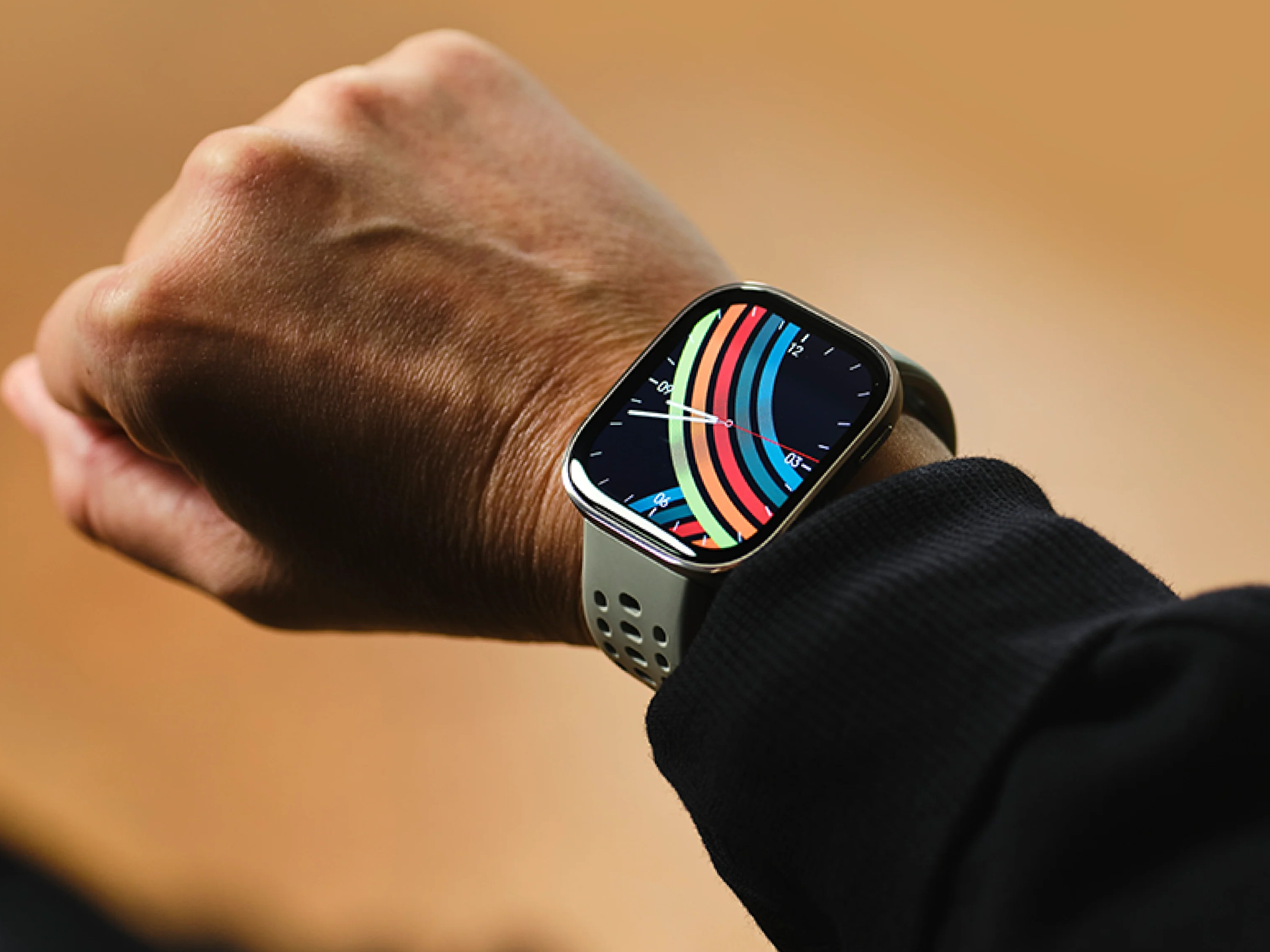
One of Amazfit’s primary differentiators is its commitment to delivering high-quality devices at accessible price points. In a landscape where premium smartwatches can easily exceed several hundred dollars, Amazfit provides viable alternatives that significantly undercut the competition. Crucially, this affordability does not translate to compromised features. Instead, Amazfit meticulously integrates functionalities that are paramount to consumers: precise GPS tracking, comprehensive health monitoring, and extended battery life, as seen in devices like the Amazfit Bip series.
| Preview | Product | |
|---|---|---|

|
Amazfit Bip U Pro Smart Watch with Built-in Alexa, Built-in GPS, 9-Day Battery Life, Fitness… | Check Price on Amazon |
Please Note: When you buy something using the links in our articles, we may earn a small commission at no cost to you.
2. Catering to Active Lifestyles
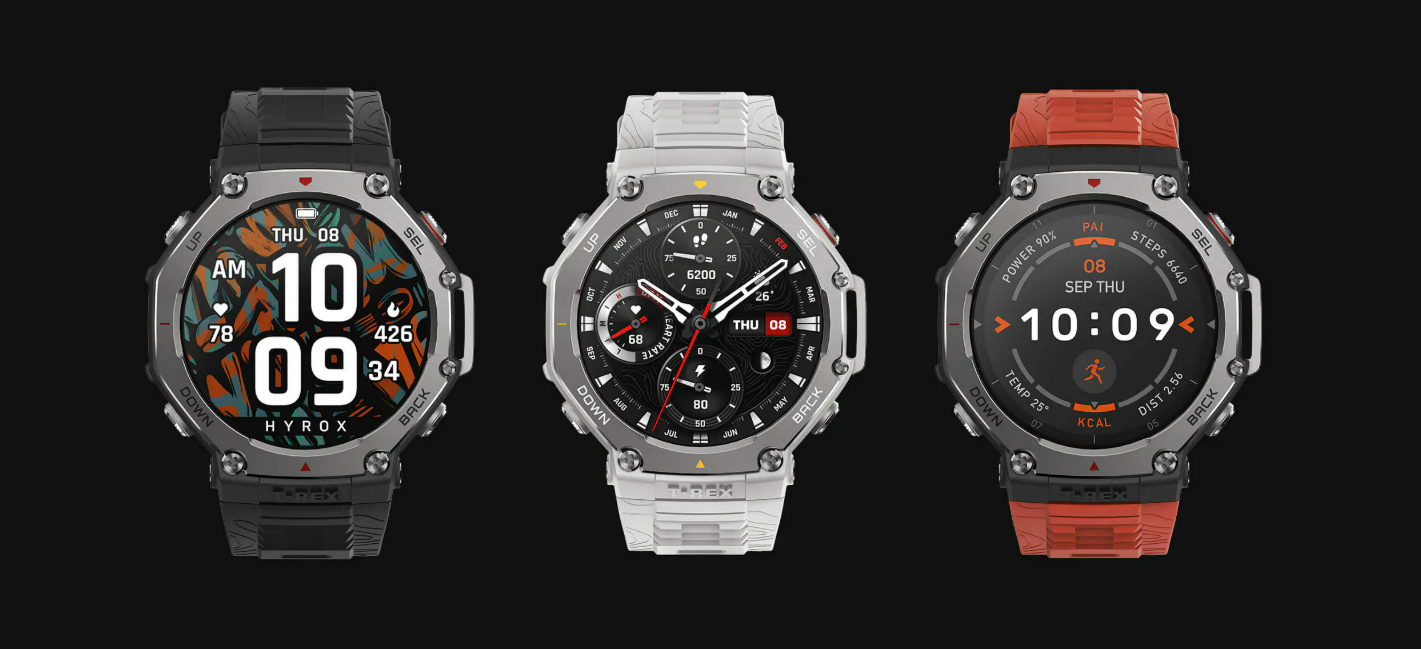
Consider Amazfit’s GPS capabilities. For individuals engaging in outdoor activities, whether hiking through the Rocky Mountains or cycling along European routes, reliable GPS is indispensable. Amazfit devices, often equipped with multi-satellite positioning, offer accurate tracking without the premium price tag.
The Amazfit T-Rex series, with its rugged design and robust GPS, is a prime example catering to outdoor enthusiasts. Similarly, their health monitoring features, encompassing heart rate monitoring, SpO2 (blood oxygen) measurement, and sleep tracking, provide valuable insights into personal wellness, aligning with the growing emphasis on proactive health management in Western societies. The Amazfit GTS and GTR series offer a balance of style and health tracking in a sleek package.
3. Long-Lasting Battery Life
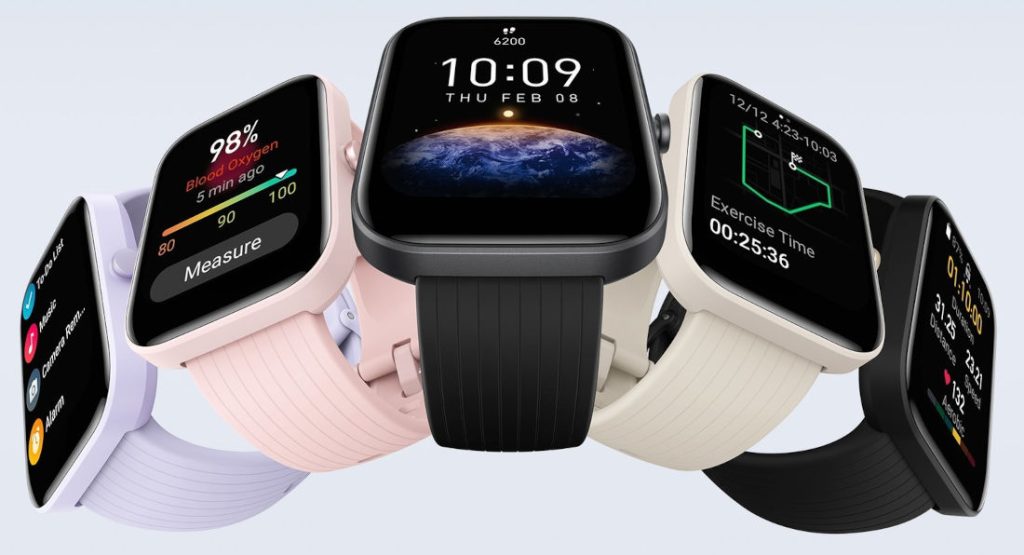
Battery life is another significant advantage. In a market where daily charging has become commonplace for many smart devices, Amazfit frequently boasts weeks of battery life on a single charge. This longevity is particularly appealing to those who dislike the constant need to recharge, whether navigating the urban landscapes of New York or exploring the remote wilderness of Scandinavia. The Amazfit Bip series is well-known for its exceptional battery life. This endurance minimizes the friction of daily use, seamlessly integrating the device into the user’s lifestyle.
4. Design and Versatility
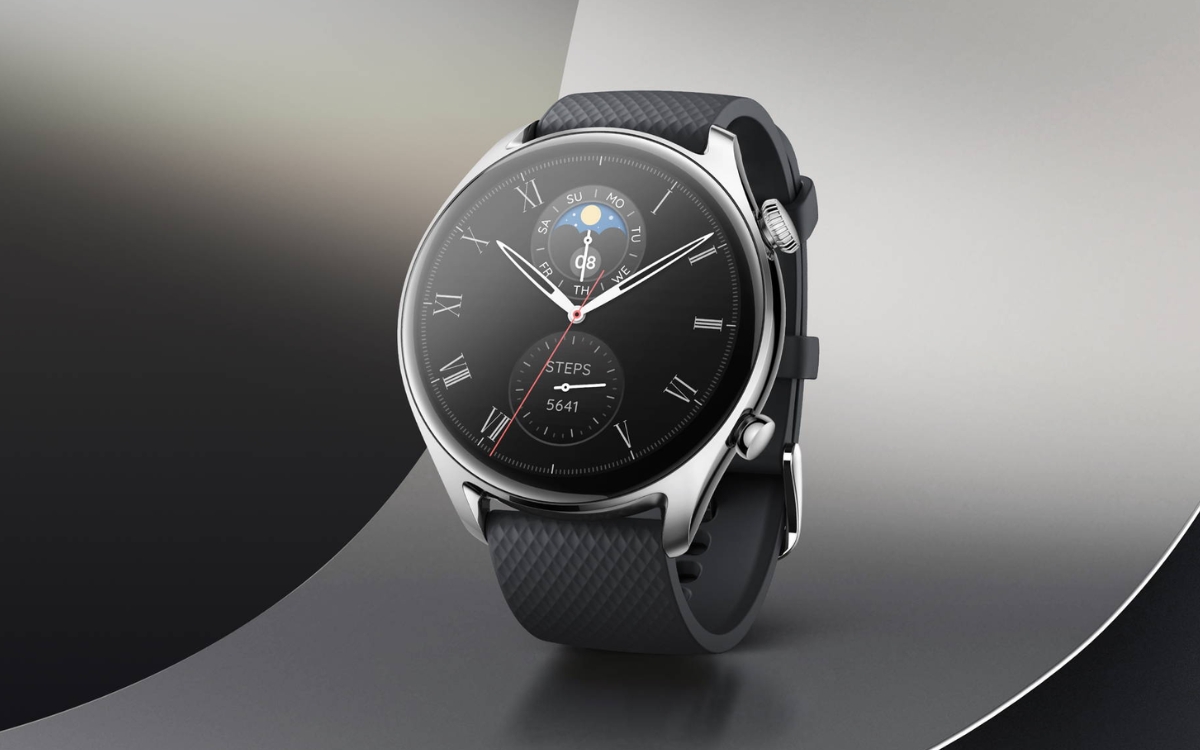
Furthermore, Amazfit has invested in design, crafting devices that are both functional and aesthetically pleasing. Their product lineup features a variety of styles, ranging from sleek and minimalist to rugged and sporty, catering to diverse tastes. The Amazfit GTS series offers a modern, Apple Watch-like aesthetic, while the Amazfit GTR series leans towards a classic watch design. This design versatility allows users to find a device that complements their personal style, whether they are in a boardroom in London or a fitness studio in Los Angeles.
5. Zepp OS: Simplicity and Optimization
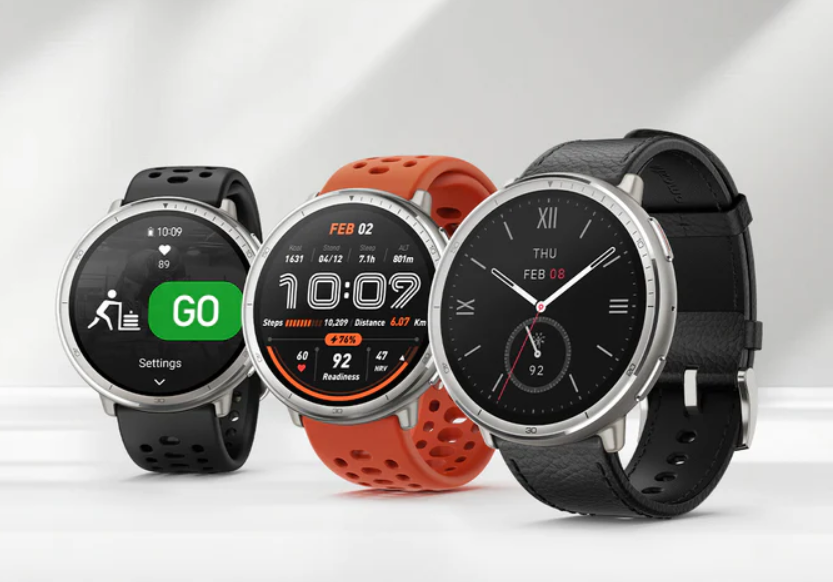
The Zepp operating system, while not as extensive as watchOS or Wear OS, is optimized for efficiency and battery life. It prioritizes core functionalities and provides a clean, intuitive user experience. This focus on simplicity and efficiency resonates with users who value practicality over a vast ecosystem of apps.
6. Adapting to Regional Preferences
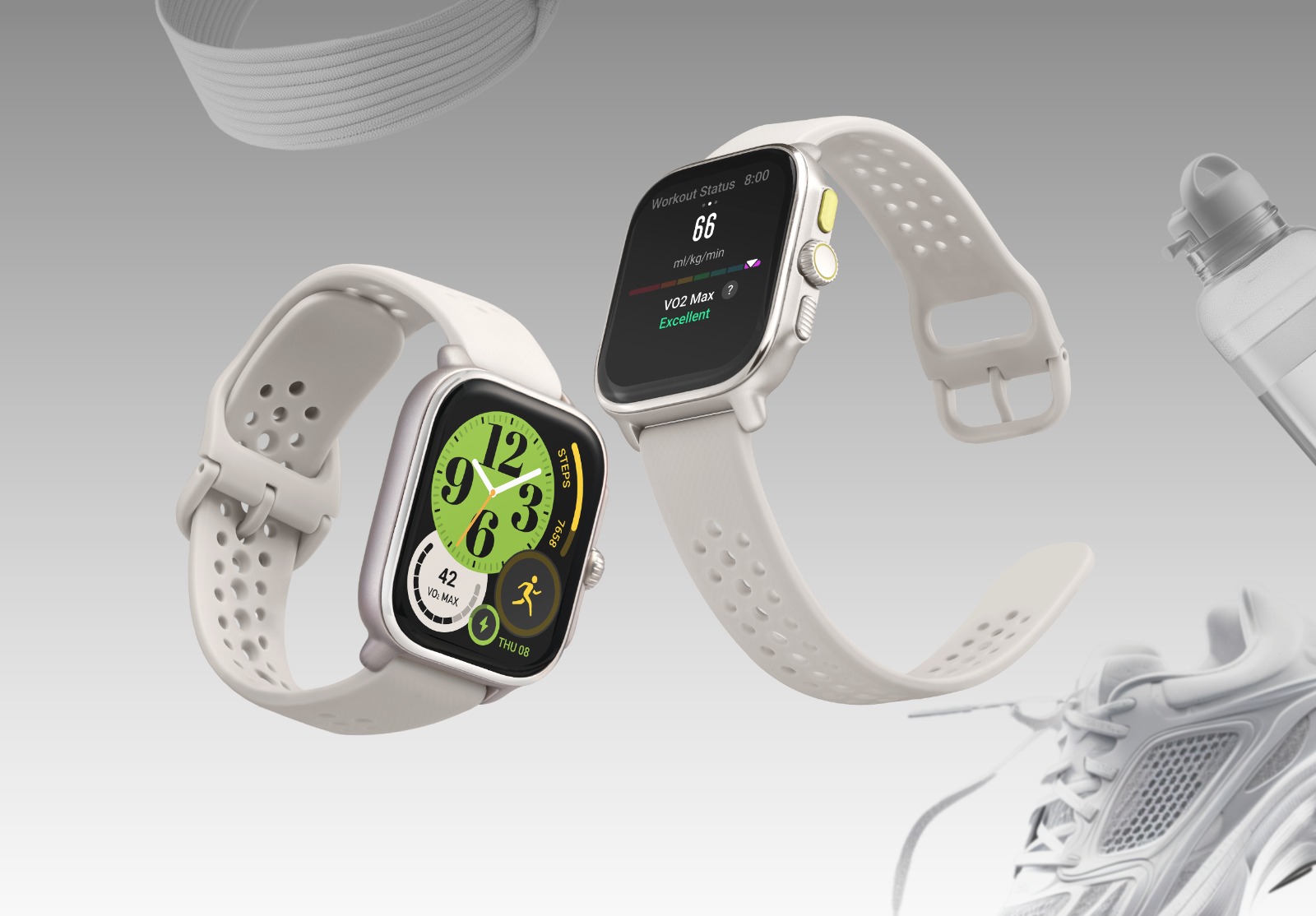
Amazfit’s global perspective is also evident in its continuous innovation and adaptation to regional preferences. They gather user feedback from diverse markets and incorporate it into their product development, ensuring their devices meet the specific needs of different demographics. This global approach is particularly important in the Western market, where consumers are increasingly discerning and demand products that cater to their unique lifestyles.
In essence, Amazfit has successfully positioned itself as a brand that offers a compelling value proposition: high-quality features, long battery life, and stylish design at an affordable price. By focusing on these core strengths and maintaining a global perspective, Amazfit has managed to stand out in a crowded market, attracting a loyal following among Western consumers seeking reliable and accessible smart wearable technology.

Comments