
Add GIZMOCHINA as Preferred Source on Google
On March 29, a fatal accident involving a Xiaomi SU7 Standard electric sedan occurred on the Dezhou-Shangrao Highway (G0321) near Tongling, Anhui Province, China. The crash claimed the lives of three female university students, marking the first reported fatality linked to Xiaomi’s debut electric vehicle (EV). This incident has sparked widespread concern over autonomous driving technology and vehicle safety.
Victims and Vehicle Details
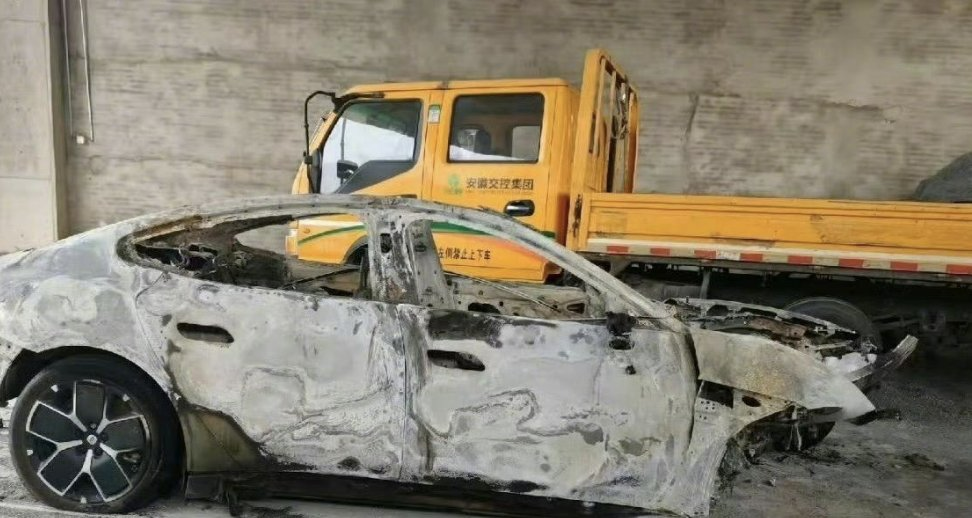
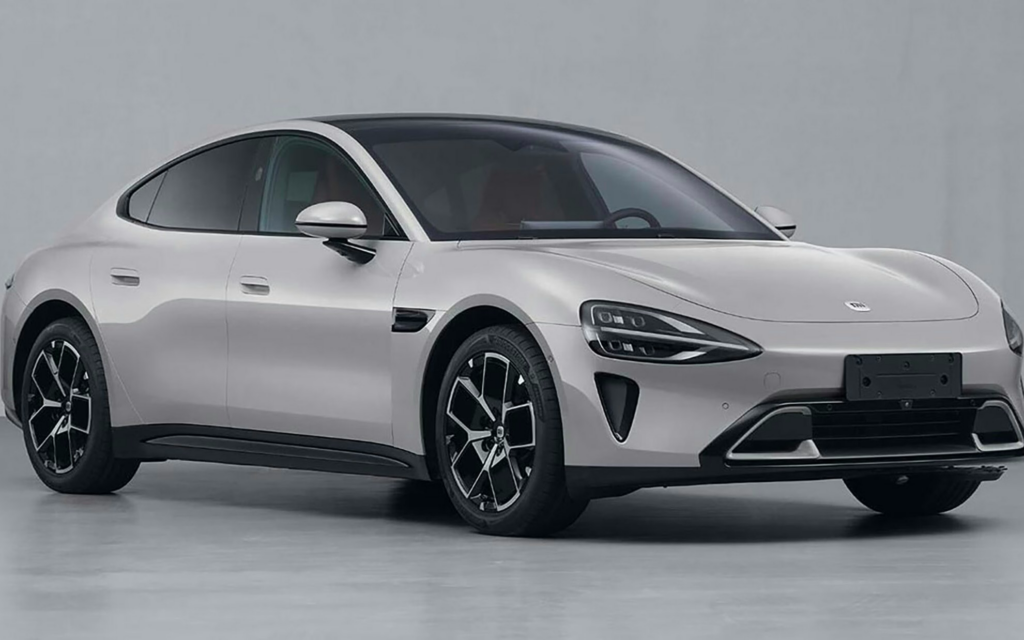
The victims were three university students traveling to Chizhou for a civil service exam. They were in a Xiaomi SU7 Standard, the base model of the SU7 lineup, purchased in May 2024 and delivered on Oct. 19, 2024.
Launched on March 28, 2024, this variant relies on a vision-based Navigate on Autopilot (NOA) system, lacking the LiDAR found in Pro and Max models.
Location and Conditions
The crash occurred in the Chiqi section of the highway, where ongoing repairs had narrowed traffic into an adjusted lane. This alteration, combined with potential construction debris, may have played a role in the collision.
Crash Timeline

Xiaomi’s investigation, based on vehicle data submitted to police, outlines the sequence of events:
- 10:27:17 PM: NOA activated; vehicle speed at 116 km/h (72 mph).
- 10:44:24 PM: System detected obstacles, issued warnings, and began decelerating.
- 10:44:25 PM: Driver took manual control, steering 22.0625 degrees left, braking at 31%.
- 10:44:26 PM: Steering adjusted 1.0625 degrees right, braking increased to 38%.
- 10:44:26–10:44:28 PM: Vehicle hit a concrete guardrail at 97 km/h (60 mph), followed by a fire.
Post-Collision Details

Social media reports, including a Douyin post by a victim’s mother, claimed the doors locked automatically post-crash, trapping the occupants as the car burned. Xiaomi could not verify door functionality, noting an emergency unlock button exists, but its effectiveness remains unclear. The NOA system’s inability to detect smaller obstacles like cones may have been a factor.
Company Response and Impact
Xiaomi formed an investigation team on March 30, submitting data by March 31. CEO Lei Jun expressed regret and promised transparency and support for the victims’ families.
The company said it formed a special task force immediately, visited the scene on March 30, and submitted vehicle data to police on March 31. Xiaomi clarified it has not yet been granted access to the accident vehicle, dismissing rumours that it had been transported to Beijing. According to internal data, the Xiaomi SU7 was in NOA assisted driving mode at around 116 km/h before issuing a warning and slowing down to 97 km/h before crashing.
The cause of the post-crash fire is still under investigation, but Xiaomi believes it likely began in the cabin, not the battery. The company also stated that AEB (automatic emergency braking) did not activate because the obstacle—a water barrier—is not currently supported by the system’s detection capabilities.
Ongoing Investigation
The police investigation continues, examining road conditions, driver actions, and vehicle systems. This tragedy highlights critical questions about autonomous driving reliability, emergency features, and driver training needs in EVs.
For more daily updates, please visit our News Section.
Stay ahead in tech! Join our Telegram community and sign up for our daily newsletter of top stories!




Comments