Add GIZMOCHINA as Preferred Source on Google
With Motorola launching the Edge 60 Fusion hot on the heels of the Edge 50 Fusion, many users are wondering just how much of an upgrade it truly is. On paper, the differences seem subtle, but in practice, even small enhancements can impact daily use. This comparison is important for buyers deciding whether to save money with the Edge 50 or invest in the newer Edge 60 for added value.
1. Design and Display
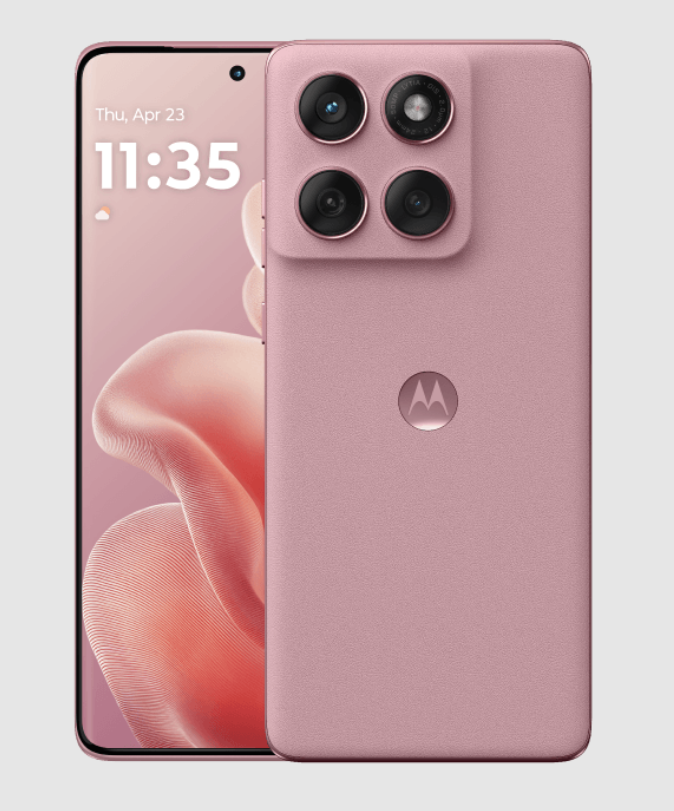
Both phones adopt a premium look with eco-leather backs and curved-edge P-OLED displays, but the Edge 60 Fusion refines the design even further. It introduces Gorilla Glass 7i protection versus Gorilla Glass 5 on the Edge 50 Fusion, offering better scratch and drop resistance. The Edge 60 Fusion also includes MIL-STD-810H compliance and is rated IP68/IP69, whereas the Edge 50 Fusion only carries the standard IP68 rating. That added IP69 and drop resistance gives the Edge 60 a clear advantage in ruggedness.
When it comes to display, both feature nearly identical size and P-OLED quality, but the Edge 60 Fusion’s LTPO panel is a major upgrade. It offers a dynamic 120Hz refresh rate and a blazing peak brightness of 4500 nits, compared to 144Hz (static) and 1600 nits max on the Edge 50. The LTPO technology not only makes animations smoother but also more power-efficient.
The Edge 60 Fusion wins on display clarity, durability, and smart refresh rate control. It feels more flagship-level, especially in outdoor visibility, and builds confidence.
2. Specifications
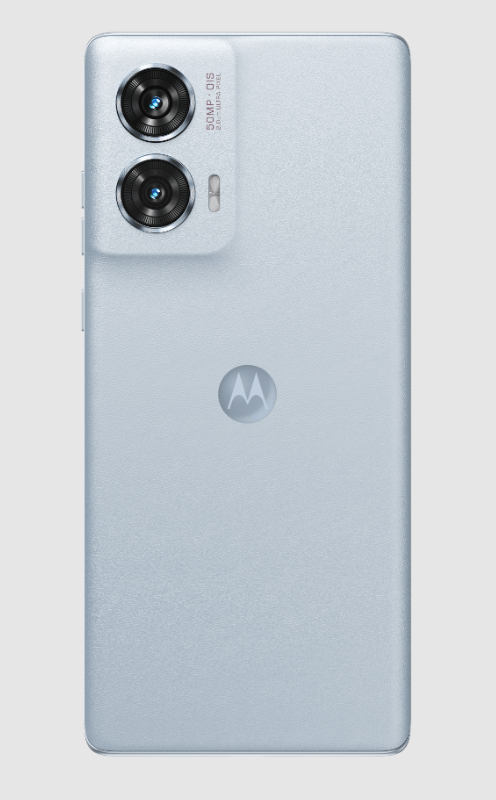
Under the hood, the Edge 60 Fusion brings in a newer MediaTek Dimensity 7300/7400 chip, while the Edge 50 Fusion relies on Snapdragon 7s Gen 2 or Snapdragon 6 Gen 1. The MediaTek options offer higher clock speeds and improved efficiency, especially in the Indian variant. While the Snapdragon chips are solid, the Dimensity series used here may handle sustained performance and thermal management slightly better in everyday multitasking.
Both phones offer UFS 2.2 storage and similar RAM options, but the Edge 60 Fusion includes a microSD card slot, which the 50 Fusion lacks, a small but useful addition for users needing expandable storage.
Battery life seems a minor bump too. The Edge 60 Fusion houses a larger 5200/5500 mAh battery (region dependent), compared to 5000 mAh in the Edge 50 Fusion. Both support 68W fast charging, but the Edge 50 Fusion advertises 50% in 15 minutes, suggesting slightly faster charging curves.
The Edge 60 Fusion takes the edge again with expandable storage, a bigger battery, and a slightly more capable chipset, making it better suited for power users.
3. Camera
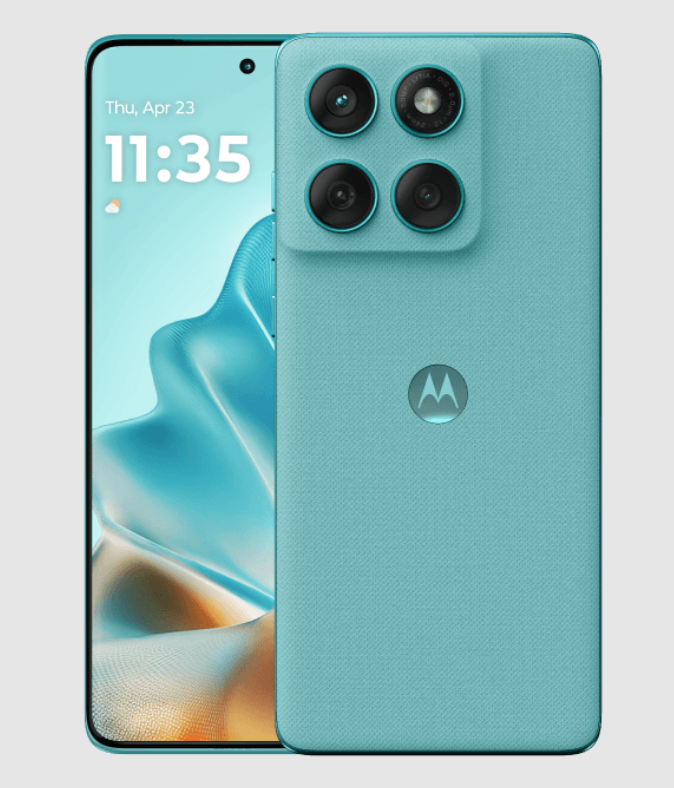
Camera specs are quite similar at first glance: both have a 50MP main sensor with OIS and a 13MP ultrawide, along with a 32MP selfie camera. However, there are subtle improvements in image processing on the Edge 60 Fusion, aided by its newer chipset, which helps with better dynamic range and low-light handling.
The Edge 60 Fusion also supports higher frame rates for 1080p recording (up to 240fps), which the Edge 50 Fusion maxes at 120fps. Both support 4K at 30fps on front and rear, and both offer gyro-EIS stabilization.
While actual sensor sizes are the same, the Edge 60 Fusion appears tuned to deliver slightly sharper ultrawide shots and smoother video recording, likely due to better ISP integration in its chipset.
While both phones are closely matched, the Edge 60 Fusion pulls ahead in video versatility and low-light finesse, making it better for content creators on a budget.
4. Pricing
The Motorola Edge 50 Fusion is positioned as the more budget-friendly option with an approximate $275 price tag, making it a great choice for users who want solid performance without stretching their wallets. The Edge 60 Fusion, on the other hand, comes in at a slightly higher price point of $350 to match its more refined features and upgraded hardware.
While the price jump isn’t drastic, it reflects the added value Motorola is offering with the newer model. If you’re looking for the best bang for your buck, the Edge 50 Fusion holds strong, but for a more future-ready experience, the Edge 60 Fusion is worth the extra cost.
5. Conclusion
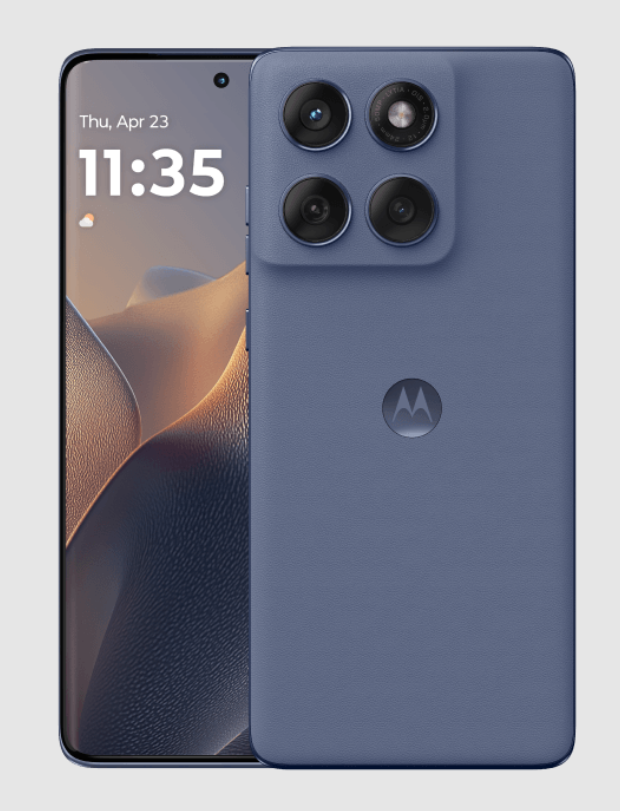
The Edge 60 Fusion boasts some standout upgrades that distinguish it from its predecessor. These include a brighter and more efficient LTPO P-OLED display, MIL-STD-810H compliance, IP69 rating, expandable storage, and a larger battery — all of which are absent on the Edge 50 Fusion. It also debuts with Android 15 out of the box, one version ahead of the Edge 50 Fusion’s Android 14.
The Edge 50 Fusion, however, still holds strong appeal with its lightweight design, fast charging, and slightly higher refresh rate on paper (144Hz). But in real-world usage, the Edge 60’s smarter LTPO implementation and ultra-bright screen offer more practical benefits.
The Edge 60 Fusion is clearly a refinement, not a reinvention, but those refinements collectively offer a noticeably better user experience. If you’re upgrading or choosing between the two, the Edge 60 Fusion is the more future-proof option.
Read More:
- Nothing 3a Pro vs iQOO Neo 10R: A choice between Design and Performance
- Nothing Phone (3a) Pro vs. Samsung Galaxy A36: Which One is Worth Your Money?
- Comparing the Oppo Find N5 and Honor Magic V3: Design, Performance, and Features