Add GIZMOCHINA as Preferred Source on Google
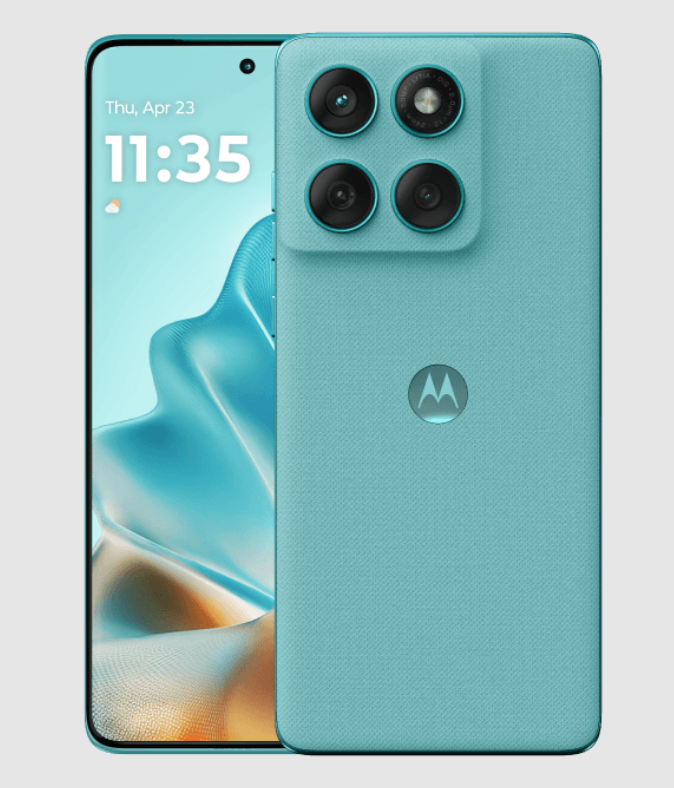
Motorola Edge 60 Fusion and Redmi Note 14 Pro are two mid-range smartphones aiming to offer premium experiences without flagship prices. Both focus on delivering strong displays, solid performance, and feature-rich cameras, making the choice between them less about brand and more about priorities.
This comparison matters because both models blur the line between affordable and high-end, offering advanced specs in the same price zone, but with very different strengths depending on what users value most, whether it’s media, photography, or all-around daily use.
1. Design and Display.
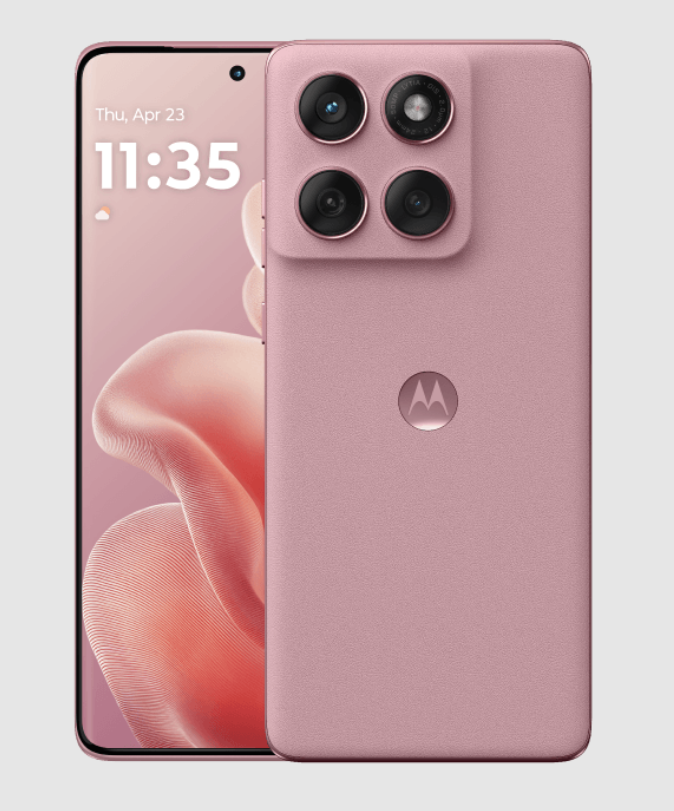
On the display front, the Motorola uses a P-OLED panel boasting 1B colors, a high 1500-nit brightness (HBM), and an incredible 4500-nit peak, making it ideal for outdoor use. The Redmi Note 14 Pro comes with its AMOLED panel, 68 billion colors, Dolby Vision, and a peak brightness of 3000 nits, favoring cinematic vibrancy and deeper dynamic range.
Though both displays share the same size and resolution, the Edge 60 Fusion feels better tailored for outdoor visibility while the Note 14 Pro leans into richer visuals for streaming and gaming.
In the design battle, Redmi’s Dolby Vision and always-on display offer more flair for content lovers.

Please Note: When you buy something using the links in our articles, we may earn a small commission at no cost to you.
| Preview | Product | |
|---|---|---|

|
Motorola Edge 60 Fusion 5G (Pantone Slipstream, 8GB RAM, 256GB Storage) | MediaTek Dimensity 7400… | Check Price on Amazon |
Please Note: When you buy something using the links in our articles, we may earn a small commission at no cost to you.
2. Specifications
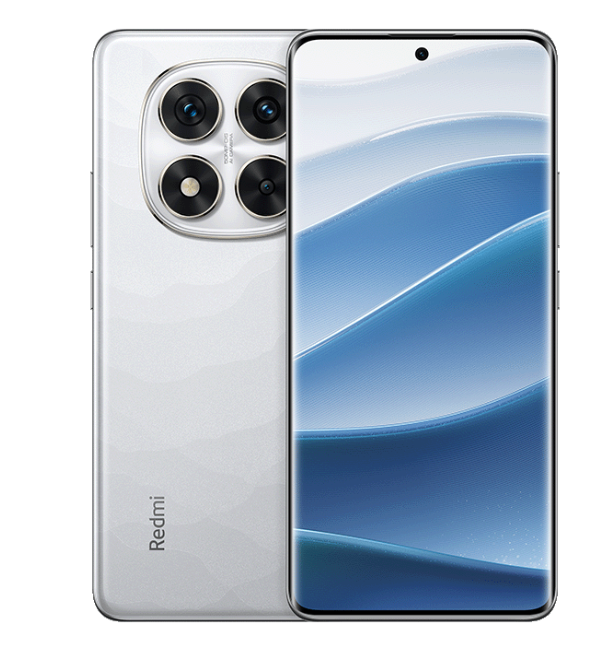
When comparing core specifications, both devices run on efficient 4nm Mediatek Dimensity chipsets. The Motorola Edge 60 Fusion comes with either the Dimensity 7300 or 7400 depending on the region, while the Redmi Note 14 Pro uses the Dimensity 7300 Ultra. Both CPUs use the same Cortex-A78 and Cortex-A55 layout, but the Edge 60 Fusion’s India variant gets a slightly faster clock speed.
Storage options are identical with UFS 2.2 technology, but Motorola also includes a microSD card slot for expandability, a practical advantage over the Note 14 Pro, which lacks external storage.
On the battery side, Motorola offers either a 5200mAh or 5500mAh unit, depending on the market, paired with speedy 68W wired charging. Redmi Note 14 Pro houses a slightly smaller 5110mAh battery and supports 45W wired charging. The faster charging and bigger capacity give Motorola a strong edge in daily reliability.
While the Note 14 Pro handles general tasks with polish, Motorola seems better equipped for users who value longevity, expansion, and quick power top-ups.
3. Camera
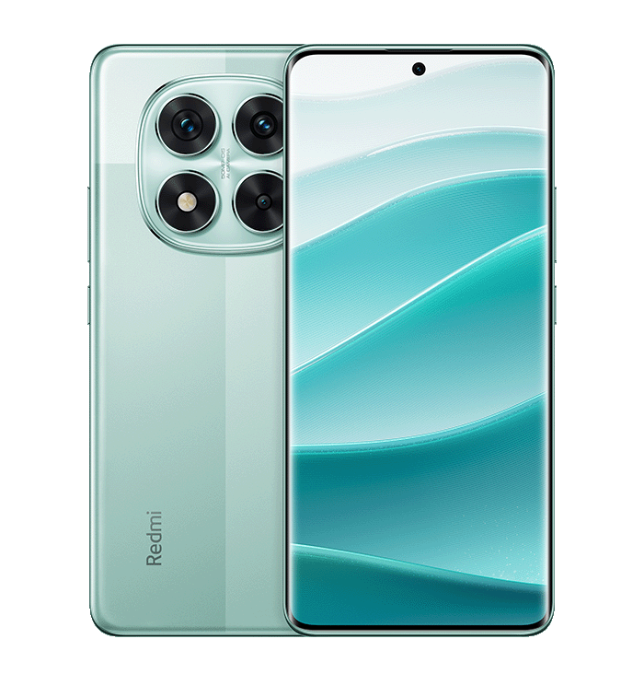
Redmi Note 14 Pro packs a clear punch in the camera department with its headline 200 MP wide sensor. This sensor promises impressive sharpness, detail capture, and versatility in cropping, paired with 8 MP ultrawide and 2 MP macro cameras. Meanwhile, the Motorola Edge 60 Fusion uses a dual setup, led by a 50 MP wide lens with OIS and a 13 MP ultrawide. Though it lacks the sheer megapixel count, Motorola focuses on balanced image processing and stabilization.
For video, both phones offer 4K recording and gyro-EIS, but Redmi extends OIS to video as well, providing smoother handheld shooting. Selfie shooters differ too, Motorola uses a 32 MP front camera capable of 4K recording, while the Note 14 Pro sticks to 20 MP and limits video to 1080p. In terms of raw photographic power, Redmi Note 14 Pro leads thanks to its flagship-grade sensor. However, Motorola’s higher-resolution selfie camera and 4K front recording add value for social media creators.
The Note 14 Pro is a better fit for photography enthusiasts, while Motorola caters more to vloggers and casual shooters.
4. Pricing
When it comes to pricing, the Motorola Edge 60 Fusion retails at around $310 USD, while the Redmi Note 14 Pro averages around $340 USD. Despite the gap, the extra cost attached to the Redmi feels justified for users looking for stronger media and camera performance. Its 200 MP main camera, Dolby Vision support, and Hi-Res certified audio create a noticeably richer experience for photography, streaming, and sound, which adds lasting value beyond just hardware specs. On the other hand, Motorola offers great efficiency at a slightly lower price, especially with its 68W fast charging and 4K-capable selfie camera, both of which are uncommon in this segment
The price difference reflects their focus as Motorola targets users who want a reliable, well-rounded daily driver and long battery life, while Redmi focuses on camera and multimedia enthusiasts willing to pay a little extra for photography and viewing quality.
Both phones feel fairly priced, but for buyers focused on daily content consumption, camera flexibility, and audio depth, the extra money spent on Redmi Note 14 Pro is likely to feel well worth it.
5. Conclusion
Redmi Note 14 Pro stands out as the stronger overall package for users who prioritize everyday features and multimedia experiences. Its combination of a 200 MP main camera, Dolby Vision-certified AMOLED display, and Hi-Res audio support makes it especially well-suited for photography, streaming, and music lovers. The addition of features like Circle to Search, an IR blaster, and polished software touches under HyperOS further push its value beyond the basics.
The Motorola Edge 60 Fusion still holds its ground with practical advantages like faster 68W charging, 4K selfie video, and Ready For Desktop mode, which is meaningful for users who prefer versatility and convenience, especially for productivity or vlogging. However, with only a modest price difference, the Redmi Note 14 Pro delivers more depth in media, imaging, and everyday visual appeal.
Between the two, the Redmi offers a better balance for entertainment, photography, and immersive use, while Motorola leans slightly more toward functionality and speed. Without ruggedness in the equation, the Redmi Note 14 Pro becomes the more feature-rich and appealing choice for most users.
Read:
- Motorola Edge 60 Fusion vs OnePlus Nord CE 4: Which Mid-Ranger is Better?
- iQOO Z10 Turbo vs. Redmi Turbo 4 Pro: Specifications of Snapdragon 8s Gen 4 phones compared
- Comparing the Oppo Find N5 and Honor Magic V3: Design, Performance, and Features