
Add GIZMOCHINA on Google:
The sales of the OPPO Find X7 Ultra last year were not great – just not as high as we had hoped. So, with the Find X8 Ultra, the brand seems to shift its upgrade strategy: abandoning the camera specs race, and instead, focusing on better everyday usability.
Among all the Ultra-level phones with increasingly larger and more protruding cameras, the Find X8 Ultra is the one that feels the most like a ‘normal phone’. Its predecessor, Find X7 Ultra was truly impressive for the ‘Ultra-like’ camera specs. So accordingly, this also means the camera upgrades are relatively modest.
You’re probably worried about whether its camera system is outdated, right? I was, too, at first. But after a full day of testing, all those concerns disappeared. In fact, I’ve even grown to like this phone a little.
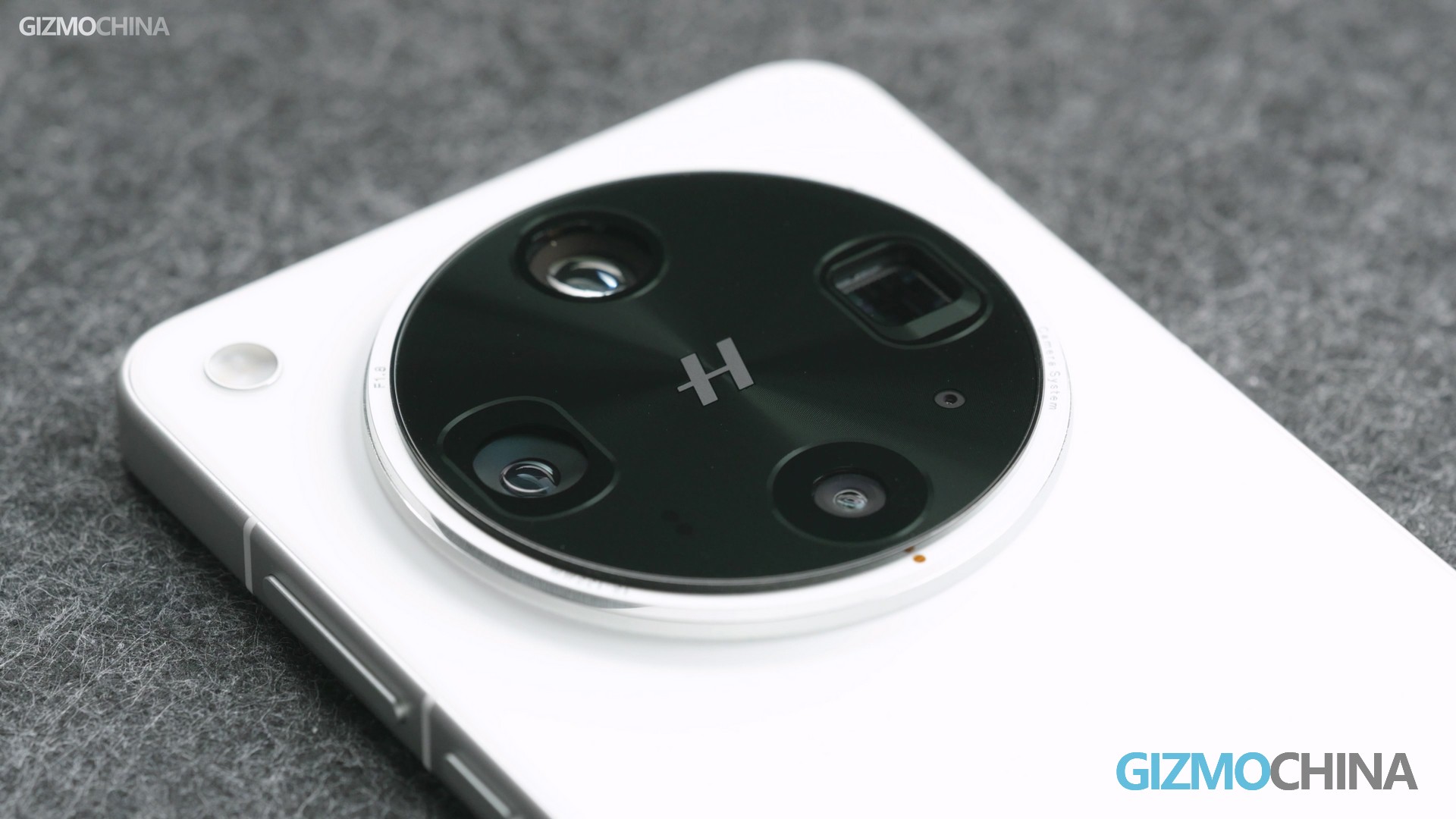
3x & Multispectral Camera

Compared to the Find X7 Ultra’s quad-camera setup, the Find X8 Ultra has two cameras upgraded, one unchanged, one downgraded, and a brand-new addition. Let’s start with the 3x telephoto camera, which OPPO takes great pride in. This lens has a true 3x optical focal length, which is 70mm, meaning it fully utilizes all the sensor’s pixels. On paper, this should be the second-best 70mm camera in the world.
Since the focal length is neither too long nor too short, it’s just perfect for street photography and everyday shots. Macro capability is also present. You can still get a lot of stunning shots with it. Honestly, I can hardly find any flaws with this camera. No matter the time or lighting, it delivers razor-sharp photos.
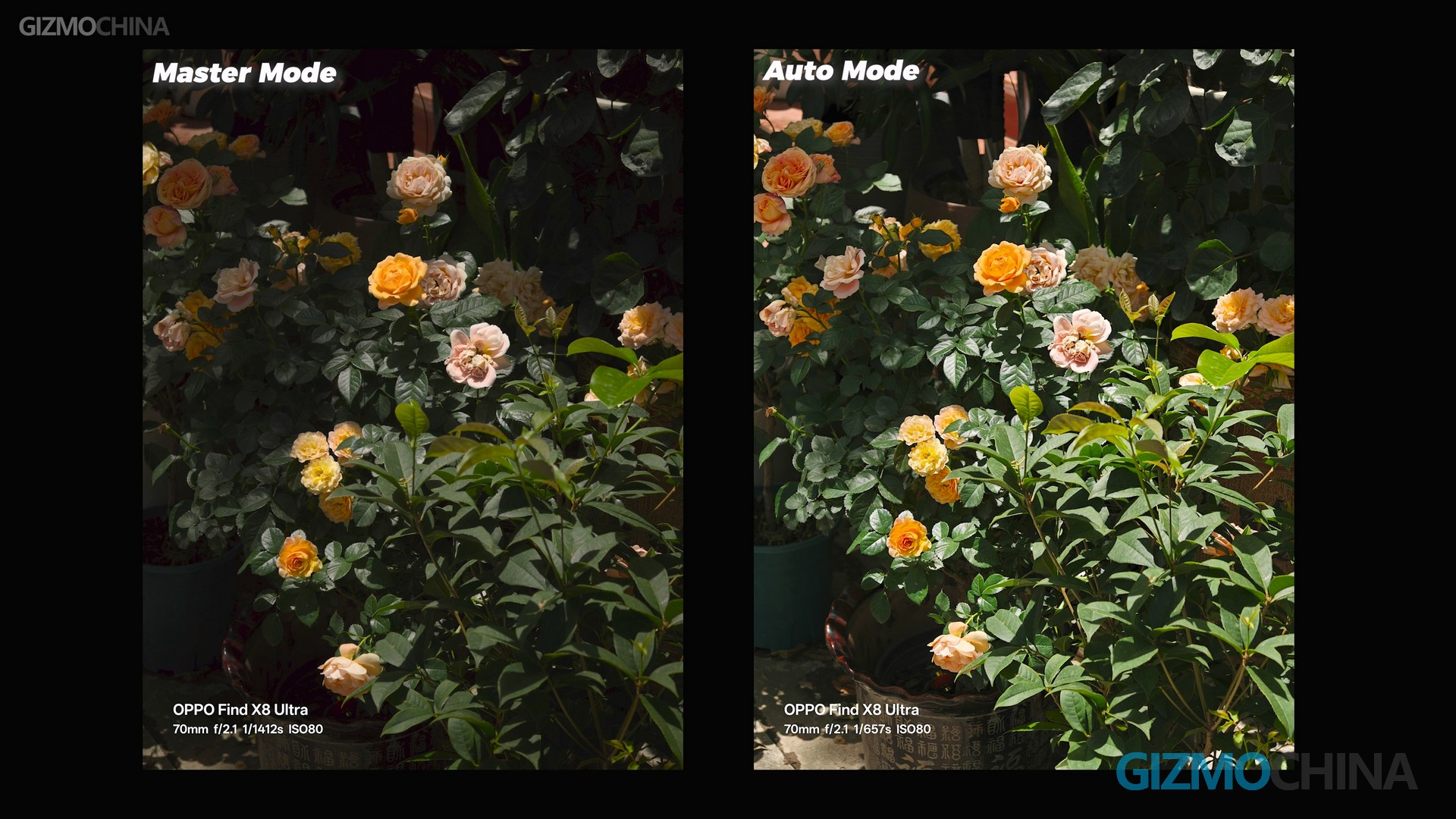
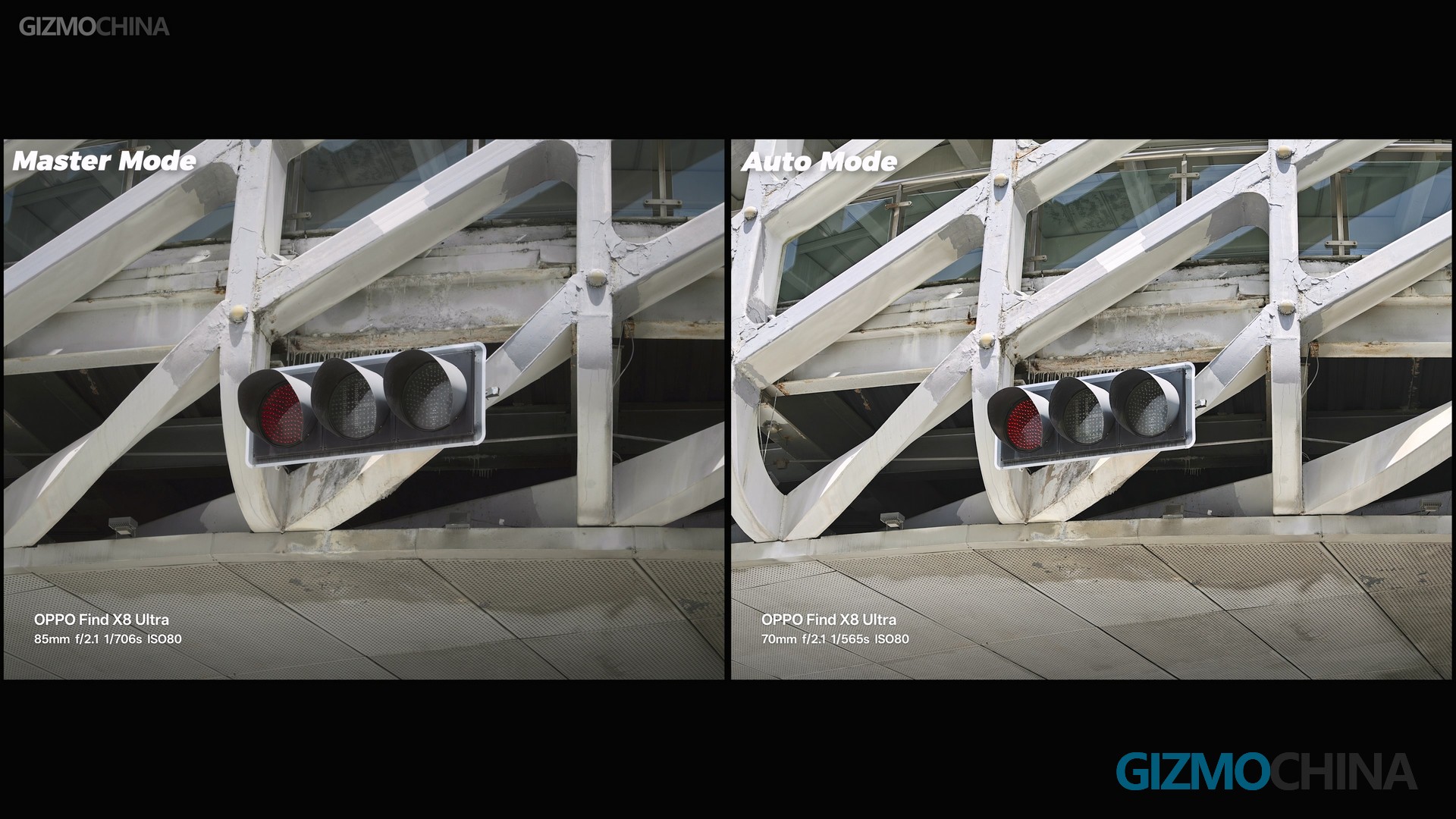
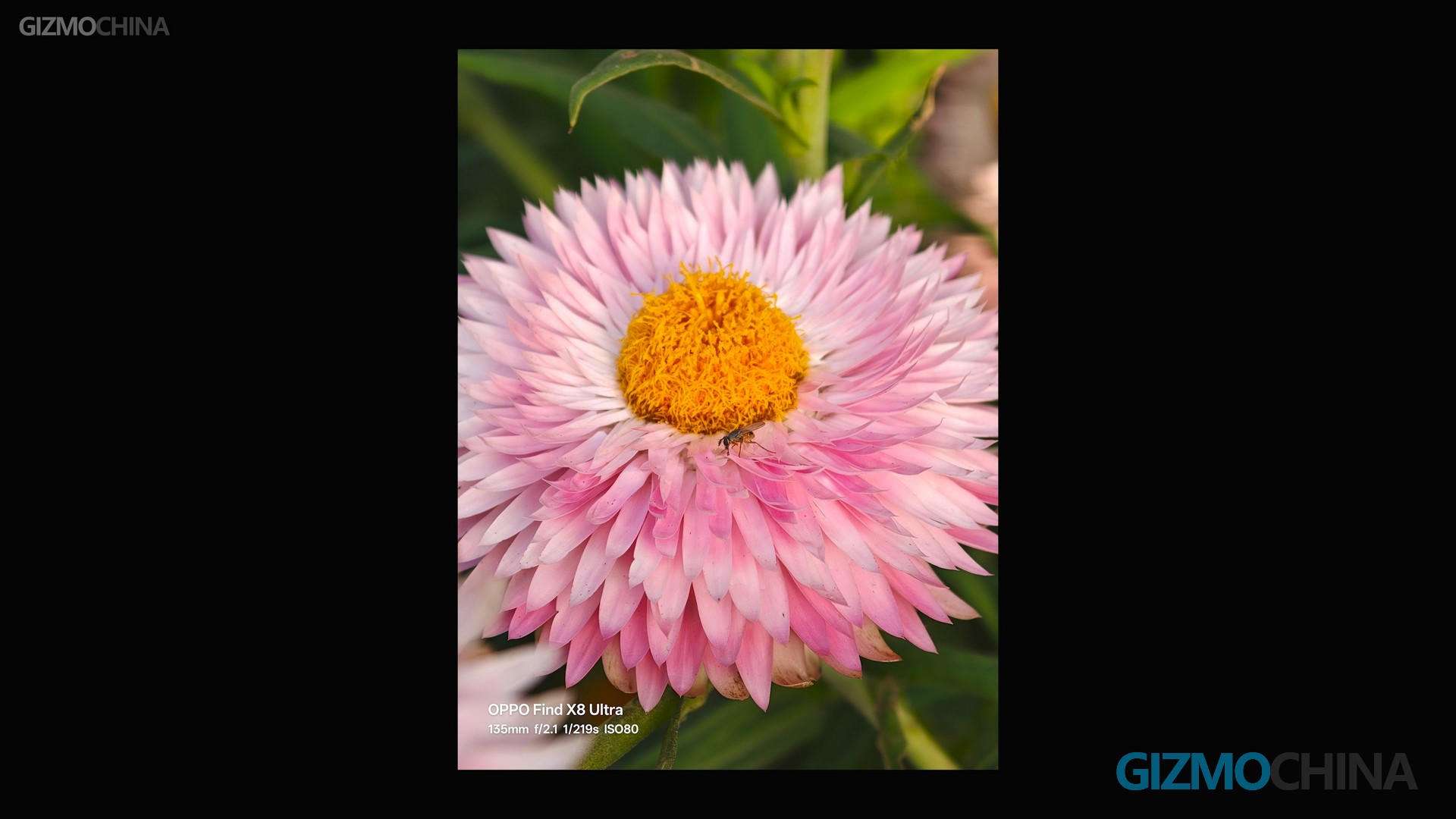
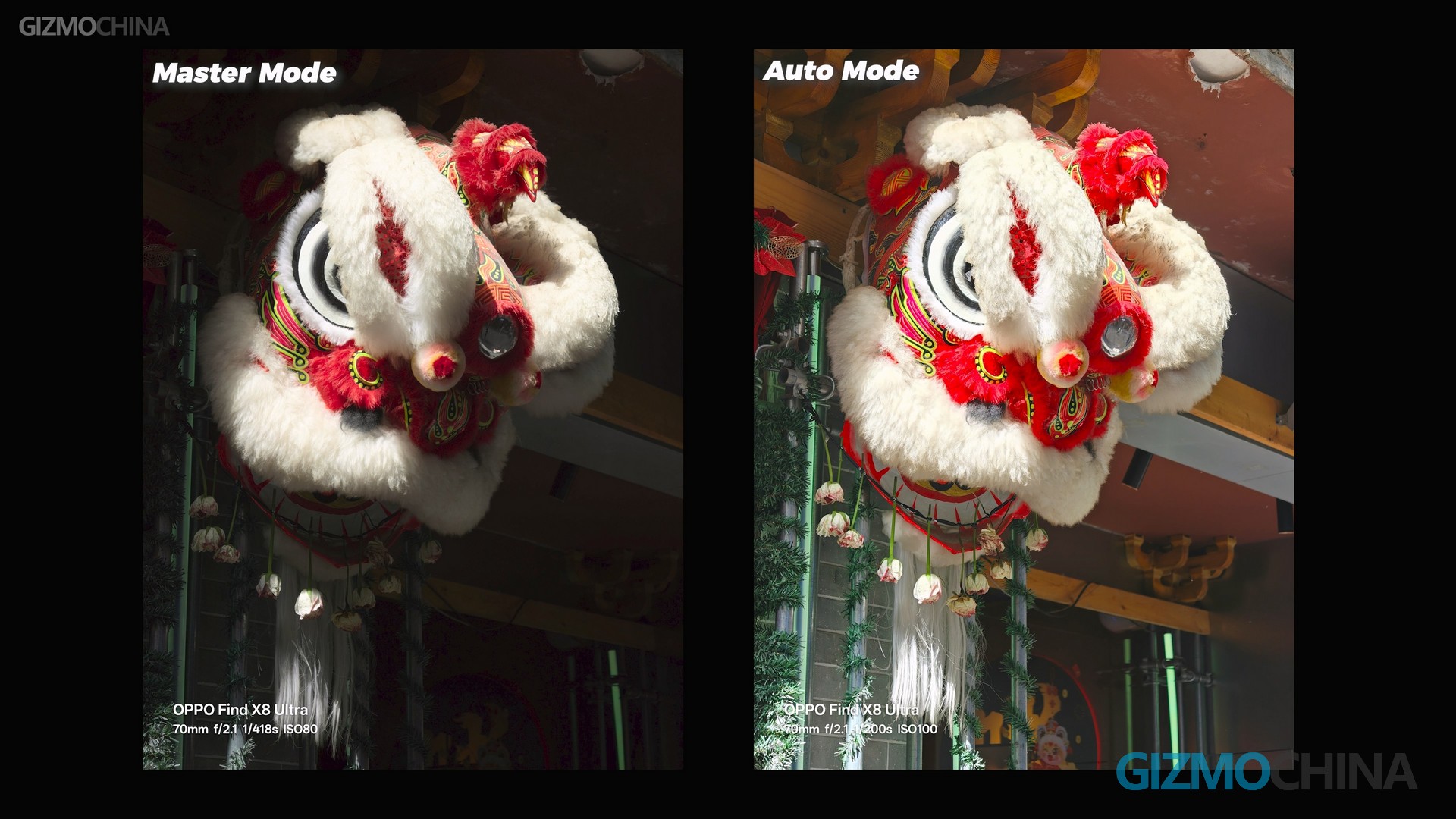
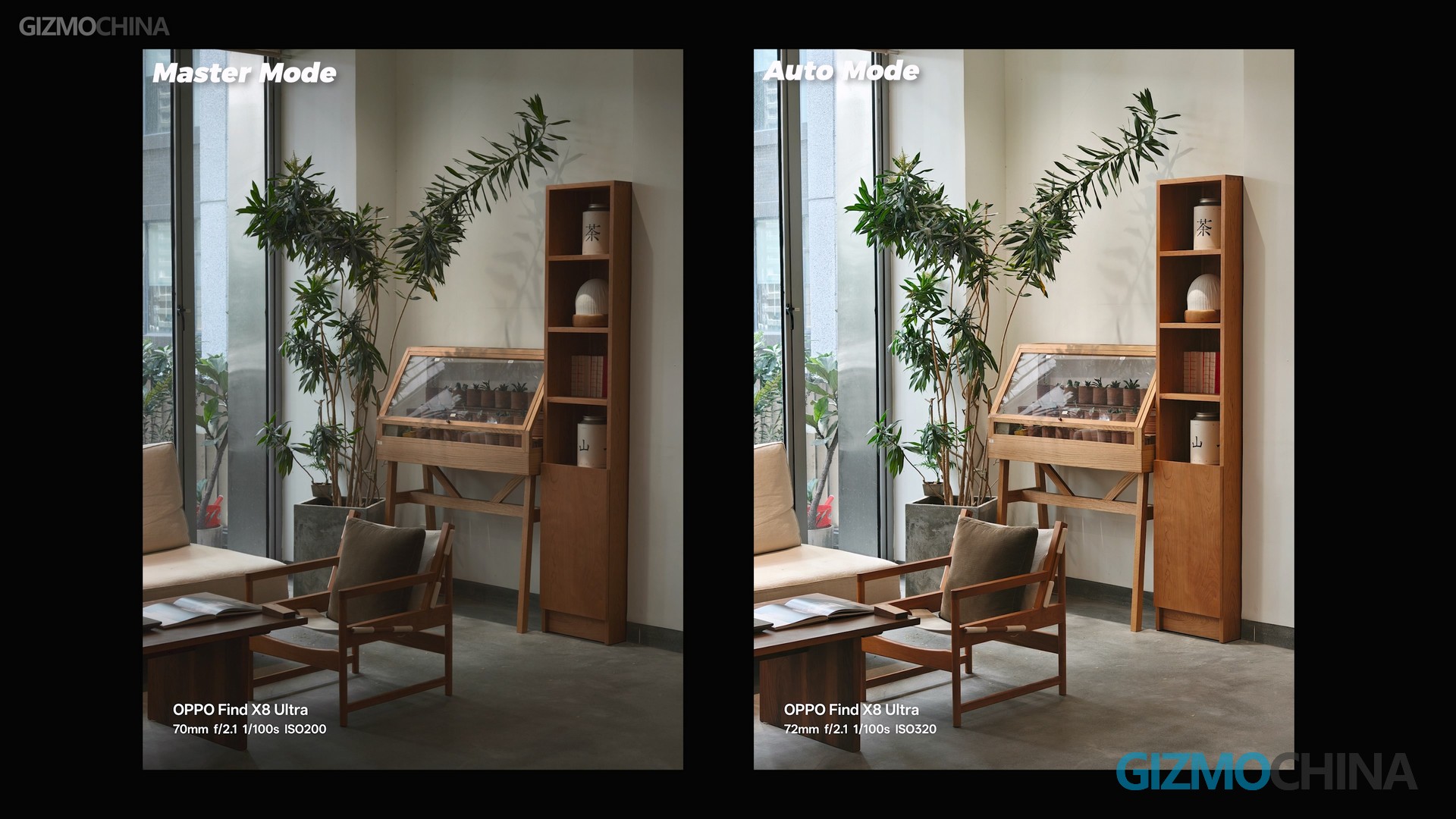
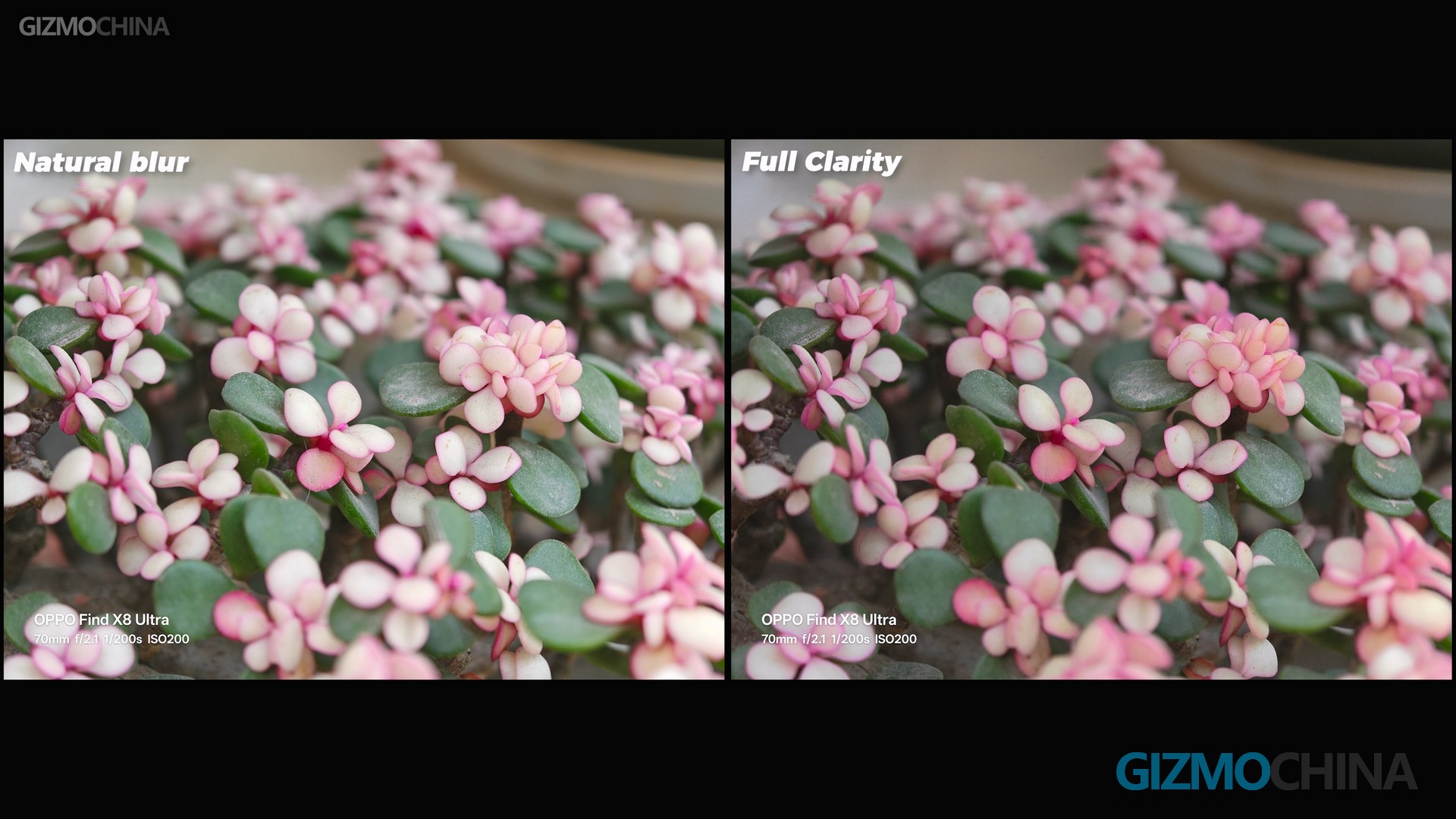
If I had to nitpick, the large sensor with a fixed large aperture creates an extremely shallow depth of field. For example, in a shot of a cat, the head and legs might be sharp, but the belly could be blurred. Excessive bokeh isn’t always ideal.

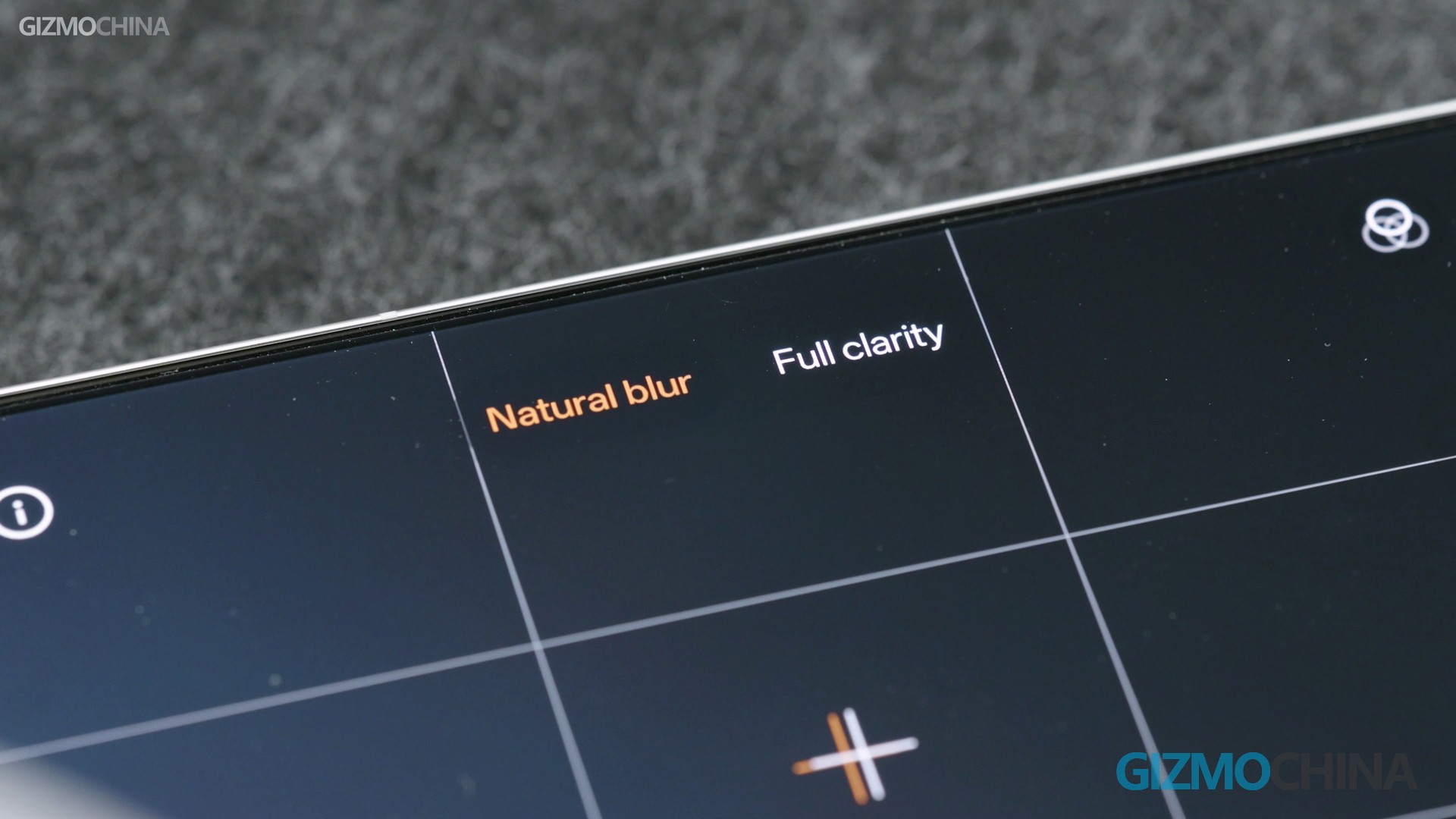
OPPO includes an option to reduce background blur via multi-frame processing, but honestly, the effect isn’t always noticeable. Still, this minor drawback doesn’t overshadow its strengths—this camera has undoubtedly helped me capture countless stunning shots.
Portraits & Multispectral Camera
A great lens needs equally great software to truly shine. And I have to say, the portrait mode on the Find X8 Ultra is in a league of its own. Look at the edges of the beard—every single strand of hair is cleanly separated from the background. Even the iPhone can’t compete with the X8 Ultra in this regard.
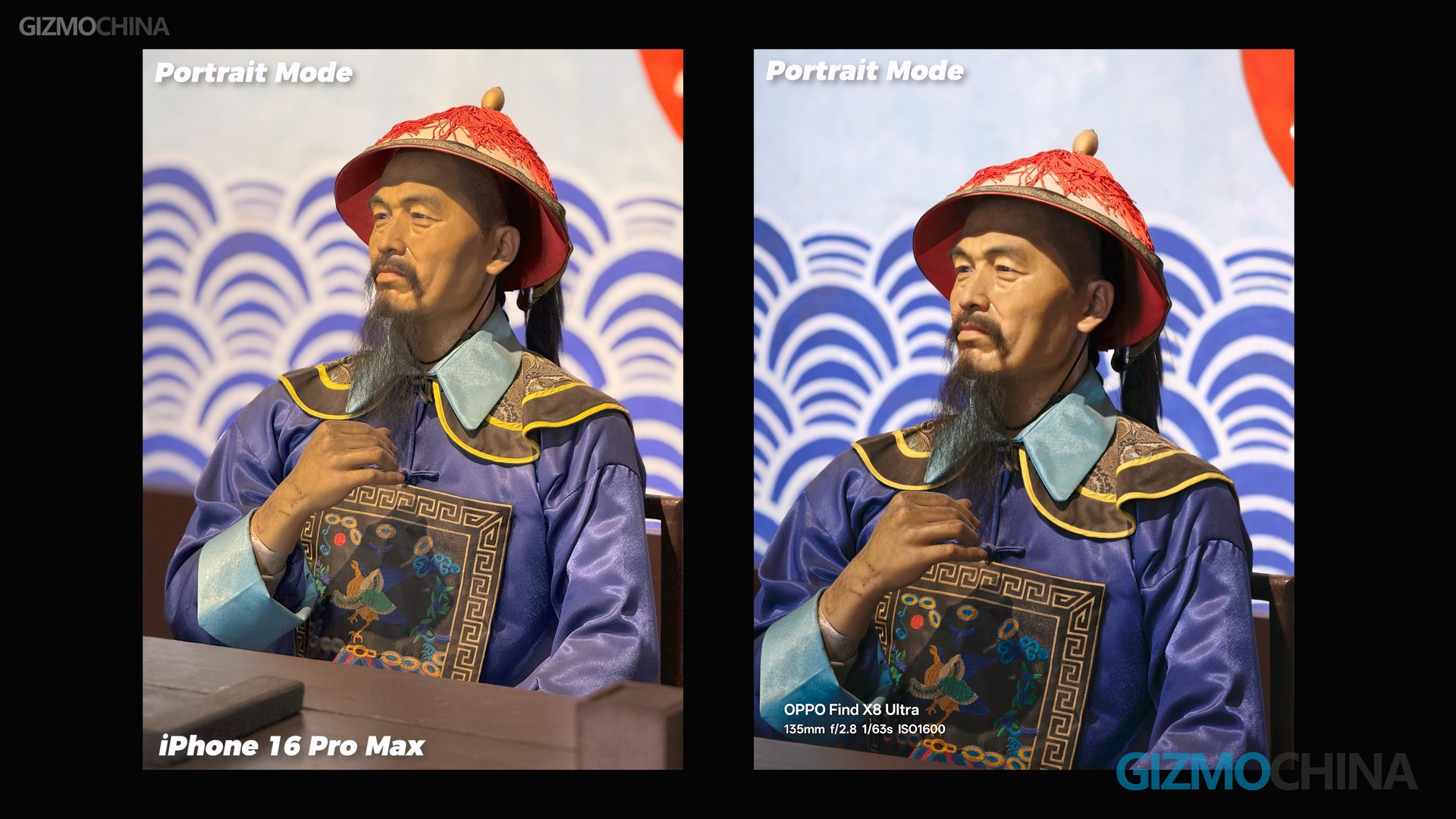
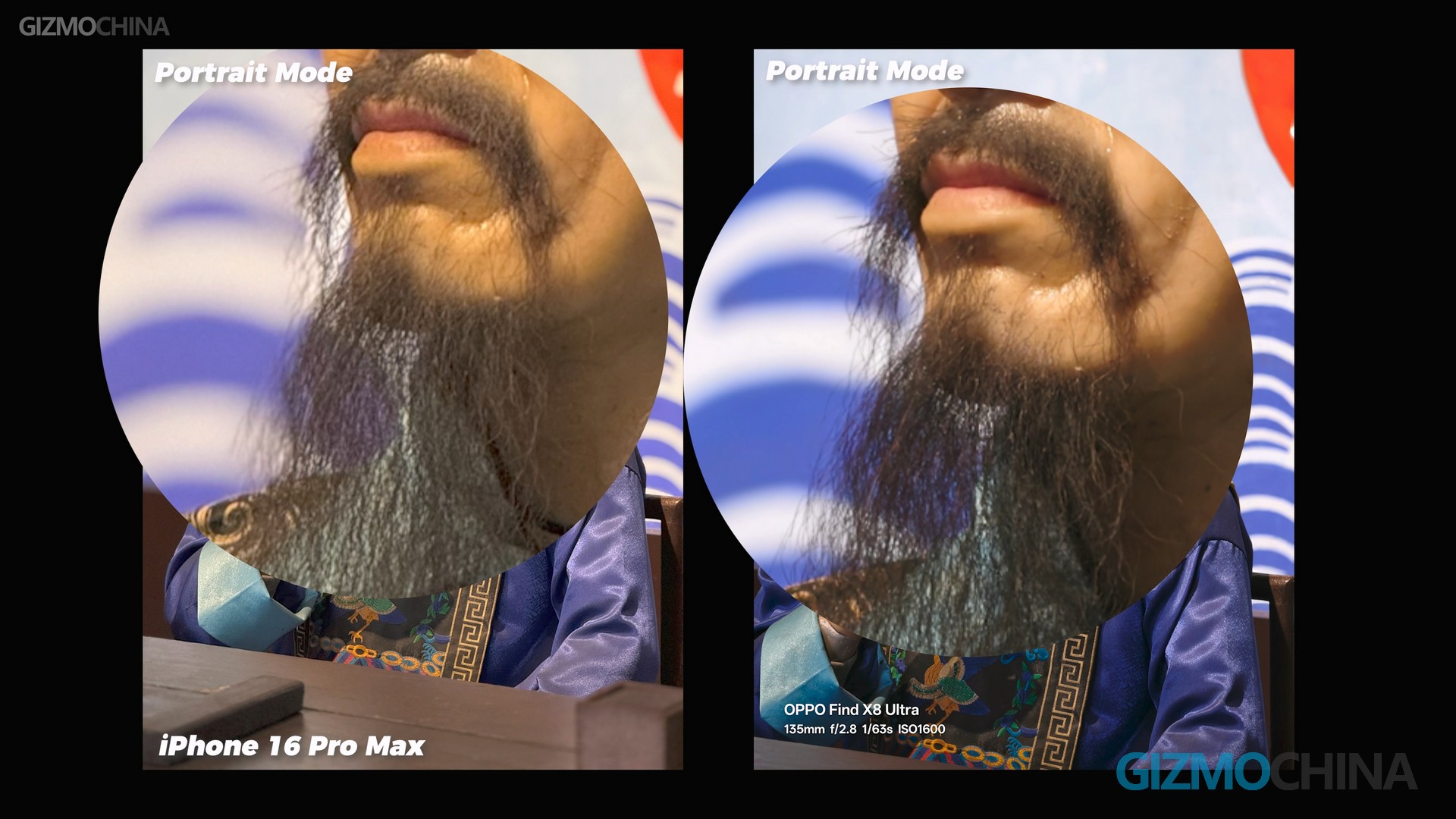
This is thanks to OPPO’s AI-powered segmentation algorithm, which delivers bokeh so natural it looks like optical blur. The newly added multispectral camera plays a key role here—it identifies the color temperature of different areas in a scene, allowing the phone to adjust each zone individually.

Take this photo, for example: even ignoring image quality, since the iPhone 16 Pro Max lacks a 3x telephoto, the X8 Ultra’s shot renders skin tones more lifelike.
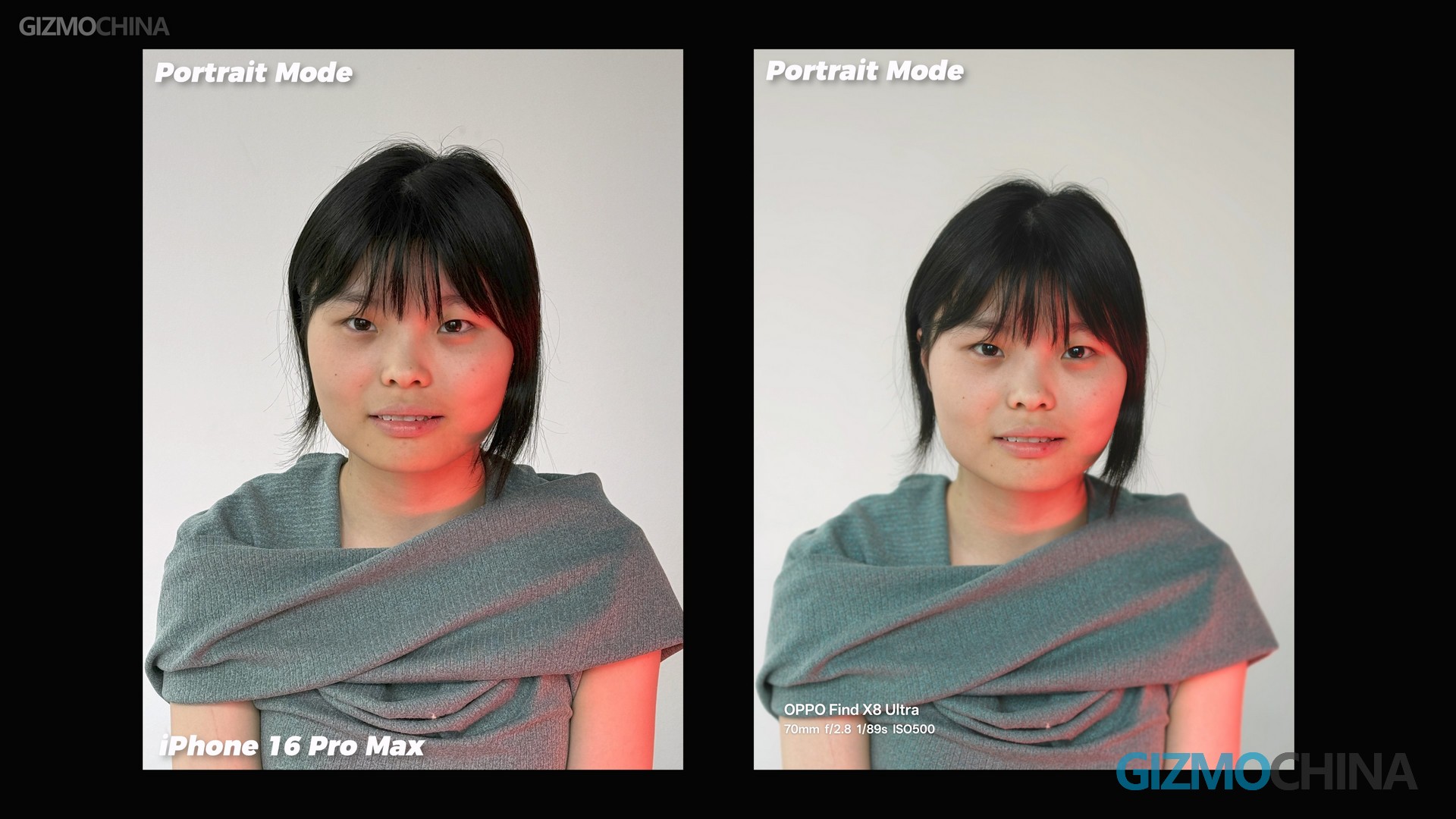
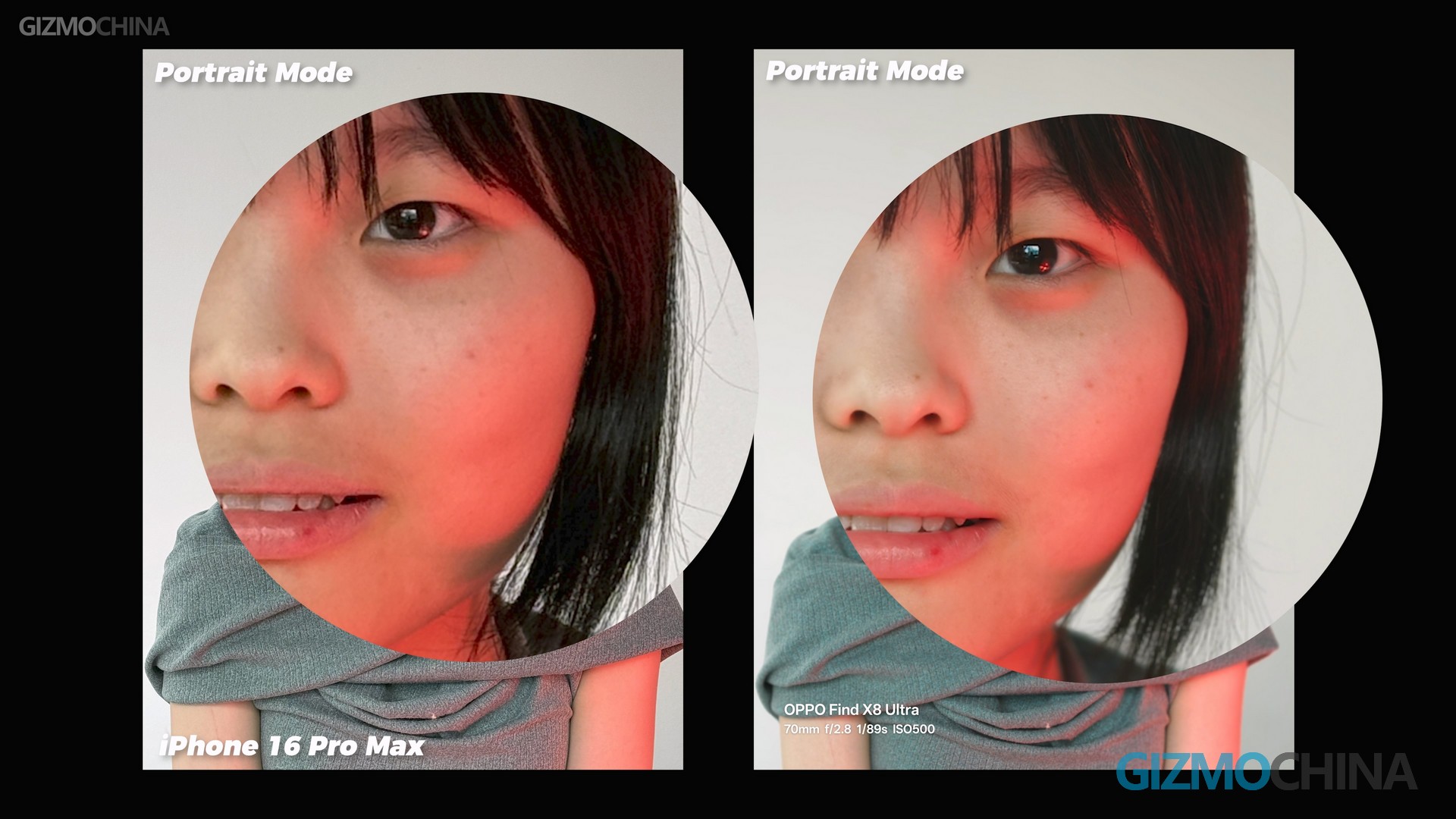
This phone excels at color correction for people, but for scenes without human subjects, the difference from the iPhone becomes negligible.
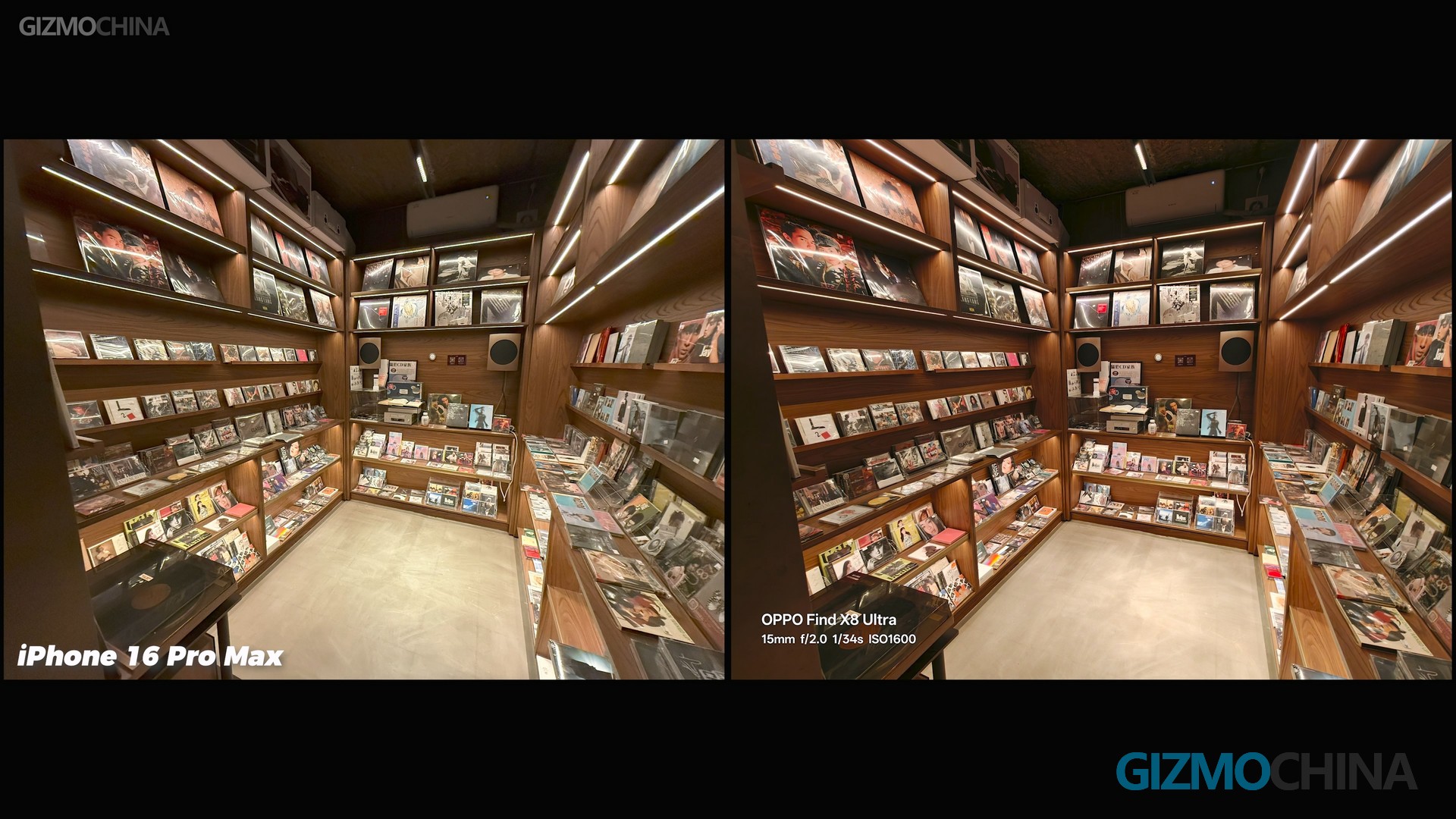

To sum up, this camera might not be as revolutionary as you’d expect—it doesn’t perfectly replicate real-world color temperature in every scenario. But in extremely tricky lighting conditions, it could be a lifesaver. After all, your girlfriend won’t kill you for ruining her photos.
6x Telephoto

On paper, the 6x periscope camera sees the most significant improvements—larger sensor, wider aperture, yet minimal size increase, thanks to a new prism design. But why “on paper”? Isn’t the actual performance good?
Well, the triple-refracting prism causes light loss at each bend, so its low-light performance doesn’t deliver a “Wow” moment. Compared to the last gen, it feels almost the same.


In fact, in dim lighting, the X8 Ultra often defaults to cropping the 3x telephoto to 6x instead of using this native 135mm lens—proof that its night capabilities aren’t stellar.
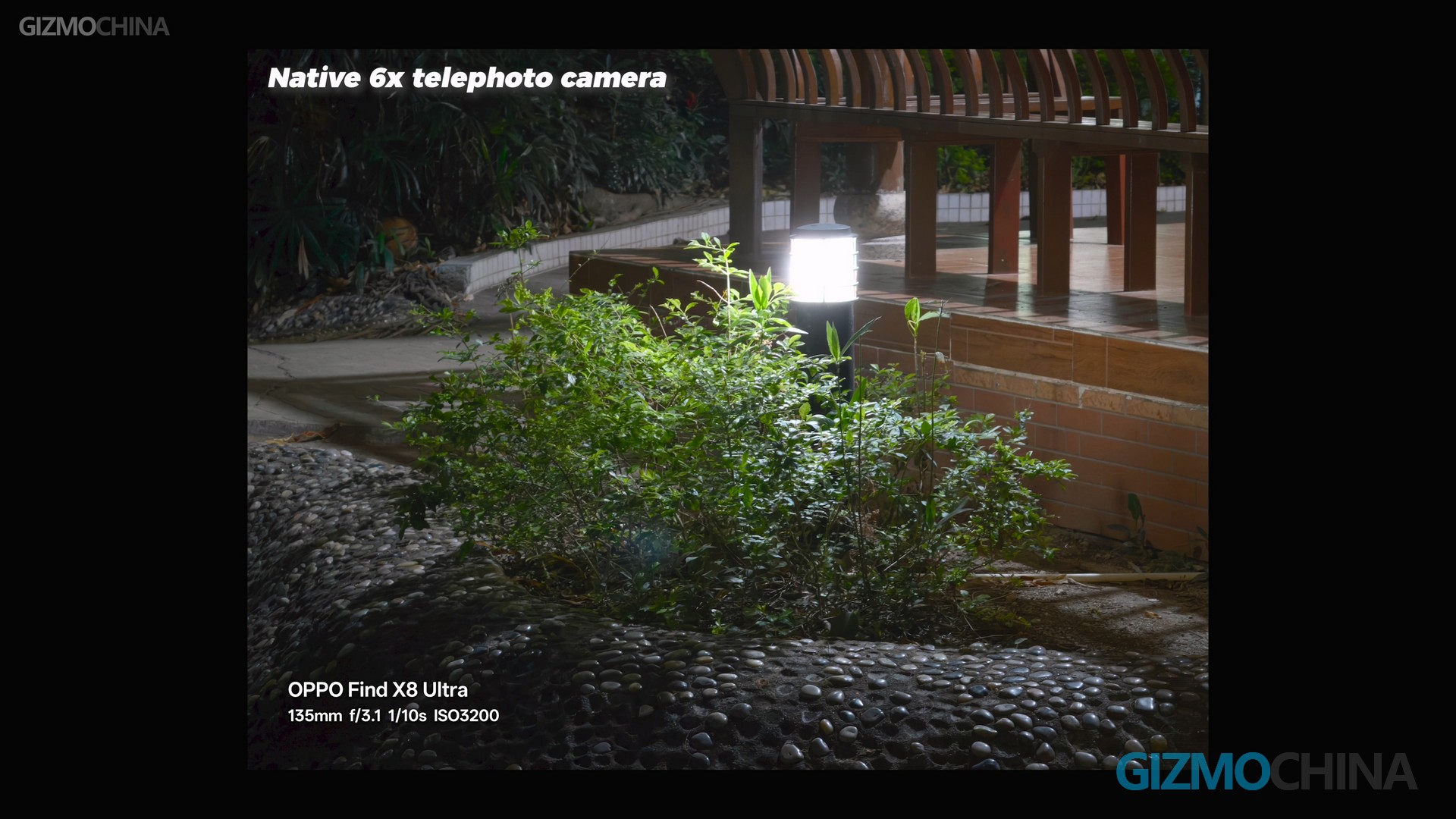
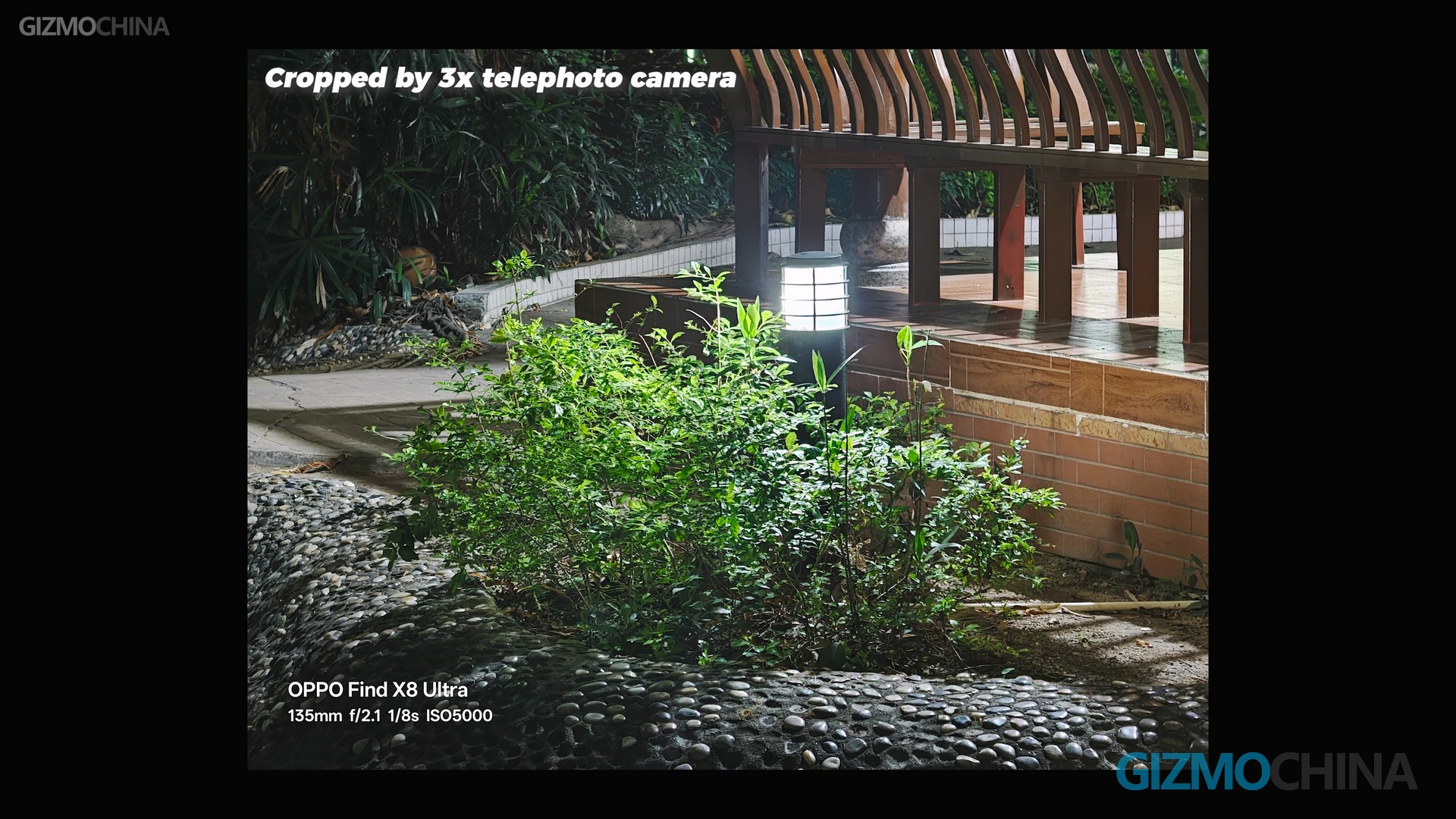
Another downside? The prism makes its minimum focus distance absurdly long, over 90cm, ruling out close-up shots entirely. But it’s not all bad. As the longest native focal length among Ultra phones, it shines in good lighting—with some creativity, you can still capture great shots. And if that’s not enough? There’s always AI Zoom to save the day.
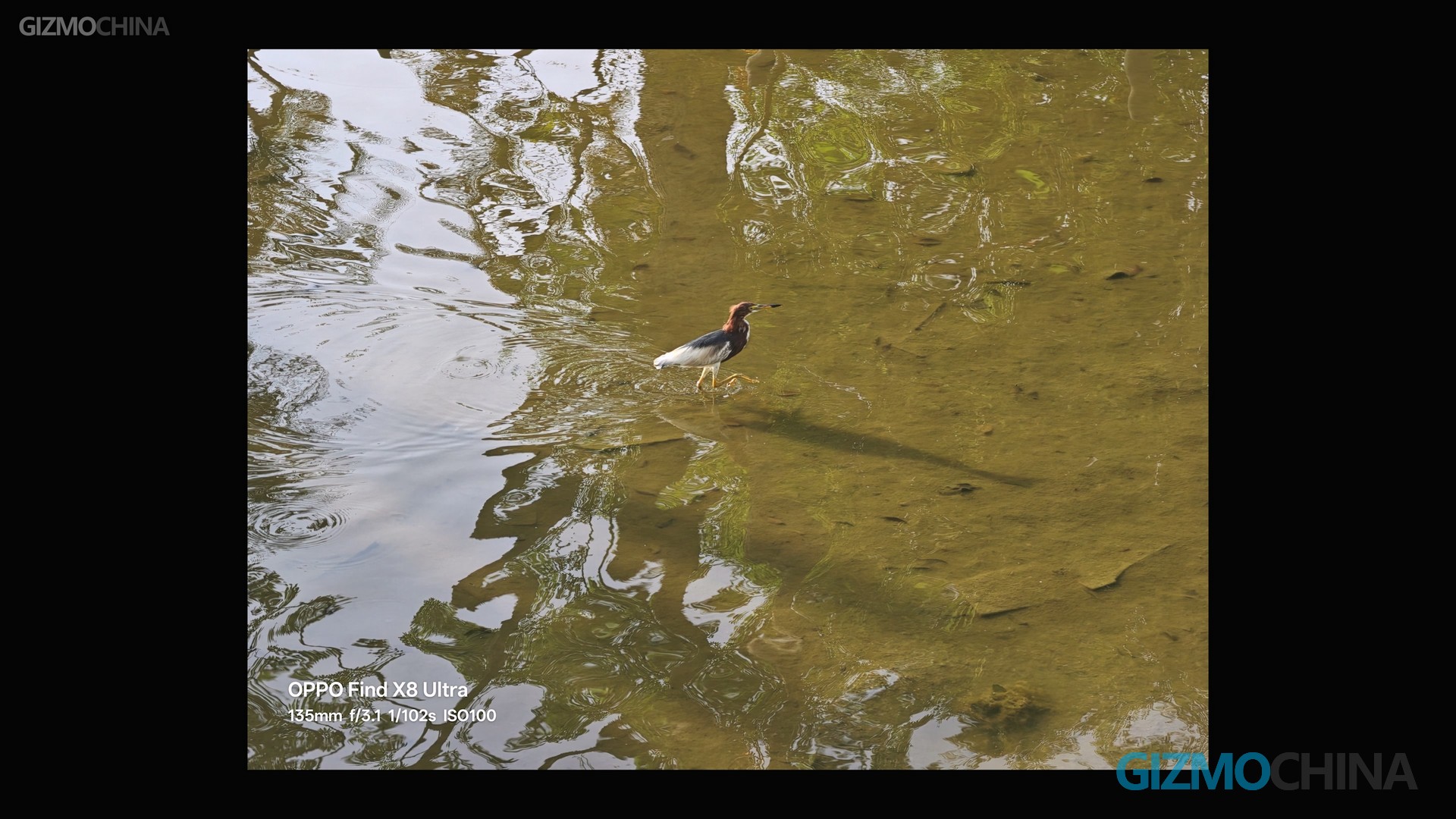
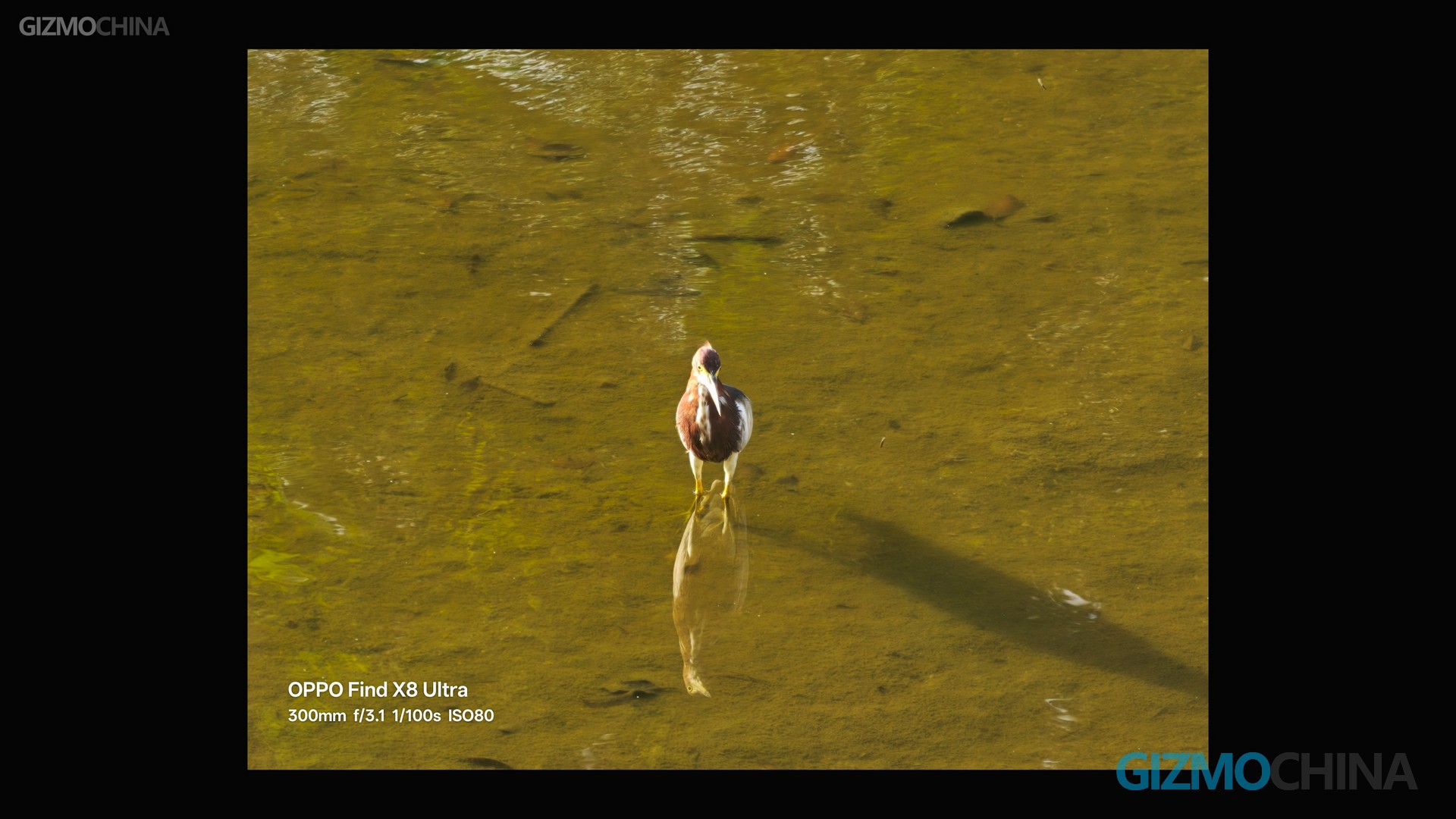
0.6x Ultra-Wide

The ultra-wide camera on the Find X7 Ultra was already mediocre, and the X8 Ultra made it worse—it now uses the same sensor as the $180-cheaper Find X8s. Ouch. If you love shooting ultra-wide photos or videos, you might want to wait for the vivo X200 Ultra instead.
I get it—both Xiaomi and OPPO chose to shrink the ultra-wide camera to prioritize telephoto performance, since most people rarely use it. Unless you’re into hiking or vlogging, you probably won’t care much about its quality. And without direct comparisons, many won’t even notice how much worse it is. But as a consumer, spending $1,000 only to get a weaker ultra-wide cam feels hard to swallow.
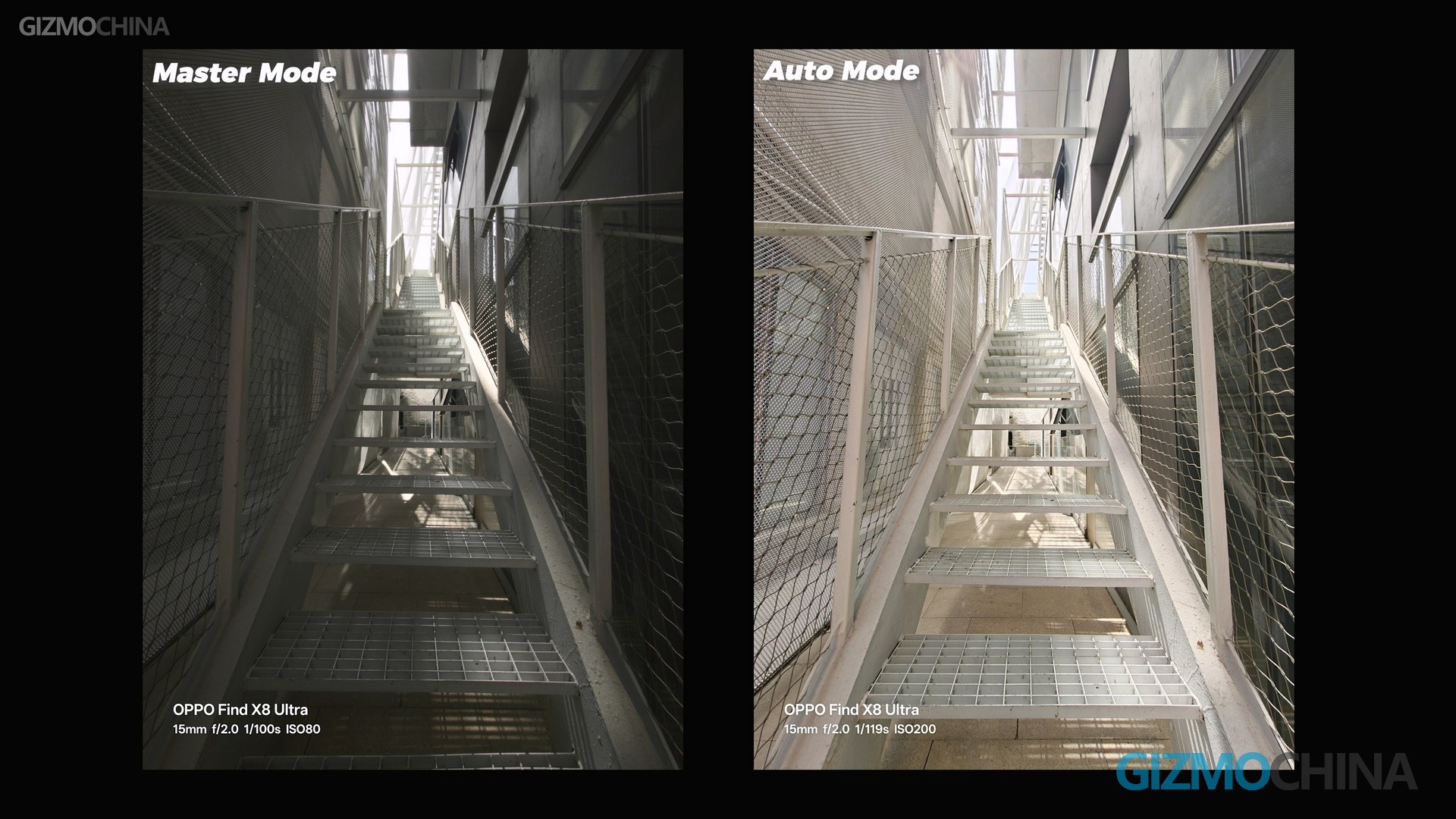
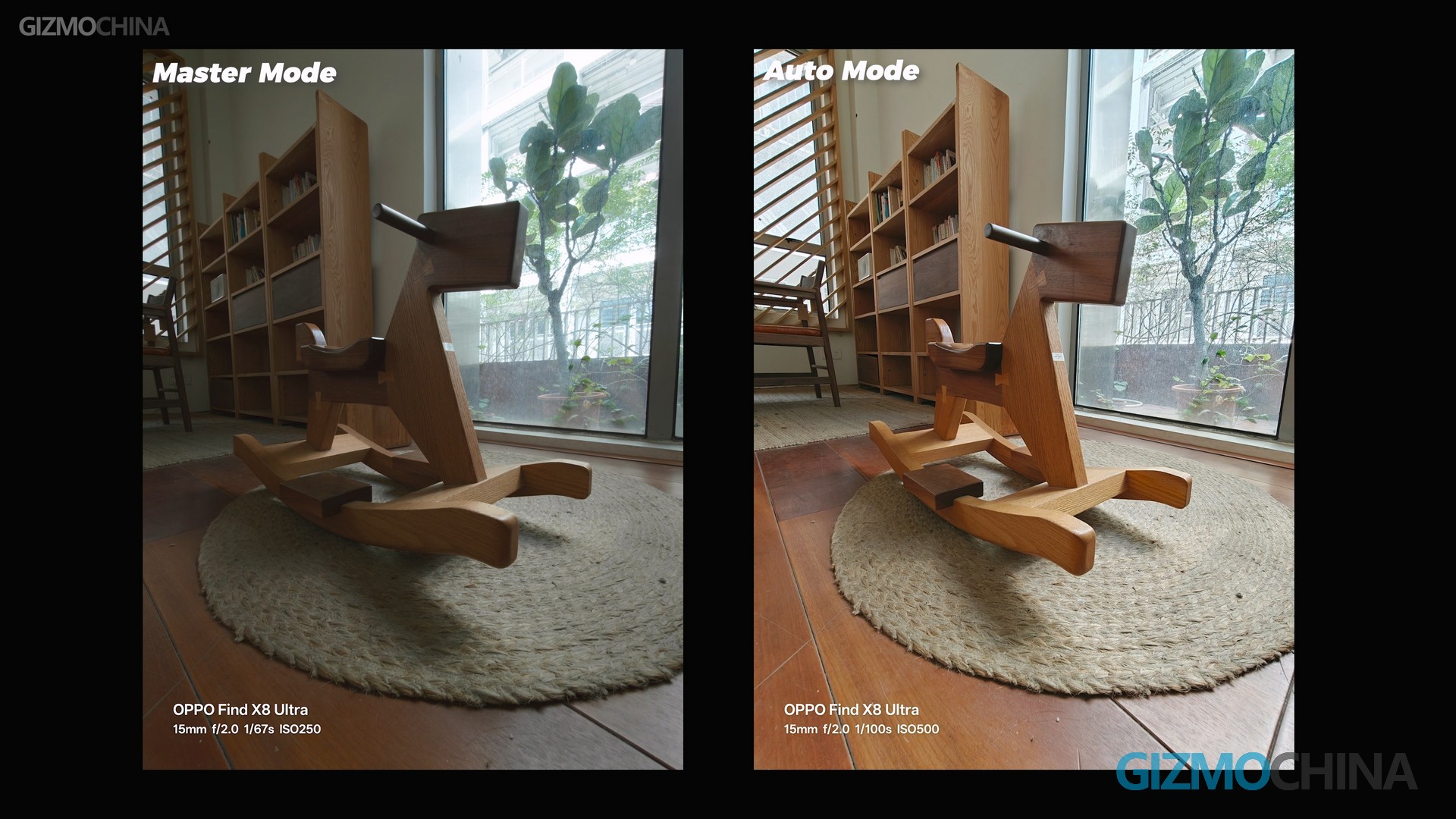
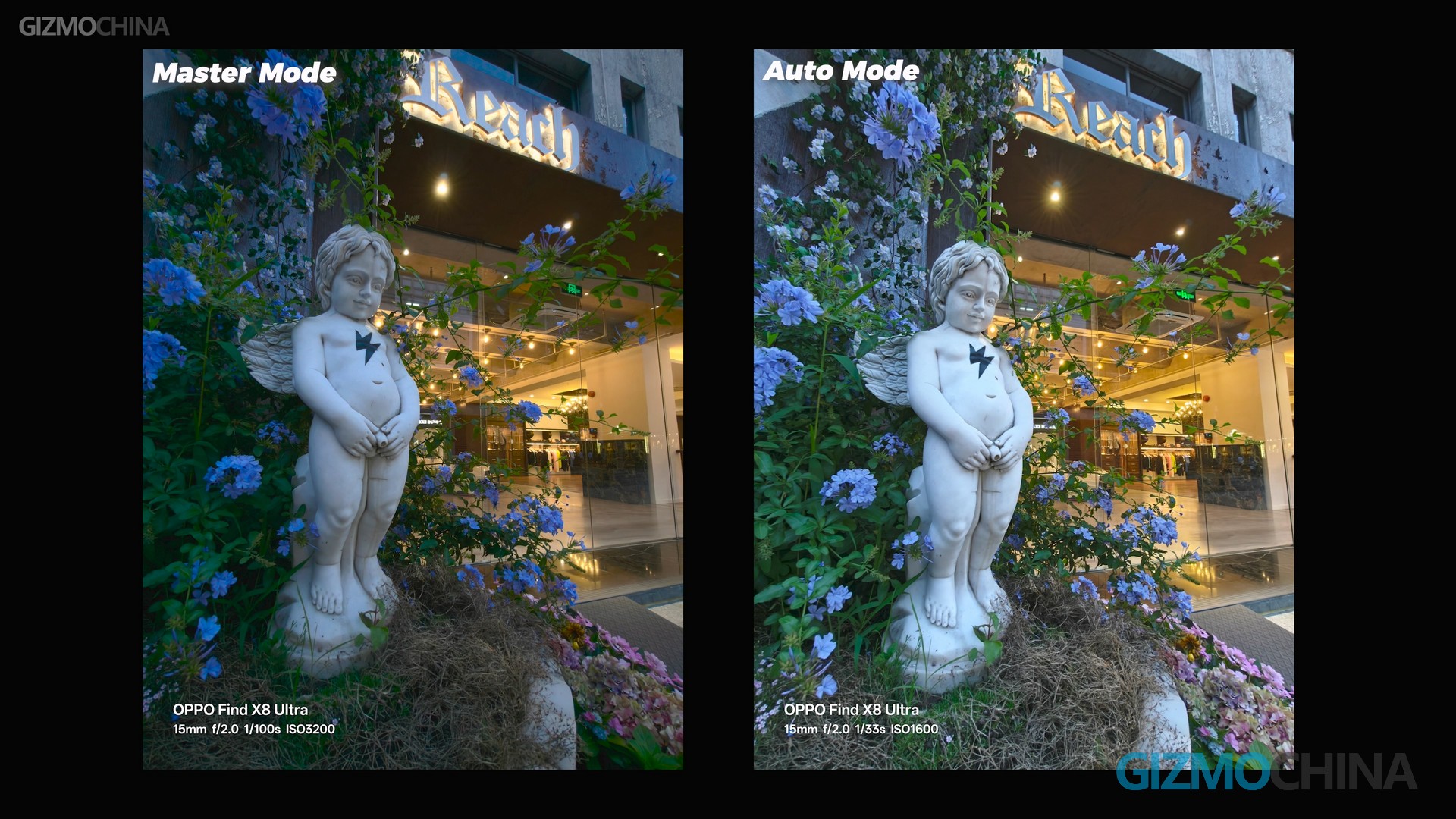
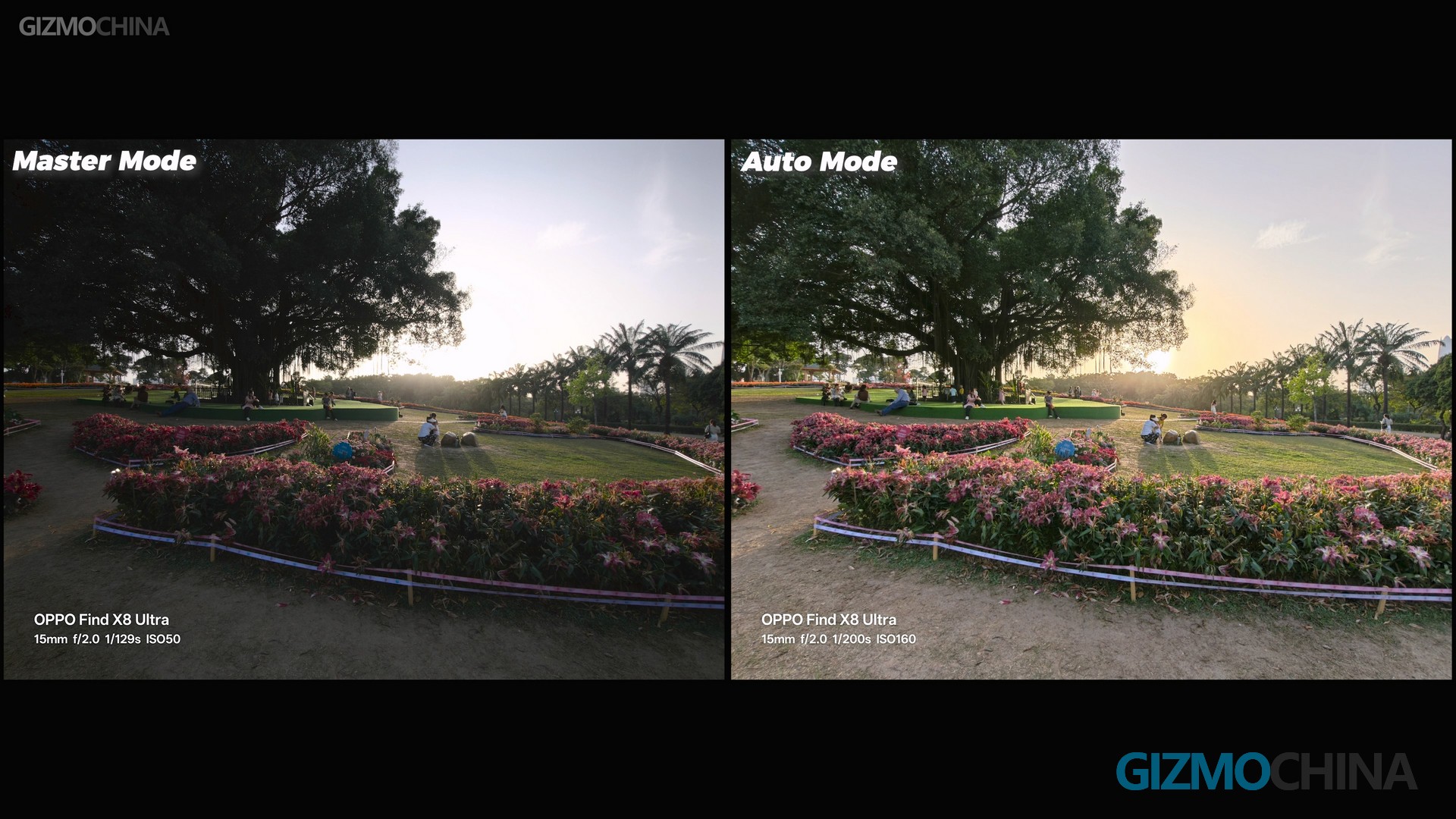
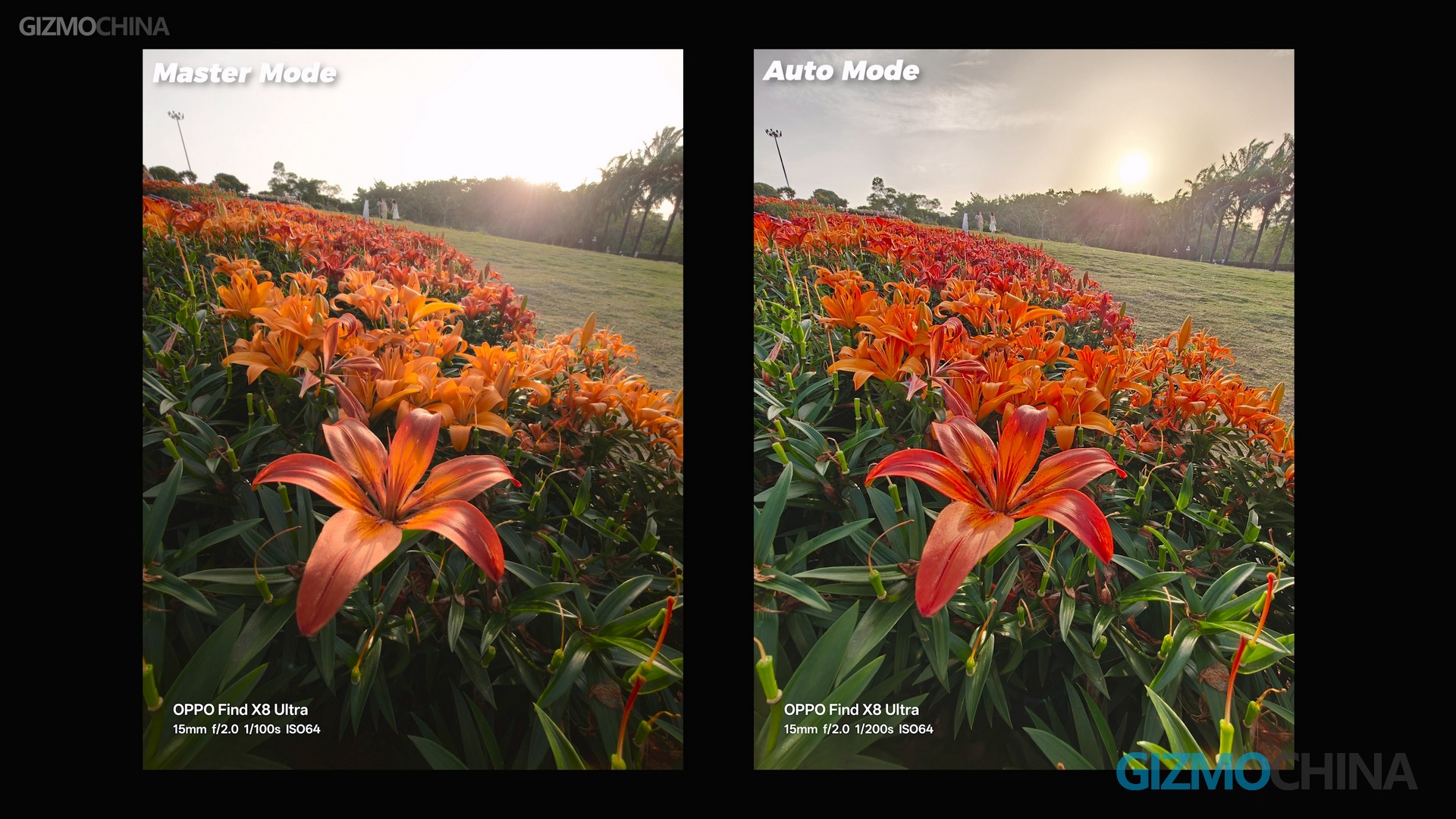
That said, if you can live with a 10%, or maybe 20% drop in image quality, this lens still gets the job done. I’ve even managed to take some decent shots with it. However, video recording is where this camera truly struggles.
Video Recording
The Find X8 Ultra supports recording up to 4K 120fps with Dolby Vision, though only the main camera and 3x telephoto actually work at this setting. All four cameras can shoot 4K 60fps with Dolby Vision, but OPPO still hasn’t added 8K or LOG recording, which is not a good message for those professionals.
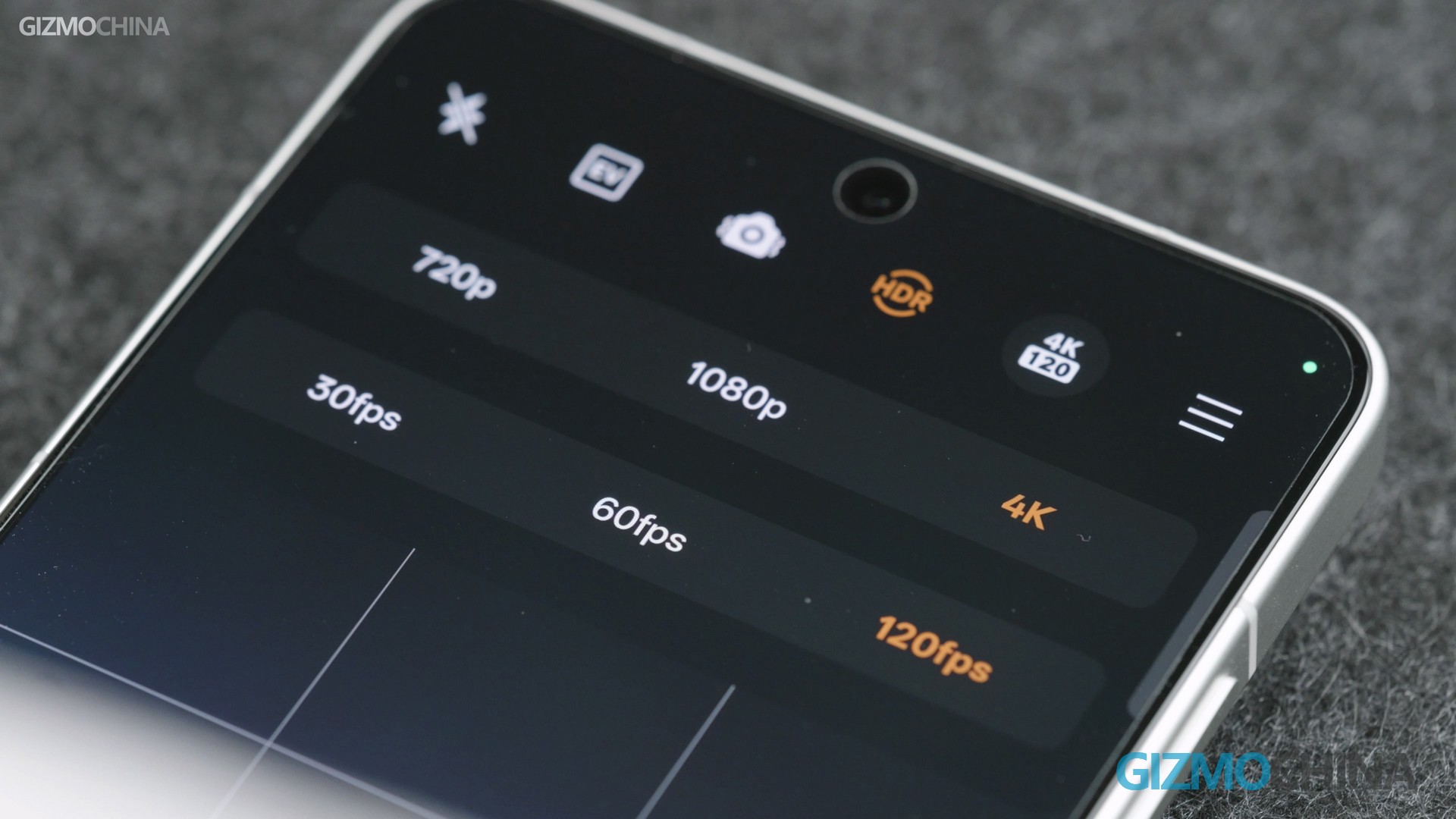
The footage itself? Nothing groundbreaking. In fact, with the downgraded ultra-wide sensor, low-light video quality is outright disappointing for its price tag. Like many mid-range Android phones, it suffers from muddy details, noise, and aggressive focus hunting in motion shots. One other thing to note: there is no way to adjust video settings such as shutter speed, ISO, or anything else in Master mode. To have full control over recording options, you’ll have to go to movie mode, which is very counterintuitive.
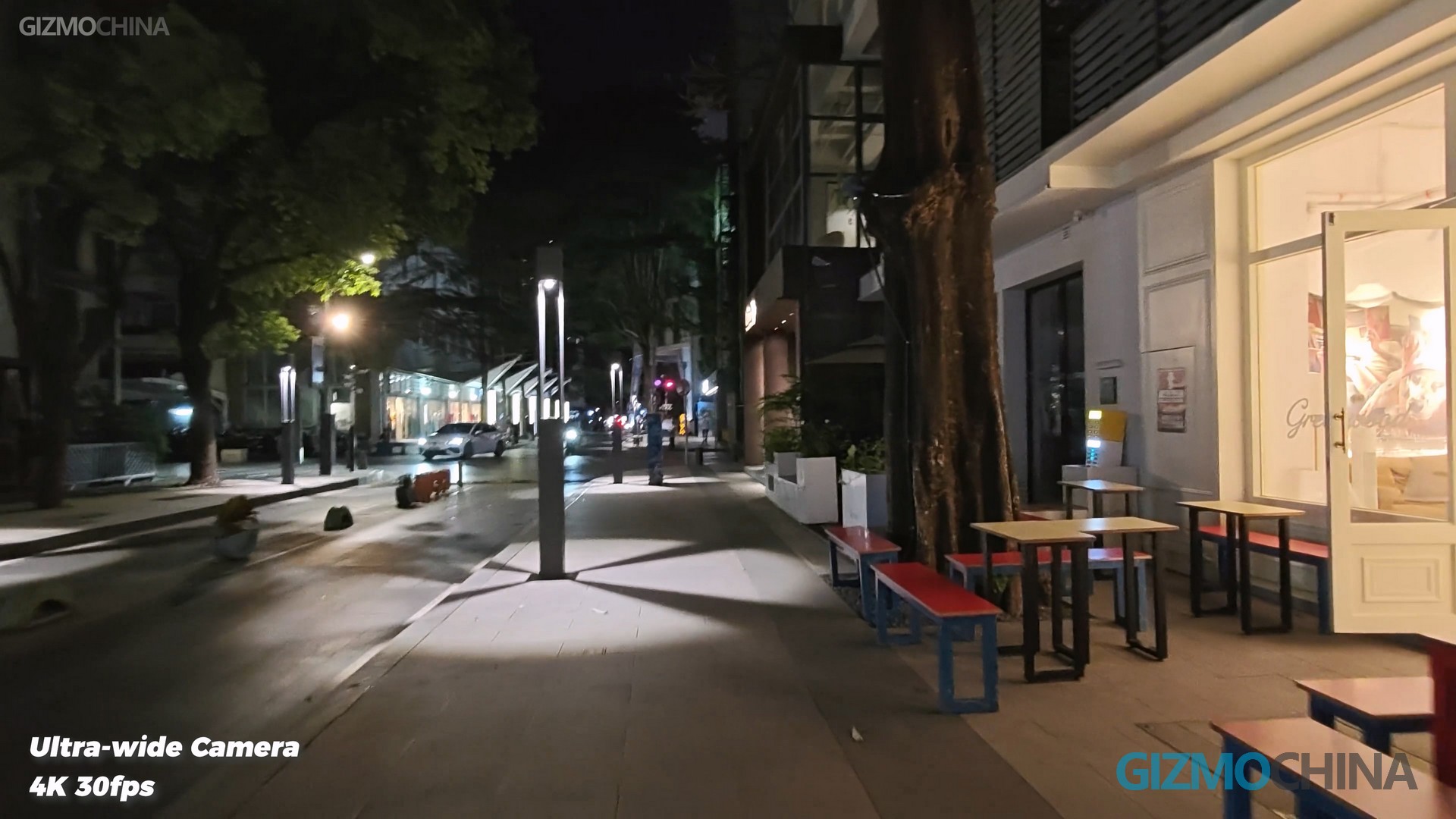
If video recording is your priority, wait for vivo’s flagship. The X8 Ultra just doesn’t cut it perfectly.
1x Main Camera
The 1-inch LYT-900 sensor is an old friend we’ve seen many times before—no surprises here. It’s the only unchanged camera on the Find X8 Ultra, and its capabilities are already well-known: stellar dynamic range, crisp details, and excellent low-light performance. I won’t dwell on it too much—just enjoy the samples.

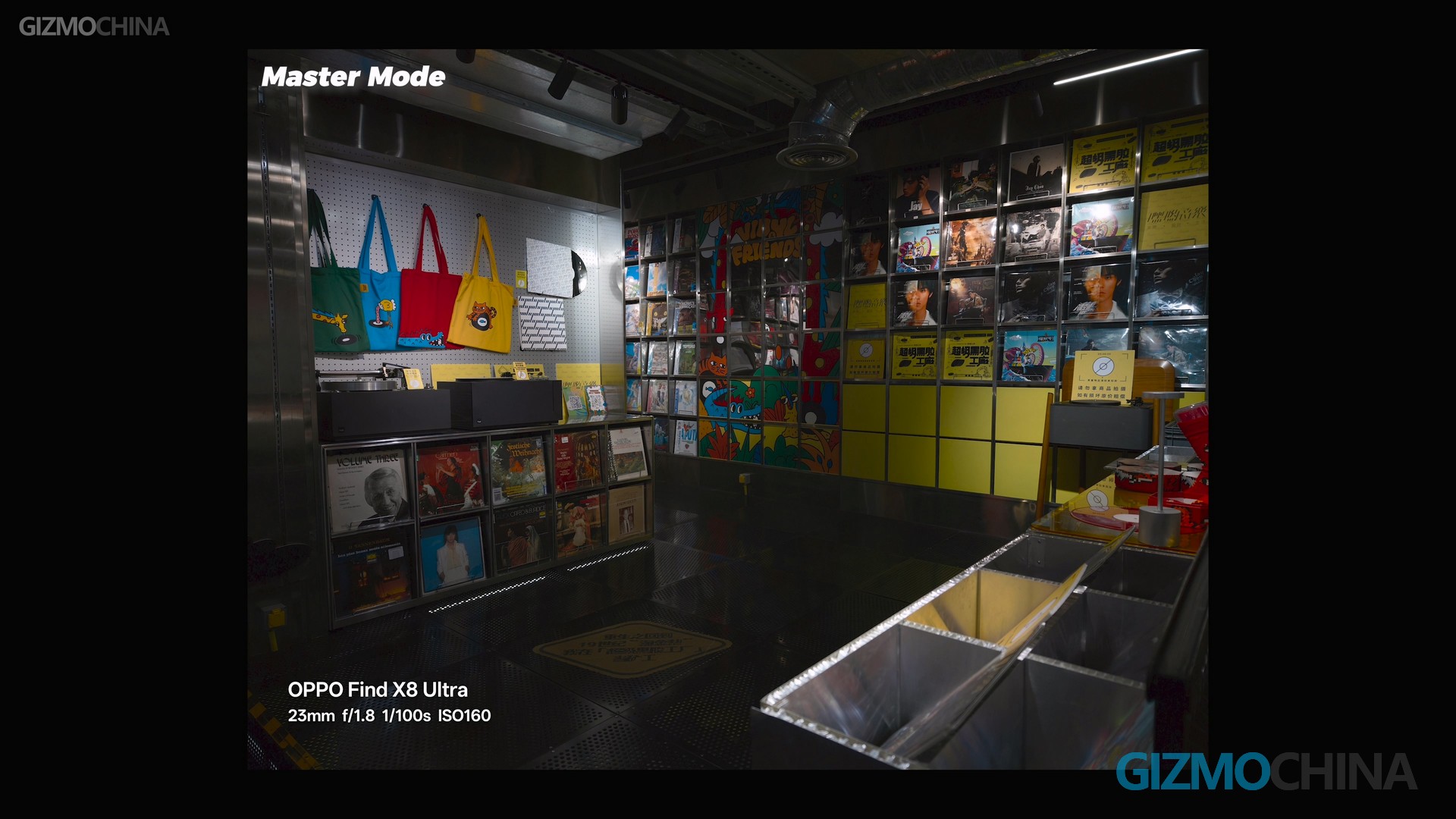
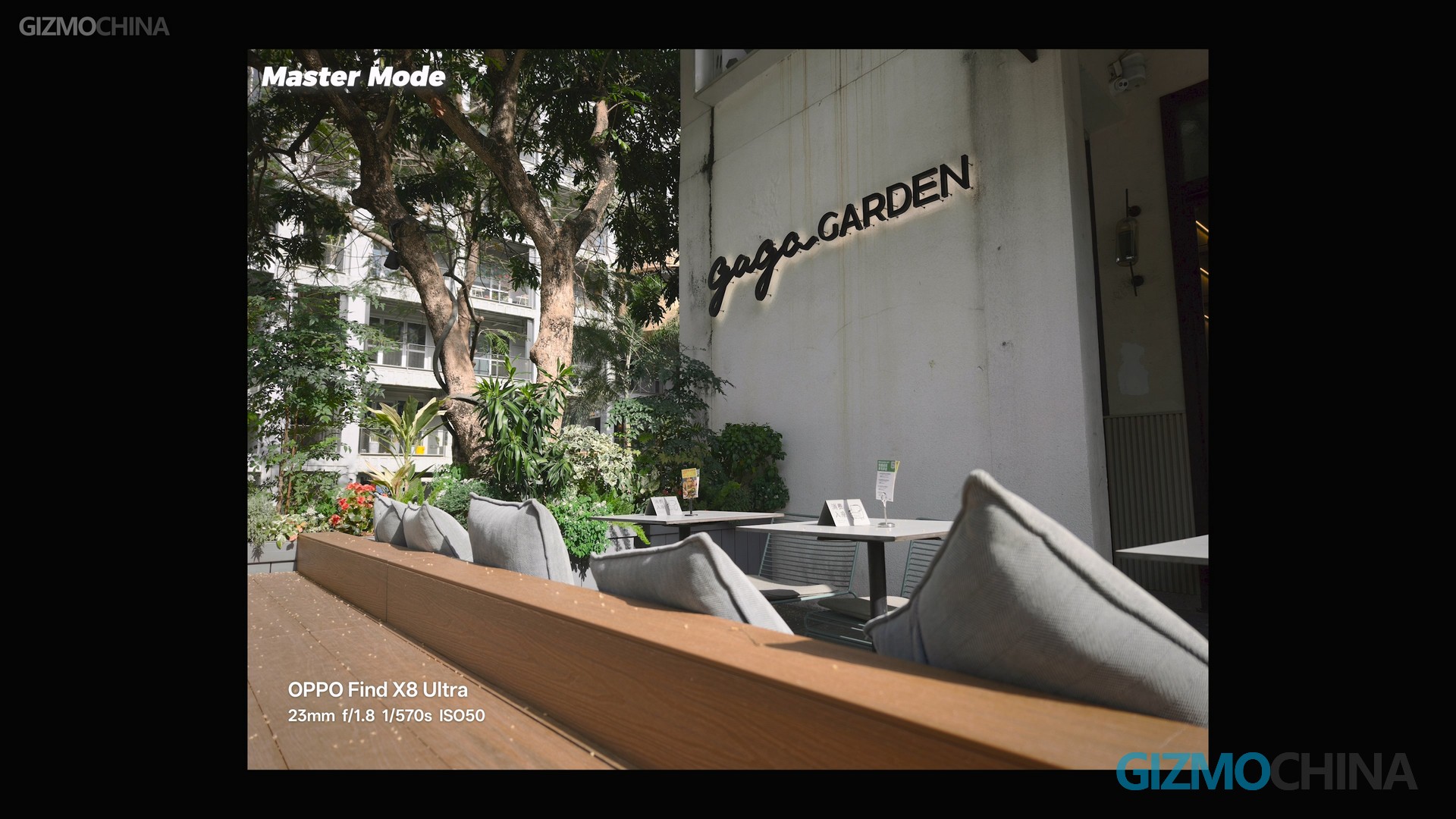
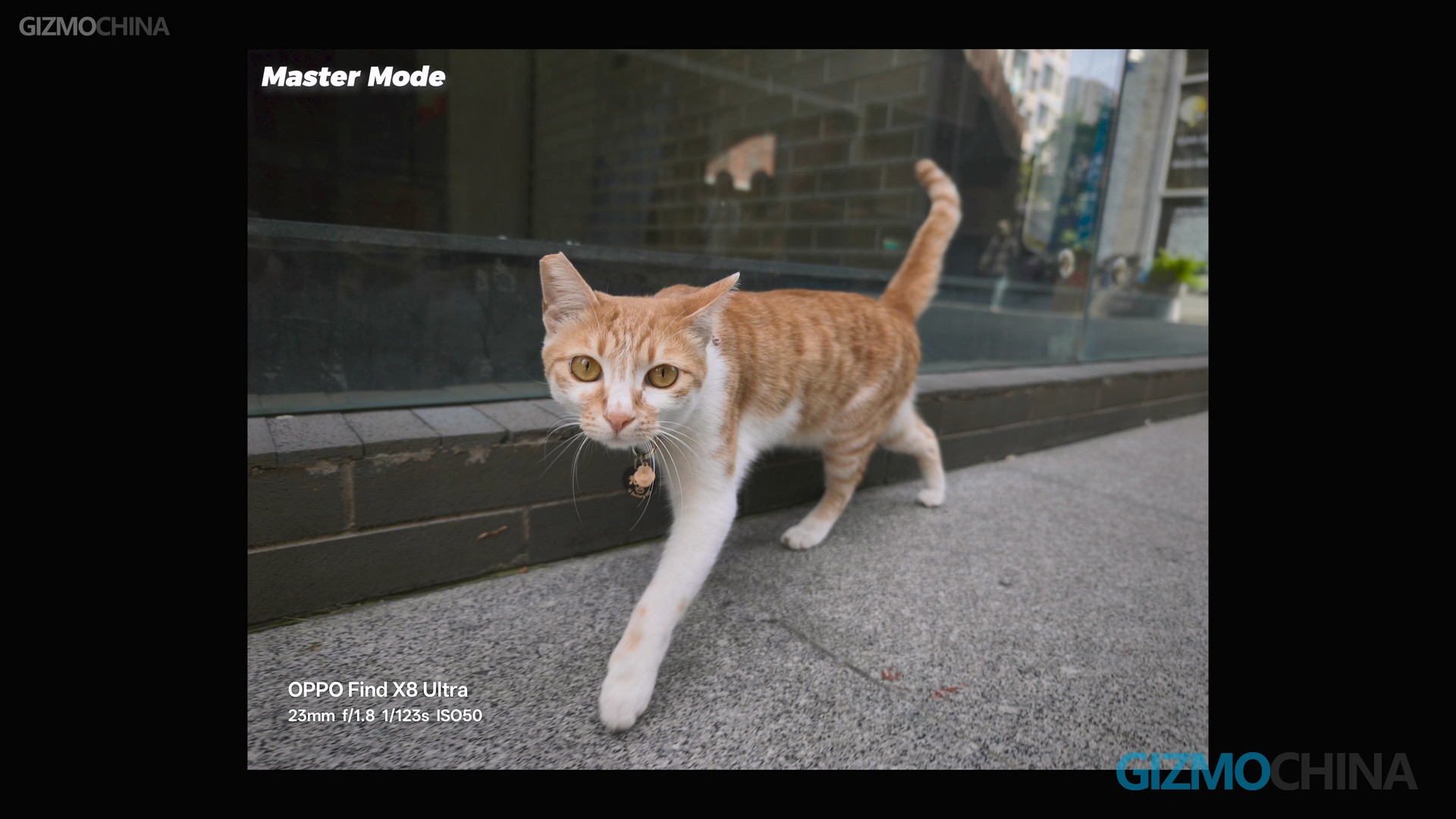
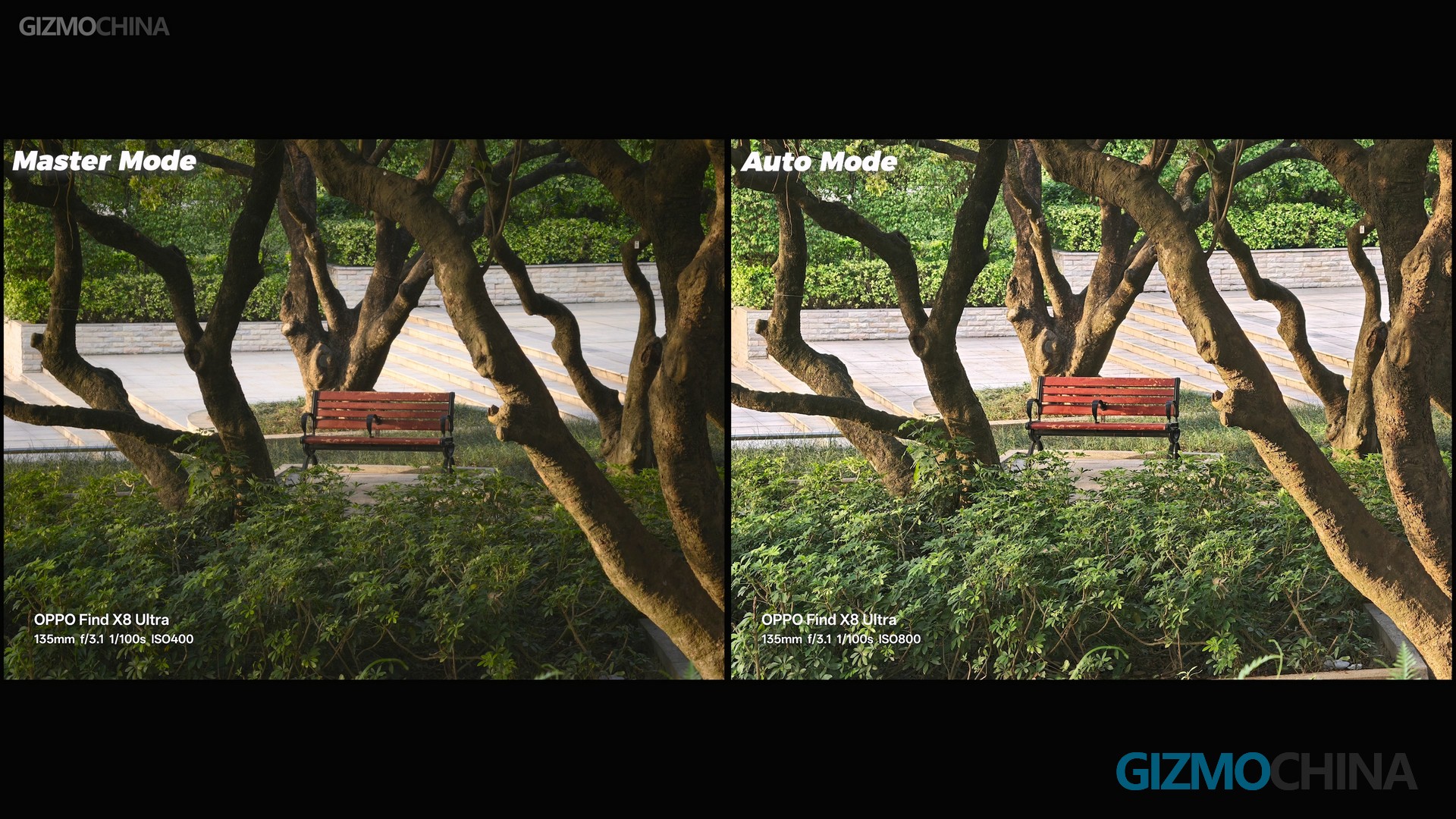
By the way, play with the “Master Mode” settings to capture photos with more of that “Hasselblad-like” tonal richness. Personally, I often prefer shooting in this mode.
Front Camera
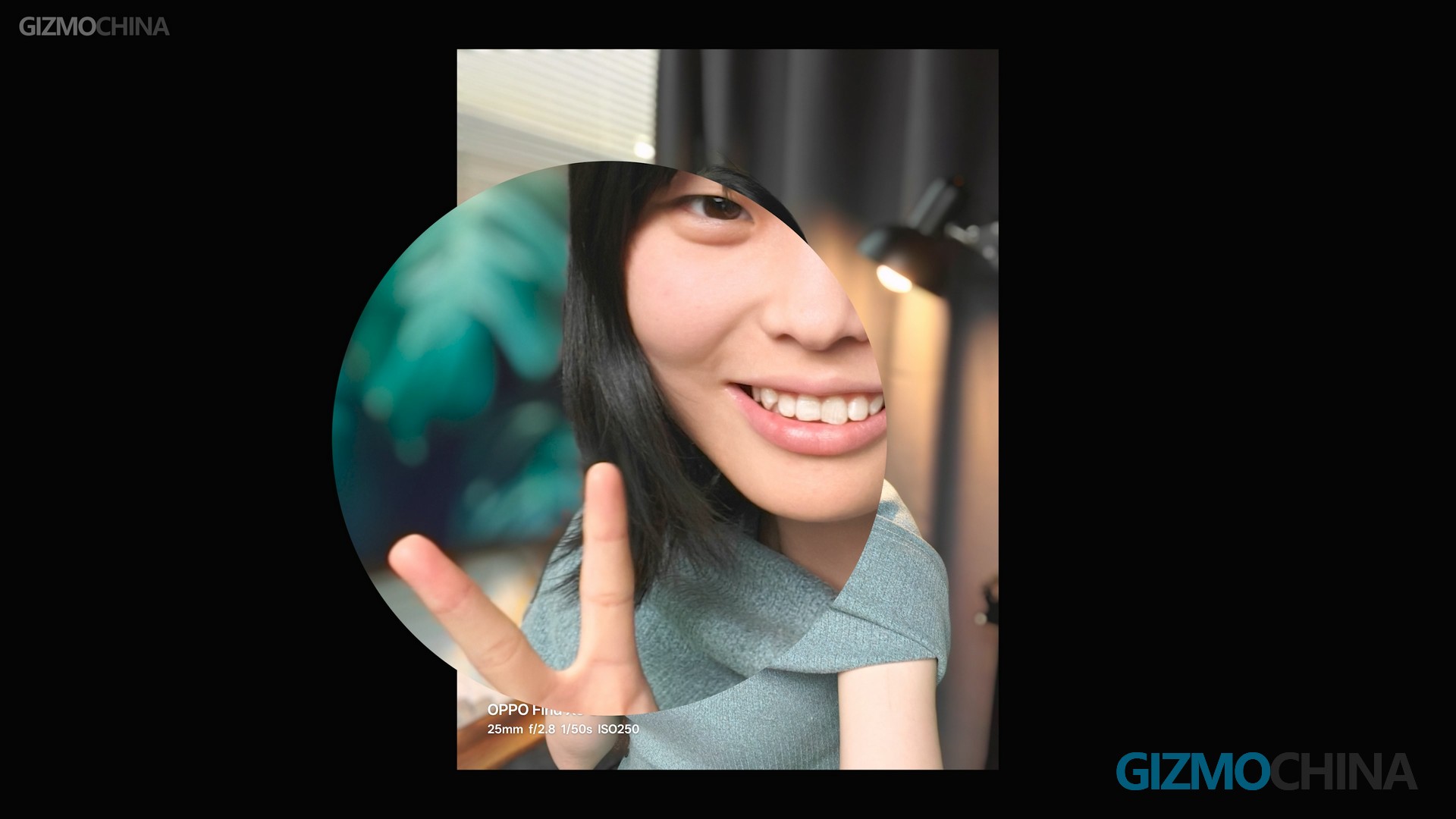
The front camera got an unexpected upgrade—but again, it’s just on paper. Real-world performance isn’t much different from before. Since it lacks the multispectral sensor, the portrait mode algorithms don’t seem to match the rear cameras, so you don’t get the same precise edge detection or color accuracy.
The surprise is in video recording. Like rear cameras, it can also shoot Dolby Vision at up to 4K 60fps.

Camera Experience
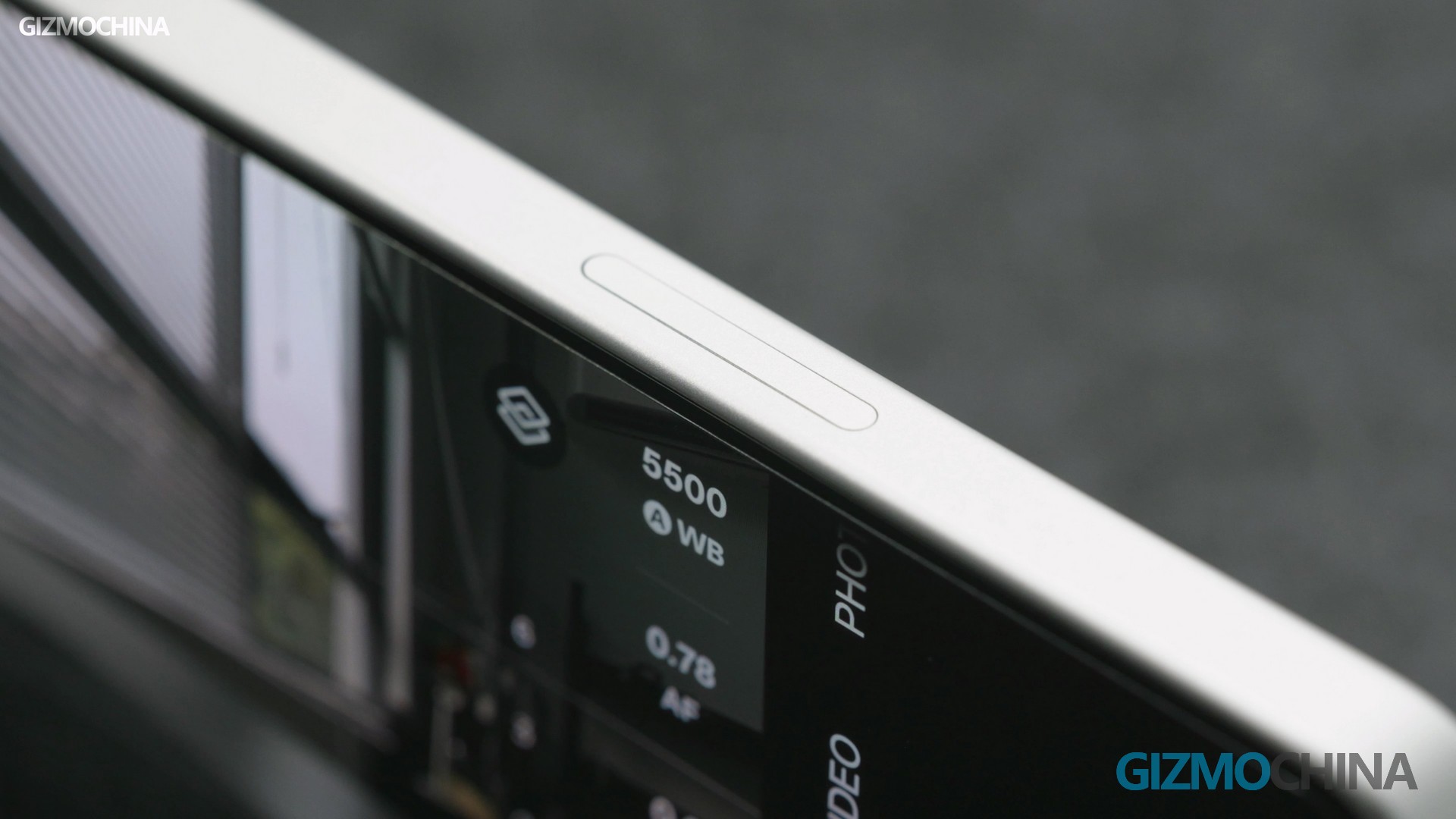
Like the iPhone 16 series, there’s a camera control button on the shoulder. It’s also just as shitty of an experience as the iPhone. Positioned too close to the center – kind of awkward to reach. Since it’s not a physical button, the haptic feedback feels sluggish. The lag when swiping to switch focal lengths makes it hard to select the desired zoom quickly. Honestly, aside from double-tapping to launch the camera instantly, I barely use it.
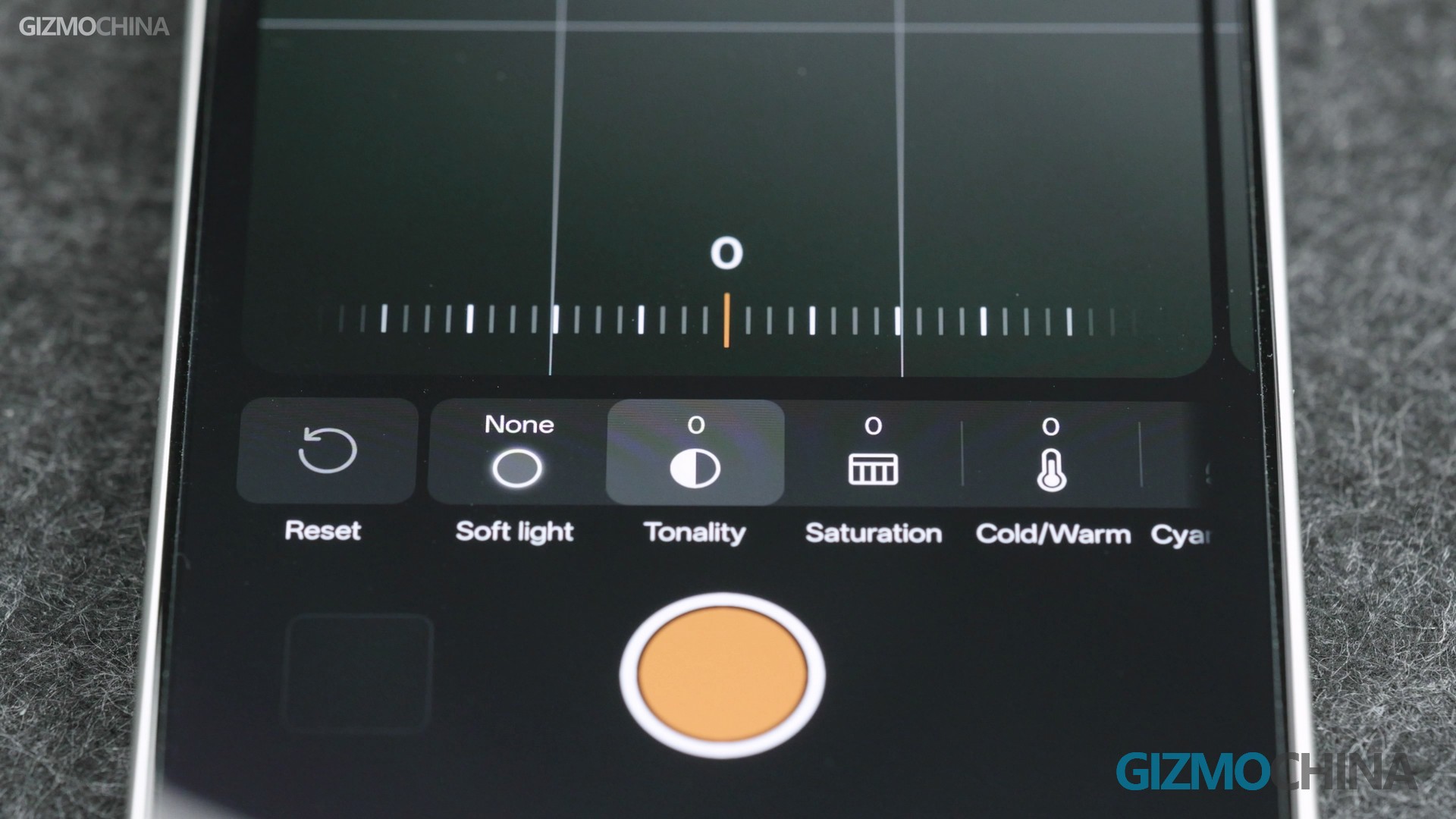
You might not know this, but the Xiaomi 15 Ultra’s Pro Mode no longer lets you adjust the Leica toning intensity, which honestly makes me furious, since most of my best shots relied on tweaking that setting. Thankfully, OPPO hasn’t followed suit: the Master Mode still allows full control over Hasselblad toning. Just don’t know why you can’t adjust the contrast here. One minor bug popped up during testing, but other than that, I really don’t have much to complain about.
My time with the Find X8 Ultra has been brief, but it’s already won me over. While it has its flaws, they’re all within acceptable limits for me. The comprehensive focal lengths, Hasselblad color science, and the least bumping-up camera module among Ultra flagships have made me see OPPO in a new light this year. That 70mm lens in particular has stolen my heart. Barring any surprises, the Find X8 Ultra might just be my favorite flagship camera phone of the year.



Comments