
Add GIZMOCHINA on Google:
At the end of Gizmochina’s OPPO Find X8 Ultra camera test video, we suggested that the Find X8 Ultra was our favorite camera phone in 2025, even at the fact that the team had already experienced the vivo X200 Ultra. But don’t get me wrong: The X200 Ultra is truly powerful. Everything blew my mind, whether it’s photography or videography, ultra-wide or telephoto cameras, and even that external lens. I’m sure your first reaction to seeing it was exactly the same as mine.
So why didn’t it take the top spot in my ranking? There’s just one simple reason. I won’t give you the answer right away. After I show you just how powerful this phone is, I’ll tell you why I ranked it second.
35mm
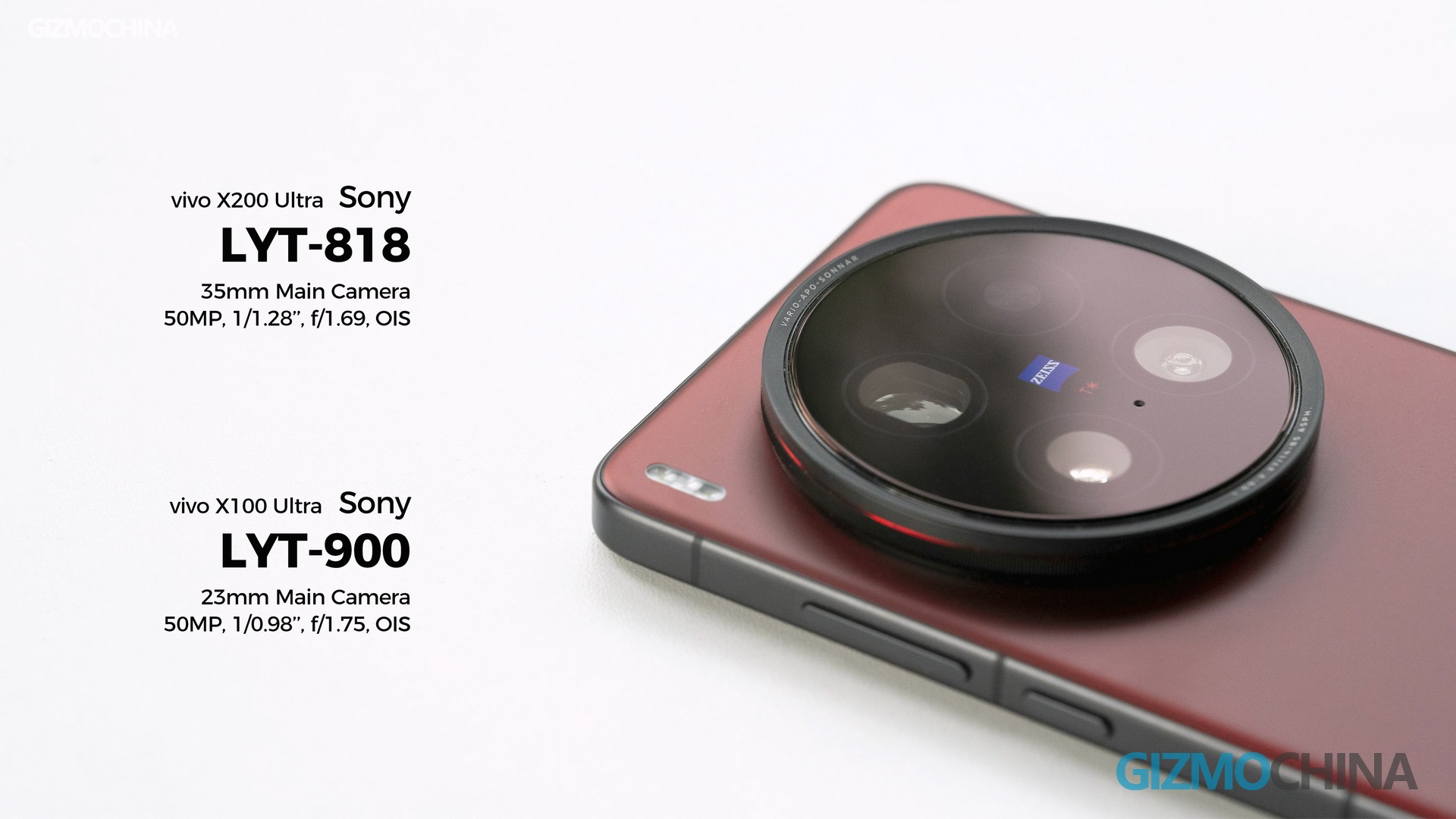
The main camera on the X200 Ultra is where the biggest updates are, and also the most debated. The focal length has shifted from the previous 23mm to 35mm. It’s not new, and we’ve seen this insistence in Nubia’s flagship lineup as well. And that’s a good thing.
I made a chart so you can see at a glance how the X200 Ultra’s focal lengths are now more logically spaced. On other brands, the ultra-wide and main cameras are often too close to each other. But the bad news is, the 1-inch sensor is gone. If you don’t want your phone to turn into a hammer, shrinking the sensor was inevitable for such a 35mm lens.
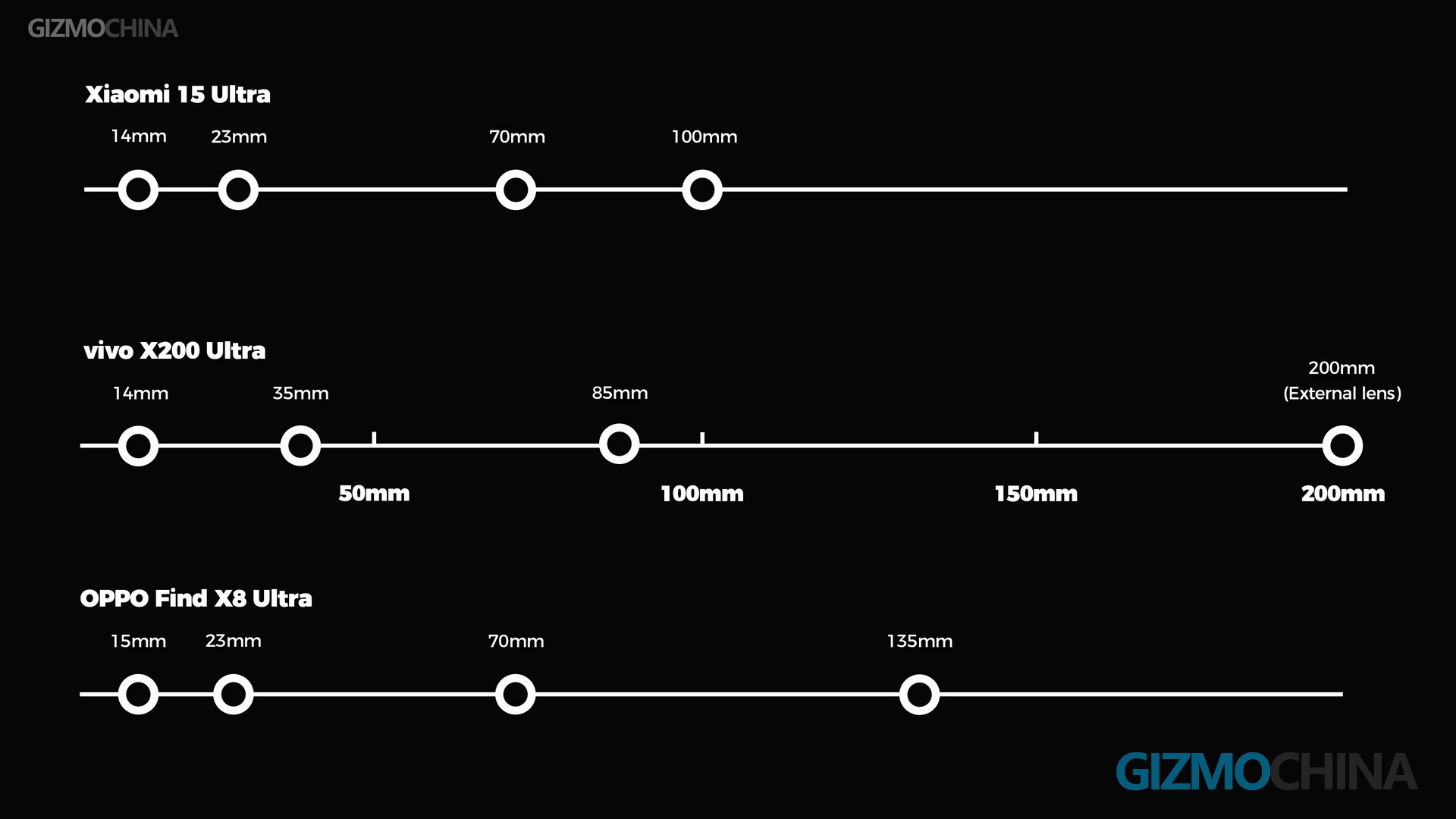
So, between 35mm lens and a 1-inch sensor, vivo chose the former. There must be a reason, right? They say 35mm is the ideal focal length for street and documentary photography. But I’m not a professional street photographer, and most of you probably aren’t either. So, for an everyday shooter, the main advantage of a 35mm lens is that you can frame & compose your shots without taking extra steps for a more natural perspective (closer to what you see). Plus, compared to the old 23mm + 1-inch sensor setup, edge sharpness has improved.
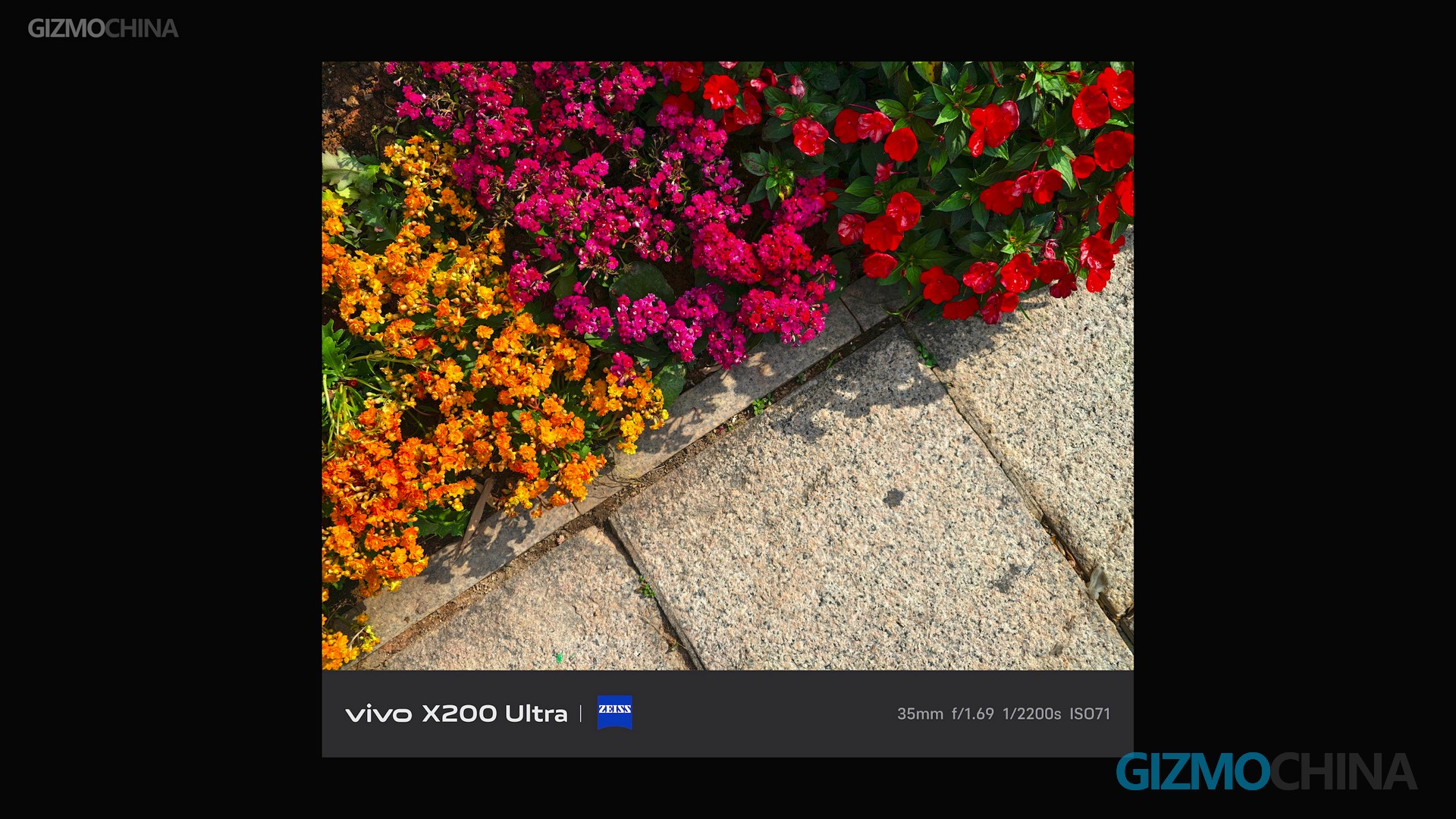

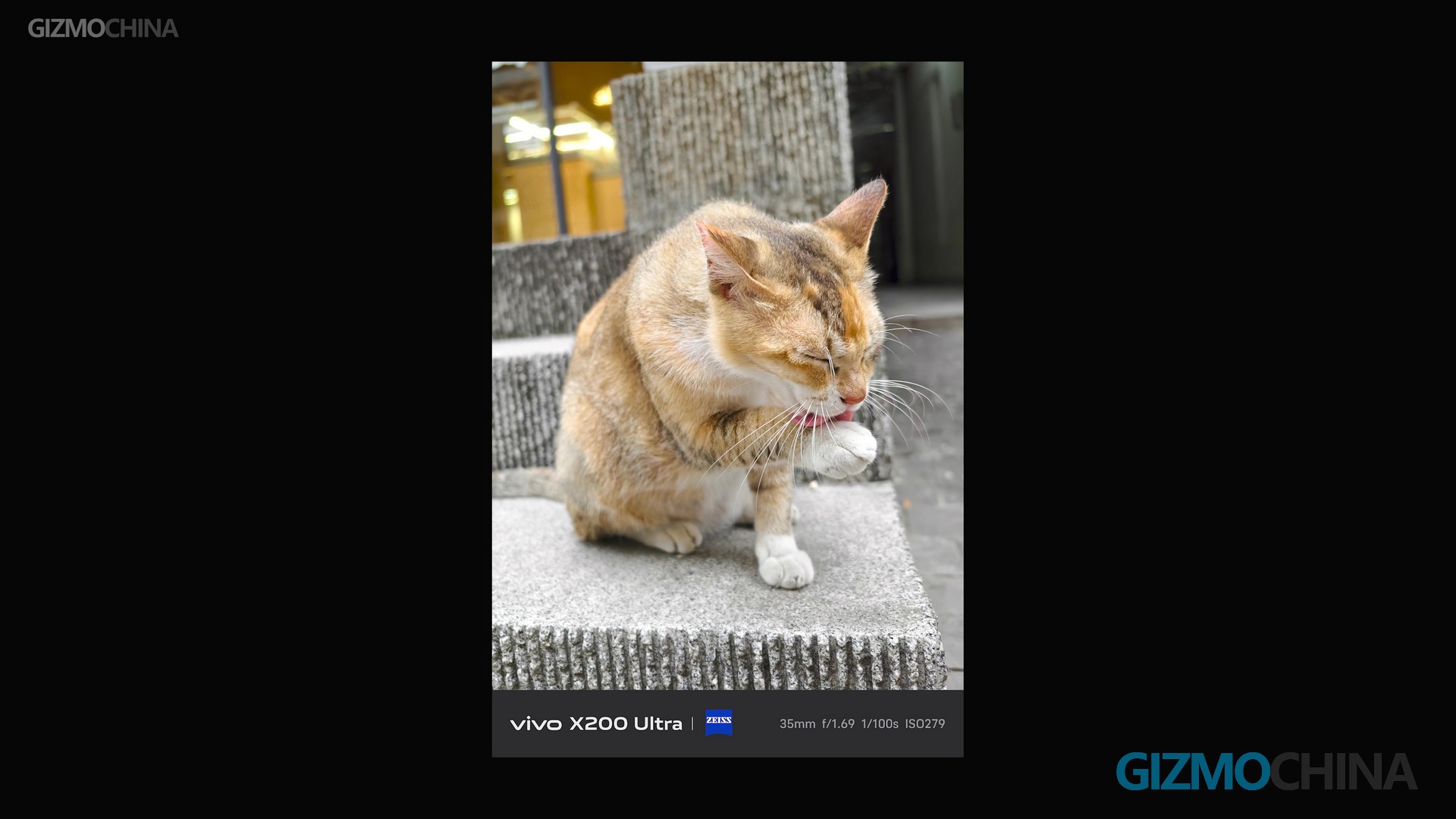
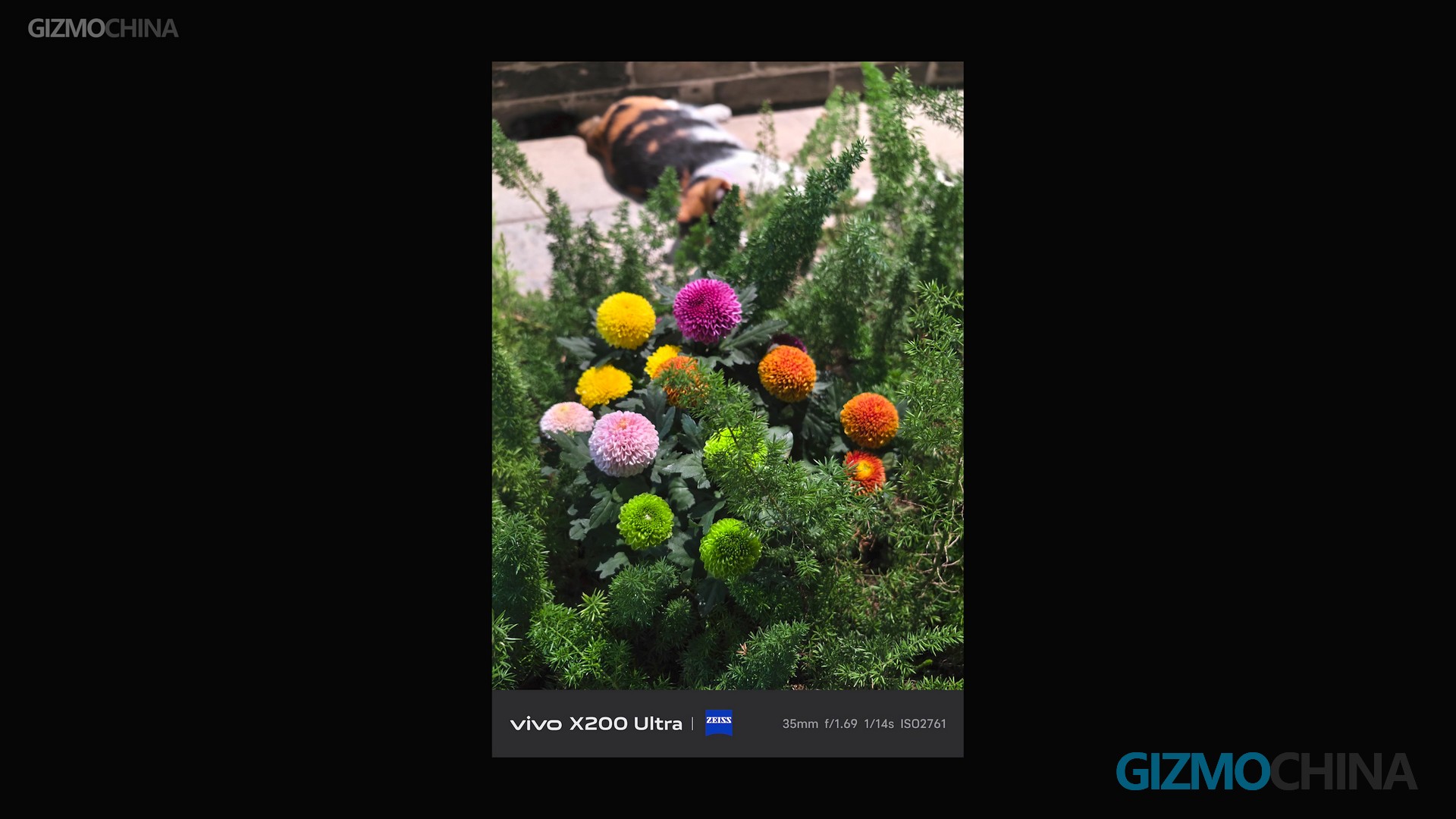
As for the downside of the smaller sensor, honestly, it’s hard to notice. When I shot in near-dark conditions, without a comparison in depth, I couldn’t even tell how much worse it was. Let me put it this way: If I didn’t tell you the sensor was downgraded, you probably wouldn’t spot the difference. And compared to the ultra-wide cameras on Xiaomi and OPPO’s latest flagships, the downgrade here is almost negligible.
If you’re not used to the 35mm main camera, you can also crop the 14mm ultra-wide lens to 28mm instead. There will be some loss in image quality, but it’s still within acceptable limits—after all, it uses the same sensor as the 35mm camera.
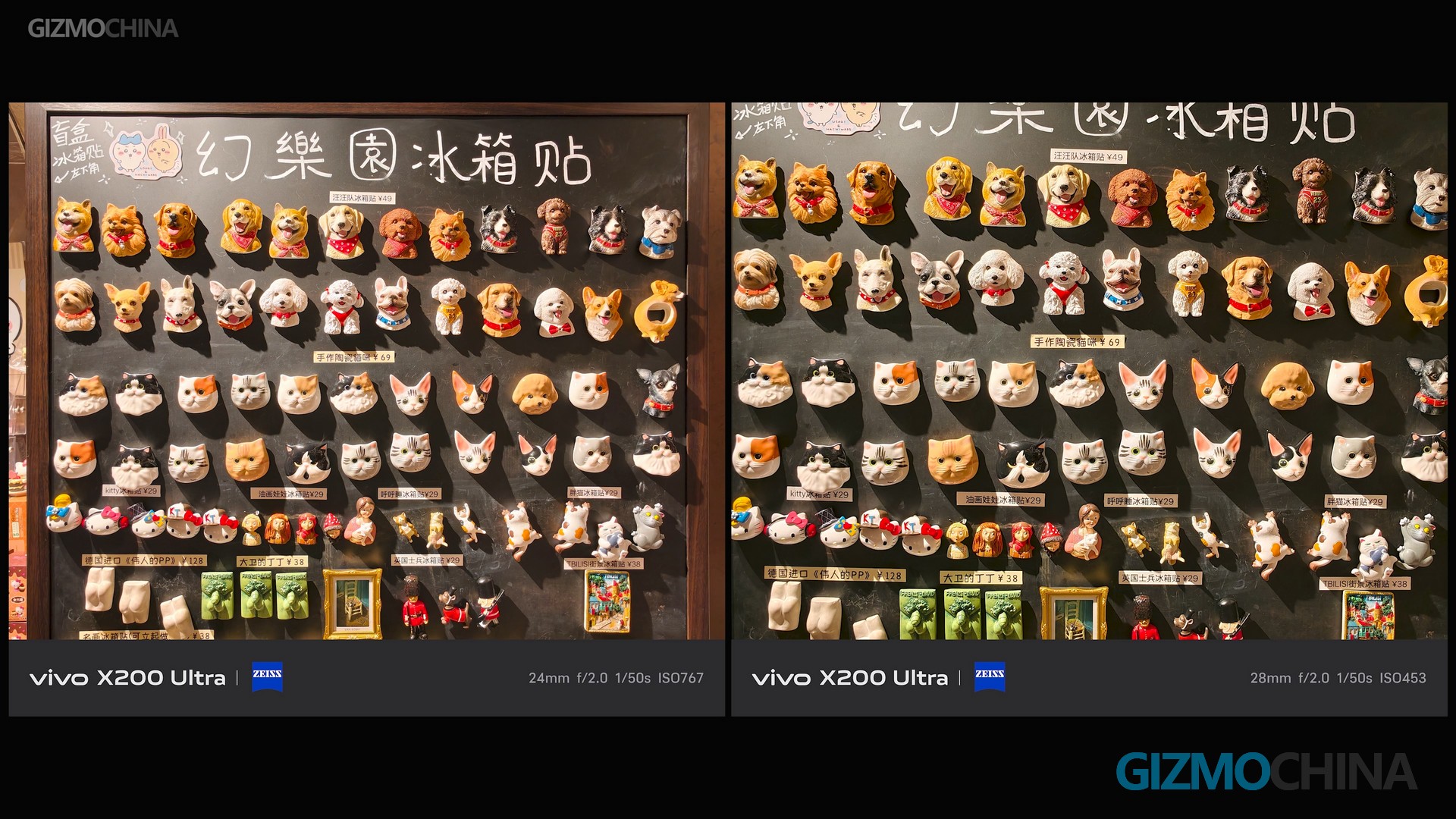

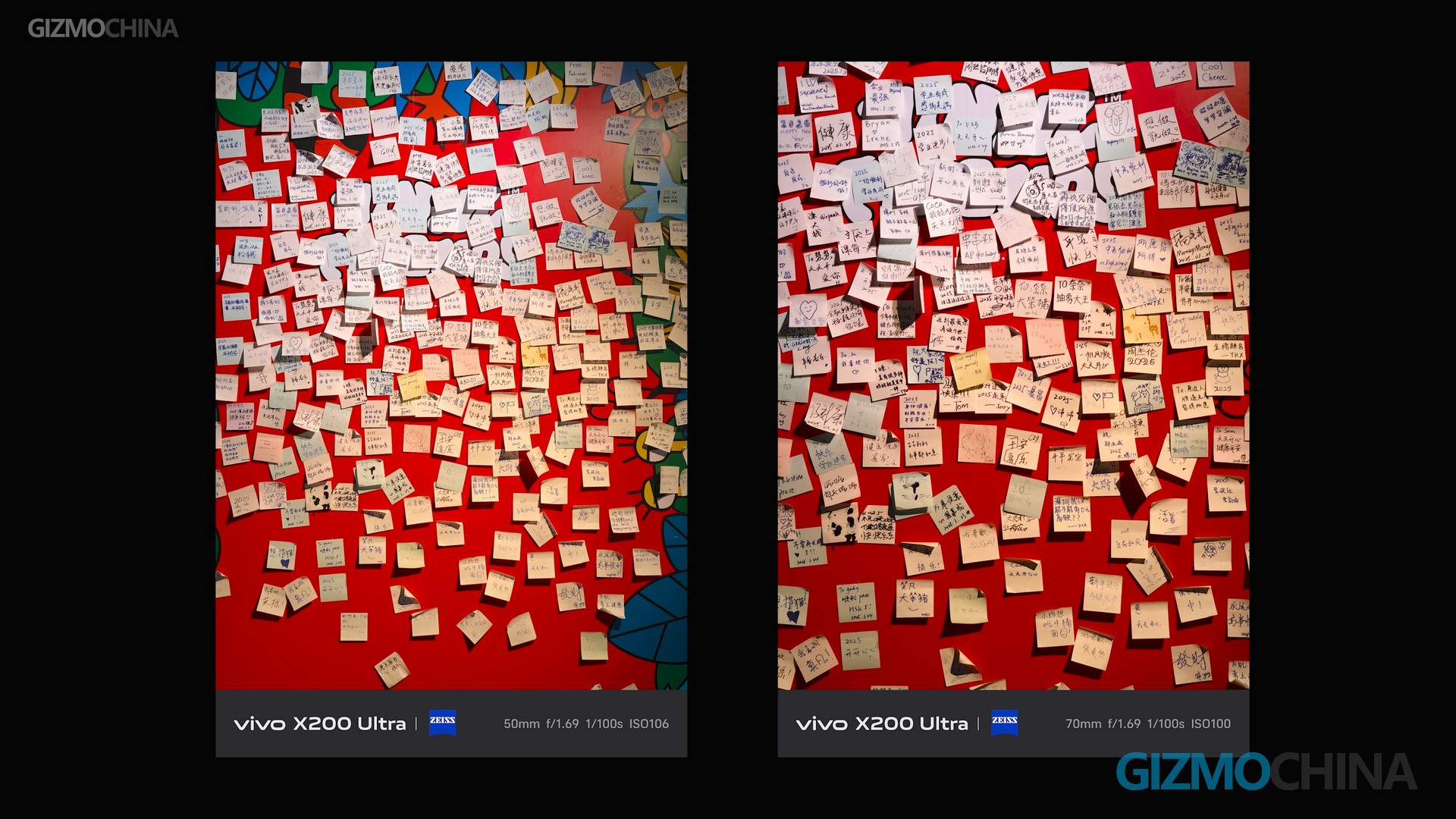
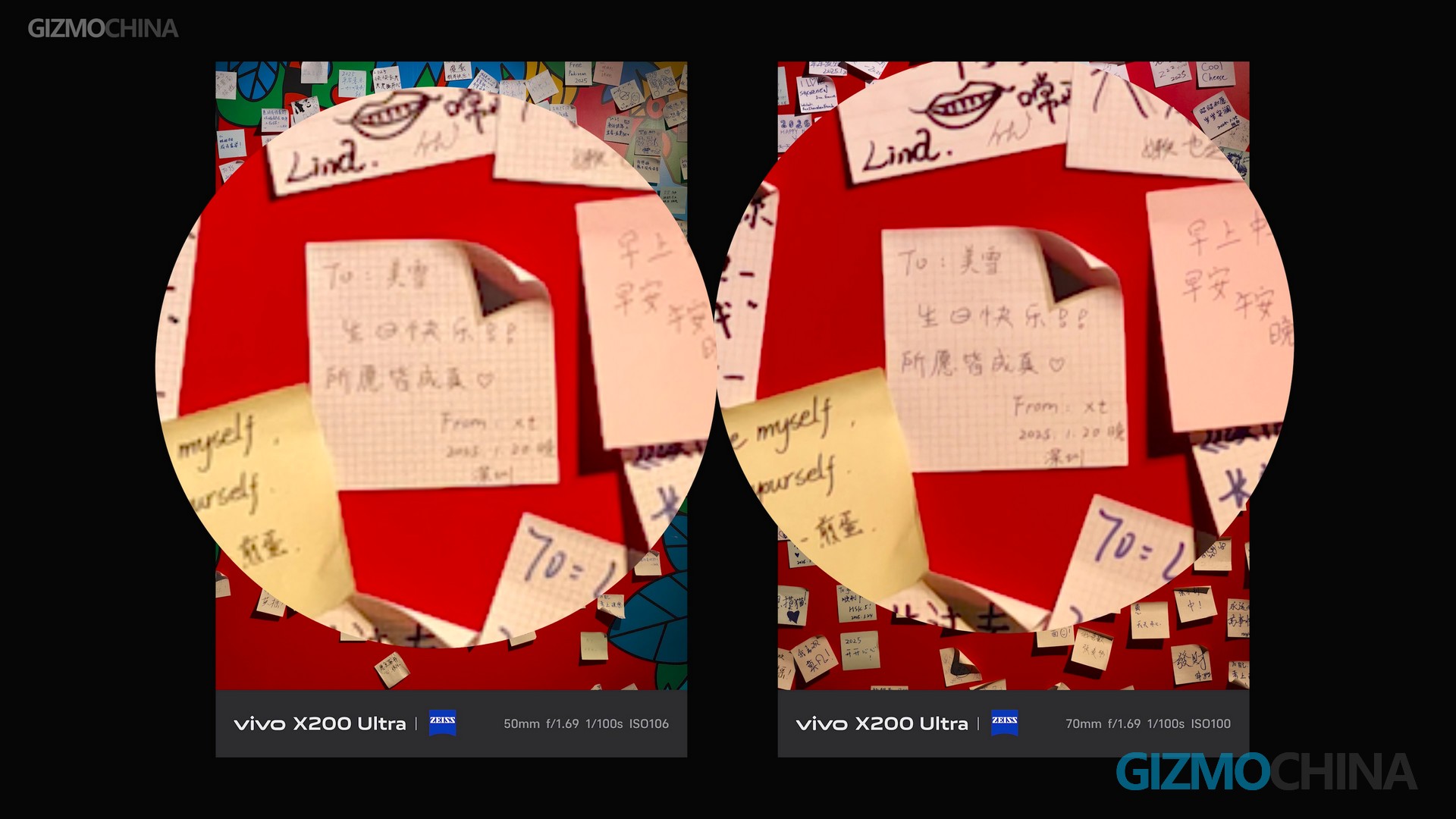
You might wonder: Why not crop to 23mm instead? Because 28mm is exactly double 14mm, which means the In-Sensor-Zoom feature only works properly at this focal length. Even though it’s just a 5mm difference, the clarity gap is huge. So, avoid to use the 23mm one. The same logic applies when shooting at medium telephoto: stick to 70mm instead of 50mm. That said, since these shots are still digitally cropped, low-light performance won’t match phones with a native 23mm main camera.
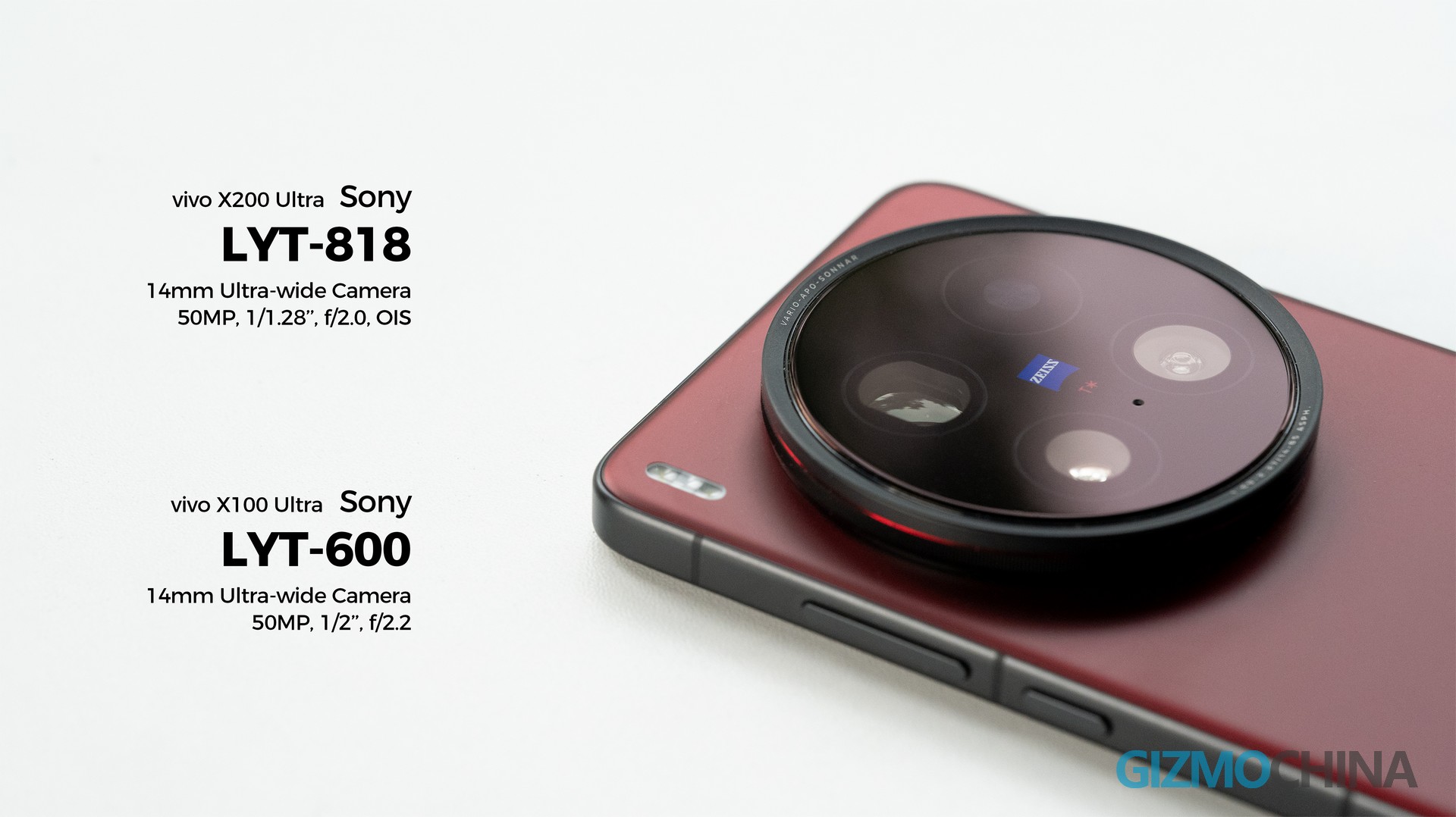
14mm
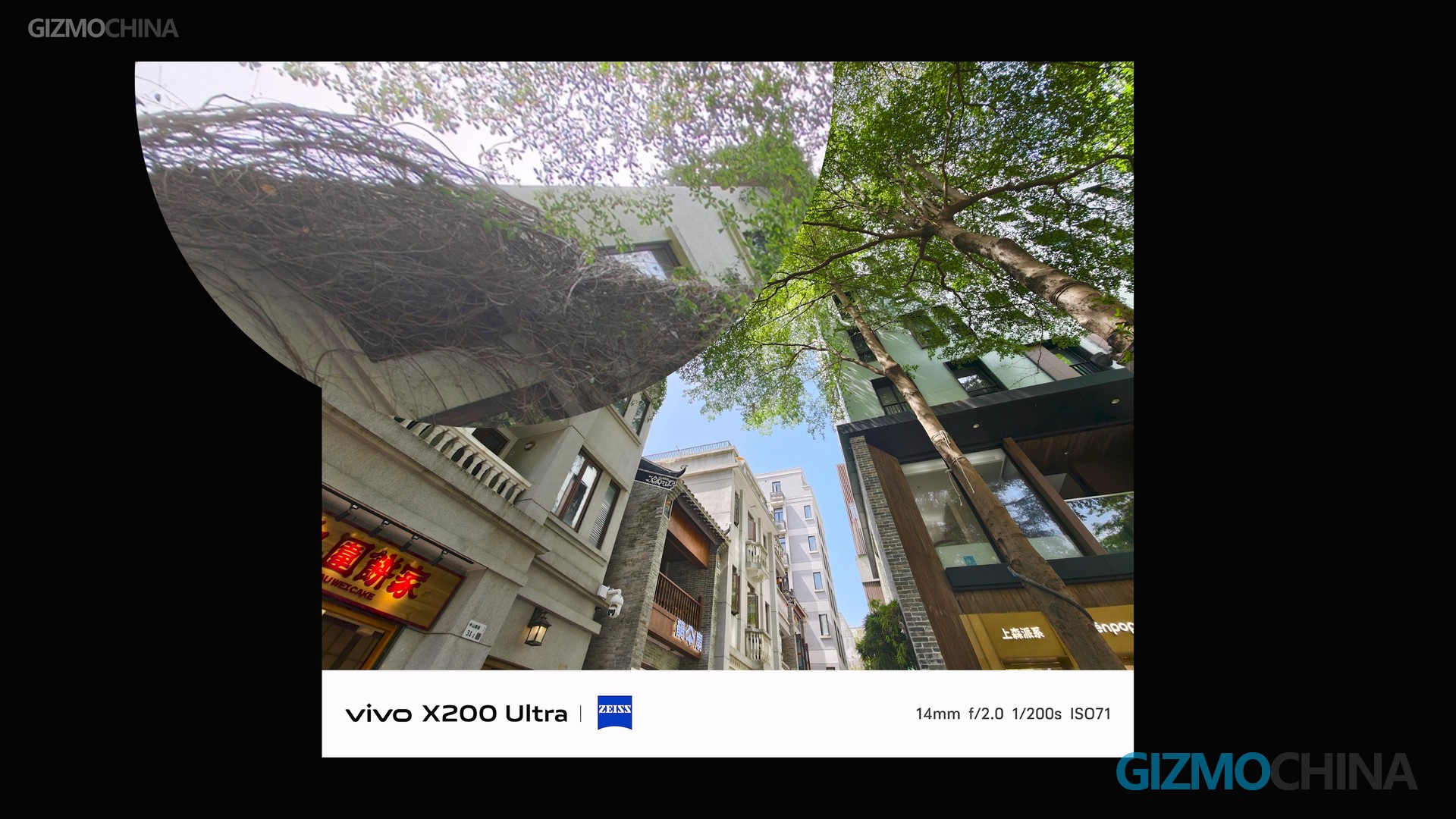
This 14mm camera is the best ultra-wide shooter in recent Ultra models—especially after trying the Xiaomi 15 Ultra and Find X8 Ultra, I realize how satisfying it is to have a good ultra-wide camera.
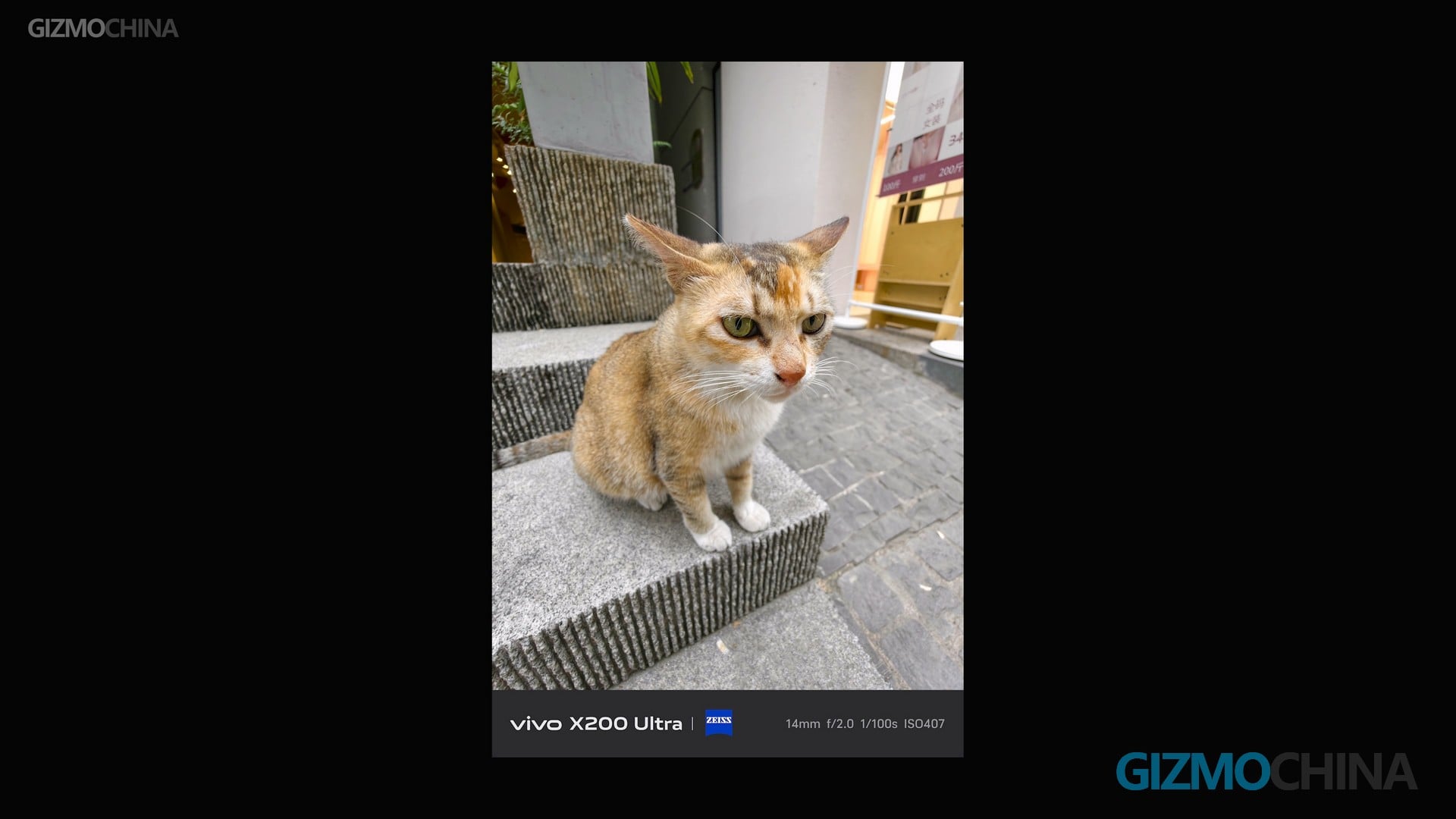
I rarely used ultra-wide before because, usually, the image quality lags behind the other two cameras. Plus, framing is tricky—it captures way more than you intend. But since I paid so much for all three cameras, skipping one feels like wasting $300. So lately, I’ve been practicing ultra-wide composition. For example, with pets, I used to rely on a telephoto for close-ups to capture the motions of their cuteness.
But after switching to ultra-wide, a completely different perspective—big heads, tiny paws, a whole new kind of adorable. And the fur details are still sharp. Trust me, once you see how good the image quality is, you’ll fall in love with this camera.

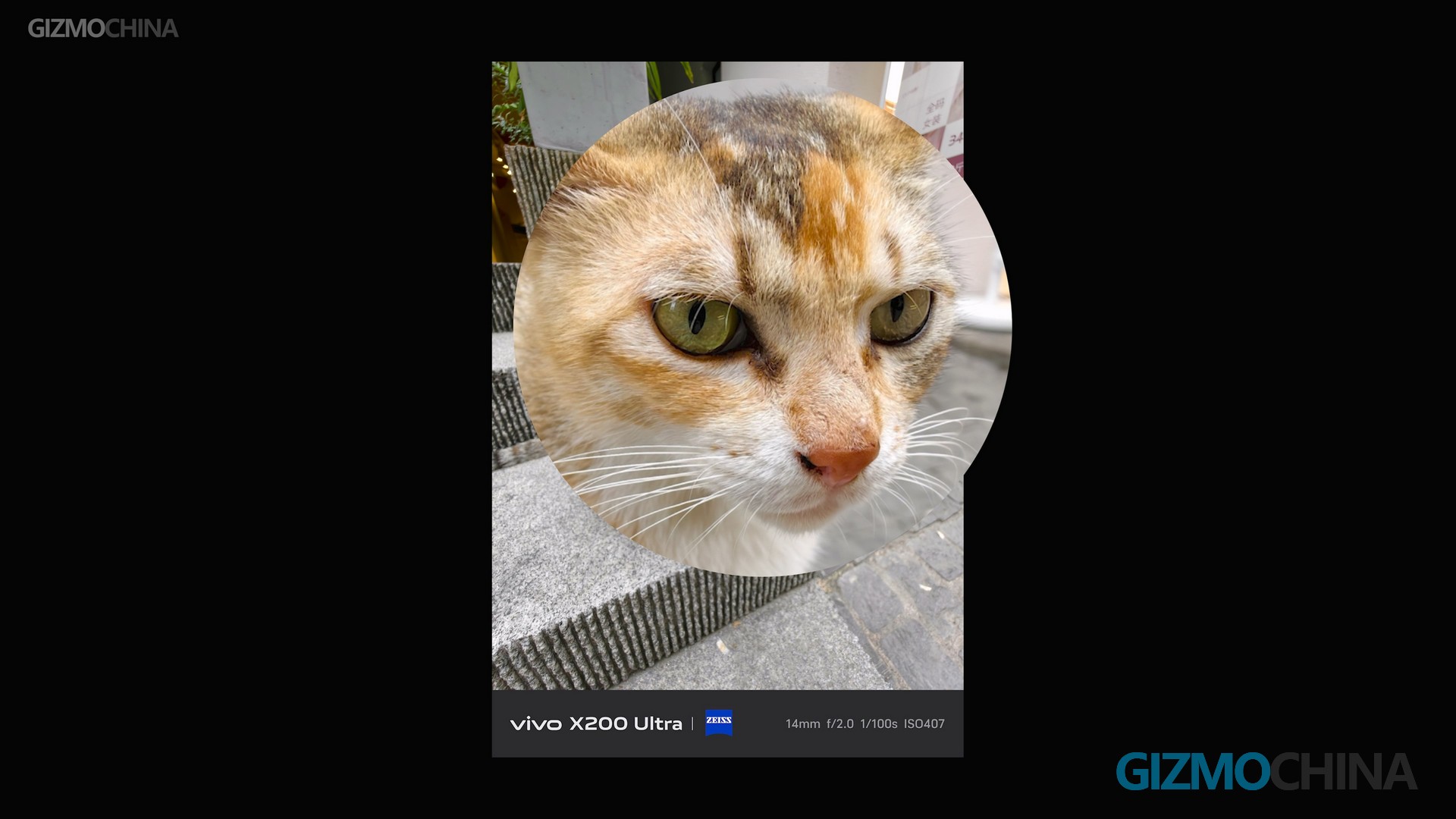
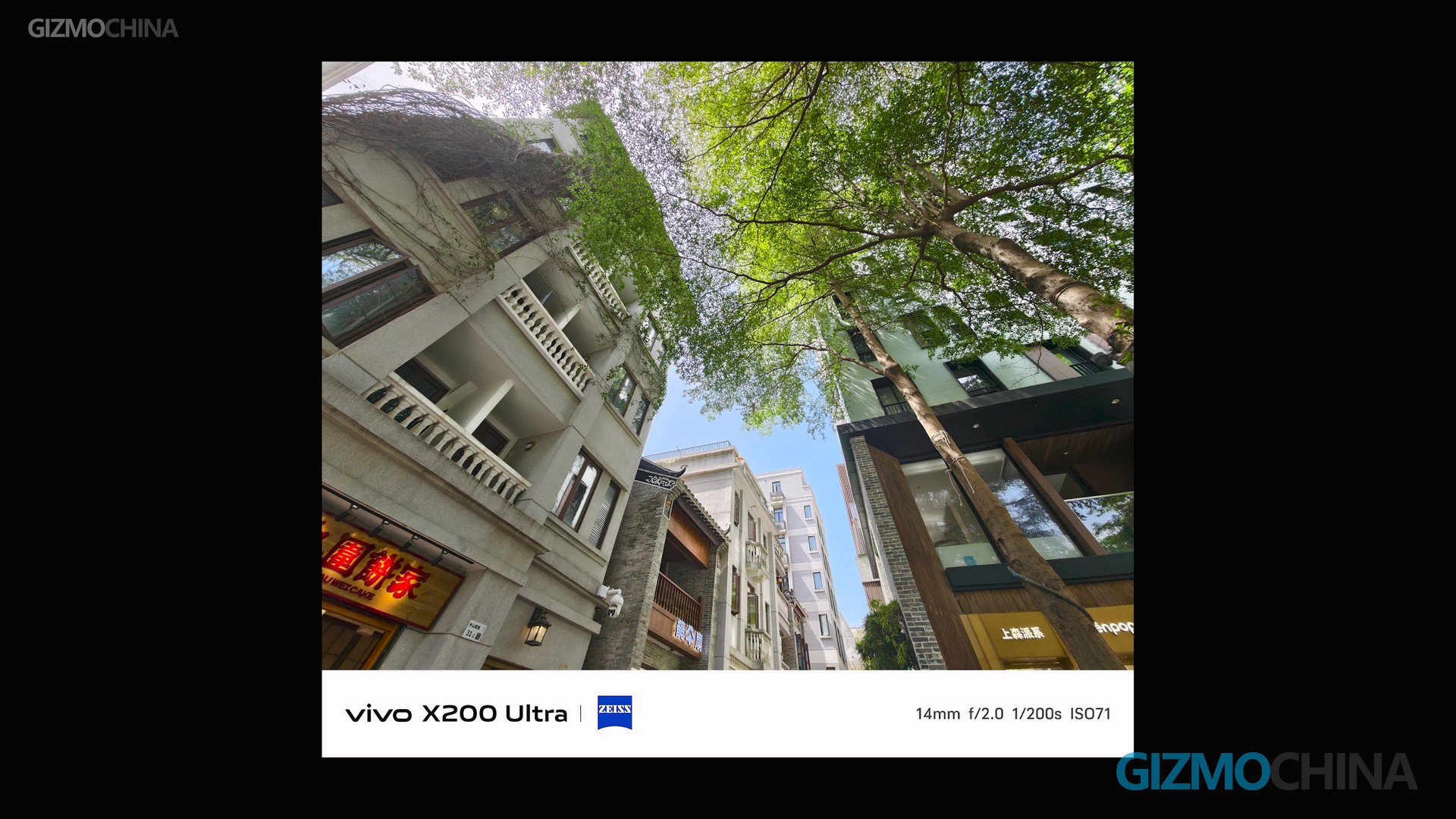
Of course, there are downsides: lens limitations mean edge sharpness isn’t perfect, and coma or chromatic aberration can be noticeable in some scenes. But overall, it outperforms most smartphones, especially in night shots and video. If you get this phone, experiment with it. You might discover a whole new creative world.
Video & Selfies
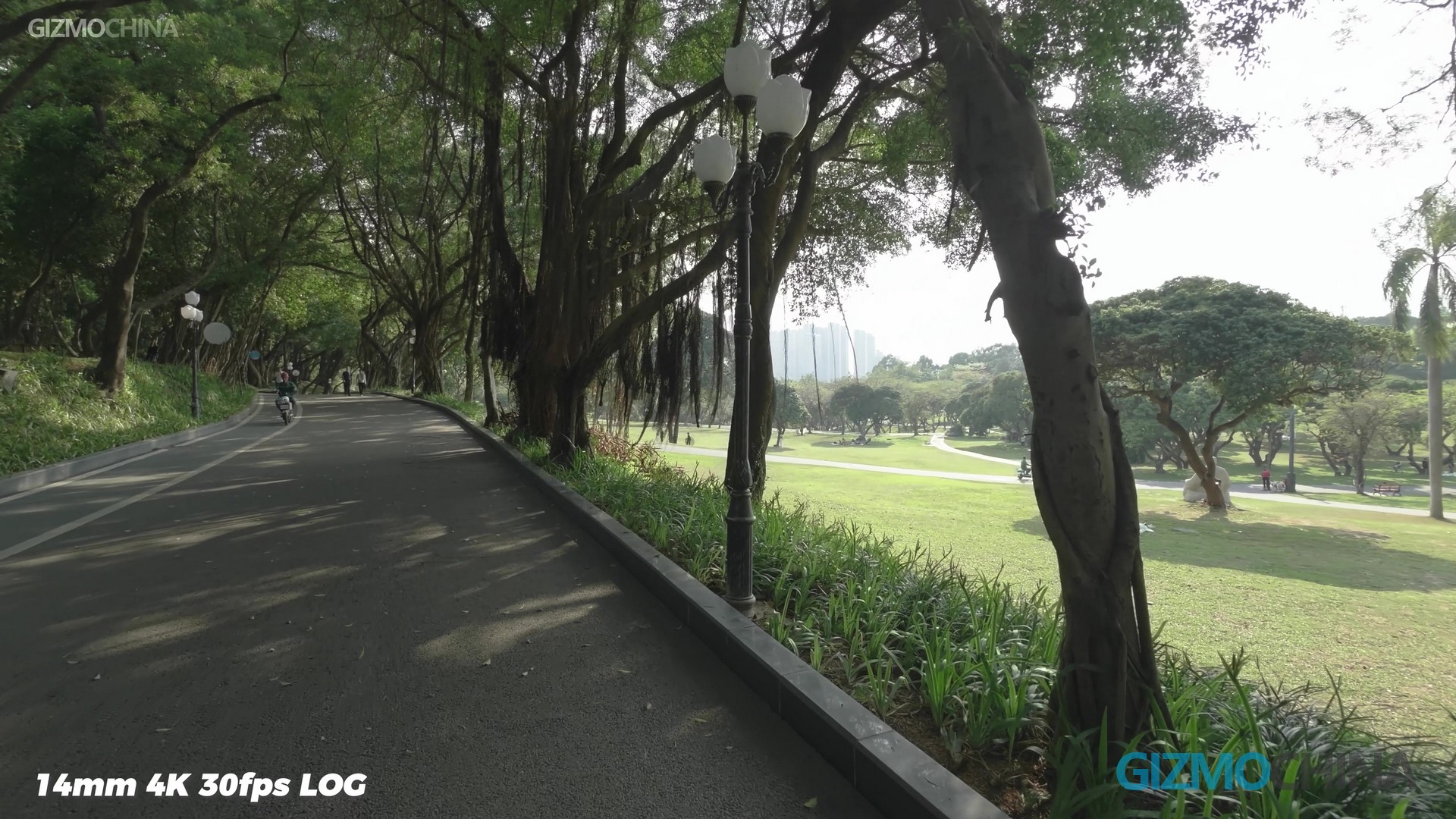
When it comes to video, a great ultra-wide camera matters even more than for photos. Thanks to OIS and a larger sensor, I’d say the X200 Ultra’s video quality and stabilization are close to the iPhone’s—and it even surpasses the iPhone thanks to that bigger sensor at night. The X200 Ultra also supports 4K 60fps 10-bit Log recording—yes, without needing an external SSD—and all three cameras can do it!
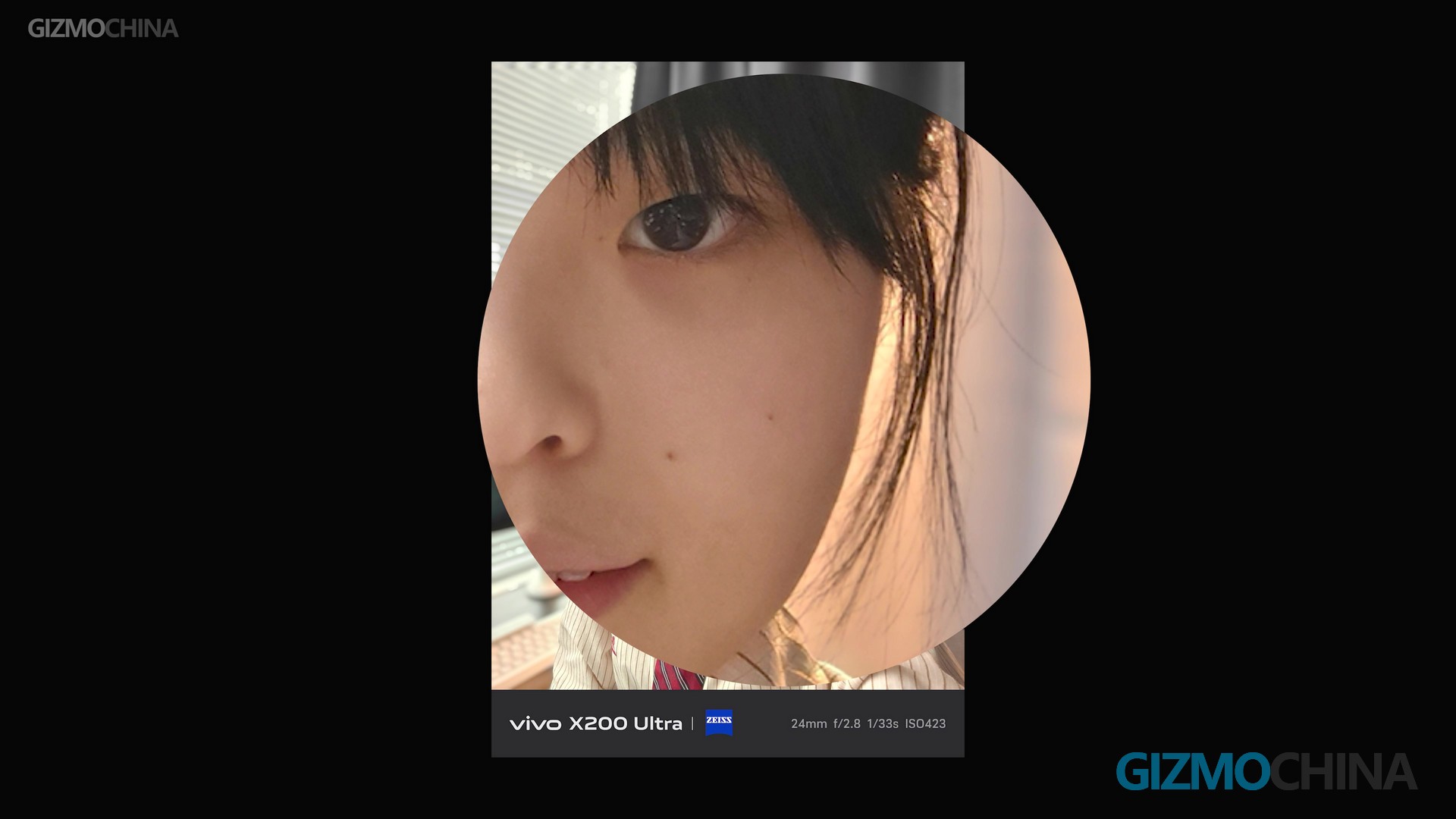
Rarely, the X200 Ultra is currently the few flagship Ultra models with an autofocus-enabled selfie camera. Combined with its wide range of beauty filters and modes, you never have to worry about a bad selfie with a Vivo phone. It even supports 4K 60fps video recording. While it doesn’t have as many settings as the rear cameras, vivo has done an impressive job with the front-facing camera.

85mm
The 200MP HP9 sensor is an old friend at this point. This time, the only upgrade is a slightly larger aperture—everything else remains the same. Sure, it’s powerful, but we’ve already seen its capabilities in so many phones that the “wow” factor is gone. Just know this: Whether it’s photos or videos, day or night, landscapes or portraits, this camera delivers exceptional results. Even at 170mm zoom, the quality stays decent.
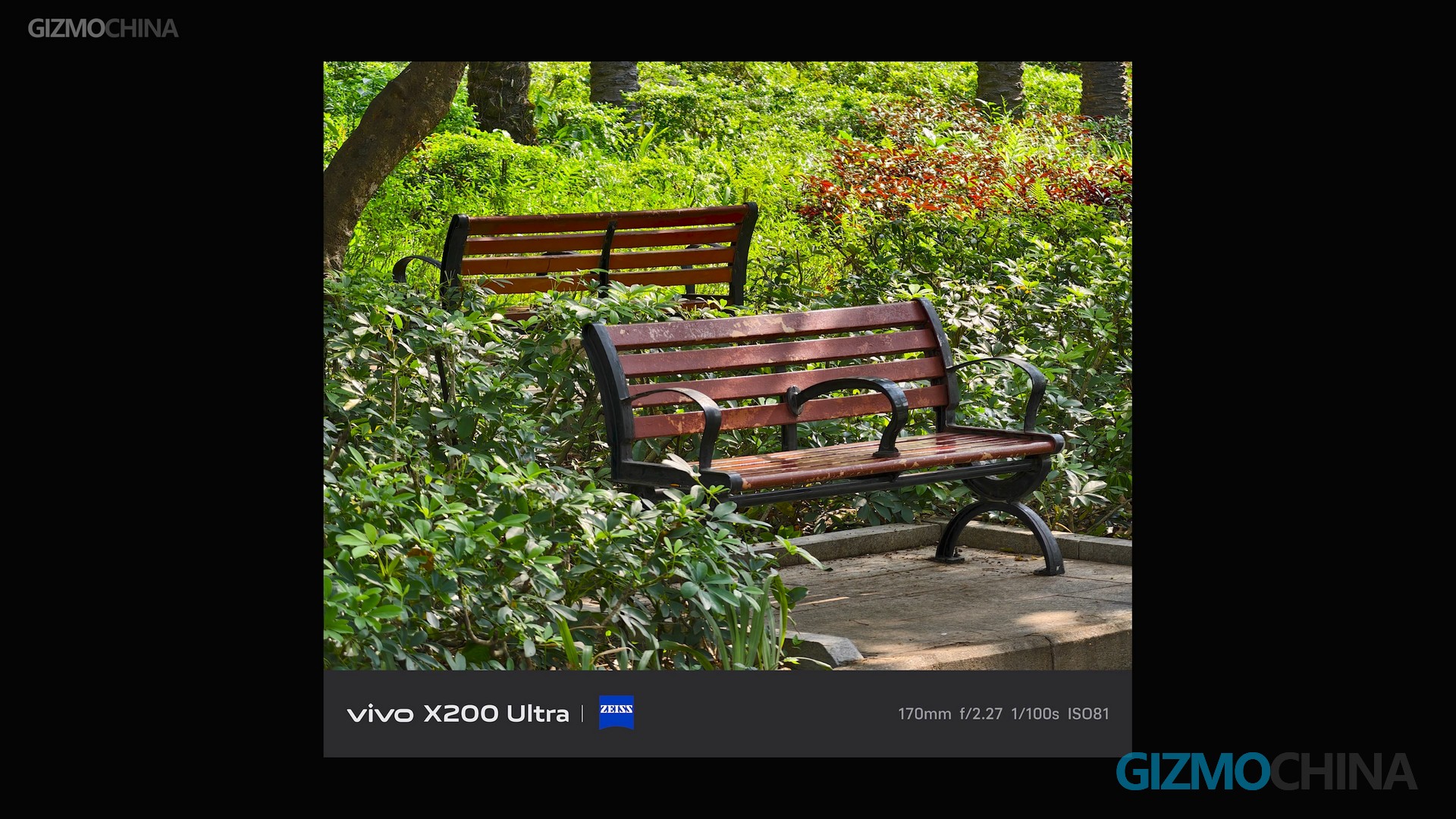

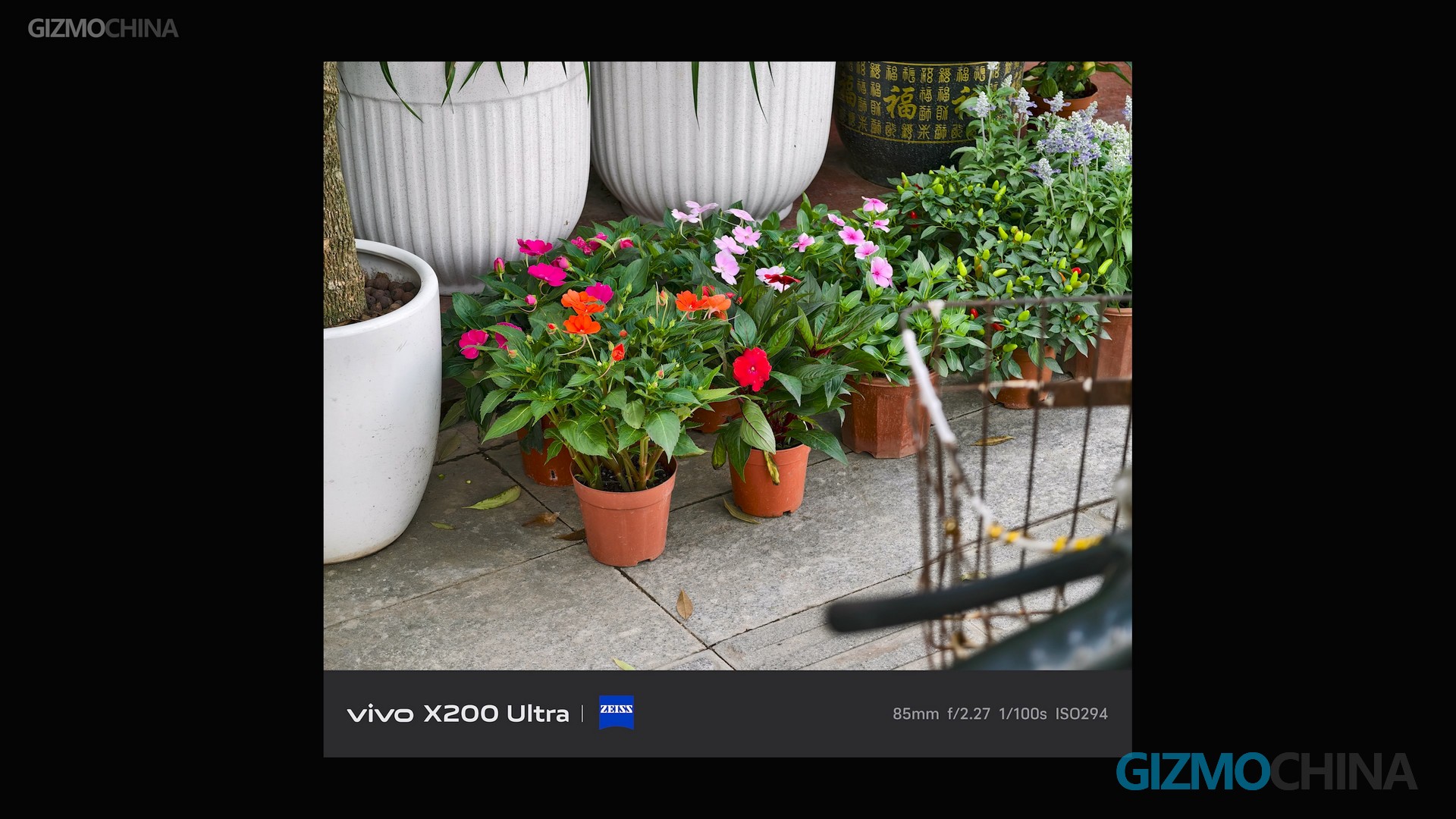
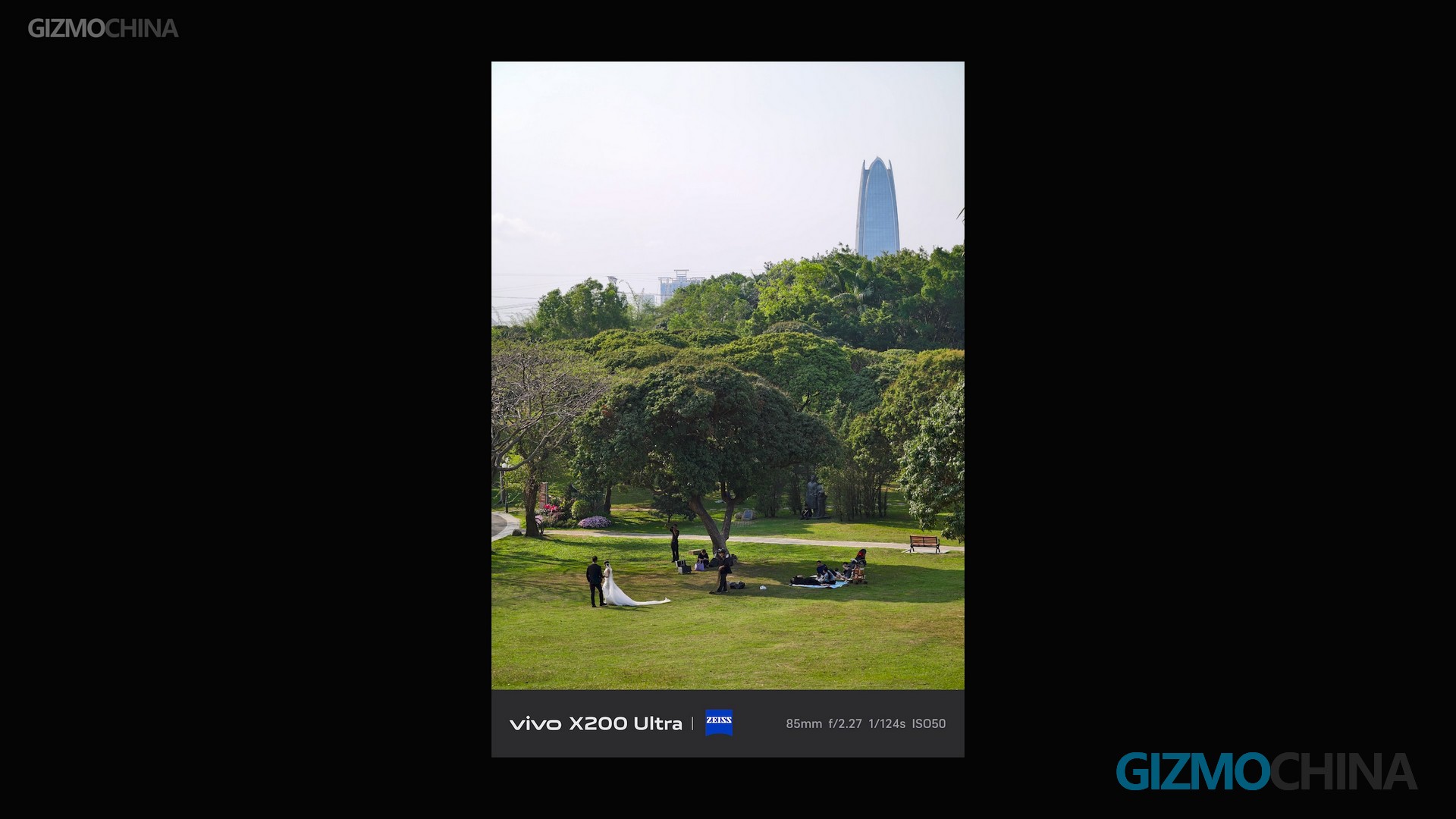
It also supports macro mode, and I’d argue it’s the best telephoto lens on any smartphone—no debate. Like OPPO, the AI enhancement in Portrait or Stage modes sharpens subjects noticeably. Beyond 460mm, equivalent to 10x zoom on other phones, the AI kicks in to polish everything. If you hate AI processing, you can either disable it in settings or grab the $230 Photography Kit for a more natural look.
Photography Kit
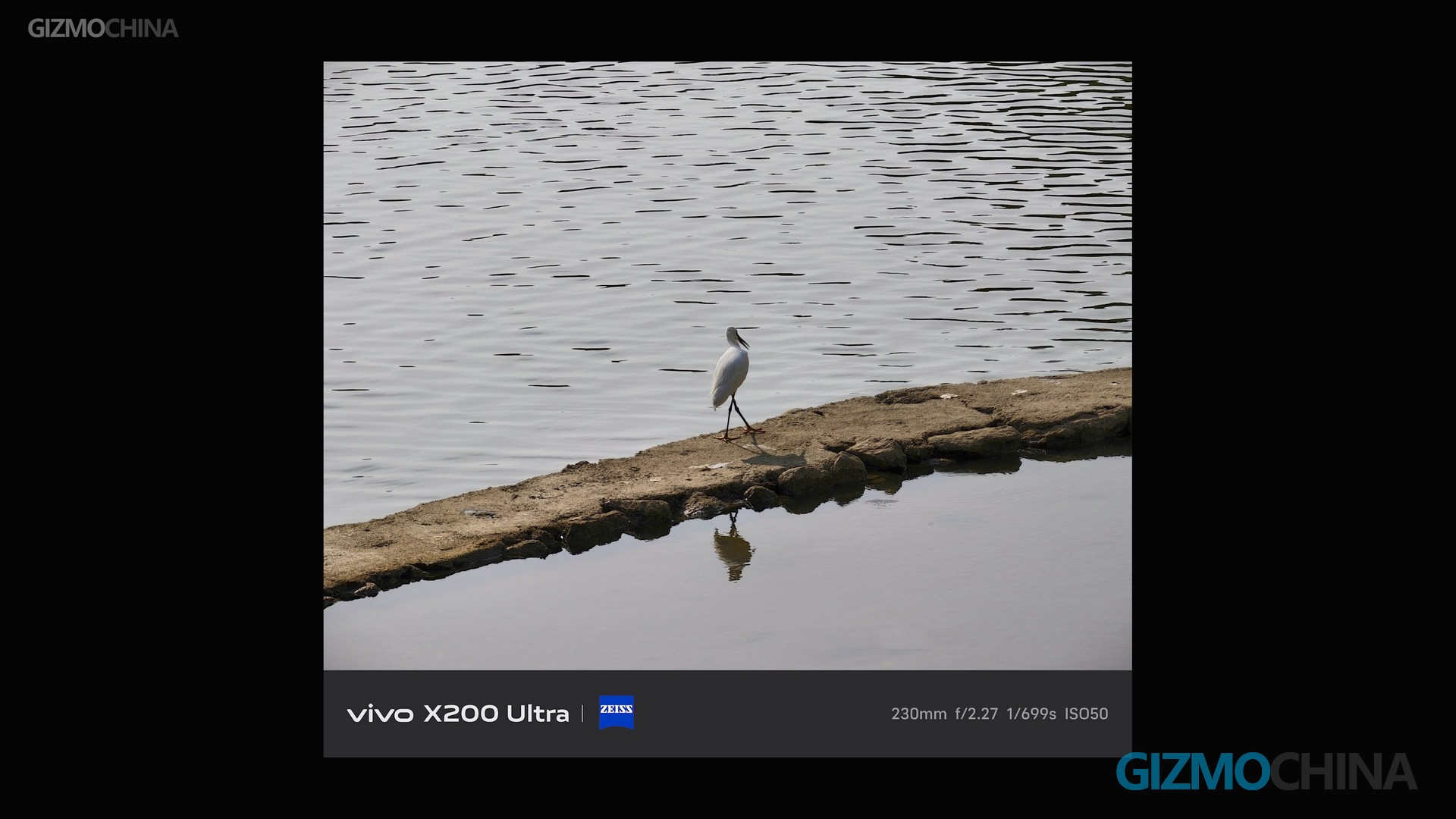
Every time I review Xiaomi’s Ultra series, I recommend their photography kit. Now that vivo has its own version, I’m doing the same, because the premium kit includes a telephoto extender that boosts the optical zoom to 200mm.
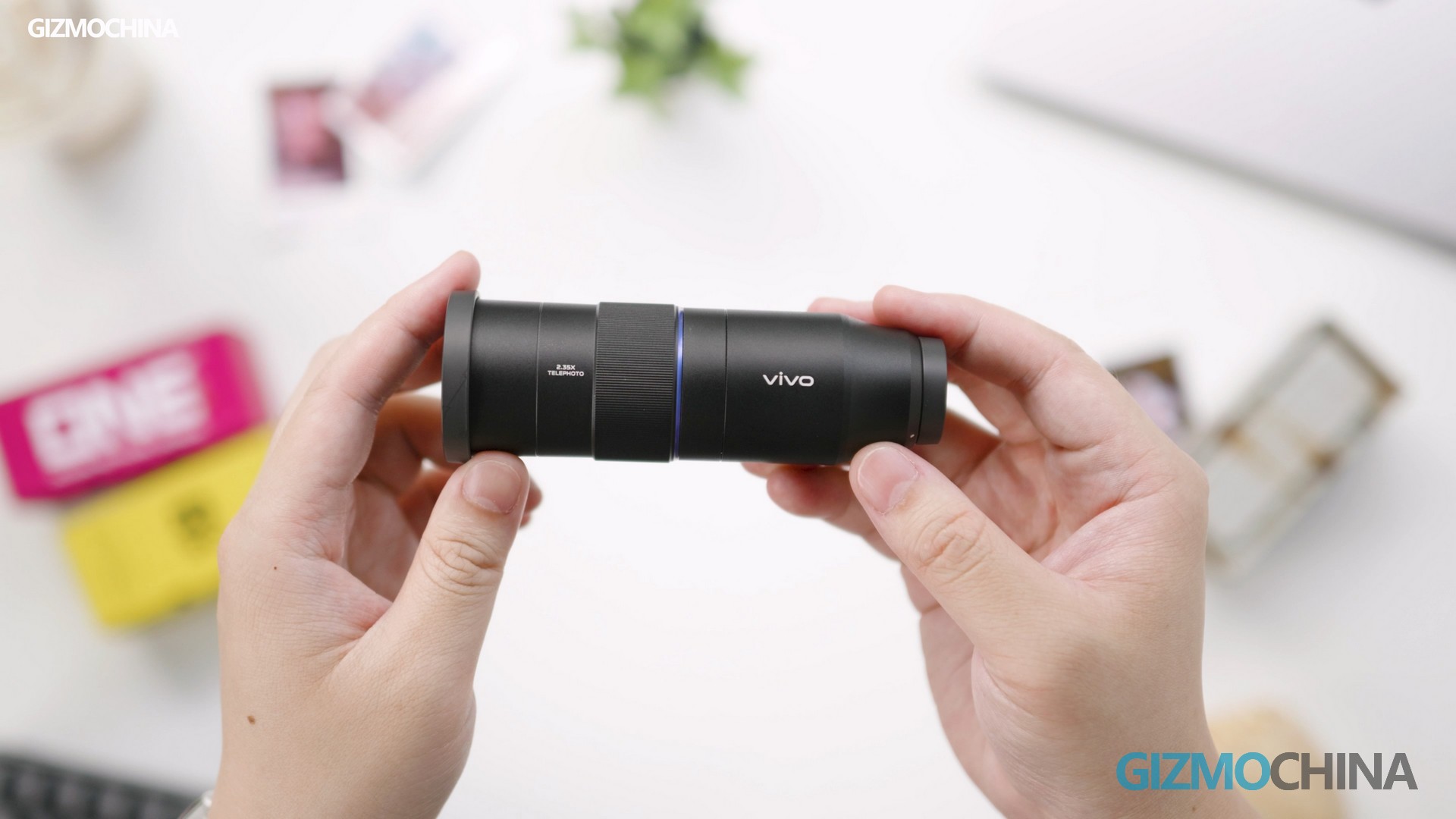
Yes, this Zeiss lens lets you capture distant subjects effortlessly. You could literally use this phone to shoot wildlife on an African safari—I’m not joking. That said, beyond 400mm, AI processing becomes overly aggressive, and the viewfinder shows noticeable jelly effect (Rolling Shutter Effect) when panning quickly. Though oddly, this doesn’t happen in video recording.
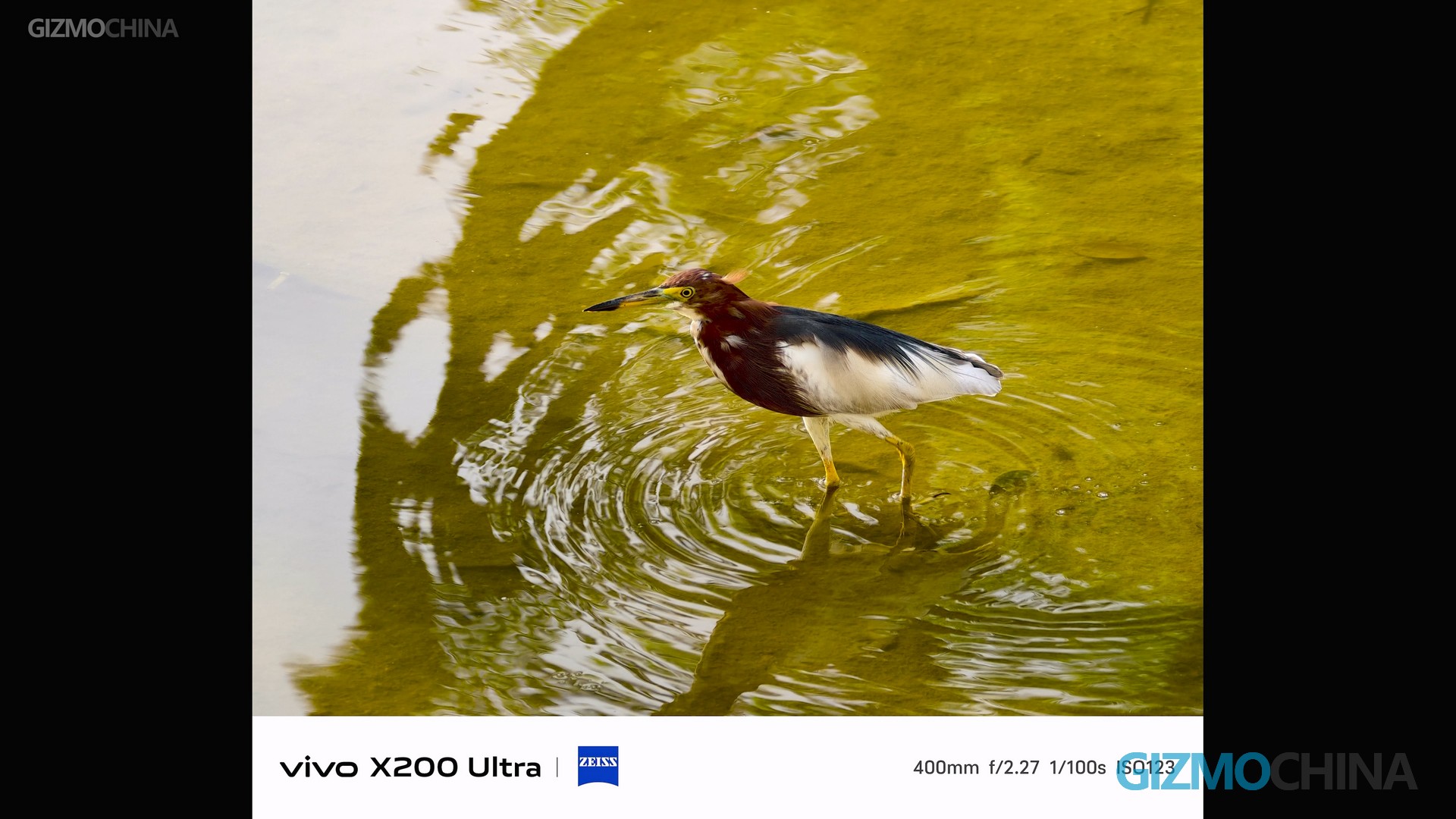
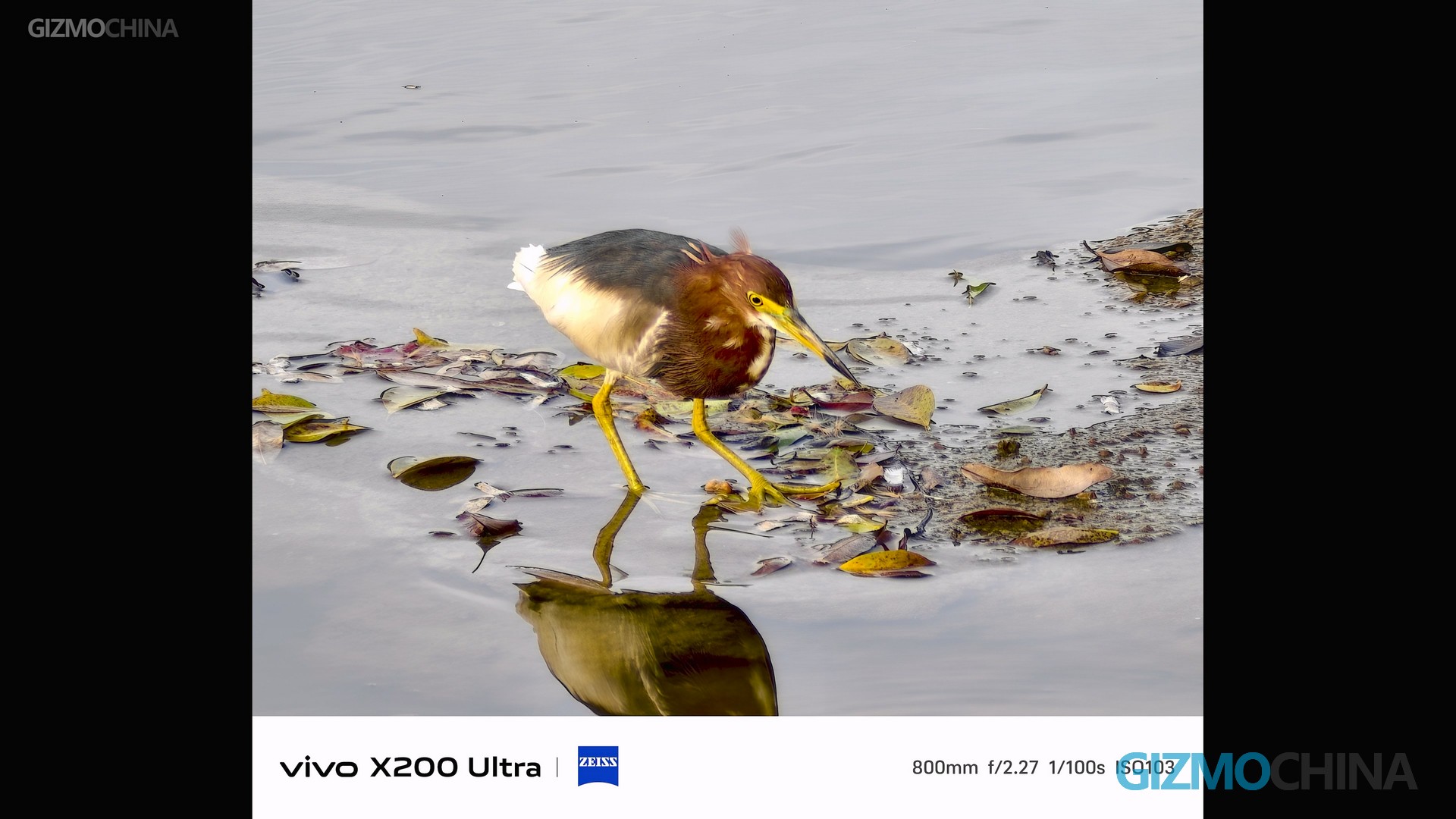
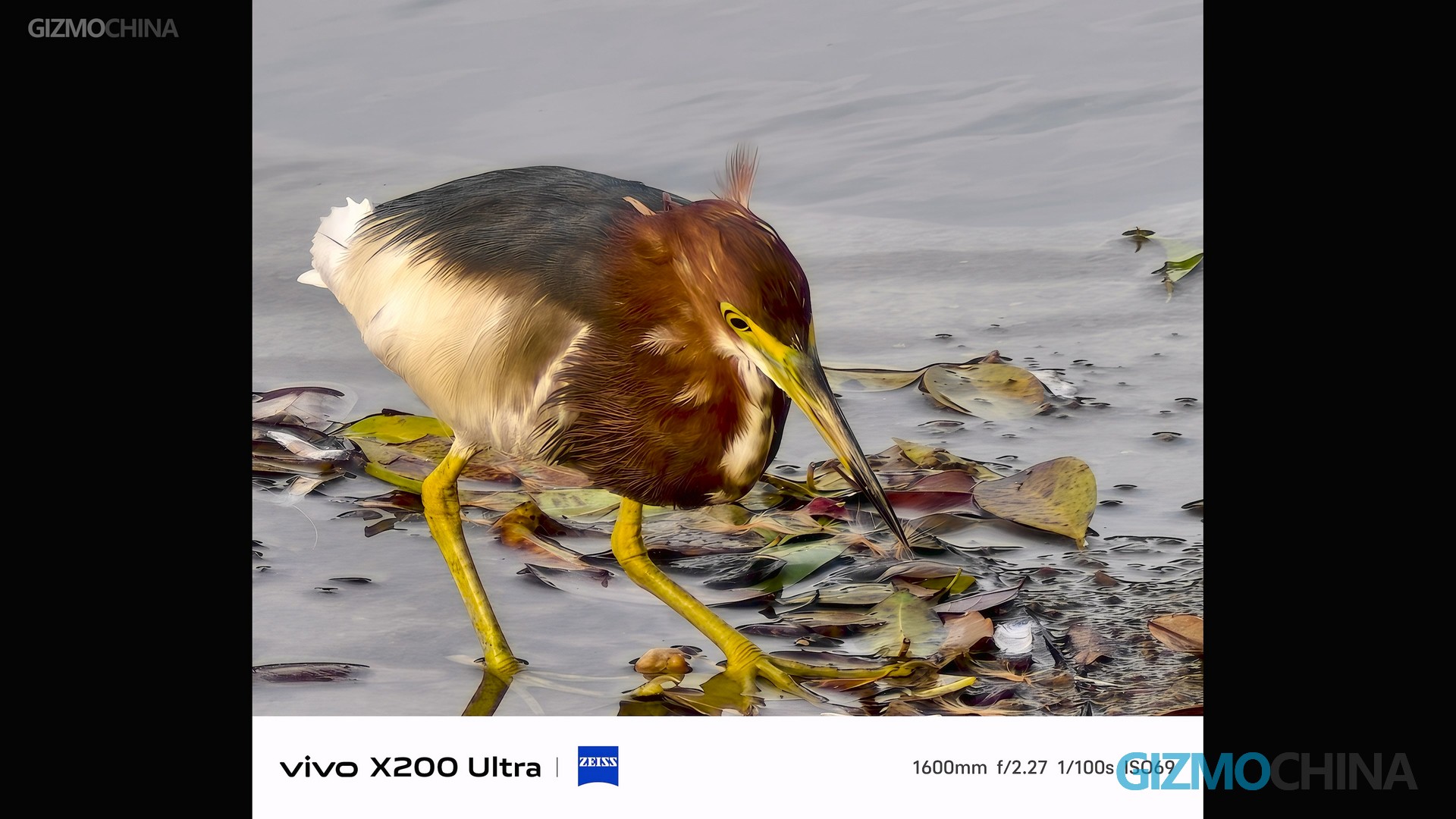
Since the lens flips the image upside down, you must use a special mode to shoot, but this disables RAW shooting, LOG video, and color mode adjustments. There are also occasional bugs, like camera unresponsive, or untranslated Chinese UI elements. Despite these flaws, if you are a wildlife or concerts person, it’s still worth buying.
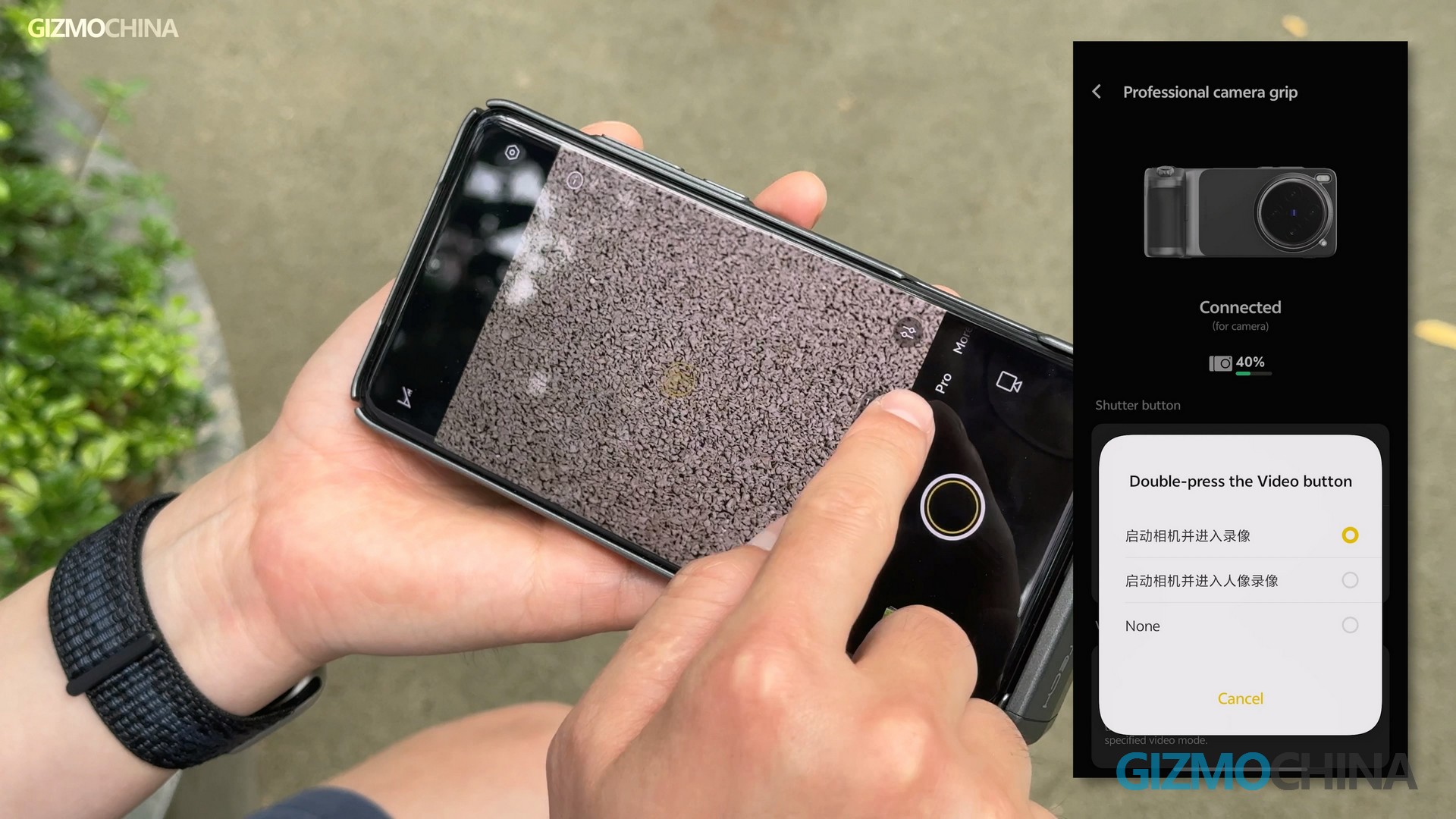
Too expensive? Wait a few months. The lens attaches via a standard threaded mount without electronic contacts, meaning third-party clones will inevitably appear at lower prices. Does this mean it will be the best expandable model in the camera phone category? We will see.
Now let’s talk about the other accessories in the photography kit. The grip and phone case are functionally flawless. The grip is significantly bulkier than Xiaomi’s version, providing a much more secure hold. It connects via Type-C and even features a built-in battery that can reverse-charge your phone. The kit includes an adapter ring that allows the X200 Ultra to use 67mm filters. It has all the necessary buttons, even including a tripod screw mount that Xiaomi’s version lacks. When detached from the grip, the case itself has a built-in kickstand. Sounds perfect, right?

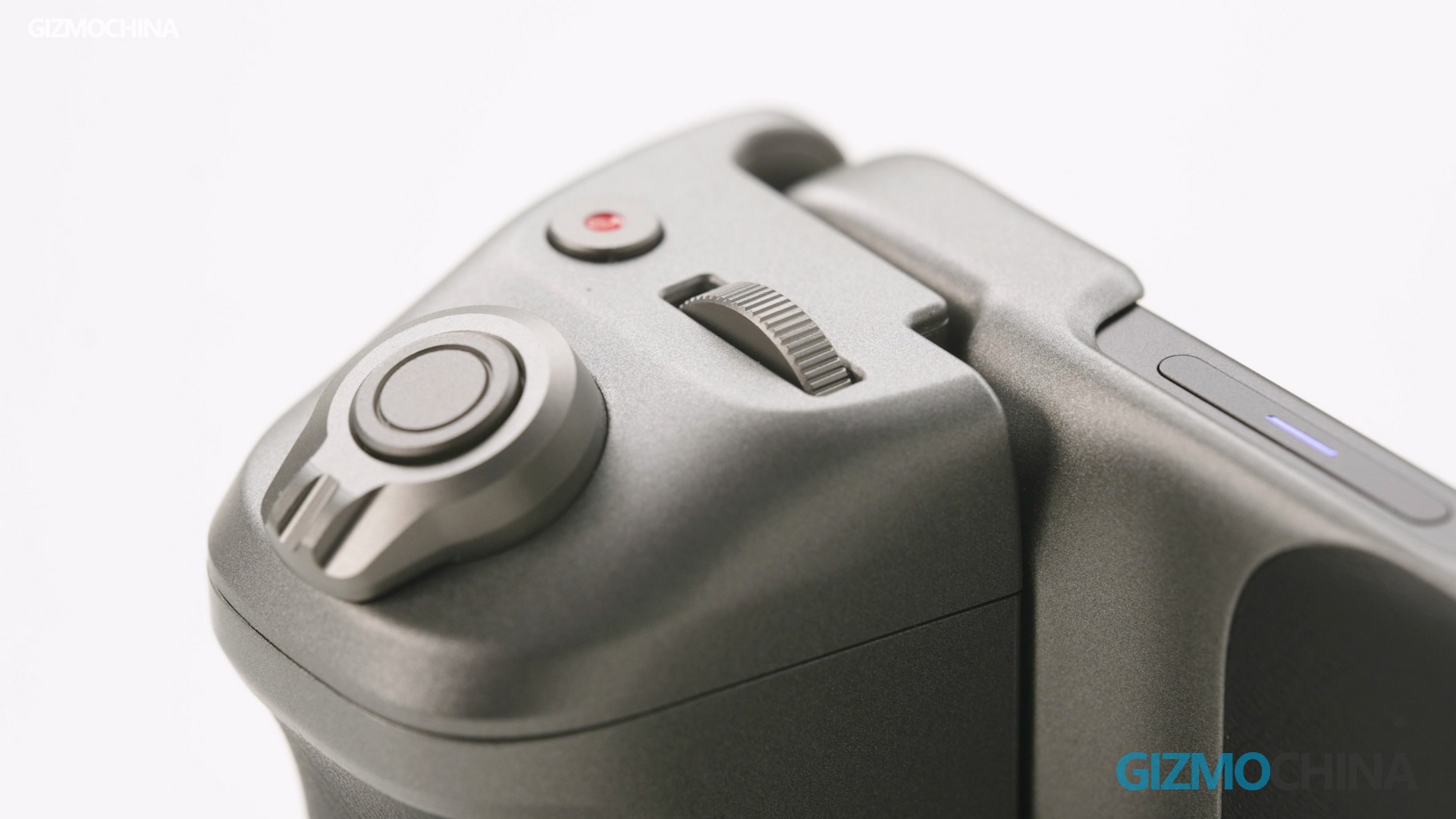
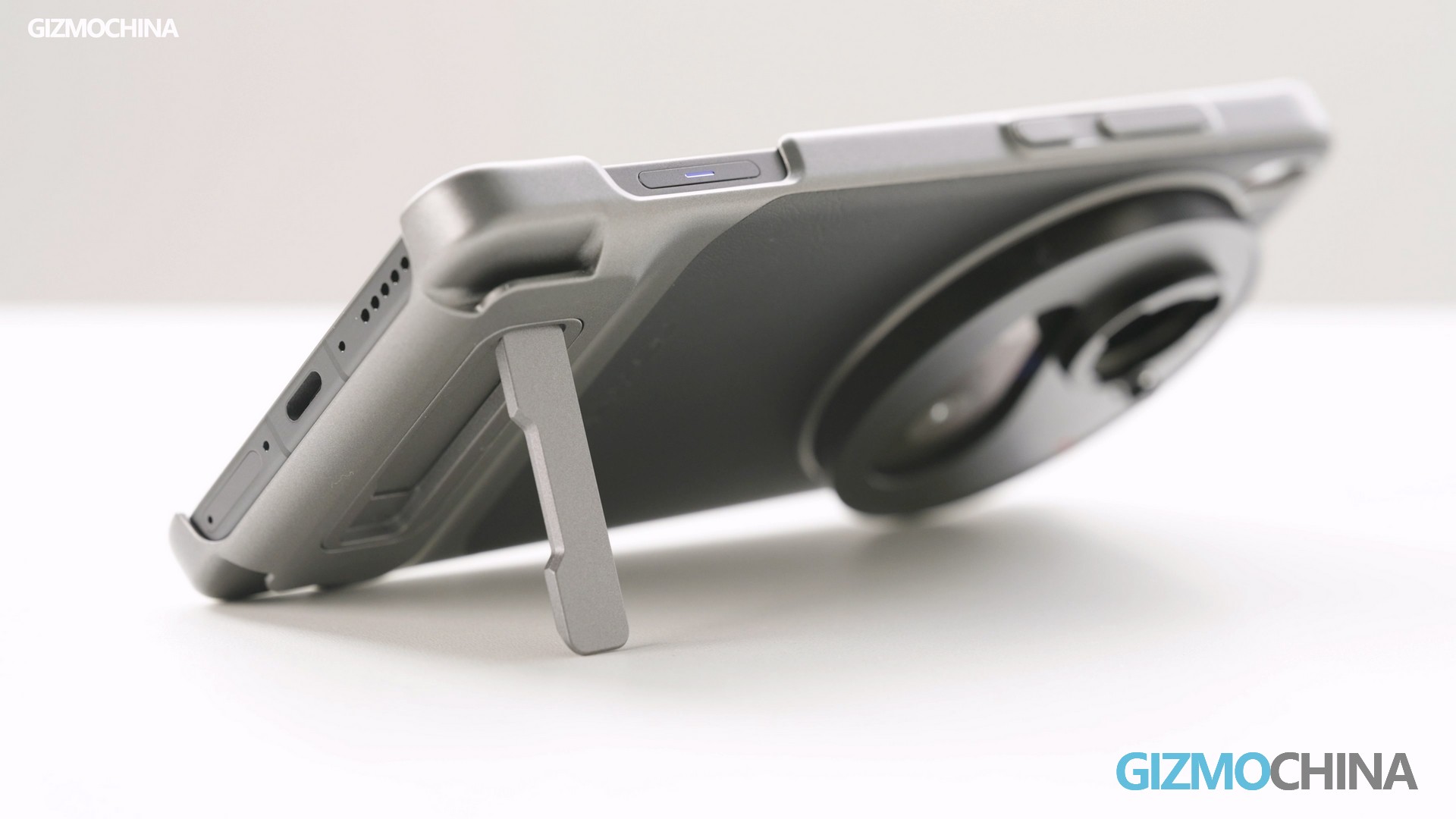
However, vivo falls short in one area: build quality. The connection between the external lens and adapter ring isn’t as stable as expected. Plus, the plain plastic exterior lacks any premium finishing, making it feel noticeably cheaper than Xiaomi’s metal-clad version. Although I shouldn’t ask for more, the fact has to be pointd out that the bird lens has a fixed aperture and does not support manual focusing. Final verdict: For this photography kit, I’d give it 8 out of 10. Just refine those details in the next generation, and it could be perfect.

Camera Experience
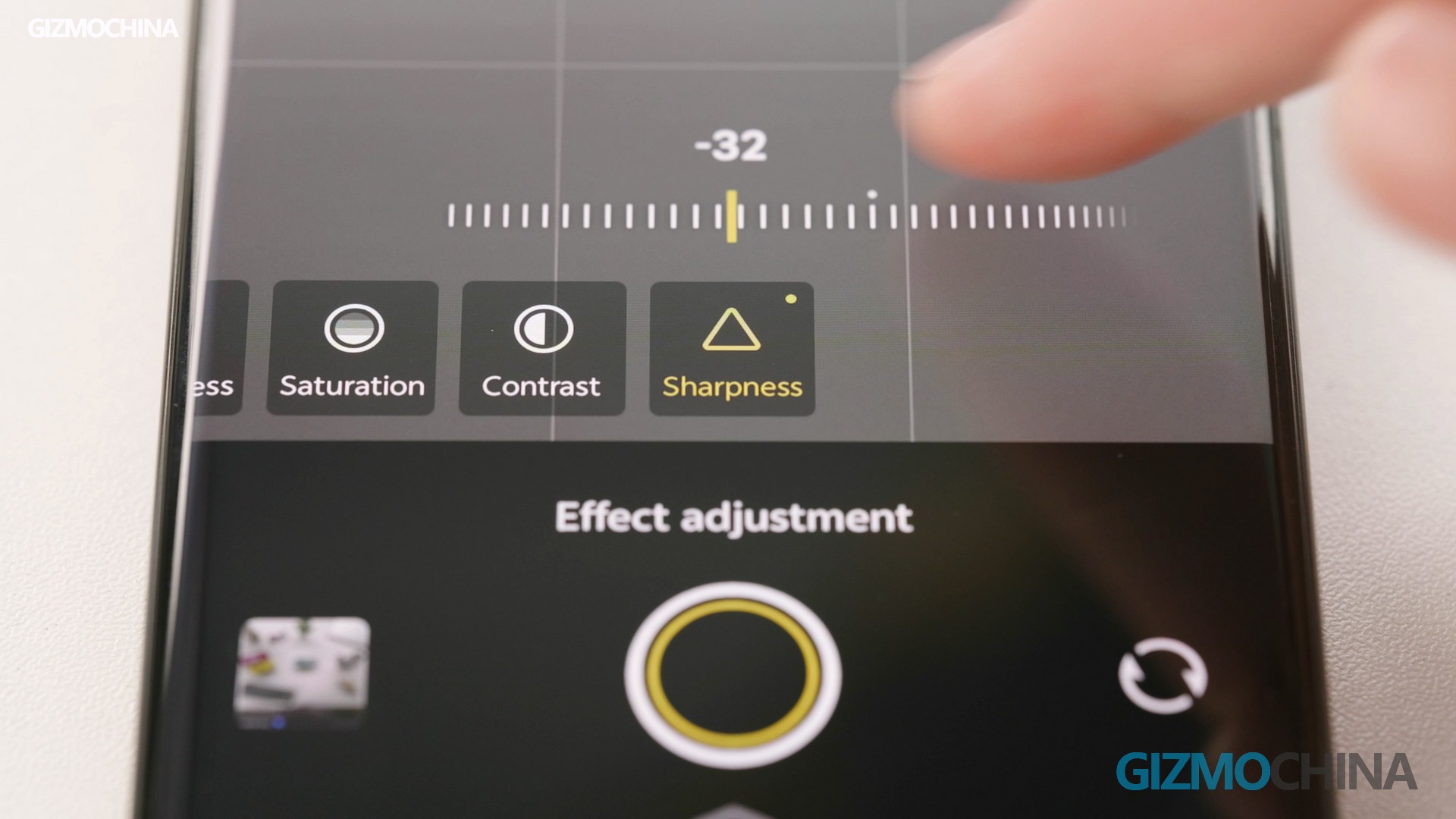
Yeah, the X200 Ultra delivers a solid camera experience overall. It introduces more customization options, like finally letting you adjust that oversharpening we’ve often complained about. The ultra-wide field of view, previously cropped too aggressively by EIS, now allows you to sacrifice some stabilization for a wider perspective.
So, time to answer the opening question: What’s my real gripe with it? The answer is Tonality—the color character of photos. While the X200 Ultra offers multiple color modes, none truly satisfy me. Simply put, I can’t achieve that cinematic look Xiaomi and OPPO deliver effortlessly. No matter how I tweak settings, something always feels missing. Even Zeiss modes fall short of Leica or Hasselblad’s tonal richness. This might not matter to everyone, but it matters to me.
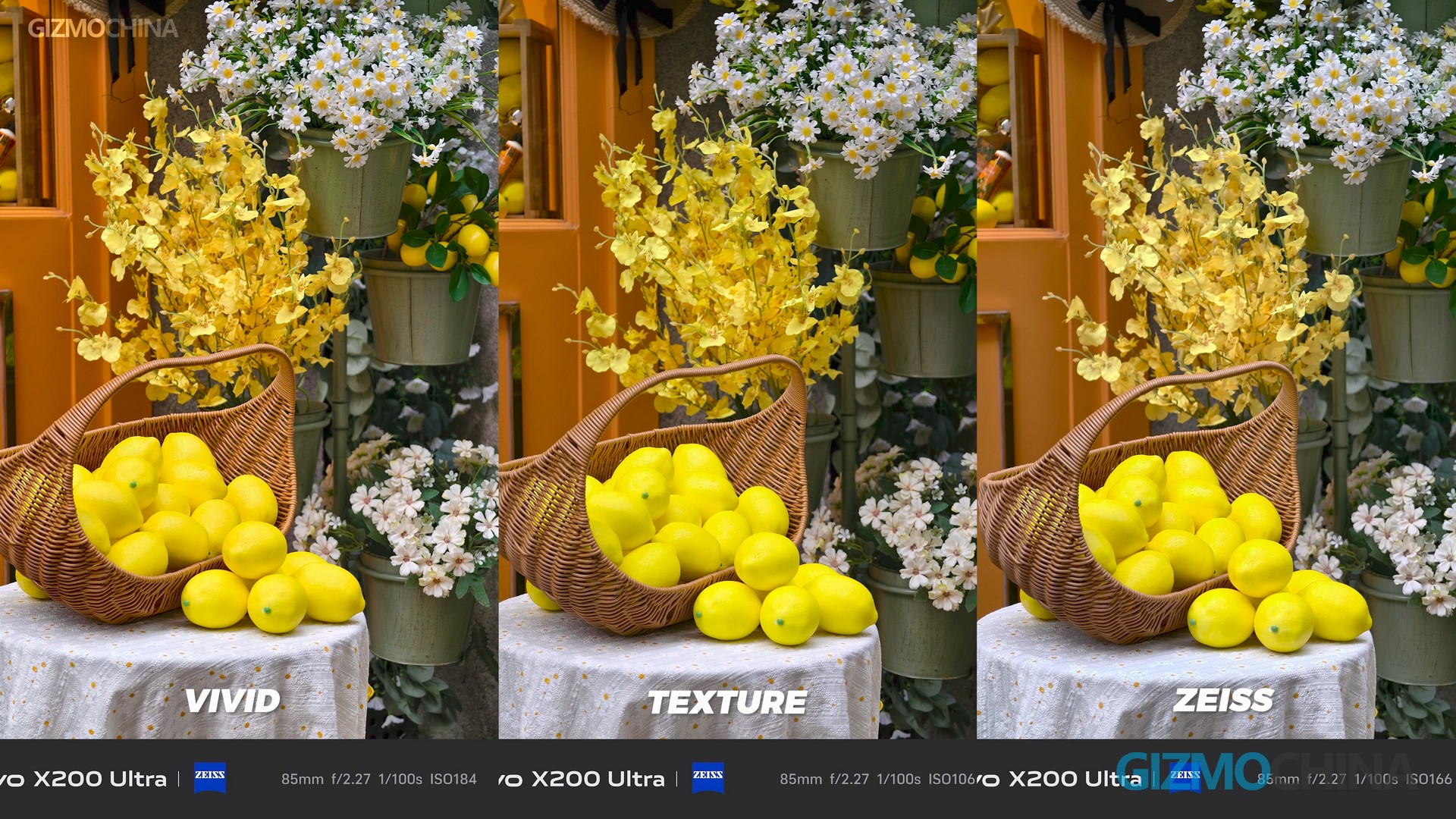
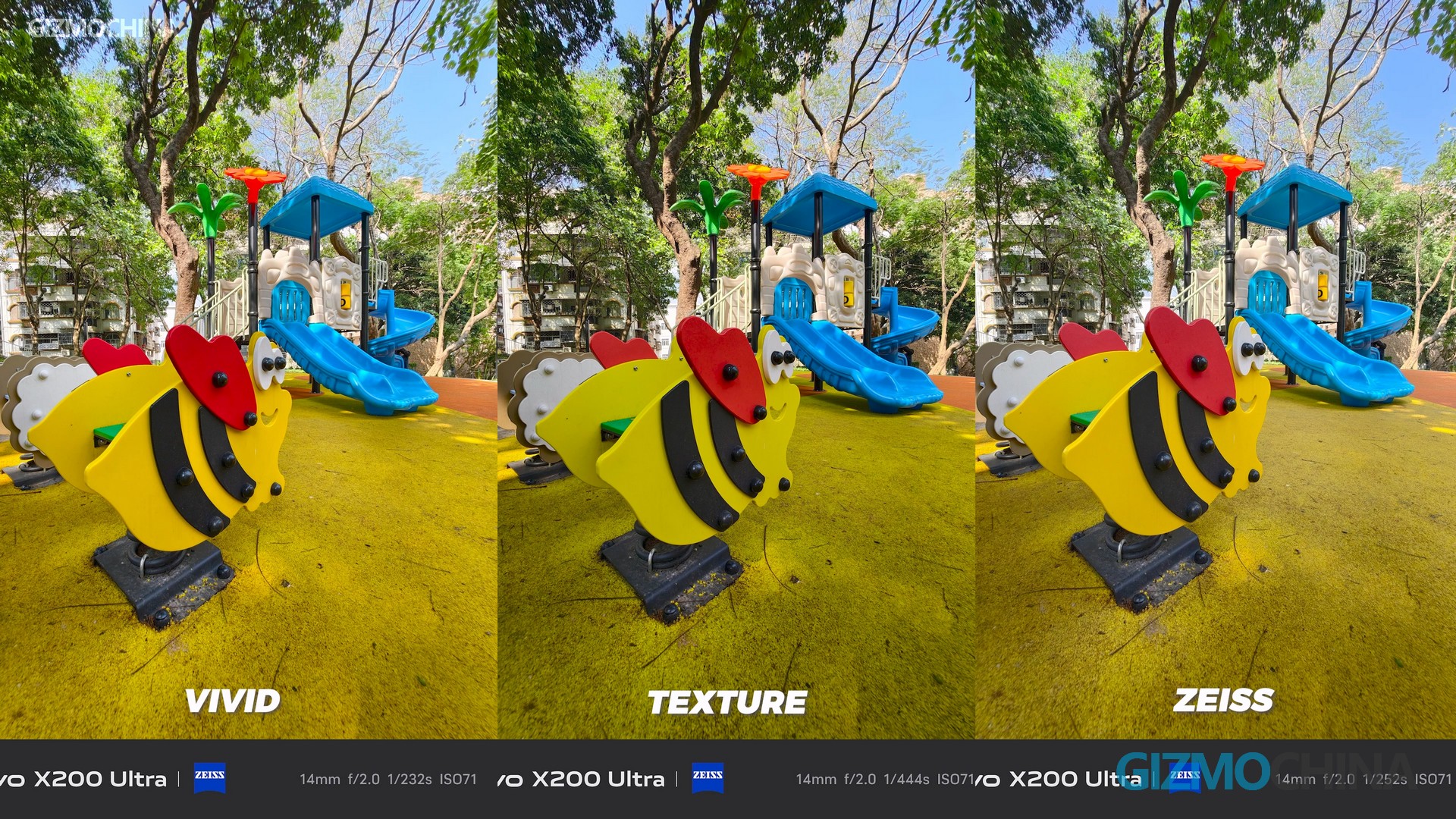

Most of vivo’s default color styles lean too vibrant—great for snapshots, but tiresome over time. They excel at everyday documentation but easily get bored for a long time.
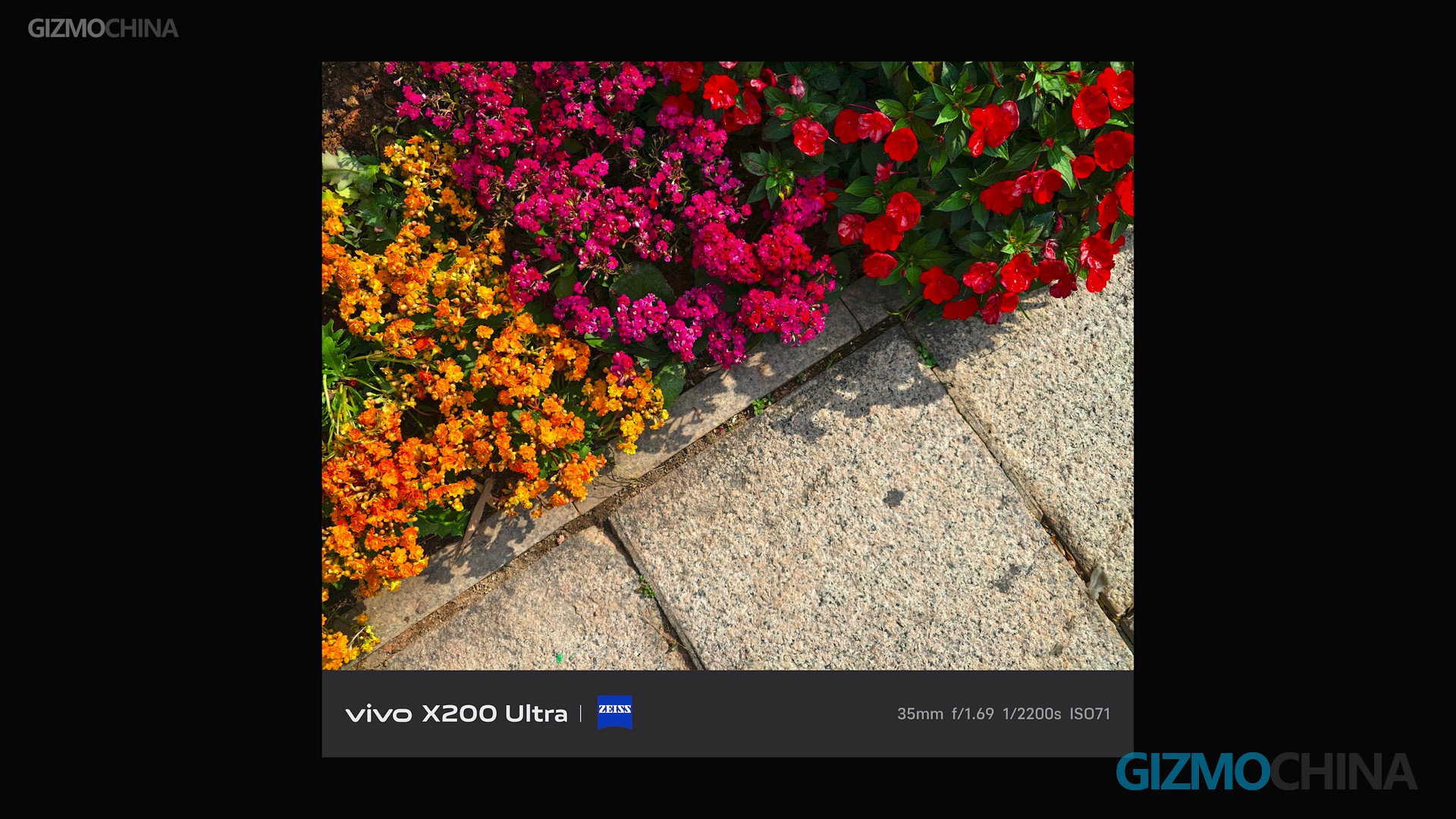
While the X200 Ultra isn’t my favorite phone this year, that doesn’t mean I dislike it—in fact, I’m quite fond of it. Its perfect balance of three cameras is likely the main reason for its popularity. There’s no “main camera” here—or rather, every camera can be the main camera. You simply choose the focal length that best suits your scene, then capture it, no overthinking required. This feeling of just focusing on what’s right in front of you is fantastic.



Comments