
Add GIZMOCHINA as Preferred Source on Google
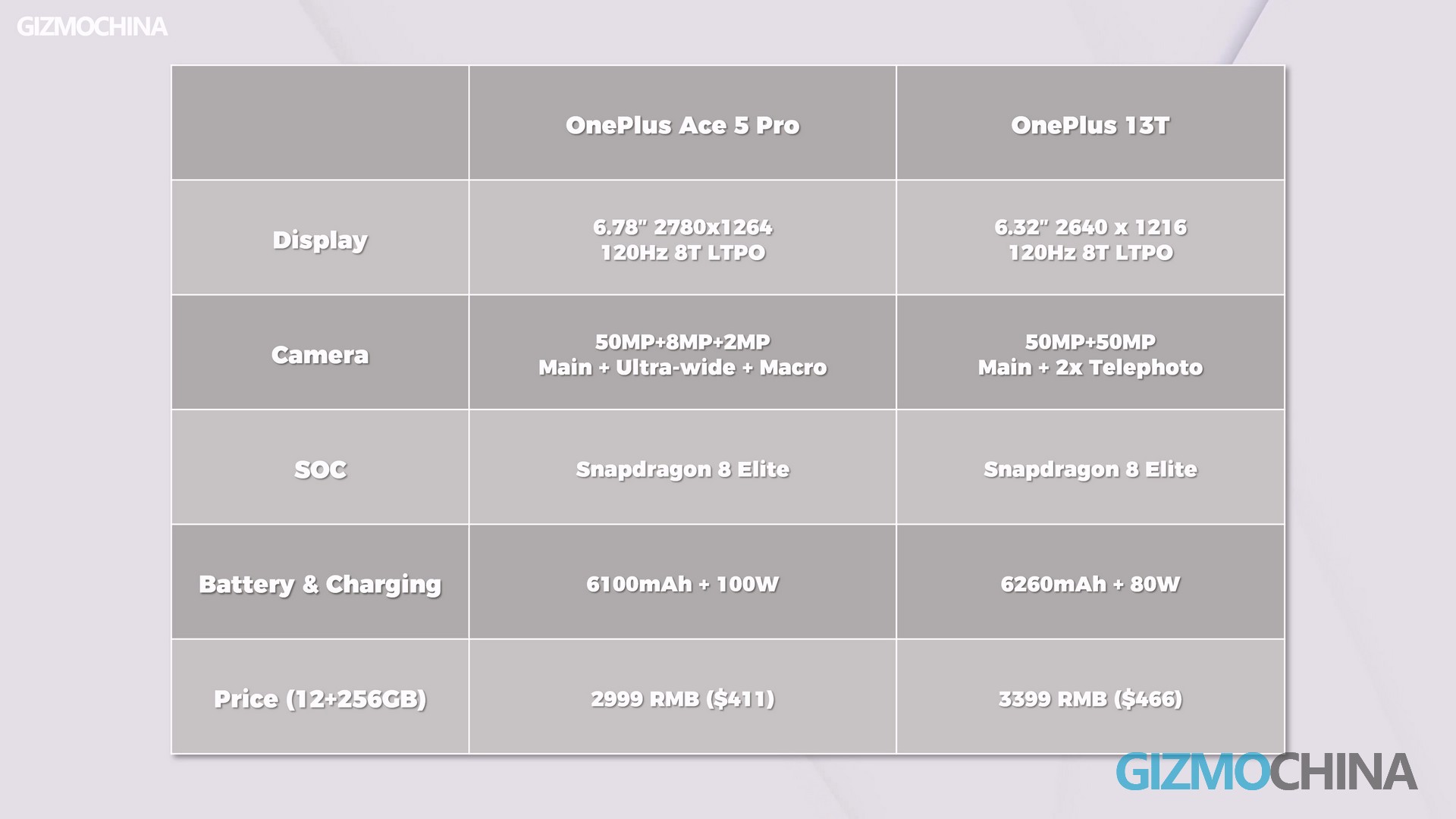
Eventually, OnePlus updated its T series. But when I saw the specs of the OnePlus 13T, I couldn’t help but have a few concerns. It has a dual-camera system without ultra-wide lens, no wireless charging, and no ultrasonic fingerprint unlock. The USB is still version 2.0, and it’s only IP65-rated. All these on paper probably cannot make it a competitive candidate among all the compact phones.
But when we finally noticed its official price was $100 cheaper than the Xiaomi 15’s, then we felt this phone wasn’t so bad after all. It looks quite sleek, and it uses a top-tier processor. Plus, they managed to fit a battery of over 6000mAh into such a compact body. I’m sure there will be people who think this is their dream phone.
Design
The moment I held the OnePlus 13T for the first time, I had a strong sense of déjà vu. It reminded me of a lot of other phones: it feels like the Xiaomi 15 in the hand, it operates like the OPPO Find X8s. From the side, it resembles the iPhone 16, and from the back, it looks like the Mi 11 Lite from years ago. Even the slightly thicker bottom bezel reminded me of the vivo X200 Pro mini.
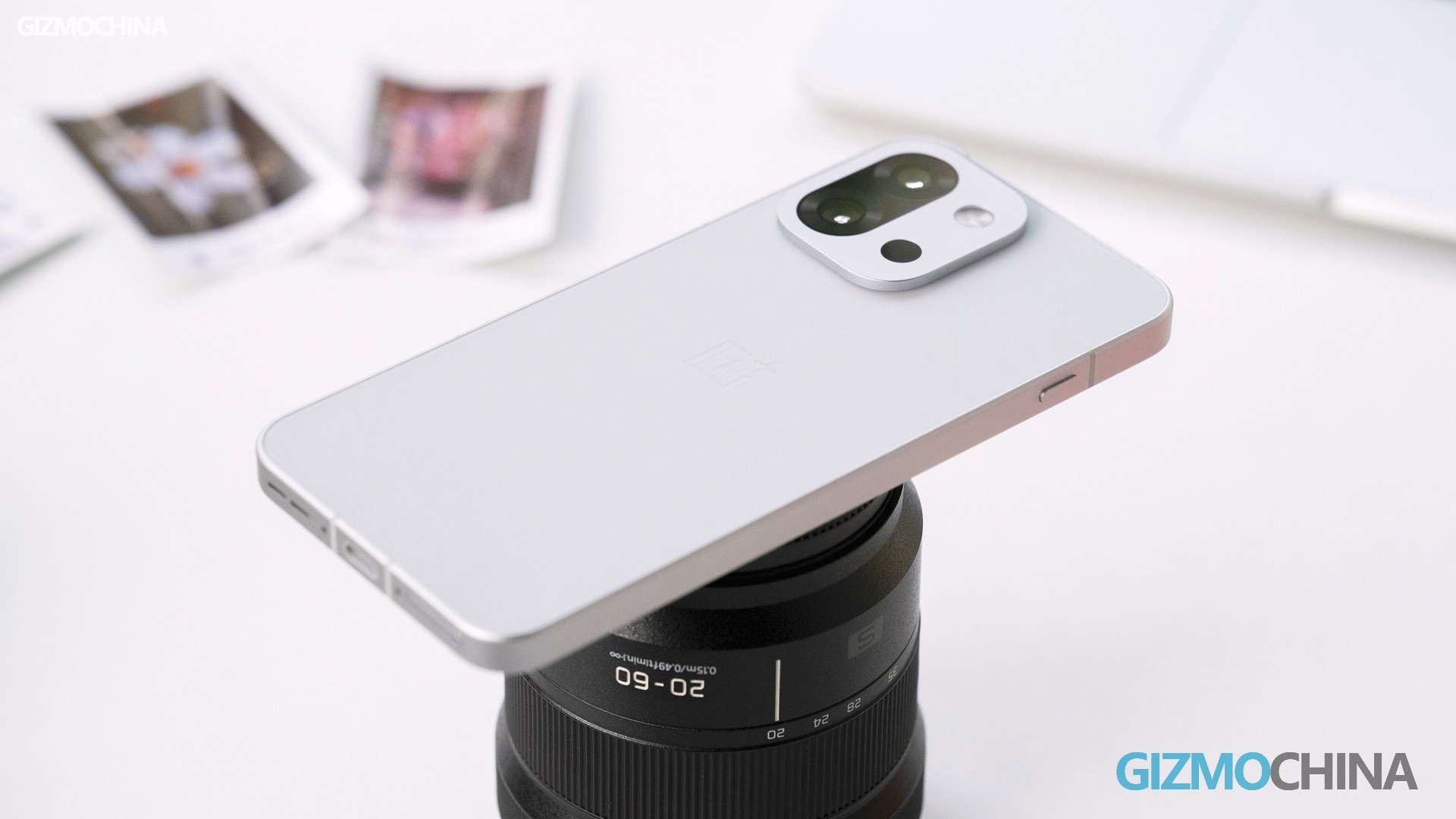
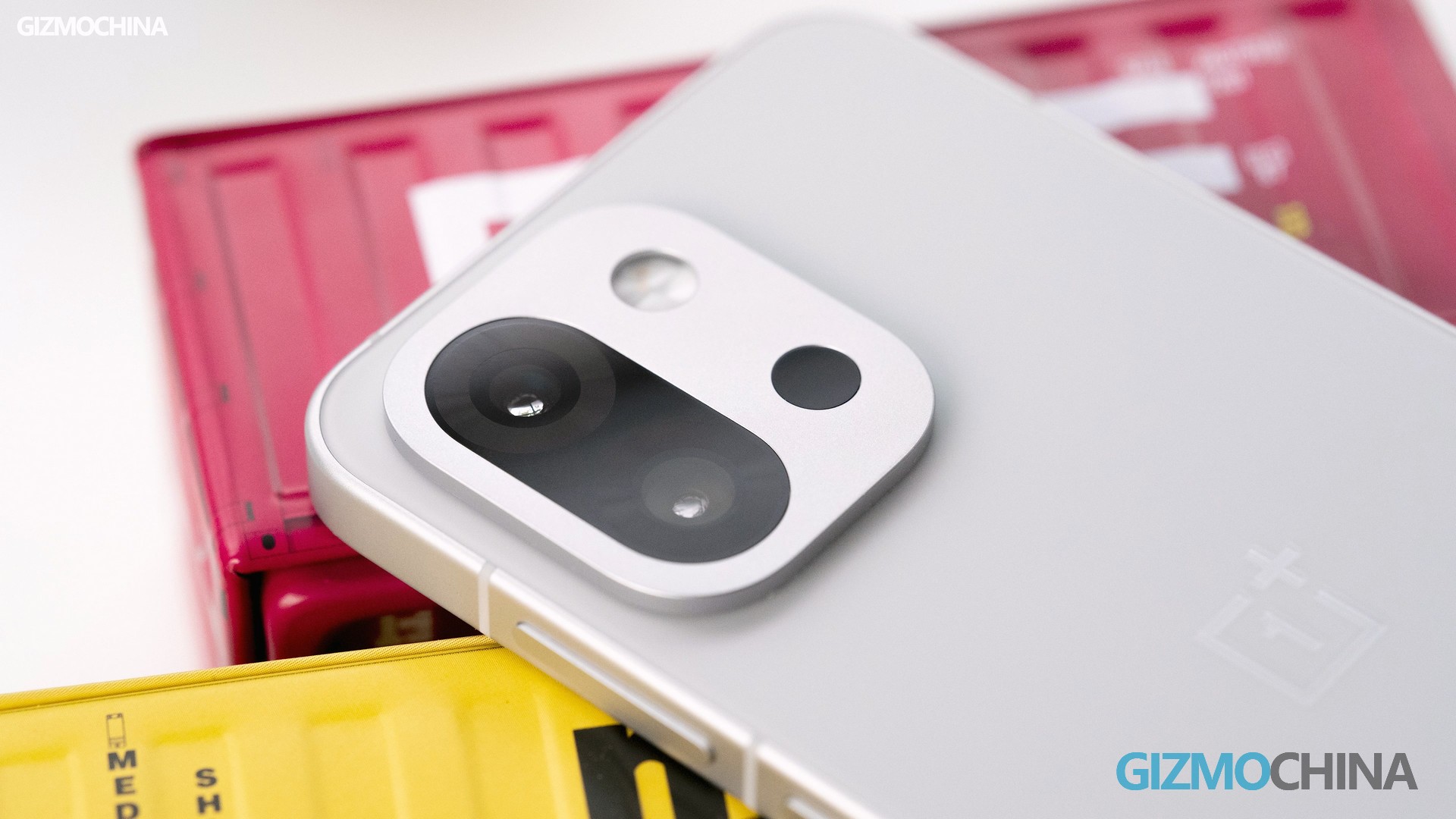
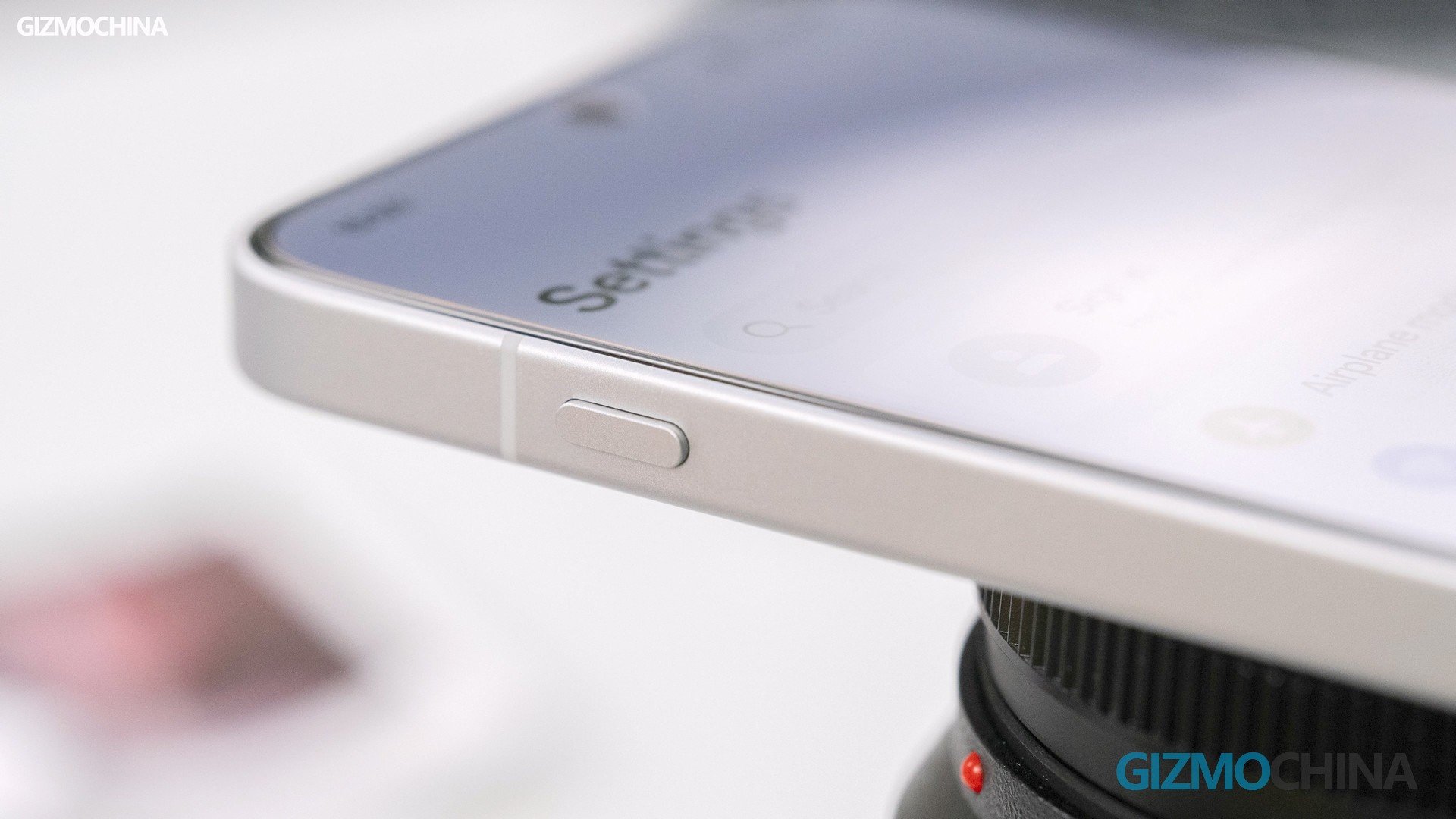
I’m not sure if that’s a good or bad thing, but one thing is certain: the build quality is excellent. Despite its affordable price, it still uses an aluminum frame and glass all with matt finish. It feels more premium than we’d expect. The smaller & less bumping camera module is placed in the top-left corner, making it hard to accidentally touch, whether you’re left- or right-handed.
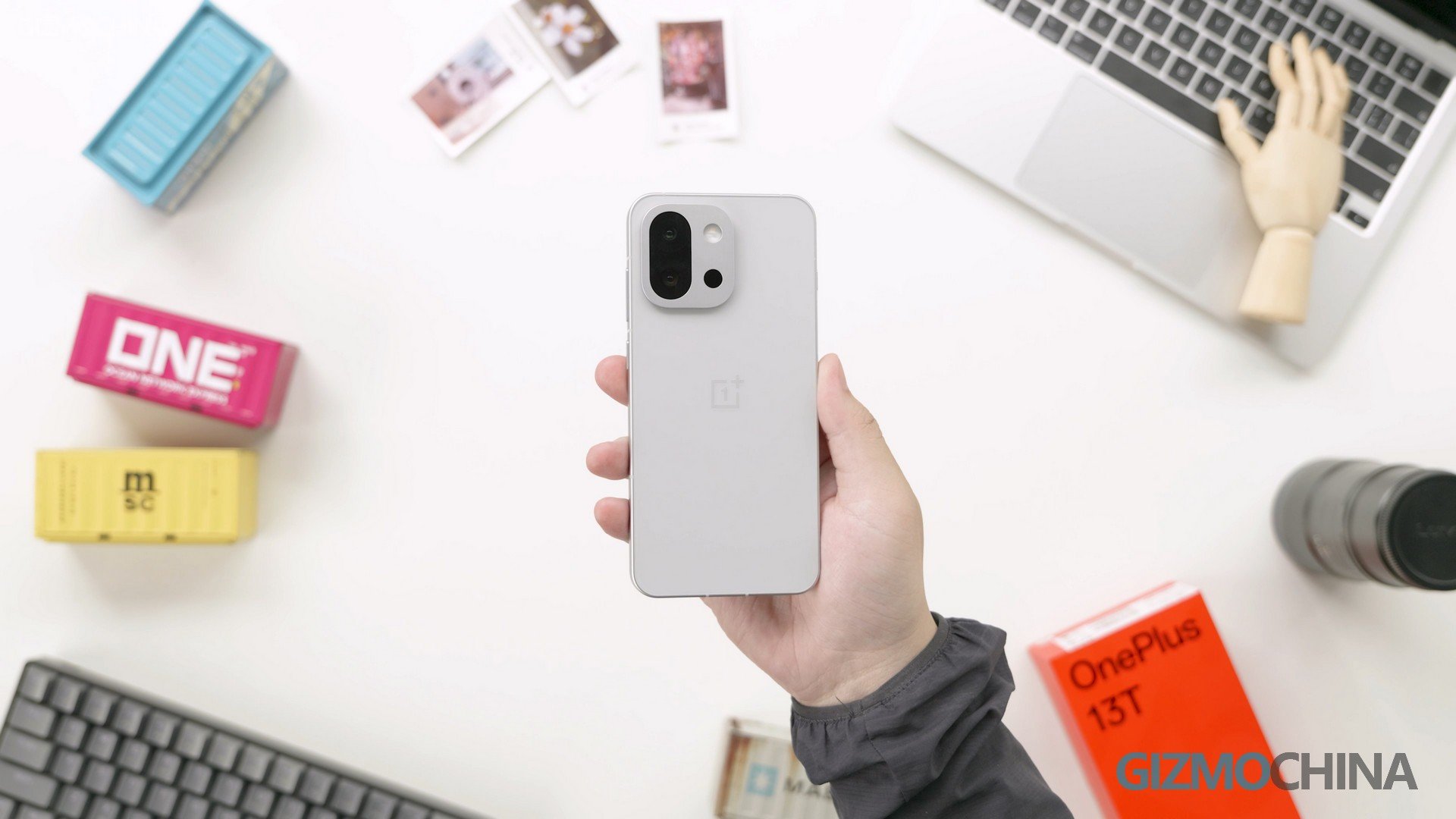
And then… well, it does look organized but not much else to praise. As I mentioned earlier, many of its features fall short compared to other phones of the same size. The 13T feels like a smaller version of the OnePlus Ace 5 Pro. If you’re not particularly fond of compact phones, you might need to check out the more affordable Ace 5 Pro instead.
Gaming
The OnePlus T series has always been marketed for its powerful performance, which is why they equipped the 13T with the Snapdragon 8 Elite. Personally, I think the Dimensity 9400+ might have been a better choice—after all, the 13T doesn’t need a top-tier ISP. A MediaTek chip could’ve lowered costs, making the 13T even more appealing. That said, the 8 Elite in the 13T doesn’t disappoint.
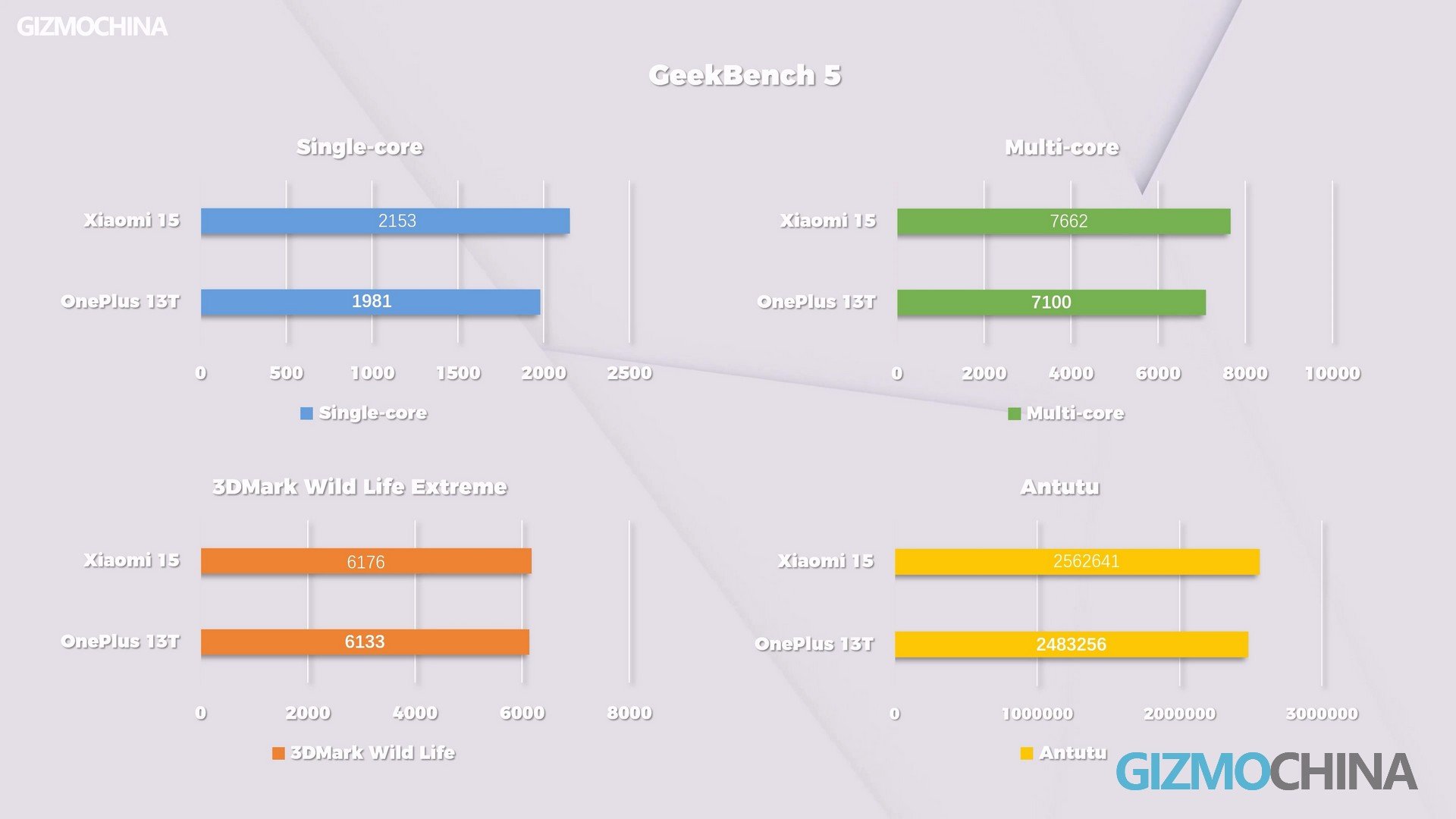
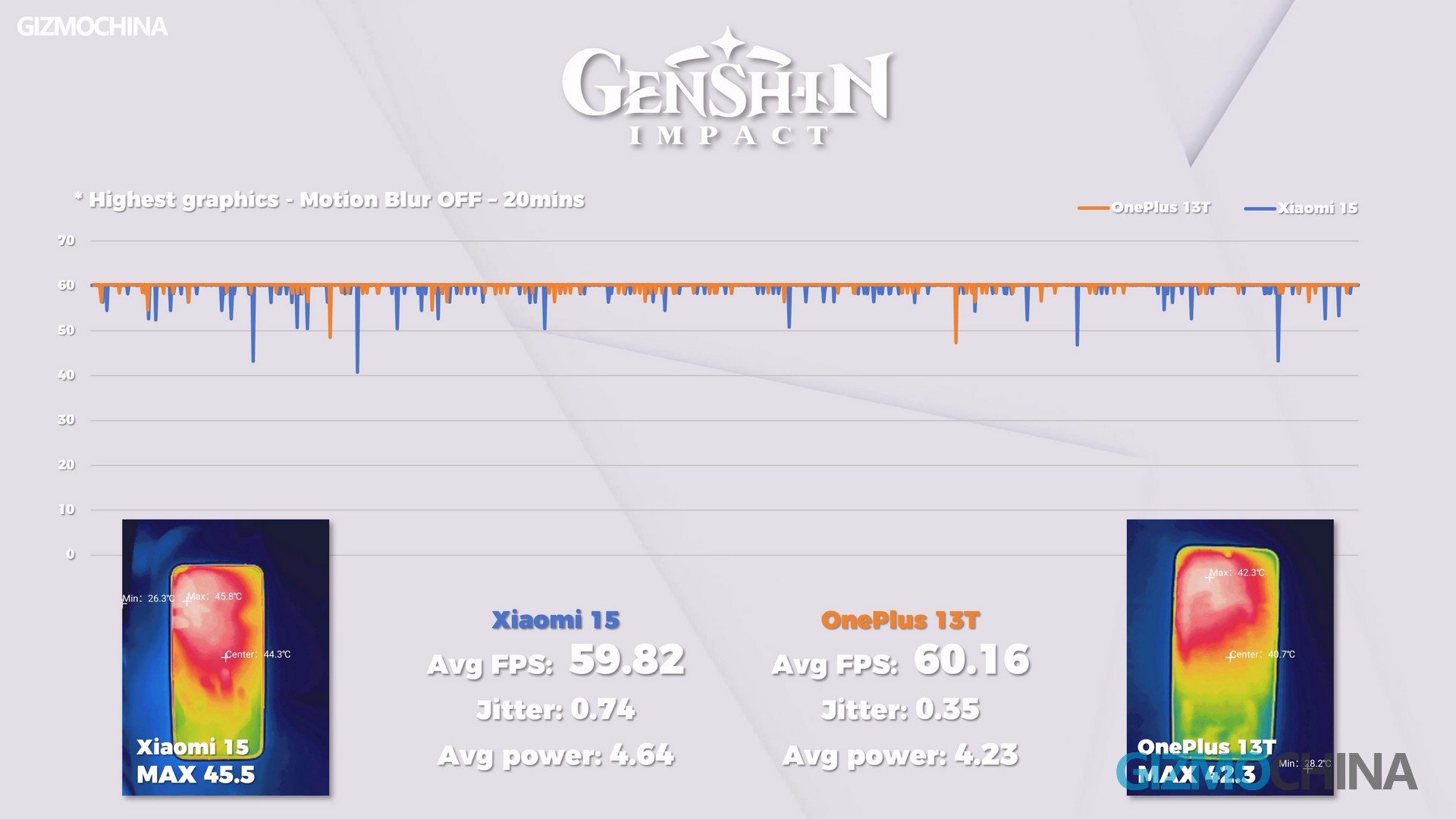
We bought the OnePlus 13T at a pop-up event where they organized a MOBA gaming tournament under the midday sun. The fact that OnePlus dared to host an outdoor esports competition speaks volumes about their confidence in the 13T. And after testing it ourselves, it does perform better than other compact 8 Elite phones. Its refreshrates and power efficiency outperform the Xiaomi 15’s, and its temperatures are shockingly low. It’s hard to believe this is the gaming performance of a 6.3-inch model.
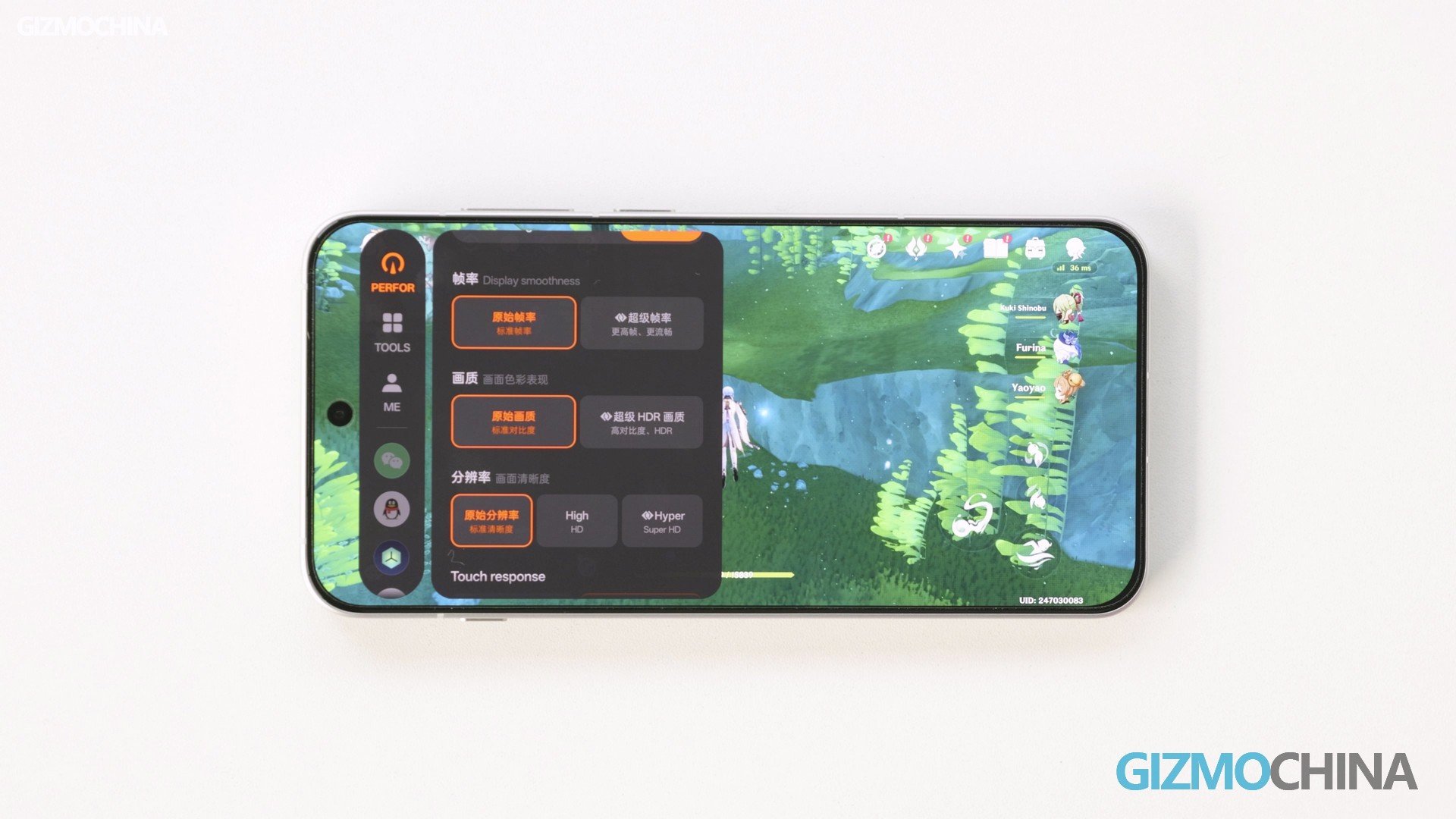
But the 13T’s gaming excellence isn’t just about high frame rates and low temperatures. It also comes packed with gaming-centric features like bypass charging, AI-assisted controls, frame interpolation, and super-resolution—stuff usually reserved for dedicated gaming phones. Among phones of this size, the 13T is the only one that offers all these features at once, making its gaming experience one of the strongest in recent memory.
Battery & Charging
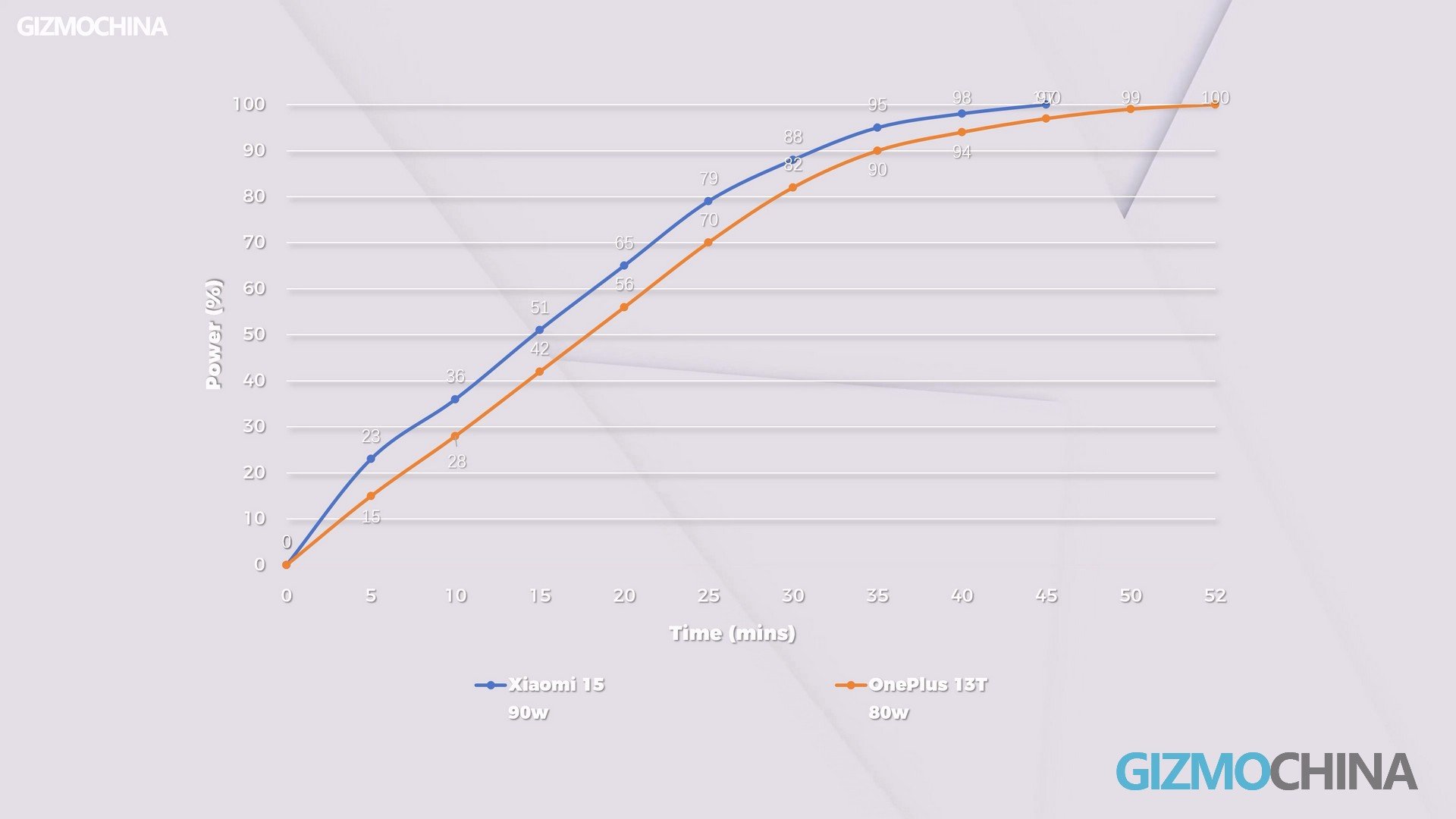
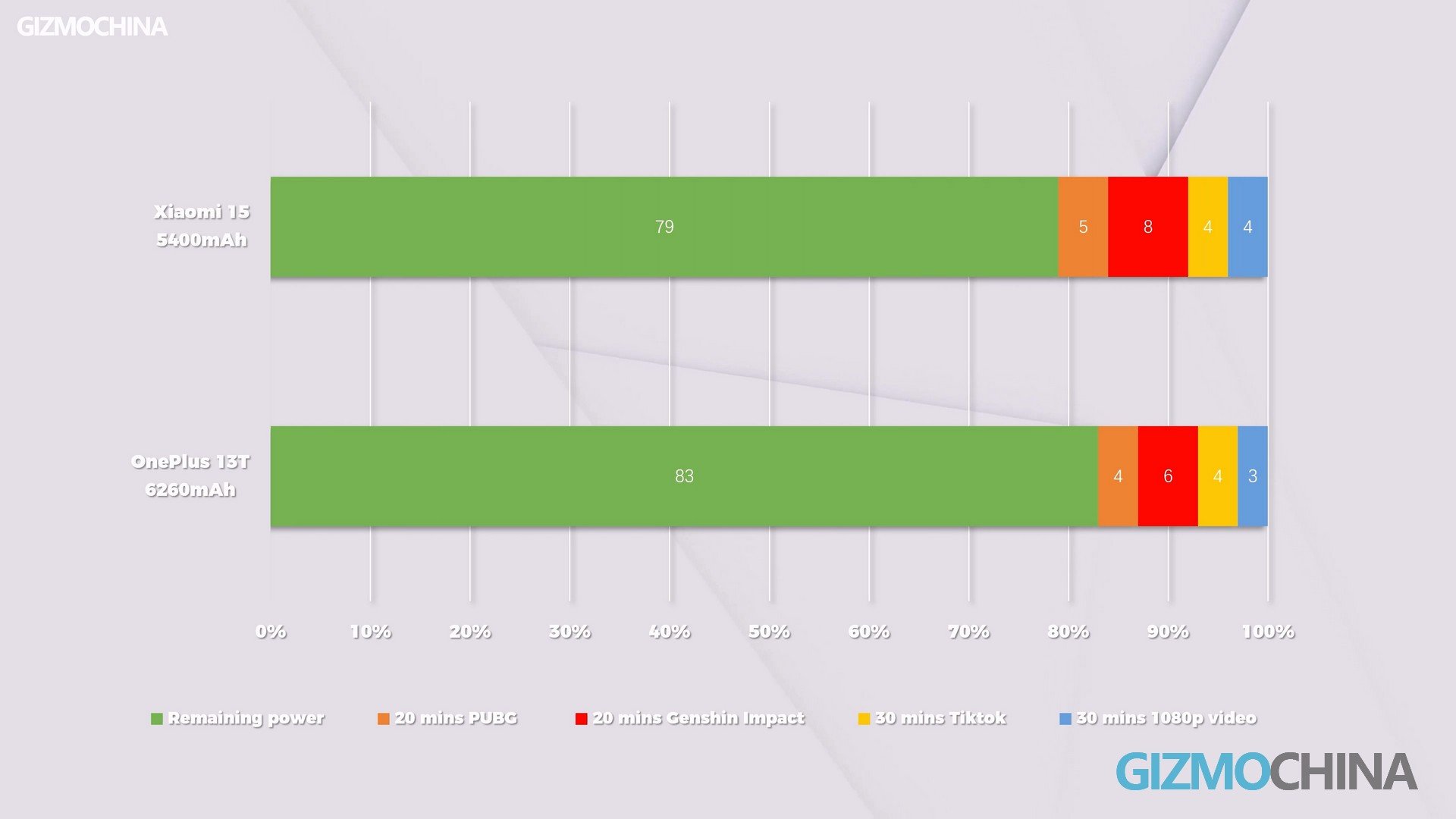
The 13T supports 80W charging. It reaches 28% in 10-minute charge and 82% in half an hour. A full charge takes 52 minutes. Not the fastest, but more than adequate. And with a 6260mAh battery capacity, it’s not just “adequate”—it’s “more than enough.” Silicon-carbon batteries are truly impressive, allowing compact phones to pack such large batteries, even surpassing most flagship models. If you don’t play games, you can easily go a full day without charging.
Display
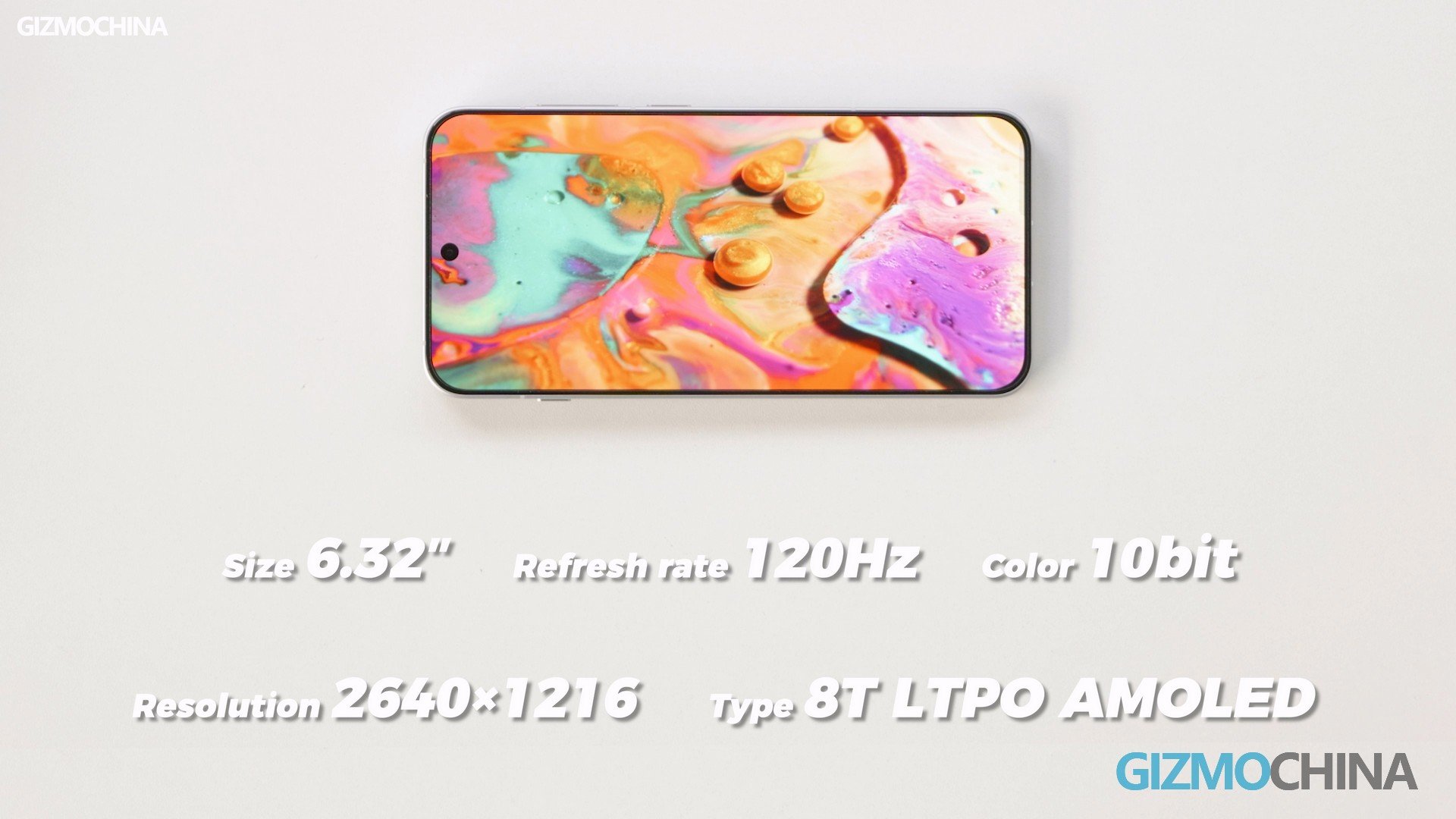
Here are the screen specs of the OnePlus 13T. On paper, it’s close to flagship-level. This TIANMA panel boasts a peak brightness of over 800 nits, with a high brightness mode reaching 1600 nits. Below 50 nits, it defaults to 2160Hz PWM dimming, though a DC dimming option is also available.
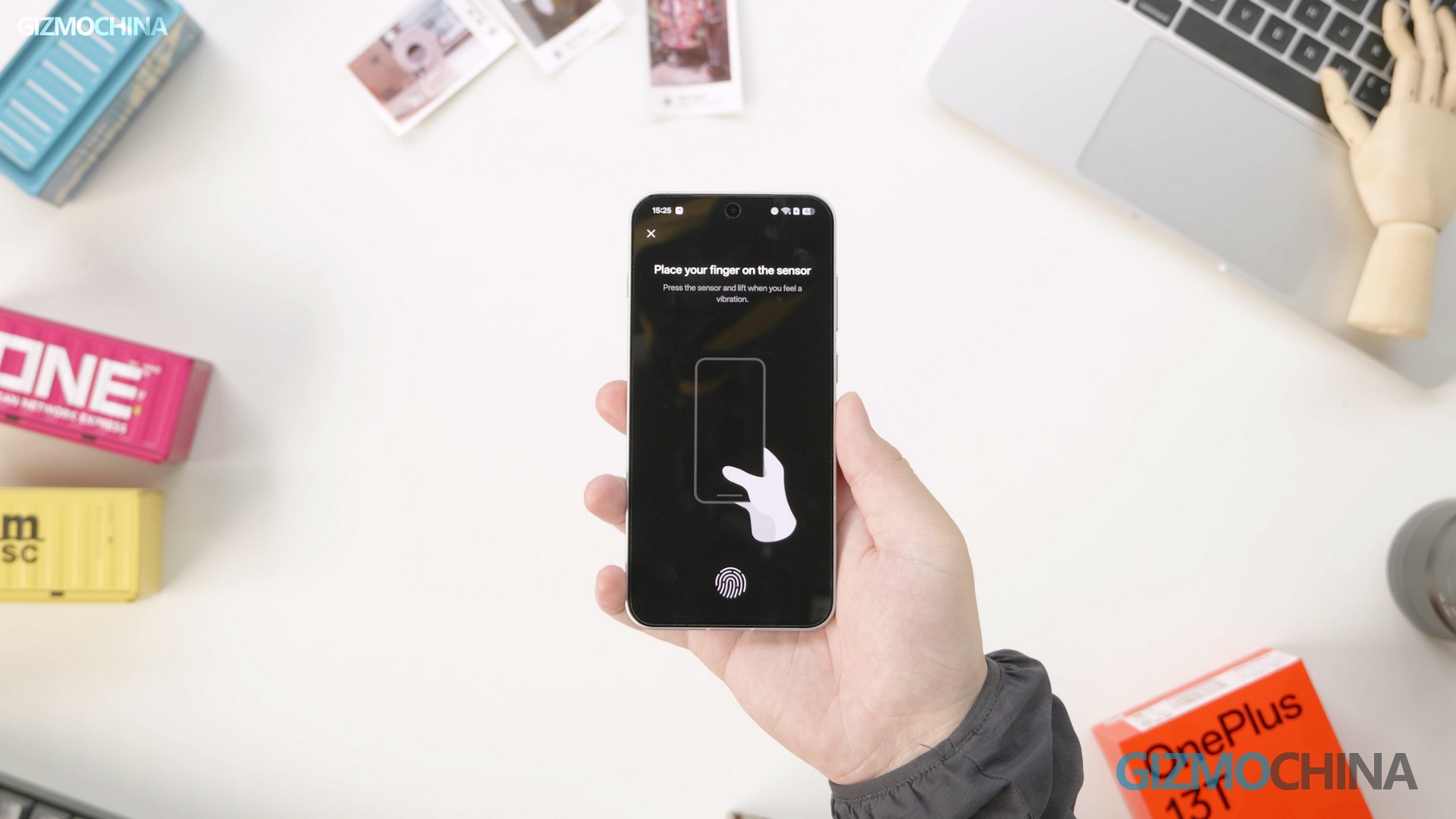
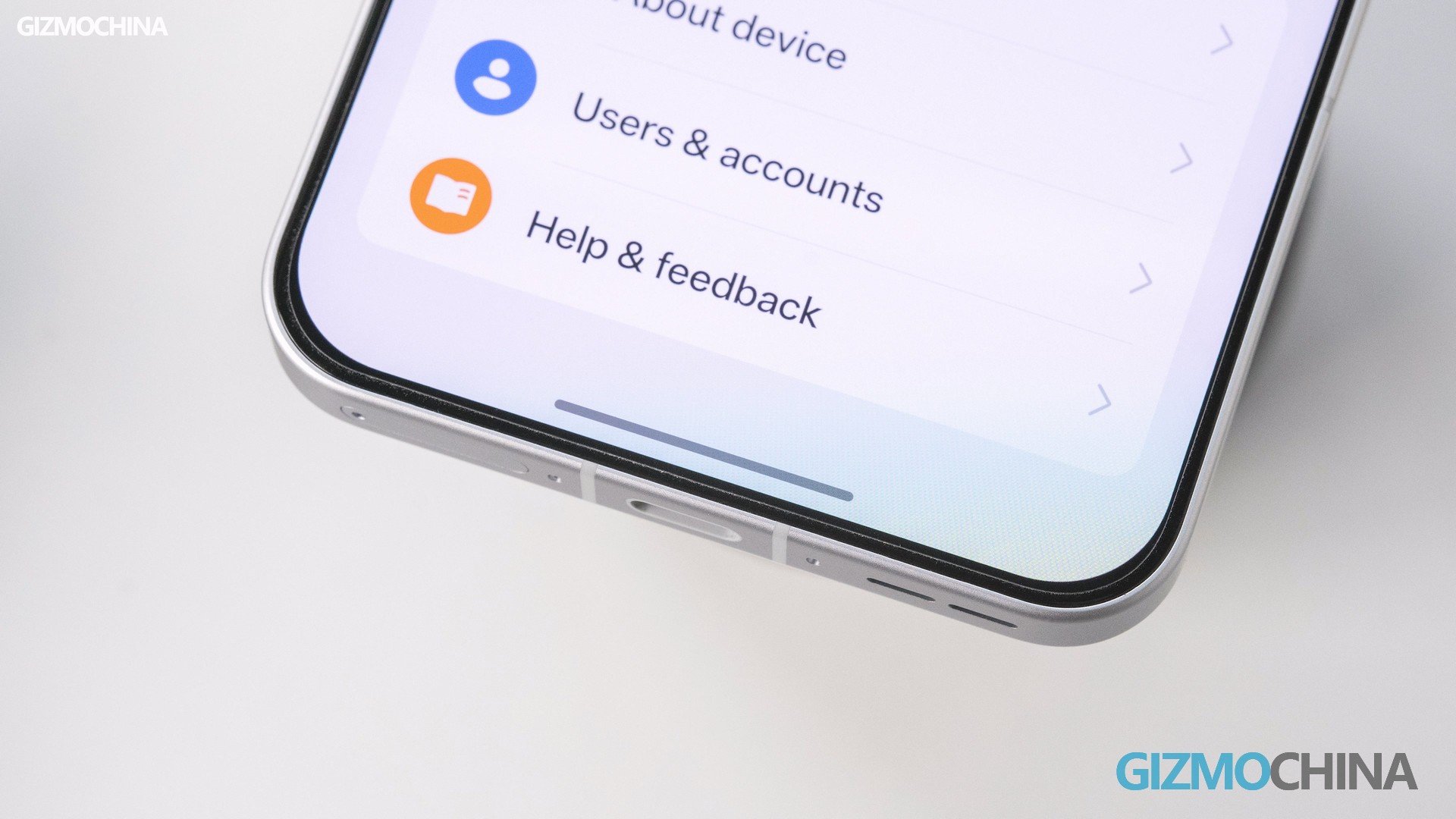
The screen itself leaves little to complain about, except for the awkwardly low fingerprint sensor position. The slightly thick bottom bezel might leave space for improvement, especially since its sibling, the Find X8s, set a high bar with its ultra-slim chin, making the 13T’s design less striking in comparison.
Camera
The OnePlus 13T has two cameras: a 24mm main camera and a 49mm telephoto camera.
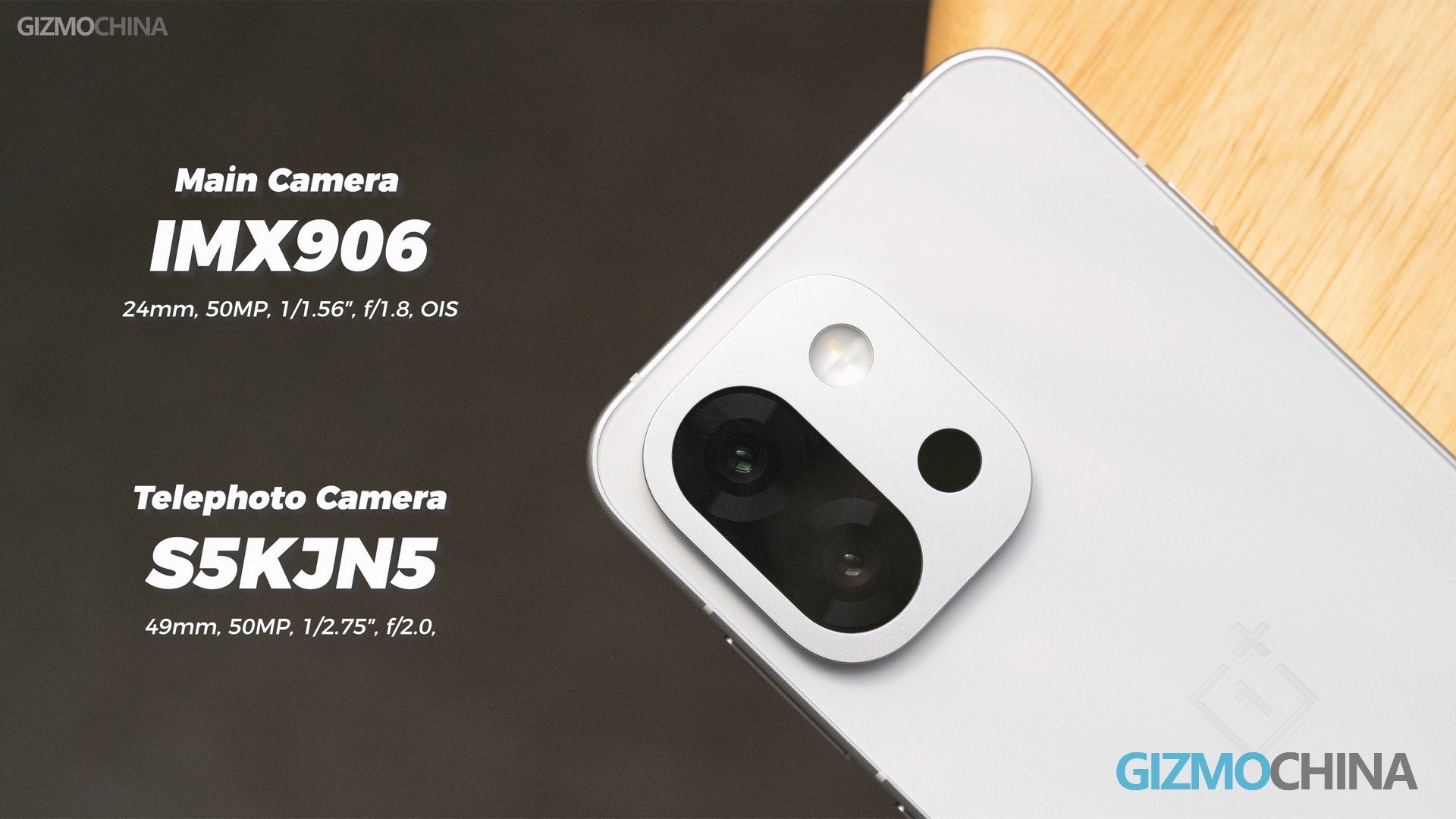
The main camera handles daily photography most of the time. In daylight, you can usually snap a decent photo without much effort. Nighttime photos are passable, roughly on par with a $250 phone, assuming you don’t care about video shooting, because its video recording is not that good. Unless mounted on a tripod, focus hunting is constant, and low-light video quality is downright awful.



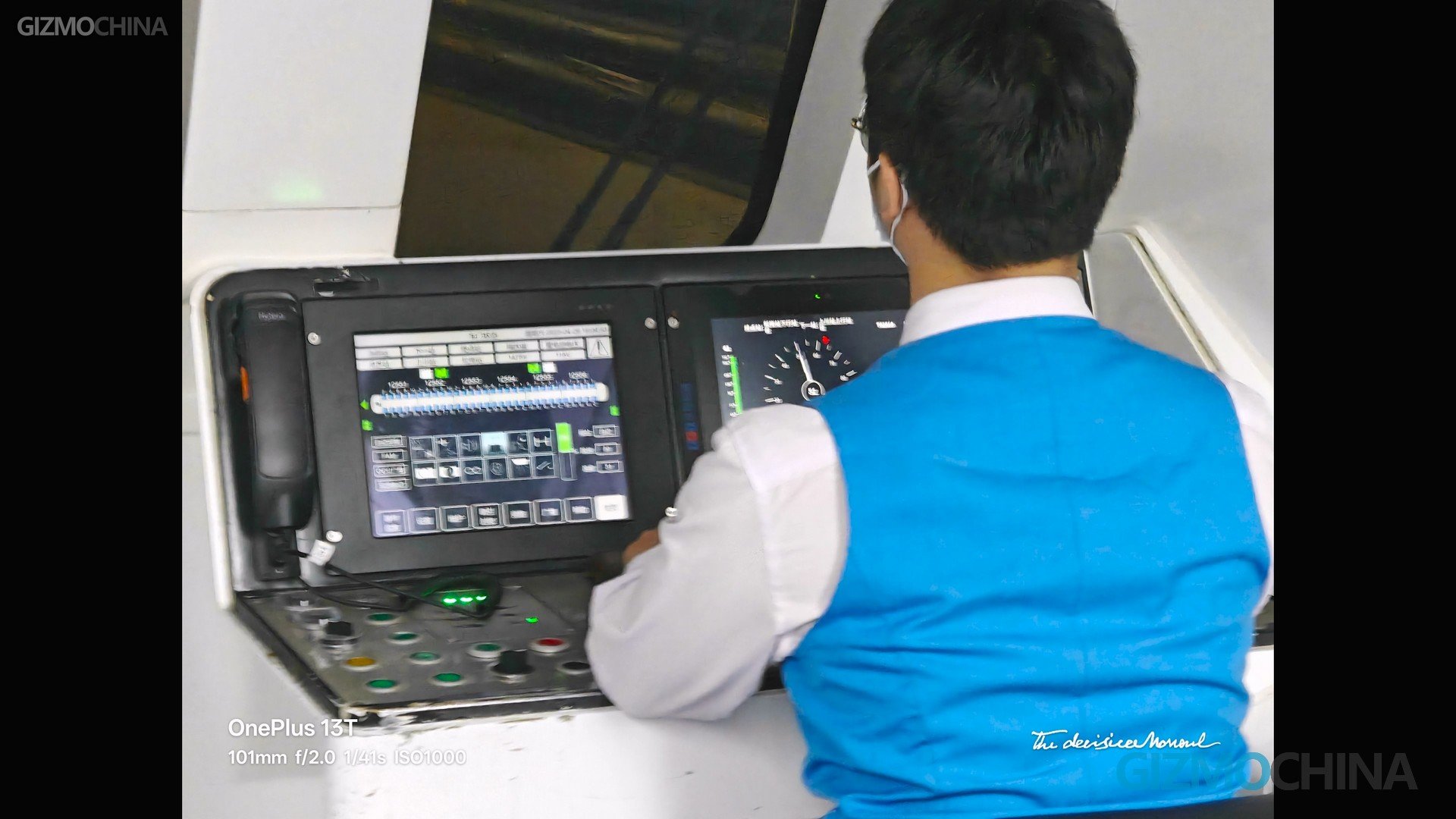
Then there’s the 2x telephoto. It’s usable in daylight, and even at 4x zoom, it’s tolerable. But at night, its flaws show: no OIS means frequent blur even with slgiht motion. You can check out the sample we shot at moderately lighting places like subway stations.

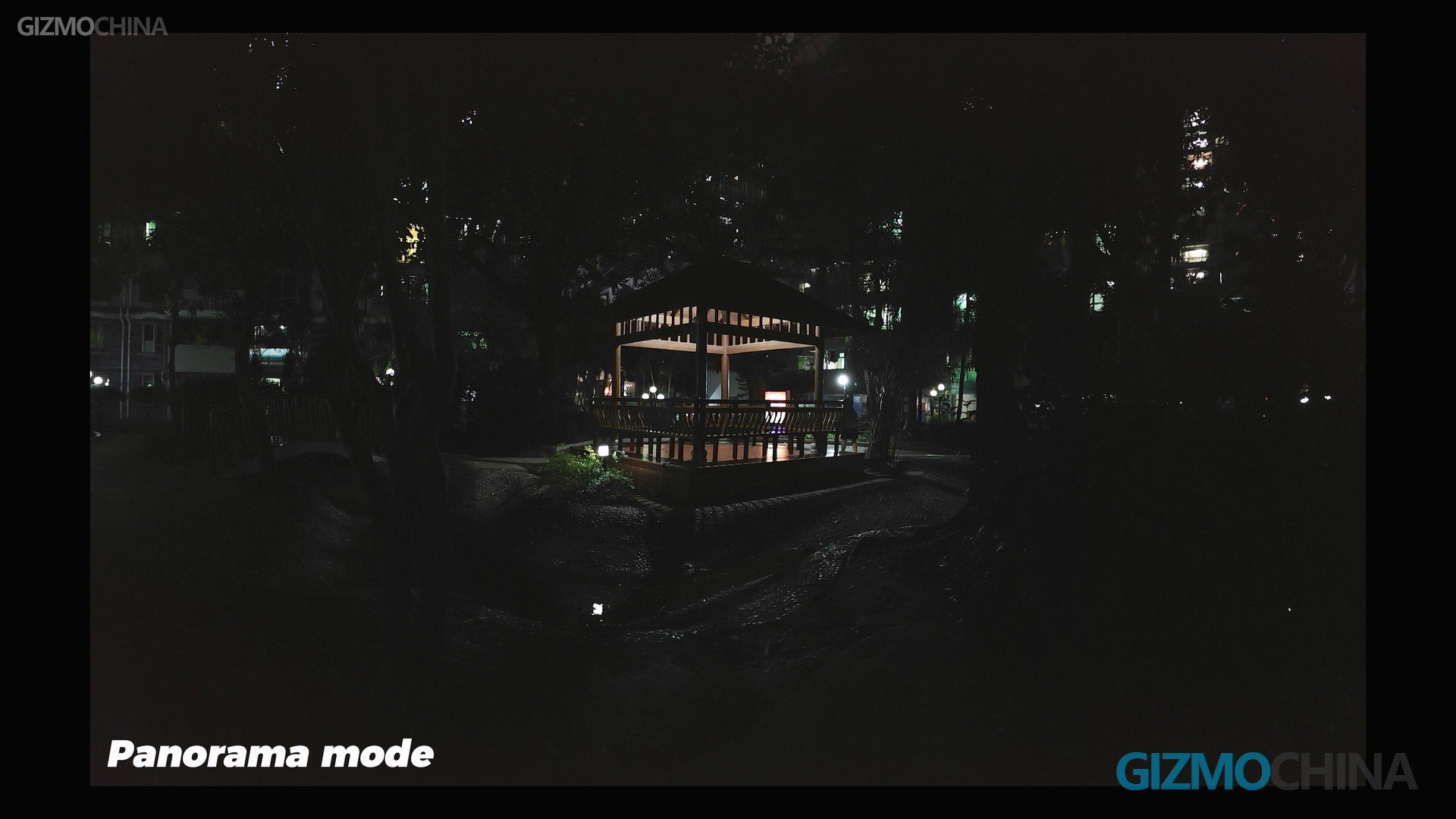
The lack of an ultra-wide camera is also frustrating. Sure, panorama mode can somewhat compensate, but without night algorithms, nighttime shots are almost unusable.

And the front camera maxes out at 1080p 30fps video. If it‘s a below-$400 phone, I could take it. But unfortunately, it costs $460.
In China, We’ve also heard some less-than-satisfactory voices about the OnePlus 13T in online discussions.. Although it was mentioned at the beginning that the 13T is $100 cheaper than the Xiaomi 15, that’s only based on the official price. The Xiaomi 15 has already been on sale for six months, and its price has dropped a bit on third-party retailers.
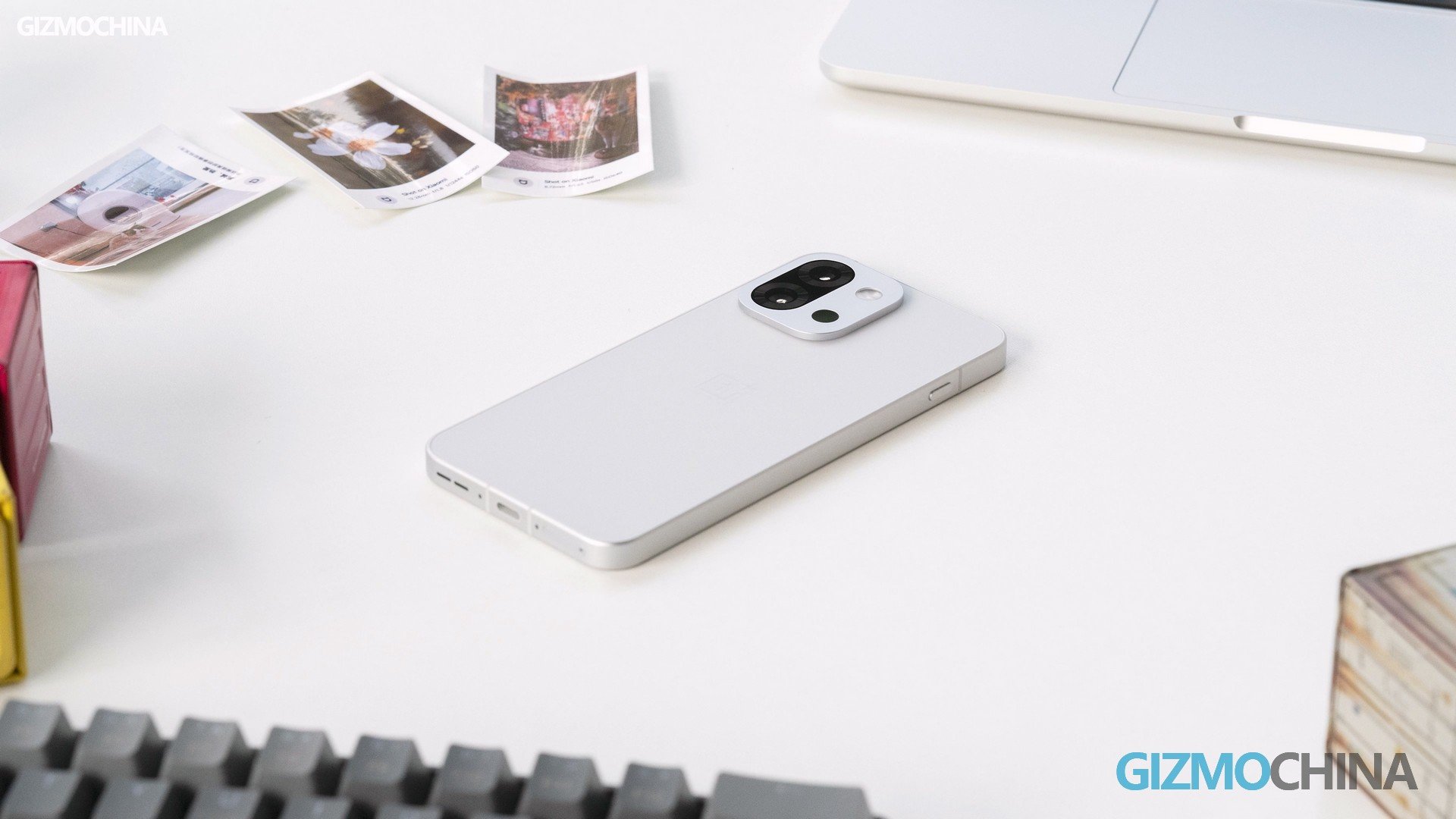
Compared to the OnePlus 13T, the Xiaomi 15 is now only about $50 more expensive. To save that $50, you’ll be missing out on an extra camera, wireless charging, an ultrasonic fingerprint sensor, IP68, and USB 3.0. We also have to note that the OnePlus 13T has a large enough battery, but it seems like that’s one of the few things it can really boast about.

Comments