
Add GIZMOCHINA as Preferred Source on Google
OnePlus 13T and Xiaomi 15 Pro both aim to redefine what users can expect from upper-tier Android flagships, but they target slightly different audiences. With rising expectations in performance, camera, and charging tech, comparing these two highlights the growing divide between premium value and ultra-premium features. This head-to-head is essential to help users decide whether spending more truly delivers proportionally better smartphone experiences.
1. Design and Display
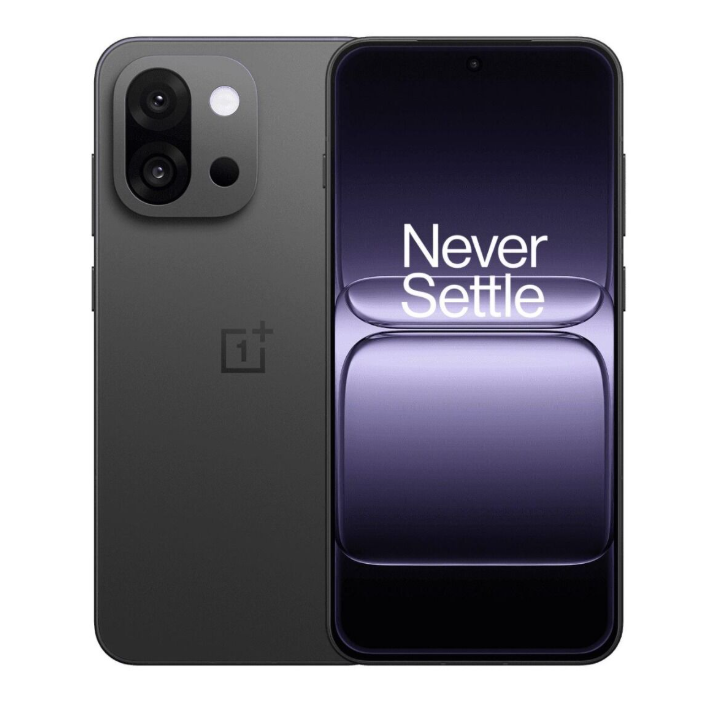
Build and Feel:
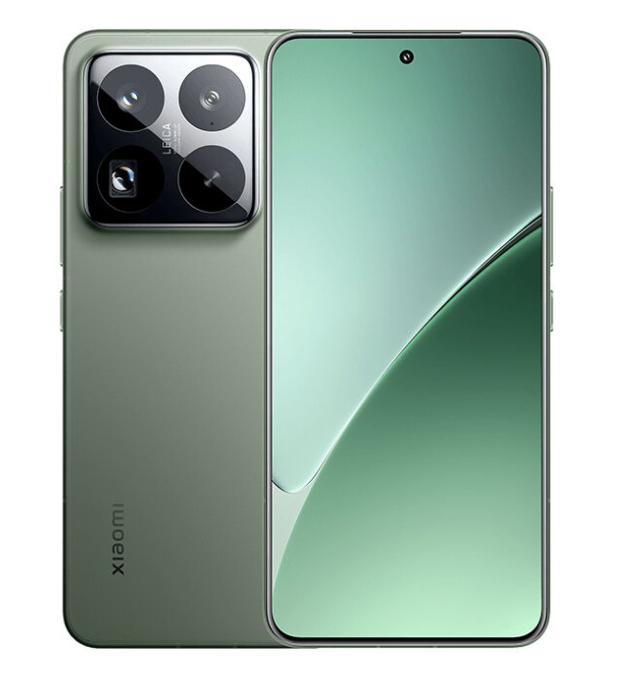
OnePlus 13T features a compact and lightweight design with a sleek aluminum alloy frame and IP65 rating. It’s more ergonomic in hand and ideal for users preferring smaller, manageable phones. In contrast, the Xiaomi 15 Pro is larger, heavier, and sturdier with an IP68 rating, giving it better protection in extreme conditions and more premium durability. For ruggedness and flagship-grade sealing, the Xiaomi 15 Pro leads. However, for compact design and ease of use, the OnePlus 13T is more practical.
Display Quality:
OnePlus 13T offers a 6.32″ LTPO AMOLED panel with Dolby Vision, HDR10+, and 1600 nits brightness, which provides sharp visuals and vivid contrast. The Xiaomi 15 Pro pushes ahead with a larger 6.73″ 1440p panel, offering superior sharpness at 522ppi, 3200 nits peak brightness, and 68 billion color rendering. It is more suitable for multimedia consumption, offering a brighter, crisper, and more color-accurate display. The Xiaomi 15 Pro is ahead in this category.
Verdict:
While the OnePlus 13T excels in portability and compact ergonomics, the Xiaomi 15 Pro offers better display quality and build durability. The latter wins this section due to its flagship-grade protection and superior screen experience.
2. Specifications
Performance:
Both phones run on the same Snapdragon 8 Elite chipset, ensuring top-tier performance. The OnePlus 13T uses OxygenOS 15 internationally, which offers a cleaner, bloat-free UI compared to Xiaomi’s feature-rich HyperOS 2. Both have UFS 4.0 storage and identical CPU-GPU configurations, making them equally powerful on paper. However, the lighter software of the OnePlus 13T gives it a slight edge in fluidity and RAM management, especially for multitasking and gaming over time.
Battery and Charging:
OnePlus 13T features a 6260 mAh battery with 80W wired charging and support for multiple charging protocols including PPS and PD. It even includes reverse-wired charging. Xiaomi’s 6100 mAh battery is slightly smaller but supports faster 90W wired and 50W wireless charging. Its inclusion of wireless charging, especially reverse wireless, makes it far more versatile. In charging speed and flexibility, Xiaomi is more future-ready.
Verdict:
Though both offer elite-level performance, the OnePlus 13T takes the edge in software efficiency. However, Xiaomi 15 Pro dominates with charging versatility and wireless options, giving it the upper hand in overall power and charging capabilities.
3. Camera
Main and Secondary Lenses:
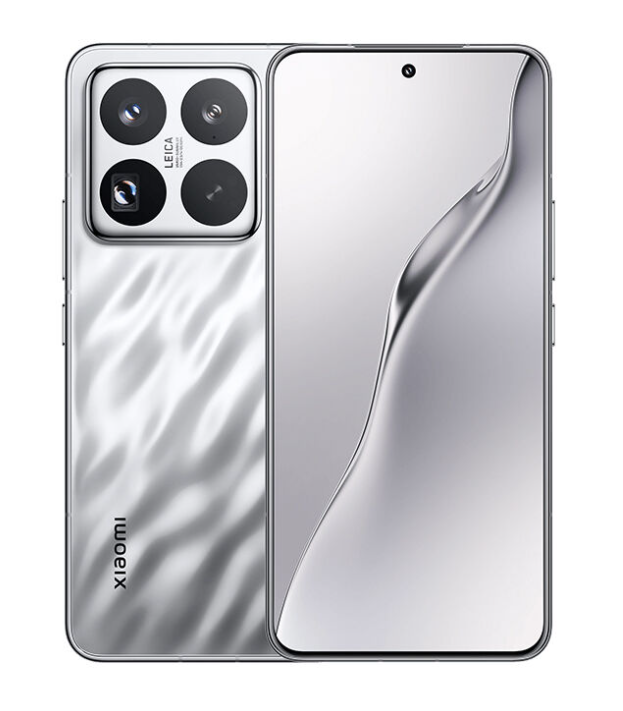
OnePlus 13T comes with a capable dual setup, including a 50 MP main and 50 MP 2x telephoto lens, which is solid but limited in versatility. Xiaomi 15 Pro, however, boasts a Leica-powered triple system with a larger main sensor, a 5x periscope telephoto, and an ultrawide lens. Its camera system is more advanced for zoom, landscapes, and low-light shots. Video capabilities are also superior with 8K recording, 10-bit HDR, and cinematic profiles. Xiaomi is the clear winner for photography enthusiasts.
Selfie Camera:
OnePlus 13T has a 16 MP front camera limited to 1080p video, which is serviceable but basic. Xiaomi’s 32 MP selfie shooter supports 4K recording and has EIS for stabilization, making it significantly better for vlogging, selfies, and video calls. The higher resolution and stabilization give Xiaomi a major advantage here.
Verdict:
Xiaomi 15 Pro outclasses the OnePlus 13T in both main and selfie camera performance. With a more versatile triple setup and superior front-facing specs, it’s the clear choice for photography and content creation.
4. Pricing
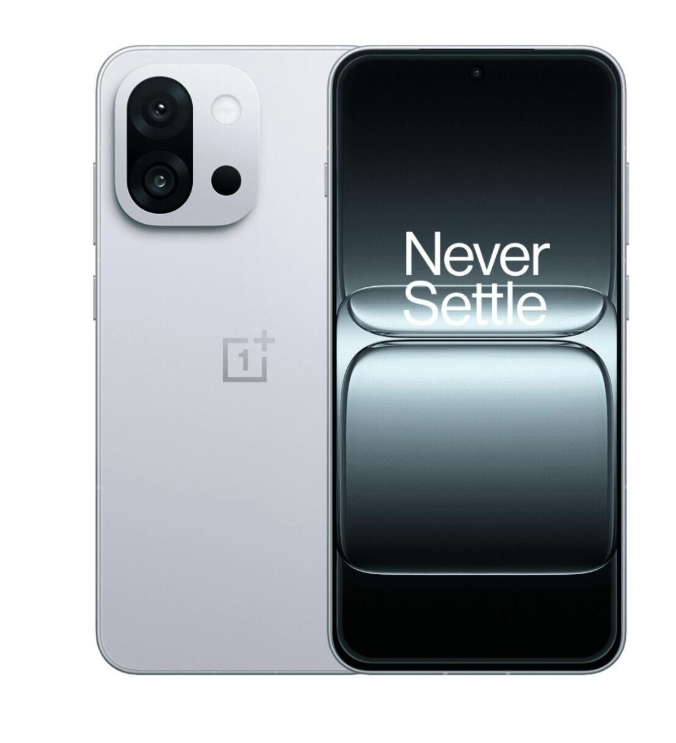
The OnePlus 13T is priced at approximately $440, offering flagship performance at a competitive rate. In contrast, the Xiaomi 15 Pro costs around $740, which is significantly higher. The price difference reflects Xiaomi’s more premium features such as better cameras, display, and charging. However, the OnePlus 13T delivers remarkable value for its price bracket, covering essentials with few trade-offs.
Verdict:
For budget-conscious buyers wanting top-tier specs at an affordable price, the OnePlus 13T is the better value. The Xiaomi 15 Pro justifies its higher cost with premium additions, but the price-performance ratio is in OnePlus 13T’s favor.
5. Conclusion
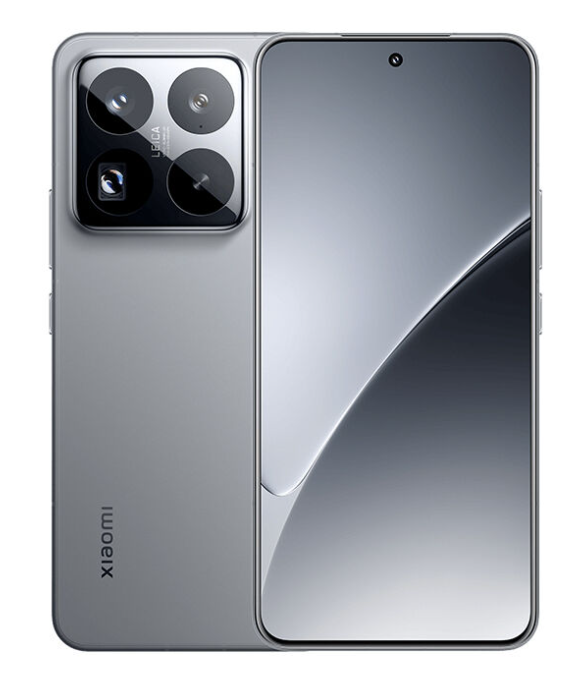
The Xiaomi 15 Pro includes standout features like two-way satellite communication, 5x periscope zoom, wireless charging, and 8K video support, features usually reserved for ultra-premium devices. It also integrates an ultrasonic fingerprint sensor, a barometer, and higher-grade IP68 protection. The OnePlus 13T, while more affordable, includes “Circle to Search,” a rare Google feature, and robust support for multiple fast-charging standards. However, it lacks an ultrawide camera, wireless charging, and a flagship-level front camera. Xiaomi packs more innovation and hardware sophistication overall.
Final Verdict:
OnePlus 13T stands out as an affordable flagship alternative, delivering elite performance, solid build quality, and clean software in a compact design. It’s ideal for users who value price-to-performance and practicality. The Xiaomi 15 Pro, meanwhile, excels as a premium powerhouse with a richer camera suite, better display, and more charging options.
For users prioritizing camera versatility, display brilliance, and all-around flagship features, the Xiaomi 15 Pro is the superior device. However, the OnePlus 13T remains the smarter purchase for value-focused buyers.
Read More:

Comments