Add GIZMOCHINA as Preferred Source on Google
Galaxy S25 Edge and Xiaomi 15 represent two flagship phones from major rivals, each pushing boundaries in design, performance, and camera technology. As users increasingly demand more from their smartphones, whether in power efficiency, imaging, or multimedia, the comparison between these two becomes essential. Understanding their differences helps identify which device better aligns with modern user expectations.
1. Design and Display
Build and Feel:
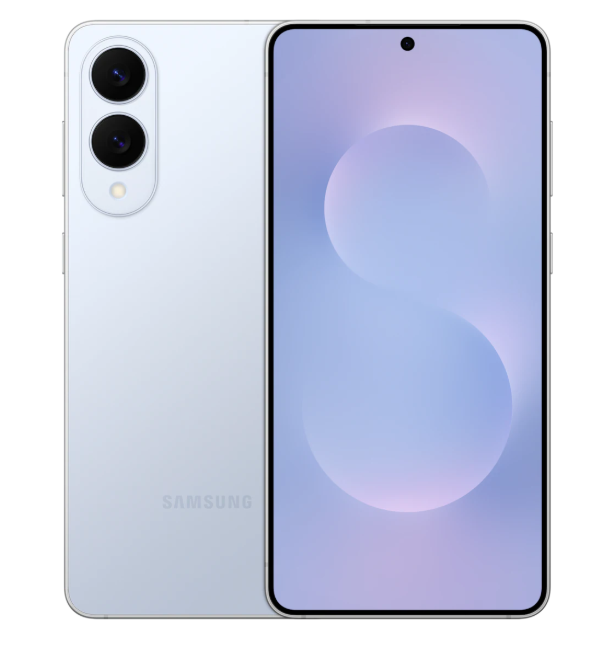
Galaxy S25 Edge uses a premium titanium frame with Gorilla Glass Ceramic 2 on the front, offering a more durable yet lightweight body. The Xiaomi 15, while well-built with an aluminum alloy frame and Shield Glass, feels slightly bulkier and heavier. The S25 Edge’s ultra-slim profile and minimalist approach make it stand out for users who prefer sleek, modern devices. Both are IP68-rated, but the S25 Edge’s build feels more refined due to its ultra-thin design and premium materials.
Display Quality:
Samsung offers a larger 6.7-inch LTPO AMOLED 2X panel with QHD+ resolution (1440p), resulting in sharper visuals at ~513 ppi. Xiaomi counters with a smaller 6.36-inch LTPO AMOLED, peaking at 3200 nits brightness and Dolby Vision support. While Xiaomi’s screen offers excellent HDR brightness and Dolby Vision, the Galaxy S25 Edge edges ahead in resolution and immersive display size.
Verdict:
Galaxy S25 Edge has a more premium feel due to its slim titanium body and sharper QHD+ display. While the Xiaomi 15 excels in brightness and color depth, the S25 Edge provides a better overall combination of ergonomics and screen quality.
2. Specifications
Performance:
Both phones feature the Snapdragon 8 Elite (3 nm) chipset, but the Xiaomi 15 uses an octa-core setup with more balanced high-performance cores (2x Phoenix L + 6x Phoenix M), potentially leading to slightly better sustained performance. Samsung’s 7-core design focuses more on peak performance but may throttle under long loads. Both use the Adreno 830 GPU and UFS 4.0 storage, ensuring high-end gaming and multitasking. Xiaomi also offers configurations of up to 1TB and 16GB RAM, providing more flexibility for power users.
Battery and Charging:
Xiaomi 15 takes a clear lead here. It features a much larger 5240–5400 mAh battery depending on region, compared to the Galaxy S25 Edge’s 3900 mAh. Charging is also faster on Xiaomi with 90W wired, 50W wireless, and 10W reverse wireless, versus Samsung’s modest 25W wired charging. Xiaomi clearly targets power users who want longer battery life and quicker top-ups.
Verdict:
Xiaomi 15 wins in battery life, charging speed, and RAM/storage versatility. While both phones perform similarly in raw power, Xiaomi’s efficiency and faster charging give it the edge for long-term usability.
3. Camera
Main and Secondary Lenses:
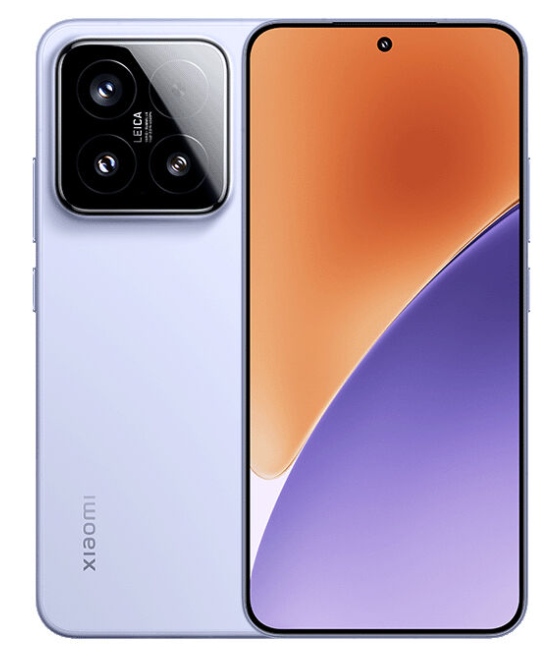
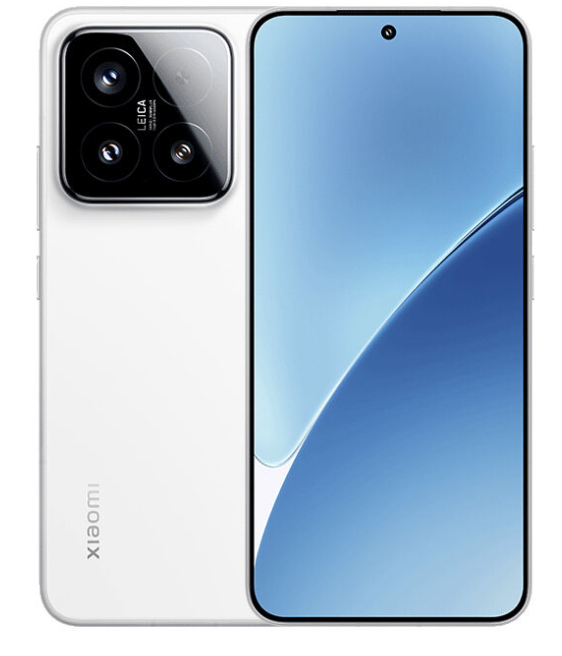
Galaxy S25 Edge features a 200 MP wide sensor and 12 MP ultrawide, delivering sharp images with good dynamic range. However, Xiaomi 15 offers a more versatile triple setup: a 50 MP wide sensor with a large 1/1.31″ sensor, a 50 MP telephoto with 2.6x optical zoom, and a 50 MP ultrawide with 115° field of view. The Leica optics, color spectrum sensor, and advanced HDR/Dolby Vision video capabilities enhance Xiaomi’s imaging potential significantly. Xiaomi is better suited for creative users who need flexibility across different photography modes.
Selfie Camera:
Samsung uses a 12 MP selfie shooter, which performs decently for casual use. Xiaomi, however, integrates a 32 MP front camera capable of 4K at 60fps with HDR10+, making it ideal for vloggers or video calls in high quality. The edge goes to Xiaomi for both resolution and video quality on the front camera.
Verdict:
Xiaomi 15 has a superior camera system overall, with triple rear sensors offering more photographic versatility and a better front camera for high-res content creation. The Galaxy S25 Edge relies heavily on its 200 MP main sensor but lacks optical zoom and variety.
4. Pricing
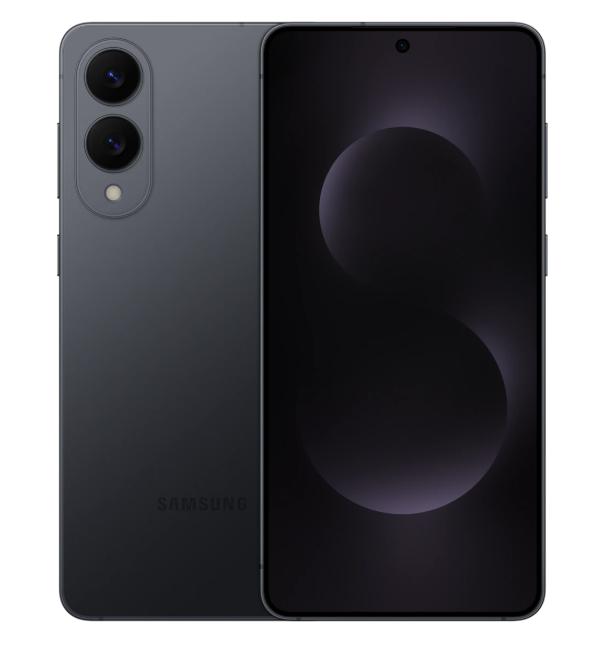
Galaxy S25 Edge is priced at approximately $1000, while the Xiaomi 15 starts at $1200 for higher RAM/storage configurations. Samsung provides better value for users focused on design, software, and QHD+ display at a lower price. Xiaomi, though more expensive, offers better cameras, longer battery life, and faster charging.
The price difference is justified by Xiaomi’s extra features, but the S25 Edge is a more cost-effective premium option.
5. Conclusion
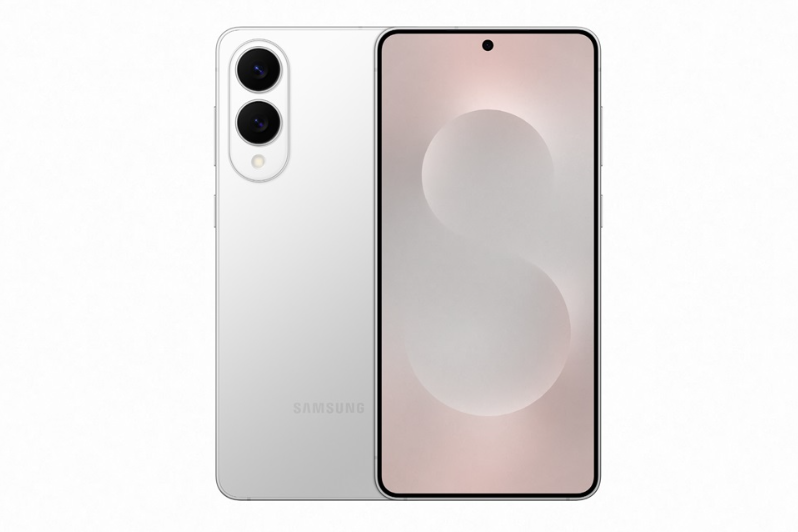
Galaxy S25 Edge stands out with its ultra-slim titanium design, high-resolution display, and One UI 7 integration with Samsung DeX and UWB support. It is ideal for professionals and users who prioritize elegance, portability, and software stability. On the other hand, Xiaomi 15 includes unique features like Leica-enhanced cameras, DisplayPort output, IR blaster, Dolby Vision video recording, and high-end charging capabilities, targeting power users and content creators.
Verdict:
Choose the Galaxy S25 Edge if you want a sleek, premium phone with a sharper display at a lower price. Go for the Xiaomi 15 if you value battery life, camera versatility, and multimedia performance and are willing to pay more for those extras. Both are excellent but tailored for different types of users.
Read More:
- Oppo Find X8s+ vs Xiaomi 15: The Winner Is Obvious
- Vivo X200 Ultra vs Pixel 9 Pro XL: Hardware vs AI, Who Wins?
- Vivo X200 Ultra vs OnePlus 13: Two Flagships, One Tough Choice
- Oppo X8s+ vs iPhone 16 Pro: Which One’s Worth Your Money?