
Add GIZMOCHINA as Preferred Source on Google
A few years ago, if you asked a smartphone maker about building a phone under 6mm thick, they’d probably laugh or worse, remind you of how badly that went last time. Thin phones used to mean thermal throttling, pitiful battery life, and bending under pressure. They were a dead trend, confined to the concept shelves.
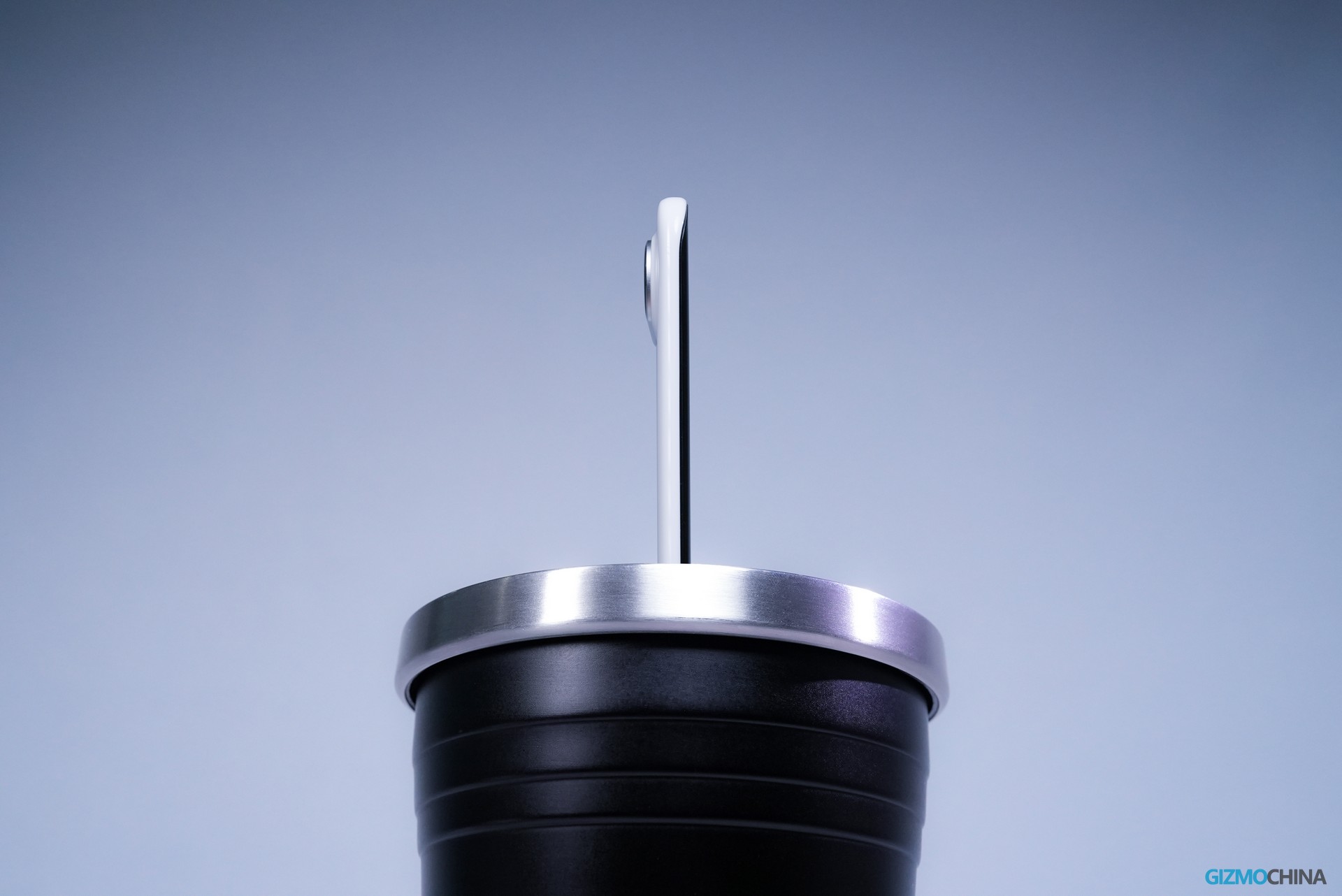
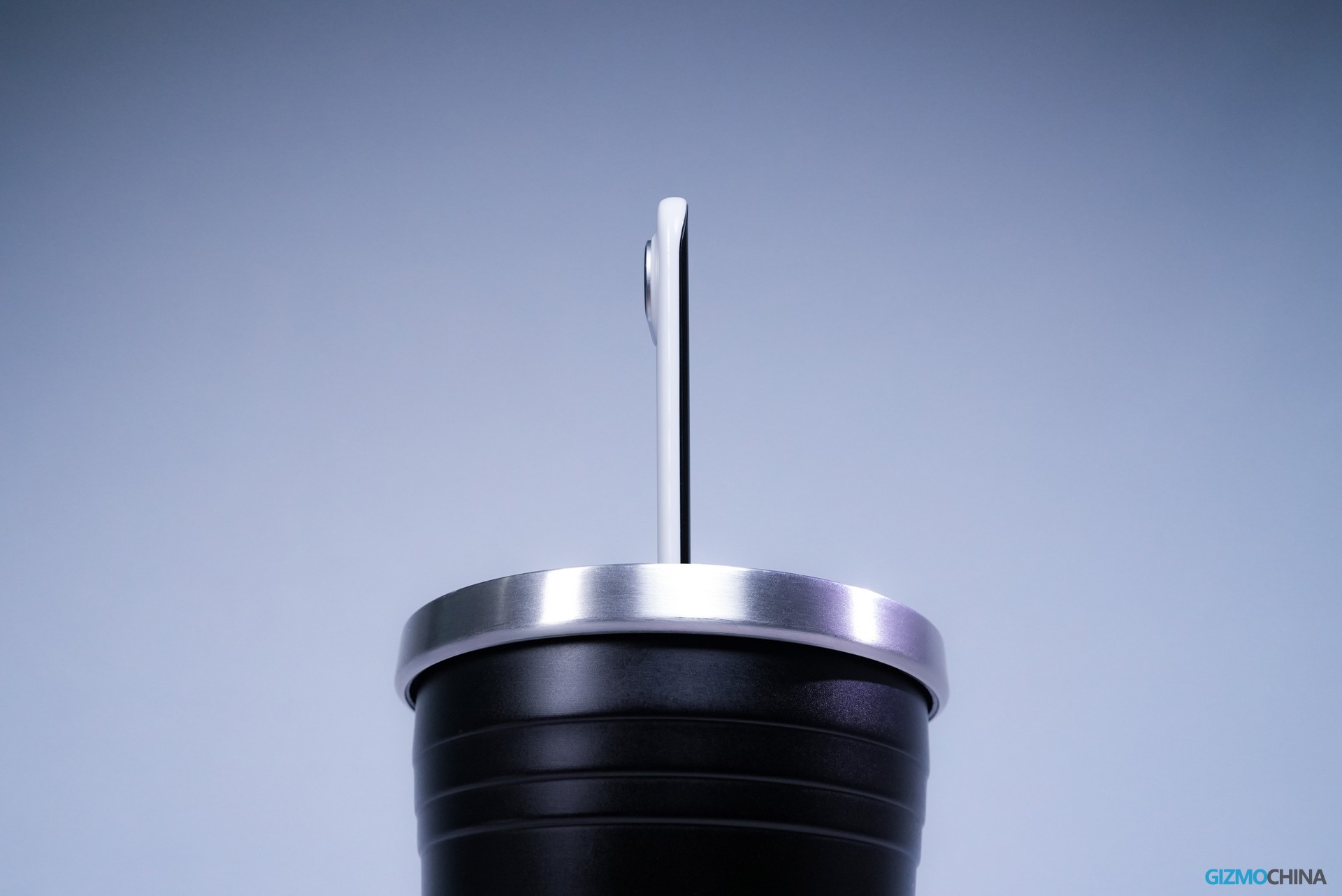
But somehow, in 2025, thin is trending again. Samsung’s new Galaxy S25 Edge is 5.8mm. Tecno also unveiled the Spark Slim concept at 5.75mm with a 5,200mAh battery (yes, really). Even Apple is rumored to be entering the race with the iPhone 17 Air, expected to arrive later this year at just 5.5mm.
This isn’t a throwback. It’s a reinvention.
Thin, Rebooted
The last era of ultra-thin phones ended badly. Devices like the Vivo X5 Max or Gionee Elife S5.1 were engineering marvels, but compromised everything else. Cameras were terrible. Batteries barely lasted a workday. Some bent under pressure from tight jeans.
This time, manufacturers aren’t just flattening their phones. They’re rethinking the stack.

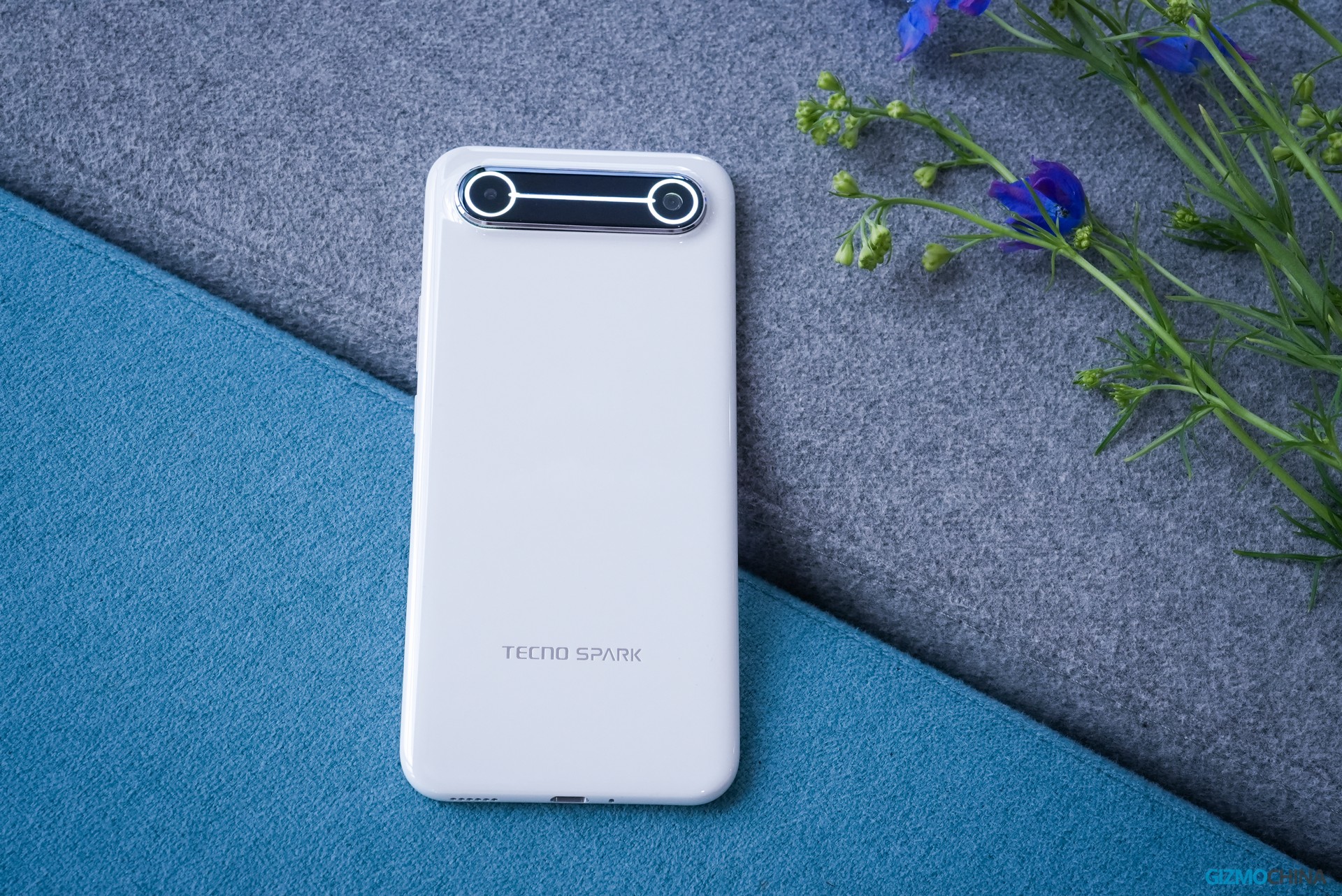
Take Tecno’s Spark Slim. At first glance, it looks like a design concept meant to impress on the MWC floor. But look closer, and it’s one of the most ambitious phones shown this year. It uses a layered packaging system called Honeycomb Structure Stacking, which compresses internal components tighter than typical flagships.
Combined with ultra-compact custom components and a high-density 4.04mm battery, Tecno manages something that feels almost impossible: fitting a full-day battery into a phone thinner than a USB-C cable. Instead of chasing the trend of silicon-carbon, Tecno sticks with a more proven Lithium Cobalt Oxide (LCO) chemistry, known for better long-term stability and resistance to swelling, which is critical in ultra-thin designs. The 45W fast-charging cell fills up in just 65 minutes.
Even more surprising, Tecno isn’t pitching this as a flagship. The company wants the Spark Slim or whatever version of it ends up in stores to sit in the mid-range, targeted at buyers in emerging markets.
That’s a sharp contrast to Samsung, which keeps the S25 Edge firmly in premium territory. It’s sleek, light, and stylish, but its 3,900mAh battery and 25W charging remind you that compromises still exist when you shrink things down. That device starts at $1,099. Tecno, meanwhile, wants to make thinness affordable.
Form Is Getting Smarter
The return of thin isn’t about nostalgia. It’s about a growing consensus that phones don’t need to be massive bricks to be powerful anymore. Chipsets are more efficient. Batteries don’t need to be enormous thanks to software-level optimizations. And for a lot of users, performance has already plateaued. Good is good enough.
But thin phones are still risky business. One wrong engineering choice and you’re back to devices that overheat, snap in half, or die by dinner. Thermal dissipation in particular remains a huge challenge. Tecno says its new graphene-based cooling system covers over 24,000mm² of internal space. That sounds impressive, but we won’t know how it performs until it hits consumer hands.
Samsung, to its credit, is playing it safer with a titanium body, ceramic glass, and modest power draw. And Apple? If the rumors are true, the iPhone 17 Air could be a design flex first and a performance machine second, more like a MacBook Air in spirit than a Pro Max killer.
Who Are These Phones For
That’s the real question. Because ultra-thin isn’t for everyone.
Gamers want cooling and endurance. Camera nerds want periscope lenses and massive sensors. Hardcore users want multiple days of battery life, not a slim silhouette.
But for a growing segment of users, especially in urban markets and developing regions, portability, comfort, and one-hand usability are winning again. Not everyone wants a slab. Some people just want a phone that feels like it fits.
And Tecno’s mid-market approach makes sense here. In cities where people are on the move all day, carrying multiple devices or navigating crowded transport, a below-150g phone that lasts all day is a compelling pitch. Thinness becomes more than cosmetic. It’s ergonomic.
The Bigger Shift Behind the Thin Trend
There’s also something deeper happening. The smartphone market has been locked in a specs race for years. More cameras, more RAM, more charging watts. But that’s made phones feel repetitive, even bloated. Ultra-thin phones don’t just look different. They represent a different set of priorities.
They show that it’s possible to achieve good performance and design without adding more bulk.
And that makes thinness less of a fad and more of a design philosophy, one that could ripple outward to other categories: tablets, wearables, maybe even foldables. After all, thin is essential when your device needs to bend or disappear into your pocket.
So, Is Thin Here to Stay?
Not everywhere. Most flagship phones will stay thick for now because they have to be. Bigger cameras, more sensors, and multi-day batteries aren’t getting any smaller. But in the middle of the market, thin might carve out a real niche. Not just as a fashion statement, but as a practical alternative to feature bloat.
Whether Tecno’s Spark Slim hits mass production or Apple’s iPhone 17 Air lives up to the leaks, one thing is clear. The thin phone isn’t dead. It just needed a smarter reason to exist.
And in 2025, it might have finally found one.
For more daily updates, please visit our News Section.
Stay ahead in tech! Join our Telegram community and sign up for our daily newsletter of top stories! 💡





Comments