

Add GIZMOCHINA as Preferred Source on Google
Ever wondered which Ultra phone takes the best photos? Join me as we compare the latest camera-focused phones from Vivo, Oppo, and Xiaomi! In this story – we’ll cover four main camera sections: main camera, ultra-wide, telephoto, and ultra-telephoto.
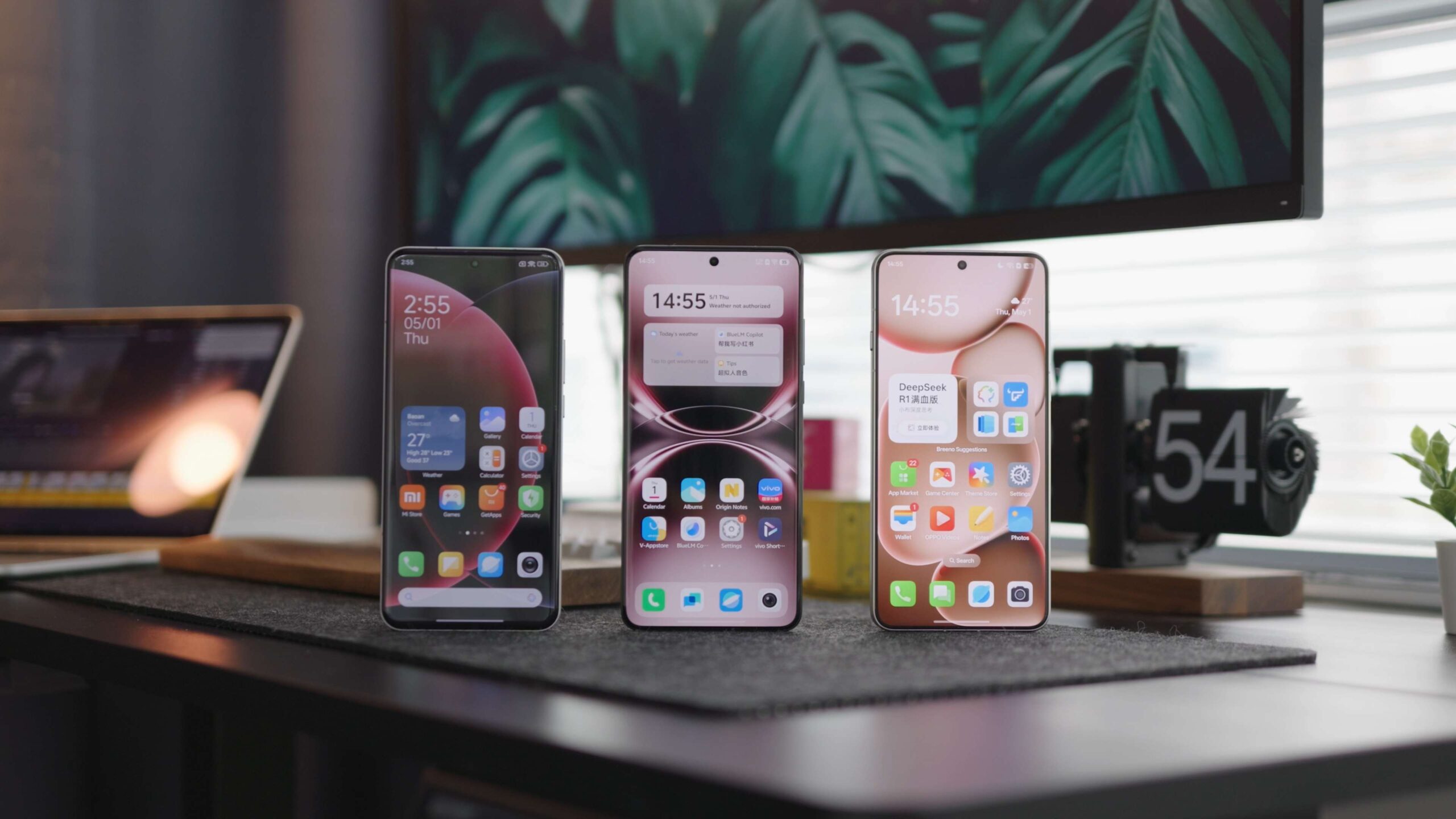
Meet Our Camera Competitors
Let’s check out the three phones we’re comparing! Each one comes with impressive camera hardware, but as we’ll soon see, specs on paper don’t tell the whole story.
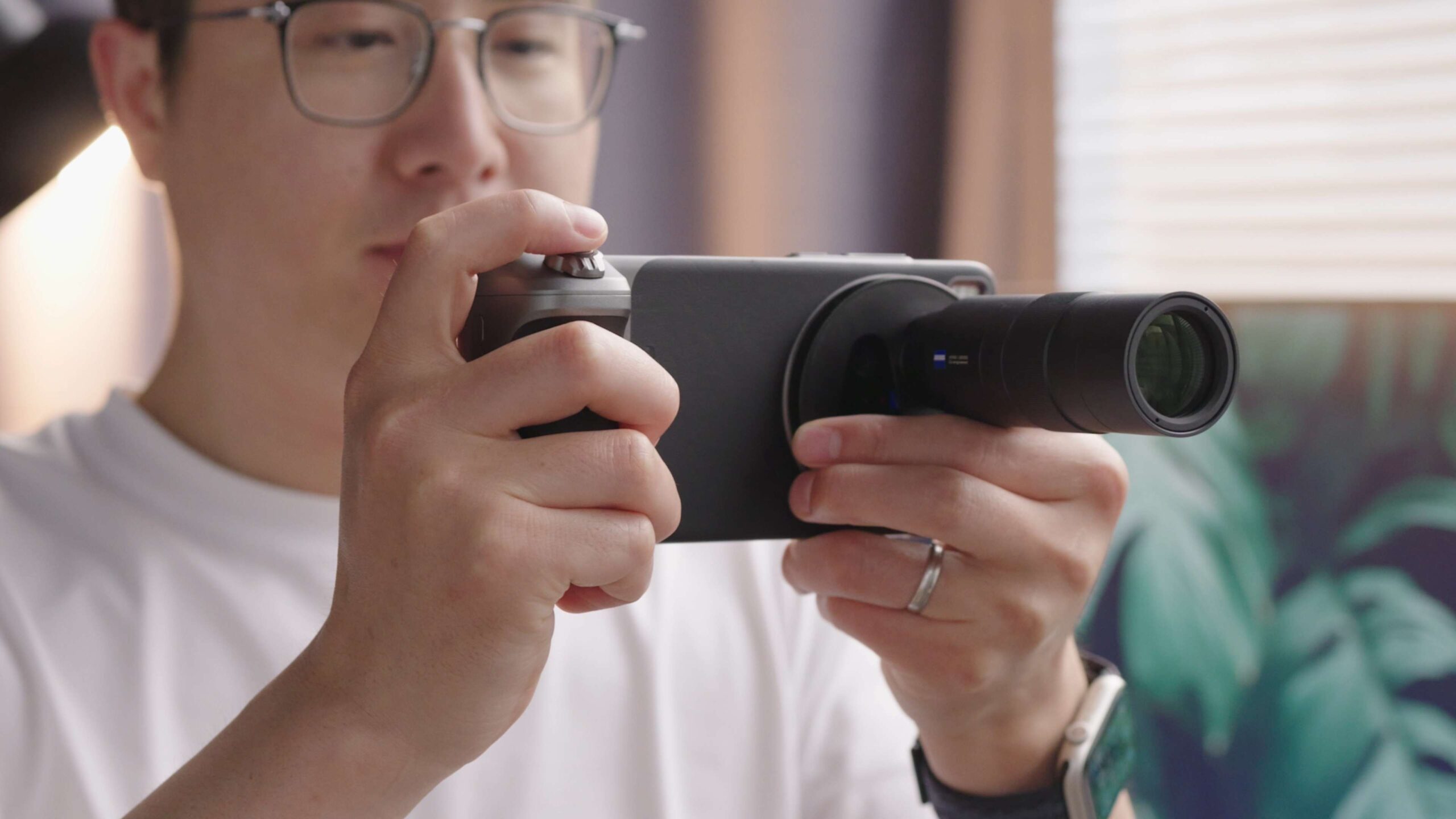
Interestingly, while Xiaomi and Oppo boast four cameras each, Vivo takes a different approach. Their fourth lens? It’s actually available as a separate $233 photography kit, almost like downloadable content for a premium game!
Since we want a fair fight, we won’t be discussing it in this comparison.
Curious about telephoto capabilities? Let’s start with those specs first.
Xiaomi and Oppo both have two telephoto lenses, while Vivo has just one 200MP 85mm telephoto that crops the image to zoom in further. Does this put Vivo at a disadvantage? With its smaller aperture and sensor, low-light performance might not be as good as its rivals—but let’s see what the actual photos show!
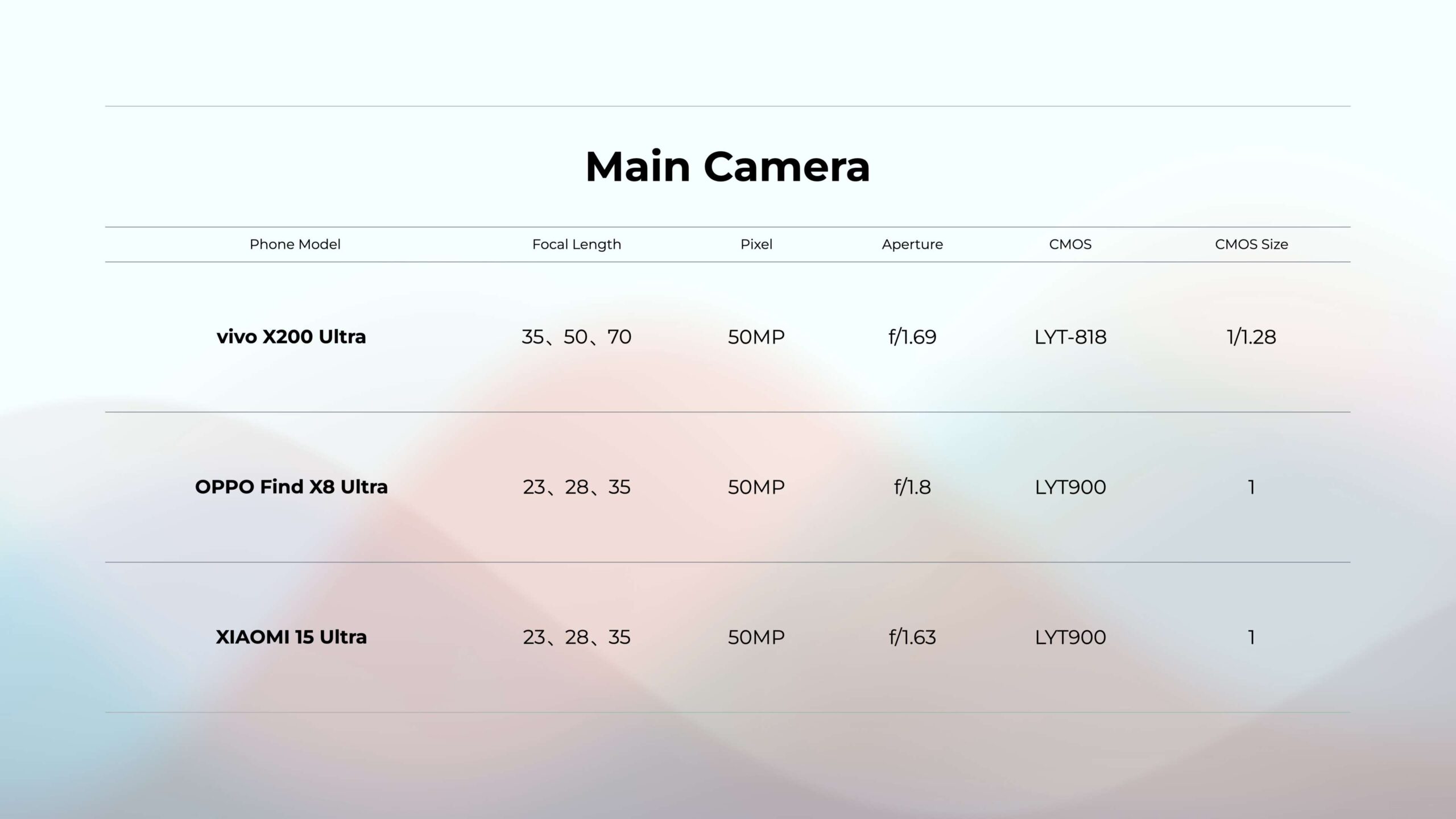
What about main cameras? Vivo zigs where others zag with a straight-up 35mm F1.7 lens, while Xiaomi and Oppo offer versatile 23mm defaults that can shift to 28mm and 35mm. This creates an interesting dilemma for our comparison: at 35mm, Vivo enjoys its native focal length advantage, while the others must crop. The same applies when we test 50mm and 70mm focal lengths—Vivo’s camera has to crop less from its 35mm starting point.
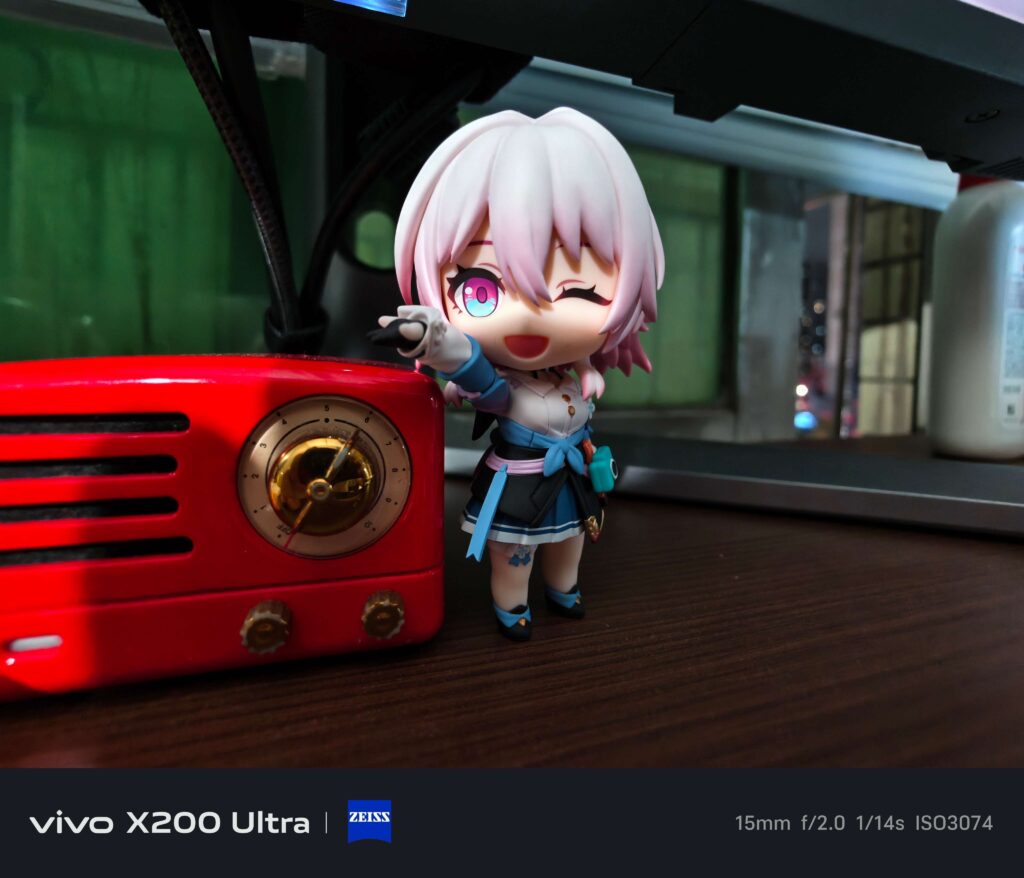
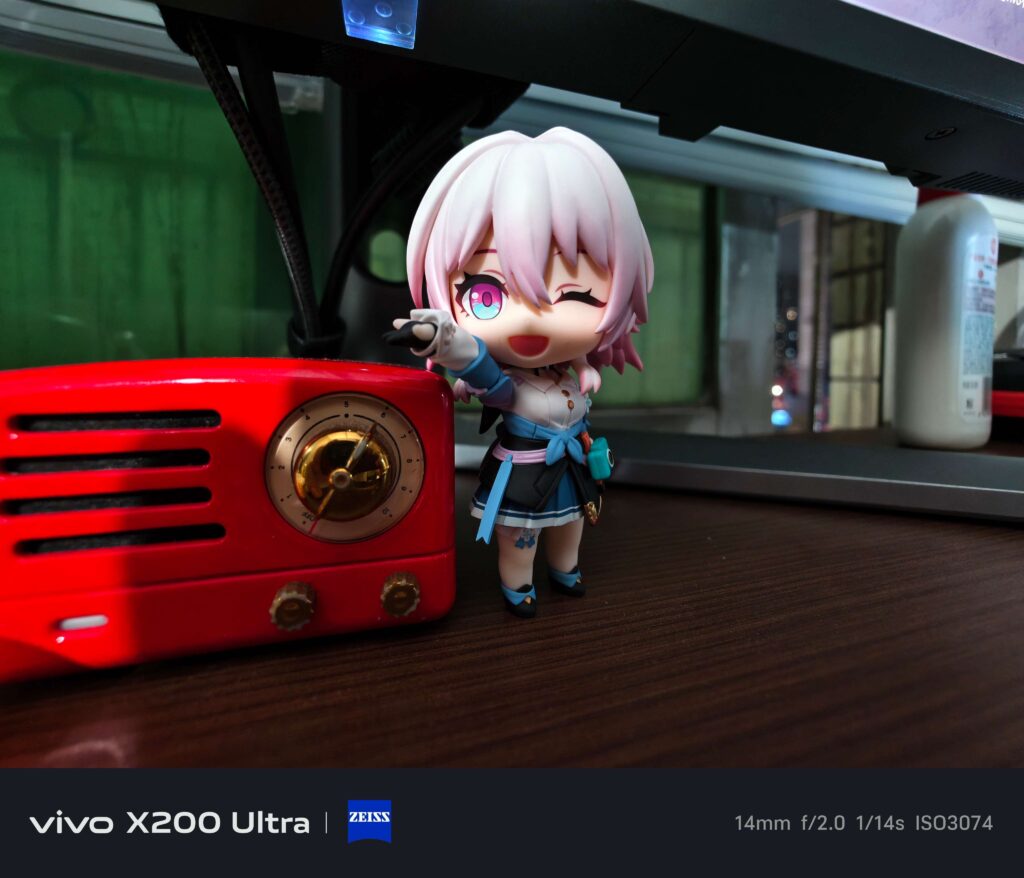
For wide-angle enthusiasts, Vivo provides a slightly wider 14mm view compared to the 15mm offered by competitors. Is one millimeter really noticeable? Take a look at these comparison shots from the Vivo X200 Ultra at 14mm versus 15mm:
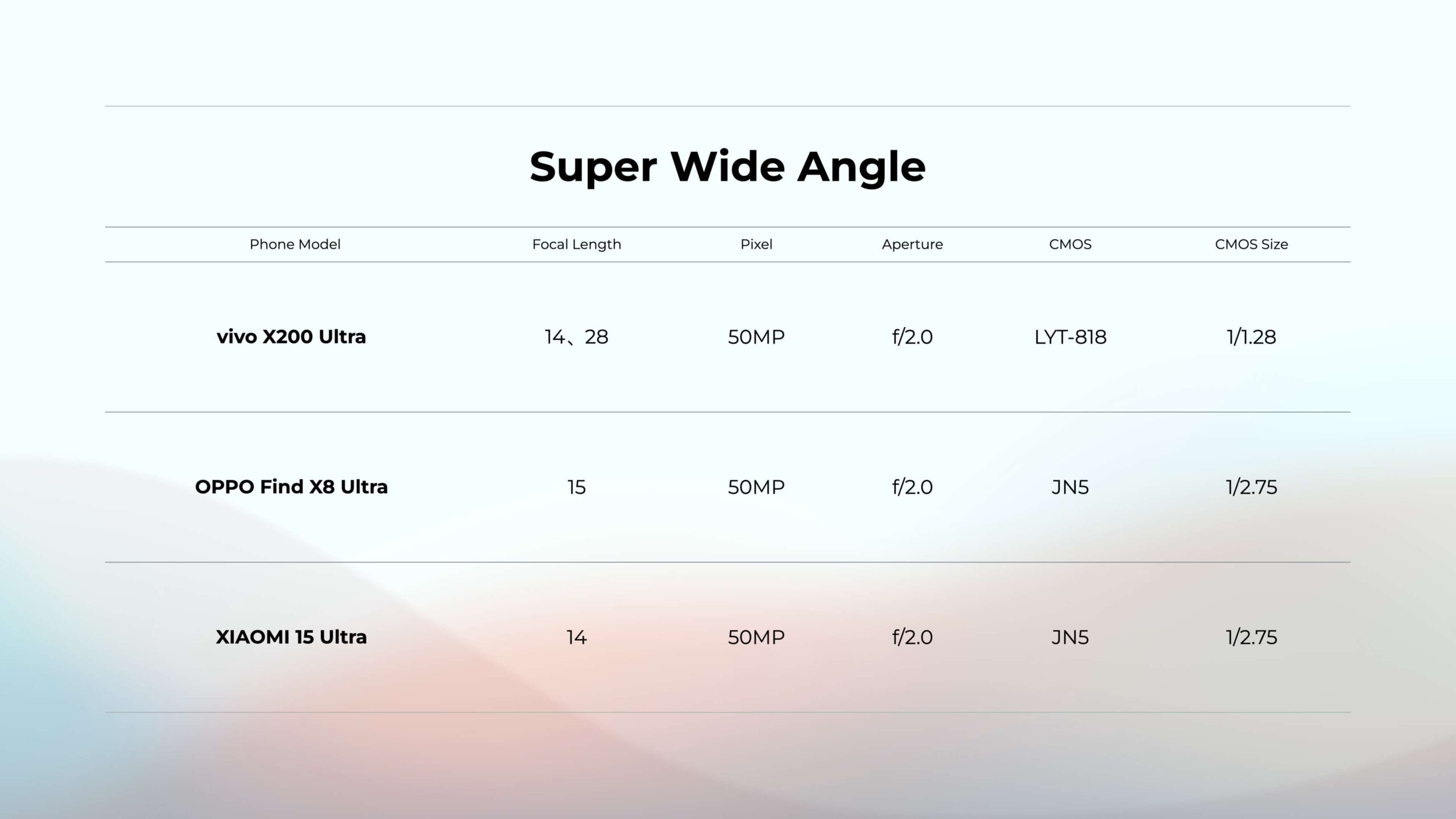
When it comes to the wide-angle lens, Vivo offers a 14mm angle of view. Though it doesn’t seem like much of an advantage compared to the others’ 15mm, I’ll use Vivo to take a 14mm and 15mm view and simply compare the integrity of the object at the edges. It becomes clear that even though there is only a 1mm difference, the difference in viewing angle is still significant.
But in terms of pixels and aperture, the three competitors are identical.
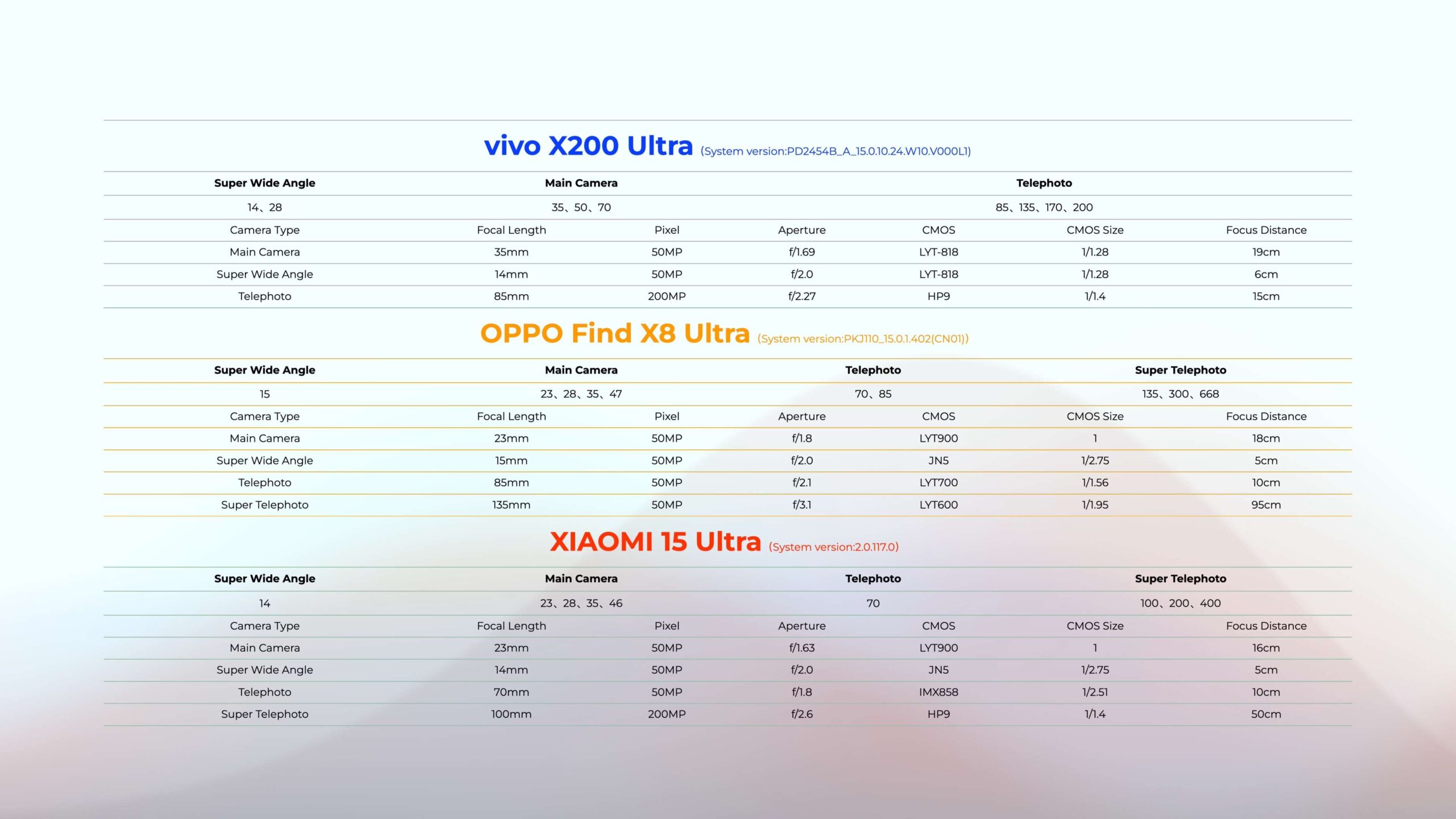
The final spec here is still missing a focus distance. Unfortunately, most of the competitors didn’t mention it. So we placed a hard disk at the end of the tape measure to test the focus distance. It can be noticed that although Vivo didn’t say they support macro, the wide-angle and telephoto can still achieve some macro effect. But with Oppo’s periscope telephoto, the focusing distance is very long, so sometimes when you use 6x, you have to turn on macro mode to get it in focus.
Lets Test the Main Camera and Ultra-Wide
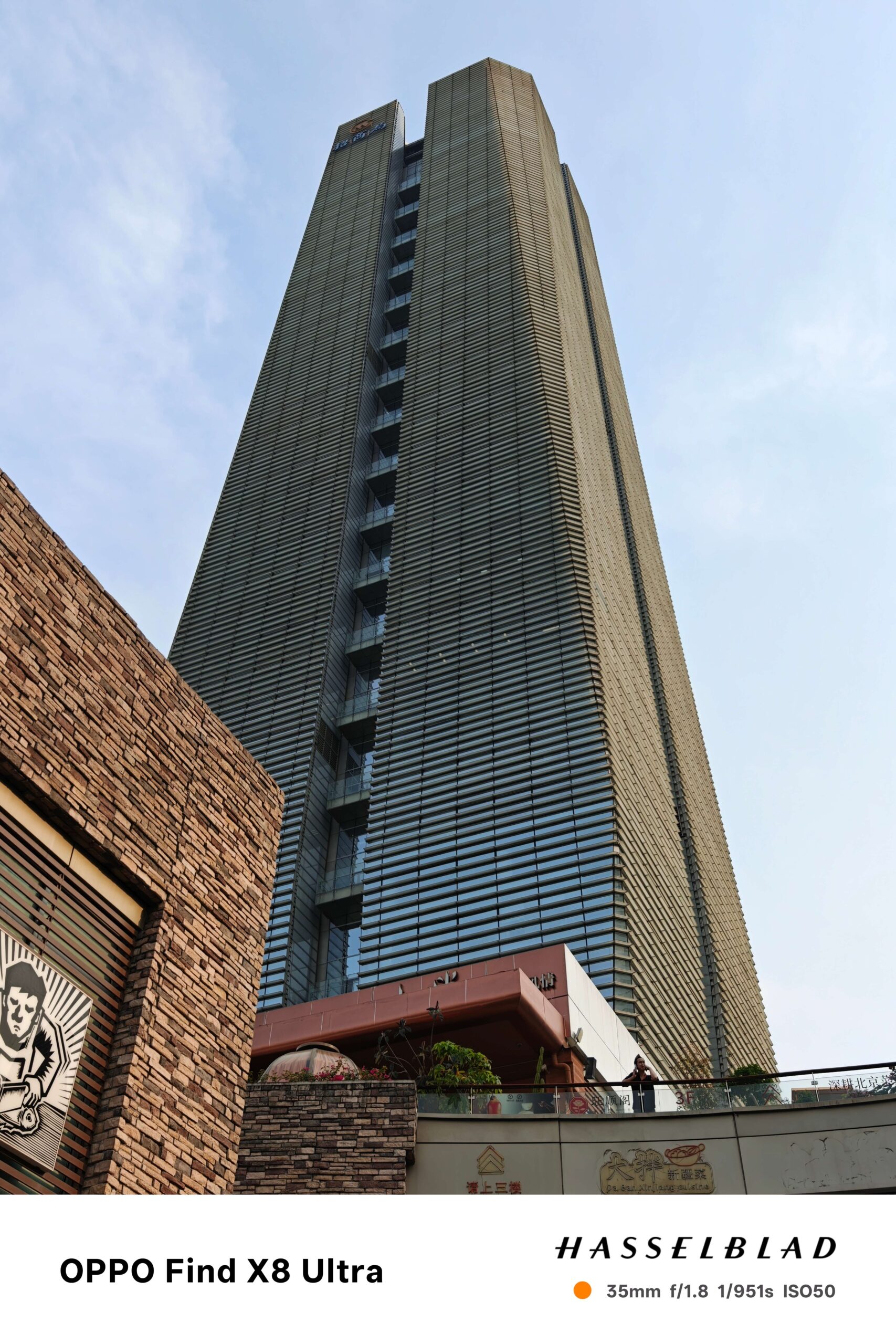
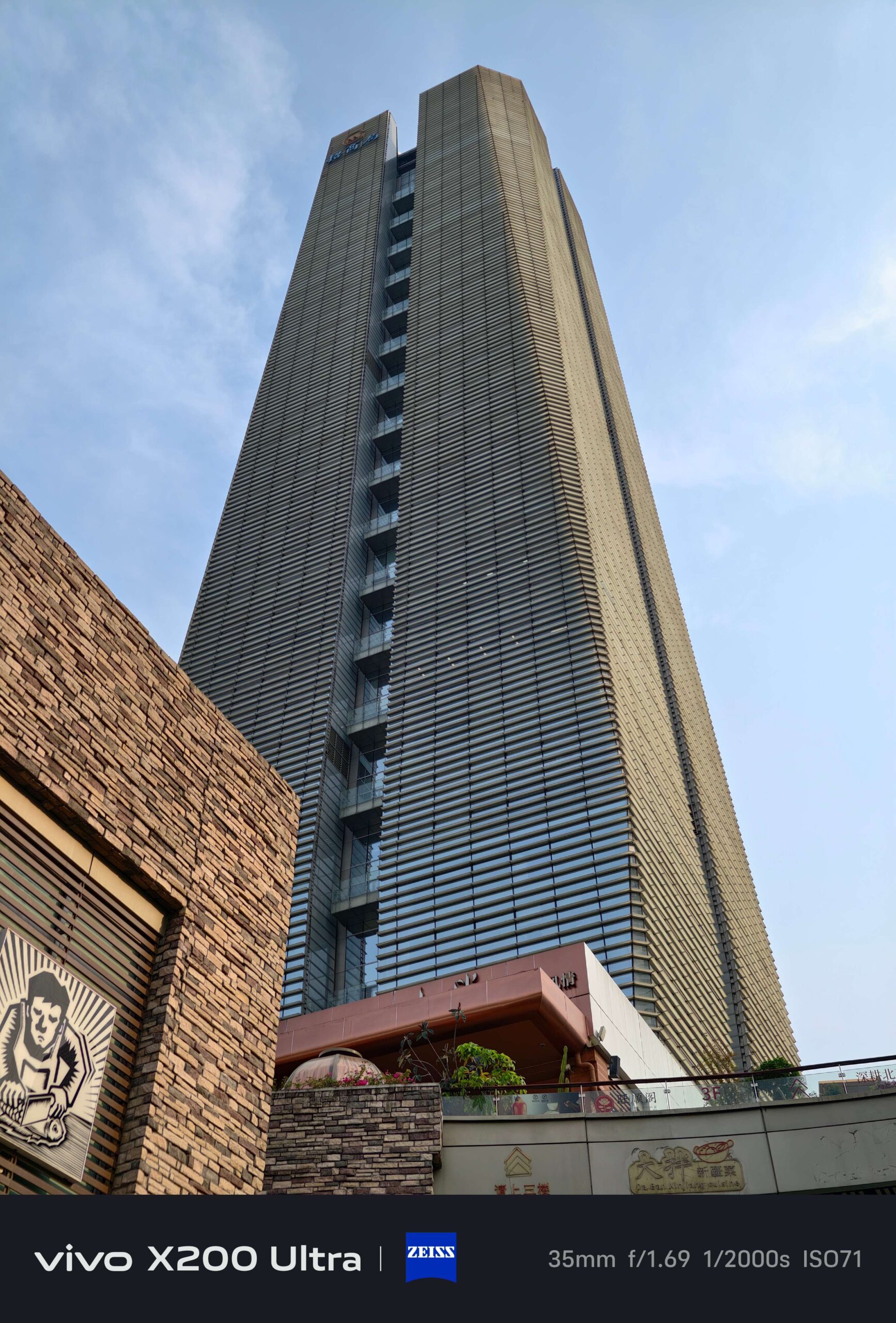
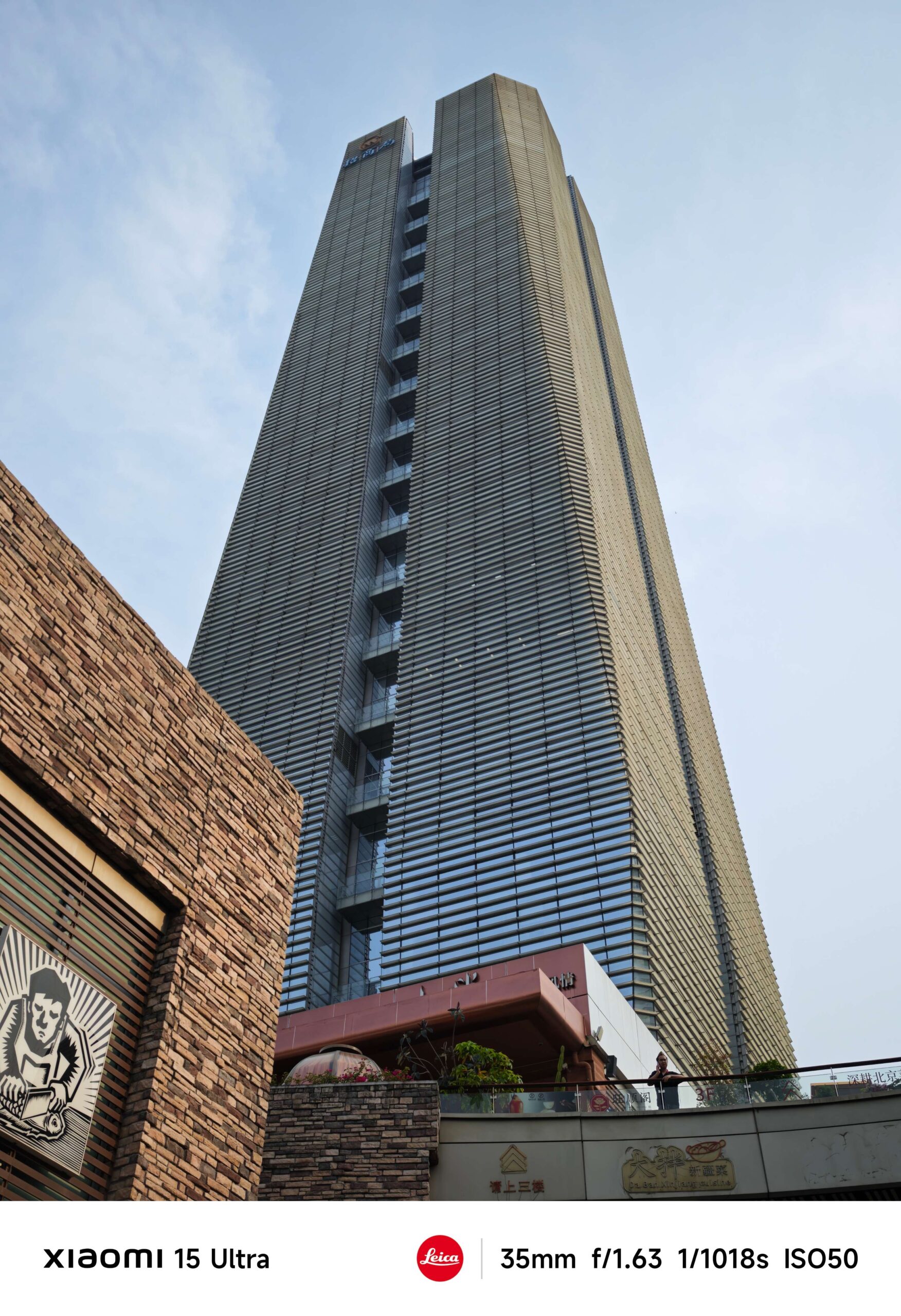
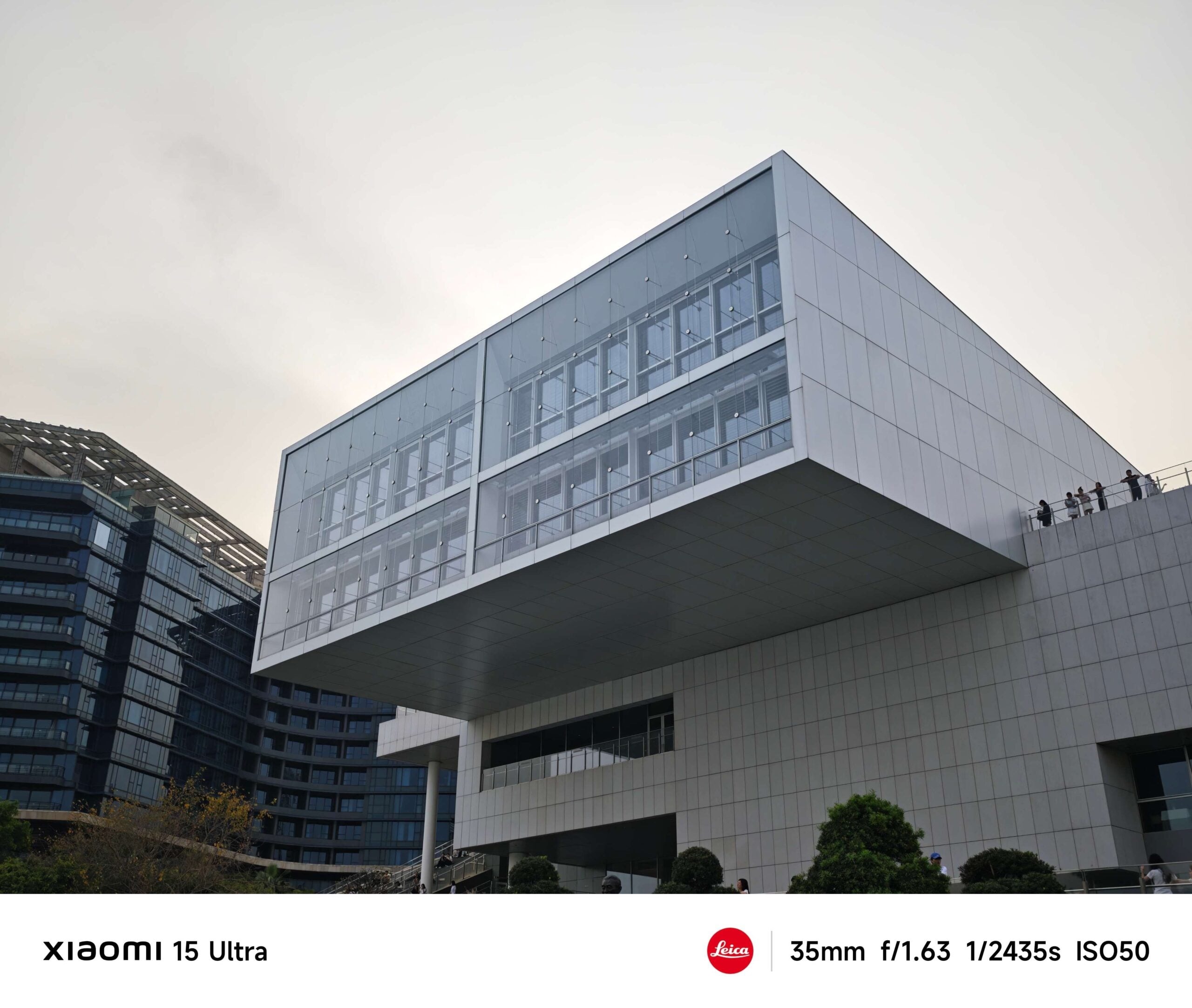
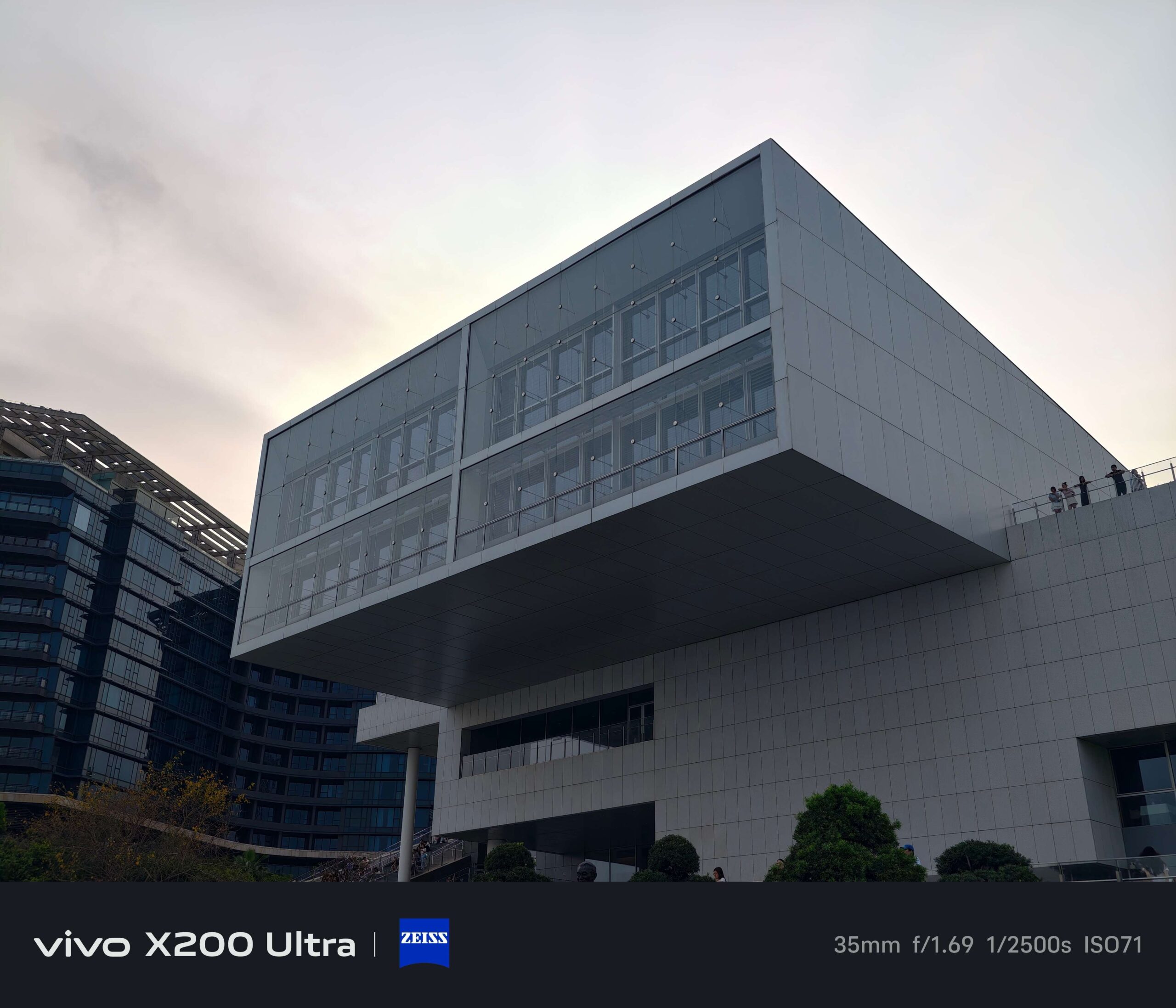
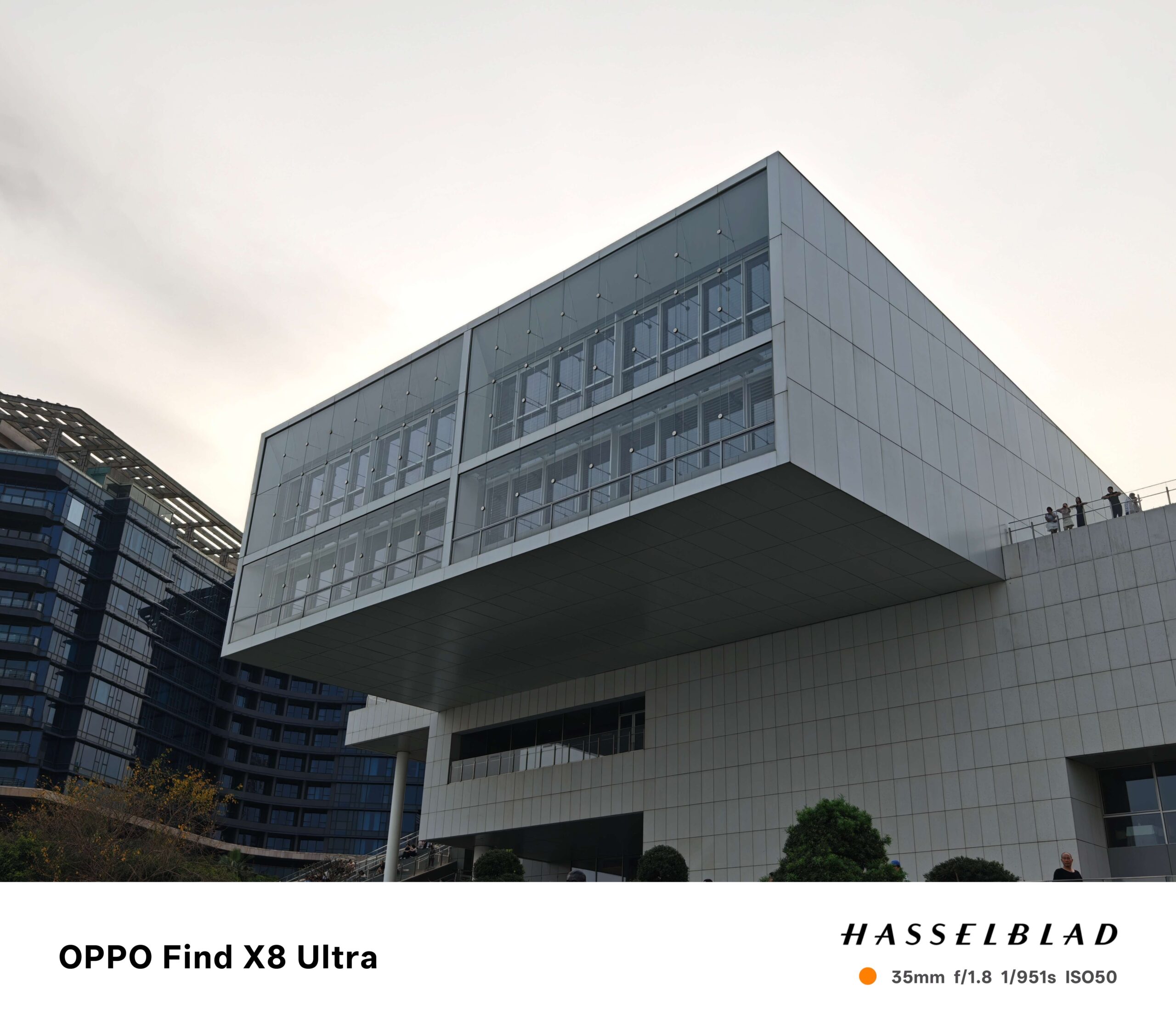
We shot the photo of the building using a 35mm focal length during the daytime. Overall, the difference between them is not too significant. Each phone can provide high definition and rich details, with natural color reproduction and moderate contrast. Only the Vivo X200 Ultra uses the native focal length, while Xiaomi and Oppo use a cropped 1-inch main camera. Overall, all three phones meet high standards during the day.
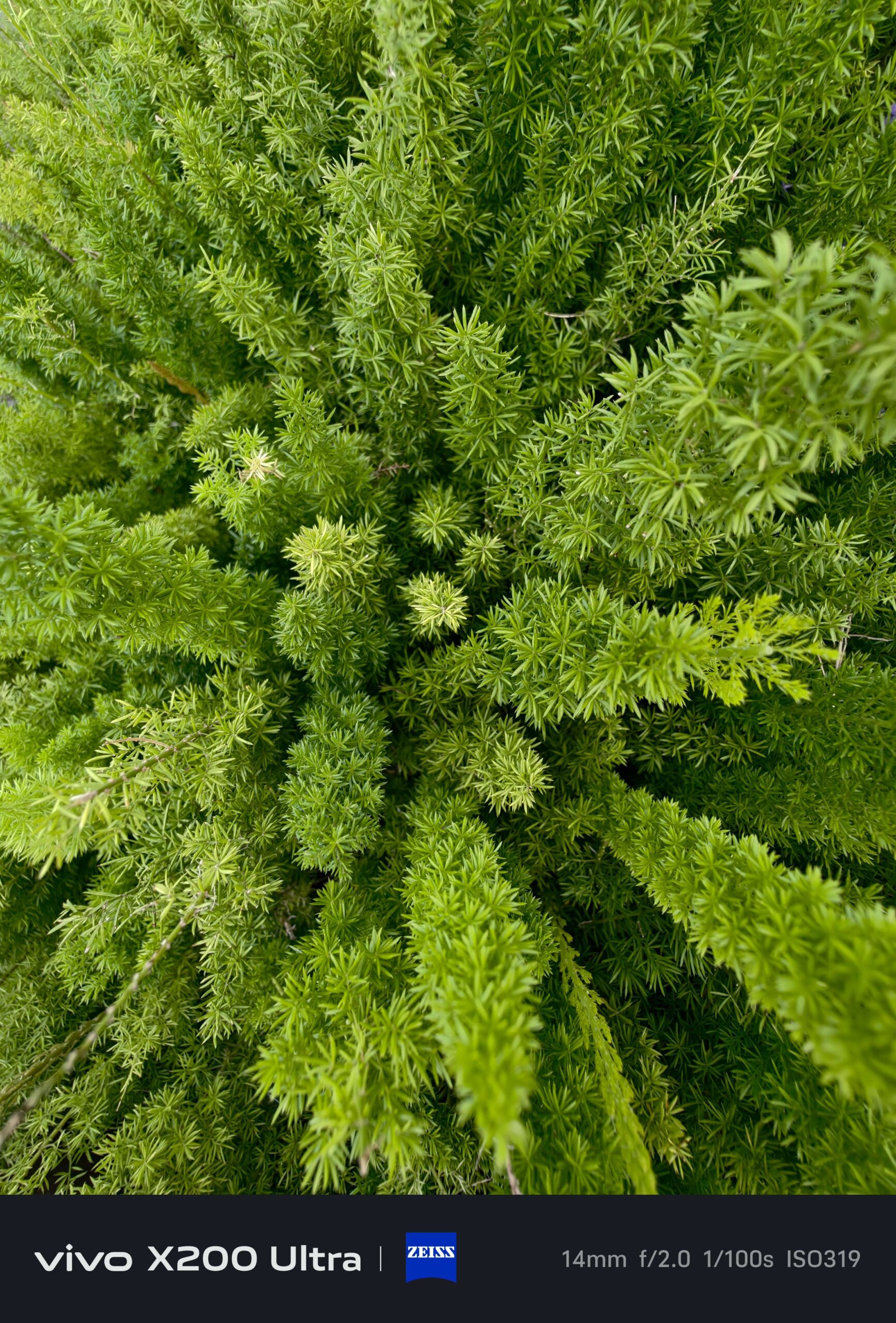
What happens if it’s pure greenery? In the first group, Xiaomi has the highest saturation and more layers. It stands out when put together with the other two photos. But if you observe some out-of-focus greenery around the periphery, it can be a bit eye-catching. This also happens with the Vivo photos, but Oppo doesn’t have this problem. But overall, every photo is excellent. It’s three different styles. So, which one would you prefer? Feel free to share your thoughts in the comments section.
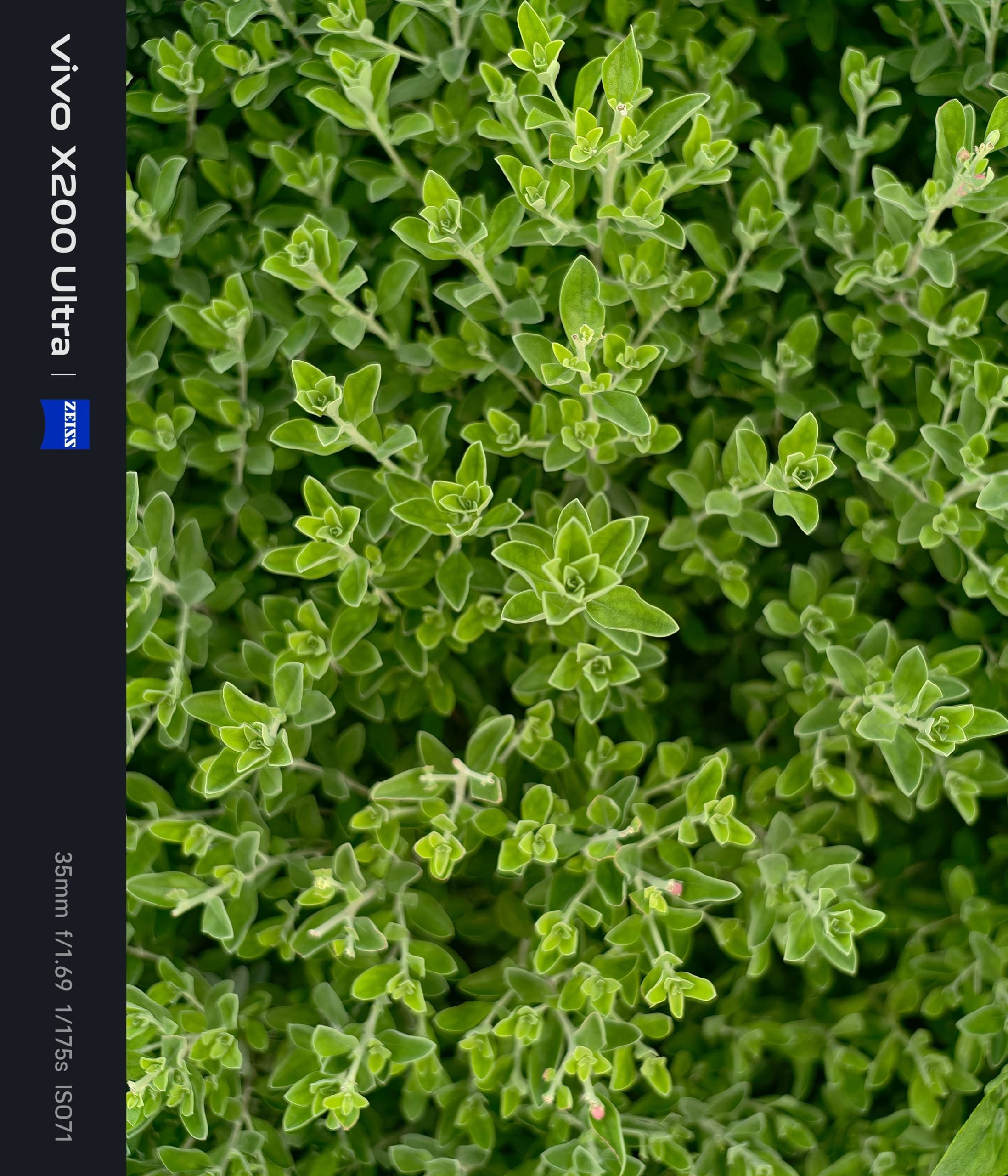
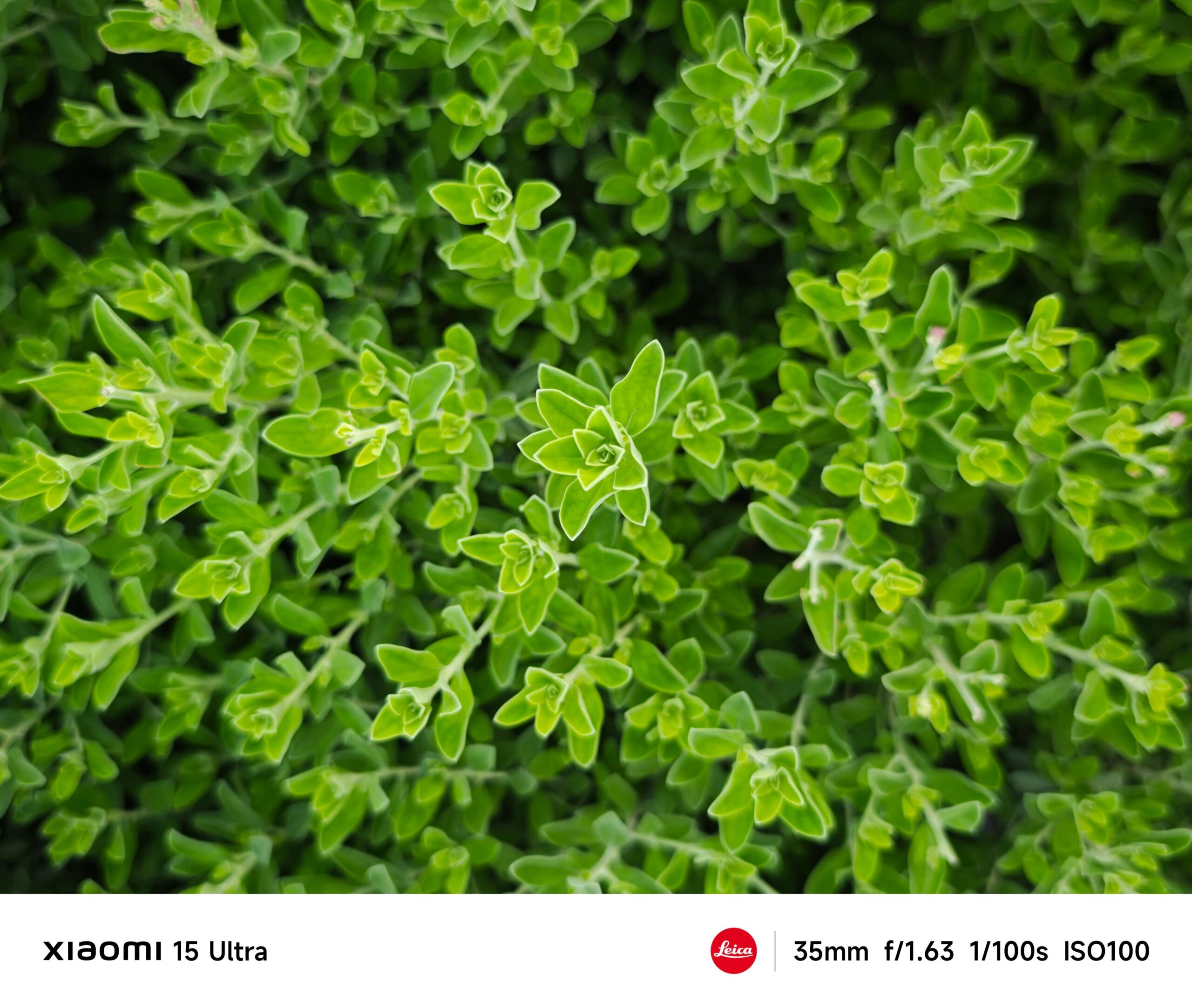
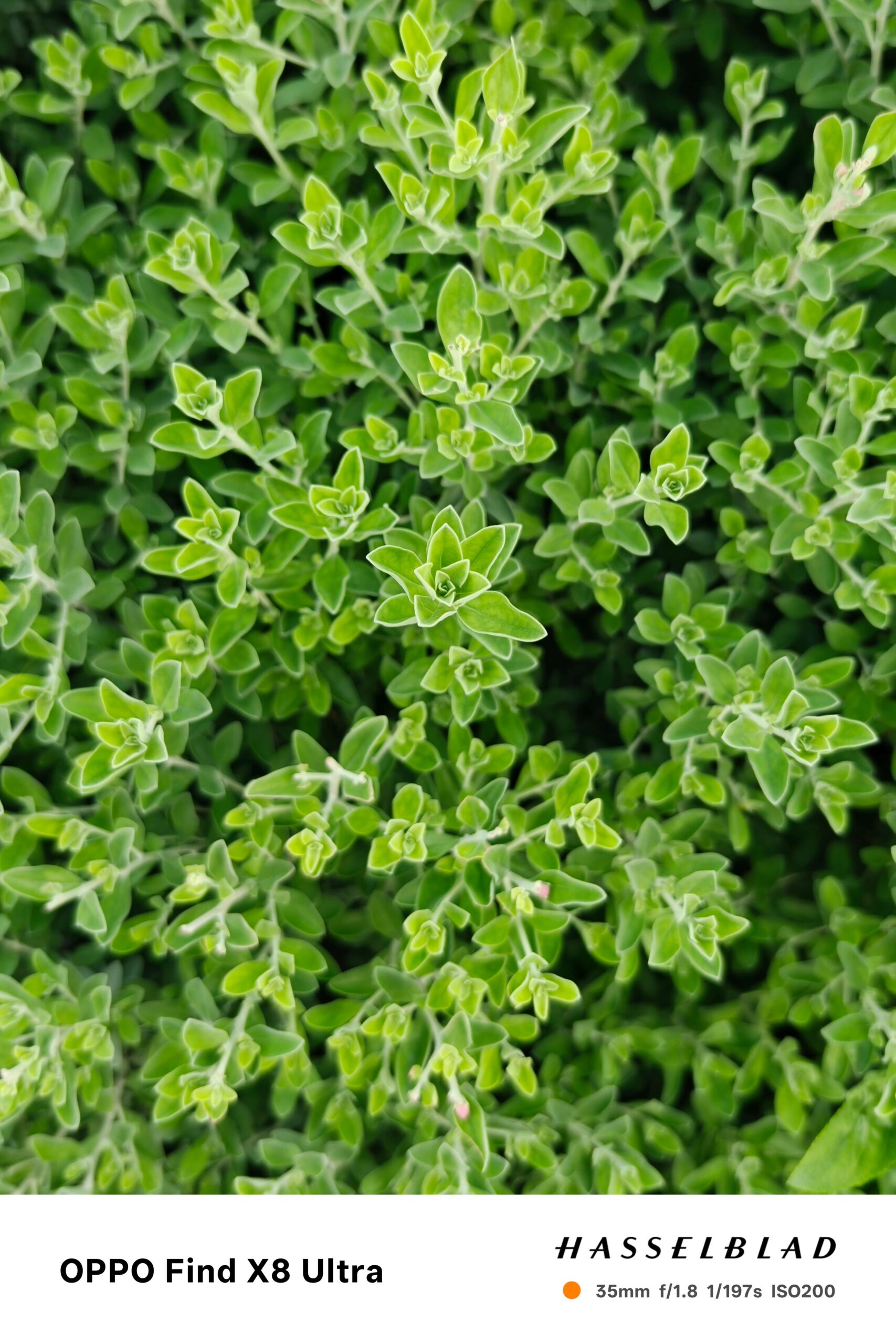
Let’s take a normal shot. Xiaomi’s image still clearly shows the plant details, with natural colors but a bit yellowish. The layering from the background bokeh is still as rich as ever, but it’s not as easy on the eyes as before. Vivo maintains the plant details while keeping the noise under better control, and the color performance is soft. Oppo offers clear plant details and good color reproduction, and the background bokeh is more pronounced, but the layering is still a bit weak.
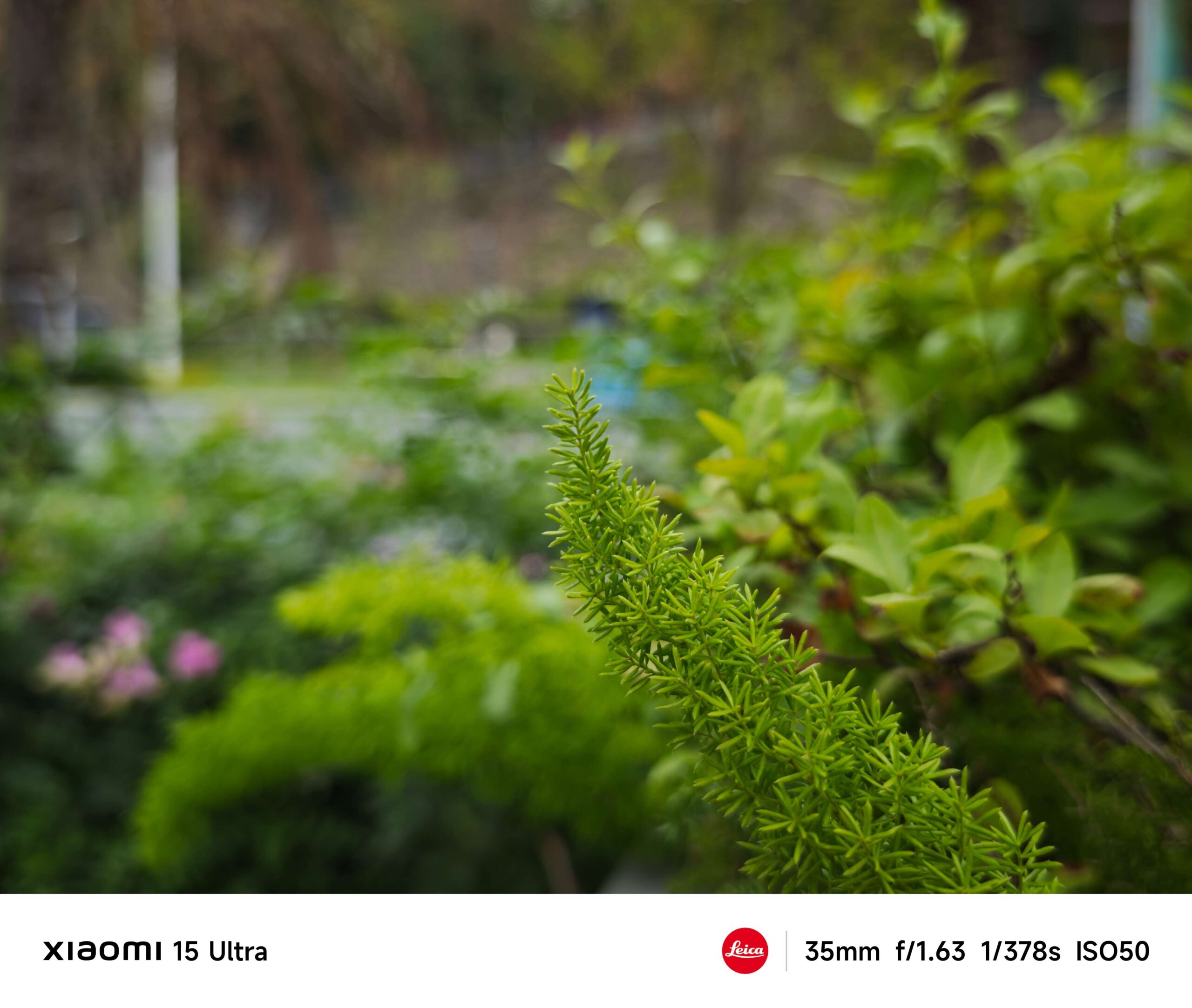
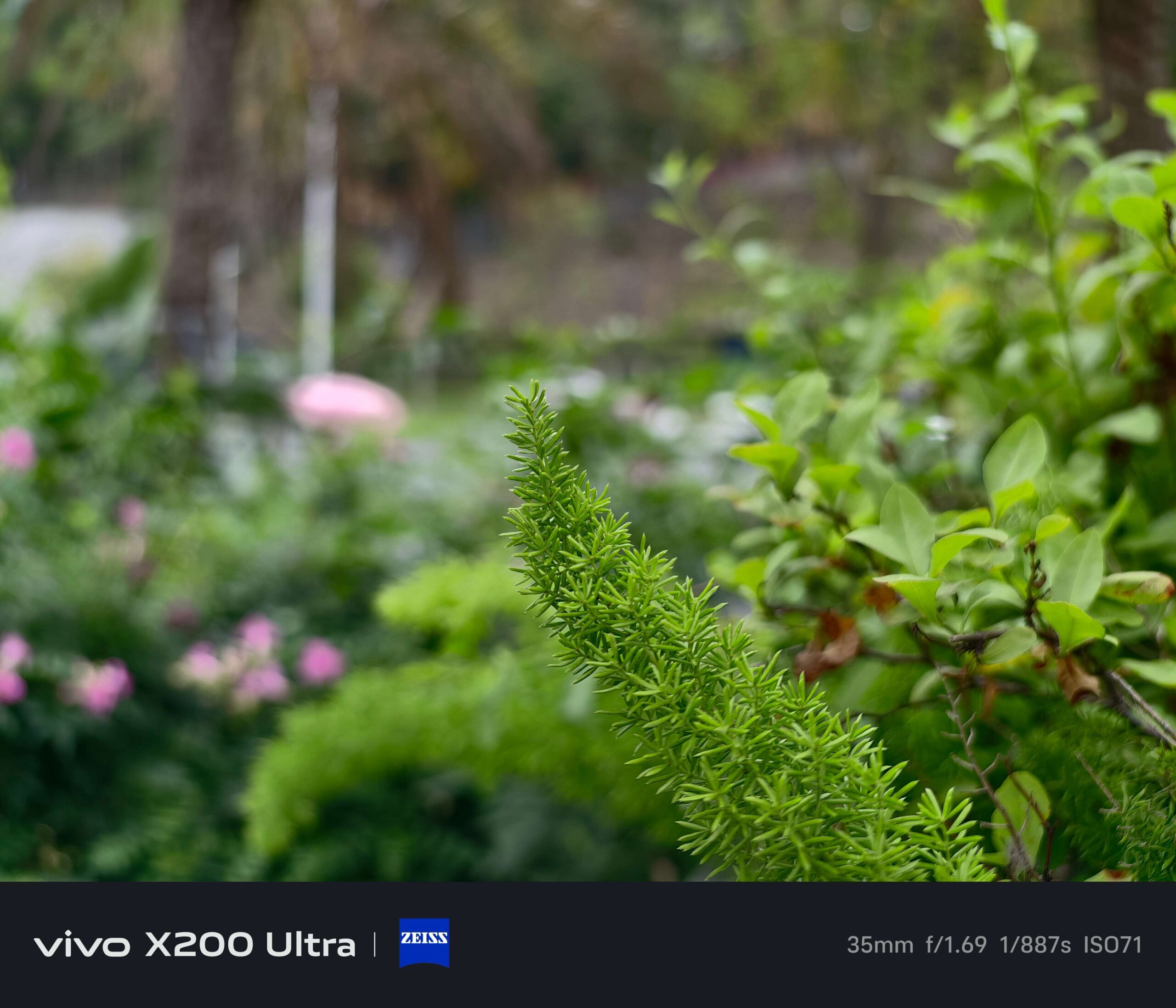
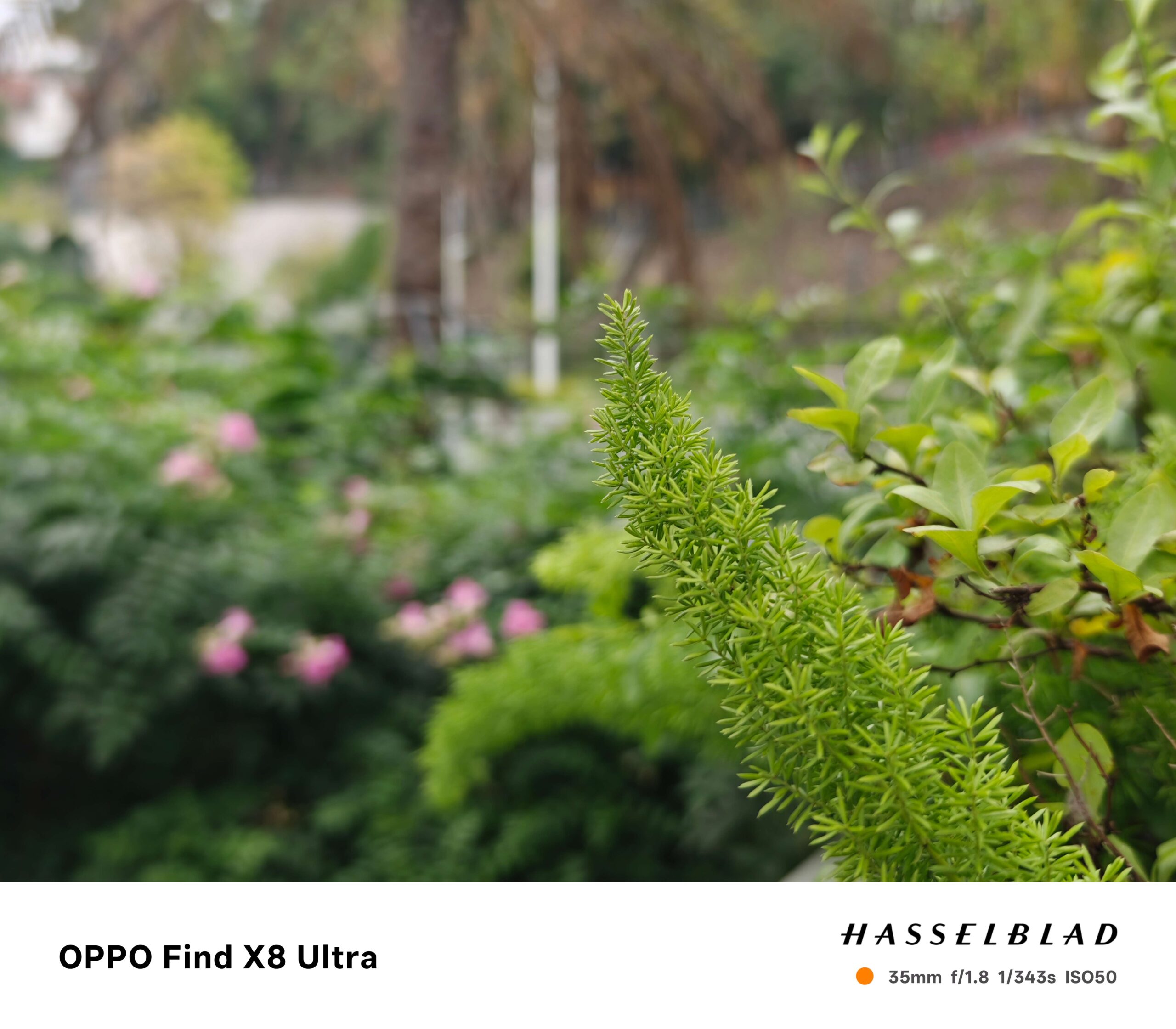
When we switch to wide-angle, we can see bigger differences between the phones. Oppo’s photos look most like what I saw with my own eyes. But when you look at tree branches against the bright sky, you can see some unwanted green and purple edges, which makes the photo look less natural. Vivo’s photos have patches of green that look artificial and change too suddenly from one shade to another.
Xiaomi does the best job here, avoiding these problems.
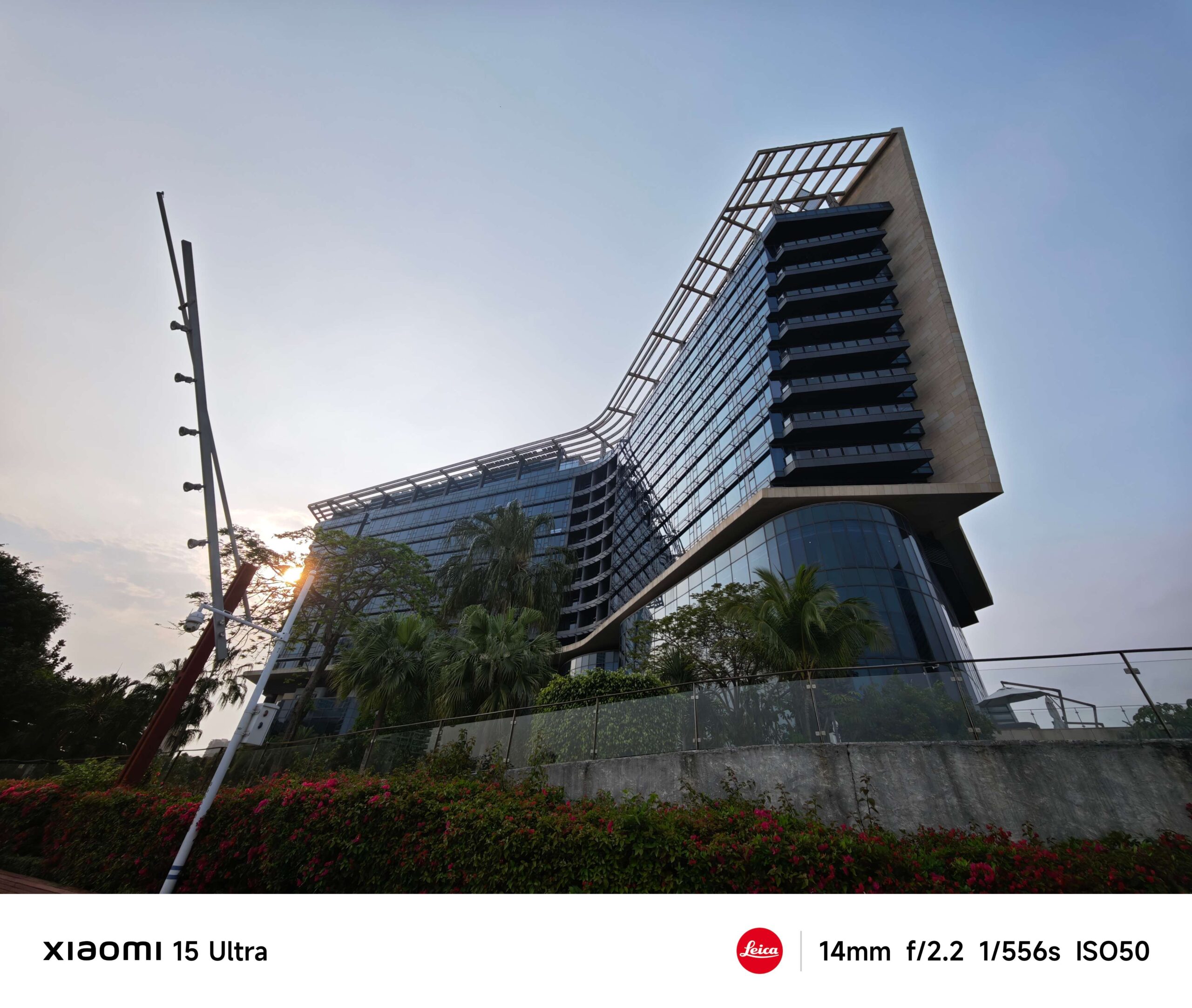
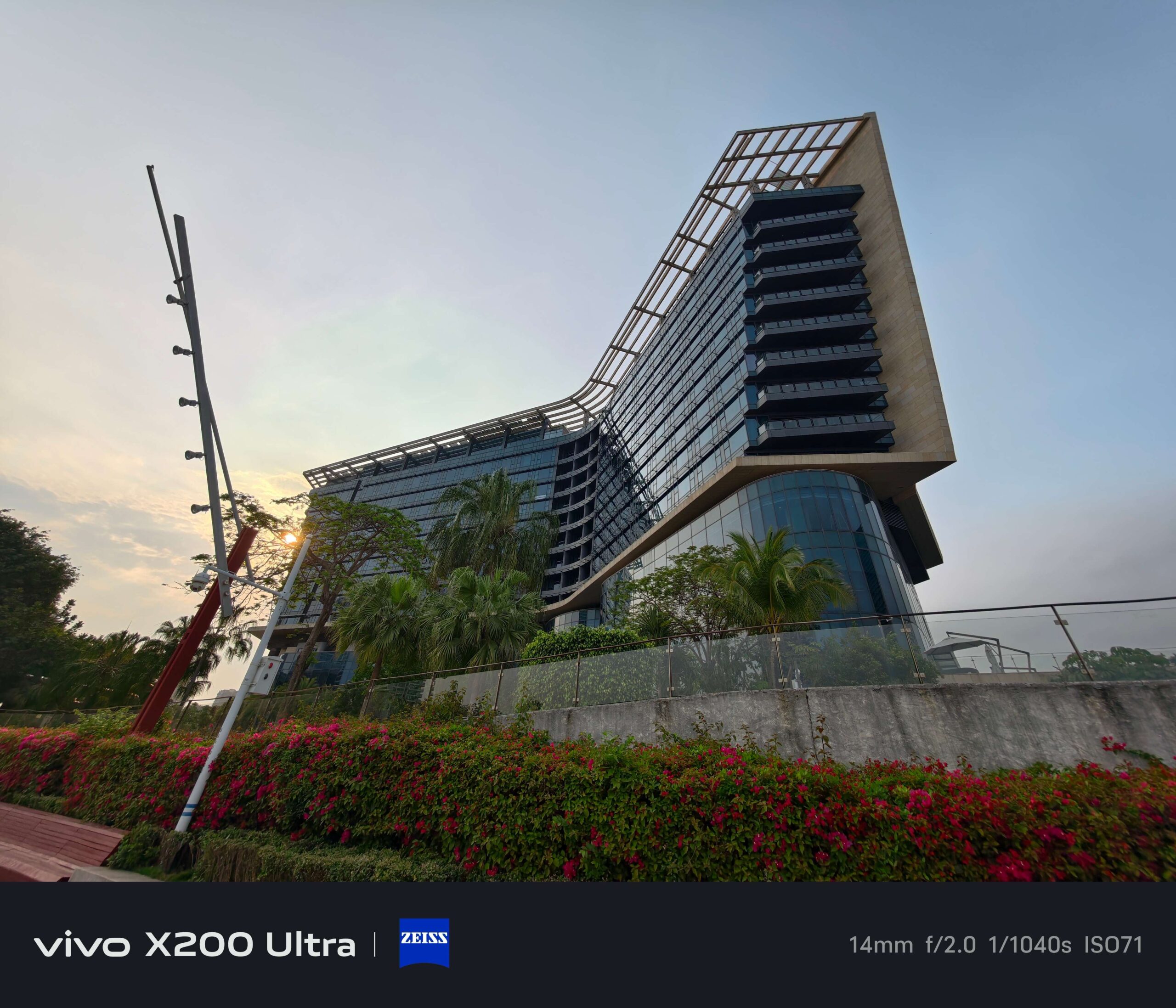
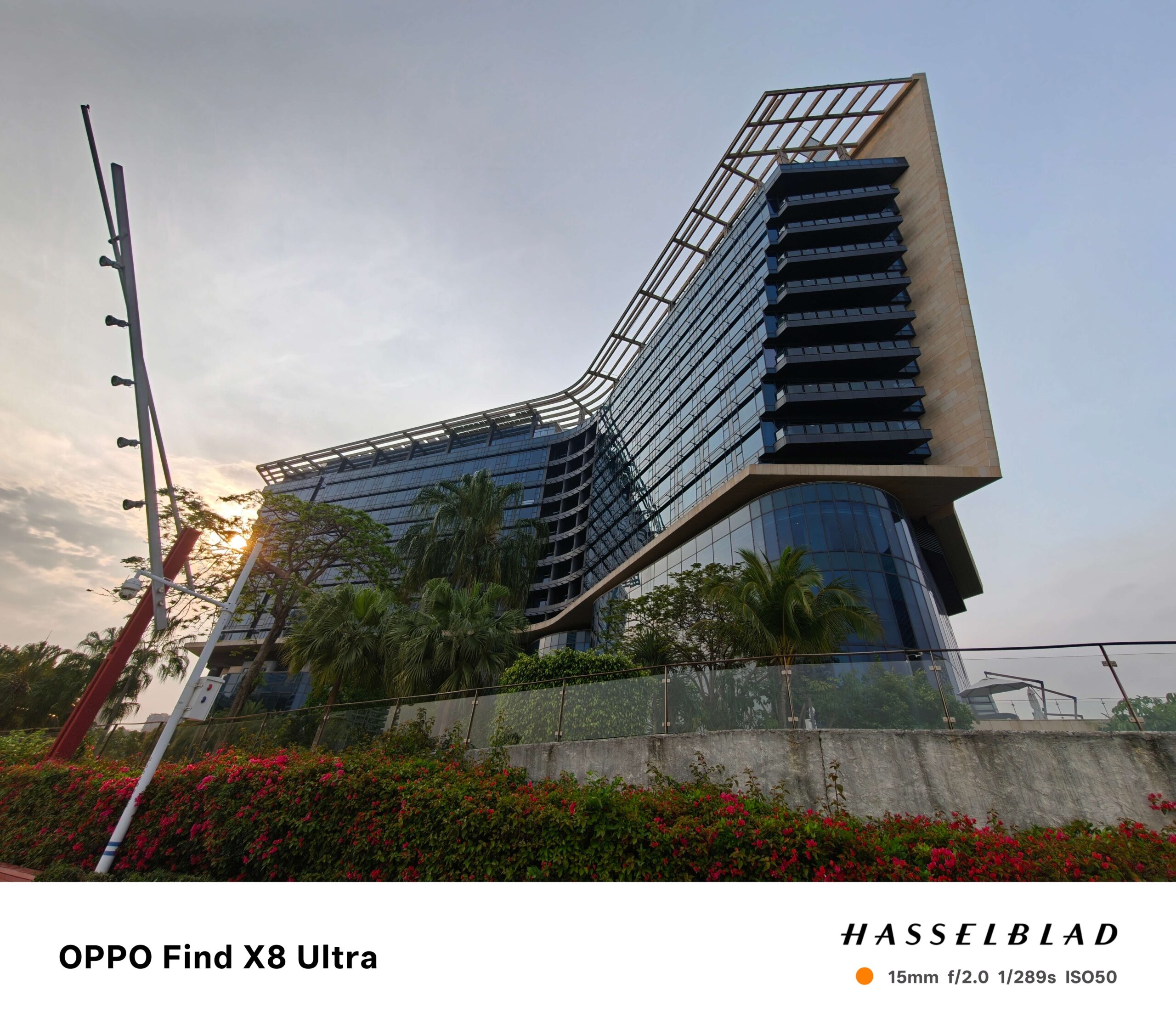
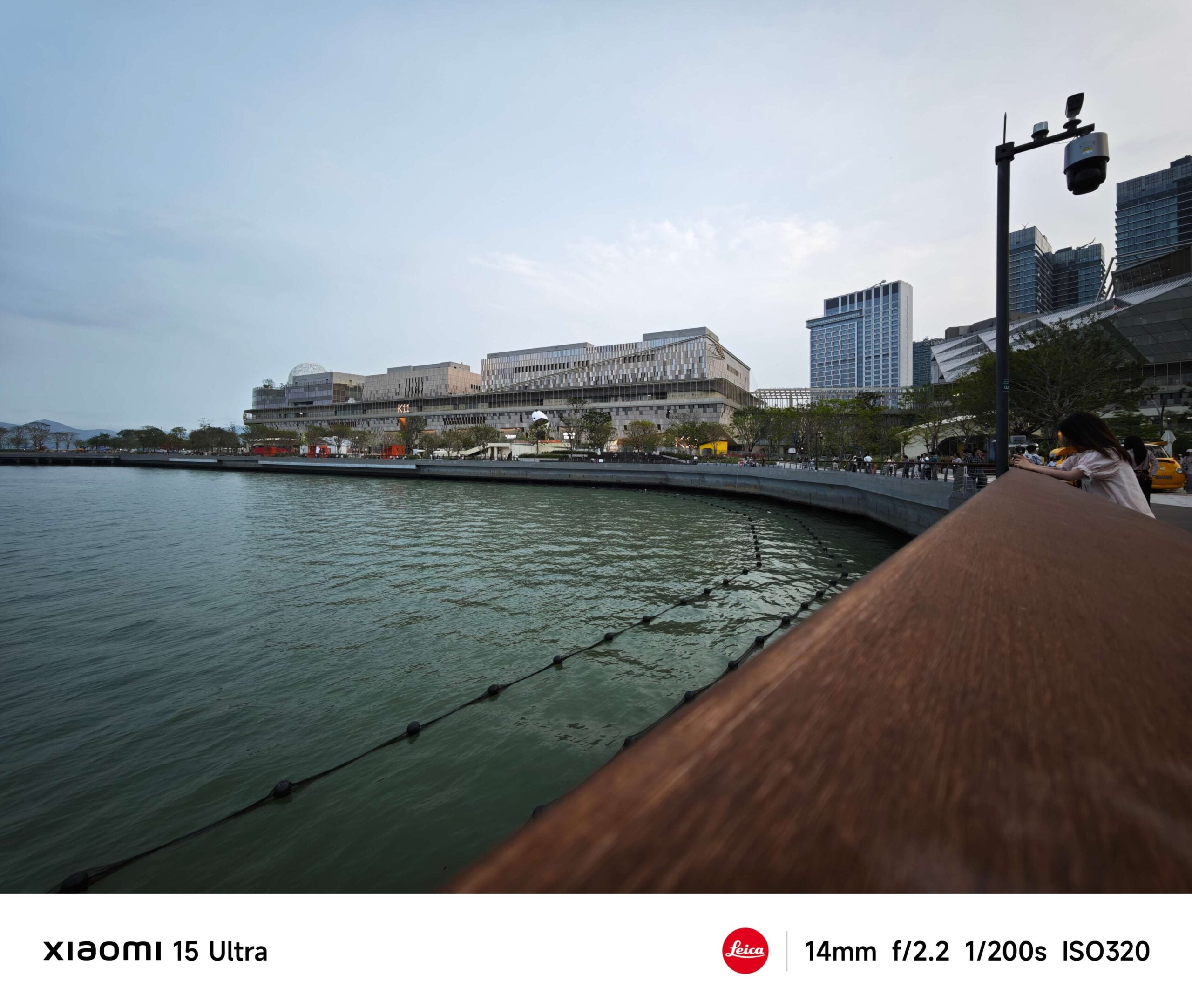
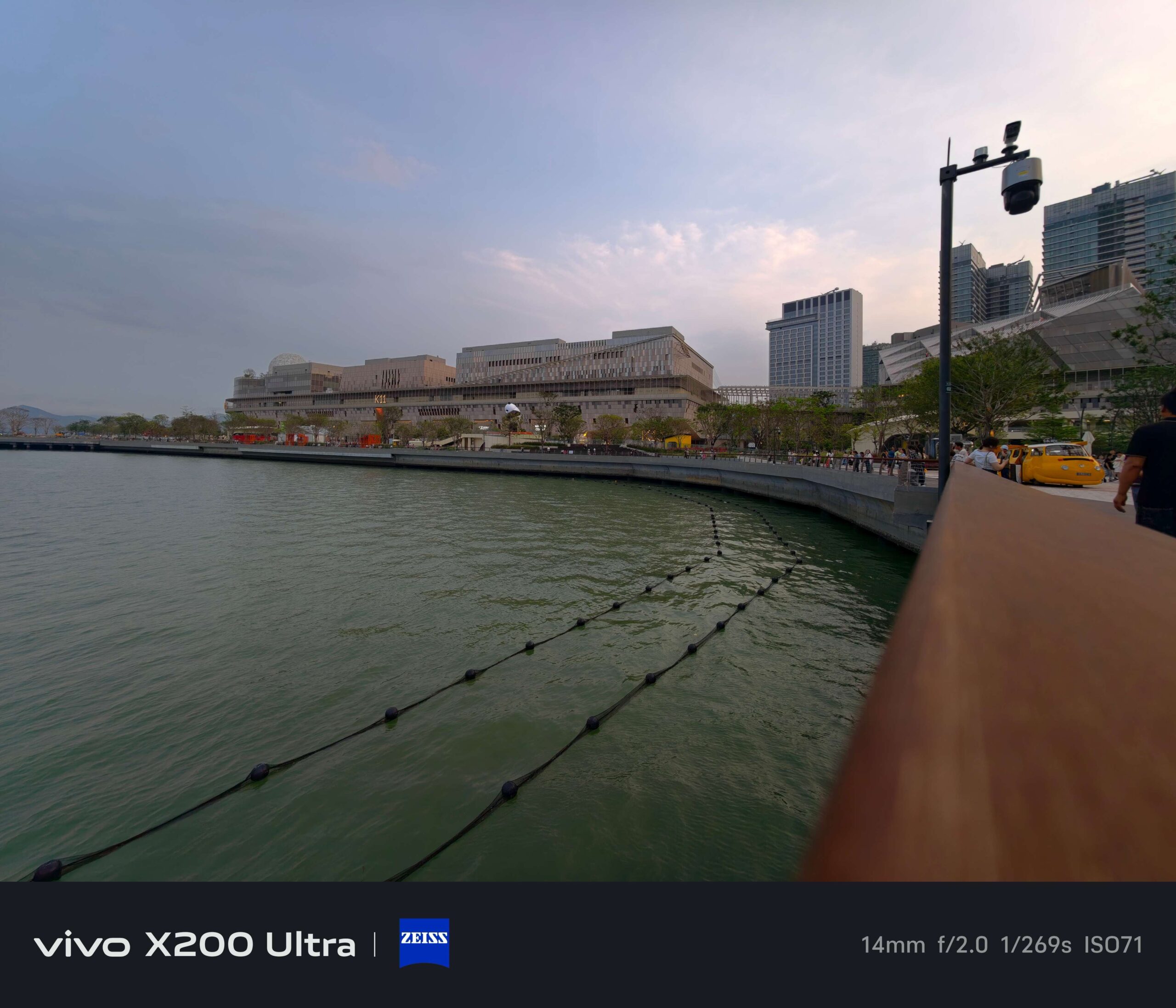
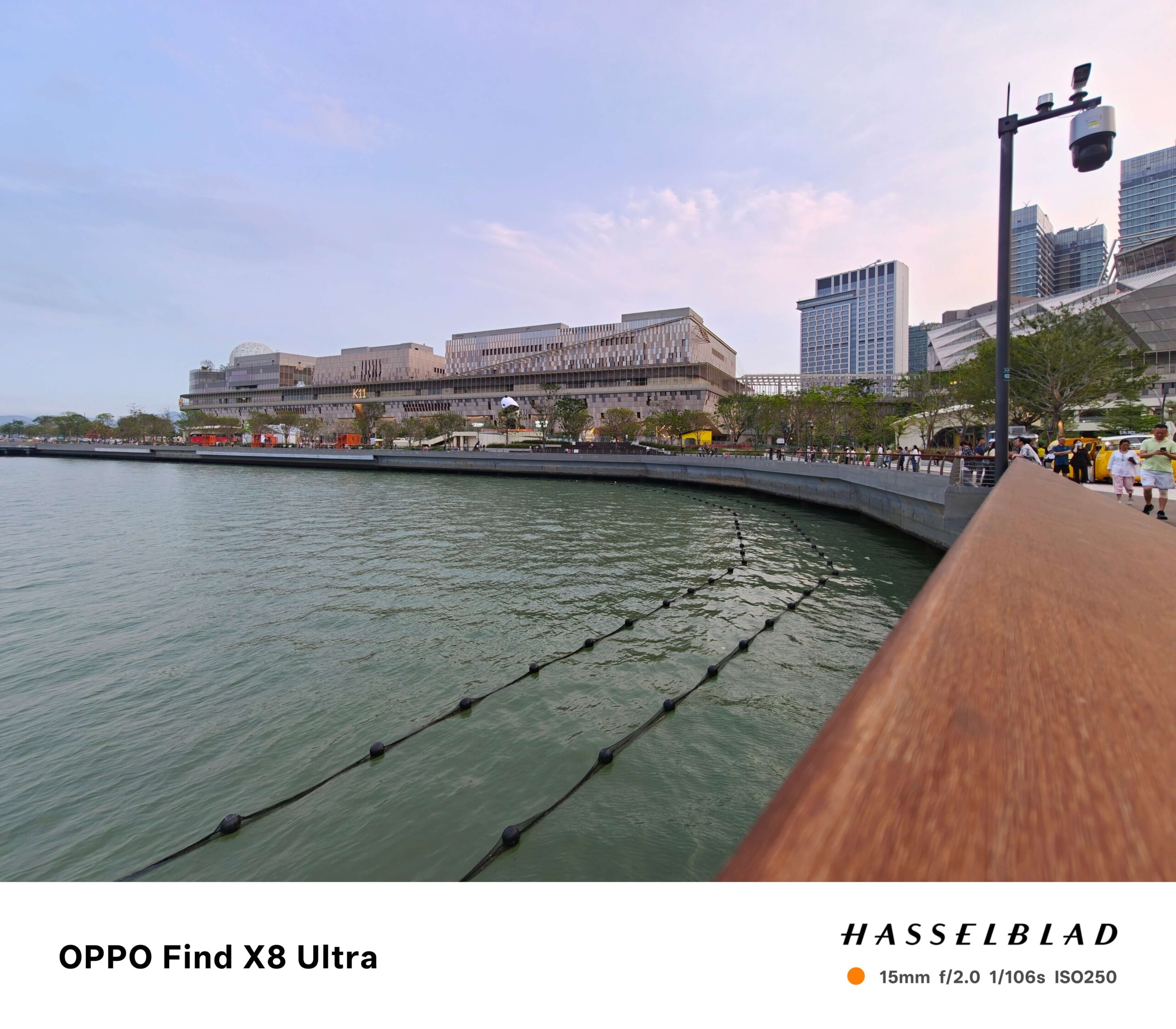
In the Golden Hour, the native 35mm of Vivo’s has an obvious advantage. The picture performance is very solid, basically restoring the scene as I saw it with my eyes. The noise control is also very good. Xiaomi’s image, on the other hand, is very bright and unnatural, with the most serious smearing. Oppo, which also has a 1-inch sensor, is much more normal. But it also has varying degrees of flare, just like Xiaomi.
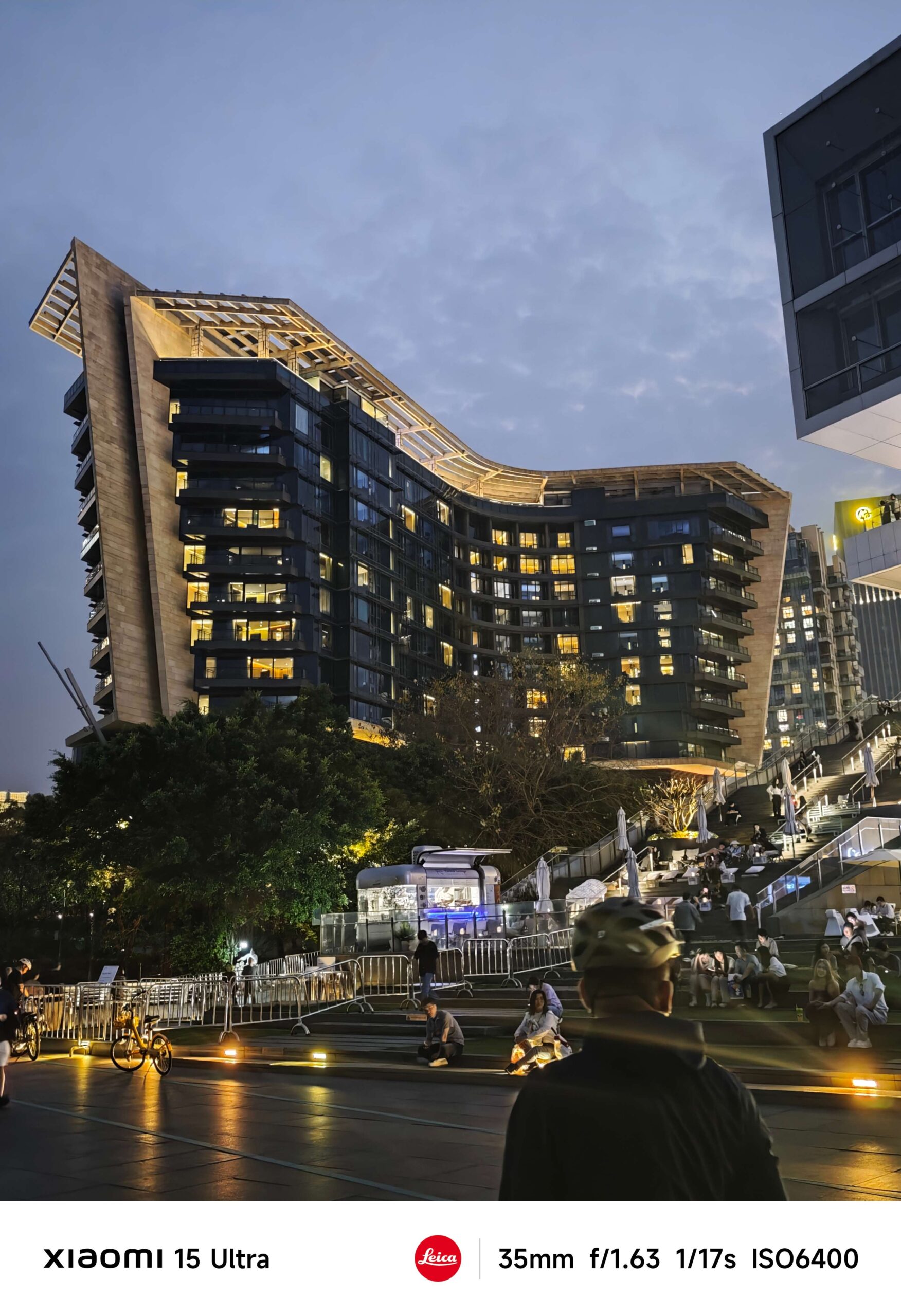
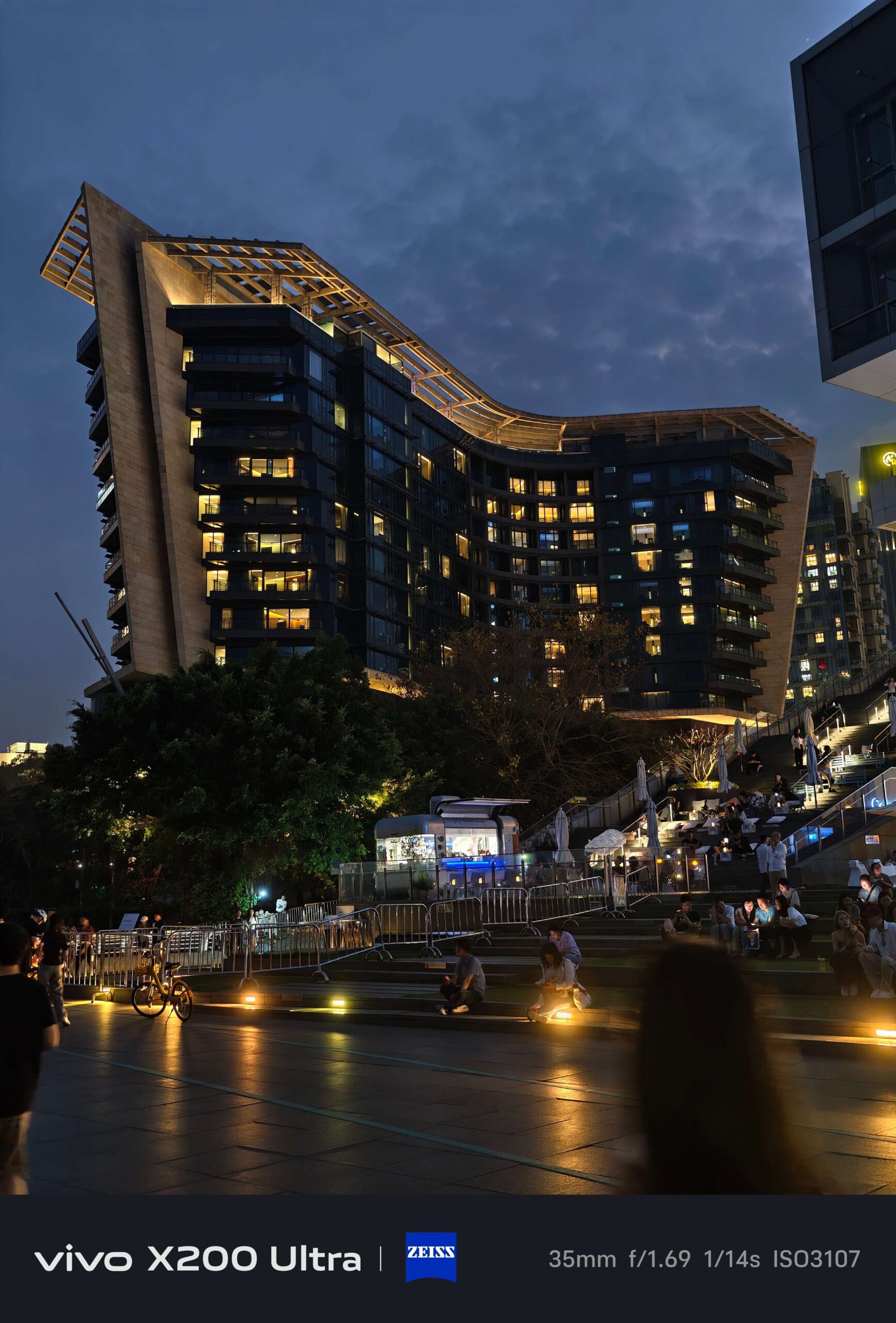
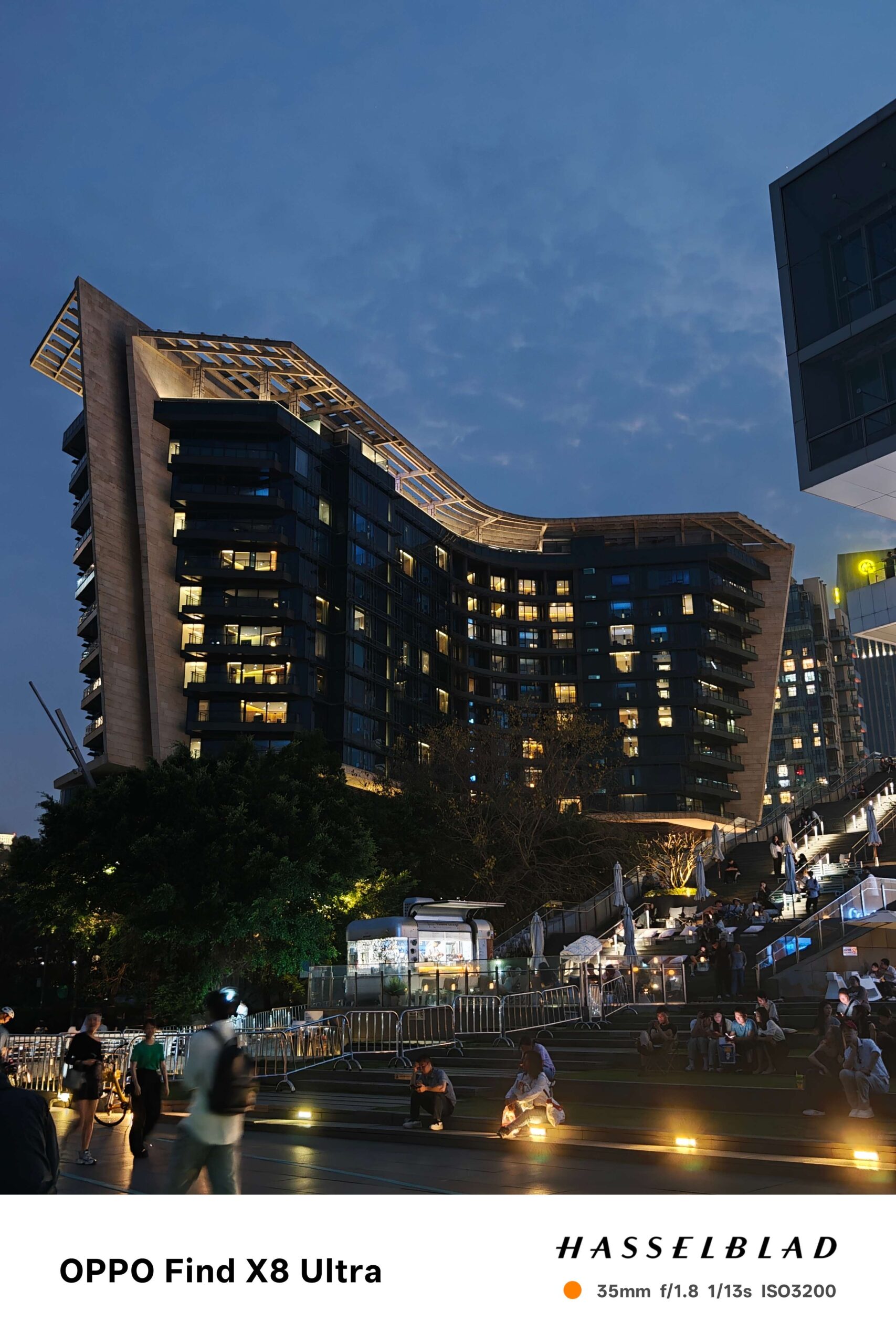
If you also switch to wide angle, everyone is different again. The best performer here is Oppo, with the image brightness in the middle of the three phones. Xiaomi is fairly good, but not as blue. Vivo has eliminated the presence of blue light. Also, notice that Vivo’s overall image is on the saturated side, but with the greenish white balance, it makes the whole image look very dirty.
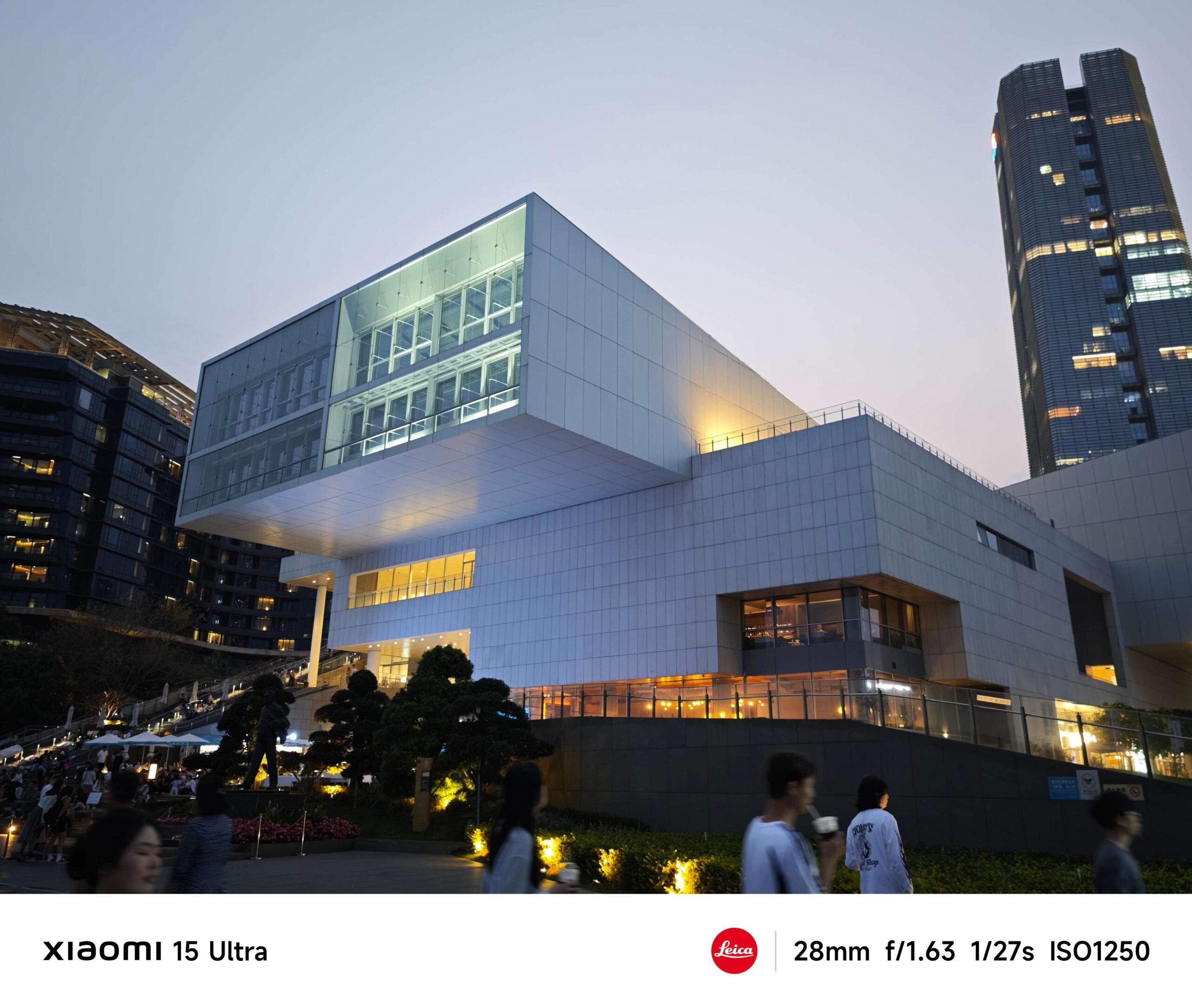
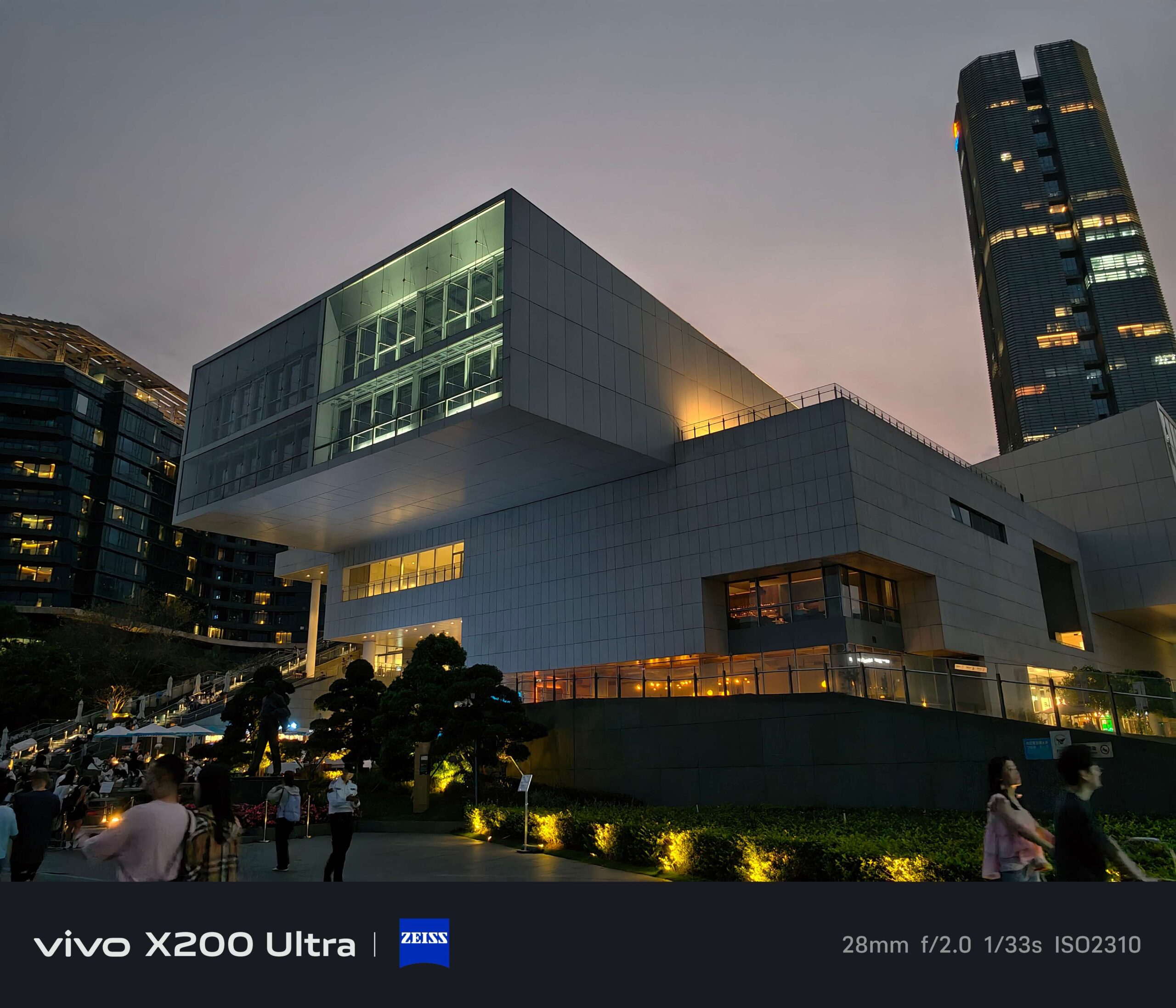
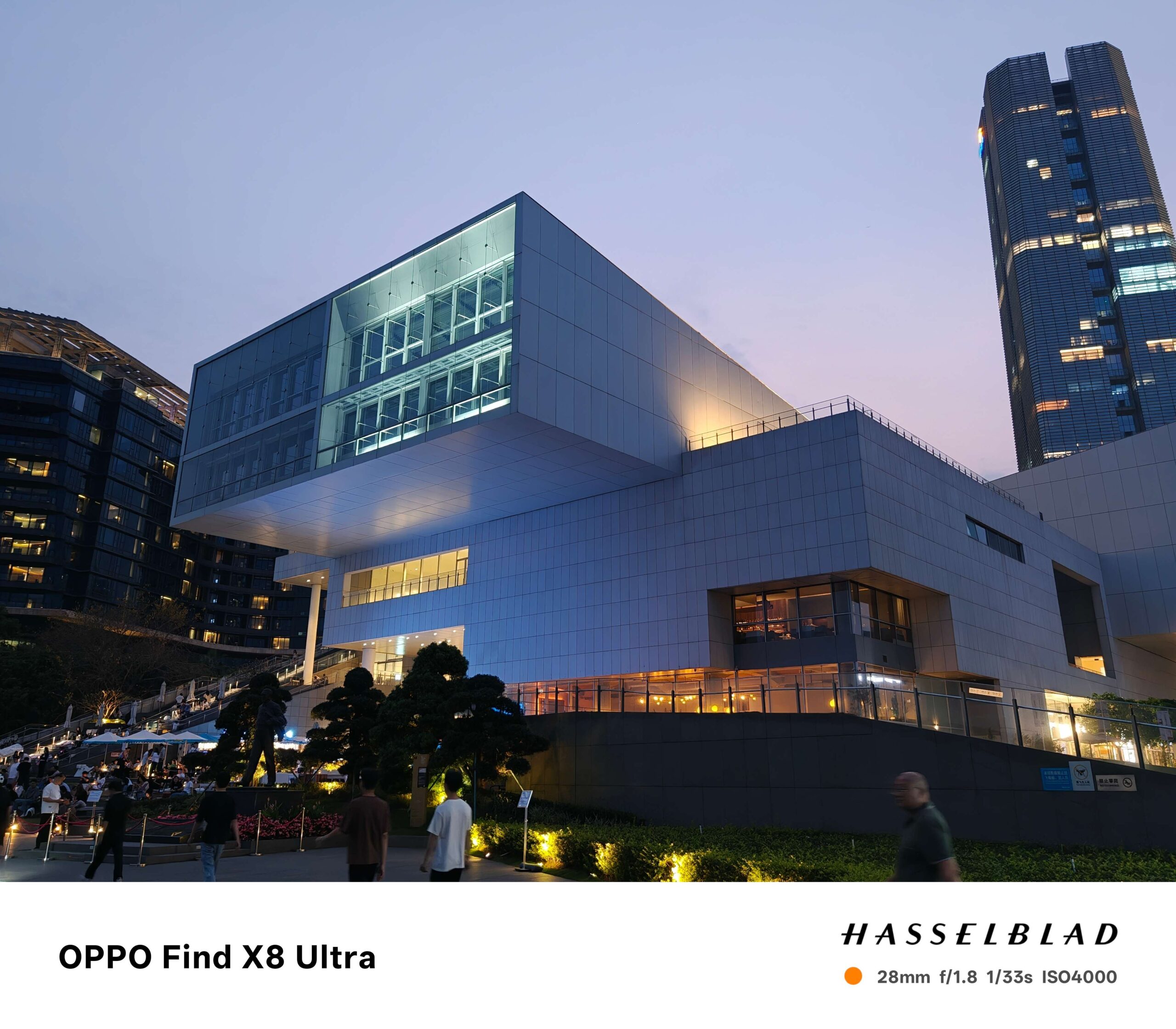
If we go a little wider, things look a little different. Xiaomi is a little less bright overall, with the crowd below in pitch black and a bit of flare. However, the color reproduction is good, highlighting the main body of the building. Vivo maintains the details of the building while providing better brightness and clarity, but its white balance is still a little greenish. Oppo uses the same sensor as Xiaomi, but its overall performance is a little better than Xiaomi’s. The flare control is weaker than Xiaomi’s, with a bit of flare in front of each step light.
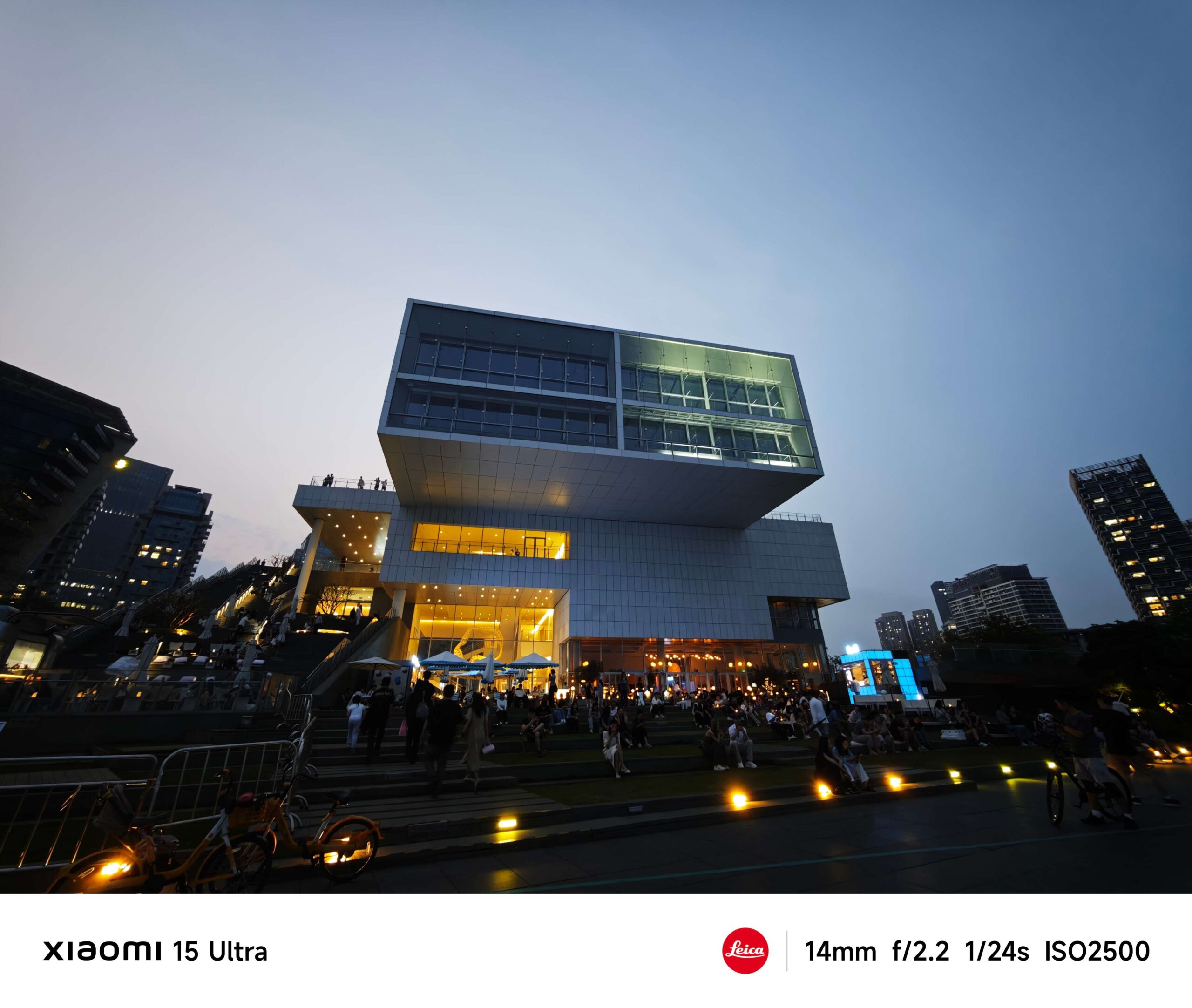
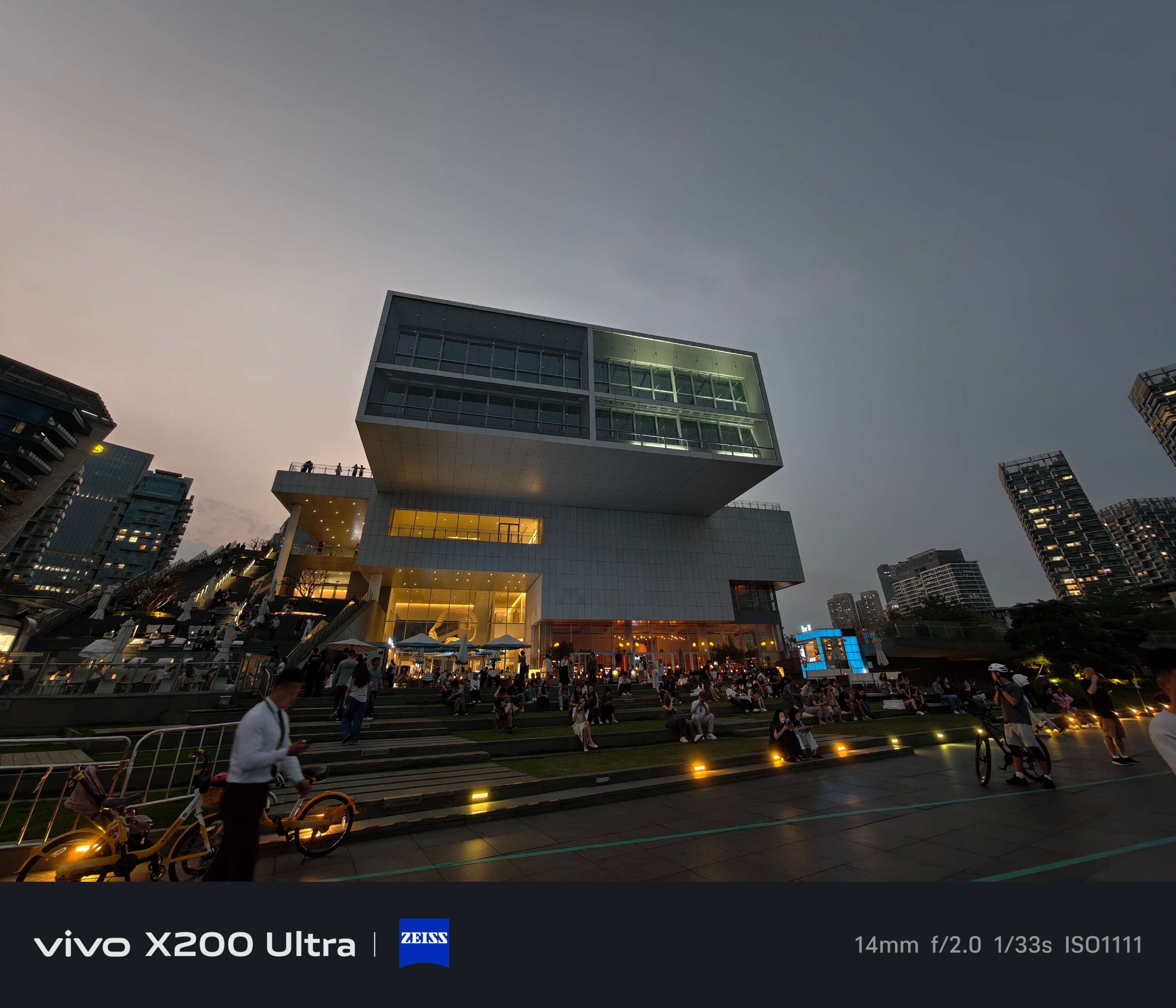
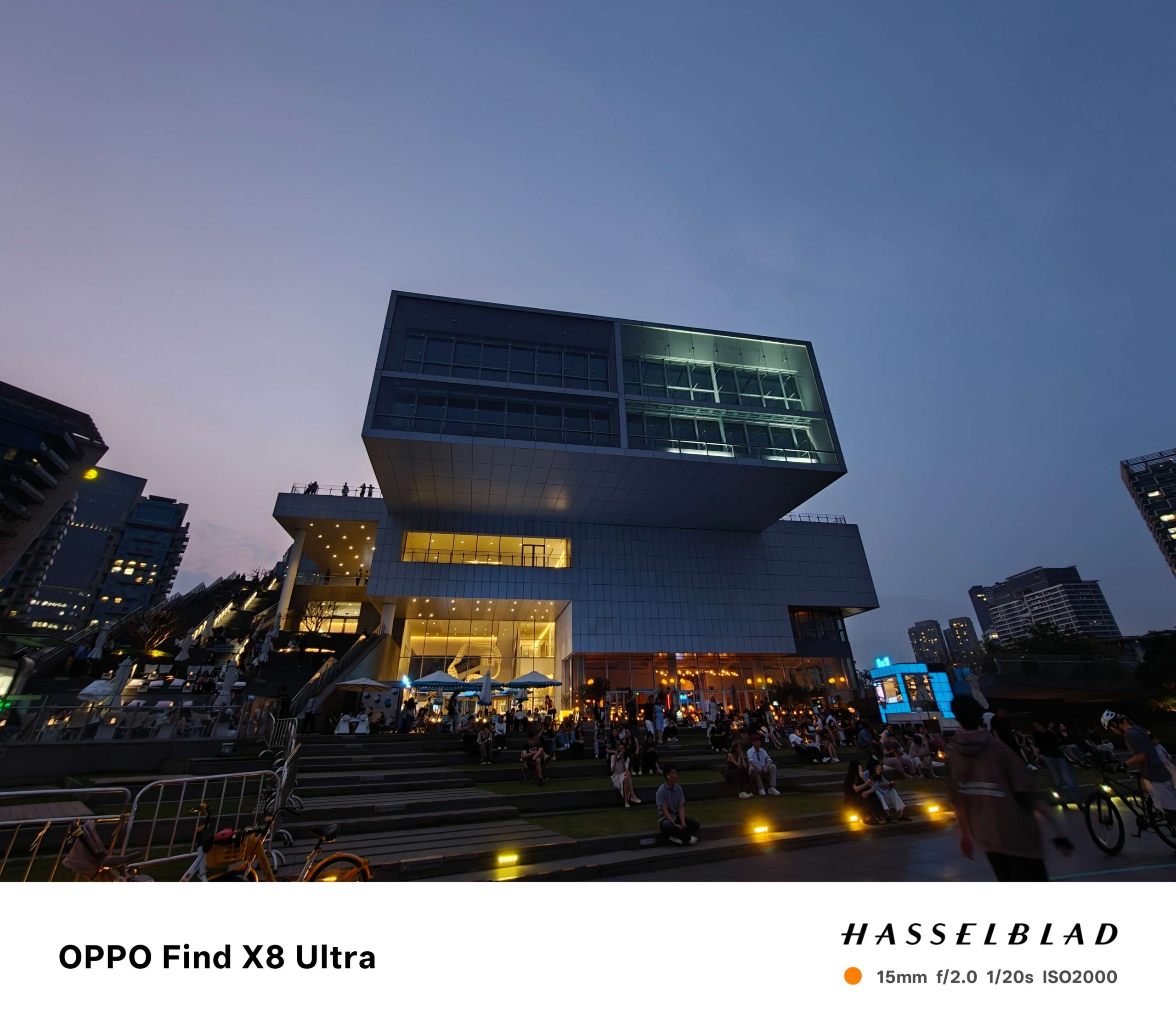
Ultra-Wide
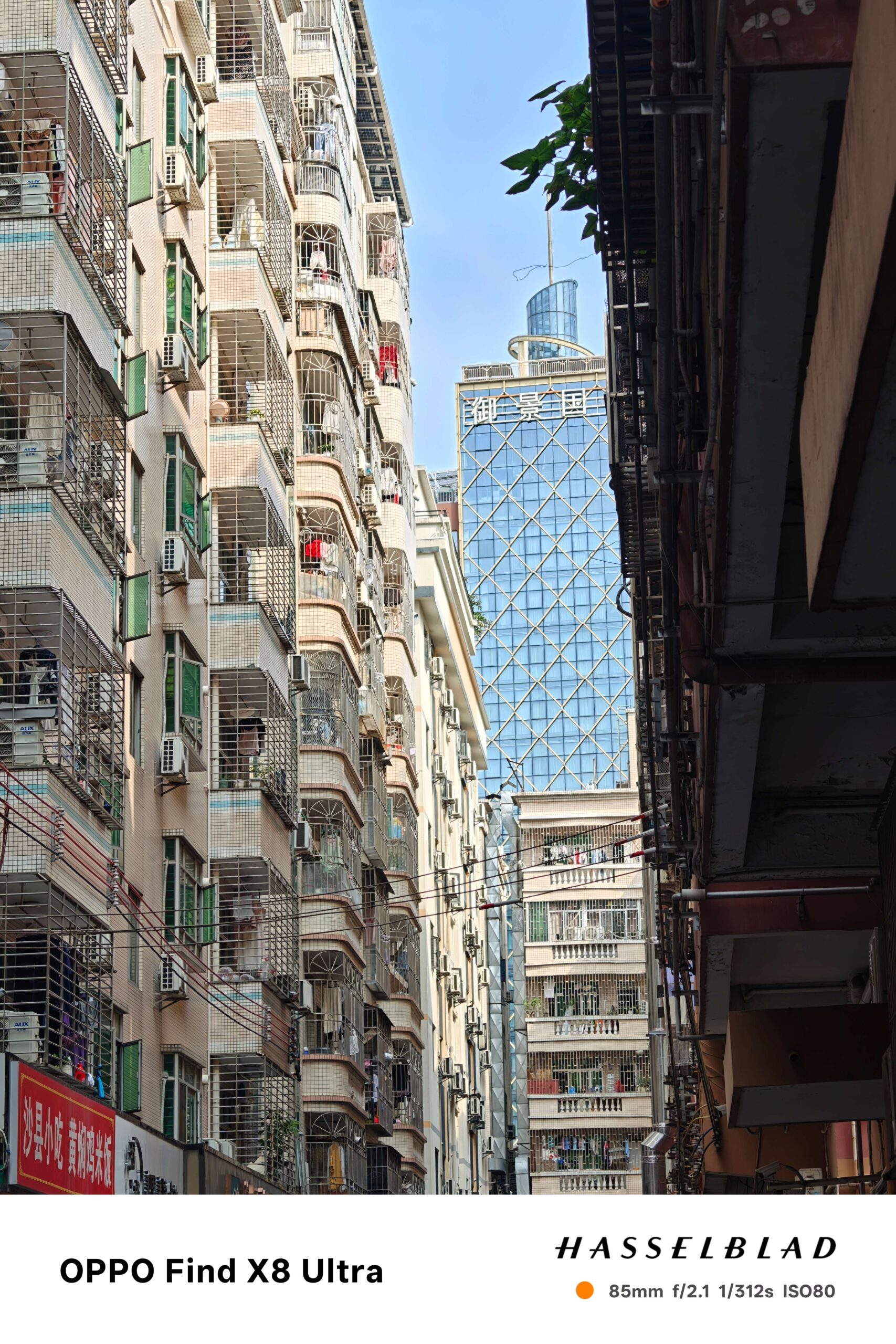
In daylight, all the three models perform well. But if the YouTube image quality is sharp enough, it’s still obvious that Vivo is the sharpest and Xiaomi is the worst. It’s because at 85mm, only Xiaomi is not using a native focal length. But I’m not very satisfied with all three of them here. Oppo is clear enough, but its picture is a little yellowish. Oppo is relatively good at reproducing the scene I saw when I was shooting, but the contrast is not enough.
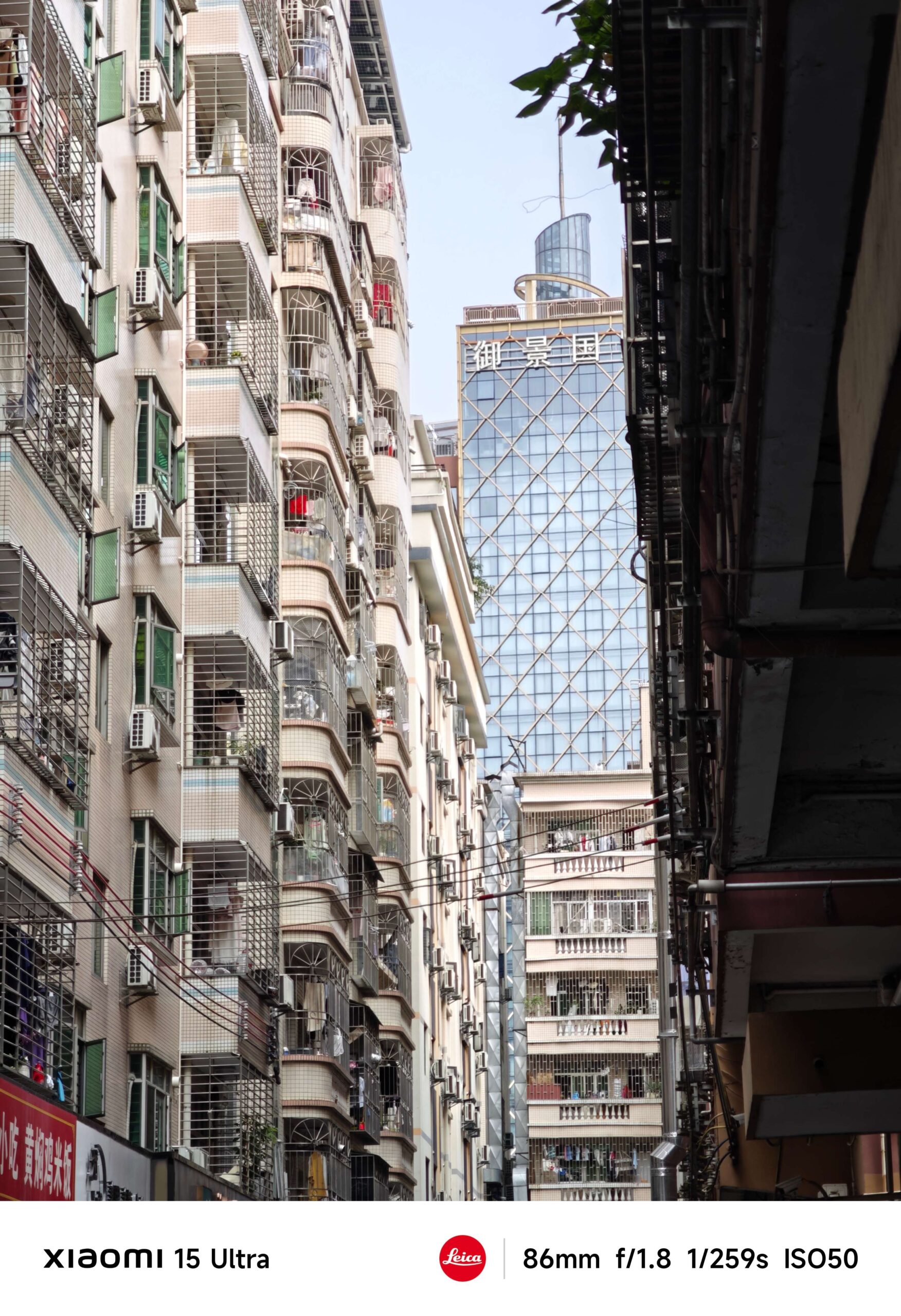
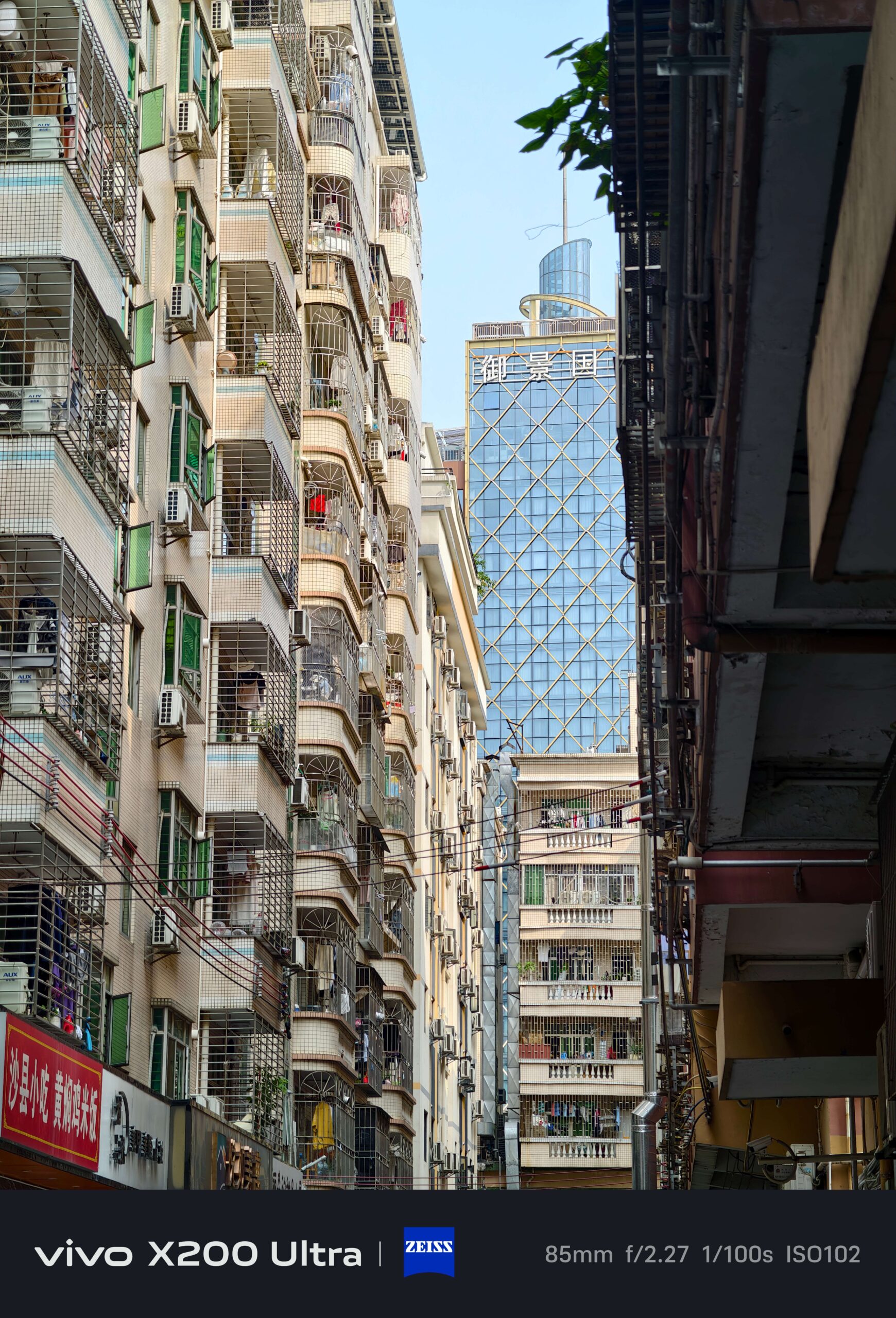
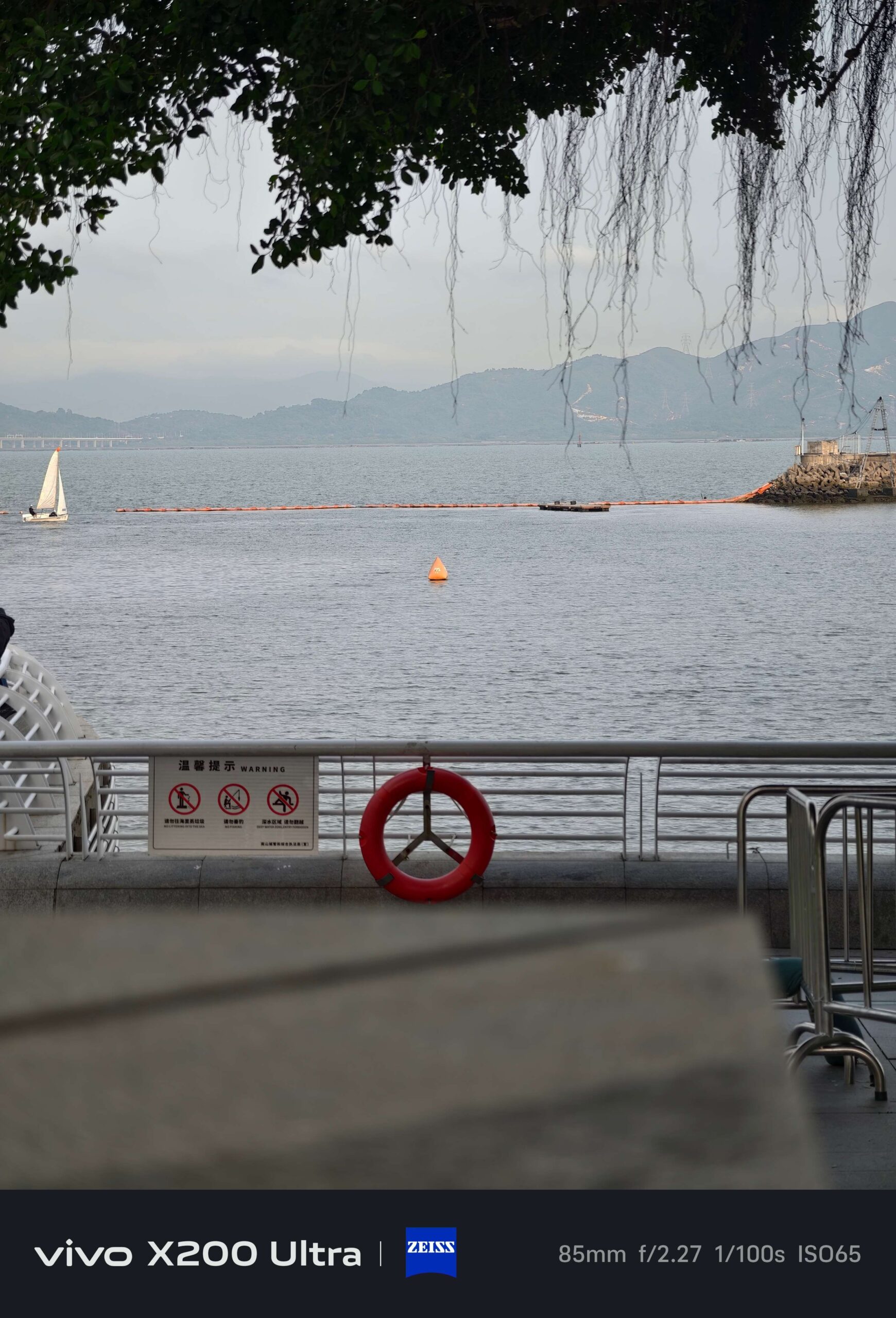
Next, let’s switch to another scene with contrasting lighting to check it out. The Xiaomi 15 Ultra shows excellent detail capture and background bokeh, with its larger aperture and lower ISO. But it still suffers from the same problem of color dispersion with the heavy tree roots above. The Vivo, on the other hand, has high color saturation but is slightly lacking in detail performance and foreground bokeh. In contrast, Oppo strikes a good balance between color reproduction, detail sharpness, and background bokeh, showing balanced imaging performance.


If we get to nighttime, all three don’t perform too well, in my opinion. It’s similar to the previous wide-angle photos at night. The difference is that Xiaomi is still using cropping here, which results in some degradation of image quality. Vivo, on the other hand, is affected by the white balance and a highly saturated filter, which makes the image look very dirty.
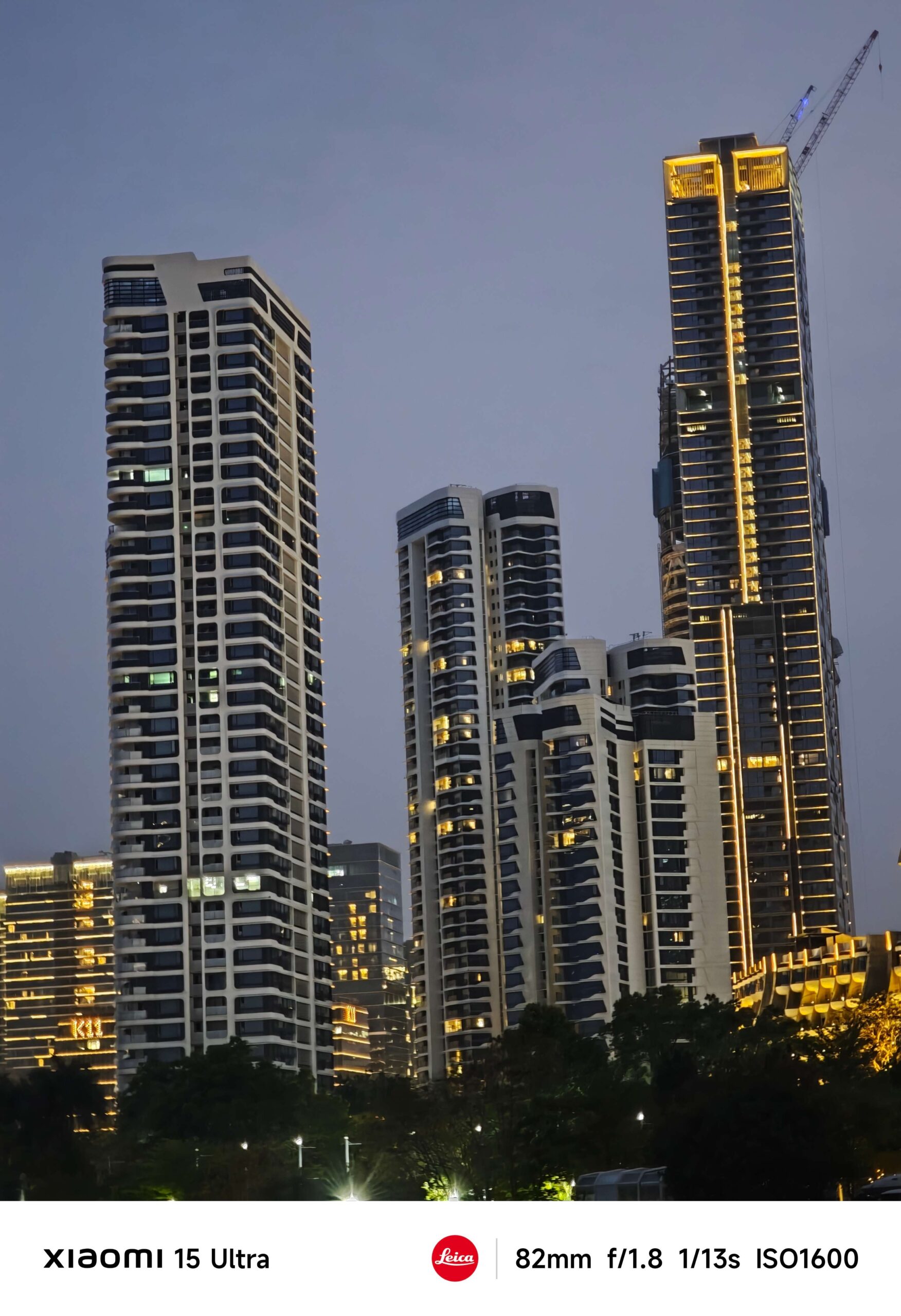
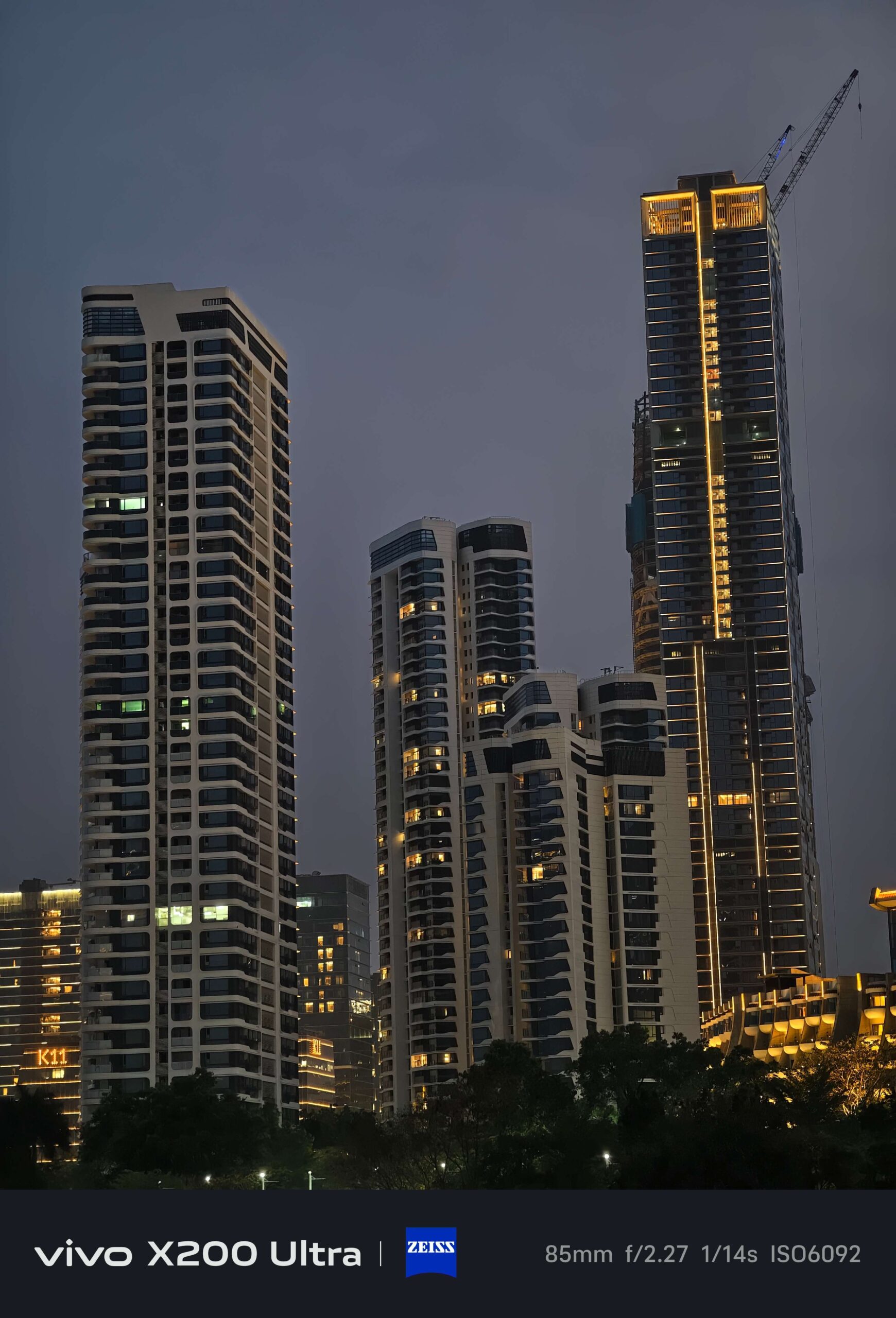
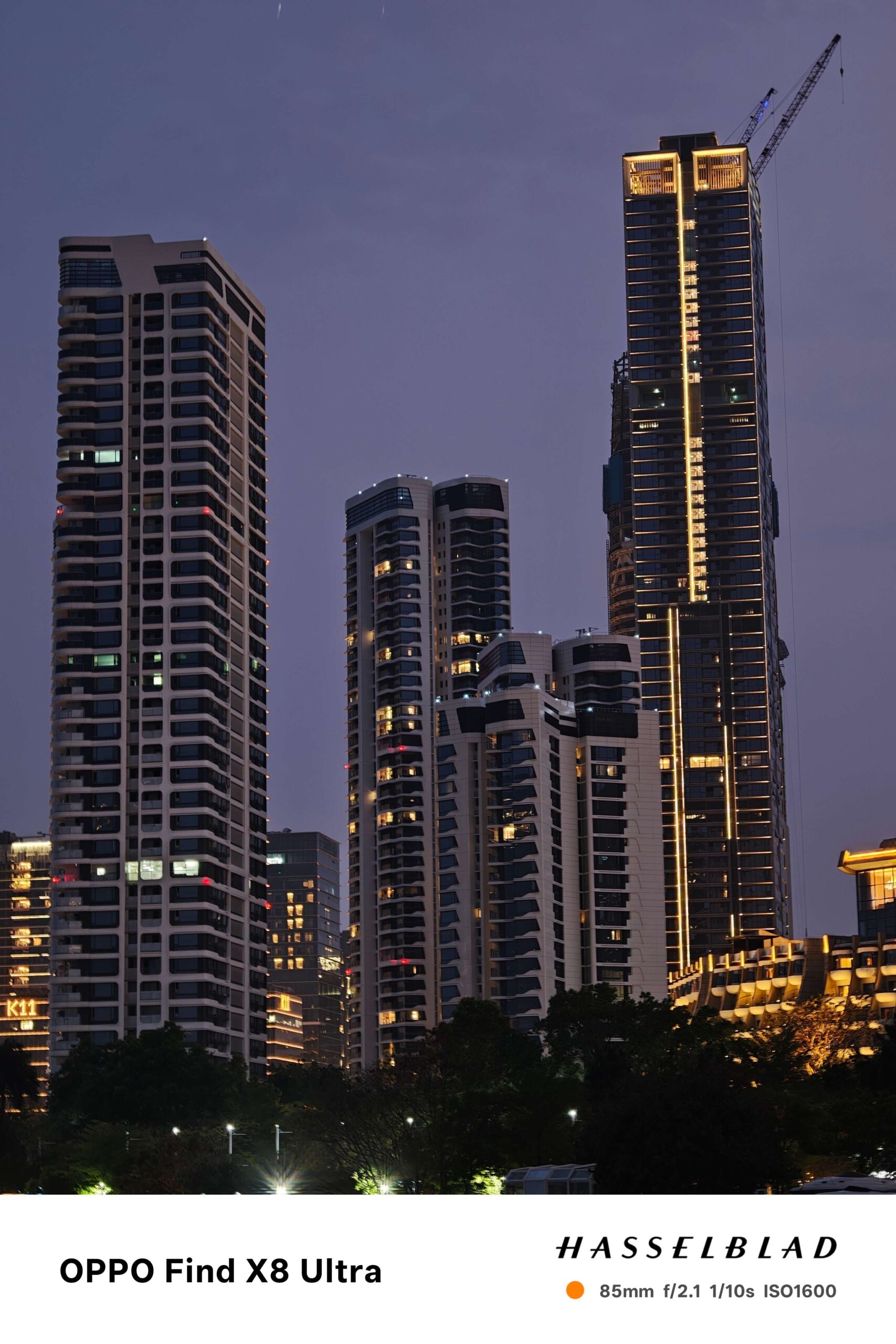
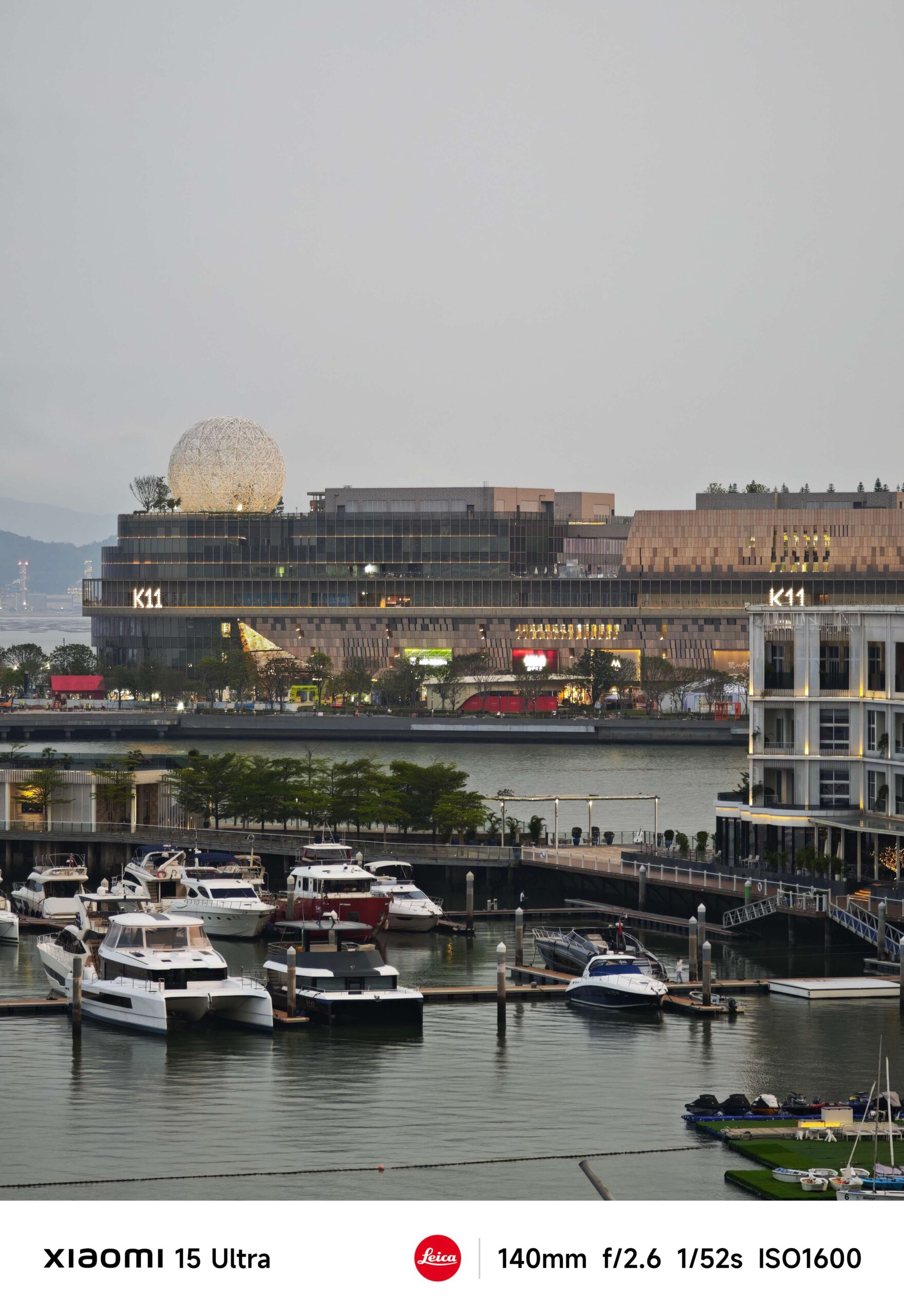
If we go longer to 135mm, Xiaomi and Vivo use cropping, while Oppo uses a native lens. The situation is a bit surprising. I like Vivo the most in this set of photos. The whole image is quite sharp, and the brightness is well balanced. Xiaomi still doesn’t do so well here, with a lot of dead blacks, off-color issues, and the island in front is also black.
Both Vivo and Oppo can see the green lawn on the island, but Vivo seems to have captured something else on the strip of lights, with a patch of yellow and orange.
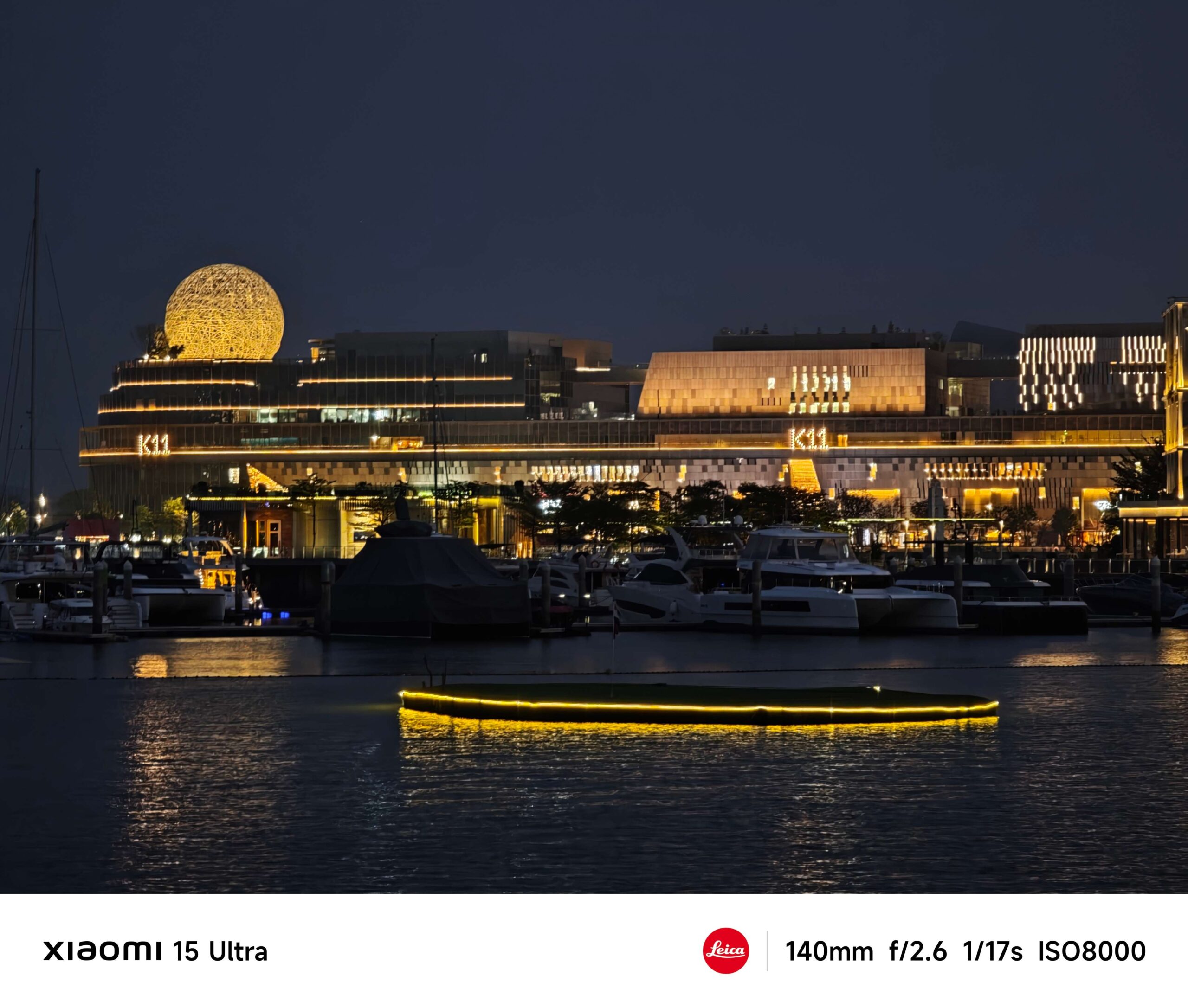
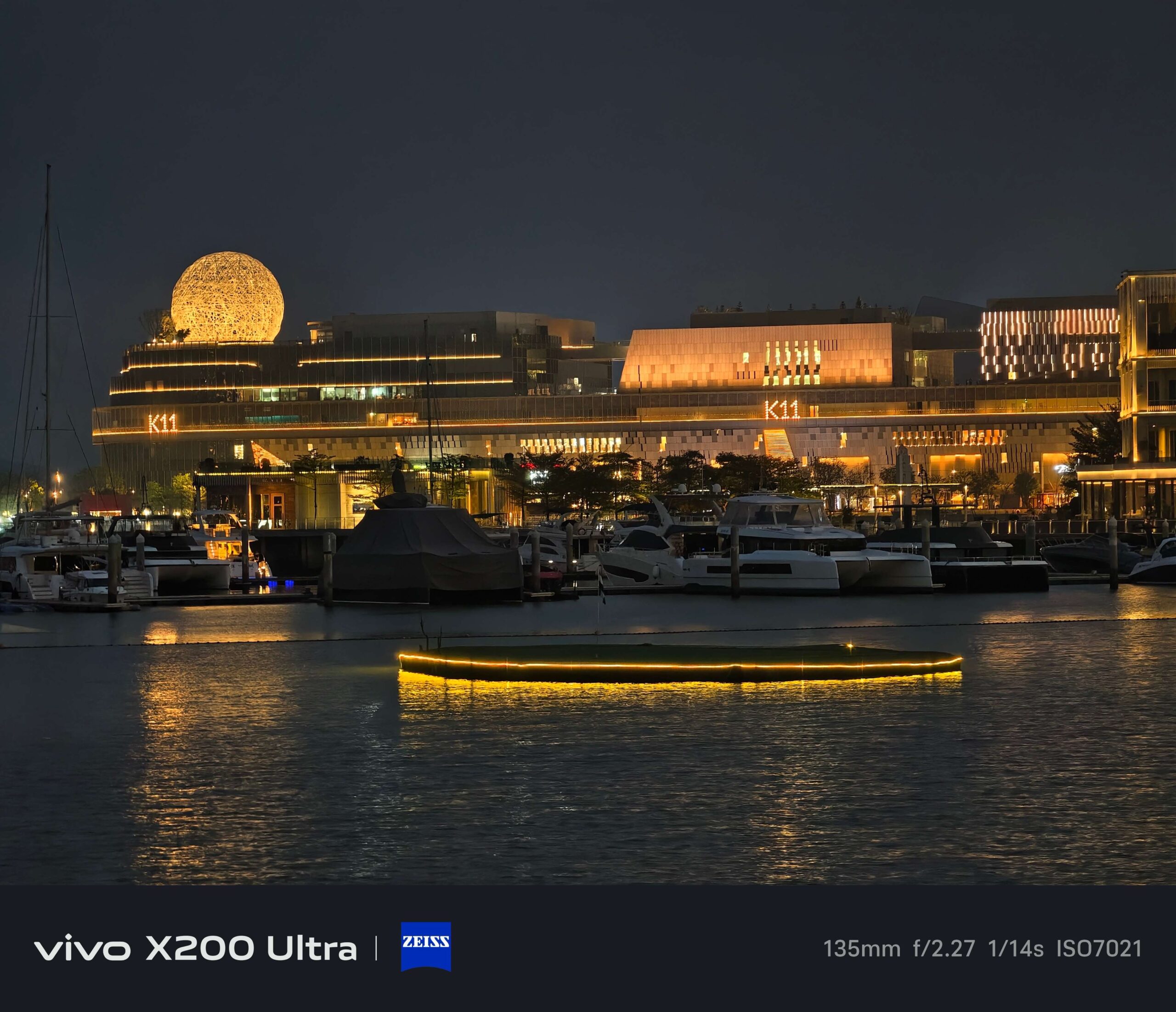
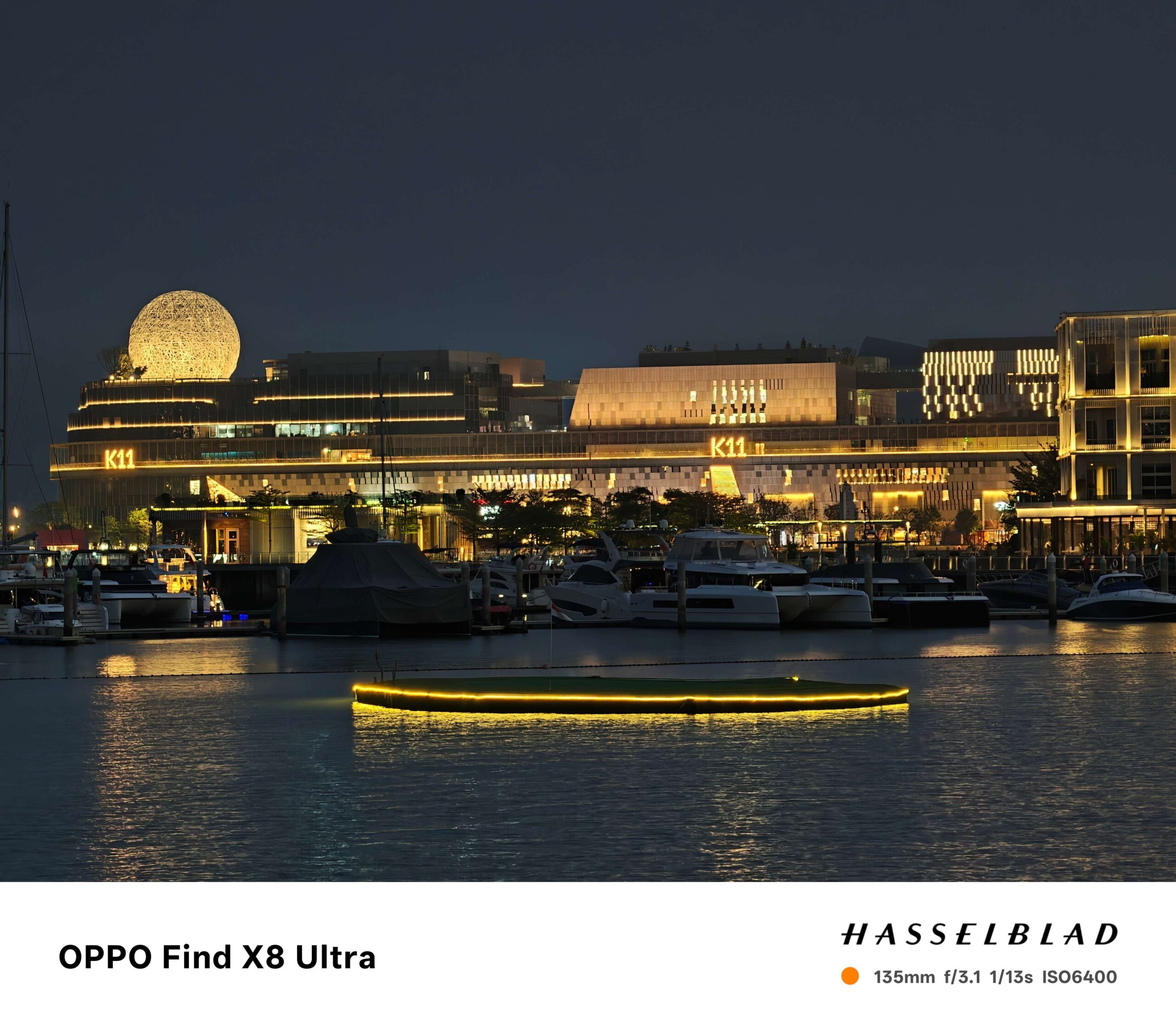
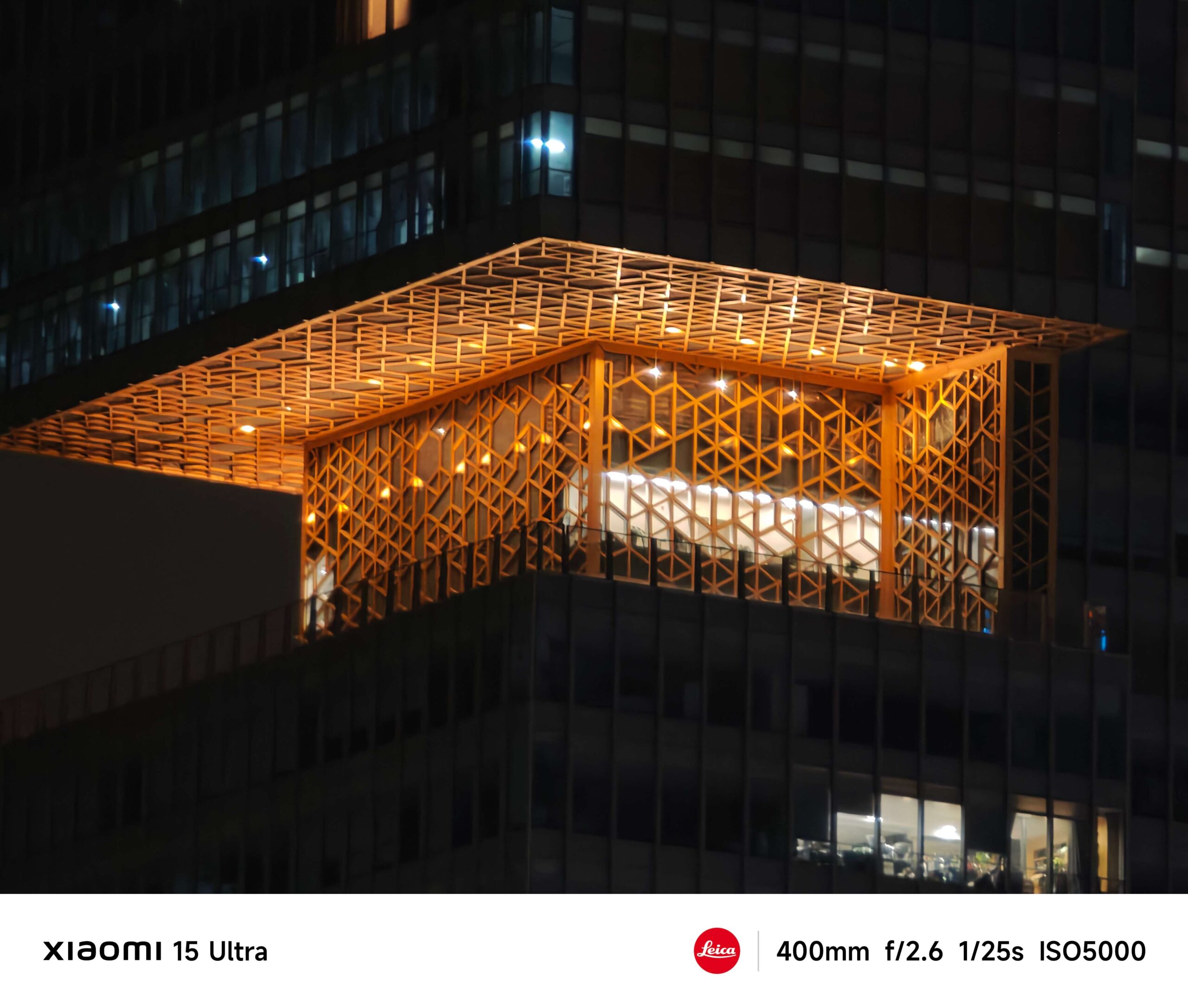
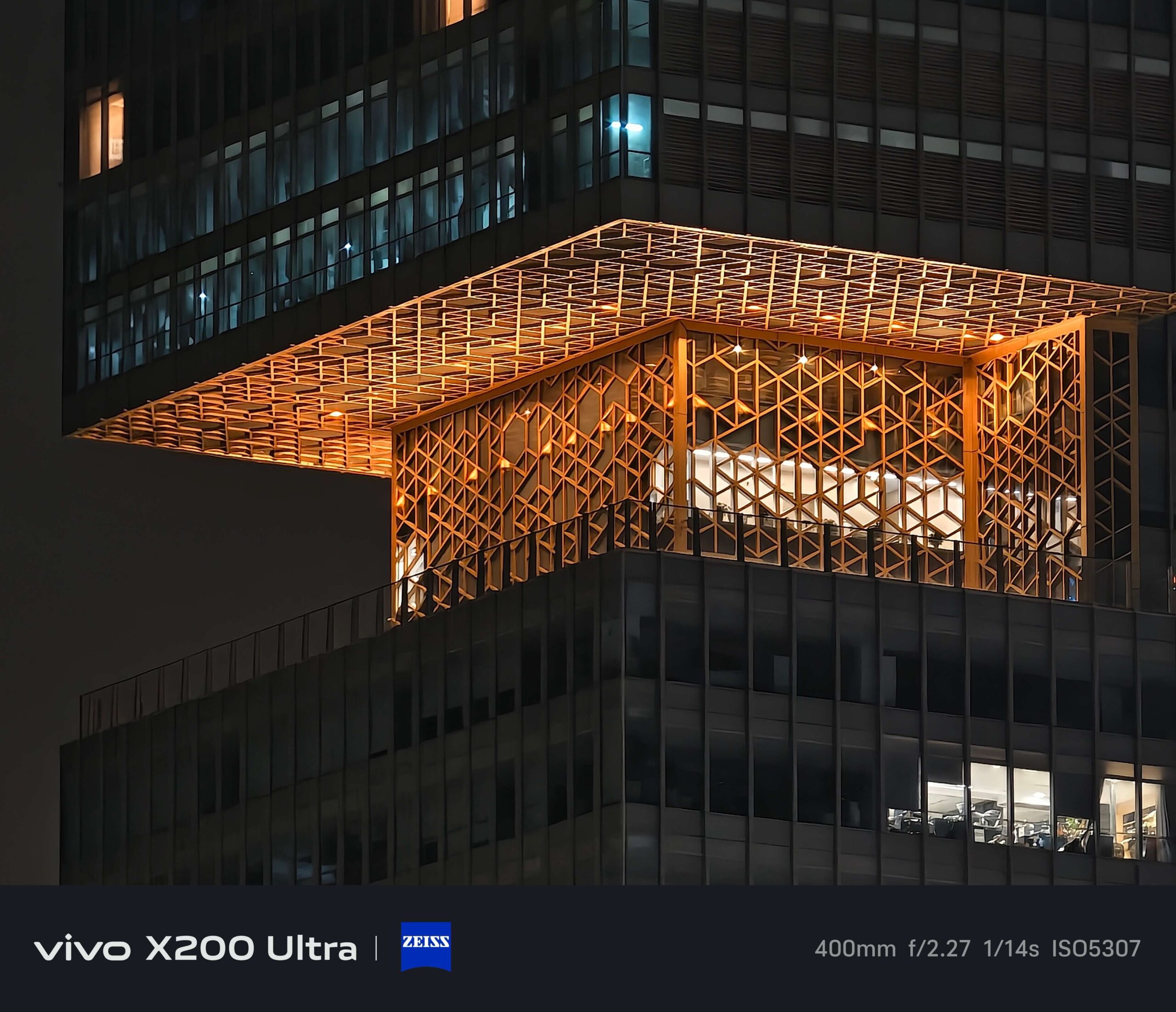
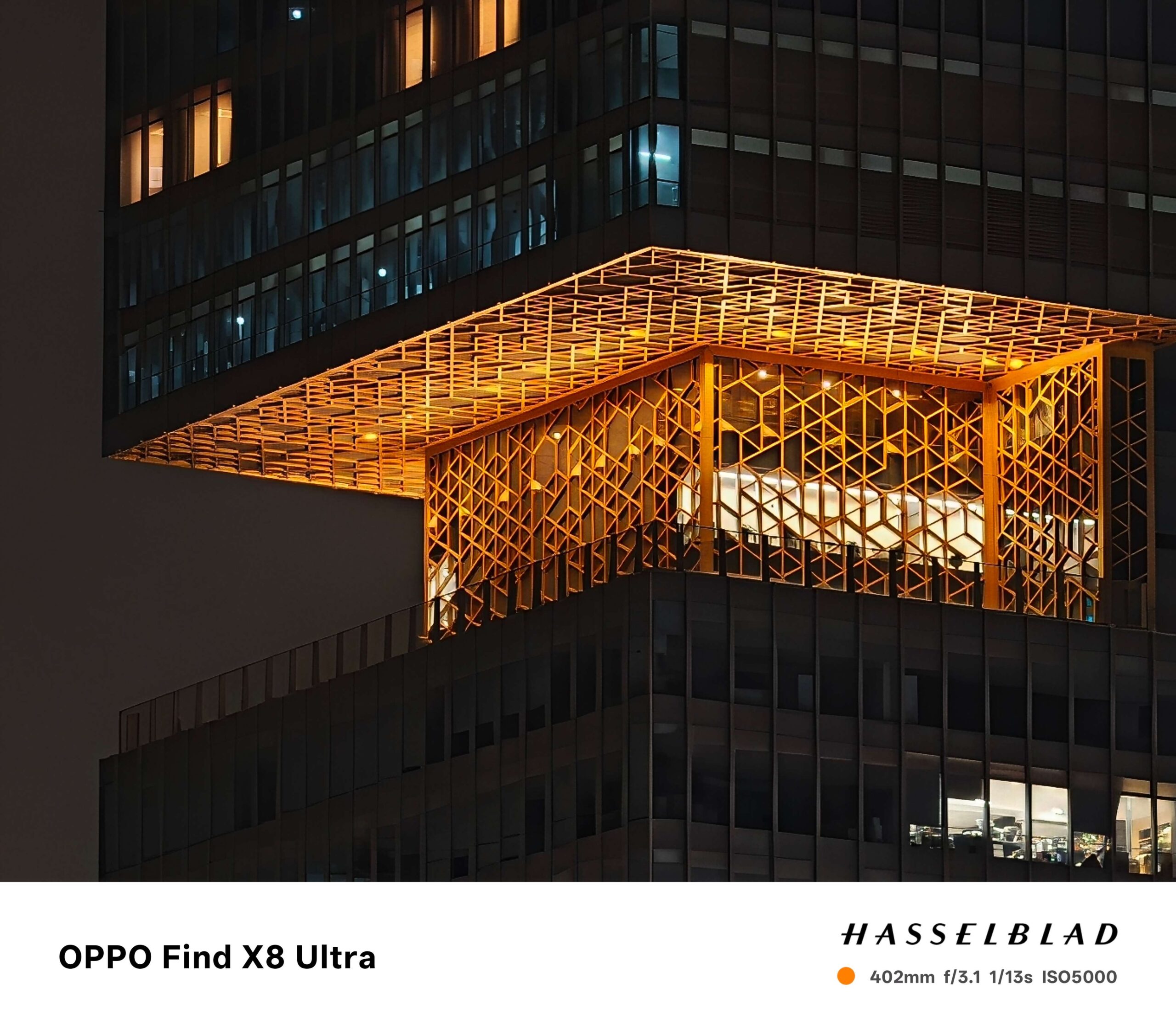
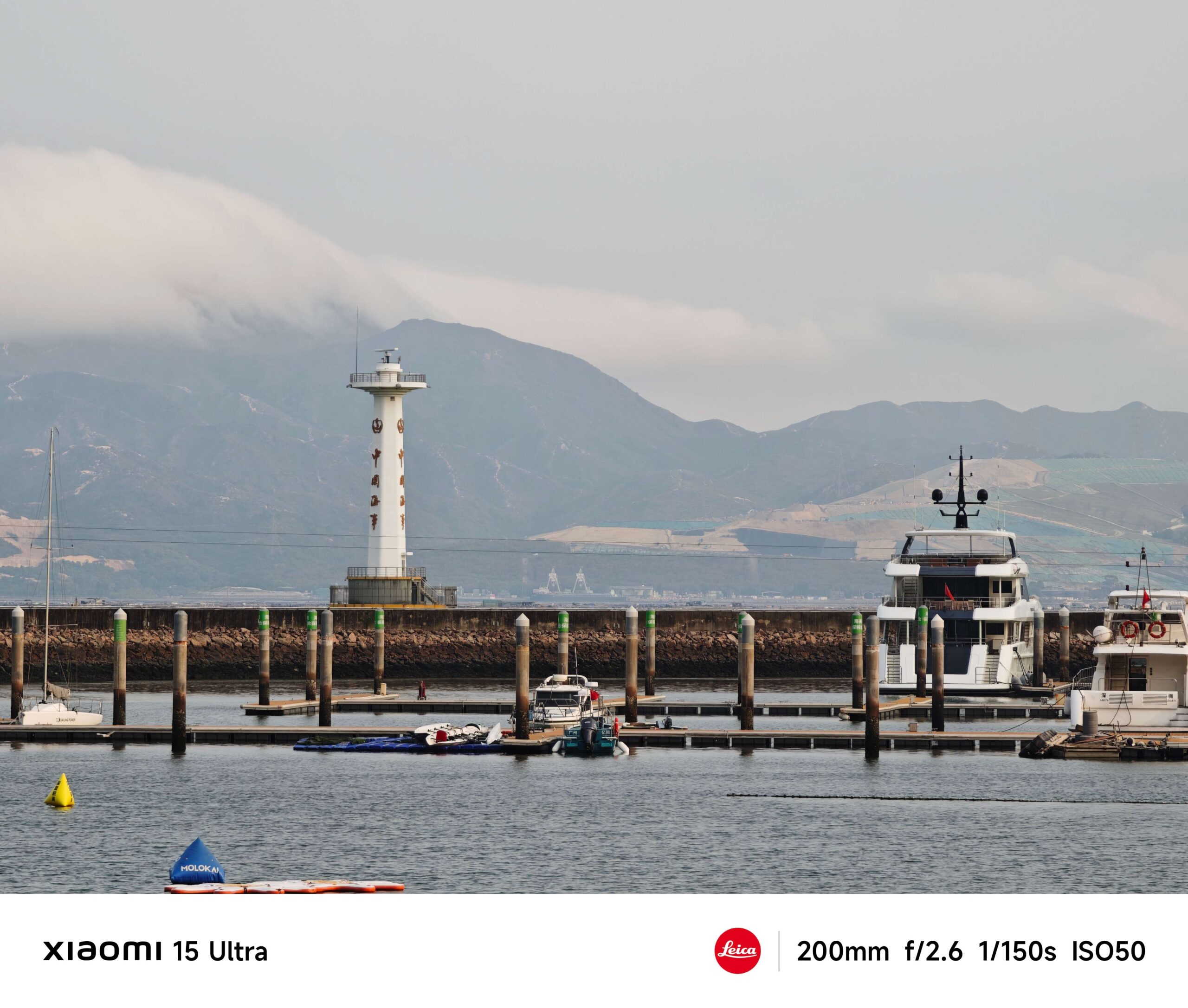
If we start getting AI involved in the telephoto processing, most people will prefer Xiaomi’s high-contrast images if we don’t look closely. But let’s zoom in a bit, and we’ll see that although the strolling phones don’t see much noise, they all have some smearing. Vivo’s performance here is average. Although it retained the details of the office below, its contrast is the lowest. Oppo’s sharpness is a little worse, but it is balanced in brightness and color.
Portrait Test
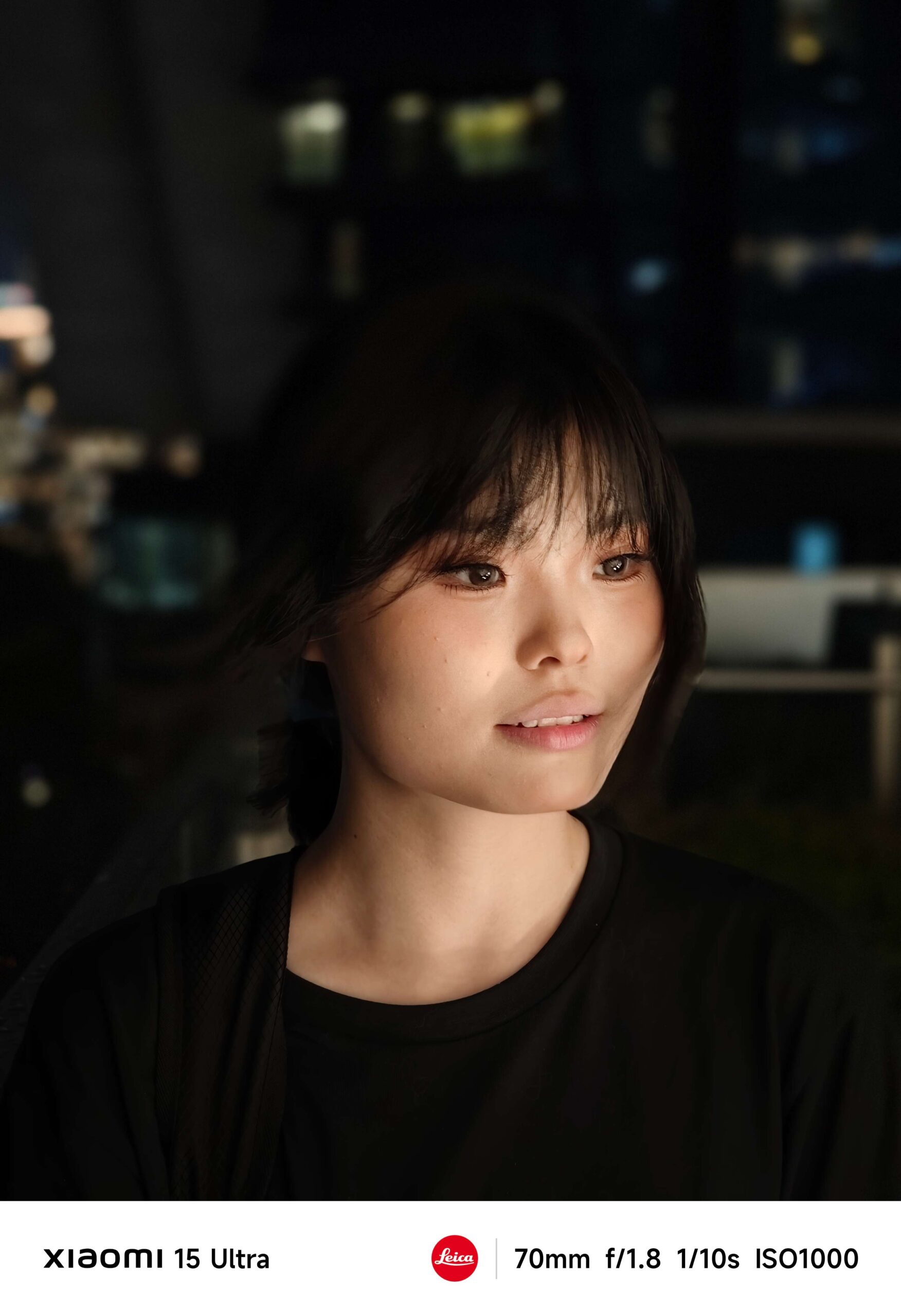
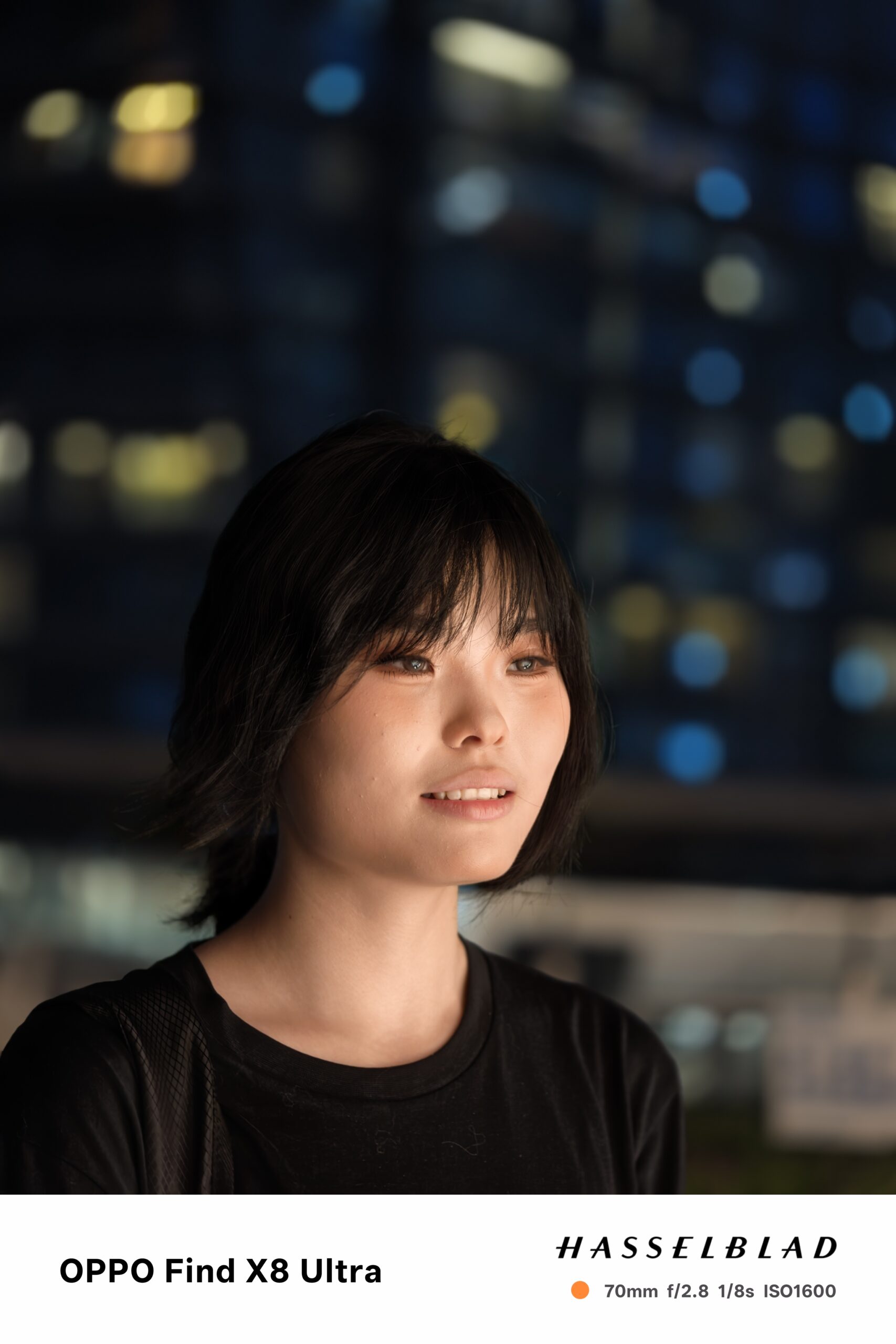
Let’s move on and try to shoot portraits. Indoors, we used professional lighting and shot in the portrait mode that comes with the phone. The first was a telephoto shot. The sharpness of all three shots is very good. Among them, the Vivo’s effect may look more eye-catching at first glance, but a closer comparison will reveal that the eyes of the characters shot by the Vivo are missing some vividness, making Holly look a bit dull and robot-like. Although we did not intentionally create eye light when lighting, in the final shooting effect, Oppo handled the best.


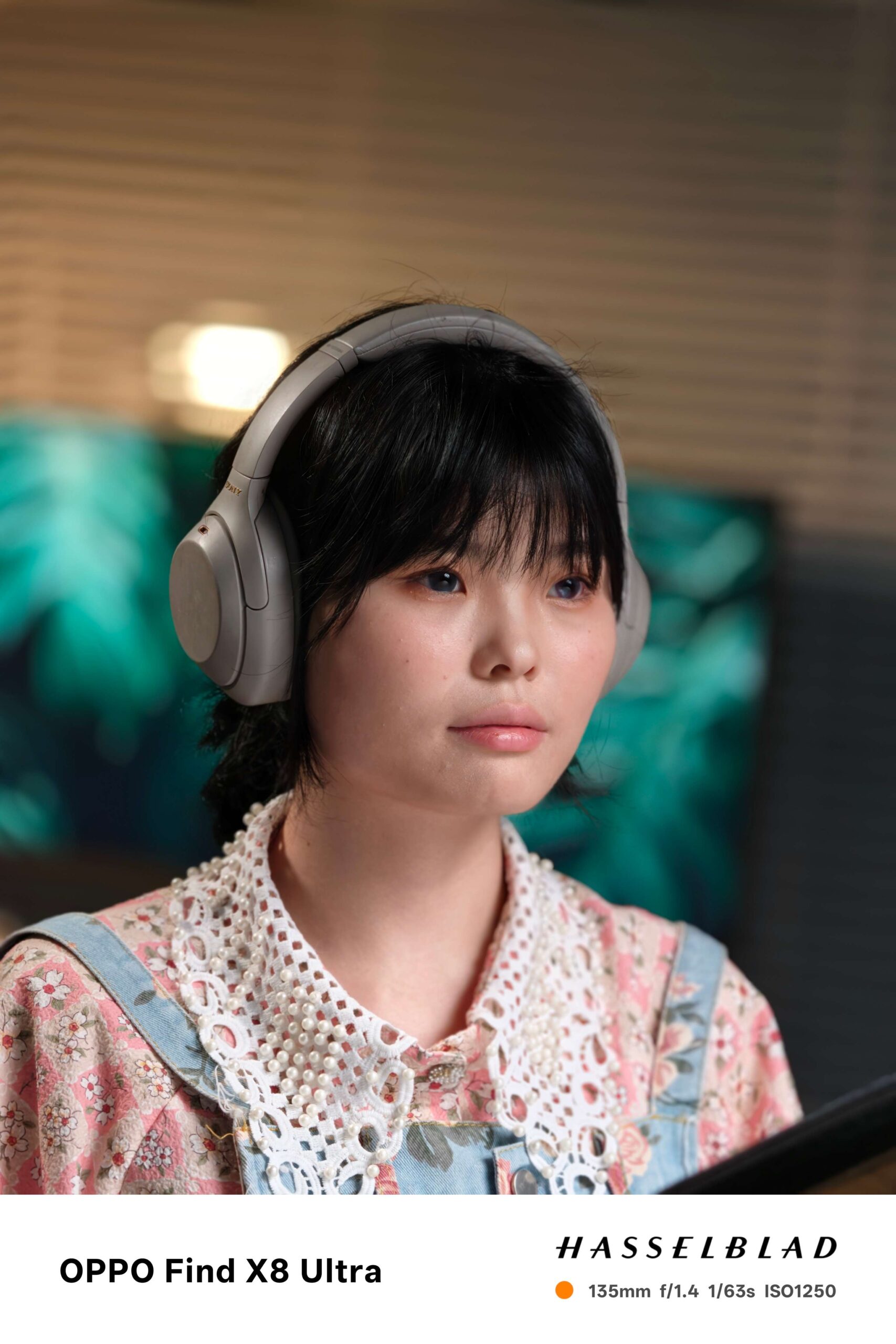
Observing the transition between the background and the edges of the character again, we can see that both Xiaomi and Oppo transitioned naturally. The vivo, on the other hand, is not fine enough to deal with the hair details, and is directly defocused. After enlarging the photo, we can find that the three phones are different in skin detailing. Xiaomi adds more shine and brightening effects to the skin, but I’m a bit puzzled as to why it sharpens the flawed details of the skin. Vivo’s skin has too much of a matte look, but instead, it balances out the brightness of the original left and right sides, and lacks a sense of three-dimensionality. It even hides quite a bit of detail.
After switching to 85mm, the three shots are similar to the telephoto. The Xiaomi still retains the same CCD-like color and contrast. But there are some more problems encountered with the processor on the edges of the background and people. After we adjusted the aperture to the same F1.4, we found that the background bokeh of all three phones is not quite right. Vivo and Xiaomi look like that, but Oppo has too much force, showing not very natural.

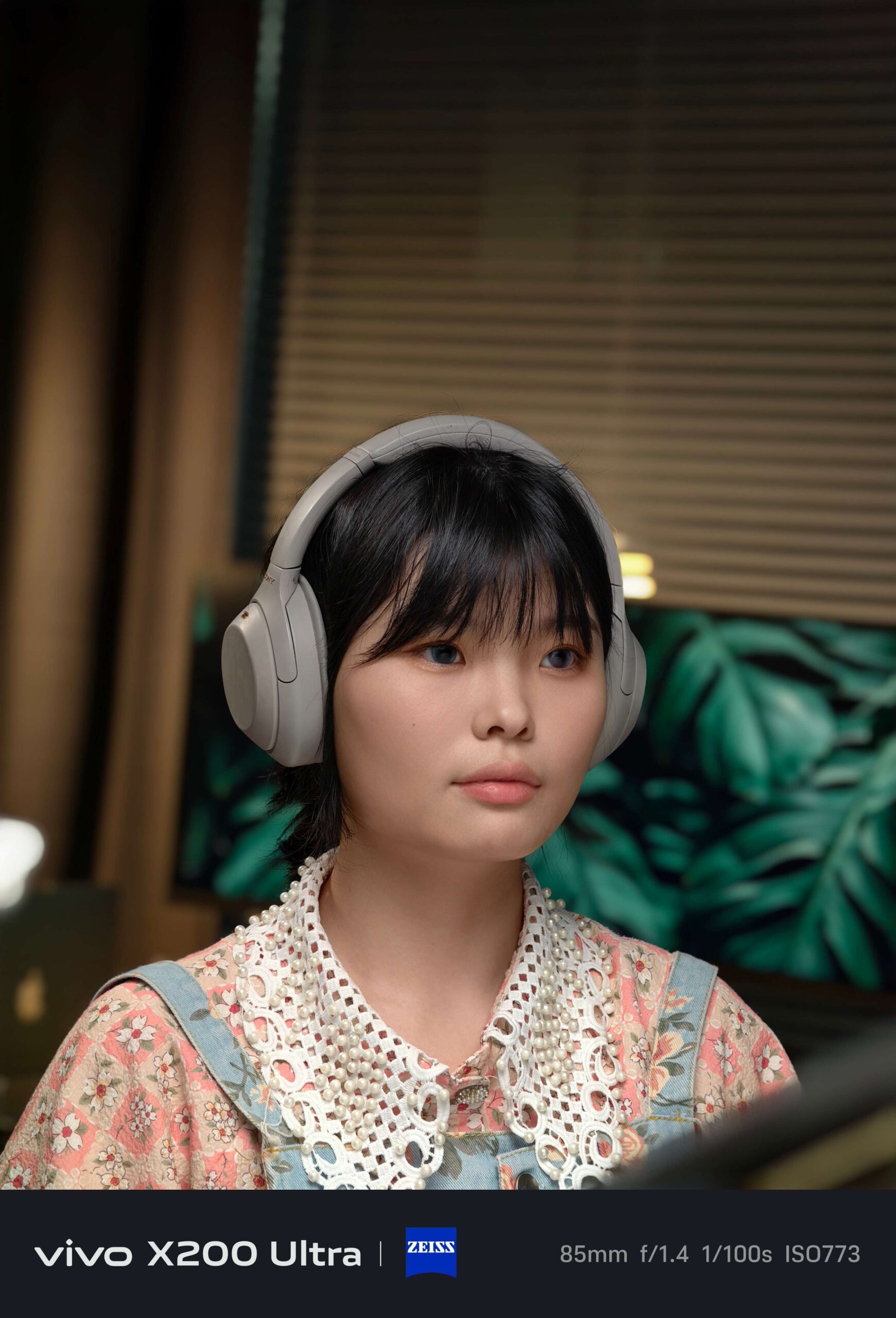
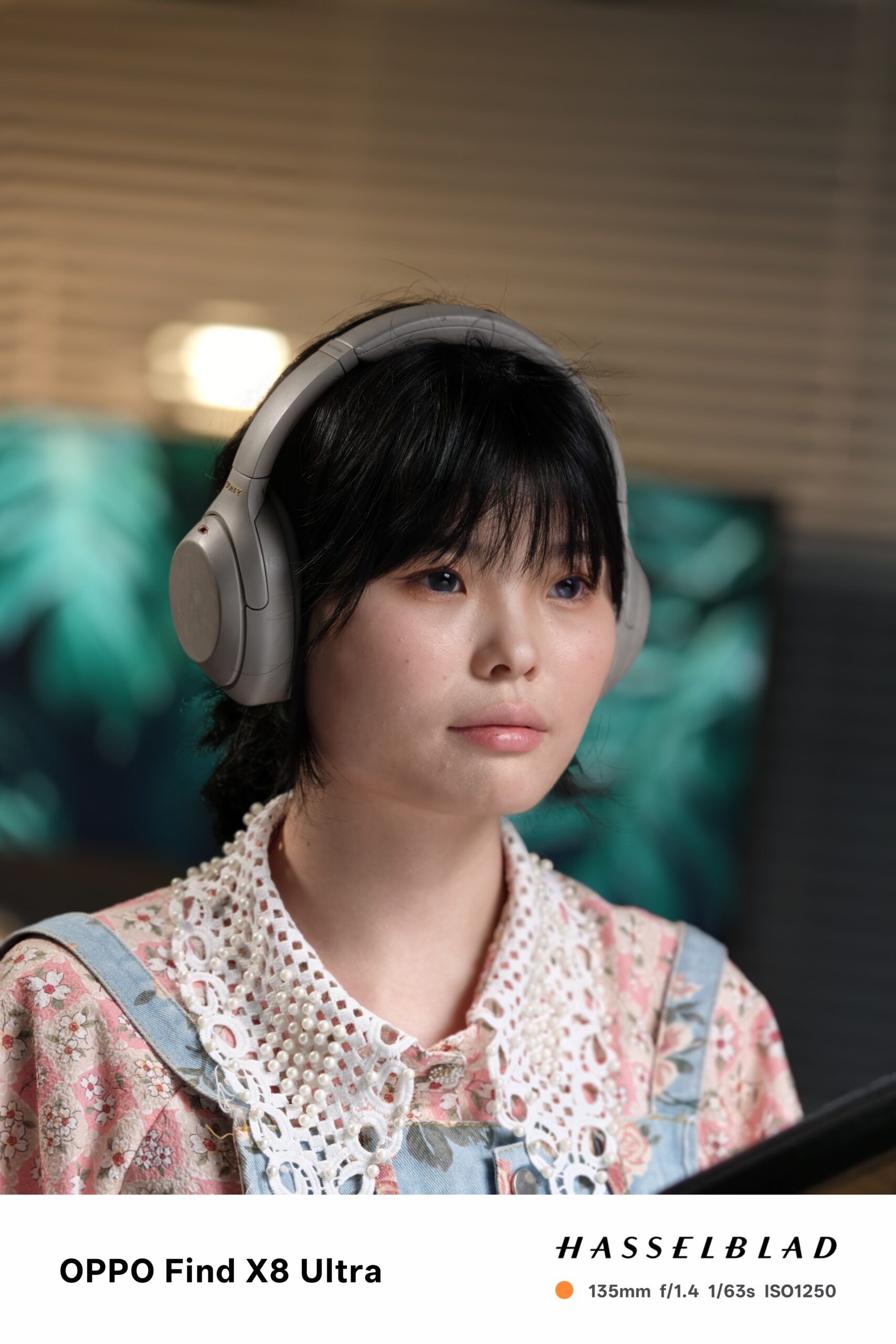
By the time we get to mid-focus here, Xiaomi has some more problems with edge transitions. As with the 85 in the previous set, there is a very obvious raw transition. But compared to the previous set of images, this set of images can more directly see the three phones’ styles of portrait processing: the waxing Xiaomi, the AI sense of vivo, and Oppo is the most consistent in terms of character detail and color. However, the algorithm in the background of Bokeh still shows some problems.
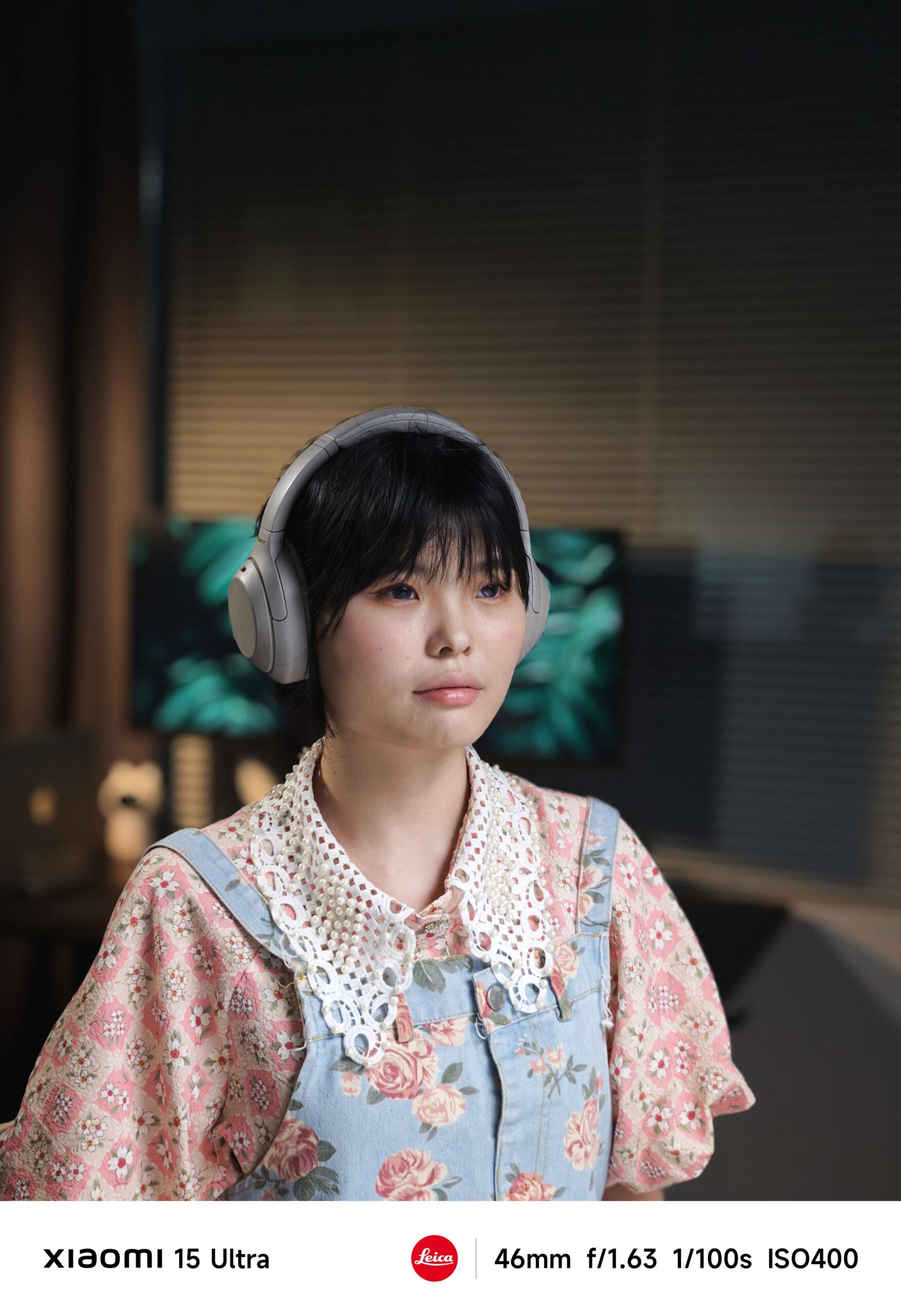

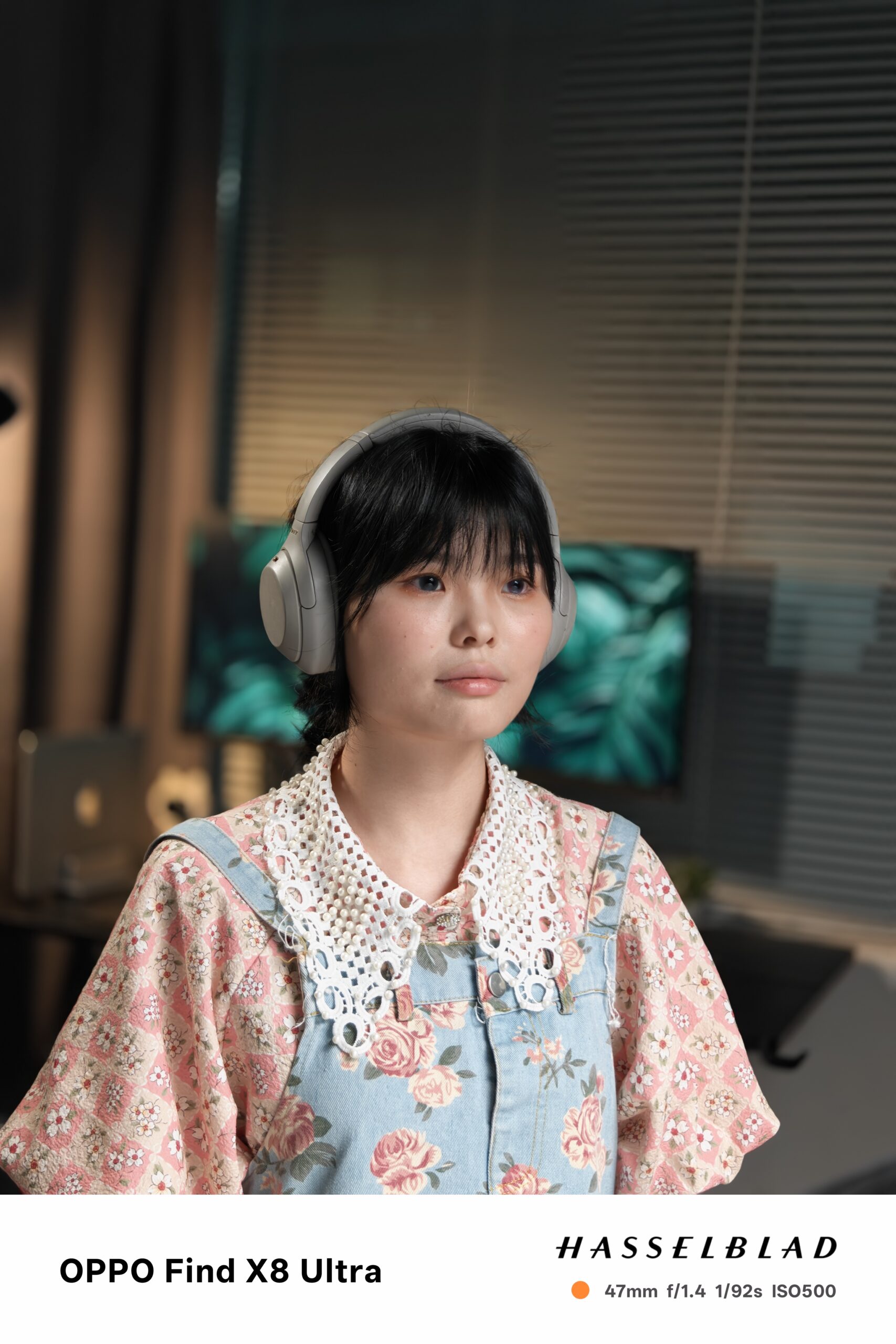
But when we shoot in a poor lighting environment, the result seems to be a little different. Xiaomi performs the best here instead, with a prominent subject and natural color reproduction. Vivo counts something strange on the edges of the clothes and hair, Oppo is relatively restored to the scene, separating the subject from the background very well compared to the first two.

Telephoto Macro and Wide-Angle Macro
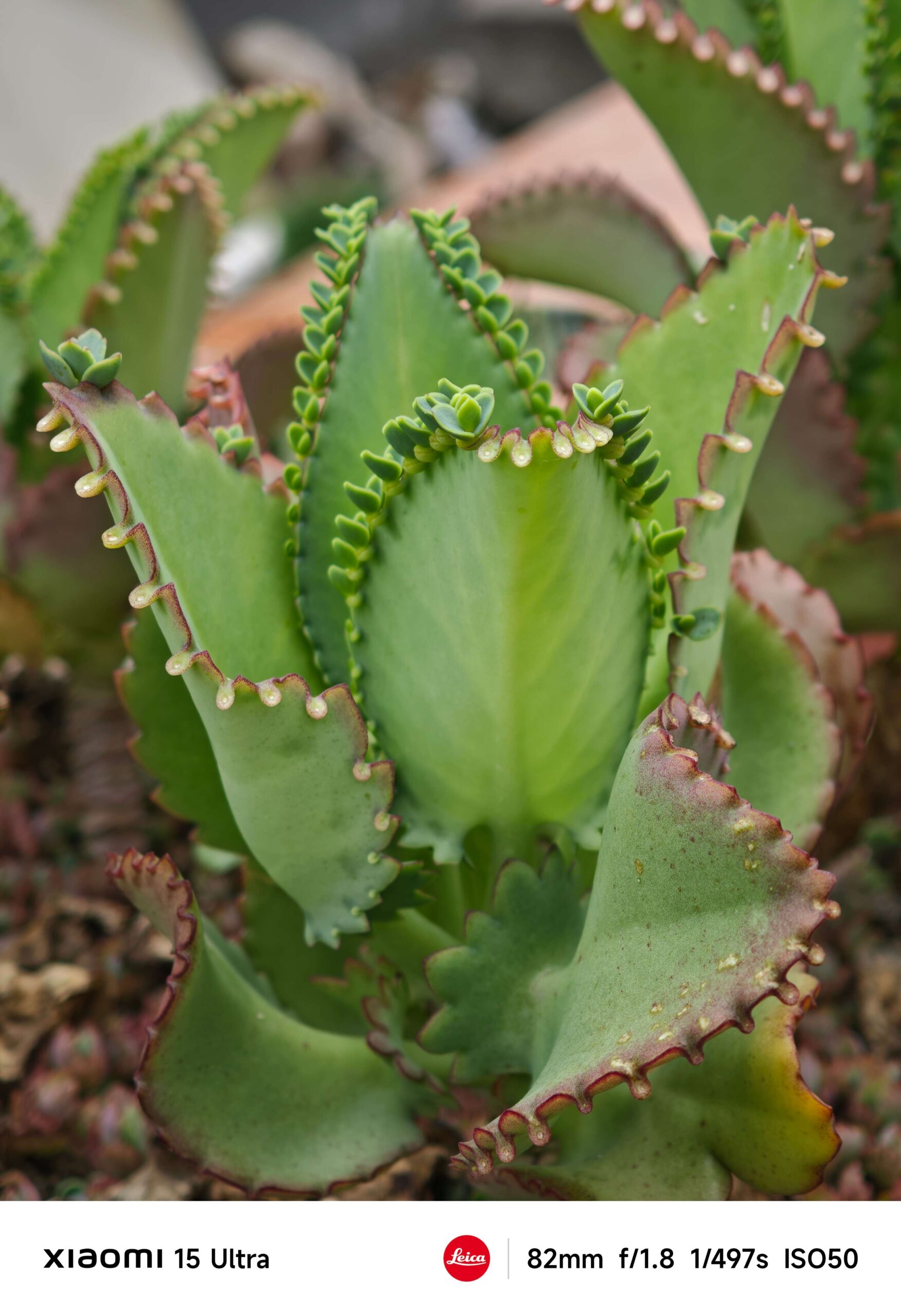
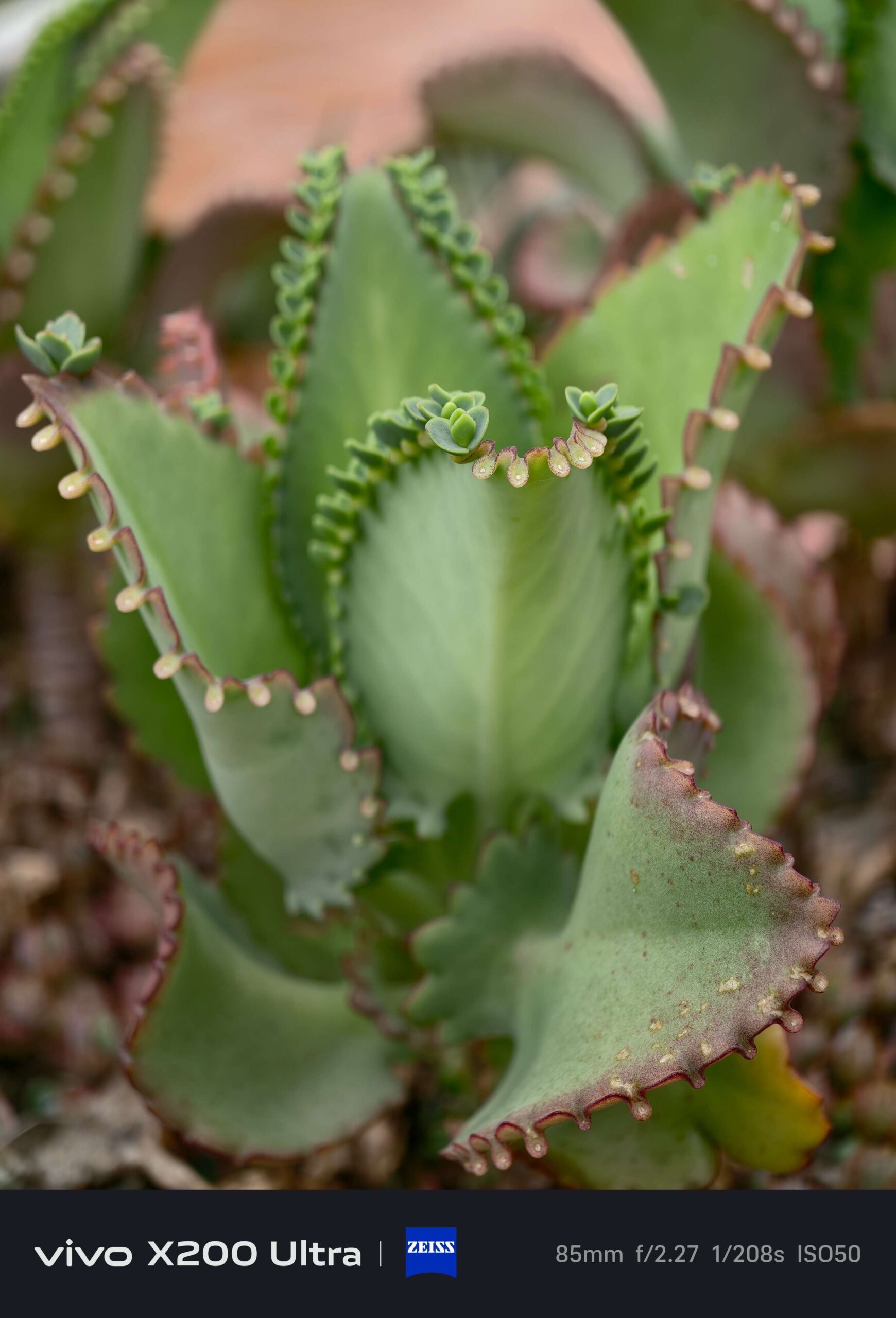
All three phones can render the spines and texture of the cactus, but the color and contrast performance vary. Xiaomi’s more vivid colors and higher contrast make the details of the cactus more prominent. Vivo’s colors are more natural, and the details are more balanced. Oppo looks more realistic in color reproduction, and the detail capture is equally good.
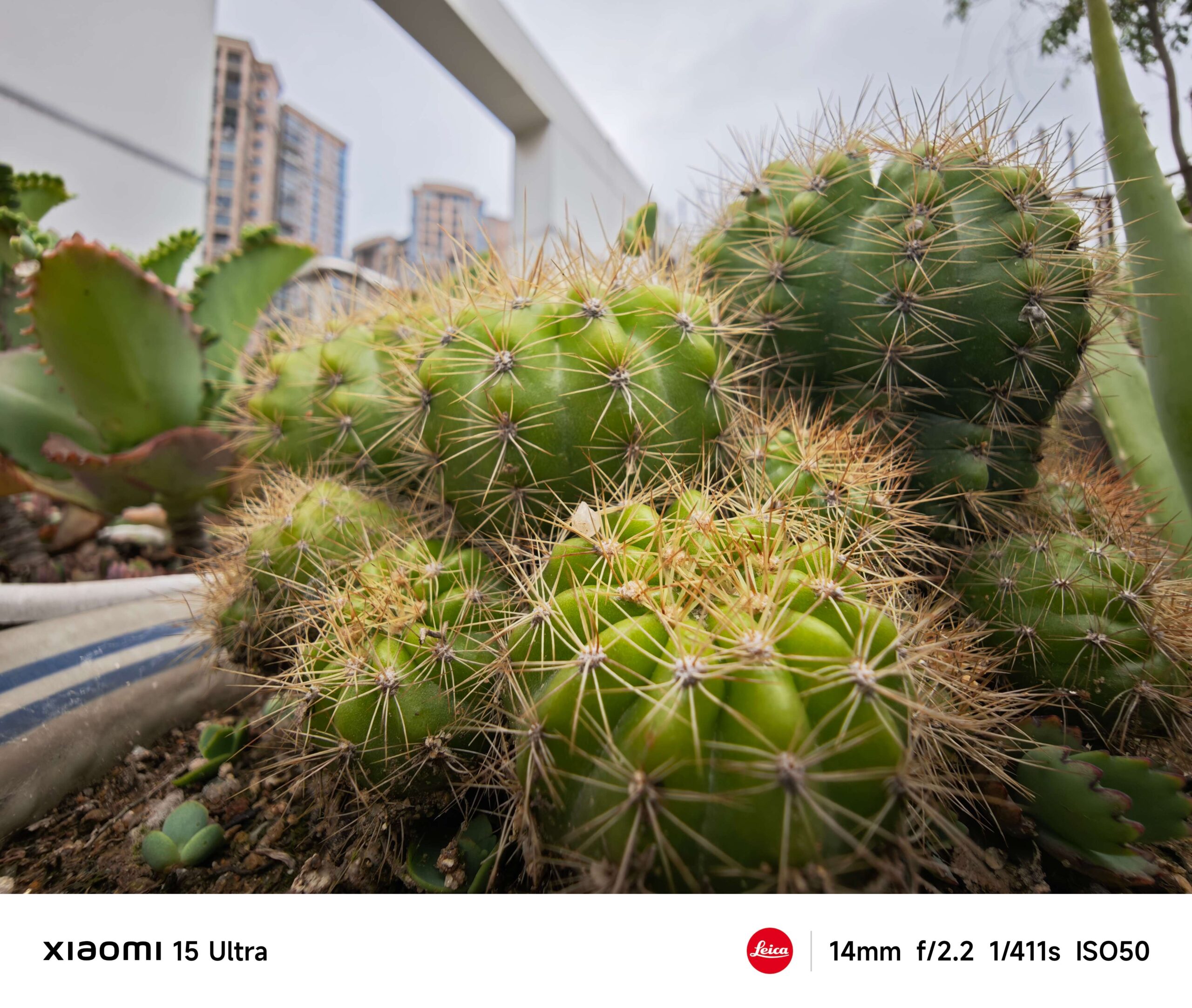
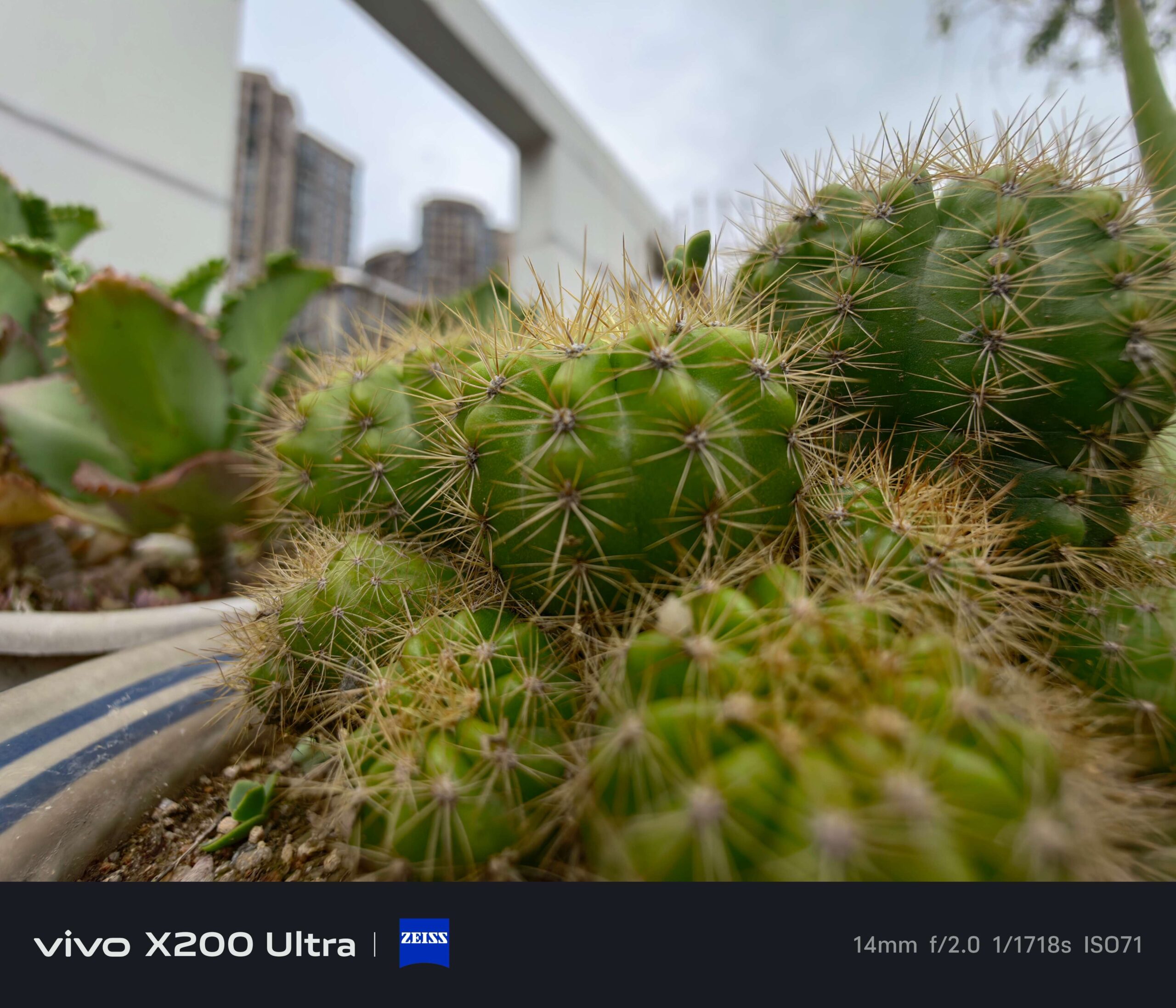
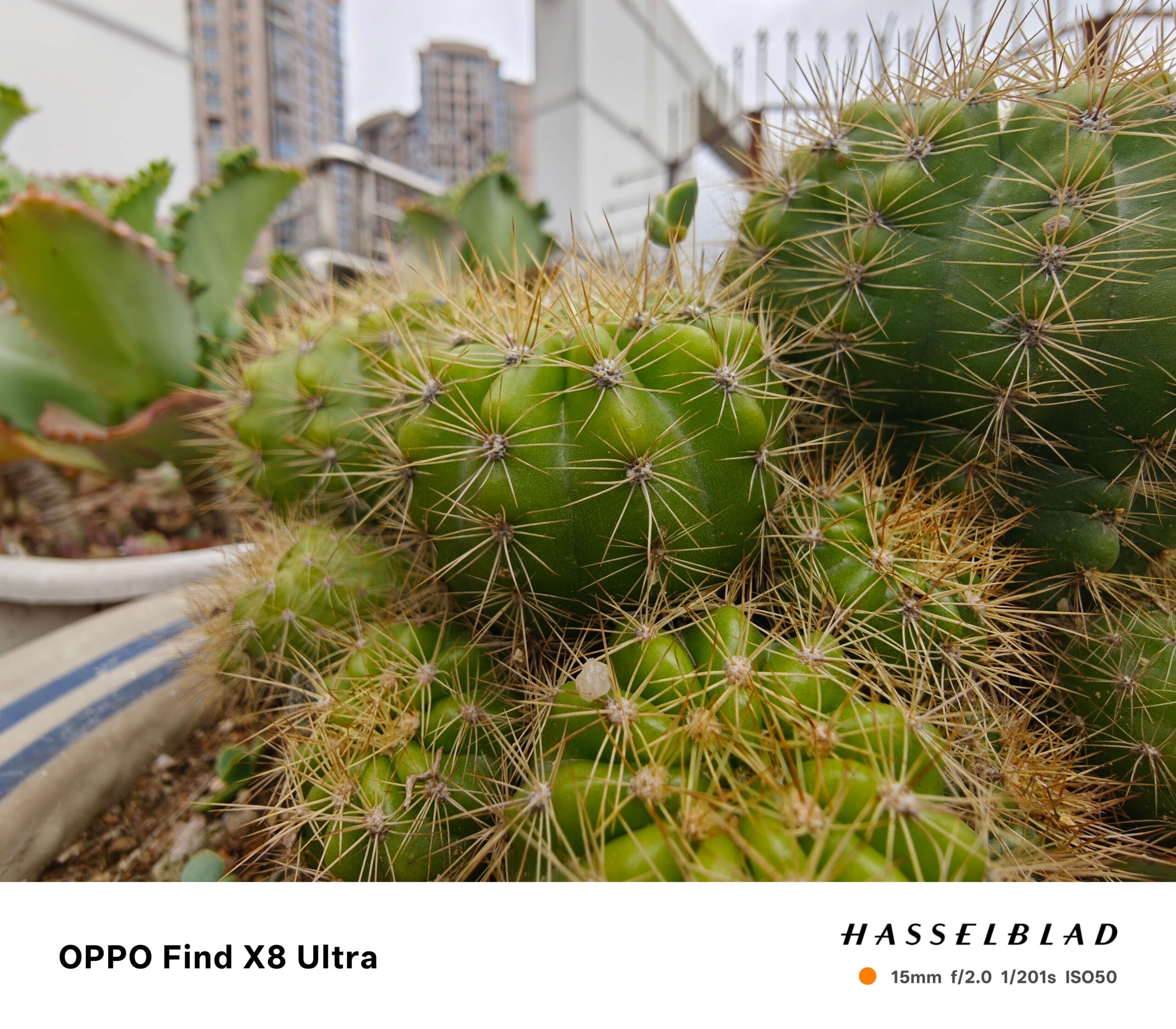
In terms of macro performance, all three phones managed to capture more details of the cactus, such as the texture on the leaves and the jagged edges. Xiaomi still stands out in terms of detail. Vivo maintains its natural color style. Oppo is quite balanced in terms of both detail and color.

Summary: Which phone has the worst camera?
That’s actually not a fair question! Each of these phones has strengths and weaknesses. During daylight, all three take excellent photos – you really have to look closely to spot the differences. It’s more about which phone’s style you prefer rather than which one is objectively better or worse.
Vivo shows its great ability in low-light situations in terms of photography, especially in telephoto shooting, with proper noise control and natural color reproduction. Its 35mm native lens delivers crisp and colorful images in daytime shots. While the white balance may be on the cool side in some cases, overall, Vivo offers a soft and appealing color style. The wide-angle only offers a 14mm viewing angle, but it offers a subtle advantage in terms of viewing angle width compared to the competition.


Oppo delivers a balanced and well-rounded performance in photography, both in terms of color reproduction and detail definition. When dealing with high-contrast scenes, Oppo can maintain a good balance of detail and color, especially in street and city architecture shots. Its wide-angle can reproduce the brightness and colors of the scene well, although slight flare is sometimes present. At the telephoto end, the native lens delivers sharp images and balanced brightness at 135mm focal length, showing Oppo’s prowess in telephoto shooting.

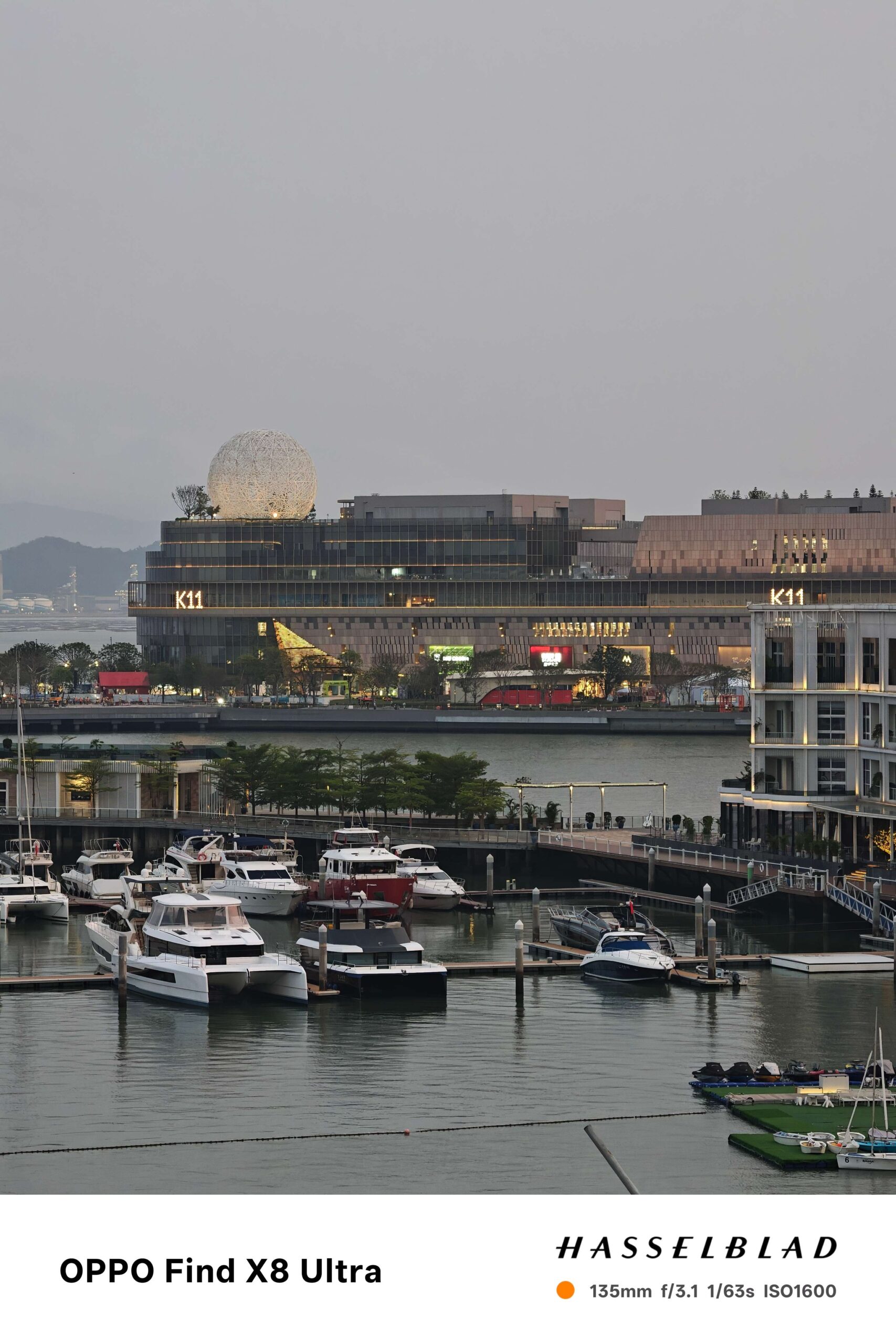

The Xiaomi excels in detail capture and background bokeh, especially when using large apertures and low ISO. Its wide-angle offers an angle of view between Vivo and Oppo, with good color reproduction. At the telephoto end, while there may be a drop in image quality in crop mode, contrast and detail performance improve with AI intervention. The Xiaomi performs well in scenes with high saturation and contrast, but sometimes suffers from yellowish or cool white balance issues. Overall, the Xiaomi Mi 15 Ultra is a phone that delivers high-quality images in a wide range of shooting scenarios.

Unfortunately, none of these phone cameras are perfect – they all have some weaknesses. But the good news is that these three options give you choices based on what matters most to you.
You might have also noticed we didn’t talk about video recording in this comparison. That’s because Oppo doesn’t have a proper video LOG profile yet (claimed to be updated soon), so it wouldn’t be a fair comparison. Would you be interested in seeing how these phones compare for video? Let us know in the comments under the video, and we might make a follow-up article just on video capabilities.




Comments