Add GIZMOCHINA as Preferred Source on Google
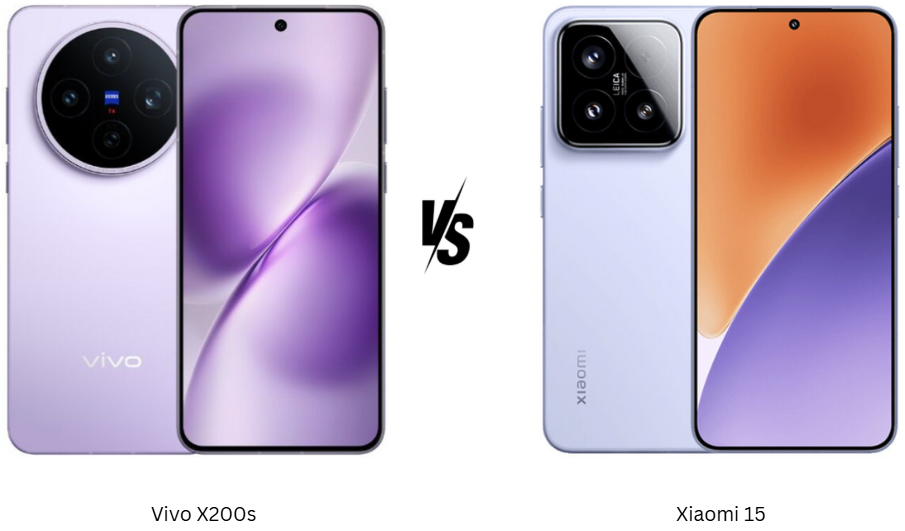
Vivo X200s and Xiaomi 15 represent two of the most powerful compact Android flagships of 2025, each pushing boundaries in design, performance, and imaging. With both devices packing top-tier hardware and advanced camera systems, this comparison is crucial for users seeking a high-end experience in a sleek form factor. Whether your priority is display quality, chipset power, or photography, understanding their differences helps clarify which device delivers better value and suits your specific needs.
1. Design and Display

Build and Feel:
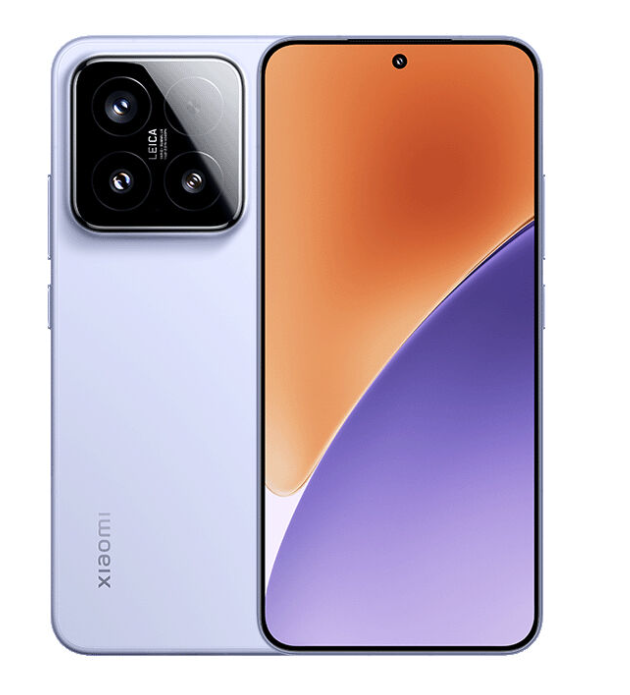
Both phones feature premium designs with IP68 water and dust resistance. The Vivo X200s emphasizes ruggedness with an IP69 rating and offers a slightly more durable build for those exposed to harsh environments or water-intensive use. It also uses a curved body design that feels more ergonomic in hand. The Xiaomi 15, however, feels lighter and more compact due to its smaller form factor and aluminum alloy frame. Xiaomi Shield Glass adds durability while keeping the phone sleek. While Vivo excels in robustness, Xiaomi takes the edge in hand comfort and sophistication.
Display Quality:
Vivo X200s features a 6.67-inch AMOLED panel with 1B colors, HDR10+, and an extreme 5000-nit peak brightness, making it outstanding for direct sunlight use. Xiaomi counters with a smaller 6.36-inch LTPO AMOLED offering a stunning 68B colors, Dolby Vision, and 3200 nits brightness. Xiaomi’s LTPO tech brings better battery efficiency and more accurate adaptive refresh. Though Vivo is brighter, Xiaomi’s color depth and HDR tuning are superior, especially for cinematic content.
Verdict:
Xiaomi 15 wins in overall design finesse and display richness, while the Vivo X200s offers better outdoor readability and rugged utility.
2. Specifications
Performance:
Vivo X200s runs on the MediaTek Dimensity 9400+, with Cortex-X925 cores and Immortalis-G925 GPU, delivering flagship-level speeds. Xiaomi 15 uses the Snapdragon 8 Elite with newer Oryon cores and Adreno 830 GPU, giving it a raw performance edge, especially in GPU-heavy tasks and sustained thermal control. Xiaomi also benefits from UFS 4.0, slightly slower than Vivo’s UFS 4.1 in sequential read/write, but the Snapdragon chip balances this out in overall responsiveness. For gaming and sustained performance, Xiaomi is the stronger performer.
Battery and Charging:
Vivo X200s packs a larger 6200 mAh battery, paired with 90W wired and 40W wireless charging. Xiaomi offers a smaller 5240/5400 mAh battery but adds 50W wireless and 10W reverse wireless charging, plus a faster USB-C 3.2 interface. While Vivo has a larger battery life on paper, Xiaomi’s charging versatility is better suited for modern usage, especially with reverse wireless charging. However, for power users prioritizing screen-on time, Vivo offers more endurance.
Verdict:
Xiaomi 15 offers better processing power and charging versatility, while the Vivo X200s leads in battery life and efficiency.
3. Camera
Main and Secondary Lenses:
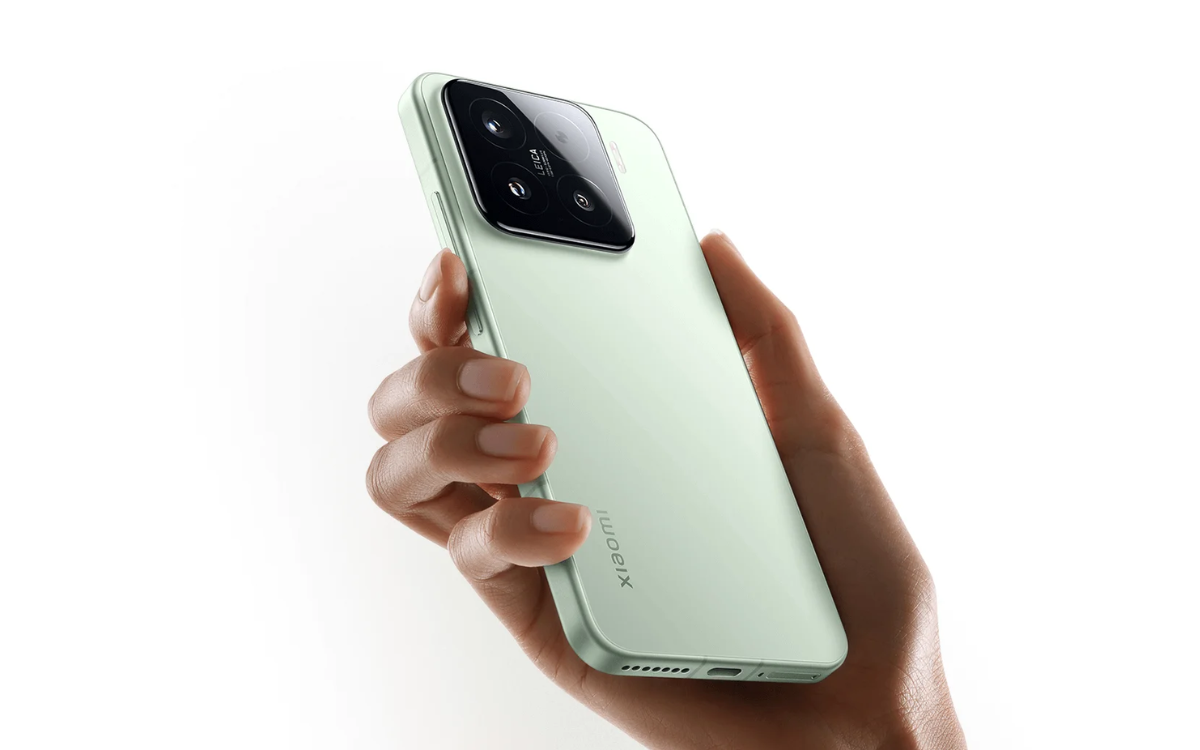
Both phones use triple 50 MP sensors, but the Xiaomi 15 uses a larger main sensor (1/1.31″) with Leica tuning and better video capabilities including 8K and Dolby Vision. Its telephoto offers 2.6x optical zoom, and the ultrawide covers a 115˚ field. Vivo’s Zeiss optics and 3x periscope telephoto lens give it a better optical zoom range, and the ultrawide is slightly wider at 119˚. In photography, Xiaomi captures richer colors and more cinematic video, while Vivo focuses more on precision zoom and consistency.
Selfie Camera:
Both offer 32 MP front cameras with 4K video support. Xiaomi provides a wider sensor with HDR10+ and EIS, making it better for video-focused content. Vivo’s selfie cam has an ultrawide 20mm lens, ideal for group selfies, but lacks HDR10+ for video. Xiaomi is better suited for vlogging or streaming, whereas Vivo suits wider, social-capture needs.
Verdict:
Xiaomi 15 offers superior main sensor quality and video performance, while the Vivo X200s is better for zoom photography and wide-angle selfies.
4. Pricing
Vivo X200s is priced at approximately $650, while the Xiaomi 15 costs around $1000. This $350 price difference positions the Vivo as a better value option, offering flagship features like a periscope zoom, a larger battery, Zeiss optics, and an ultra-bright display at a significantly lower cost. While Xiaomi offers more premium performance and Leica-tuned imaging, it comes at a flagship-tier price.
For those prioritizing value without sacrificing much on core specs, Vivo provides more for less.
5. Conclusion

Vivo X200s stands out with its 6200 mAh battery, IP69 rating, and 3x periscope zoom, making it ideal for users who prioritize endurance, camera reach, and durability. Xiaomi 15 distinguishes itself with its Snapdragon 8 Elite chip, Dolby Vision video recording, 8K capture, and more refined display and audio tech, geared toward multimedia and performance-heavy users. Each excels in different premium areas.
Verdict:
Choose the Vivo X200s for superior battery, rugged build, and affordability. Choose the Xiaomi 15 for flagship-level performance, video capabilities, and compact design. The decision depends on whether performance or practicality is the bigger priority.
Read More:
- Vivo X200s vs iPhone 16 Pro: Does Vivo Outshine iPhone?
- Oppo Find X8s+ vs Vivo X200s: Who Has the Best Premium Value in 2025?
- Vivo X200s vs OnePlus 13: Which One Packs More Power?