Add GIZMOCHINA as Preferred Source on Google
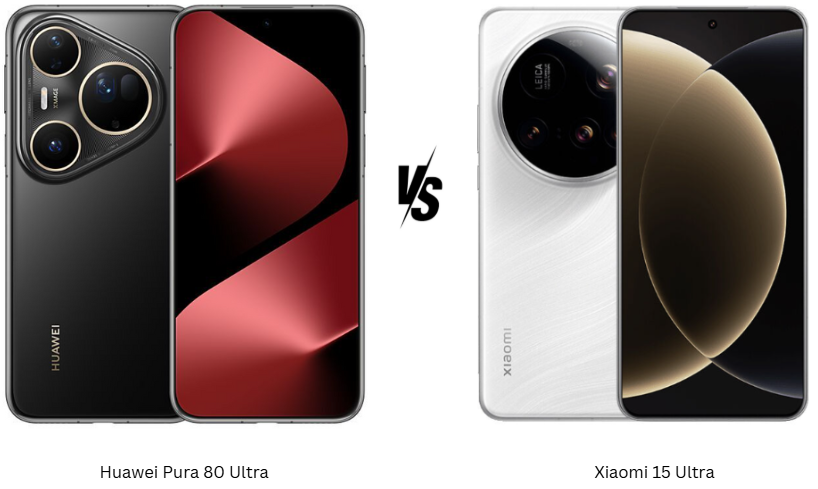
Huawei Pura 80 Ultra and Xiaomi 15 Ultra are two of 2025’s most advanced flagship smartphones, each pushing the boundaries of mobile innovation. With both brands offering top-tier cameras, cutting-edge displays, and unique design elements, this comparison is crucial for users deciding between Huawei’s imaging precision and Xiaomi’s performance power. As premium devices from two tech giants, they represent different philosophies, making this matchup one of the most relevant battles in the current smartphone landscape.
1. Design and Display

Build and Feel:
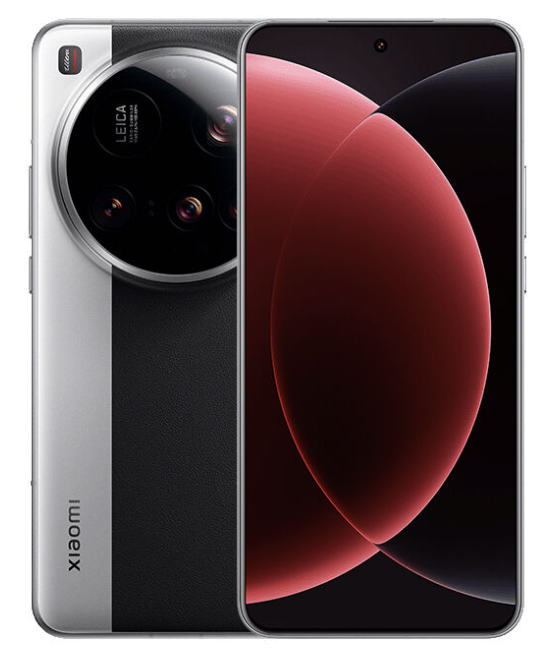
Huawei Pura 80 Ultra features a sleek glass build with an aluminum frame and high ingress protection (IP68/IP69), giving it military-grade durability with resistance to high-pressure water. Xiaomi 15 Ultra also offers IP68 protection, but its use of aerospace-grade glass fiber or silicone polymer gives buyers more options in terms of feel and eco-friendliness. While both phones are premium in hand, Xiaomi’s optional eco-leather back and slightly lighter frame provide a more refined ergonomic experience. Verdict: Xiaomi 15 Ultra edges ahead for offering versatile materials and a more comfortable in-hand feel.
Display Quality:
Huawei equips the Pura 80 Ultra with a 6.8-inch LTPO OLED panel supporting 1B colors, 1440Hz PWM dimming, HDR, and 3000 nits peak brightness. Xiaomi counters with a slightly smaller but sharper 6.73-inch LTPO AMOLED with 68B colors, 1920Hz PWM, Dolby Vision, HDR10+, and a peak brightness of 3200 nits. Xiaomi’s Dolby Vision, broader color rendering, and higher peak brightness deliver a more immersive multimedia experience, especially for HDR content.
Verdict: Xiaomi 15 Ultra has a better display with superior color depth and contrast handling.
Verdict:
Both devices are built to flagship standards, but Xiaomi 15 Ultra wins on design flexibility and display quality. Its eco-leather back, Dolby Vision support, and brighter screen offer a more polished experience in daily use.
2. Specifications
Performance:
Huawei’s Kirin 9020 is a 7nm chip with a custom CPU and Maleoon 920 GPU, focused on power efficiency. In contrast, Xiaomi 15 Ultra runs the Snapdragon 8 Elite (3nm) with significantly faster cores and the Adreno 830 GPU. Benchmarks place Snapdragon far ahead in AI performance, gaming, and sustained workloads. Xiaomi also offers UFS 4.1 storage, ensuring quicker app loads and file transfers.
Verdict: Xiaomi 15 Ultra is the superior performer, thanks to its more advanced CPU and GPU architecture.
Battery and Charging:
Huawei includes a 5700 mAh battery with 100W wired and 80W wireless charging, plus 20W reverse wireless and 18W reverse wired. Xiaomi’s global variant has a 5410 mAh battery (6000 mAh in China) and supports 90W wired, 80W wireless, and 10W reverse wireless. While Huawei has slightly faster-wired charging and better reverse options, Xiaomi’s larger China-only battery and PD3.0/QC3+ compliance provide better compatibility and longevity.
Verdict: Huawei has a small edge in charging flexibility, but Xiaomi wins in global battery capacity.
Verdict:
In overall hardware specs, Xiaomi takes the lead in raw performance and display tech, while Huawei gains ground with more versatile charging. Still, Xiaomi 15 Ultra offers a stronger combination of flagship power and storage speed.
3. Camera

Main and Secondary Lenses:
Huawei equips the Pura 80 Ultra with a versatile quad-camera setup: dual periscope telephoto lenses (3.7x and 9.4x), a 1-inch type main sensor with variable aperture, and a high-quality 40 MP ultrawide. Xiaomi’s camera setup includes a 1-inch 50 MP main sensor, a 3x 50 MP telephoto, a 200 MP periscope at 4.3x, a 50 MP ultrawide, and TOF depth sensor. Xiaomi also supports 8K video, Dolby Vision recording, and a Leica-tuned color profile. Huawei’s dual periscope lenses are unique, but Xiaomi’s sensor quality and versatility offer better consistency across focal lengths.
Verdict: Xiaomi 15 Ultra has a more powerful and well-rounded camera system.
Selfie Camera:
Huawei uses a 13 MP ultrawide with autofocus and 4K video support, giving flexibility for group selfies and vloggers. Xiaomi includes a 32 MP wide-angle selfie camera with better pixel density, HDR, and 4K@60fps video. Xiaomi’s higher resolution and better dynamic range deliver more detailed selfies under diverse lighting.
Verdict: Xiaomi offers a better front camera for both stills and video.
Verdict:
While Huawei has impressive zoom capabilities with its dual telephoto sensors, Xiaomi 15 Ultra outperforms overall with superior sensors, Leica optics, and 8K video support, making it more appealing for photography enthusiasts.
4. Pricing
Huawei Pura 80 Ultra is priced around $1500, while the Xiaomi 15 Ultra starts at approximately $1000 for the base 256GB model. Xiaomi offers multiple configurations at lower prices, including 512GB and 1TB models with 16GB RAM. Despite being more affordable, Xiaomi doesn’t compromise on flagship features it offers more in terms of performance, camera, and display. Huawei’s higher cost is driven by satellite messaging and dual telephoto setup, but the price-to-feature ratio favors Xiaomi.
Verdict: Xiaomi 15 Ultra is significantly better value for money, offering more flagship features at a lower price.
5. Conclusion
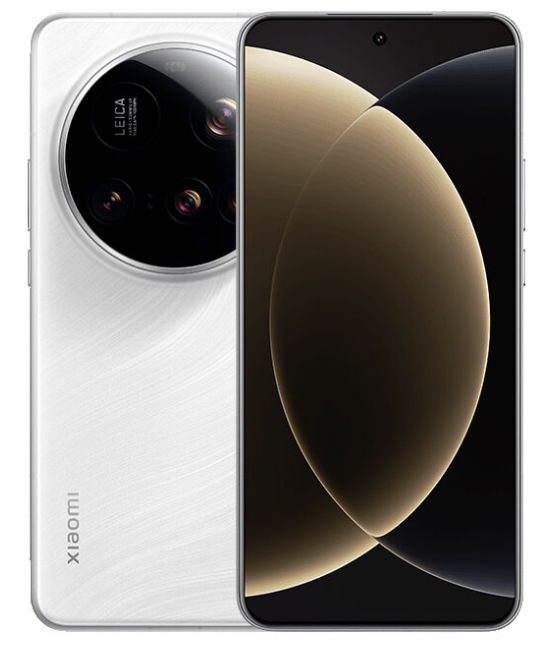
Huawei’s major standout is its dual periscope camera system, satellite calling and messaging, and ultra-fast 100W charging with dual reverse capabilities. It also boasts IP69 certification, which is rare even among flagships. Xiaomi responds with Leica co-engineered optics, 8K Dolby Vision recording, Snapdragon 8 Elite chip, and optional eco-friendly materials, along with two-way satellite messaging and Hi-Res wireless audio.
Overall, Xiaomi 15 Ultra delivers a more advanced and balanced flagship experience across display, performance, and camera. For users prioritizing camera versatility, satellite features, or reverse charging, Huawei remains a solid choice. But for most users seeking performance, photography, and value, Xiaomi stands out as the more compelling option.