
Add GIZMOCHINA as Preferred Source on Google
UPDATE– Xiaomi India reached out directly to us to confirm that the Leica alliance is very much intact. “Together, Xiaomi and Leica have collaborated closely to integrate advanced optics and imaging technologies into Xiaomi devices,” a spokesperson told us. “This partnership continues to thrive, grounded in a shared vision of pushing the boundaries of mobile imaging. Recent rumors suggesting the end of our collaboration are entirely unfounded.”
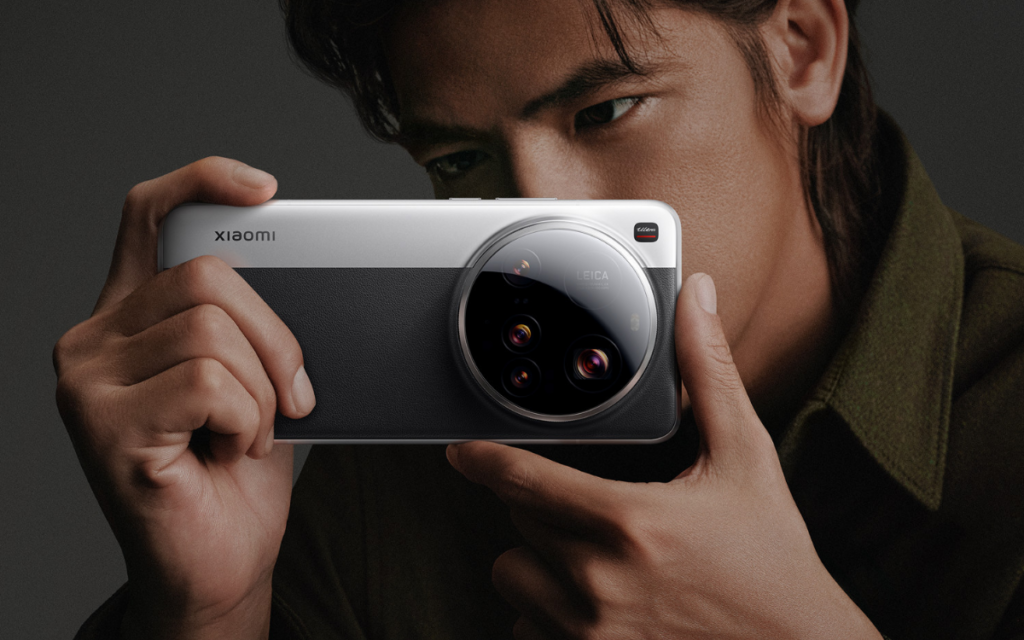
Xiaomi is making a major shift in its smartphone imaging strategy by ending its co-branding partnership with Leica for all upcoming SM8850 sub-series devices. These phones, expected to run on the Snapdragon 8 Elite 2 chipset, will instead rely on Xiaomi’s in-house imaging technologies.
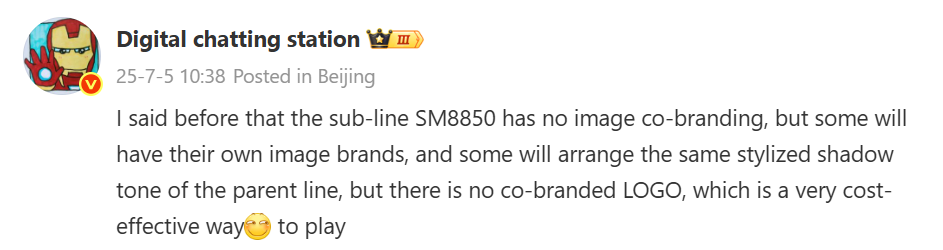
According to tipster Digital Chat Station, future Xiaomi and Redmi models will use proprietary imaging brands or apply customized color tuning inspired by the main flagship series. These devices will not feature any external branding, such as Leica logos.
The move reflects Xiaomi’s confidence in its internal research and development teams and is also expected to reduce manufacturing costs. Co-branding with Leica reportedly added $3–$5 per device in licensing fees, along with additional authorization charges.
This change will apply to several upcoming models, including the Xiaomi 16, 16 Pro, 16 Ultra, and 16 Ultra Max, as well as the Redmi K90 Pro and Poco F8 Ultra. Redmi and Poco, which compete in price-sensitive markets, are likely to benefit the most from the cost savings.
Xiaomi plans to redirect the money saved from branding fees into hardware upgrades. Upcoming devices are expected to include better sensors, improved computational photography, bigger batteries, and updated flat-panel displays. Digital Chat Station also said that Redmi’s camera capabilities will undergo a significant upgrade, calling it an “epic-level” enhancement.
This pivot follows a broader trend among smartphone makers to move away from third-party imaging partnerships. Huawei now uses its own XMAGE system after ending its collaboration with Leica. Meanwhile, brands like Vivo, Oppo, and Honor continue to work with Zeiss, Hasselblad, and Harcourt, respectively.
By cutting co-branding deals and strengthening its in-house solutions, Xiaomi is positioning itself to deliver flagship-level features while keeping pricing competitive. All upcoming SM8850 series phones are also expected to include large batteries and flat displays, pointing to a clear focus on core user experience.
In related news, Xiaomi has launched a new 8000W modular track socket featuring a child-safe design and smart power controls. The company has also introduced a floor-standing air conditioner with fast cooling and heating, a 115° wide-angle swing, and HyperOS integration.
For more daily updates, please visit our News Section.
Stay ahead in tech! Join our Telegram community and sign up for our daily newsletter of top stories! 💡
(Via)




Comments