Add GIZMOCHINA as Preferred Source on Google
Samsung’s foldable game has always been about refinement. From the chunky, experimental Galaxy Fold to the sleeker, more durable Fold 5, the evolution has been steady if not explosive.
But with the Galaxy Z Fold 7, Samsung has finally gone bold again. This is not just another annual refresh. It’s a design rethink, a spec overhaul, and a full-on reintroduction of the Fold series into the flagship spotlight.
1. The Fold That Finally Feels Complete

The most obvious improvement is the form factor. The Z Fold 7 is Samsung’s thinnest and lightest Fold ever, measuring just 4.2mm when open and 8.9mm folded, and weighing 215g, even lighter than the Galaxy S25 Ultra. That difference is tangible. The Fold 7 no longer feels like two phones sandwiched together. It feels like one coherent device.
And it’s not just about being lighter. The cover screen has grown to 6.5 inches with a taller 21:9 aspect ratio, addressing long-standing complaints about the Fold series’ narrow outer display. The main display is now a full 8 inches, 11% larger than before, and yes, both displays peak at a stunning 2600 nits, matching the Fold 6 but offering better usability in bright environments.
Crucially, the inside under-display camera (UDC) is gone. That hazy 4MP compromise has been replaced by a clean 10MP shooter. It’s still not flagship-quality, but at least it doesn’t get in the way.
2. Big Camera Moves

Speaking of cameras, Samsung finally gave the Fold the upgrade it deserved. The Fold 7 swaps the long-running 50MP sensor for a massive 200MP camera, the same one that impressed on the S24 Ultra. It still pairs with a 12MP ultra-wide and a 10MP 3x telephoto lens, but image quality, especially detail in well-lit scenes, takes a meaningful step forward.
If you were waiting for a Fold that could double as a true flagship camera phone, this is it.
3. More Power, More AI, Less Compromise
The Fold 7 is also the first Samsung phone to use Qualcomm’s new Snapdragon 8 Elite for Galaxy, replacing the Gen 3 for Galaxy found in the Fold 6. It’s built on a more efficient 3nm node and delivers slightly higher peak CPU and GPU speeds, but it’s what Samsung’s doing with that power that stands out.
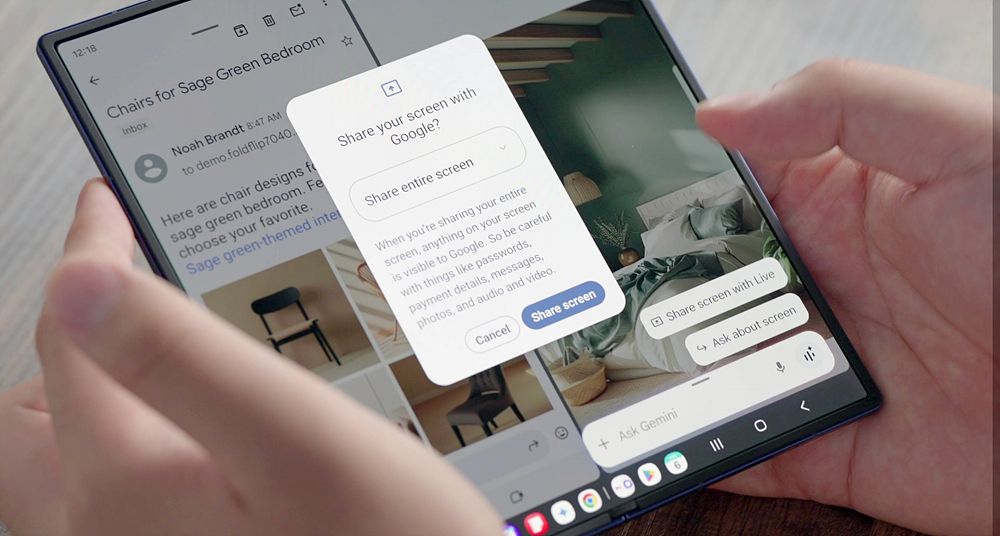
One UI 8 (based on Android 16) adds a slate of AI features built for big screens. You get enhanced photo editing with “Suggest Erases,” AI-powered background noise removal in videos, multimodal Gemini Live for contextual queries, and tools like “Drag & Drop” AI content generation.
For creative professionals, Drawing Assist and Writing Assist actually make good use of the expansive screen real estate, even without the S Pen, which is gone, by the way, in favor of a thinner chassis.
4. Built to Last, Actually

Durability has always been the Fold’s Achilles heel, but Samsung has clearly learned from earlier iterations. The Z Fold 7 introduces Gorilla Glass Ceramic 2 on the cover screen, a new material with embedded crystals for better crack resistance, and keeps Victus 2 on the back.
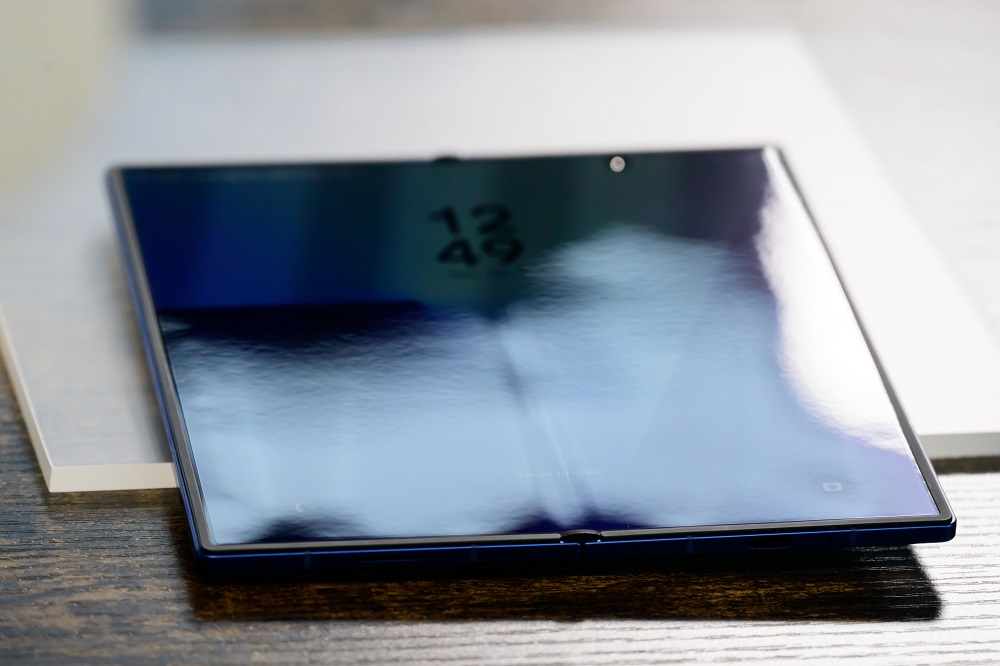
The hinge is now slimmer and sturdier thanks to a redesigned multi-rail structure, and the display adds a titanium plate and 50% thicker Ultra-Thin Glass (UTG). The crease has also been refined; it’s shallower and less noticeable, both visually and to the touch, thanks to a more relaxed folding arc. The phone still has an IP48 rating, a notable improvement over the IPX8 of the Fold 5.
That combination makes this the most robust Fold yet, with fewer trade-offs than ever before.
5. What’s Not New
Some things haven’t changed. The 4400mAh battery, 25W wired charging, and 15W wireless charging setup remains unchanged since the Fold 4. That’s fine, but it’s becoming a little outdated in a world of 45W+ fast charging and 5000mAh+ foldables.
And while Samsung made huge strides with AI and design, multitasking hasn’t gotten a dramatic overhaul; the taskbar and split-screen features are refined but not radically different from last year.
6. Pricing and Verdict
The Fold 7 starts at $1999.99, keeping in line with Samsung’s ultra-premium pricing strategy. That makes it pricier than the Fold 6 at launch, which started at $1899. But you’re getting a reworked design, upgraded internals, significantly better cameras, and a smarter software experience. It’s the first Fold in years that actually feels like a new generation, not just a polished rerun.
Compared to the Fold 5 and Fold 6, the Fold 7 is thinner, lighter, faster, smarter, and more camera-capable. In short, it’s the best Fold Samsung has ever made. The only real question now is whether that’s enough to make foldables mainstream, or if the category will remain a premium niche chasing perfection.
For more daily updates, please visit our News Section.
Stay ahead in tech! Join our Telegram community and sign up for our daily newsletter of top stories! 💡