
Add GIZMOCHINA as Preferred Source on Google
As an Amazon Associate, Gizmochina earns from qualifying purchases. Links on this page may earn us a commission at no extra cost to you.
When I first heard that Viltrox was making a high-end 135mm f/1.8 prime lens for Sony full-frame, I had two reactions. One: wow, that’s ambitious. And two: it’s probably going to cut corners. Turns out I was only half right.
I’ve been testing the Viltrox LAB 135mm f/1.8 FE for a little over a month now, through sweltering humidity, erratic lighting, and my usual desk-bound tech photography workflow. This monsoon season in India has been relentless, and the lens has lived either on my Sony α7 IV or my ZV-E10 for most of that time.
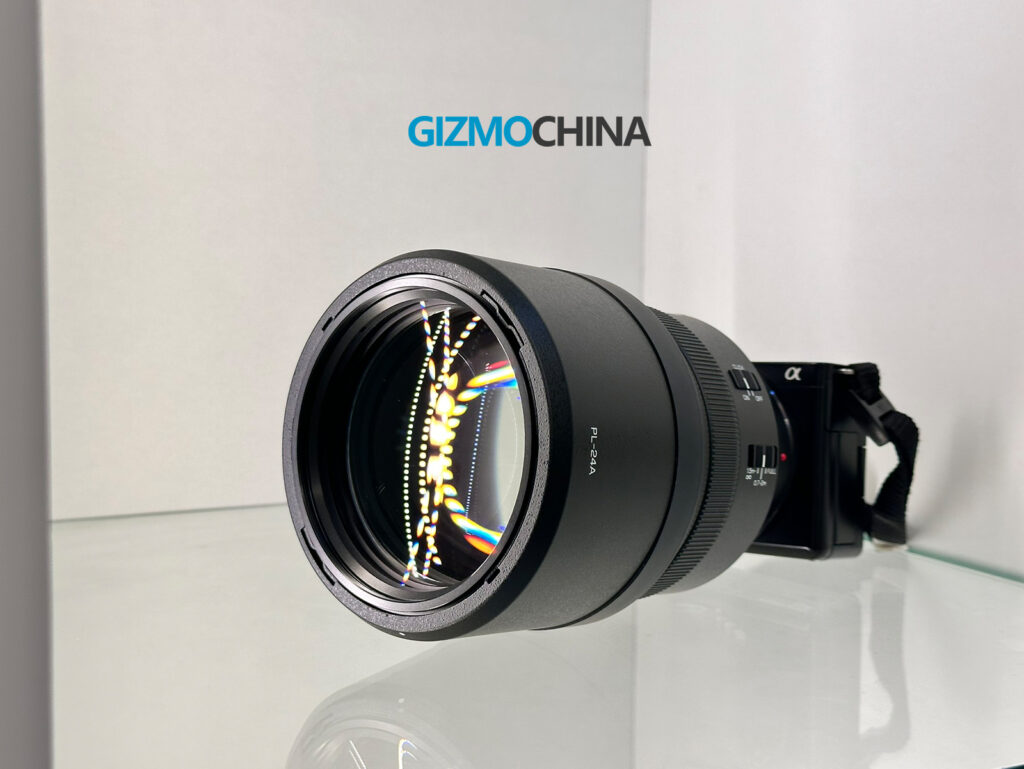
Viltrox sent it to me recently for testing, though the lens originally launched back in 2024. I wasn’t drawn to it as a portrait shooter, but as someone who regularly photographs gadgets. And yet, this lens nudged me toward taking more portraits than I usually do.
It didn’t take long to realize this isn’t just another budget-friendly fast prime. Viltrox is clearly trying to prove something with this one.
What’s in the Box
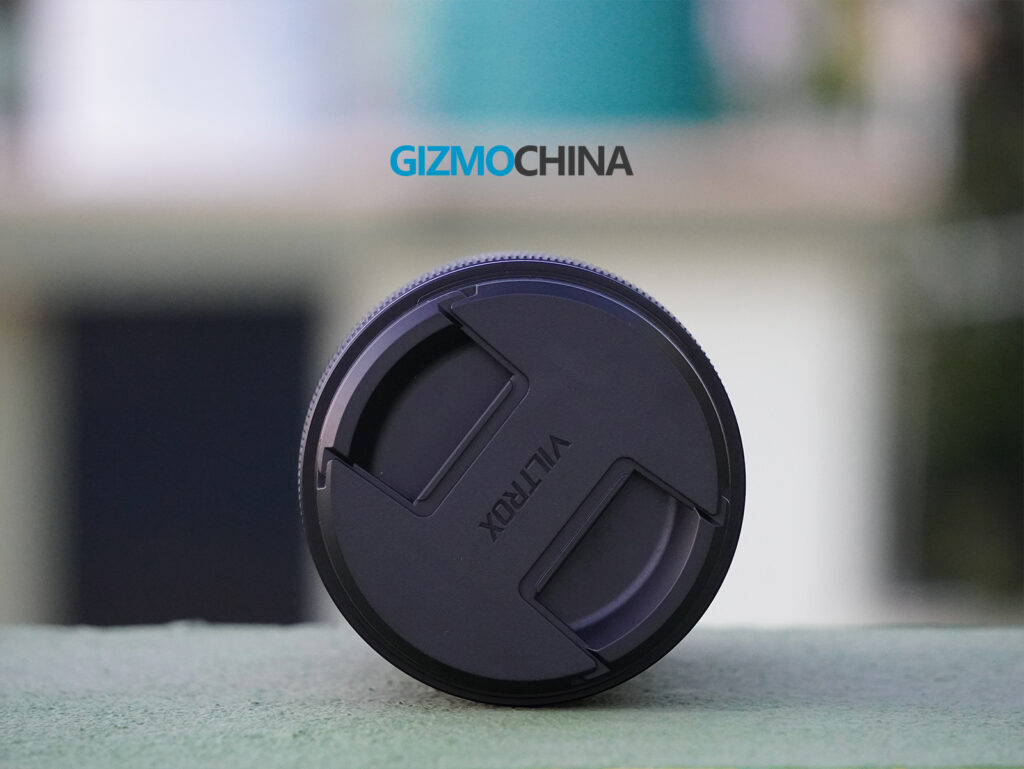
Viltrox ships the LAB 135mm f/1.8 with a straightforward yet premium kit. Inside the box, you get the lens itself, a thick plastic lens hood with a felt-lined interior and rubber bumper, front and rear caps, and a soft leather-style pouch.
The hood snaps into place with authority and doesn’t wiggle or rotate unintentionally. The packaging doesn’t scream luxury, but it does everything right.
Design and Build Quality
Calling the Viltrox LAB 135mm f/1.8 FE “big” doesn’t quite do it justice. It’s imposing. This isn’t a lens you casually toss into a sling bag or mount one-handed while on the go. It’s wide, it’s heavy, and it takes up space, physically and visually. But once it’s in your hand, that bulk feels intentional. This is a lens that’s been built to make a statement, and thankfully, it backs that up with thoughtful engineering.
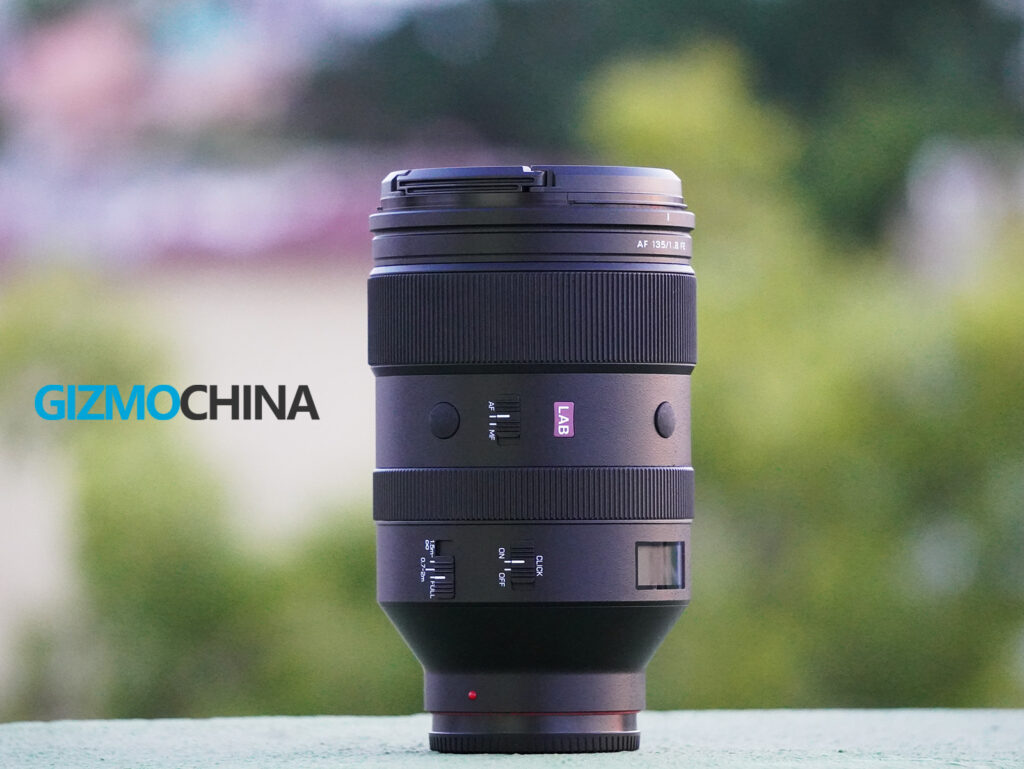
Starting from the rear, you’re greeted with a solid metal mount wrapped in a rubber gasket for environmental sealing. The gold-plated electronic contacts ensure smooth communication with Sony bodies, easily missed unless you’re looking for it. There’s a USB-C port discreetly placed near the lens base. This is for direct firmware updates. It’s simple, it works, and it’s the kind of feature that quietly says Viltrox is paying attention to long-term usability.
The lens barrel is all metal, with a smooth matte-black finish that resists fingerprints better than most. Everything is weather-sealed, at least on paper, and while Viltrox doesn’t make any IP claims, I’ve been shooting this in India’s suffocating monsoon humidity and it hasn’t skipped a beat. No fogging, no condensation inside the elements, and no sticky focus rings, even after stepping from an AC room into 90% humidity.
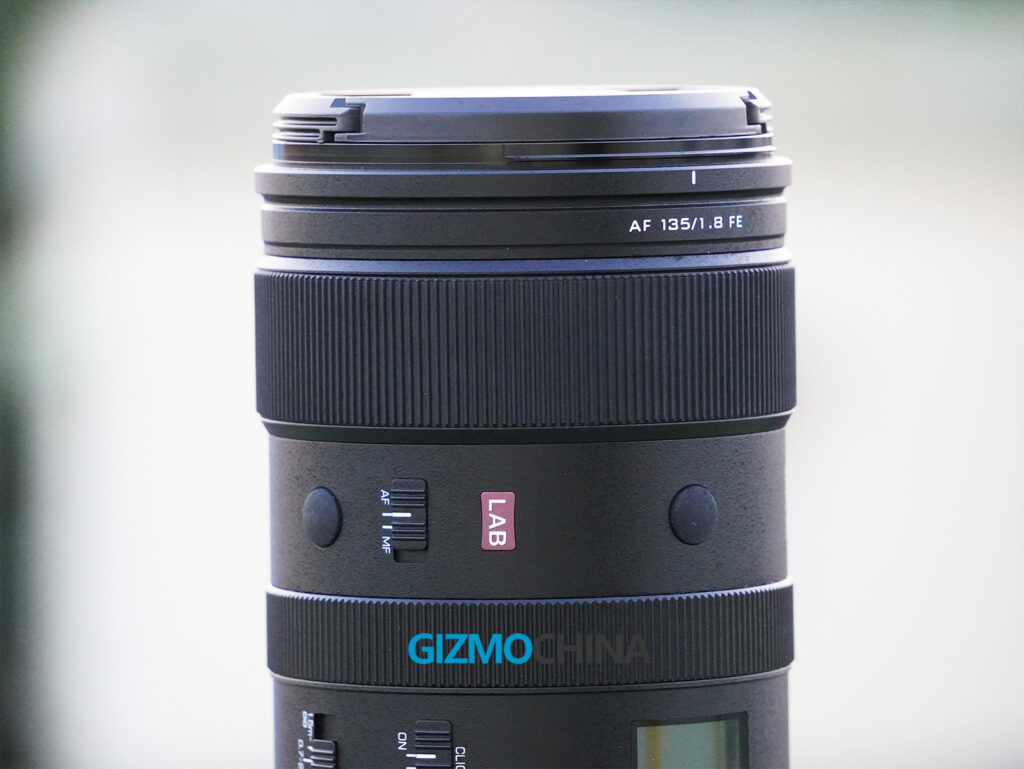
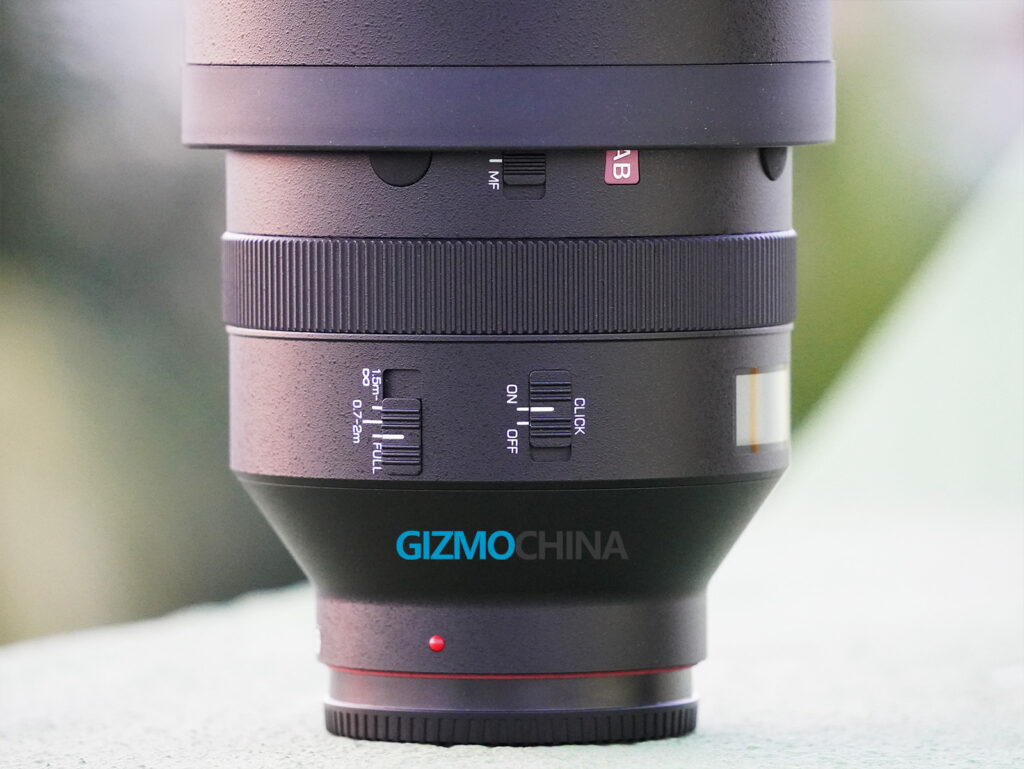
Now, about those controls. Viltrox really went all out here. On the left side of the barrel, there’s a three-position AF range limiter switch, which lets you toggle between the full 0.7m to ∞ range, a close-range lockout (0.72m to 2m), and a far-range lockout (1.5m to ∞). Right below it is a click/de-click switch for the aperture ring, a rare luxury at this price, and a nod to video shooters. The aperture ring itself is unmarked. It’s designed to be fully digital and customizable via your Sony camera.
Just forward of the aperture ring sits a generously wide manual focus ring. It’s fly-by-wire, but beautifully damped and well-textured. Manual focusing with peaking enabled felt satisfying, almost mechanical, despite being entirely electronic. Below that, there’s the usual AF/MF switch, and just ahead of that, two focus hold buttons, one near your thumb in landscape orientation, and another that lines up perfectly when shooting vertical. These buttons are fully customizable via Sony’s menu system.
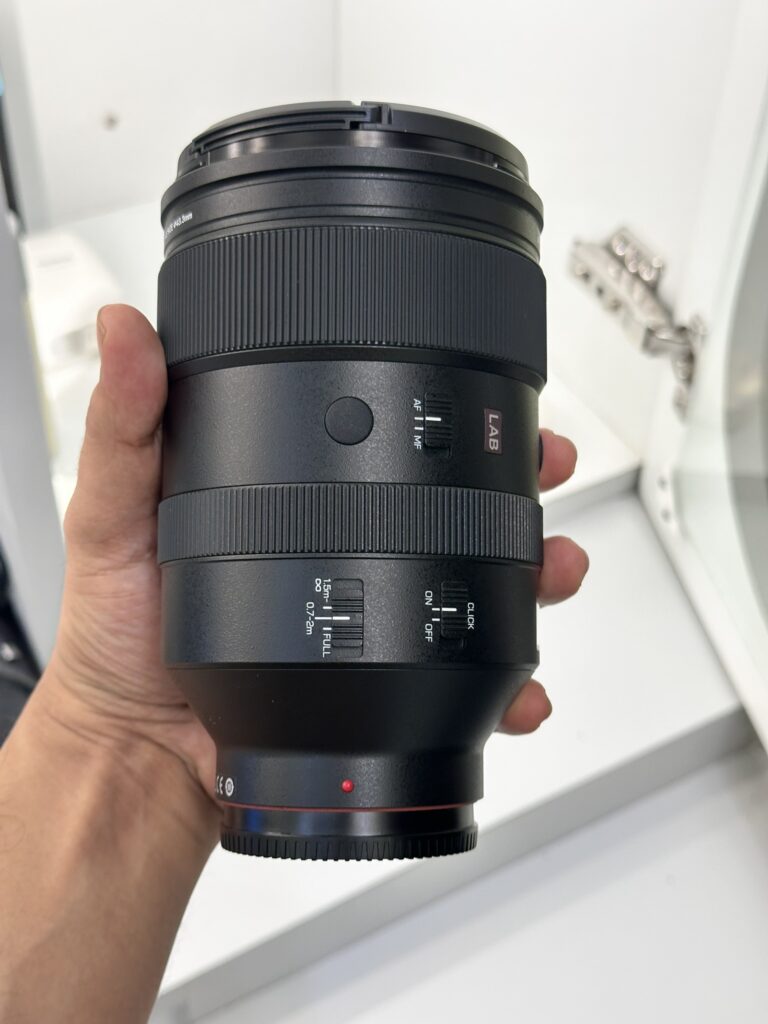
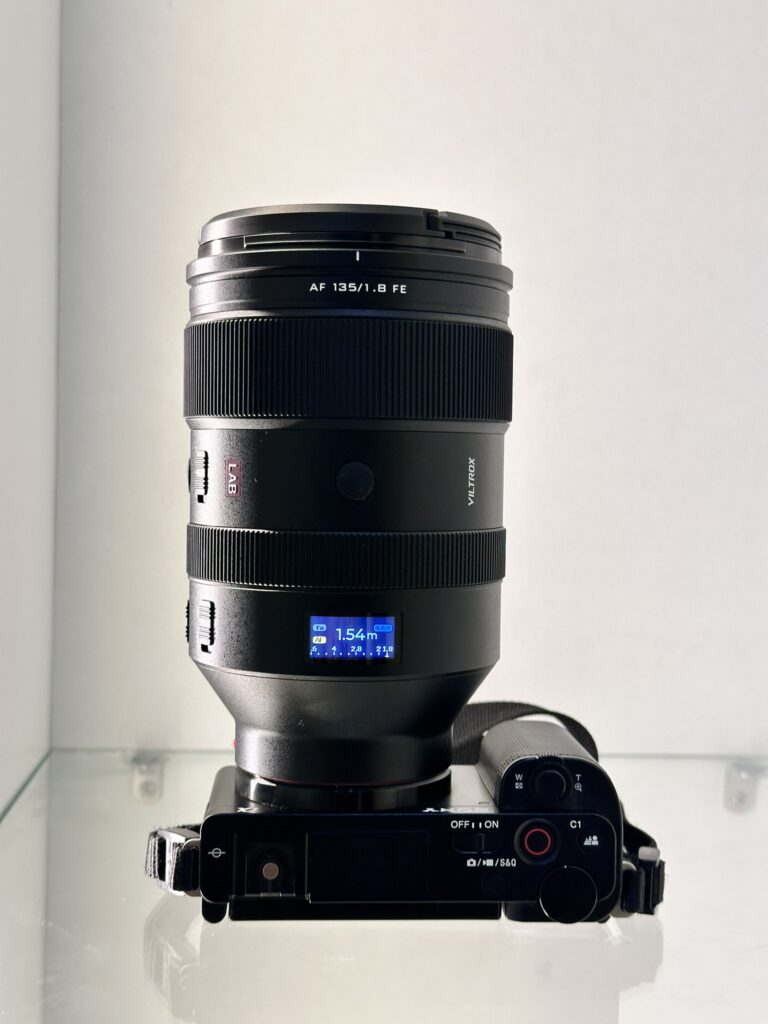
Then there’s the color LCD screen on the top of the barrel. It’s compact but clear, showing live readouts of your current aperture and focus distance.
Optically, Viltrox packed 14 elements in 9 groups, including four ED (Extra-low Dispersion) and two high-refractive index elements. There’s HD Nano multi-layer coating to suppress flare and ghosting, and the front element is treated with a water- and oil-repellent coating, which genuinely helped during a light drizzle.
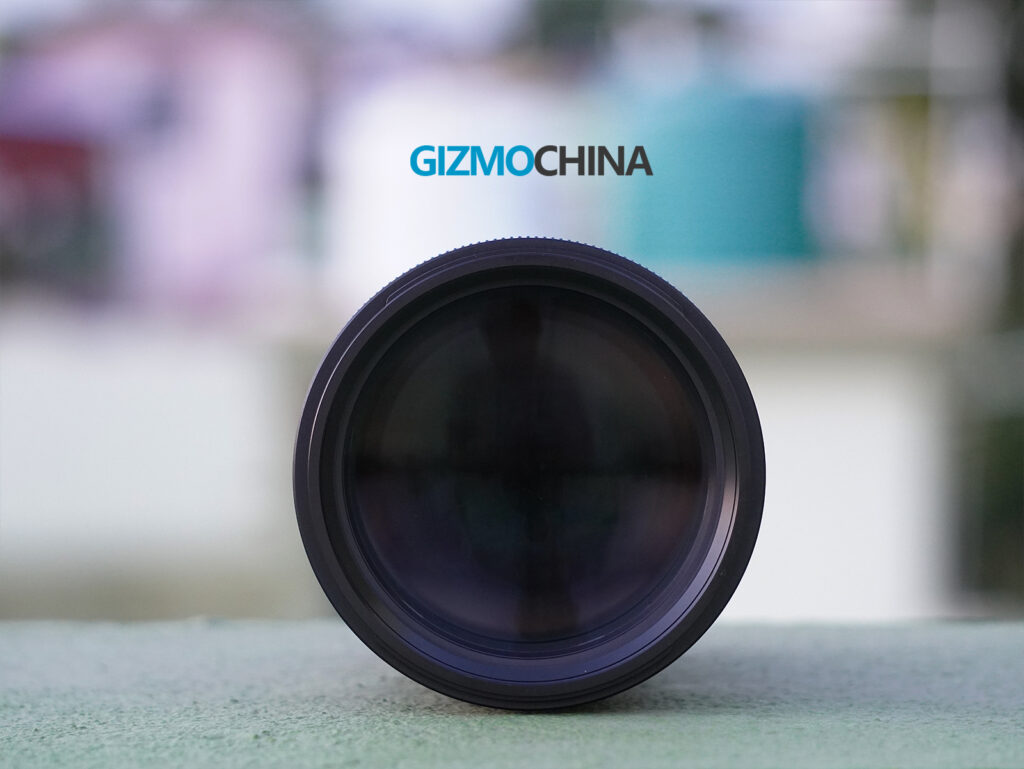
The filter thread is 82mm, which means filters won’t be cheap, but the front element is so massive it practically demands that size. The included lens hood is large, petal-shaped, plastic, and flocked on the inside, a small detail, but it helps cut internal reflections. There’s even a rubber ring around the outer edge to protect the hood when placing the lens face-down.
Weight-wise, it’s not going to win any portability contests. It comes in around 1300 grams with the hood, and while it balances well on the full-frame Sony α7 IV, it turns the ZV-E10 into a front-heavy beast. I’d never handhold it on the ZV for long, but for static shots on a tripod, it was still manageable. And again, despite this bulk, I never once worried about its durability or sealing, even while constantly swapping locations between humid balconies and cool interiors.
This isn’t just a well-built third-party lens; it’s built like a flagship. From the buttons to the rings to the physical presence, it feels like Viltrox is trying to break out of the budget-brand box entirely.
Performance
I didn’t plan to rely on this lens, but it’s quickly become essential for my product photography.
Let’s start with autofocus. It’s driven by a dual VCM (voice coil motor) system, and while that sounds like marketing fluff, the results are real. On my α7 IV, Eye AF locks in fast and tracks confidently, even when I’m shooting wide open at f/1.8 with razor-thin depth of field. For portraits, it rarely misses. On the ZV-E10, it performs fine, not quite as snappy, and tracking in video isn’t as reliable, but still usable with a bit of patience.
Manual focus, thanks to that wide, damped ring, is smooth and accurate. Combined with focus peaking, it’s enjoyable. I also tested A-B focus pulls; the transitions were smooth and silent, very usable for controlled video shots.
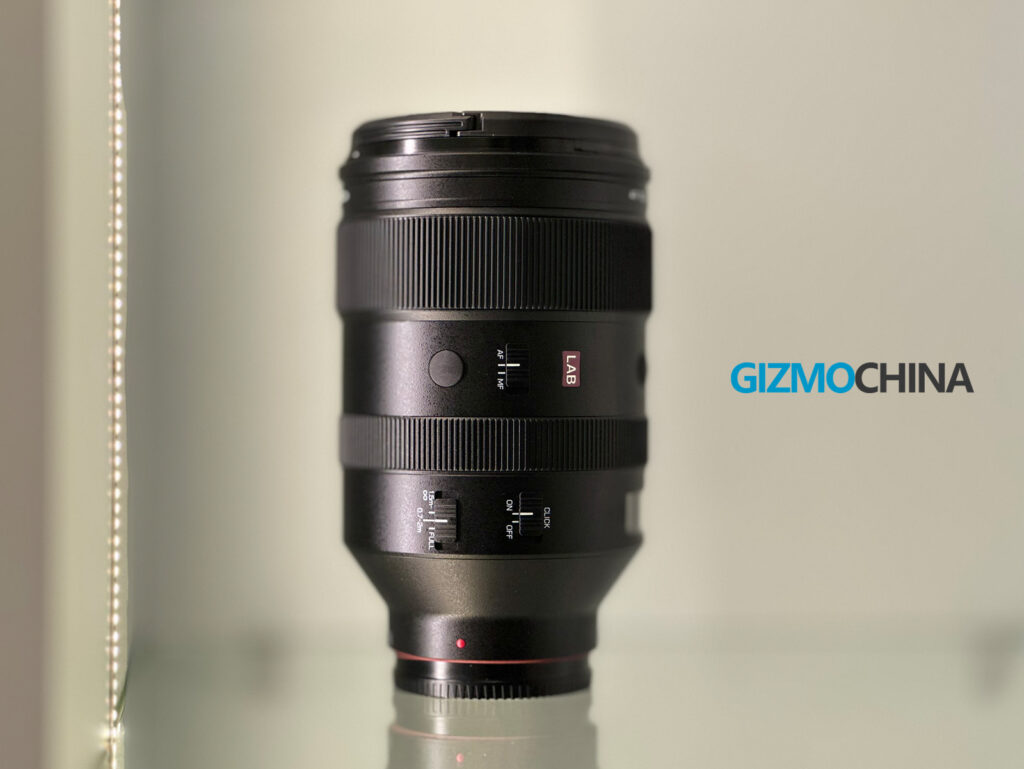
Image quality is where this lens really flexes. Center sharpness at f/1.8 is excellent. Edges soften a bit wide open, but this isn’t a landscape lens; it’s built for isolation, and it excels at it. By f/2.8, sharpness across the frame improves considerably. Contrast is punchy even at wide apertures, and microcontrast gives skin and materials a real sense of depth. Chromatic aberration is impressively well-controlled, even when shooting backlit subjects. There’s a hint of longitudinal CA if you pixel peep, but it’s mild.
Flare resistance is good, not perfect, but better than expected. I shot under streetlights and backlit windows, and while there was some contrast drop and minimal ghosting, it never ruined a shot. Distortion is basically zero, and vignetting at f/1.8 adds a subtle, flattering frame to portraits. It clears up around f/2.8.
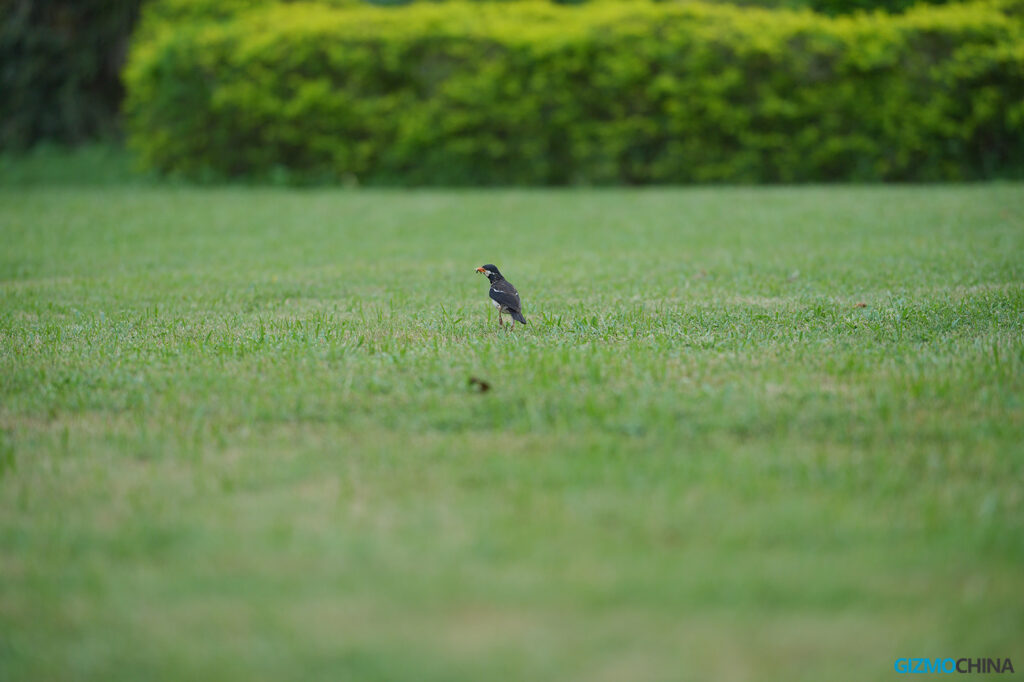
Then there’s the bokeh. It’s creamy, clean, and almost cinematic. Light sources blur into soft-edged orbs without onion-ring patterns or nasty edges. Backgrounds melt, especially at mid- to close-range. The 11-blade diaphragm keeps things round even stopped down a bit, and the fall-off from sharp to soft is smooth and natural. For a lens that costs less than half of Sony’s GM, this rendering is remarkable.
Sample Images
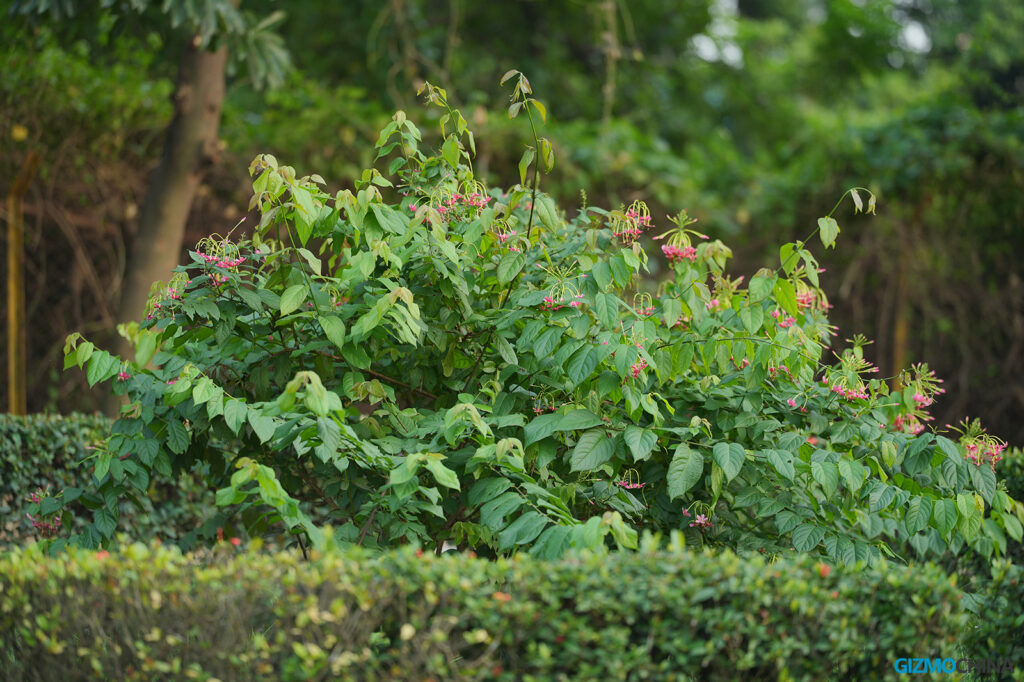
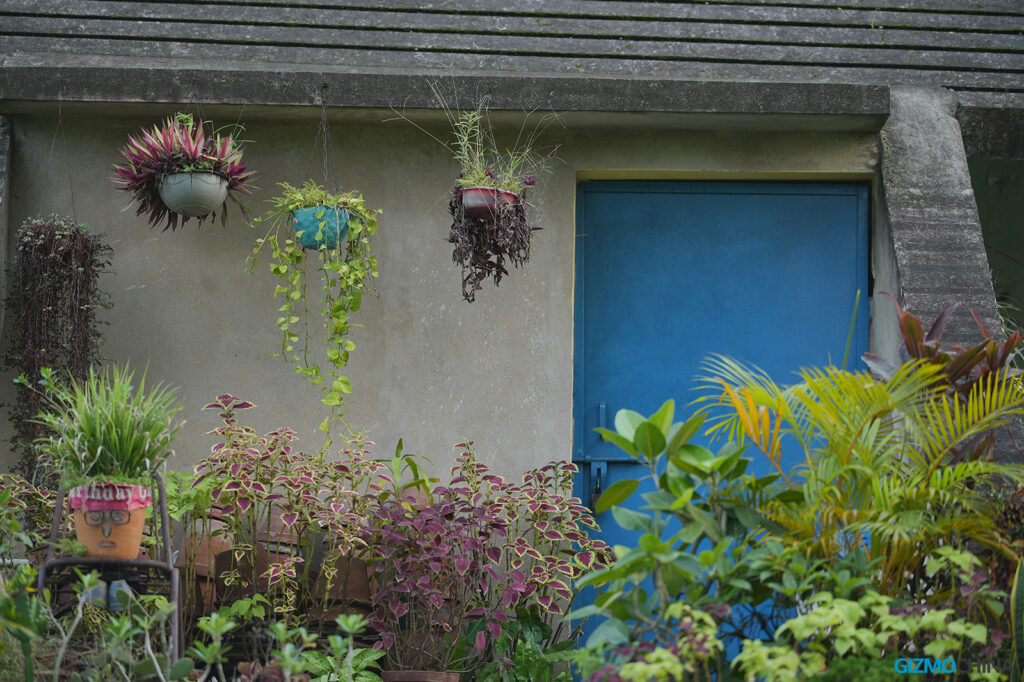
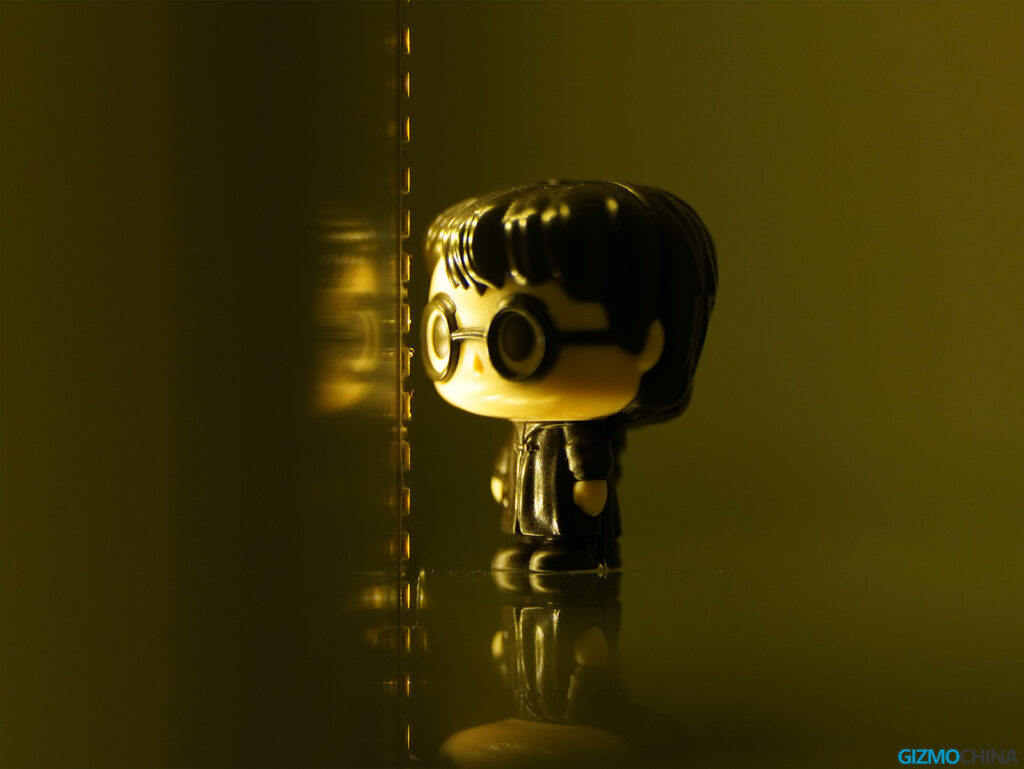
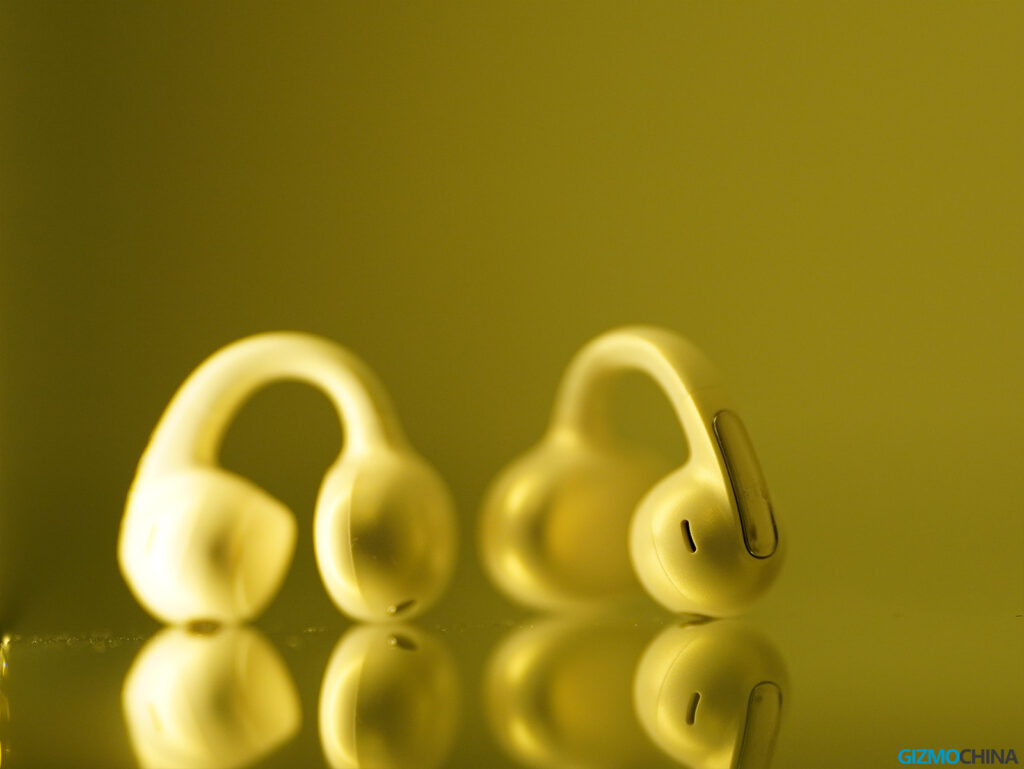
I mostly shoot gadgets, but for this lens, I made an effort to test it in a wider range of scenarios. I shot plenty of product photos, miniatures, both indoors and outdoors.
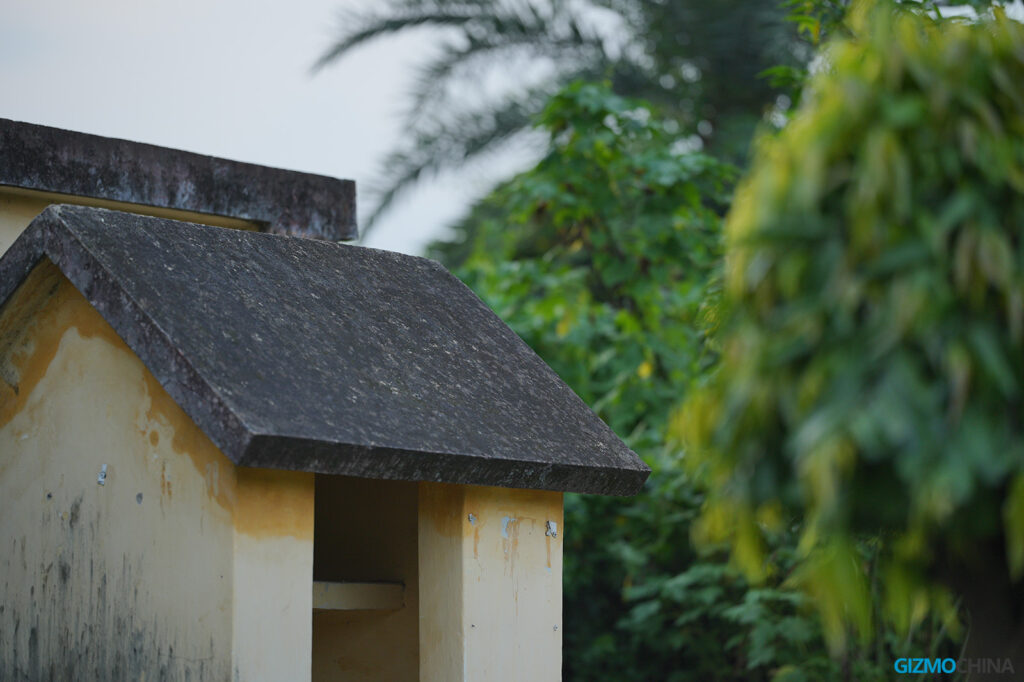
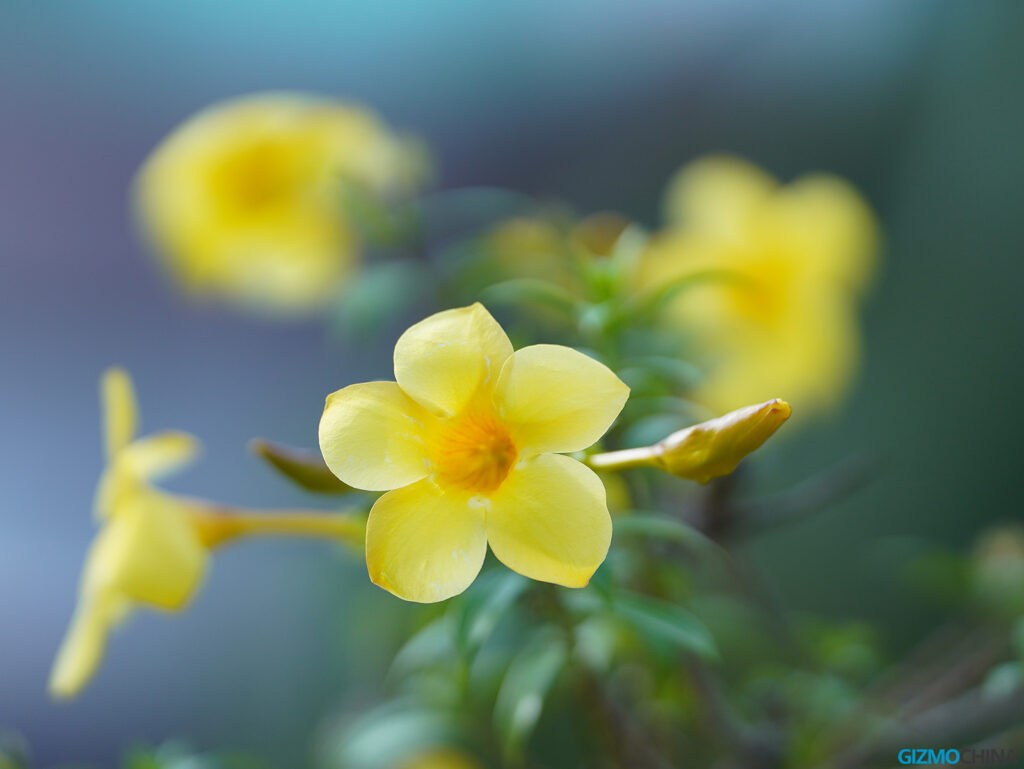
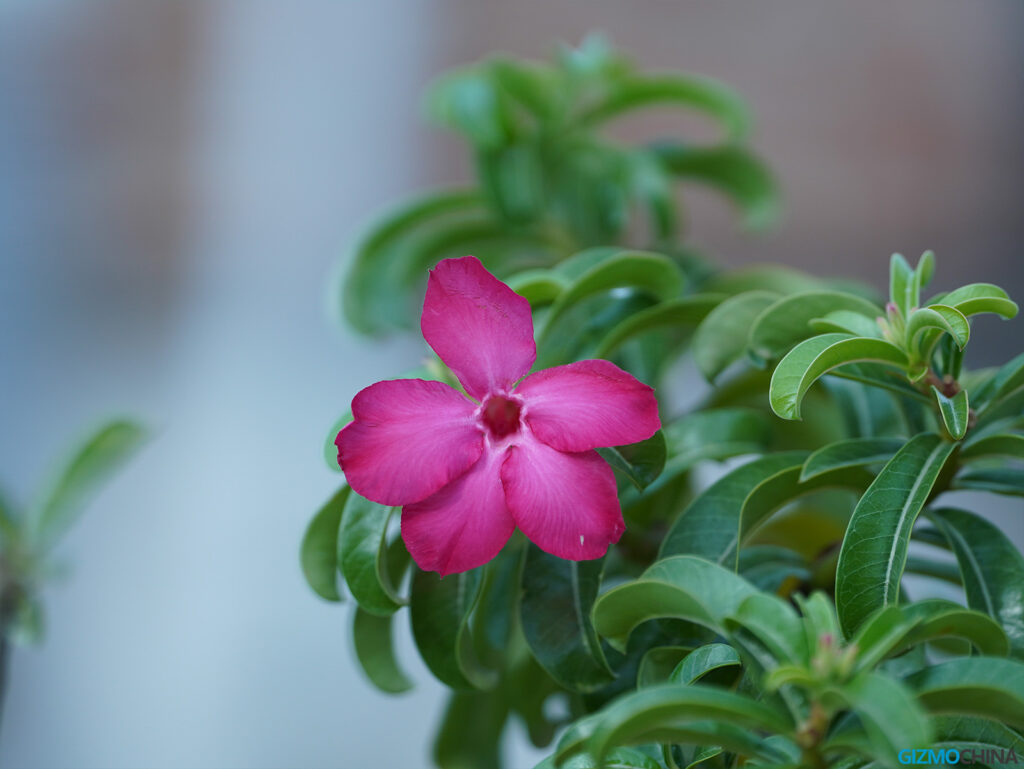
Even in simple setups, like a product placed near a window or outside with some greenery in the background, the lens delivered strong subject separation and smooth background blur that added depth to the images.
I also took it out for portraits, capturing friends, a few strangers, and even some self-portraits in natural light during the monsoon. The results felt clean and natural, skin tones looked accurate, and the background fall-off made the subjects stand out without looking overly processed.
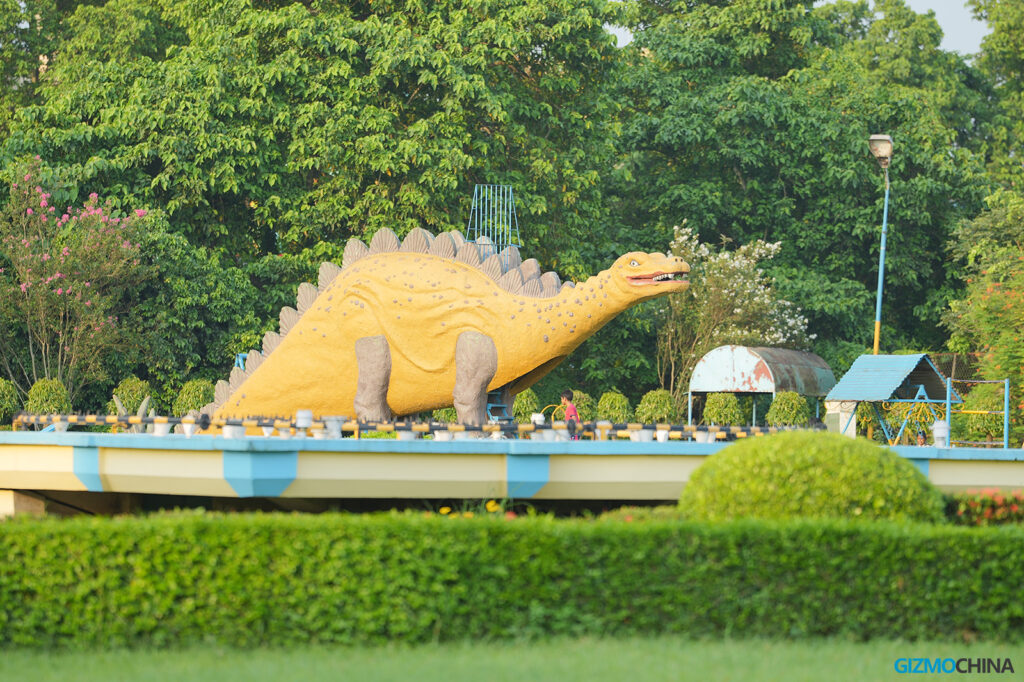
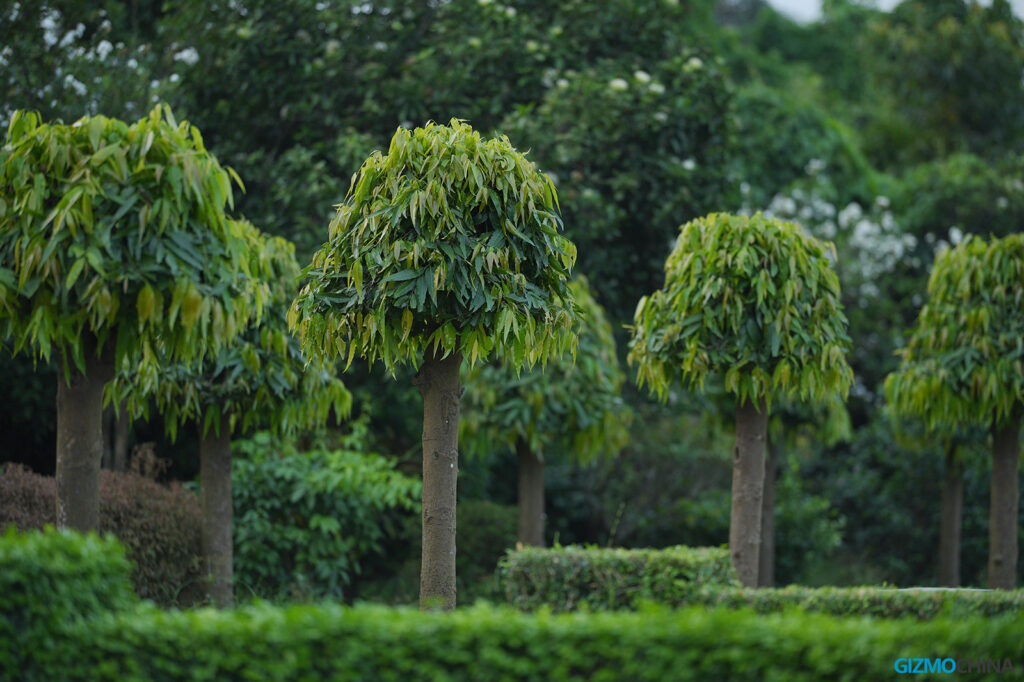
I spent time photographing everyday scenes too, trees, buildings, and textures, and the lens handled it all with sharp detail and pleasing contrast.
Sony α7 IV Samples (Full Frame):

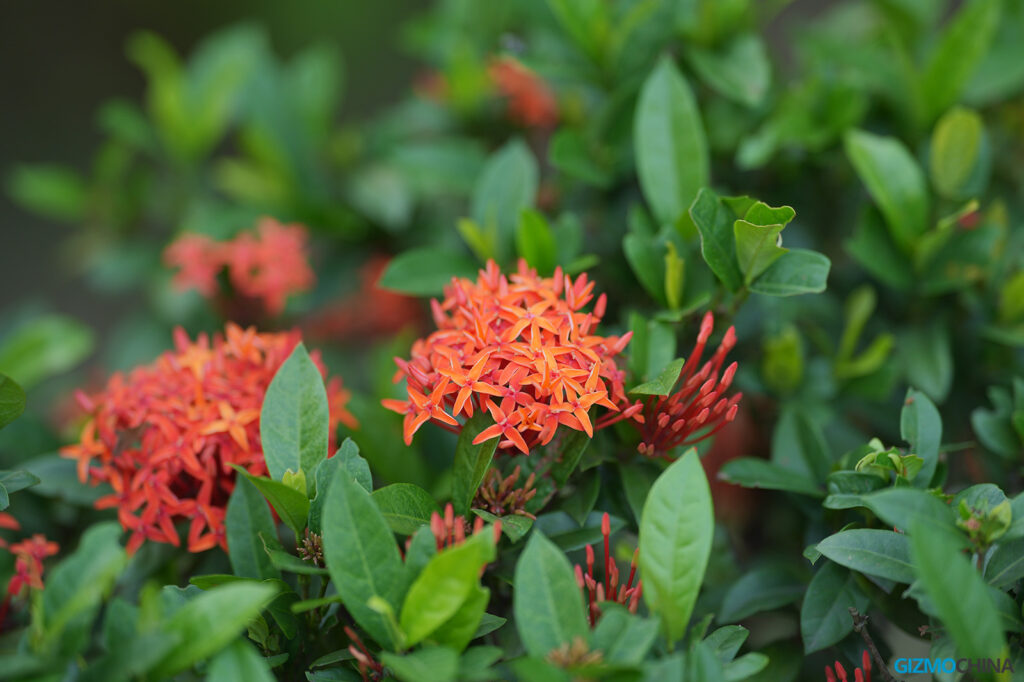












Sony ZV-E10 Samples (APS-C):





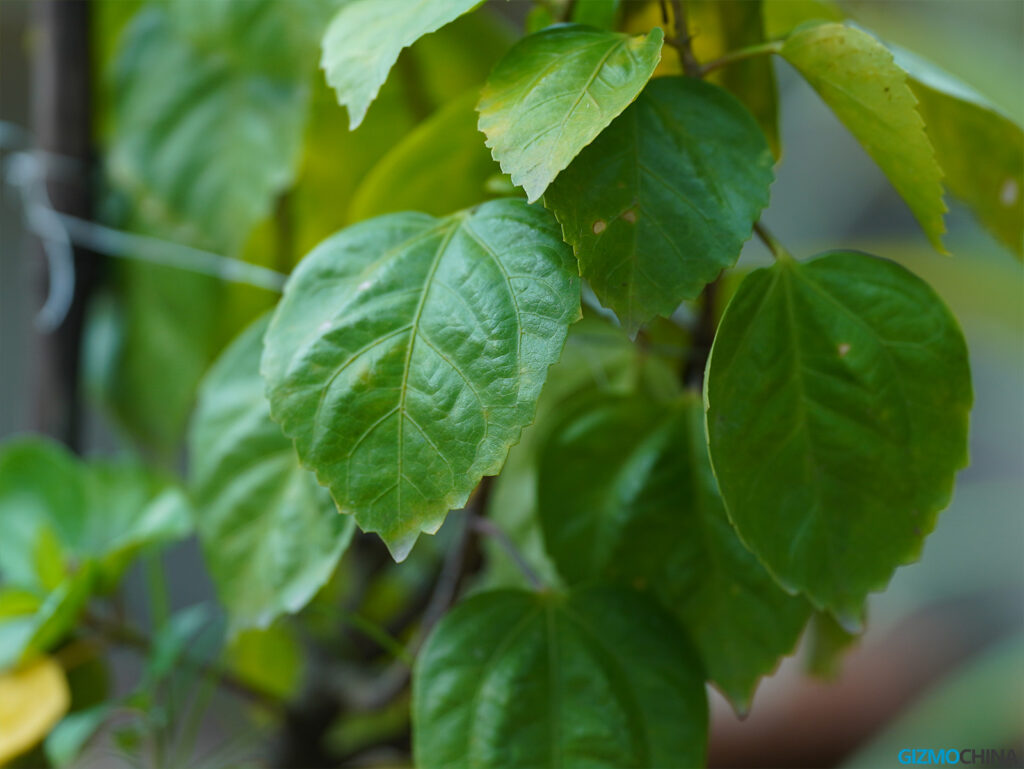
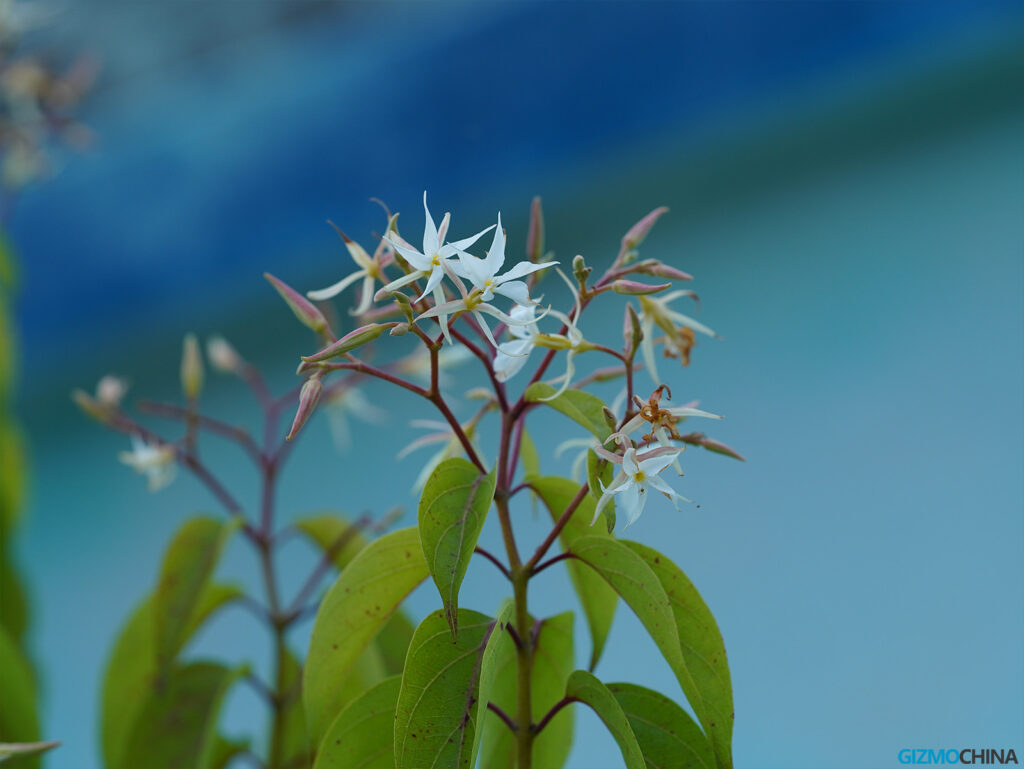
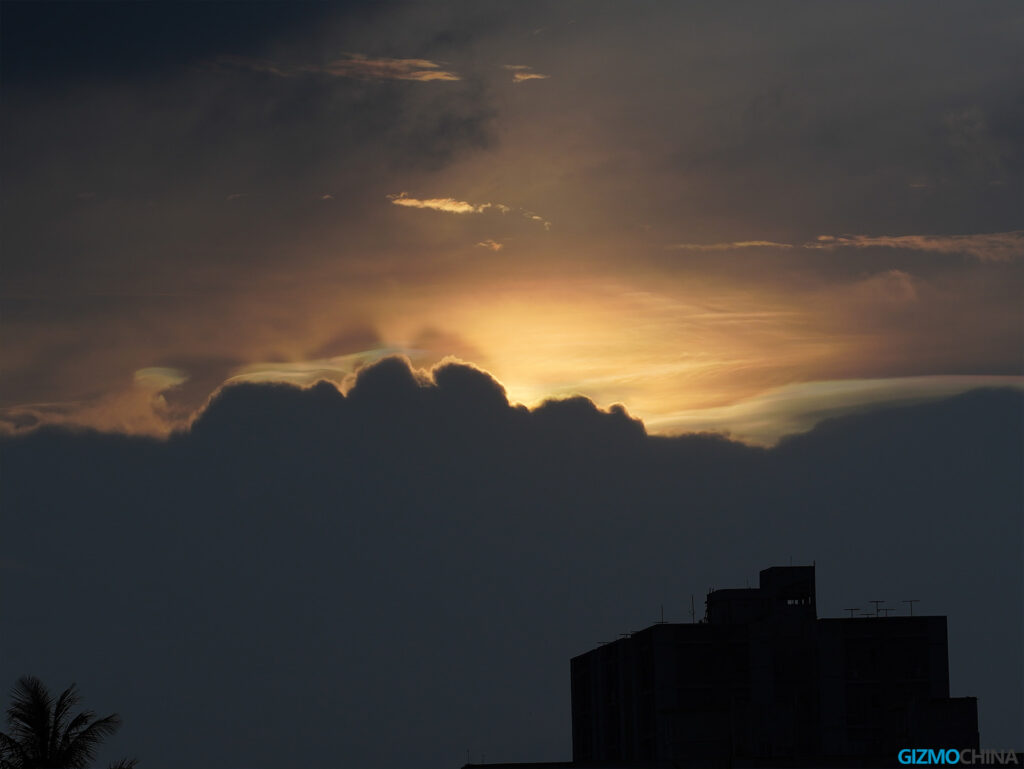
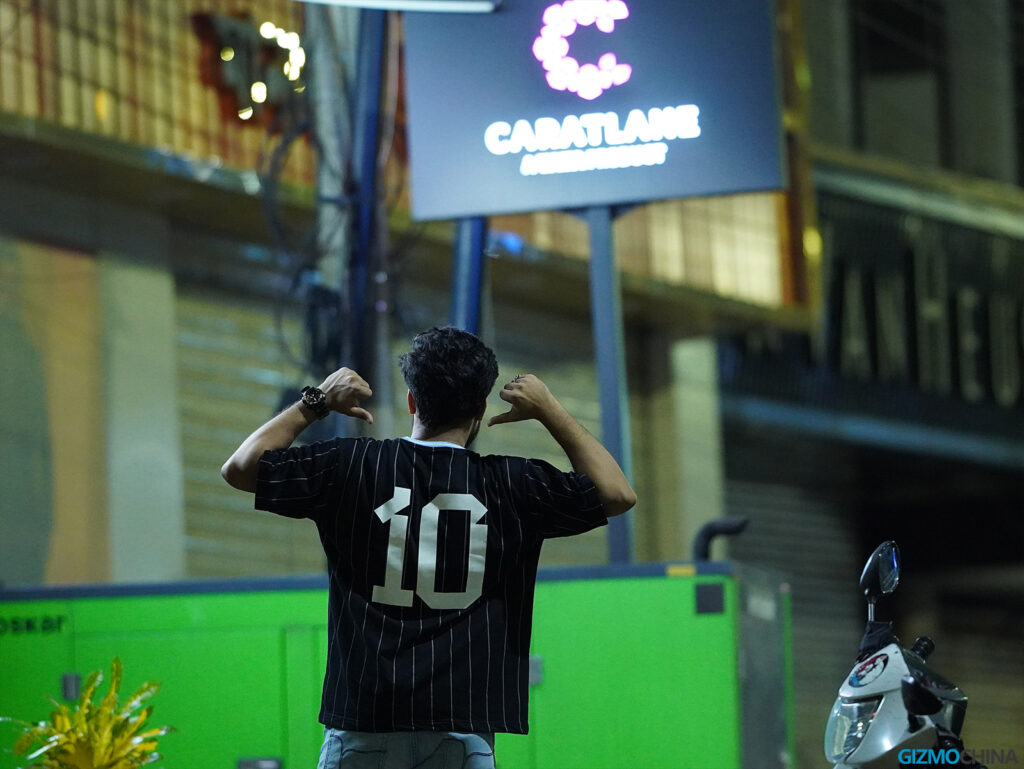
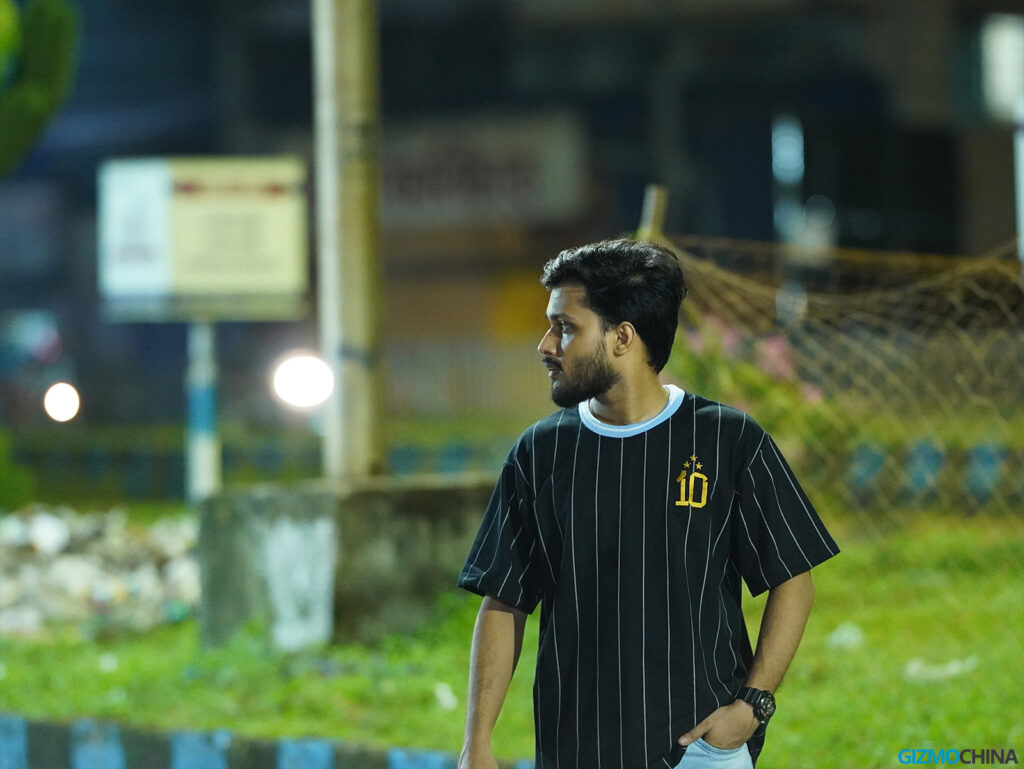
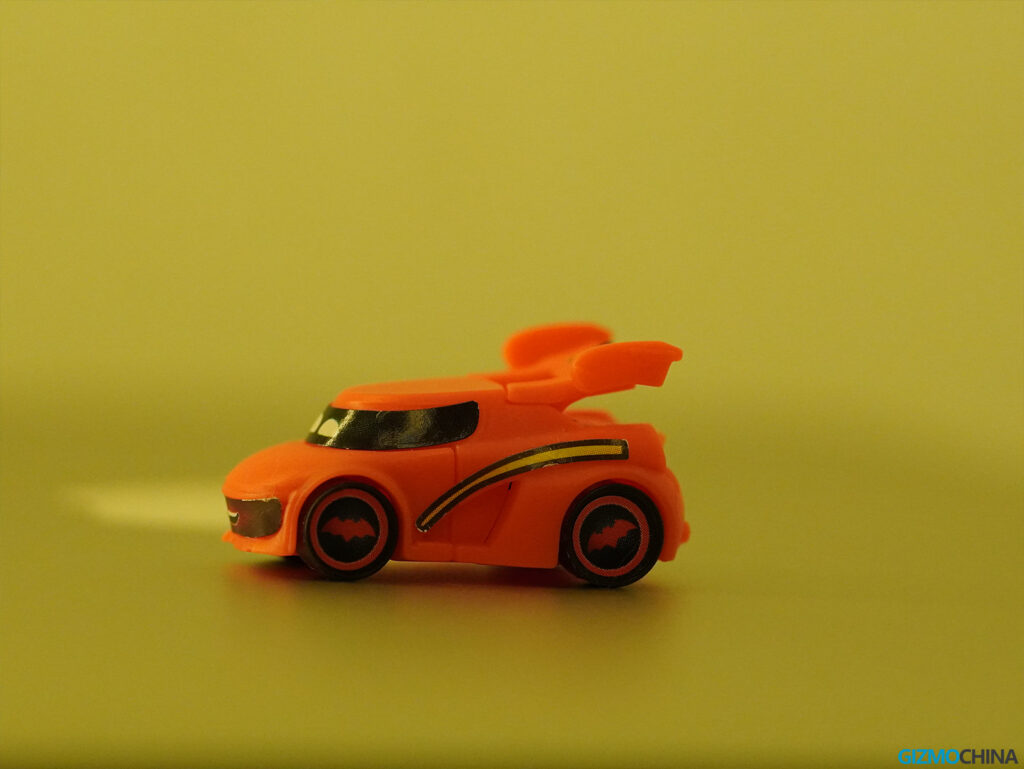
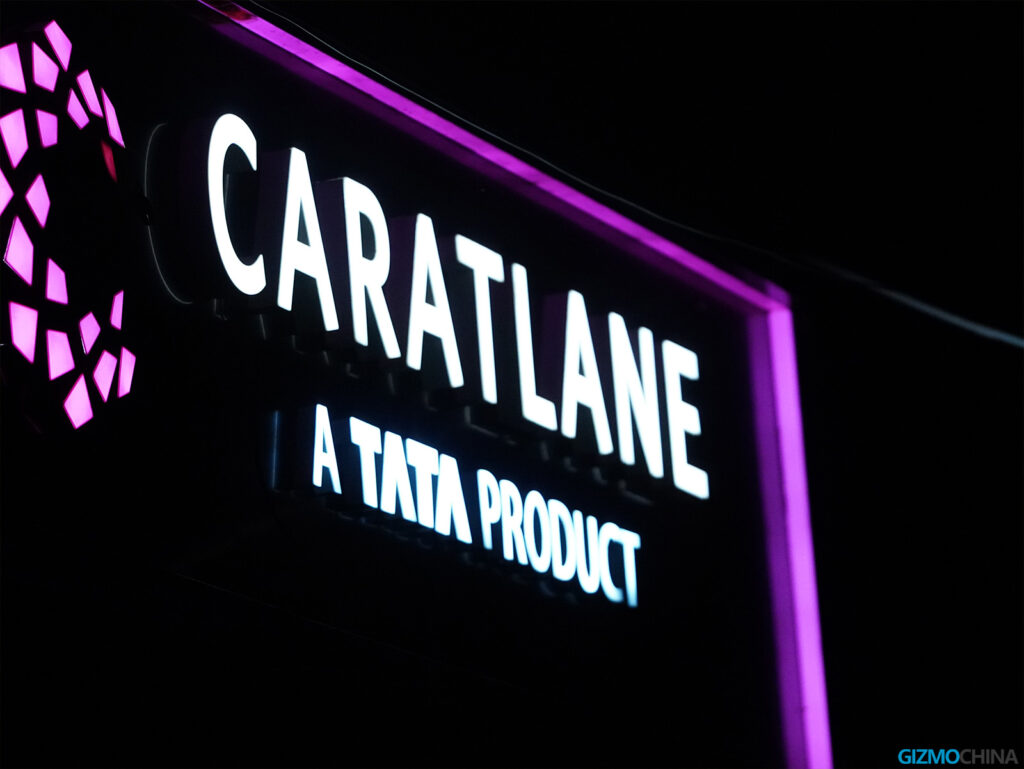
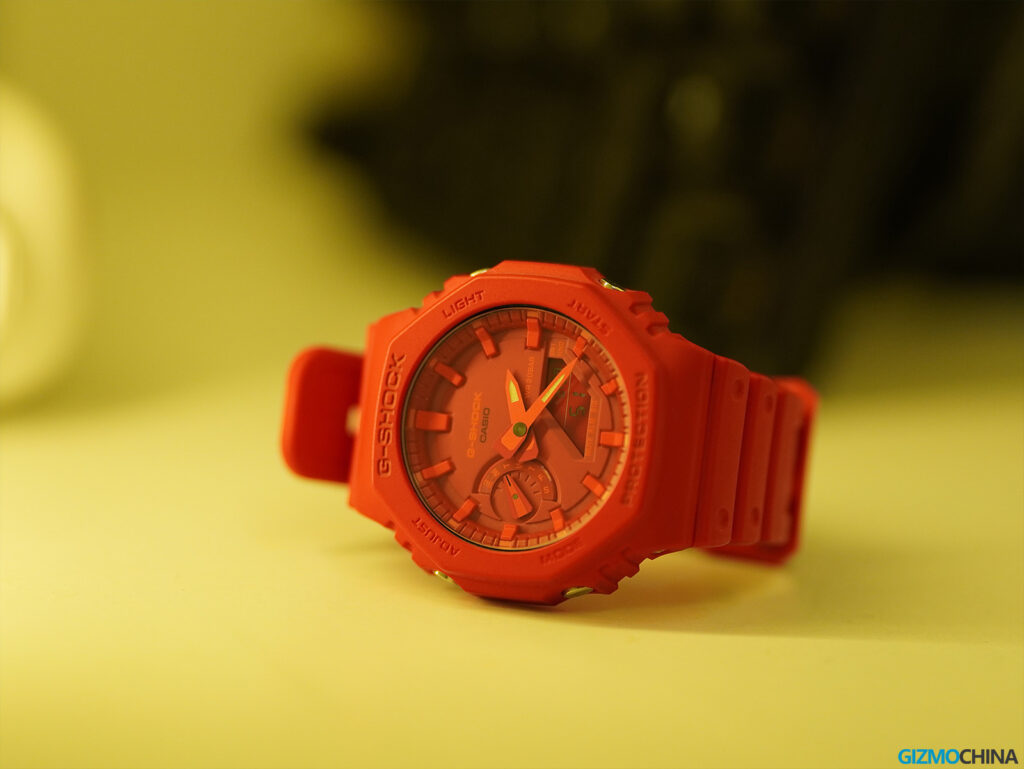



Here’s the Dropbox link to the original files.
Should You Buy It?
If you’re even thinking about buying a 135mm f/1.8 lens for portraits, product isolation, or creative depth-of-field work, you should absolutely be looking at this Viltrox.
Is it perfect? No. It’s heavy. It’s big. The autofocus isn’t GM-tier, and the weight makes it tricky for casual handheld work, especially on smaller camera bodies.
But here’s the thing: for under $900, this lens delivers performance that comes dangerously close to lenses twice its price. It’s not a “good third-party alternative”, it’s just good. Full stop. You’re getting fast autofocus, sharp wide-open rendering, beautiful bokeh, pro-level control layout, and features like firmware updates over USB-C, an LCD screen, and A-B focus pulls, all in one package.
As a casual photographer who mostly shoots gadgets and only dabbles in portraits, this lens pulled me outside of my comfort zone. It made me want to take portraits. It made my product photos look more professional. And it gave me zero headaches in the process.
This isn’t just Viltrox’s best lens, it’s the lens that makes you stop calling Viltrox a budget brand.
Pricing and Availability
The Viltrox LAB 135mm f/1.8 FE is priced at $899 and is available on Amazon and the official Viltrox Store. You can find it for less during sales.
We also recently reviewed the Viltrox AF 25mm f/1.7 Air, an affordable prime that delivers pro-level results. Don’t miss it.
For more daily updates, please visit our News Section.
Stay ahead in tech! Join our Telegram community and sign up for our daily newsletter of top stories! 💡



Comments