
Add GIZMOCHINA as Preferred Source on Google
When I first reviewed the Narwal Freo two years ago, it felt like stepping into the future of home cleaning. It was polished, well-executed, and reliable in ways that made me wonder if we had already reached peak robot vacuum. At the time, it set a benchmark for what a premium robot cleaner could deliver, handling vacuuming and mopping with surprising finesse.
I didn’t encounter many of the frustrations that early robot vacuum owners used to complain about, getting stuck on socks, smearing dirt instead of cleaning it, or running out of power halfway through a job. It felt almost flawless.
Fast forward to now, and I’ve spent time with back-to-back two latest flagships from Eureka. Testing them right after the Narwal Freo gave me a unique perspective: robot vacuums haven’t just improved, they’ve transformed. The pace of progress in this niche has been surprisingly fast, and the gap between then and now feels much larger than two years should reasonably allow.
From novelty to super-powered assistants
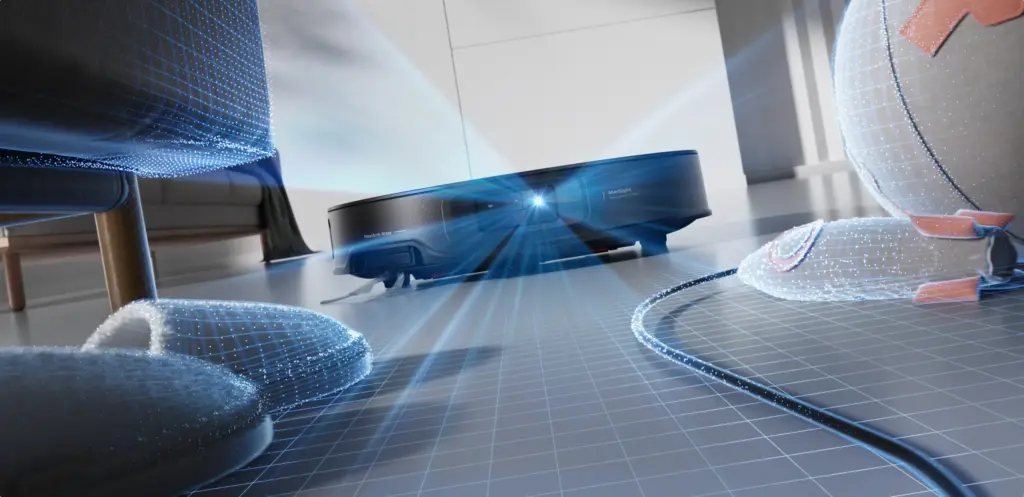
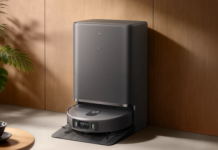
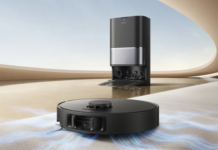
The biggest shift has been in capability. These machines no longer just roll around sucking up dust. They’ve become true cleaning systems. Modern flagships can vacuum with stronger suction, with 20,000Pa now practically standard, mop with precision that actually scrubs floors, and intelligently navigate obstacles instead of bumping their way through rooms.
AI-driven features are no longer gimmicks either; they’re practical. Robots can now recognize furniture and carpets, steer clear of tangled wires, lift their bodies to pass over small objects, cut through trapped hair, and adapt their cleaning strategies to the type of mess they encounter.
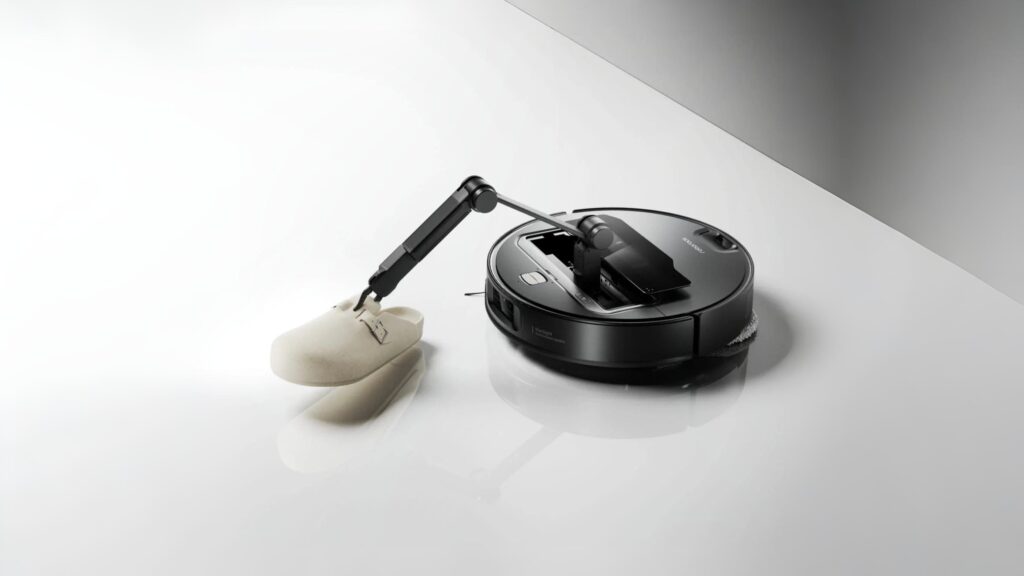
Not only that, some of the latest models even go a step further by physically picking up small objects with integrated arms before cleaning the area properly, eliminating blind spots that older robots would have missed.
It isn’t just the tech inside the robots that has improved. The ecosystem has expanded. We’ve gone from a handful of ambitious startups leading the way to legacy brands stepping in.
Samsung now has a flagship robot vacuum. DJI, best known for drones and gimbals, has entered the space too. When companies like these decide to compete, it signals that robot vacuums aren’t just niche gadgets anymore; they’re part of mainstream consumer tech.
Price no longer holds you back
The most striking change though, is how the pricing landscape has shifted. Robot vacuums used to be status symbols, expensive luxuries that most people weren’t ready to gamble on. Now, the market is flooded with options across every budget.
Flagships still command premium prices, but you don’t have to spend top dollar to get solid cleaning performance. The sheer number of brands in the game has driven costs down and features up. It’s one of those rare categories where the competition has genuinely benefited the consumer.
Should you buy one?
The short answer: yes. If you’re someone who works long hours, struggles to keep up with daily chores, or just wants a neat environment without constant effort, a robot vacuum is worth it. For smaller spaces like a bedroom or a home office, it’s almost perfect. Set it up once, and it will reliably keep things clean.
For entire households, the picture is more complicated. These robots are capable of covering larger spaces, but they’re still limited by clutter, unexpected obstacles, and the quirks of your floor plan.
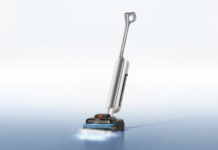
In those cases, I’d argue handheld vacuums are emerging as a better complement, especially since many of them are now just as smart and portable. Using a robot vacuum in specific, well-managed zones is still the best way to extend its long-term health and efficiency.
The takeaway
Reviewing these vacuums back-to-back has made one thing clear: this category isn’t slowing down. Two years ago, I thought the Narwal Freo had already solved most of the problems. Today, I realize that was just the beginning.
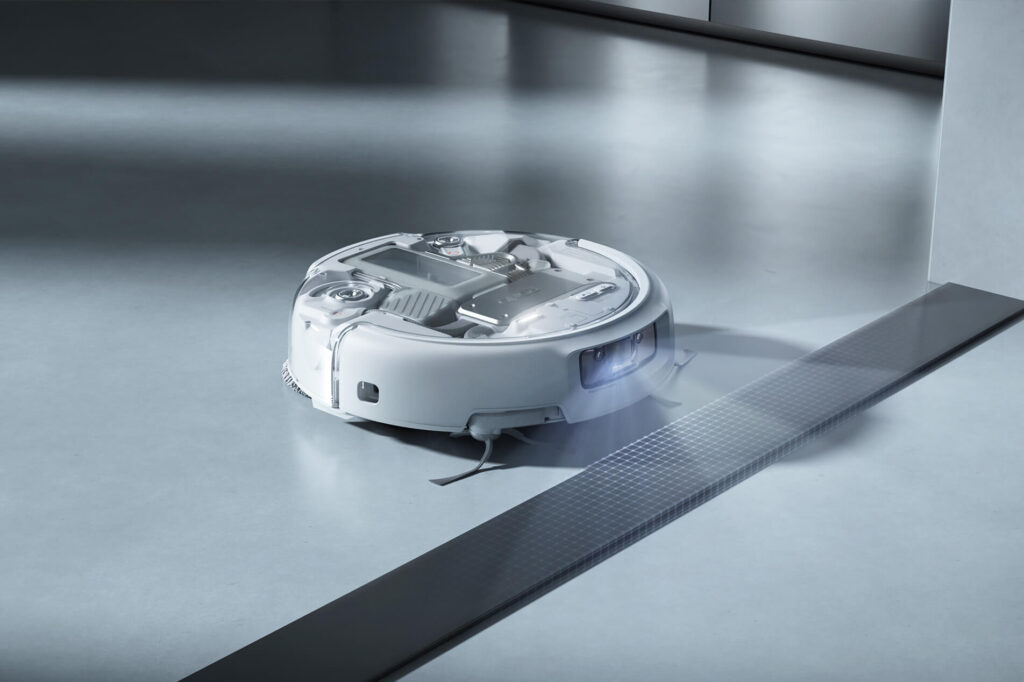
The latest machines from Eureka, like the J15 Pro Ultra and J15 Max Ultra, along with innovative models such as the Roborock Saros Z70 and new releases from Dreame and Xiaomi, show that robot vacuums are evolving into multi-functional, AI-powered assistants built to take over most everyday cleaning tasks.
For now, the decision comes down to your lifestyle. If you want help managing a single room, it’s a no-brainer. If you’re looking for a whole-home solution, be ready to put in a little work yourself to make the robot’s job easier. Either way, it’s hard not to recommend one. After all, these machines are finally living up to the promise of giving us back time, and that’s what real tech progress is supposed to do.
And this is just the start. I expect to see even more refined, efficient, and AI-driven models in the near future, and I’ll be sharing updates as I continue testing where this fast-moving category heads next.
For more daily updates, please visit our News Section.
Stay ahead in tech! Join our Telegram community and sign up for our daily newsletter of top stories! 💡

Comments