
Add GIZMOCHINA as Preferred Source on Google
As an Amazon Associate, Gizmochina earns from qualifying purchases. Links on this page may earn us a commission at no extra cost to you.
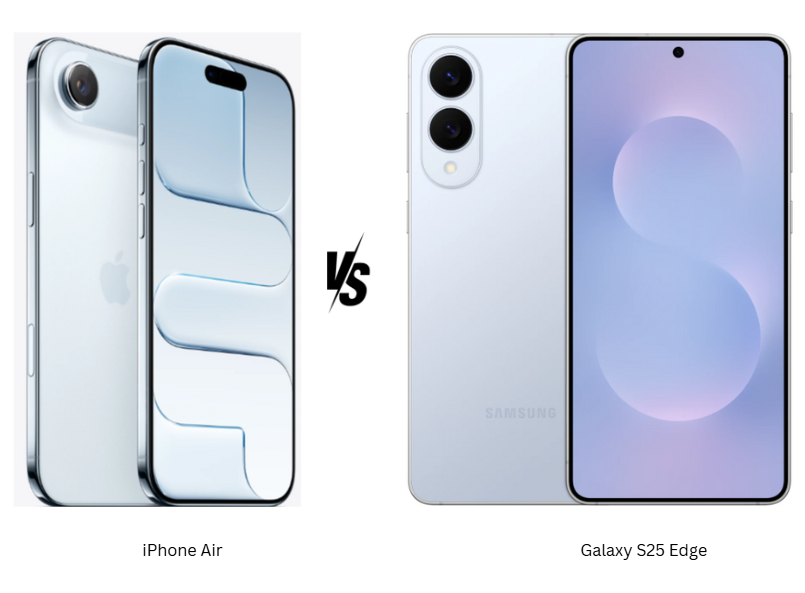
iPhone Air vs Galaxy S25 Edge comparison is particularly important because both stand out as the thinnest premium smartphones of 2025, proving that slim designs can still deliver flagship performance. While Apple focuses on durability, ecosystem integration, and cutting-edge features, Samsung emphasizes display quality, camera versatility, and value. This head-to-head battle highlights how two different philosophies shape the ultra-thin flagship experience.
1. Design and Display
Build and Feel:
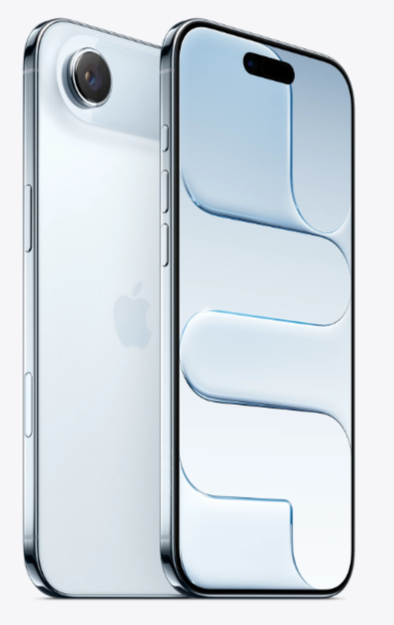
Both devices are ultra-thin flagships, but the iPhone Air edges ahead in durability with its Ceramic Shield 2 protection on both front and back, paired with a premium grade 5 titanium frame. The Galaxy S25 Edge also features titanium with Gorilla Glass Ceramic 2, but Apple’s Ceramic Shield is generally known for better drop resistance. The iPhone Air also offers deeper water resistance (up to 6m) compared to Samsung’s 1.5m rating. This makes the iPhone Air a more robust pick for users prioritizing protection and toughness.
Display Quality:
The Galaxy S25 Edge has the advantage of resolution and size, offering a 6.7-inch QHD+ AMOLED 2X display with HDR10+ and a sharper 513 ppi density. The iPhone Air counters with a slightly smaller 6.5-inch Super Retina XDR OLED with Dolby Vision and up to 3000 nits peak brightness, which is excellent for outdoor use. While Samsung wins in sharpness and higher PWM dimming for eye comfort, Apple’s superior brightness and Dolby Vision optimization make it better for HDR content.
Verdict:
iPhone Air wins on durability and brightness, while the Galaxy S25 Edge excels in resolution and immersive display quality. For design and display, Samsung offers a better cinematic experience, but Apple is superior for everyday resilience.


Please Note: When you buy something using the links in our articles, we may earn a small commission at no cost to you.
2. Specifications
Performance:
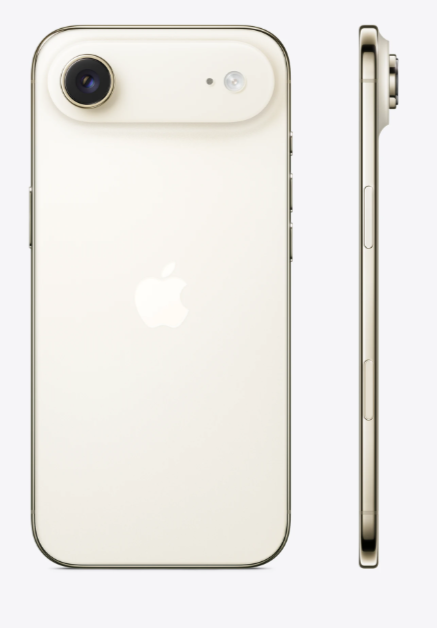
The iPhone Air runs on the Apple A19 Pro chip built on 3nm with highly efficient CPU/GPU performance optimized by iOS 26. On the other hand, the Galaxy S25 Edge features Qualcomm’s Snapdragon 8 Elite with Oryon V2 cores and the Adreno 830 GPU. In raw power, Samsung’s chip delivers higher GPU throughput, especially for gaming, while Apple’s chip ensures sustained performance and better efficiency. For long-term reliability, the iPhone Air feels more stable, but Samsung offers raw speed for power users.
Battery and Charging:
The Galaxy S25 Edge carries a larger 3900 mAh battery compared to the iPhone Air’s 3149 mAh. Samsung also supports faster wired charging at 25W and a balanced 15W wireless Qi2 rate. The iPhone Air, while smaller in capacity, charges rapidly via PD2.0 and MagSafe/Qi2 with optimized efficiency. However, Samsung provides longer endurance in practice due to the larger battery size, making it a better travel companion for heavy users.
Verdict:
Apple leads in optimized chip efficiency, but Samsung takes the win in battery capacity and longer screen time. For specifications, performance feels balanced, but endurance tilts toward Galaxy S25 Edge.
3. Camera
Main and Secondary Lenses:
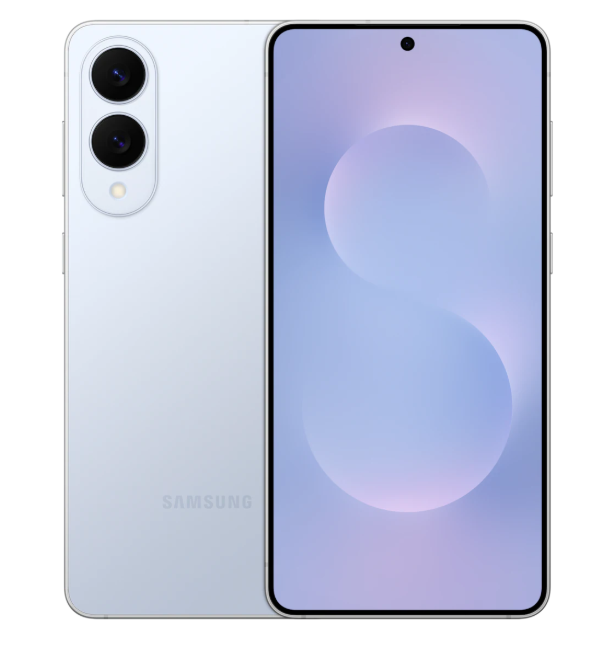
The Galaxy S25 Edge clearly dominates in hardware with its 200MP wide sensor and 12MP ultrawide lens, offering versatility and higher detail. This setup supports 8K video recording, which is absent in the iPhone Air. The iPhone Air, however, focuses on refinement with its single 48MP sensor paired with advanced OIS and Dolby Vision HDR. It delivers consistent image quality but lacks the versatility of a dual-camera system. Samsung’s superior megapixel count and ultrawide coverage give it a noticeable edge for photographers.
Selfie Camera:
Apple equips the iPhone Air with an 18MP front camera supported by OIS and a 3D SL sensor for depth and biometrics. This ensures excellent low-light selfies and advanced features like spatial video. The Galaxy S25 Edge has a 12MP selfie camera with dual-pixel autofocus, producing crisp shots but without the extra 3D hardware depth features. For content creators and Face ID-like secure unlock, Apple offers a more advanced package.
Verdict:
Galaxy S25 Edge wins in rear camera versatility, while the iPhone Air shines in selfie quality and video performance. For users prioritizing main photography, Samsung is superior, but Apple is better for front-facing use and content creation.
4. Pricing
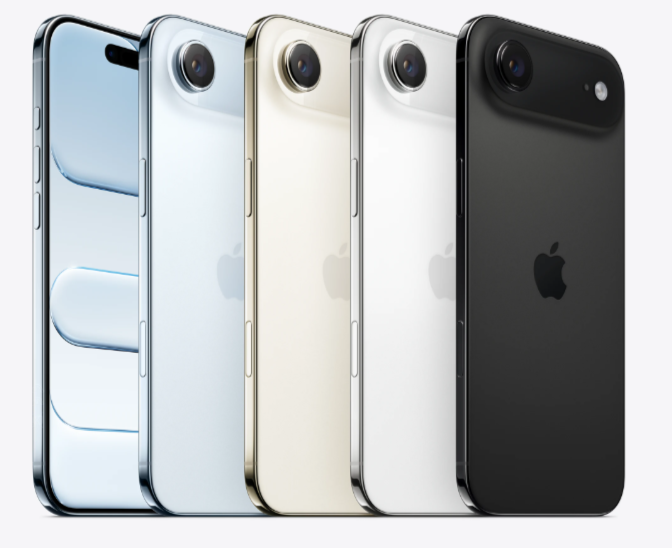
iPhone Air is priced around $1000, while the Galaxy S25 Edge costs about $700. This $300 difference makes Samsung far more budget-friendly while still offering flagship-level performance, a larger battery, and superior camera hardware. The iPhone Air justifies its higher cost with durability, peak brightness, advanced selfie features, and Apple’s long-term software ecosystem.
For value-seekers, Samsung is clearly the better choice, but those invested in Apple’s ecosystem may find the premium worthwhile.
5. Conclusion
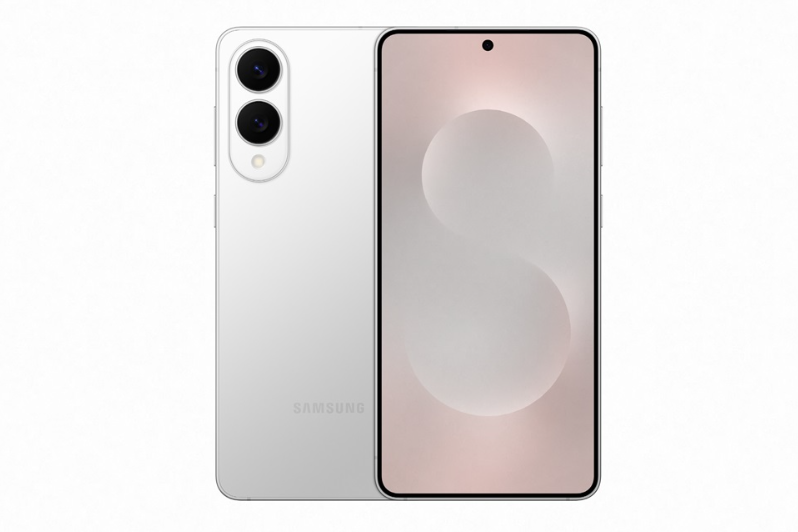
iPhone Air stands out as the thinnest iPhone ever, offering satellite connectivity, superior durability, and unique features like 3D spatial video and MagSafe charging. The Galaxy S25 Edge differentiates itself with a higher-resolution display, larger battery, 200MP camera system, and Samsung DeX for desktop-like productivity.
Verdict:
For users who value thin design, secure biometrics, durability, and ecosystem integration, the iPhone Air is the better pick despite the higher price. For those wanting value, versatility, longer endurance, and superior rear cameras, the Galaxy S25 Edge is the smarter buy.
Ultimately, the Galaxy S25 Edge delivers more upgrades for the price, but the iPhone Air appeals to users who prioritize refinement and premium Apple-exclusive features.
Read More:
- iPhone 17 Pro Max vs Google Pixel 10 Pro: Which Should You Buy?
- Huawei Pura 80 vs Vivo X200 Pro: Which $800 Flagship is Better?
- OnePlus Nord CE 5 vs Moto G85: Which Mid-Range Phone Should You Buy?
