
Add GIZMOCHINA as Preferred Source on Google
While Apple’s new iPhone Air has been praised for its sleek, ultra-thin design, striking display, and flagship components, it isn’t without limitations. Before you jump in, here are the kinds of users who may want to look elsewhere. So here’s everything you need to consider if you’re considering buying this super slim iPhone.
Design Comes at a Cost
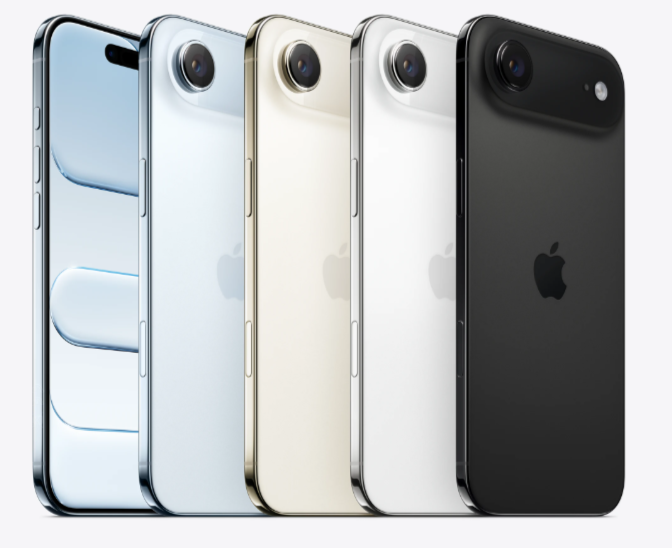
One of the biggest selling points of the iPhone Air is its ultra-thin profile, measuring just 5.6mm thick and weighing around 165 grams. Apple managed to achieve this impressively slim body, which is thinner than even Samsung’s Galaxy S25 Edge, by using a titanium frame and Ceramic Shield 2. However, a slim design tends to mean compromises in internal space for battery capacity and cooling.
If you’re someone who uses heavy gaming, does long video editing, or keeps many power-hungry apps open at once, that slimness may translate into shorter battery life or more frequent charging. The “all-day battery” promised by Apple won’t have as much endurance in real word use as the bulkier iPhone 17 models.
Camera Versatility Limitations
The iPhone Air includes a 48MP “Fusion” main rear camera and an 18MP front camera. While the brand claims that the primary camera can offer 12MP 2x optical quality shots (like a telephoto), this is still just one camera sensor. Many devices already make this claim, especially on models with a large main camera. But unlike the base iPhone 17 or even the more expensive iPhone 17 Pros, the iPhone Air misses out on an ultra wide angle lens.
So you’re lacking the ability to take wider shots for group photos, landscapes, or other scenarios. The new telephoto shooters on the iPhone 17 Pro series were also a big highlight, which is another sensor the slimmest iPhone lacks. Considering its 999 US Dollar starting price (same as last year’s base iPhone 16 Pro model), justifying one camera is hard. Even its primary rival, the Galaxy S25 Edge, at least offers a secondary ultra wide camera.
eSIM-Only Might Be an Issue
On paper, eSIM sounds like the natural next step in connectivity. The iPhone Air is Apple’s first model to completely eliminate the physical SIM card slot entirely, which helped it make more space on the inside for the battery. However, it has potential downsides. Some carriers or regions still don’t fully support eSIMs, and switching phones or plans might become a bit more cumbersome. Travel roaming or dual SIM scenarios could also become an issue.
Lower Endurance Under Heavy Use
While Apple claims up to 40 hours of video playback with the optional MagSafe battery accessory, and all-day battery under normal conditions, the slim build and power-hungry display and chipset mean heavy users will see the drawbacks. Gaming, frequent video recording, or its high refresh rate display is easily going to drain the battery. With many phones offering larger than 5,000mAh battery packs, the iPhone Air might seem like a step backwards in terms of battery life.
Pricing vs What You Get
The iPhone Air starts at a premium price tag of 999 US Dollars. To recall, the 128GB iPhone 16 Pro had the same retail price. While the iPhone 17 Pro didn’t see any price jump, its base 256GB model costs 1,199 US Dollars. So at this price range, the Pro models definitely make more sense in terms of practicality, features, better sustained performance, and photography options.
For more daily updates, please visit our News Section.
Tech enthusiast? Get the latest news first! Follow our Telegram channel and subscribe to our free newsletter for your daily tech fix! ⚡




Comments