
Add GIZMOCHINA as Preferred Source on Google
Future generation of Samsung foldable smartphones might take durability to a whole new level. Owing to the flexible nature of foldable phones, the large main screen isn’t as scratch or crack resistant as a typical smartphone display. But Samsung is apparently working on a new display technology, which could make these screens automatically repair themselves. So here’s what you need to know.
Samsung’s Future Foldables Might Fix Their Own Scratches
A patent from the South Korean tech giant was recently published, which revealed a new “Self-Repair” system. This will reportedly be used for cameras, fingerprint sensors, and even foldable devices. For context, Samsung initially used an under-display selfie camera on the primary foldable screen and only recently moved to a punch hole cutout. Unlike traditional flat smartphone screens, it is challenging to install a fingerprint scanner and camera on flexible screens.
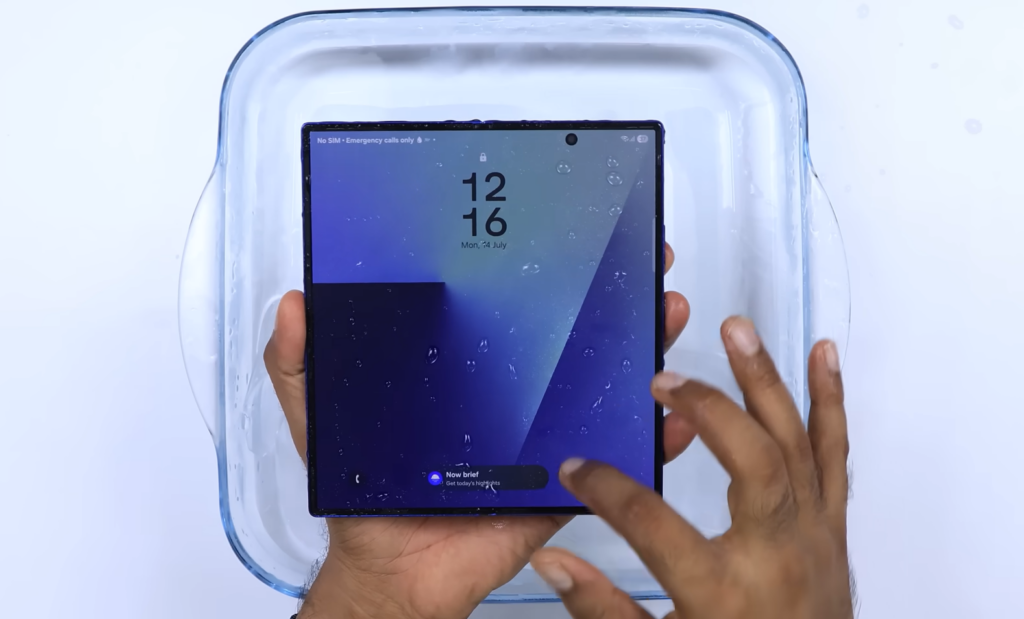
Any hole for sensors can compromise the structural integrity of these devices, causing microscopic cracks and damage over time from moisture. So you still get a side mounted fingerprint scanner on the Galaxy Z series of foldables. However, Samsung might deal with this with its newly patented technology. The new display tech houses microscopic wires and sensors to form a “sensing loop” around the display cutouts, which could help detect any small cracks or issues with this area.
This system can then activate a reinforcement process by triggering “dummy metal patterns” that automatically seal and bolster the affected section. The last part of the process involves specialized sealants that can help protect the OLED layers from oxygen or moisture. In other words, the future foldables from Samsung may feature a display that can detect scratches on the screen, reinforce them, and even seal the screen to prevent more damage.
For more daily updates, please visit our News Section.
Tech enthusiast? Get the latest news first! Follow our Telegram channel and subscribe to our free newsletter for your daily tech fix! ⚡
(Via)




Comments