Advertisement

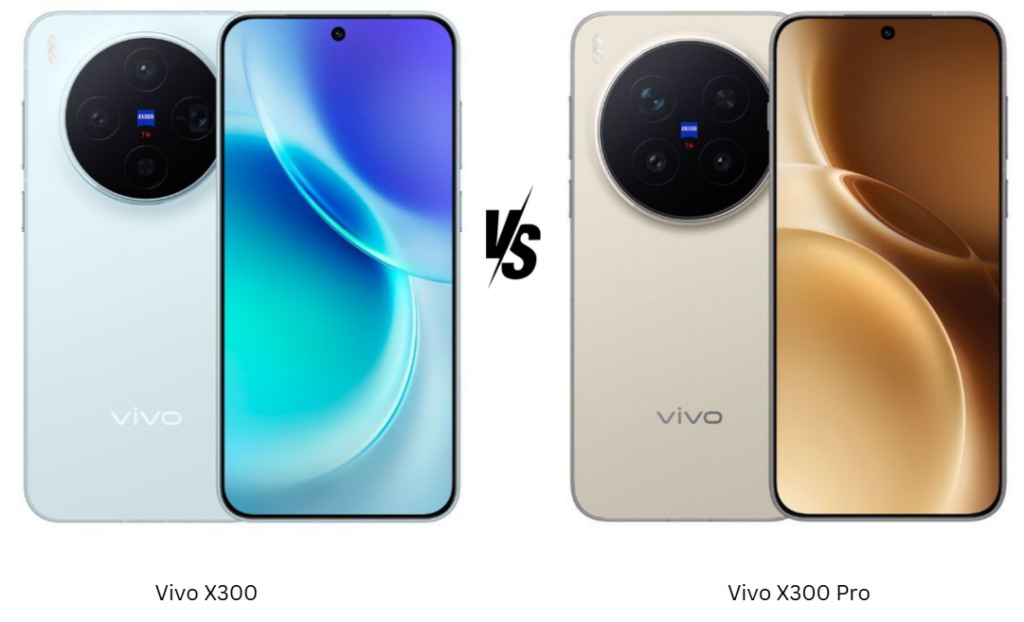
The comparison between Vivo X300 and Vivo X300 Pro goes beyond surface-level specs; it highlights how subtle but meaningful upgrades can shape the overall flagship experience. Both devices share the same powerful chipset and premium build, but the Pro version raises the bar with a larger Dolby Vision display, a more advanced camera system with 8K and pro-grade features, a bigger battery, and added extras like reverse wireless charging and optional satellite connectivity. This decision between the two models is crucial for buyers who want to balance performance, photography, and long-term value.
Major Upgrades:

CategoryVivo X300Vivo X300 ProUpgrade / Highlight
Display6.31″ LTPO AMOLED, HDR10+6.78″ LTPO AMOLED, Dolby Vision, HDR10+Bigger screen with Dolby Vision support
Build ProtectionGlass front & backScratch/drop-resistant glassImproved durability
Main Camera200 MP (wide)50 MP (larger sensor, wide)Better low-light performance
Telephoto Camera50 MP periscope, 3x optical200 MP periscope, 3.7x optical, macro supportMore zoom + macro capabilities
Video RecordingUp to 4K 120fps HDRUp to 8K 30fps, Dolby Vision HDRHigher video resolution & pro-grade recording
AudioStereo speakersStereo + 24-bit/192kHz Hi-Res audioBetter audio quality
Battery6040 mAh6510 mAhLarger battery
Charging90W wired, 40W wireless90W wired, 40W wireless, reverse wirelessAdded reverse wireless charging
Special FeaturesSatellite connectivity (optional)More advanced connectivity

1. Design and Display

Build and Feel:

Both smartphones carry a premium design language, featuring glass front and back panels with an aluminum alloy frame, offering a luxurious in-hand feel. However, the Pro model feels more substantial due to its larger form factor and slightly heavier build, which adds to its premium aura. Both phones come with IP68/IP69 dust and water resistance, ensuring durability.

The X300 is compact and elegant, making it easier to handle one-handed, whereas the X300 Pro gives a more commanding presence, ideal for those who prefer larger screens and a more immersive feel. The Pro’s scratch/drop-resistant protection is a subtle yet important upgrade, adding more confidence to daily use. This difference indicates a focus on making the Pro model not just more powerful but also more rugged for premium users.

Display Quality:

The X300 features a 6.31-inch LTPO AMOLED panel, while the X300 Pro steps it up to 6.78 inches. Both share excellent display specs like 120Hz refresh rate, HDR10+, HDR Vivid, and peak brightness of 4500 nits. But the Pro goes further with Dolby Vision support, making content look richer and more cinematic.

The larger display of the Pro model is better suited for multimedia consumption, gaming, and productivity, while the regular X300’s smaller screen is more pocket-friendly. Both offer top-tier visual experiences, but the Pro’s enhancements lean more toward flagship-grade media performance.

Verdict:

The X300 Pro stands out with its more immersive display and added protection, making it a better pick for those who prioritize viewing experience and durability. The regular X300, on the other hand, remains a refined and practical choice for users who prefer a lighter, more compact phone.

2. Specifications 

Performance:

Both devices share the same Mediatek Dimensity 9500 chipset, built on a 3nm process with a high-performance octa-core CPU and Arm G1-Ultra GPU. This ensures blazing-fast performance across both models for gaming, multitasking, and heavy productivity tasks. Storage and RAM configurations are also quite similar, with UFS 4.1 ensuring fast app loading and file transfers.

Since the core performance hardware is identical, there won’t be a noticeable difference in speed during daily use. However, the Pro’s larger size and thermal design could help sustain peak performance for longer periods, making it more ideal for power users and gamers who push their phones to the limit.

Battery and Charging:

The X300 packs a 6040 mAh battery, while the X300 Pro boosts it to 6510 mAh. Both support 90W wired and 40W wireless charging. The Pro model, however, adds reverse wireless charging, making it more versatile for powering accessories like earbuds or smartwatches on the go.

The slightly larger battery on the Pro means better endurance, especially during long streaming or gaming sessions. Reverse wireless charging gives it an extra edge in practicality.

Verdict:

Performance is neck and neck, but the X300 Pro edges ahead with better battery capacity and extra charging options. Users who value endurance and flexibility will find more value in the Pro model, whereas the standard X300 remains powerful enough for most users without compromise.

3. Camera

Main and Secondary Lenses:

The X300 impresses with a 200MP main sensor, periscope telephoto, and ultrawide trio, offering sharp images and versatile shooting options. The X300 Pro, however, shifts its emphasis to a 50MP main sensor with a larger sensor size for improved low-light performance and introduces a 200MP periscope telephoto lens with 3.7x optical zoom and macro capabilities.

The Pro also brings advanced video recording features like 8K support, Dolby Vision HDR, and 10-bit Log, giving creators more flexibility. While the X300 has strong photography capabilities, the Pro’s advanced optics and image processing enhancements clearly cater more to professionals and enthusiasts.

Selfie Camera:

Both models share the same 50MP front-facing camera, offering excellent detail and dynamic range, especially for 4K video recording. Selfie quality will be nearly identical, but the Pro’s processing and image tuning may offer slightly more refined results, particularly in challenging lighting.

Verdict:

The X300 Pro delivers a superior camera system thanks to its larger primary sensor, more capable periscope zoom, and professional-grade video features. The standard X300 remains impressive but is more tuned for everyday users, while the Pro appeals to content creators and photography enthusiasts.

4. Pricing

The X300 is priced around $650, while the X300 Pro comes in at approximately $800. The $150 difference is justified by meaningful upgrades, a larger and better-protected display, an improved camera system with 8K and Dolby Vision support, a bigger battery with reverse wireless charging, and slightly more premium build quality.

For users who prioritize value for money and don’t need pro-level photography or a massive screen, the X300 is the more balanced choice. However, for those who want a more premium multimedia and camera experience, the Pro offers stronger long-term value.

Disclaimer:
Prices are approximate and may vary based on country, region, and applicable taxes.

5. Conclusion

The X300 Pro introduces Dolby Vision display support, reverse wireless charging, enhanced camera zoom capabilities, and optional satellite connectivity, features that clearly position it as a more advanced flagship. Both models share high-end performance, fast charging, and strong display quality, ensuring that even the base variant feels premium.

While both devices cater to different segments, the Pro model stands out as the more future-ready option. It targets users who want an all-around powerhouse capable of delivering top-tier performance in imaging, display, and battery endurance.

Verdict:

The X300 is a well-rounded flagship with excellent value for its price, while the X300 Pro elevates the experience with meaningful upgrades. For everyday flagship users, the X300 is more than enough. But for power users, creators, and those seeking a richer multimedia and imaging experience, the Pro is the more compelling pick.

Read More:

Comments