
Add GIZMOCHINA as Preferred Source on Google
In Gizmochina’s hands-on video with the OPPO Find X9 series, the new flagship was considered a phone with almost no flaws. But after buying the Find X9 Pro and actually using it for a week, I have to apologize—it does have a few shortcomings. The current version of the Find X9 Pro doesn’t offer a great gaming experience. So, let’s start with its performance.
Performance
The Find X9 Pro, like the vivo X300 series, uses the Dimensity 9500 processor. Its benchmark score is slightly higher than the Xiaomi 17 Pro Max, which uses the Snapdragon 8 Elite Gen5.
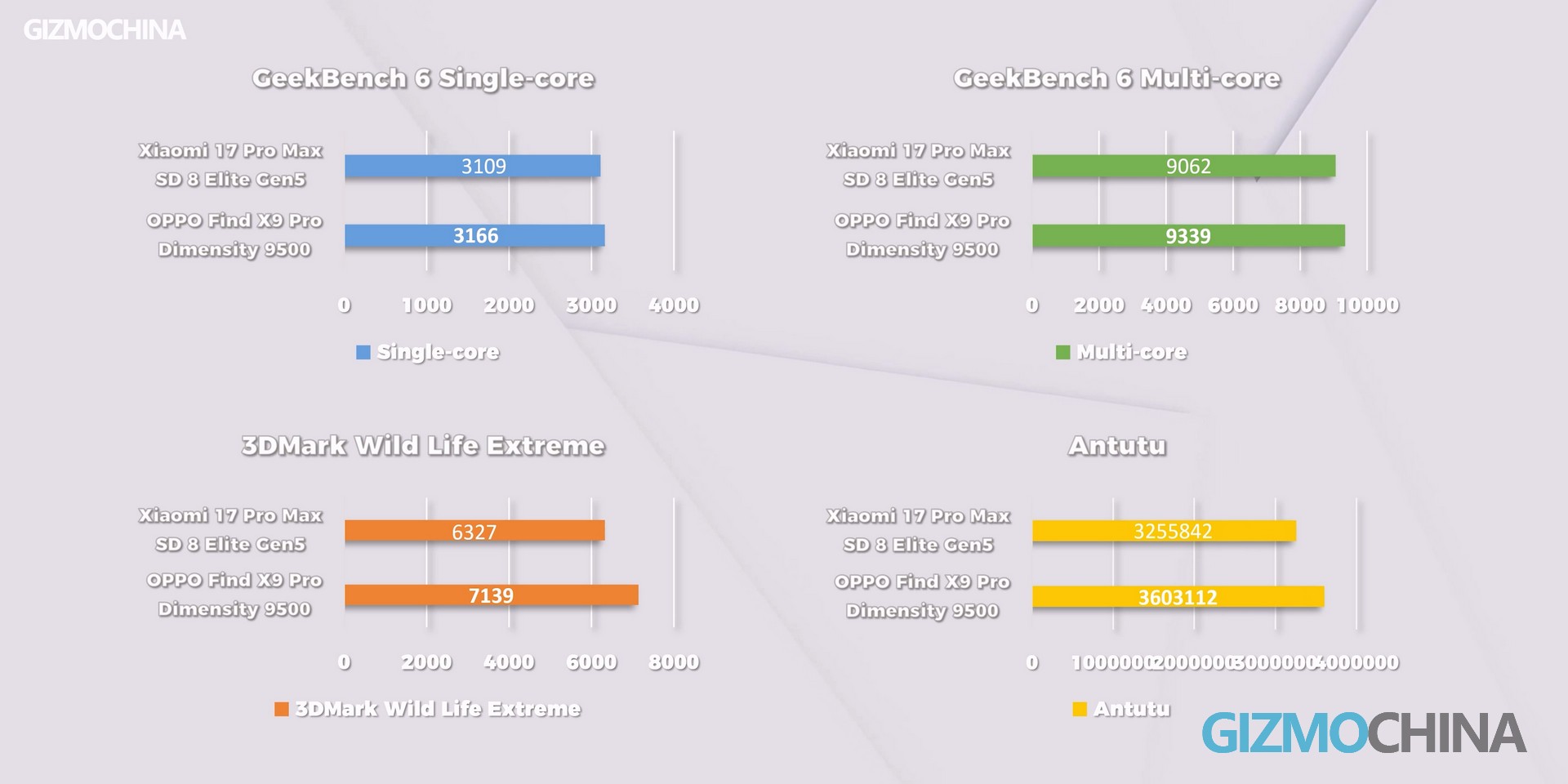
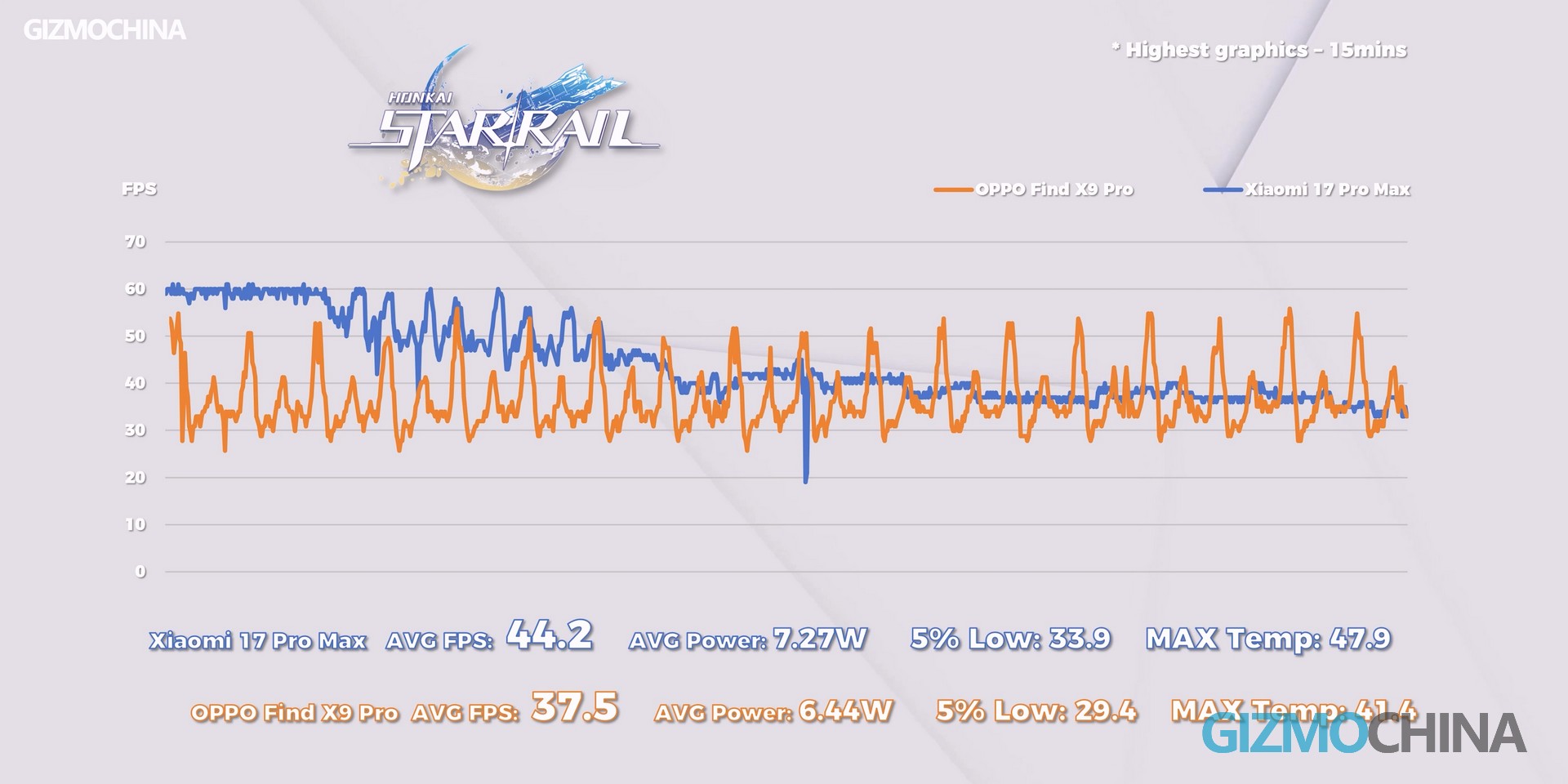
Let’s not waste time—let’s start with the most demanding game: Honkai: Star Rail. Well… things don’t look too optimistic. The frame rate graph looks like an ECG monitor—it fluctuates wildly. The peak frame rate is around 50fps, and it can drop as low as 30fps. In complex scenes, you’ll often feel the Find X9 Pro suddenly lag, which makes the gaming experience less enjoyable.
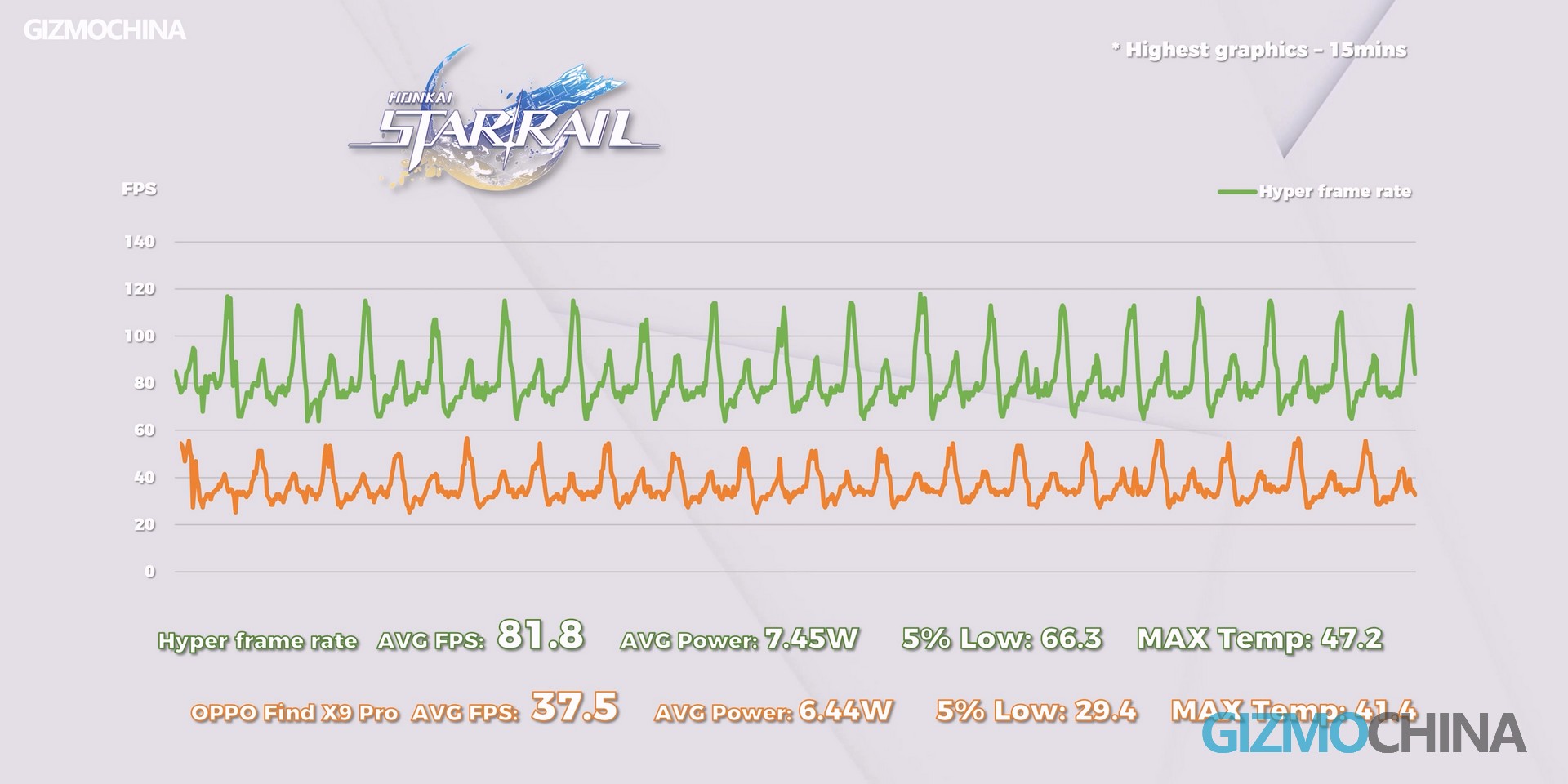
The good news is that the Game Toolbox has a frame interpolation option that doubles the frame rate. While the graph still looks like a roller coaster, the lowest frame rate now stays above 60fps, making stutter nearly invisible. The downside, of course, is higher power consumption and more heat.
There’s another workaround: we found the Find X9 Pro performs better with Vulkan. If you switch the graphics API to “Normal Mode,” the average frame rate improves by about 10fps.
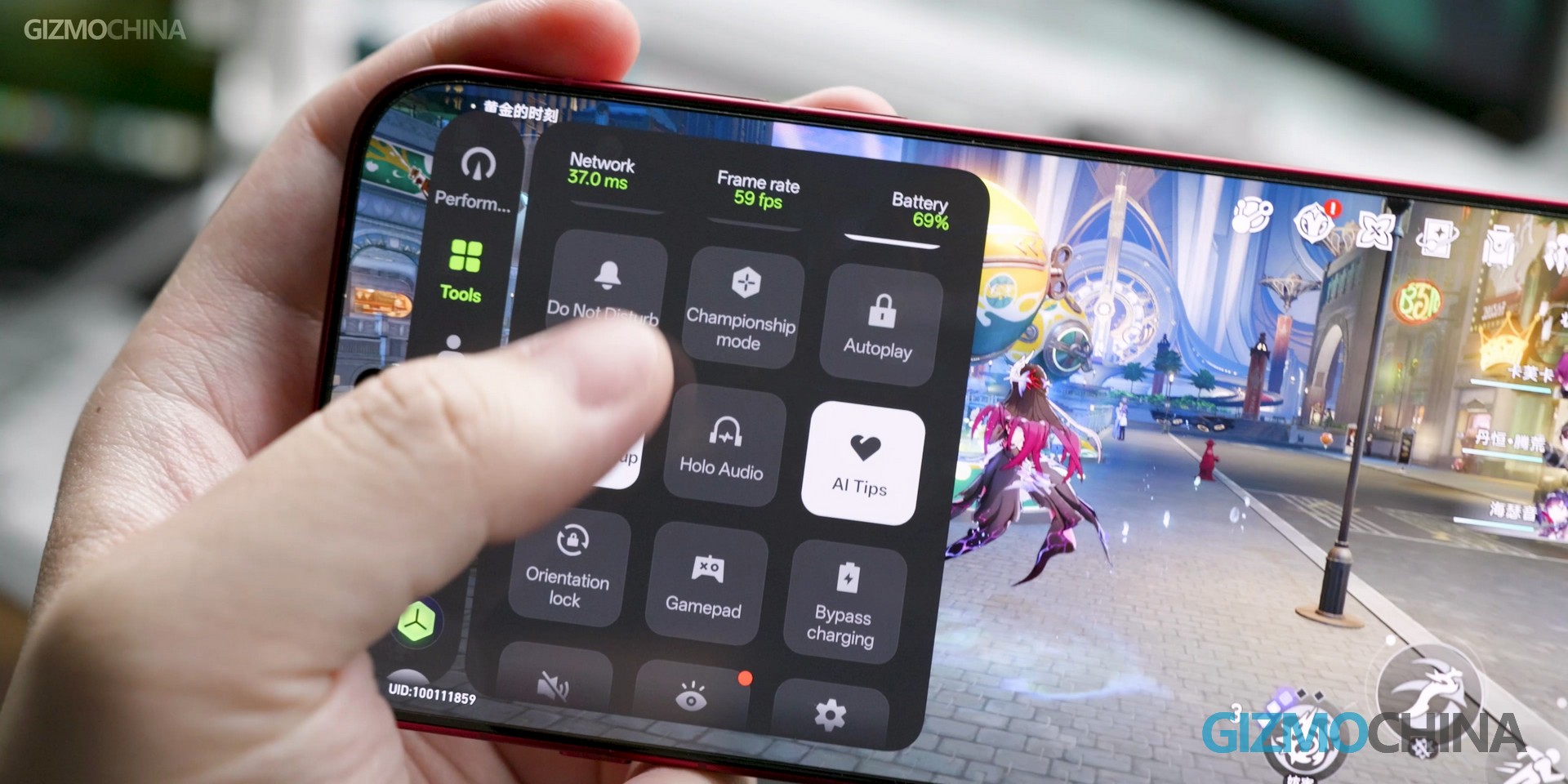
The Find X9 Pro also offers a bunch of gamer-friendly features, like super-resolution, HDR, bypass charging, and more. But if your favorite game isn’t on OPPO’s frame interpolation whitelist, the experience will suffer a lot.
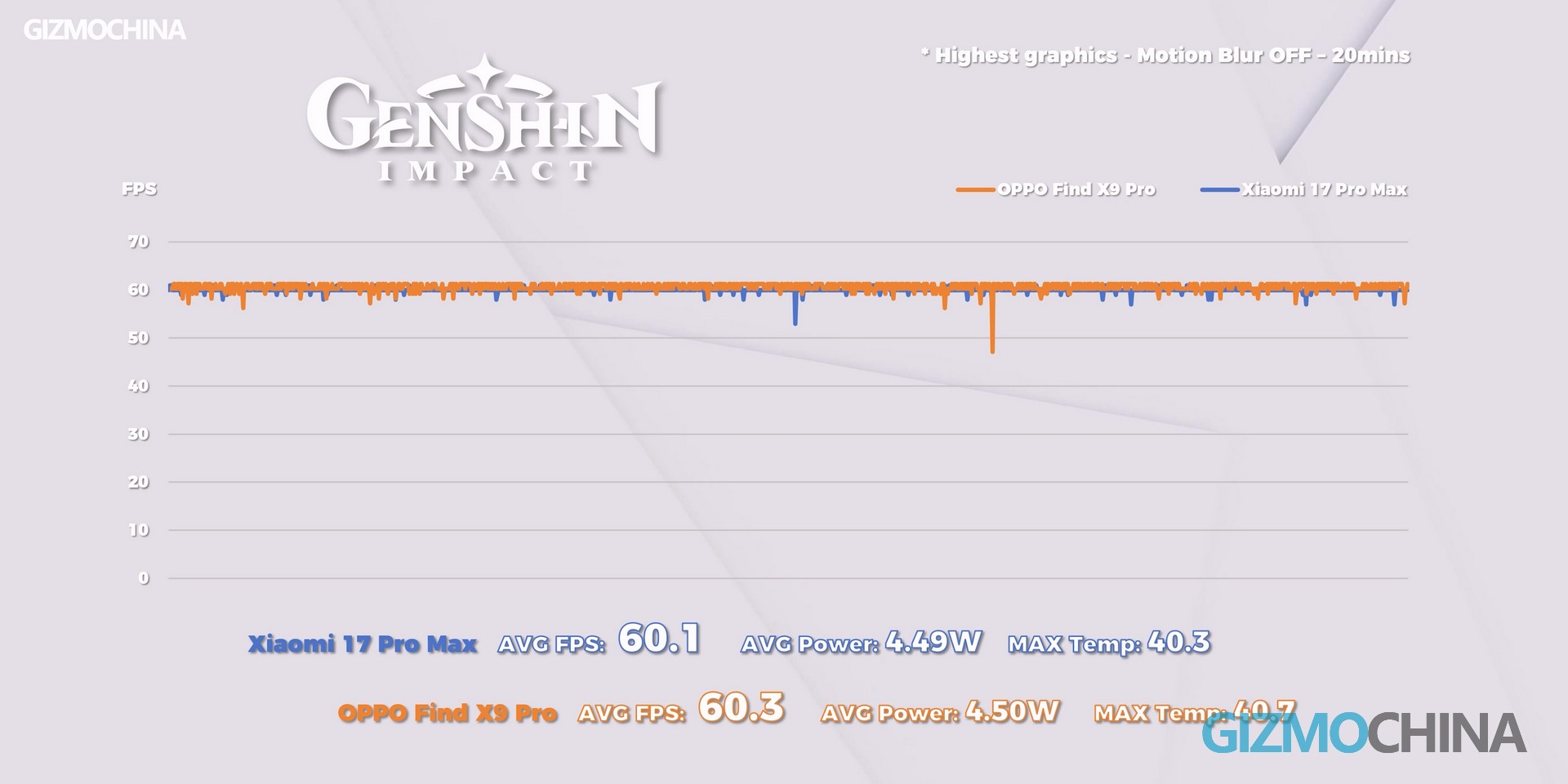
In Genshin Impact, however, the Find X9 Pro had no issues. All the metrics were almost identical to the Xiaomi 17 Pro Max, proving that this game no longer challenges today’s flagship phones.
Design
Since the Find X9 Pro’s camera setup went from four sensors on the X8 Pro to three, the module size has been reduced. To prevent your index finger from constantly touching the raised camera area, OPPO moved the module to the side.
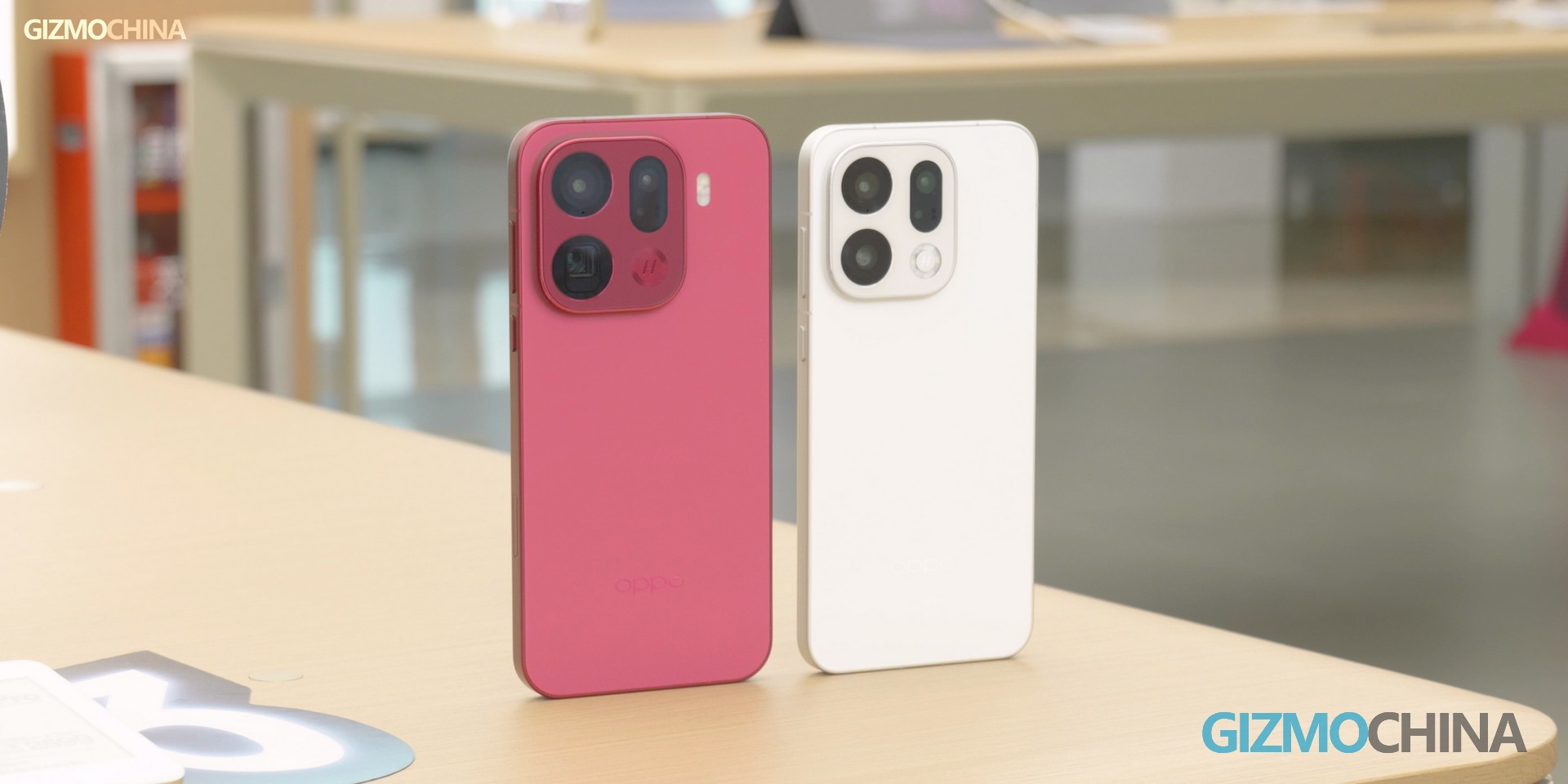
Whether this design looks elegant or awkward really depends on personal taste—but from a practical standpoint, it does make the phone more comfortable to use daily. After all, most of the time you’re facing the screen, so comfort matters most.
The Camera Control Button still isn’t in a great position and is somewhat impractical—I often forget it exists. Occasionally, I remember to use it to quickly launch the camera, which might be slightly useful for street photographers.

Display
The display is equally unremarkable. The biggest change is that the Find X9 Pro now uses a flat panel. Everything else is a standard upgrade—no 2K resolution, no AR coating on the film, and no new pixel arrangement.
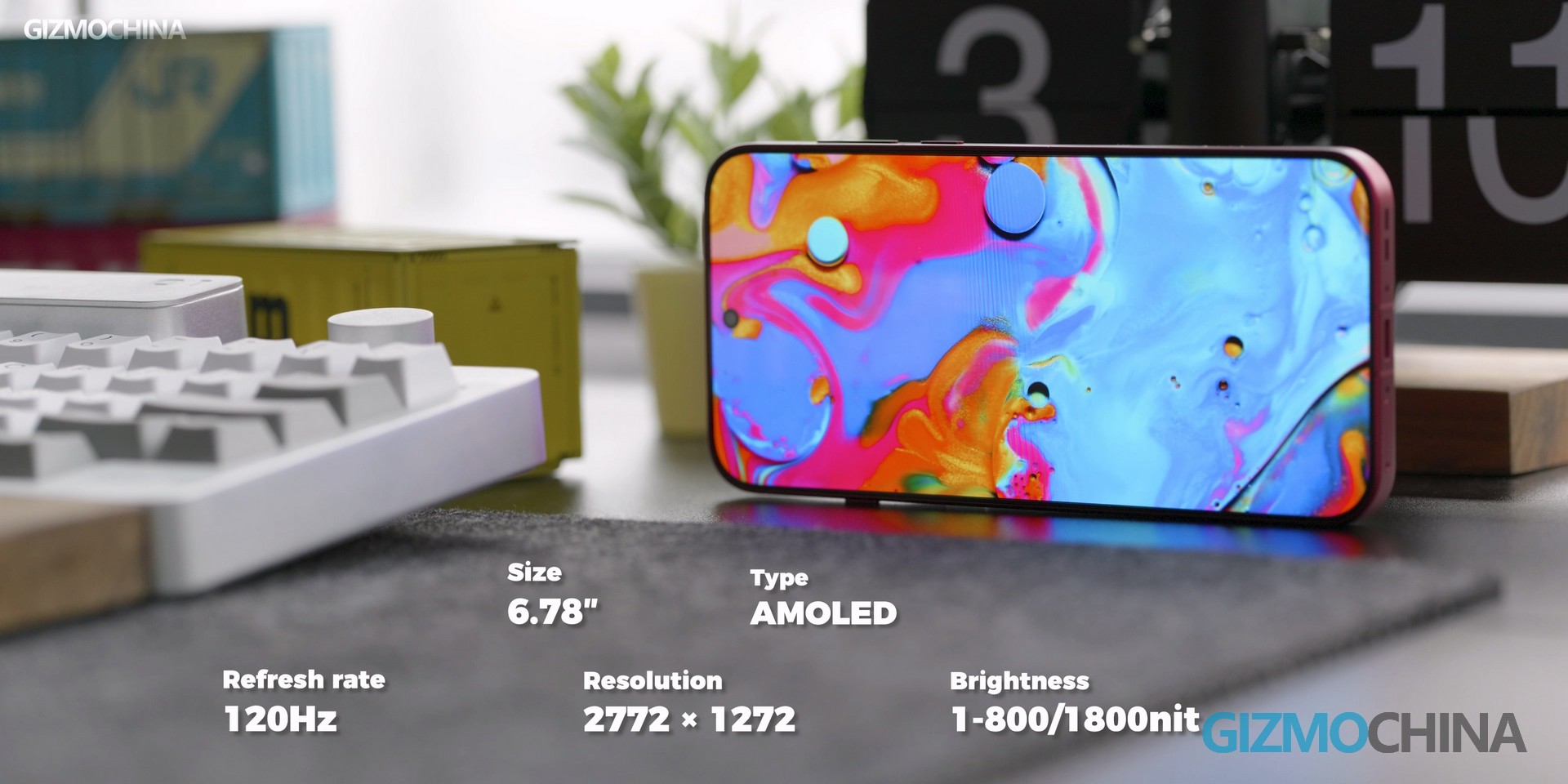
It’s simply a good display, nothing more. So let’s move on to the part that actually improved the most.
Telephoto Camera
Compared to the Find X8 Pro, the Find X9 Pro’s major upgrades are in its main and telephoto cameras.
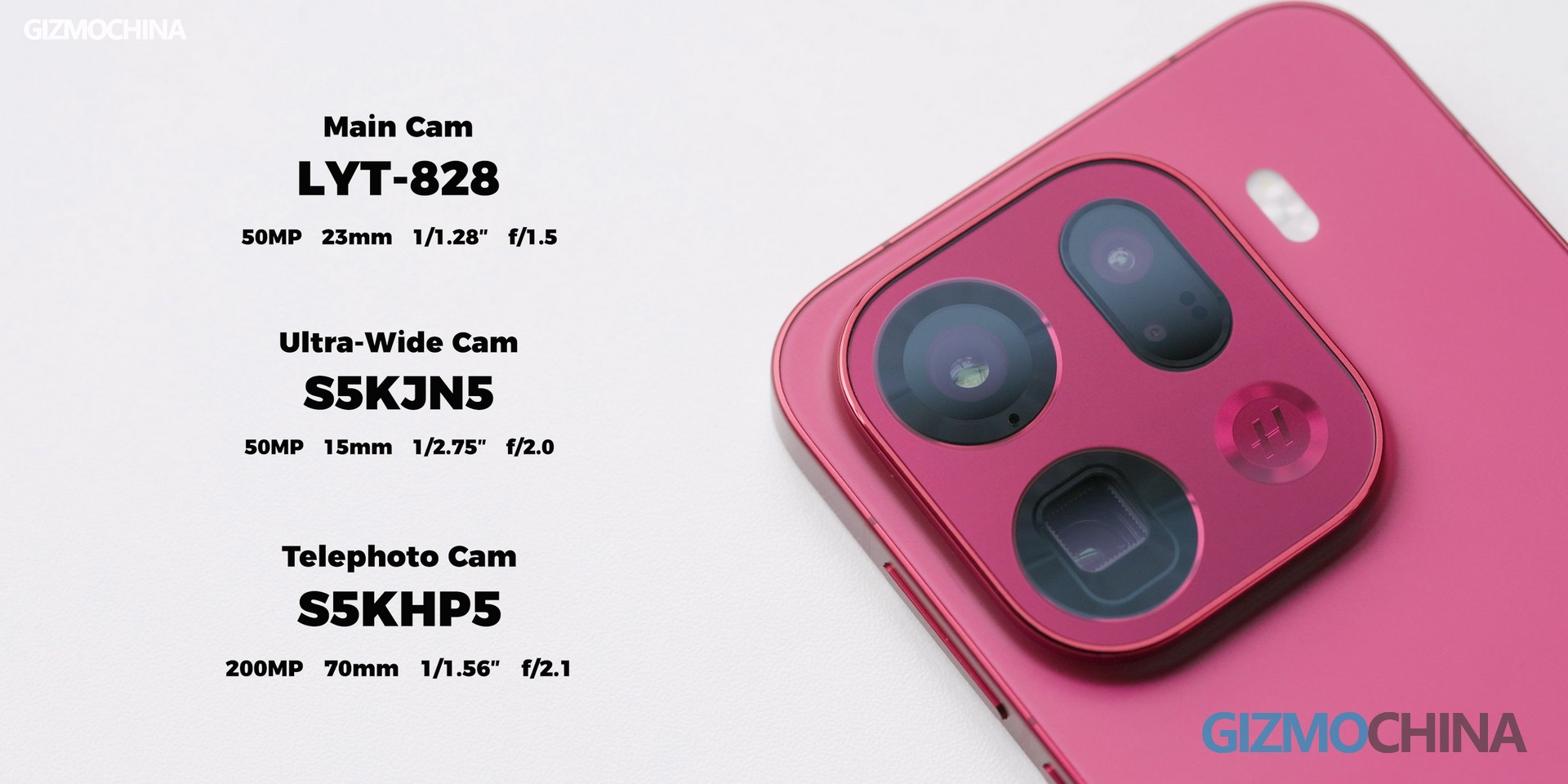
Let’s start with the telephoto lens. Many of you might be curious, if the new HP5 sensor can really replace the previous generation’s 6x telephoto? The answer: yes.
Although the sharpening is a bit heavy, the help of In-Sensor Zoom ensures the results are mostly satisfying. The HP5 sensor is a sibling of the HP9 but smaller in size, which theoretically means worse low-light performance when In-Sensor Zoom isn’t active. In reality, it performs better than expected—probably thanks to AI image enhancement.






Overall, losing one telephoto camera doesn’t mean it’s a downgrade. Achieving equal—or even better image quality with a smaller camera module, which is very impressive.
Have you ever wondered what happens when you combine a 200MP sensor with AI enhancement for portrait photography? This photo, taken in HASSELBLAD HI-RES mode, is the answer.
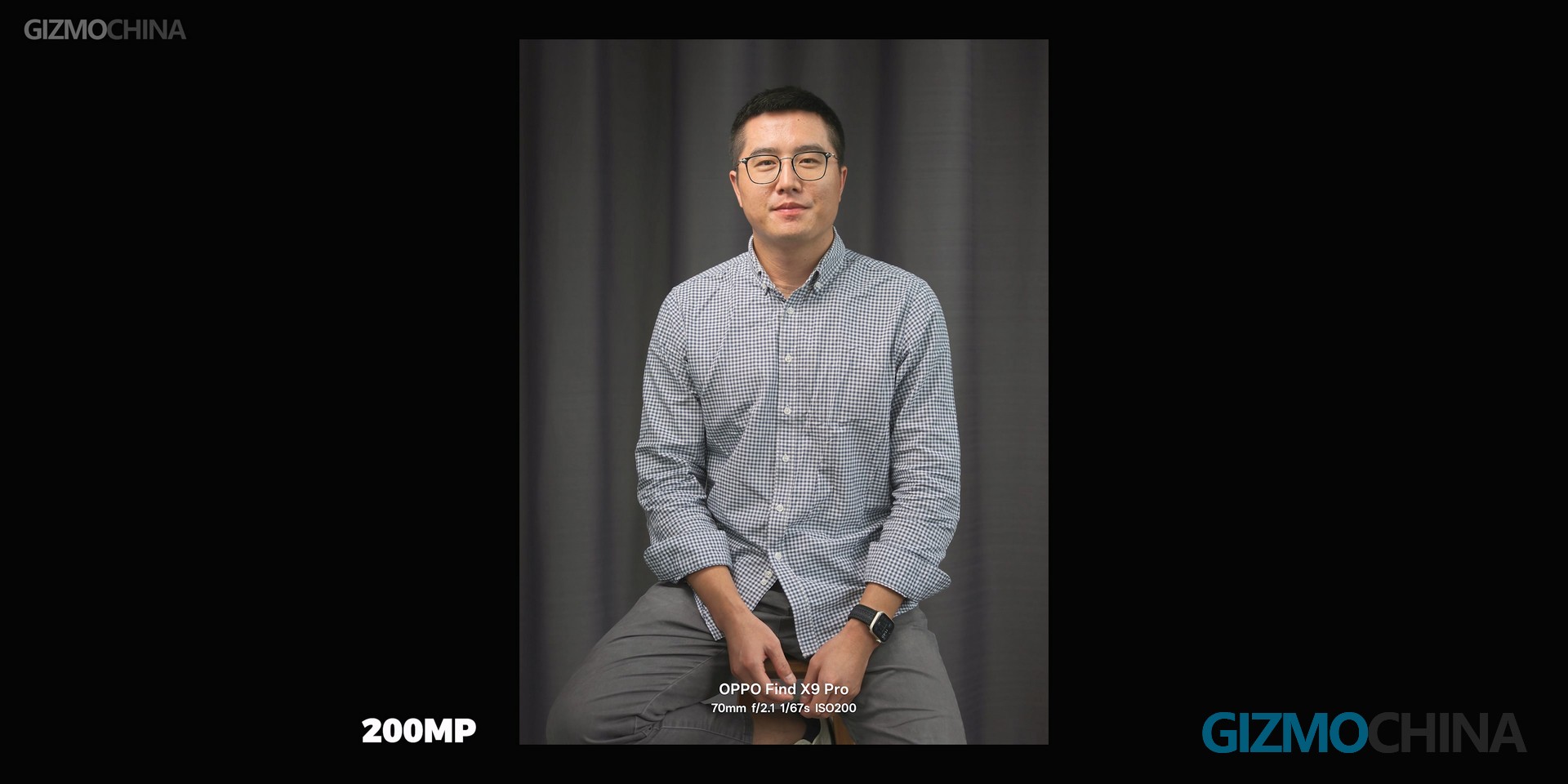


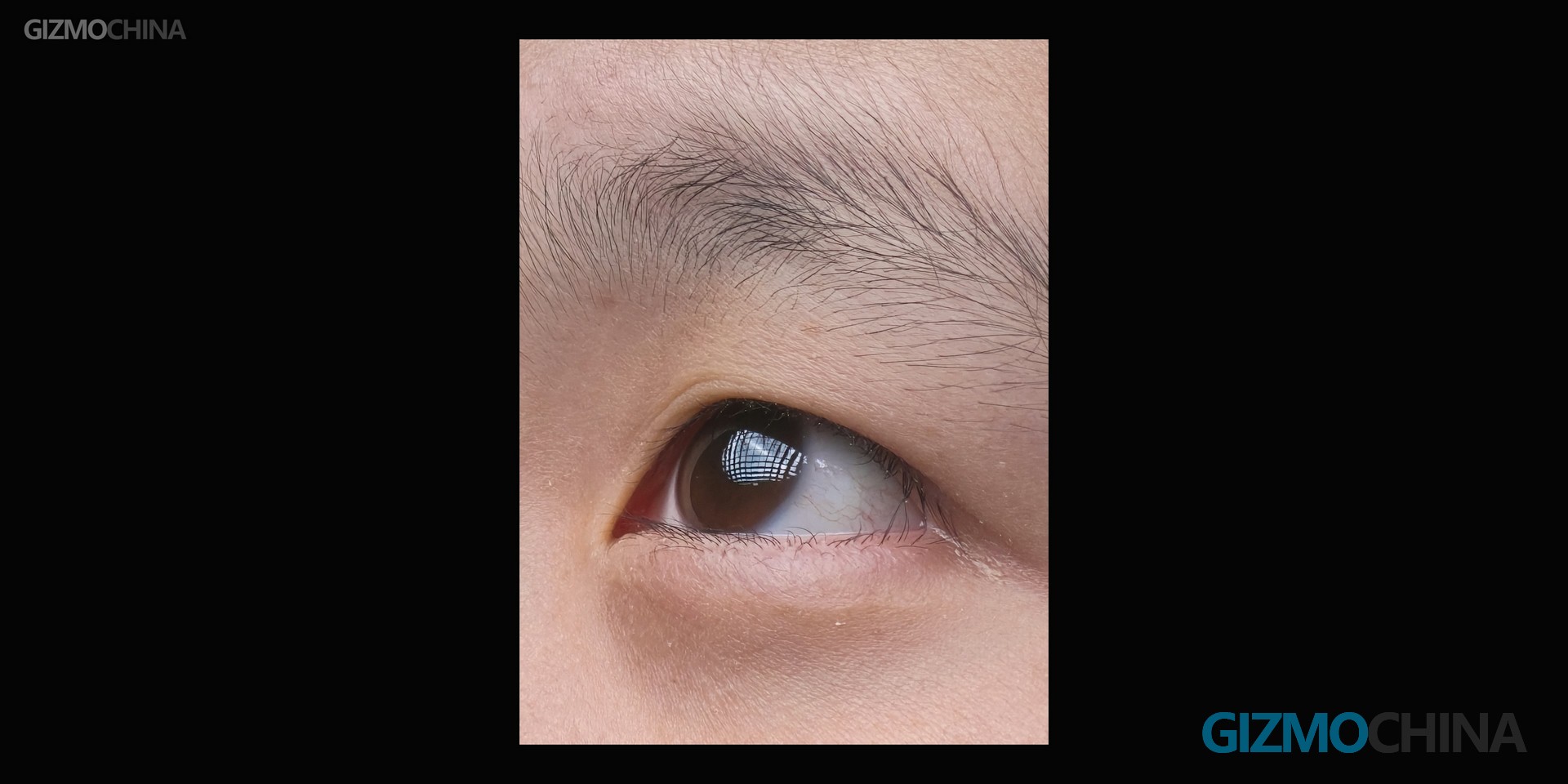
Sharp, detailed, and every strand of hair and pore is visible. Actually, OPPO already introduced portrait AI enhancement with the Find X8 Ultra, which explains why its portraits look far better than most other phones.
But when the lighting is poor, the base detail is lacking, and the AI enhancement effect naturally weakens.


Main Camera
The main camera now has a larger sensor, meaning better image quality in low light. But honestly, flagship phone main cameras are already so good that the difference isn’t dramatic.


That’s why OPPO focused more on software optimization for the Find X9 Pro. For example, the Auto High-Resolution Option.
By default, the phone automatically increases resolution to 26MP or 50MP when conditions are right. Unlike other Android phones, this mode is specially optimized—it supports HDR capture and avoids typical demosaic issues like false colors.
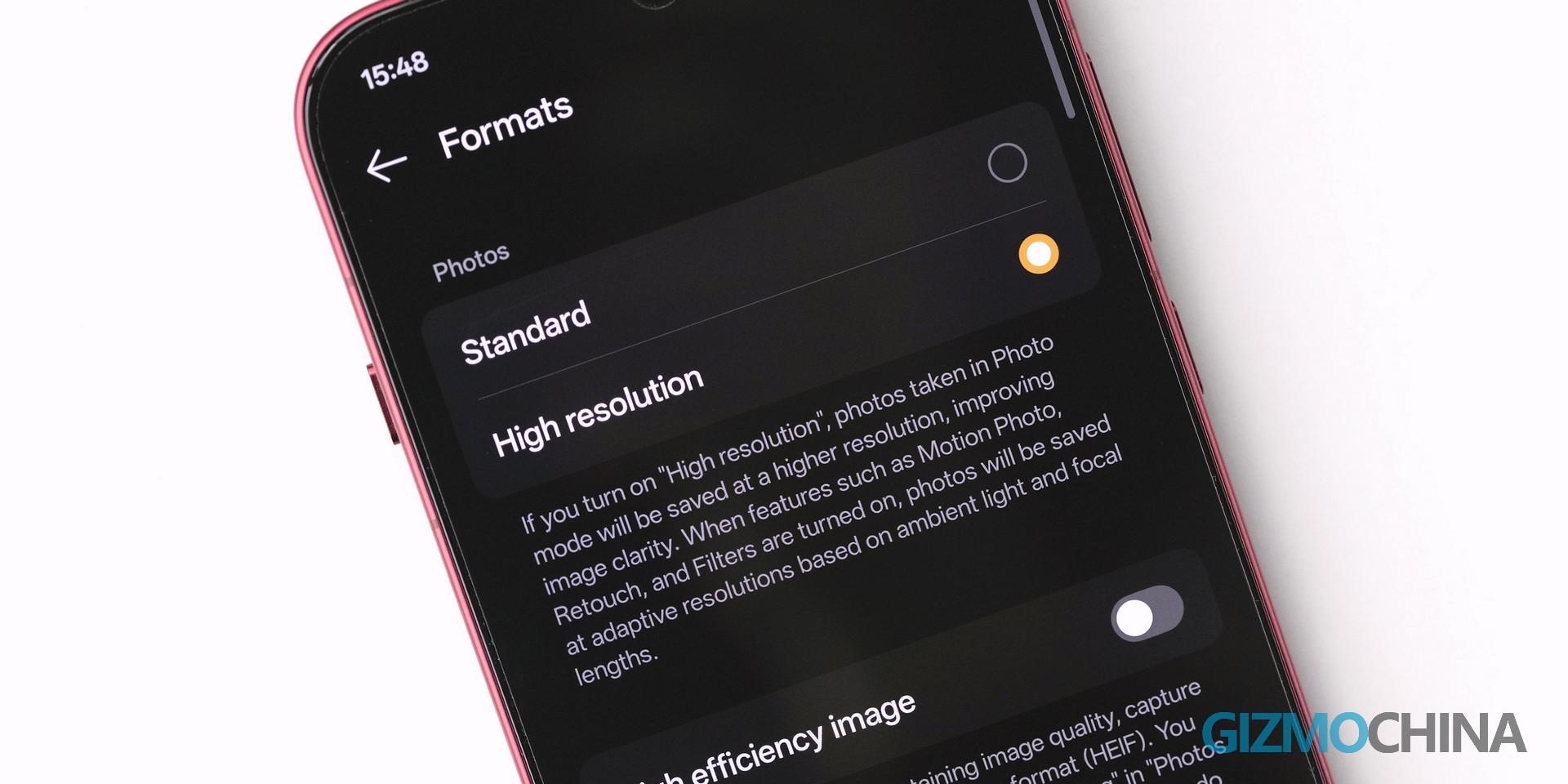
When does it not activate and shoot at 12MP instead? Bingo—you guessed it. In very dark environments, it stays at 12MP to ensure each pixel captures enough light.

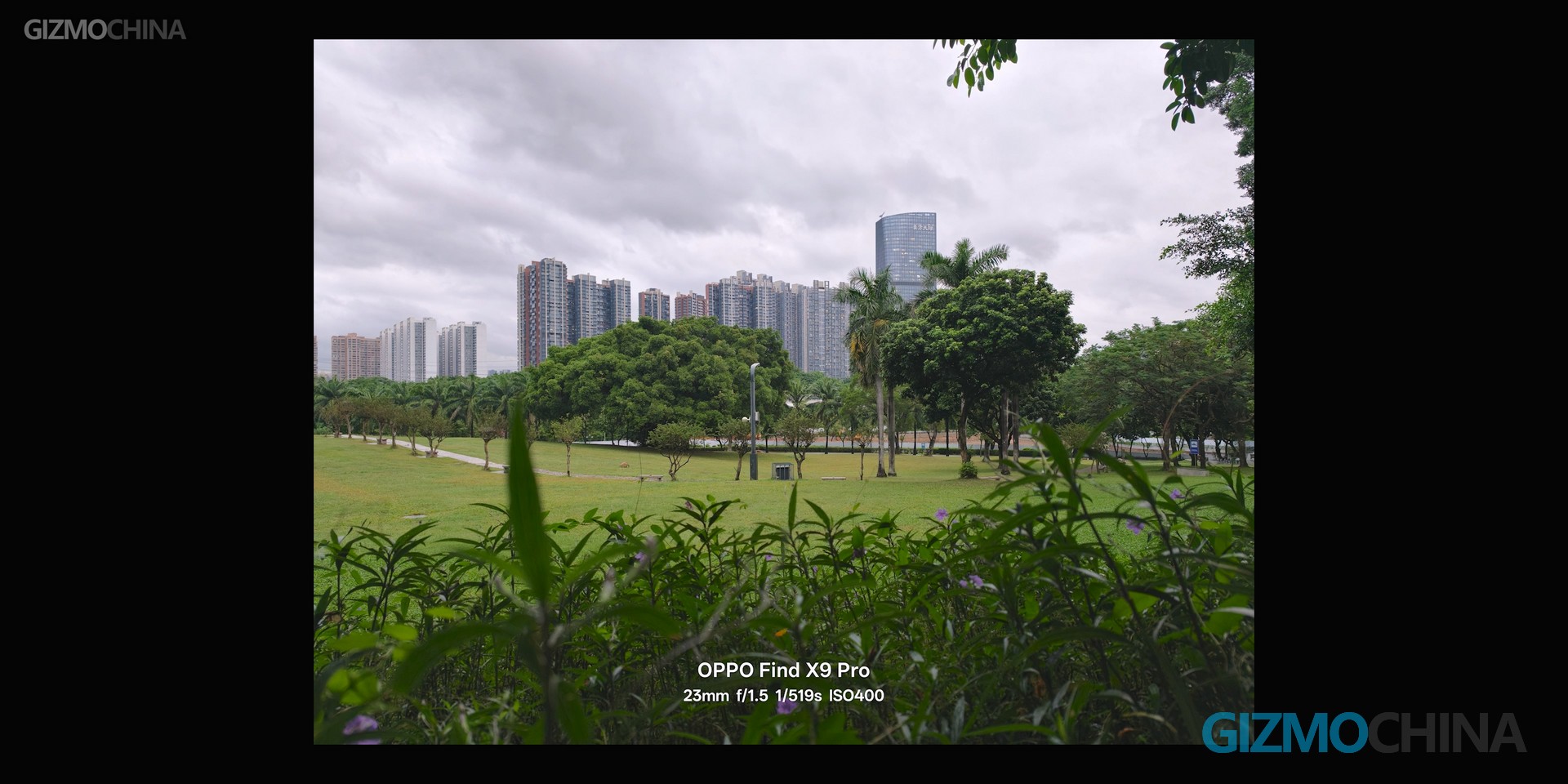
The only major drawback is file size. If you’ve got the 1TB storage version or a home NAS, I’d still recommend keeping this option on. Unfortunately, my favorite Master Mode doesn’t support this option.
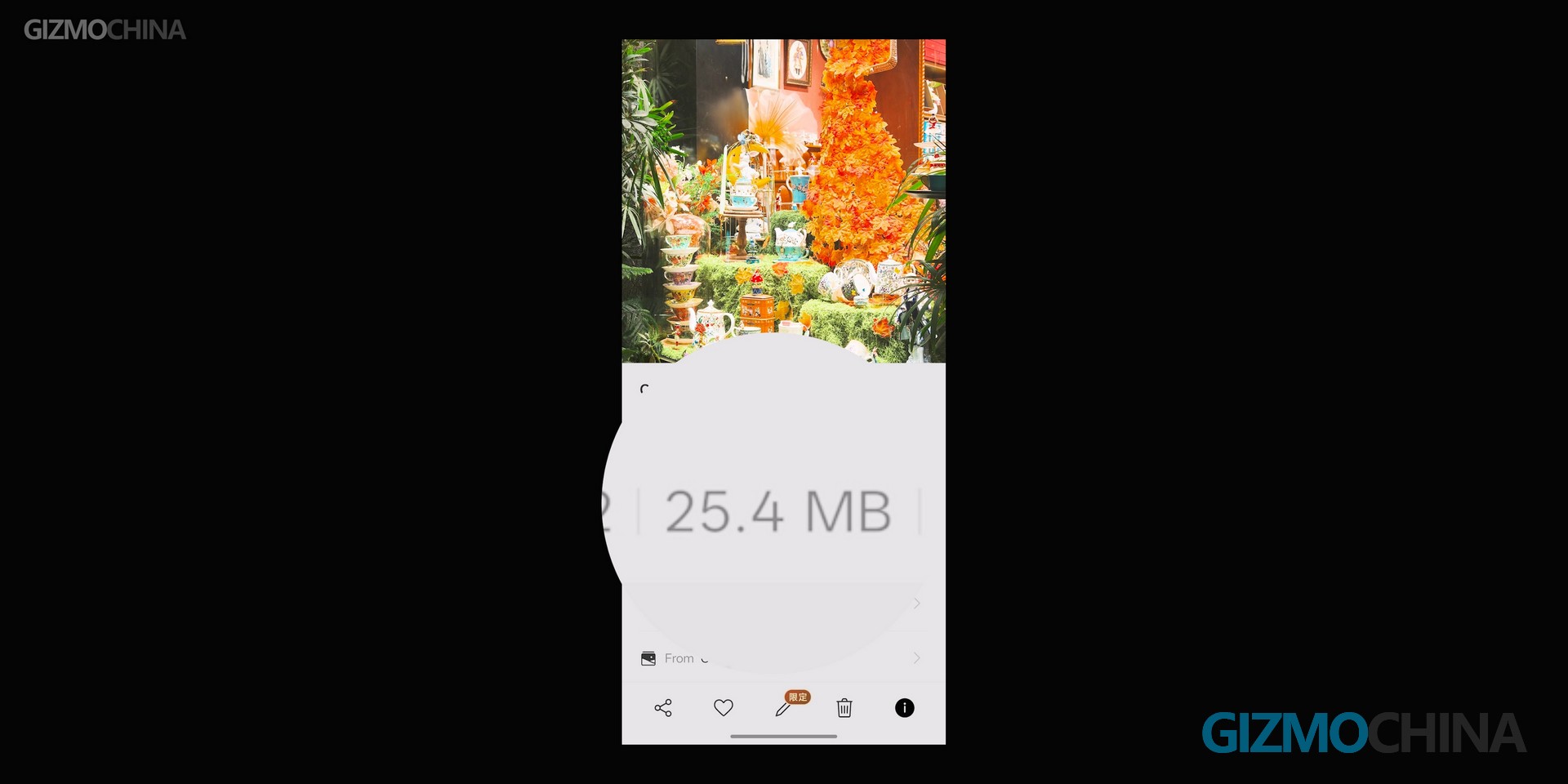
As everyone knows, I love OPPO’s Hasselblad color style. It delivers a cinematic look, especially in low light. Highly recommended for anyone who buys the Find X9 Pro.



LIVE Photo
In HASSELBLAD HI-RES mode, there’s a new LIVE Photo feature called 4K Motion Photo. We compared it with the pioneer of Live Photos—the iPhone 17 Pro—to see what OPPO improved.
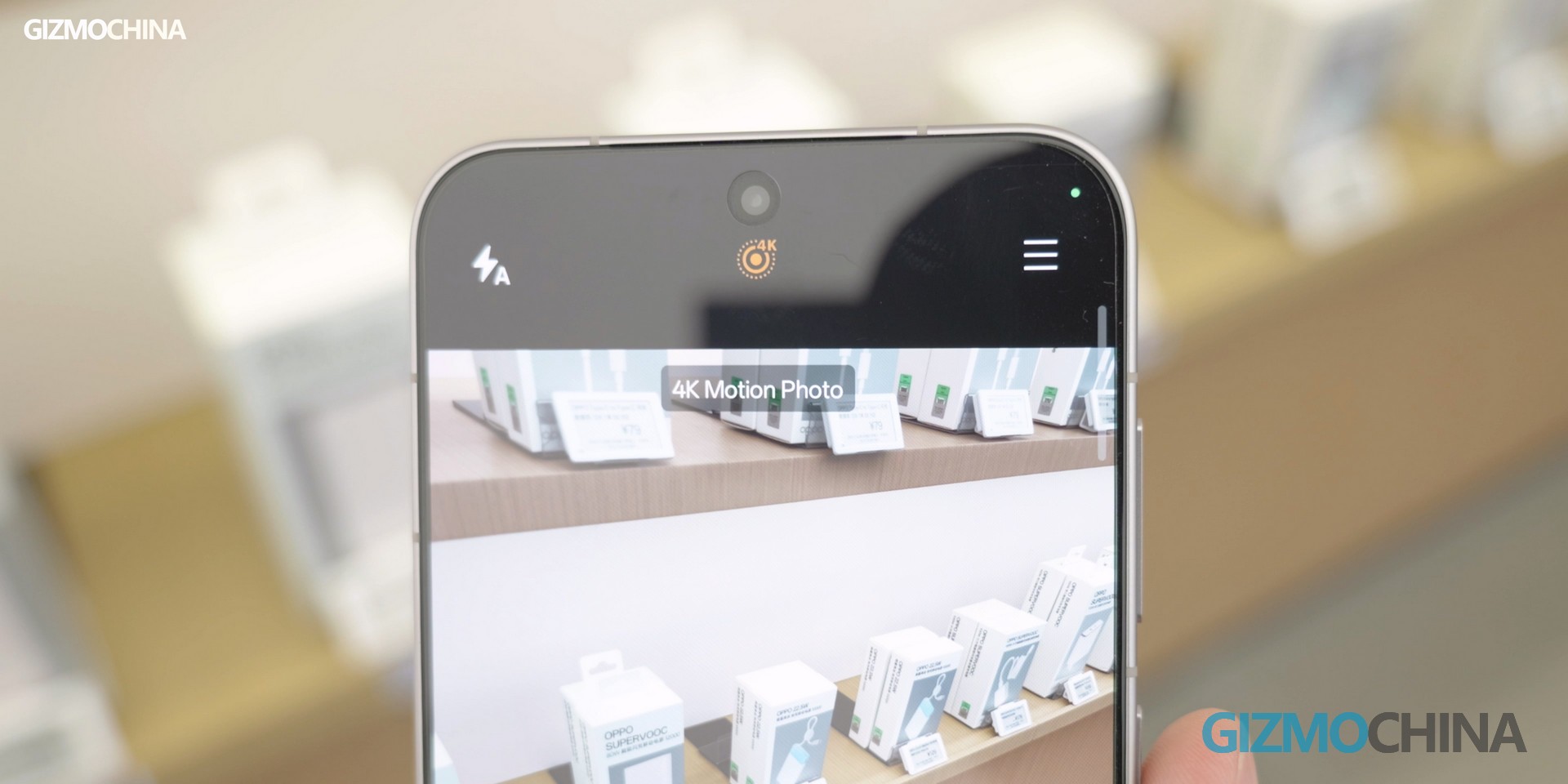
First, clarity. The difference in the Key Photo isn’t huge, but once the Live Photo starts moving, the Find X9 Pro’s advantage becomes clear. That’s because its motion frames are recorded in 4K, while iPhone’s are 1080P. So even if you change the Key Photo later, the Find X9 Pro’s image retains more quality.

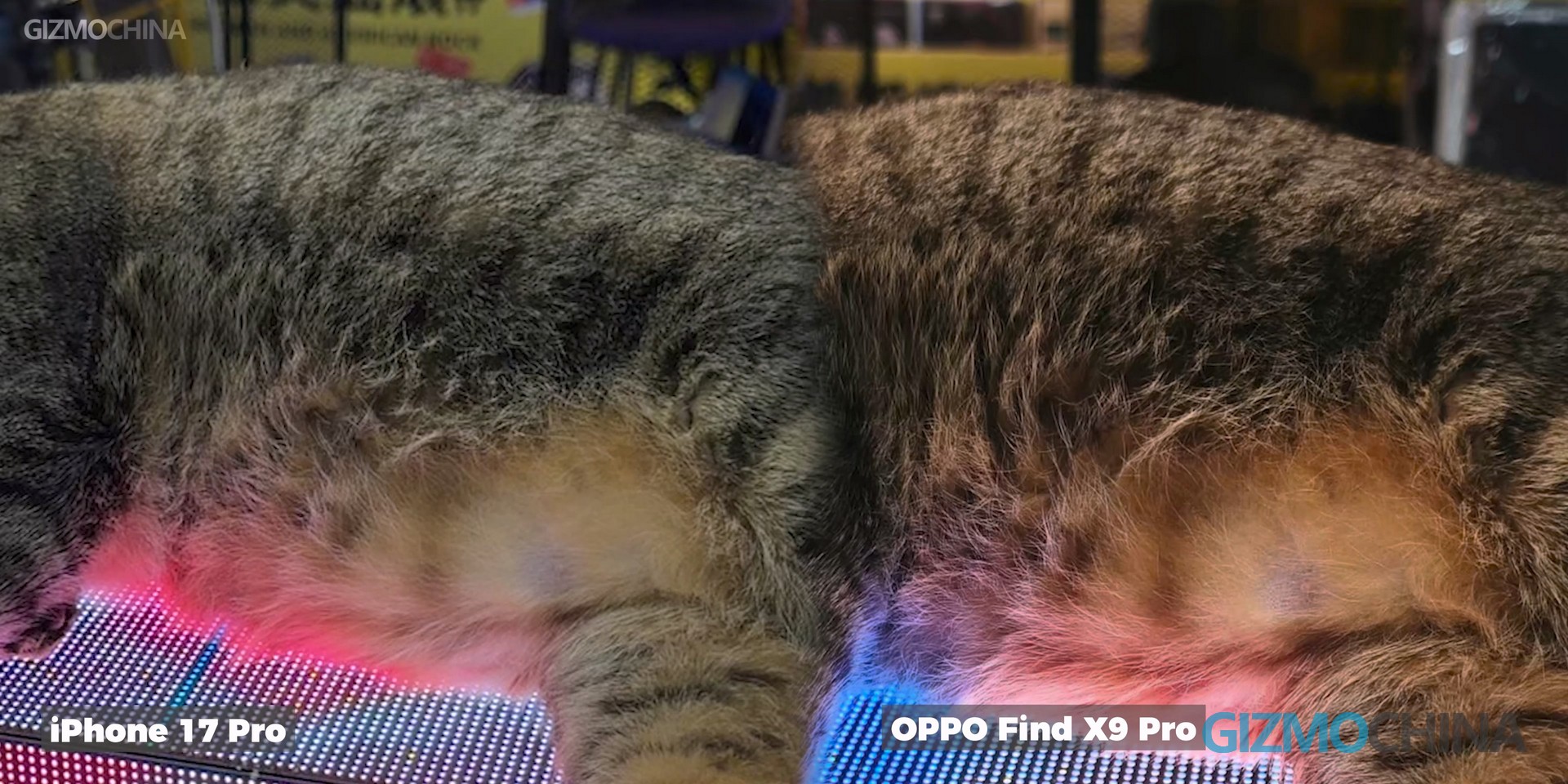
This improvement is most noticeable in good lighting. In dim light, OPPO’s advantage narrows. Also, this mode only supports the three native focal lengths—no zooming in or out.


And the biggest downside, as you might guess, is file size. A Find X9 Pro 4K Motion Photo is roughly four times larger than an iPhone’s. So, if you’re still using a 256GB phone, make sure to go for a higher storage option.
Ultra-Wide & Selfie
The ultra-wide camera still uses the JN5 sensor, and so does the front camera. While the sensor itself isn’t great, the 15mm lens provides a 120° field of view, allowing you to capture visually striking shots when needed.

Selfie quality is also impressive—clarity is on par with the iPhone, but OPPO’s colors are more flattering, with more natural-looking skin tones. By the way, the beauty mode is disabled by default this time. So don’t be surprised—this is the real you.
Photography Kit
To keep up with trends, OPPO also designed a new photography kit for the Find X9 Pro.
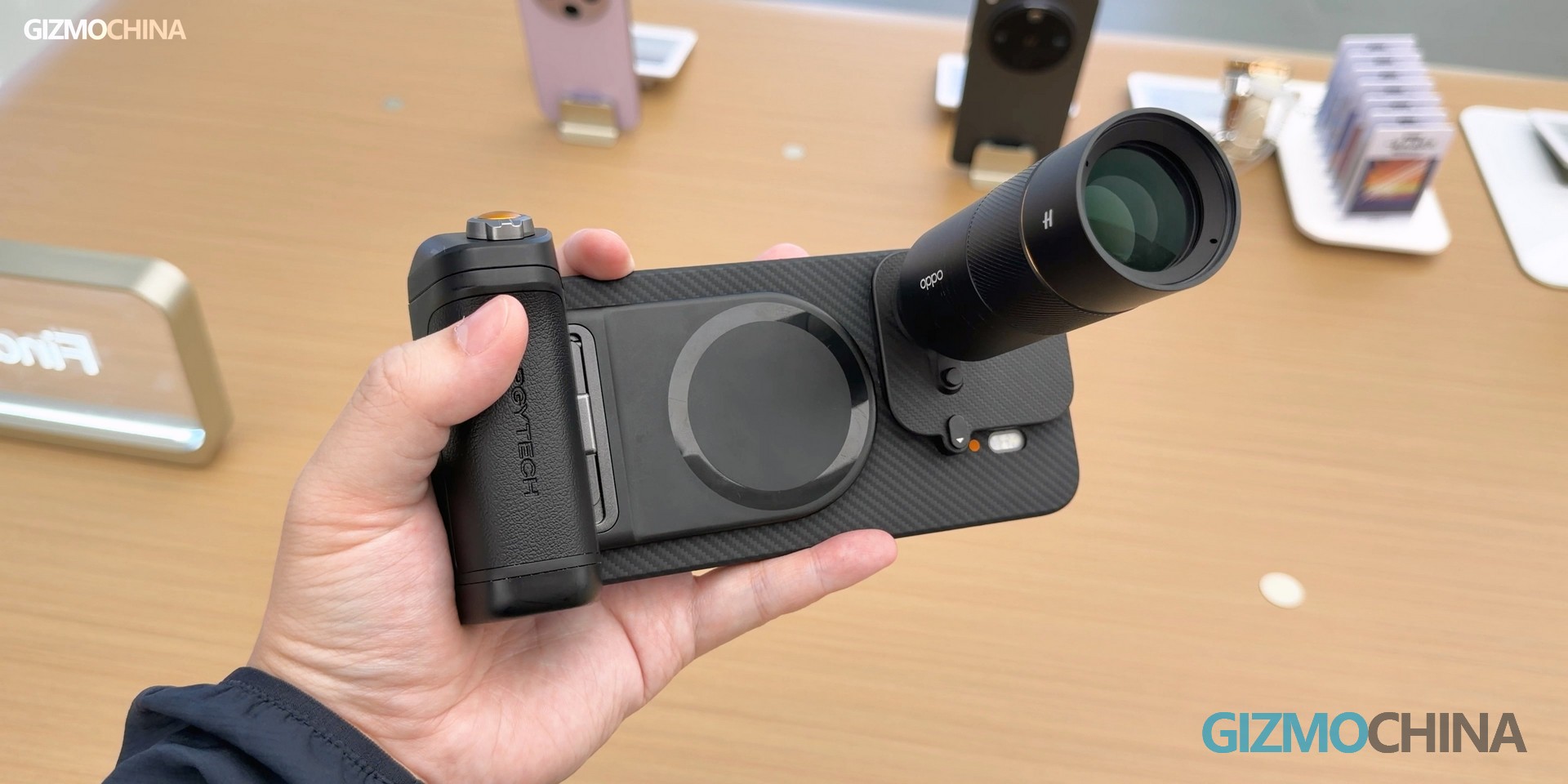
Among its accessories, the magnetic handle is the most interesting one. With its MagSafe-style design, you can quickly attach or detach it—making it more practical to carry daily. If you’ve got money to spare, you can even use it with your iPhone. Just note that without a dedicated MagSafe case, the magnetic force is weaker—so for your phone’s and wallet’s safety, not recommended to do that.
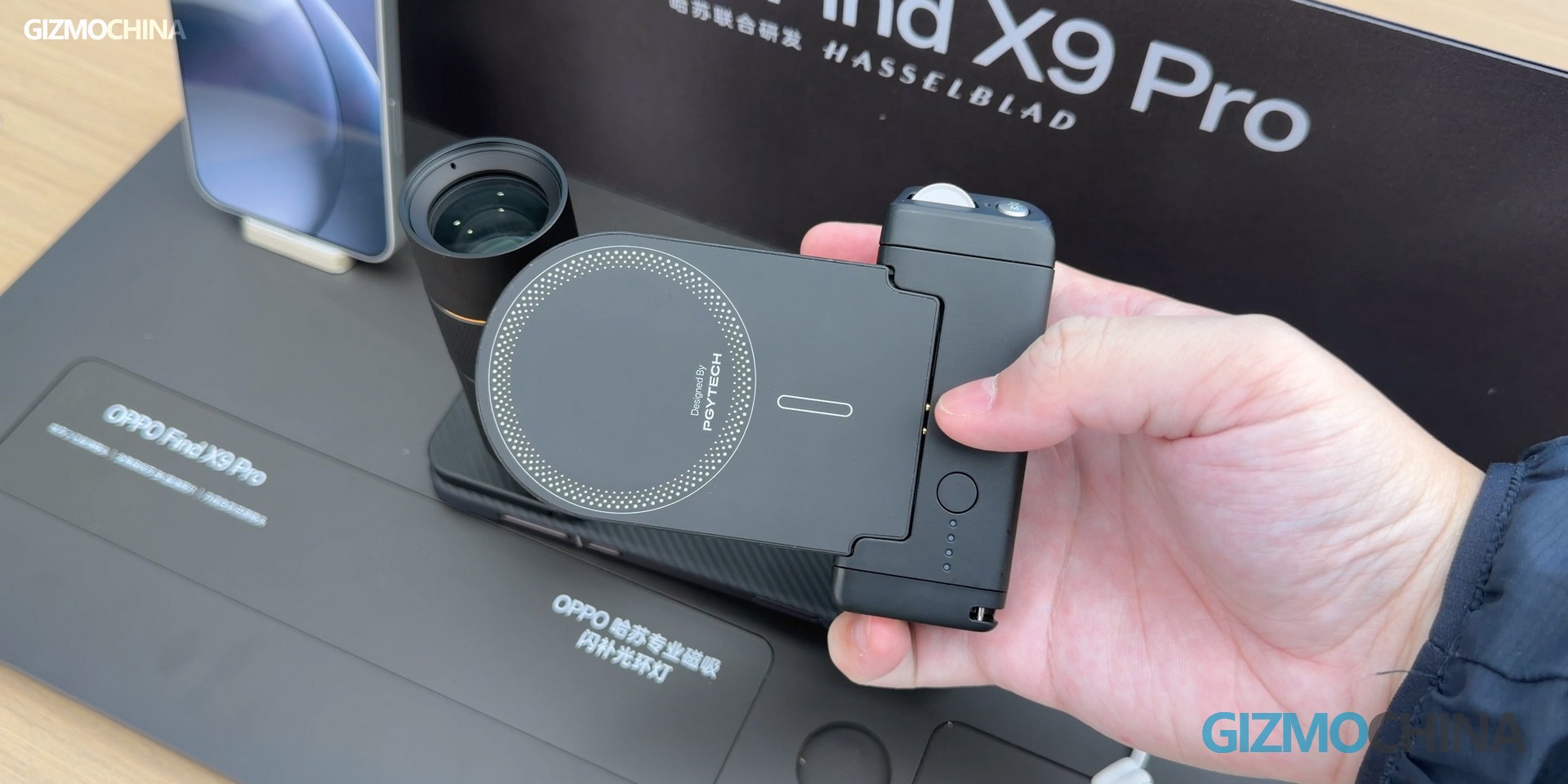
Fans of Hasselblad will probably love the large orange shutter button on the handle. I’m quite happy with the handle itself, though the attachable lens part isn’t that exciting. It’s similar to vivo’s setup, offering the same functions as the Find X9 Pro already does.
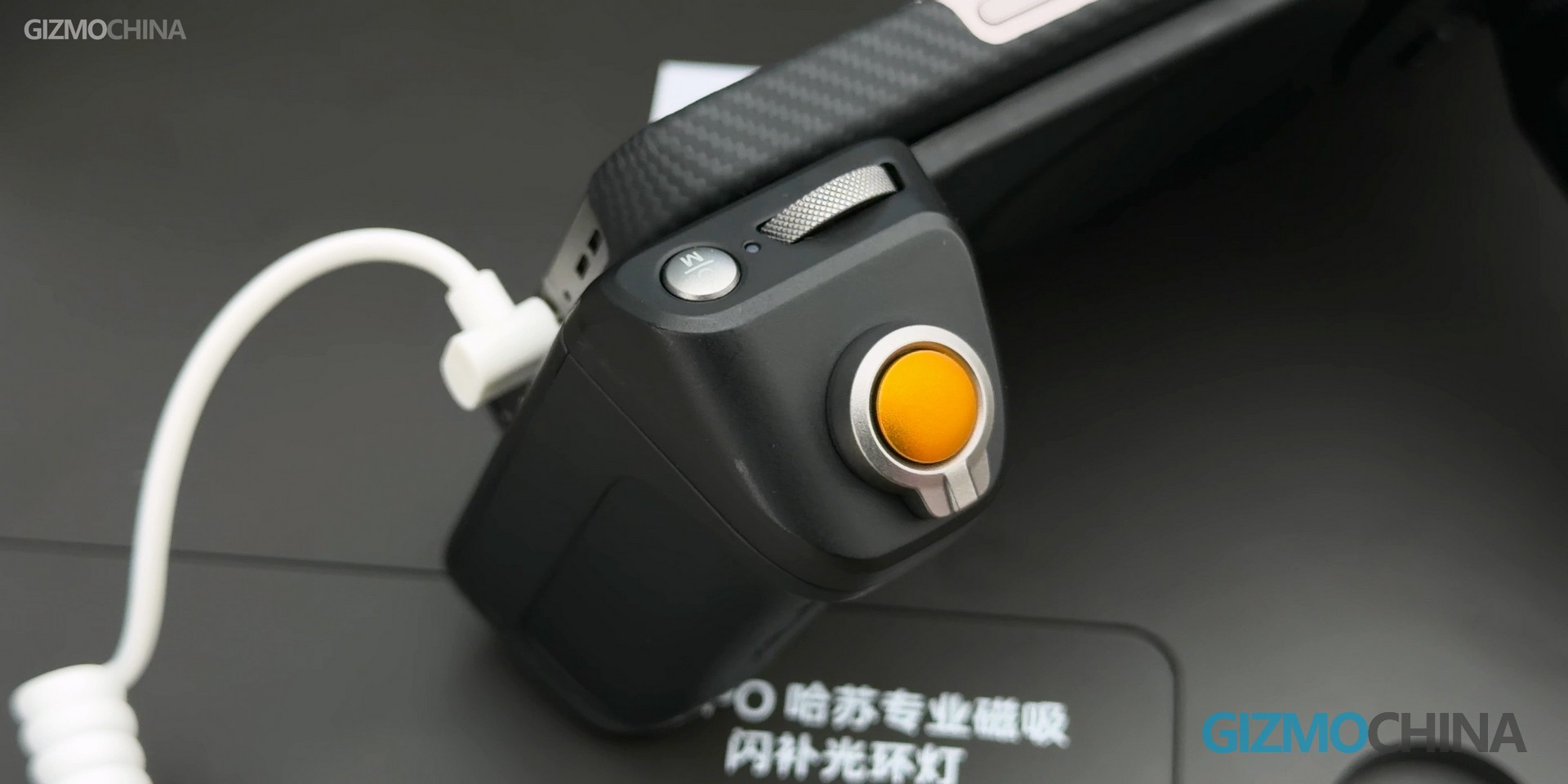
The only real downside is that, unlike Xiaomi or vivo, you can’t attach professional camera filters using an adapter ring. Oh, and one more thing—it’s quite expensive, so think twice unless you’re a big spender.
Battery
Smartphone batteries these days keep getting bigger. The Find X9 Pro packs a massive 7500mAh cell, which gives it an edge over the Xiaomi 17 Pro Max in long gaming sessions.
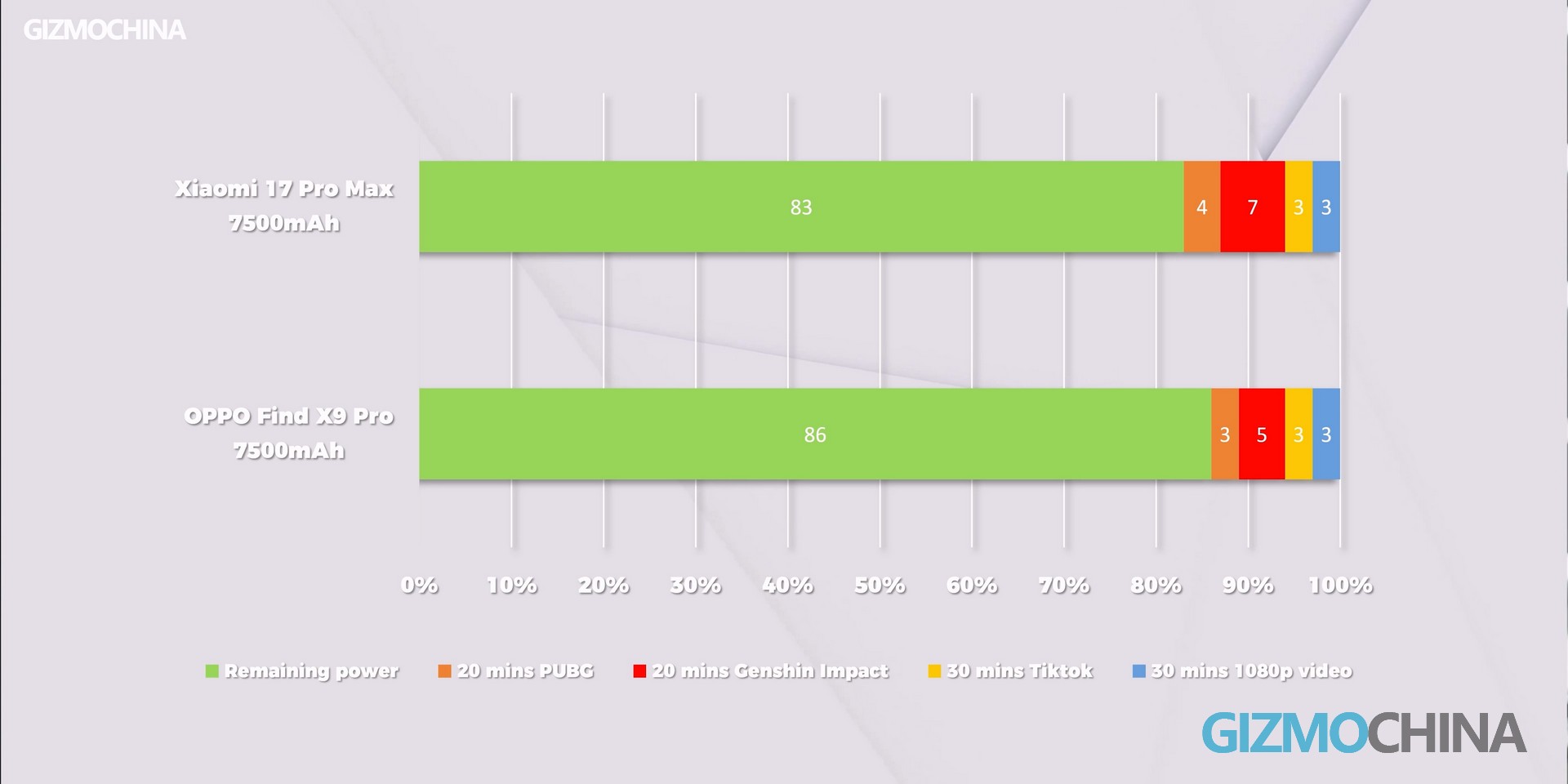
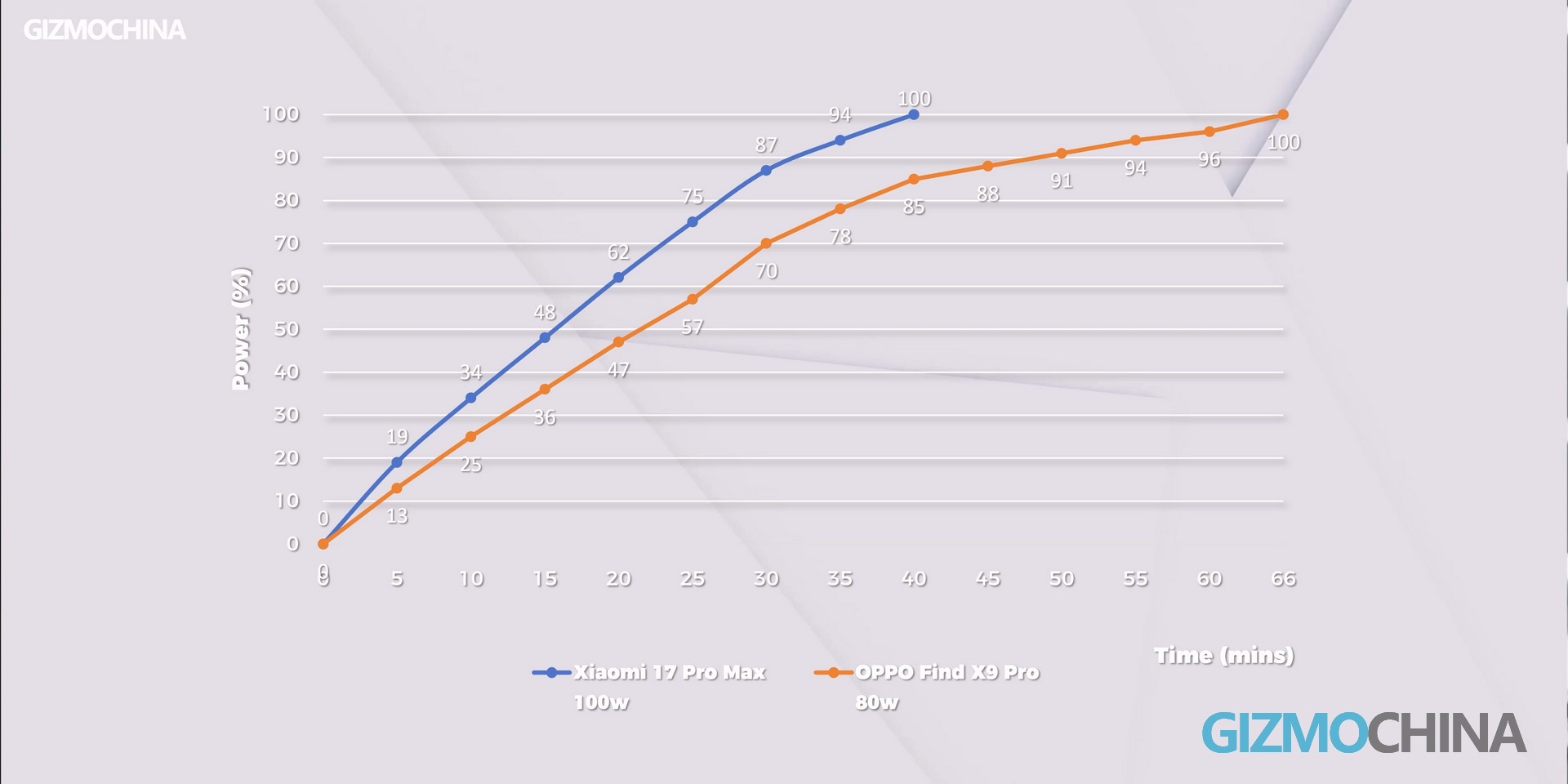
It supports 80W wired and 50W wireless charging. In our test, it takes just over an hour to fully charge, which is a bit slower than Xiaomi’s. Let’s just say—it’s “good enough.”
Final Thoughts
Now that Xiaomi, vivo, and OPPO have all released their flagships, which one is your pick?
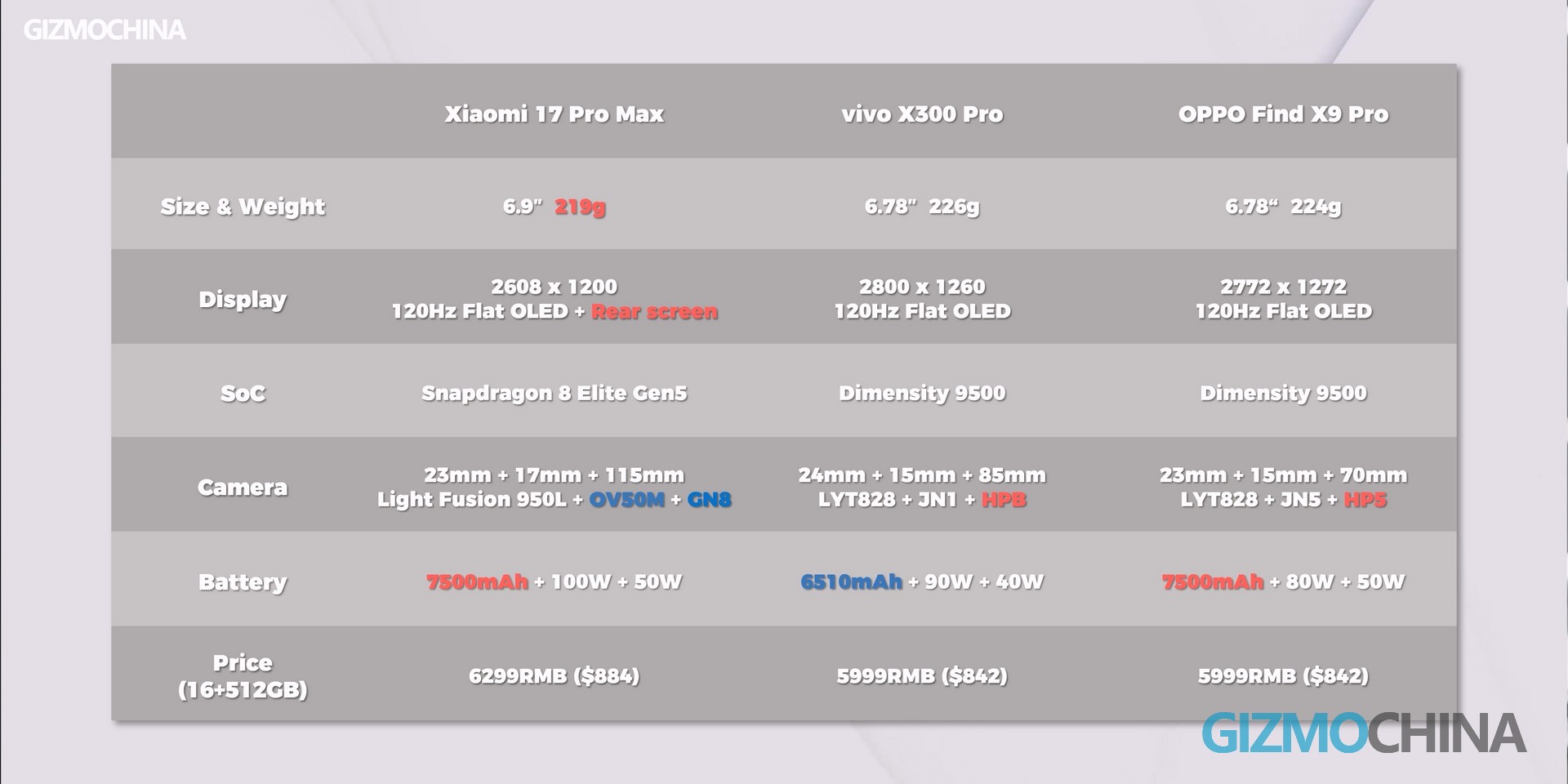
Each has its strengths—and one clear weakness. Xiaomi’s camera focal lengths are poorly arranged; vivo’s battery is small; and OPPO’s Find X9 Pro—aside from that buggy-looking frame rate graph—is the most balanced of the three. But meanwhile, having distinct personalities is actually a good thing—it means everyone can find the phone that truly suits them.




Comments