
Add GIZMOCHINA as Preferred Source on Google
Right now, smartphones are kinda strange. Every phone that calls itself a “flagship” always puts most of its focus on the camera. So if you’re someone who doesn’t really care that much about photography, but still wants the rest of that flagship-level experience, well… You basically have no choice but to pay for those expensive camera systems anyway. So the question is: Is there a phone that has all the flagship features, but uses the extra space from the camera to do something different—something surprising?
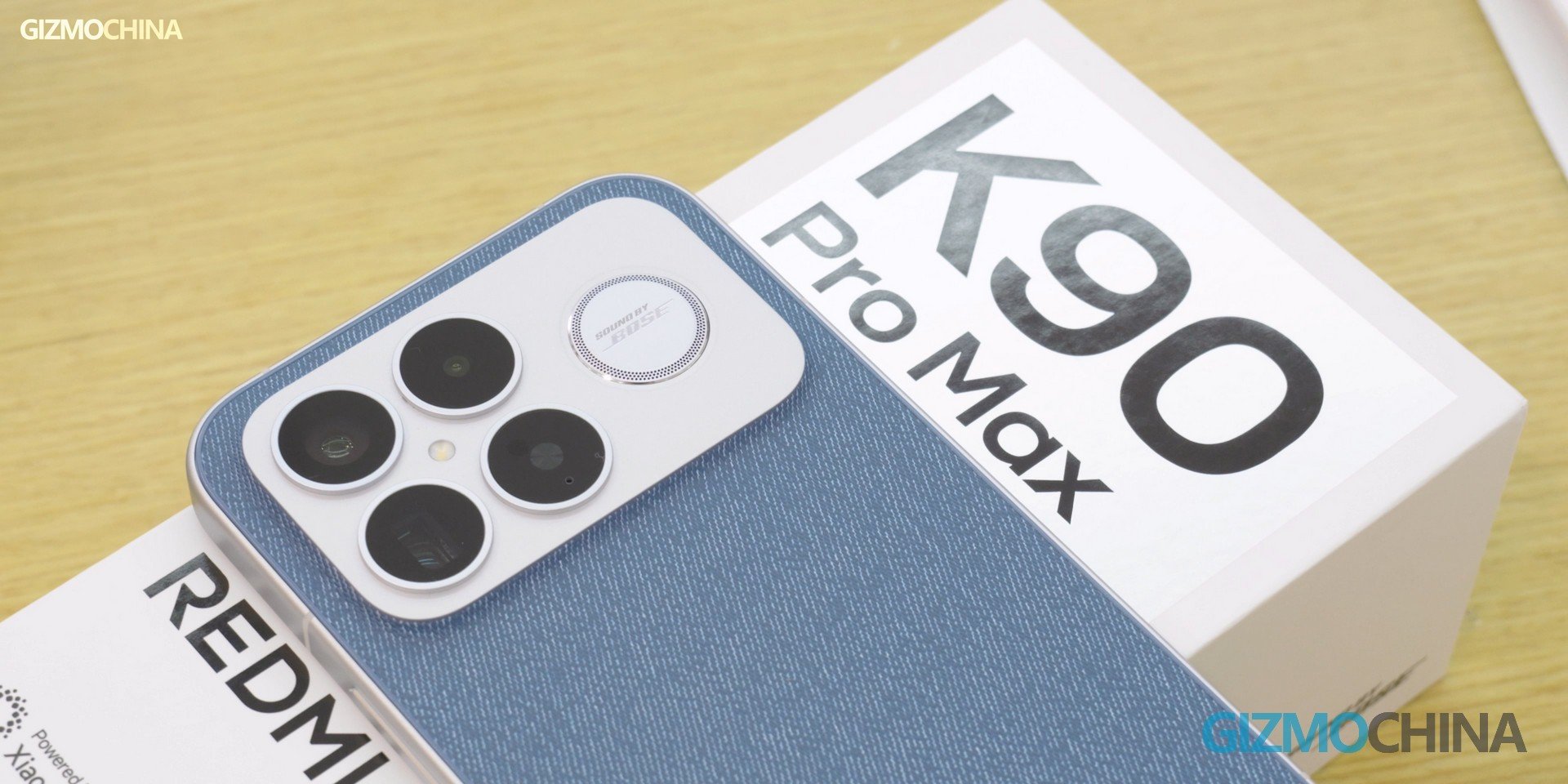
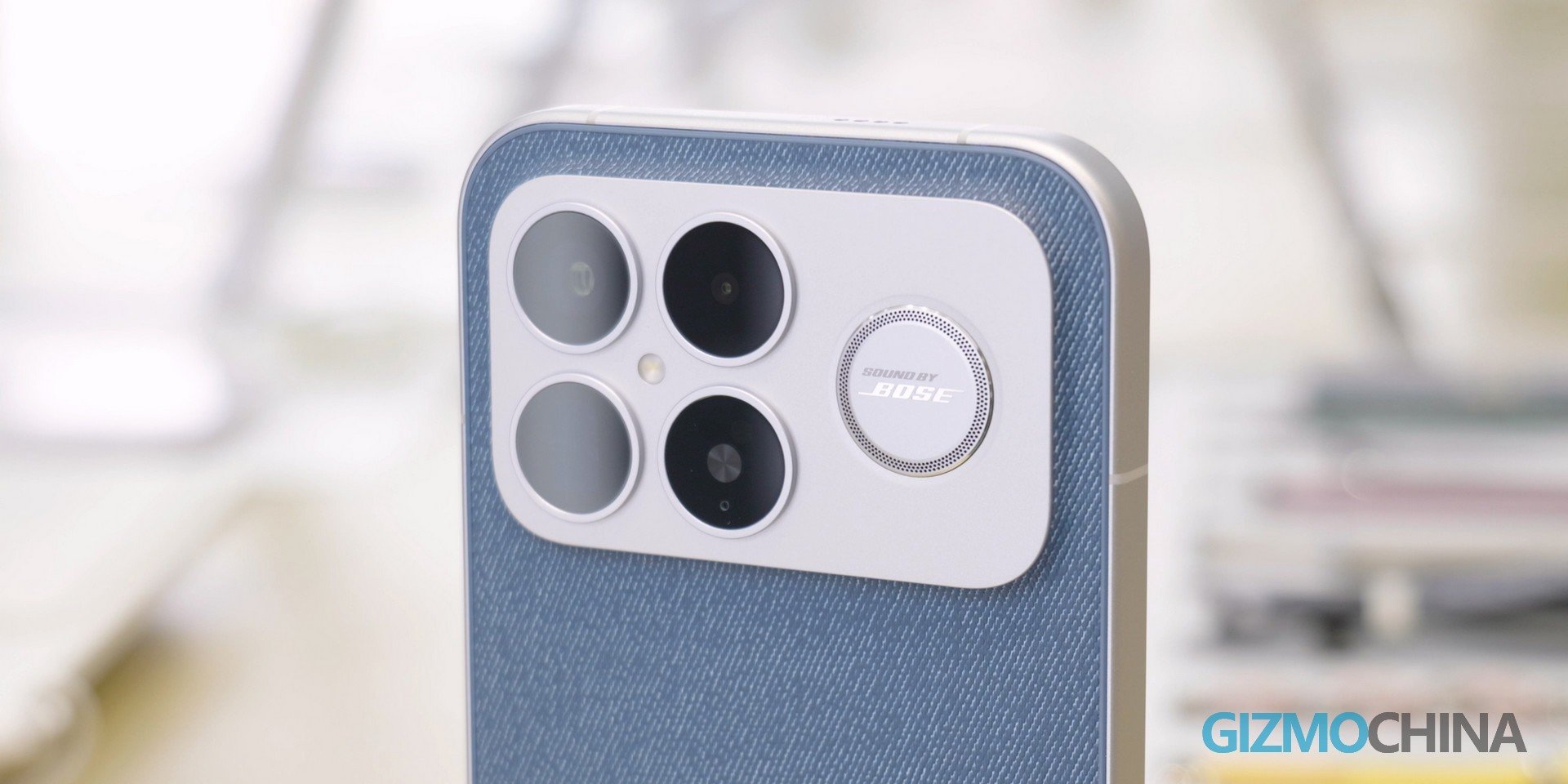
Yes, my friend. There it is. This is the REDMI K90 Pro Max. It takes the space that would normally belong to the camera and stuffs a subwoofer into it. I genuinely love this phone. In fact, I’d say its role in the lineup is kind of similar to the Xiaomi 17 Plus. And if you don’t hate big screens, this one is definitely worth buying more than the standard Xiaomi 17.
2.1-Channel Speakers
First, let me correct a common misconception: Three speakers don’t automatically mean louder. Unlike rugged phones, where the rear speaker is just there to increase volume, the extra speaker here on the K90 Pro Max is specifically tuned for low-frequency detail. Its maximum volume is about the same as a normal dual-speaker phone. In fact, when playing music normally, you might not even notice it’s working unless you listen closely. That’s because this is a 2.1 channel setup — each speaker handles a frequency range it’s best at.
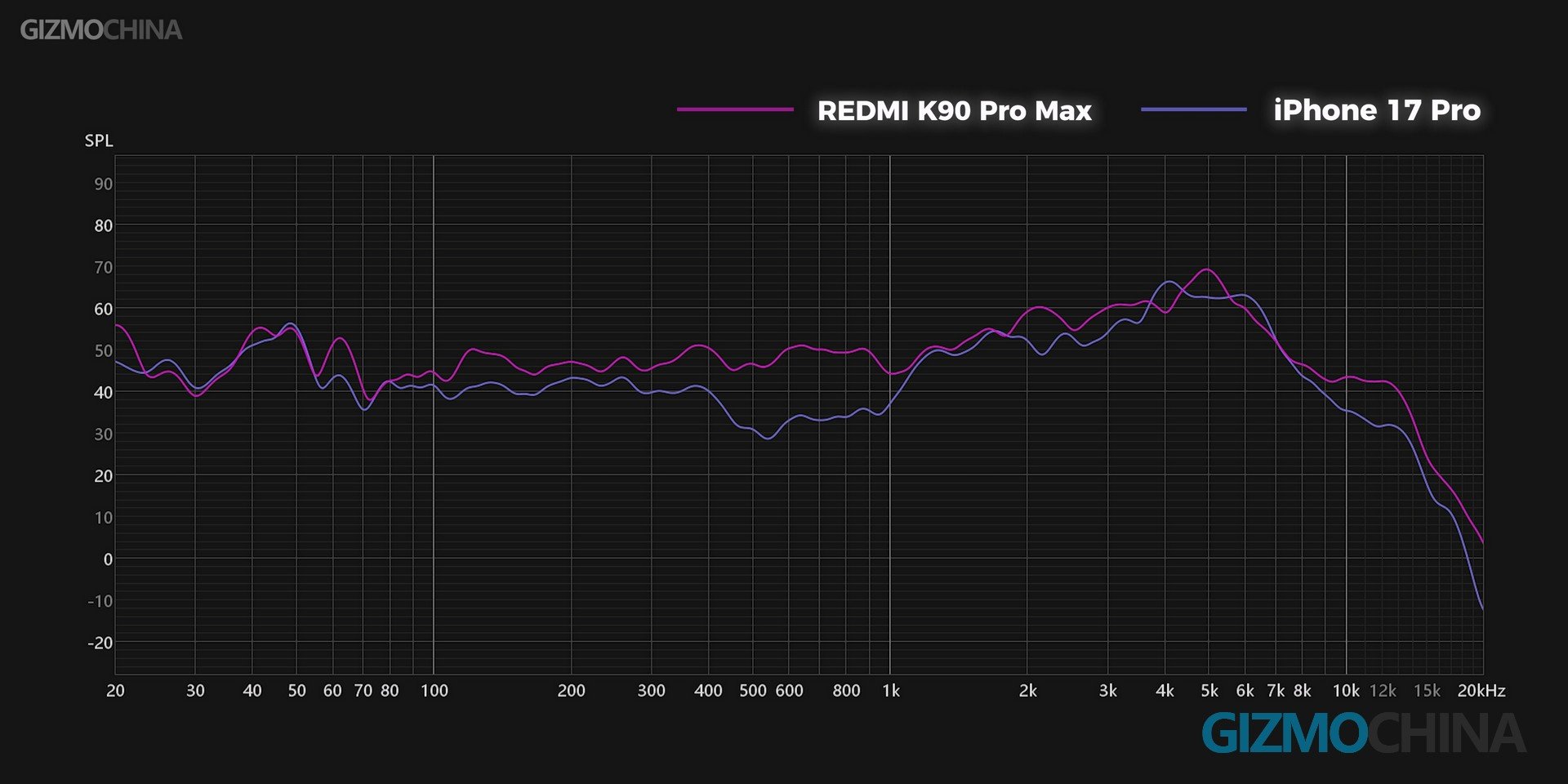
The rear one mainly works between 60–200Hz. And the FR graph confirms it: low-end performance is clearly better than that of typical phones. Yes, the crossover does bring some drawbacks, but in real listening, it matters far less than the graph suggests.
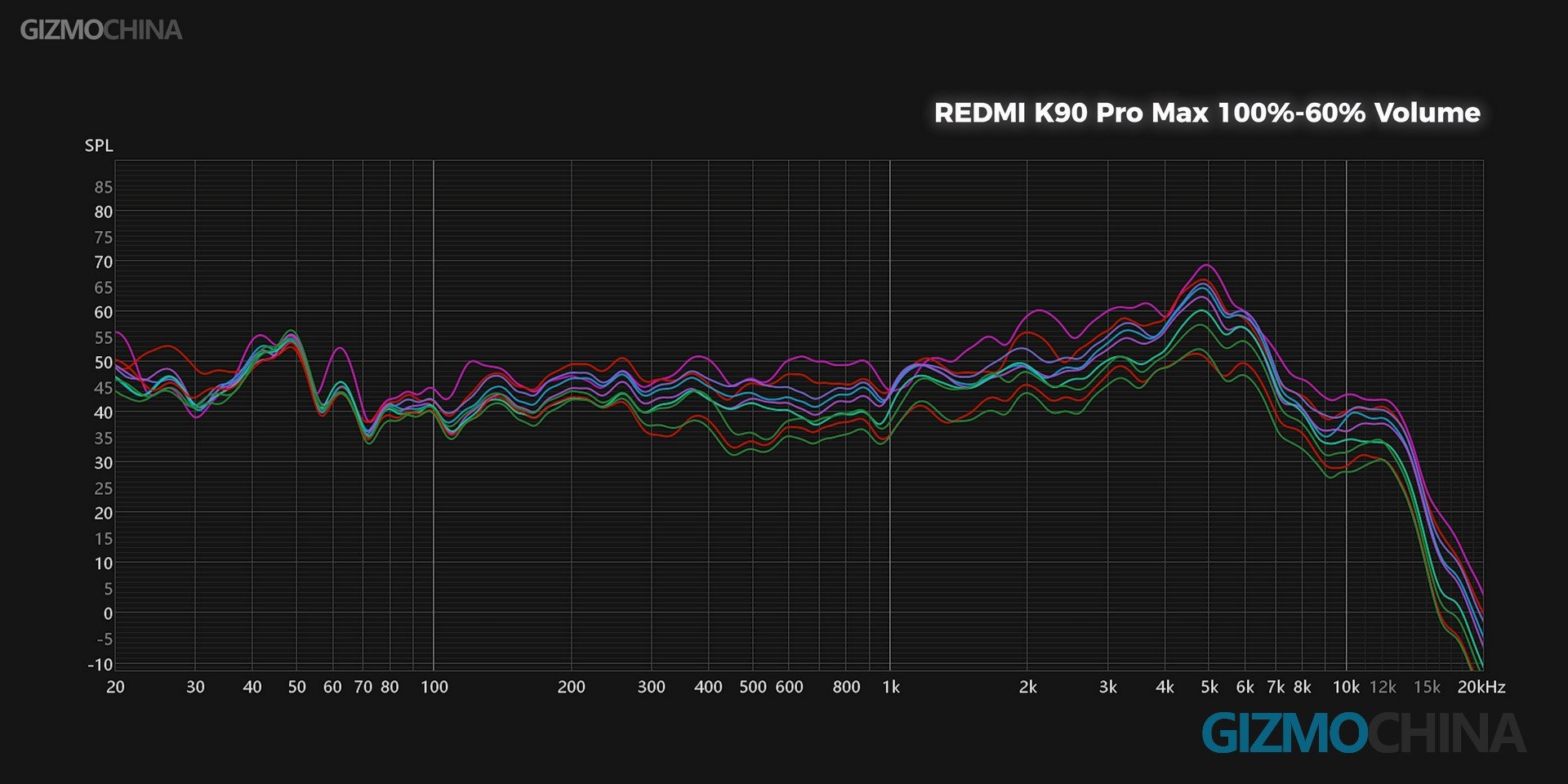
One reason iPhones are known for good audio is that they use Loudness Compensation — boosting highs and lows at low volumes to compensate for how our ears perceive sound. The K90 Pro Max now has this feature too. Plus, directional tuning means you don’t have to flip the phone around to get the best sound.
And if you still don’t like the tuning? No problem — REDMI gives you tons of presets and even full EQ control. Honestly, I think every bass guitarist should buy this phone. Because when someone goes, “Are you even doing your job?” Just hand them this phone and be like, “Maybe it’s time you replaced that shit you’re using.”
Design
I’ve said a lot about the design in the hands-on video already, so here are just a few extra notes:
- The Denim Blue version looks great, but it is thicker and heavier, and the fabric-like material will wear faster. If you plan to use it for 5 years, please just use a case.
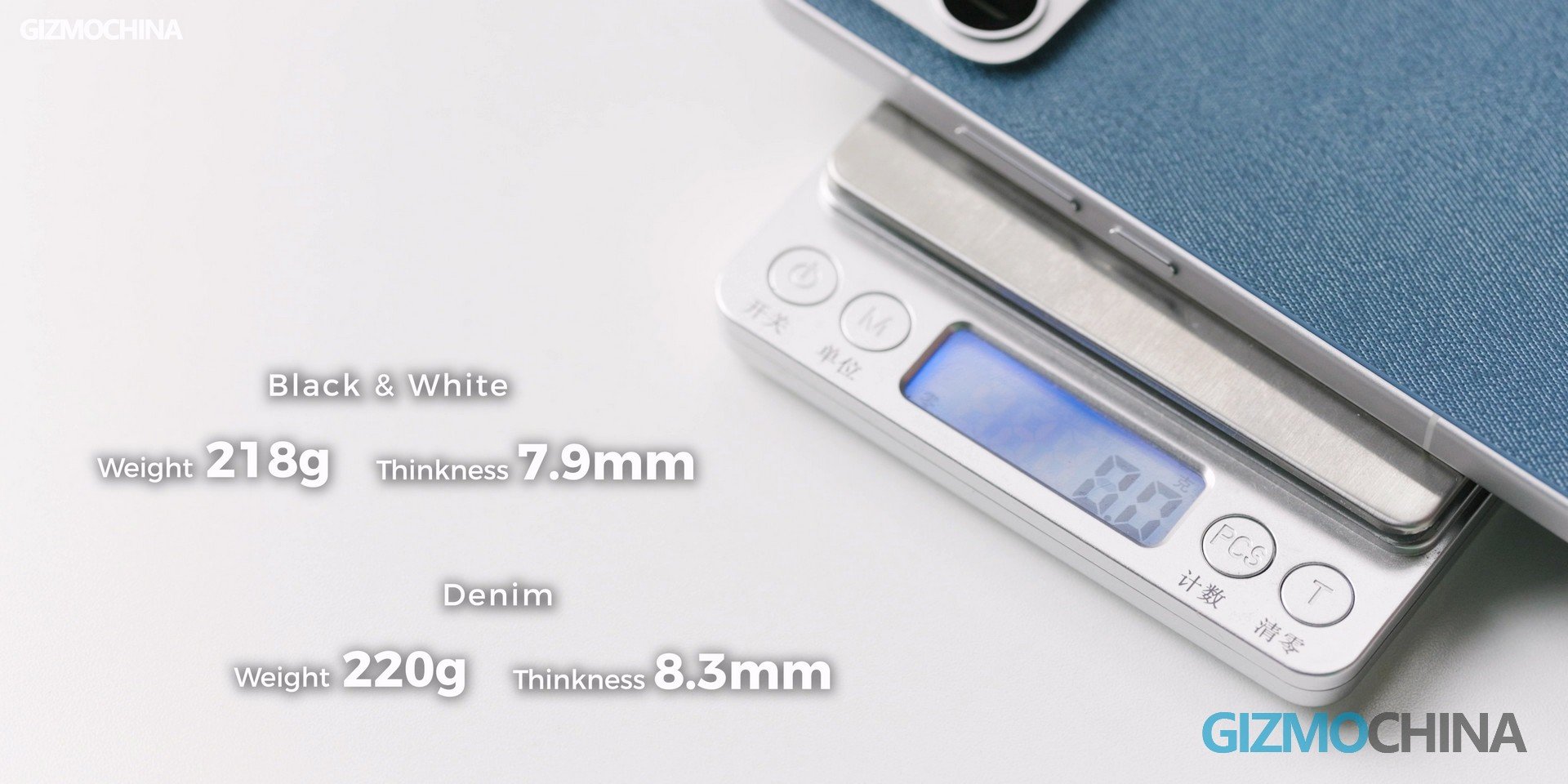
- Because of the rear speaker, REDMI could only give it IP68, not IP69. Not a real issue — next one.
- The USB 3.2 Gen 1 port gives faster data transfer and supports video output. Though right now it’s only screen mirroring, not full desktop mode.
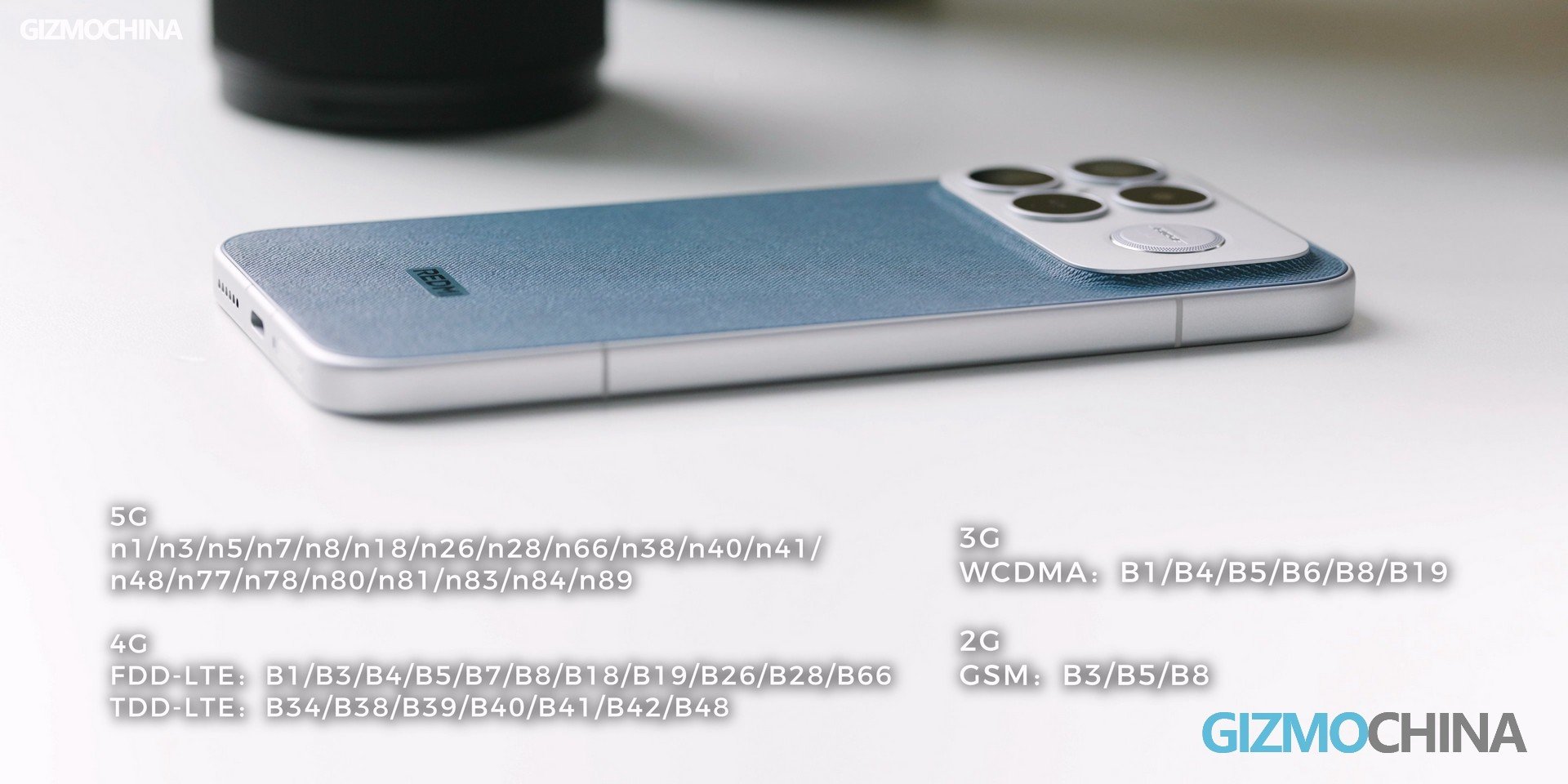
- For network compatibility, band coverage in North America is incomplete. Depending on your area, the signal may vary.
Display
One of the biggest reasons this model is called Pro Max is the display. Size, brightness, clarity — all match the Xiaomi 17 Pro Max. The new RGB S-stripe pixel layout lets it look as sharp as a 2K panel while using less power.
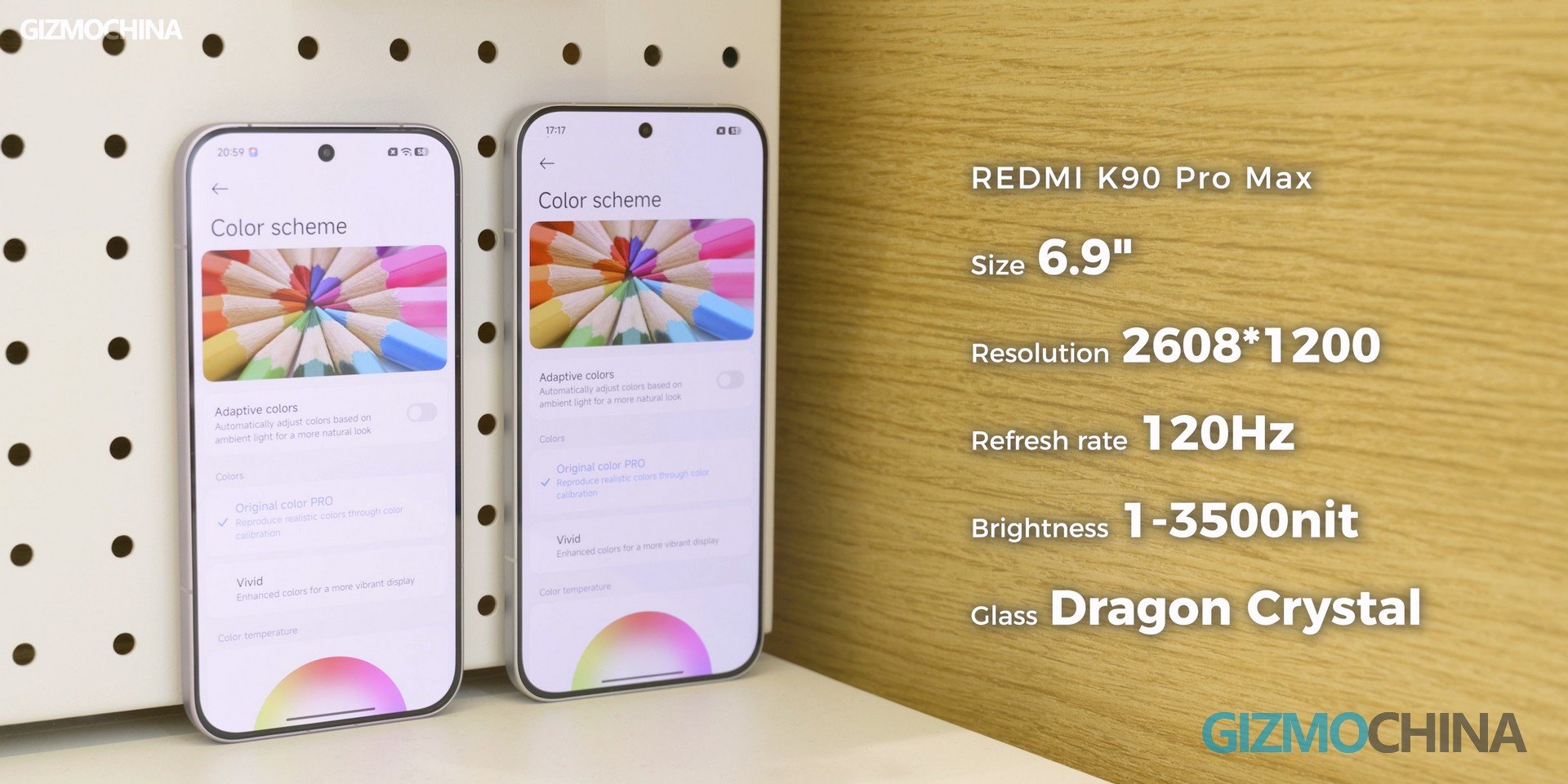
And yes, there are always compromises: the bottom bezel is slightly thicker, and the panel is LTPS instead of LTPO, meaning higher power consumption and no Full-screen AOD. But overall? I still think this display is better than the Xiaomi 17 and 17 Pro.
Performance
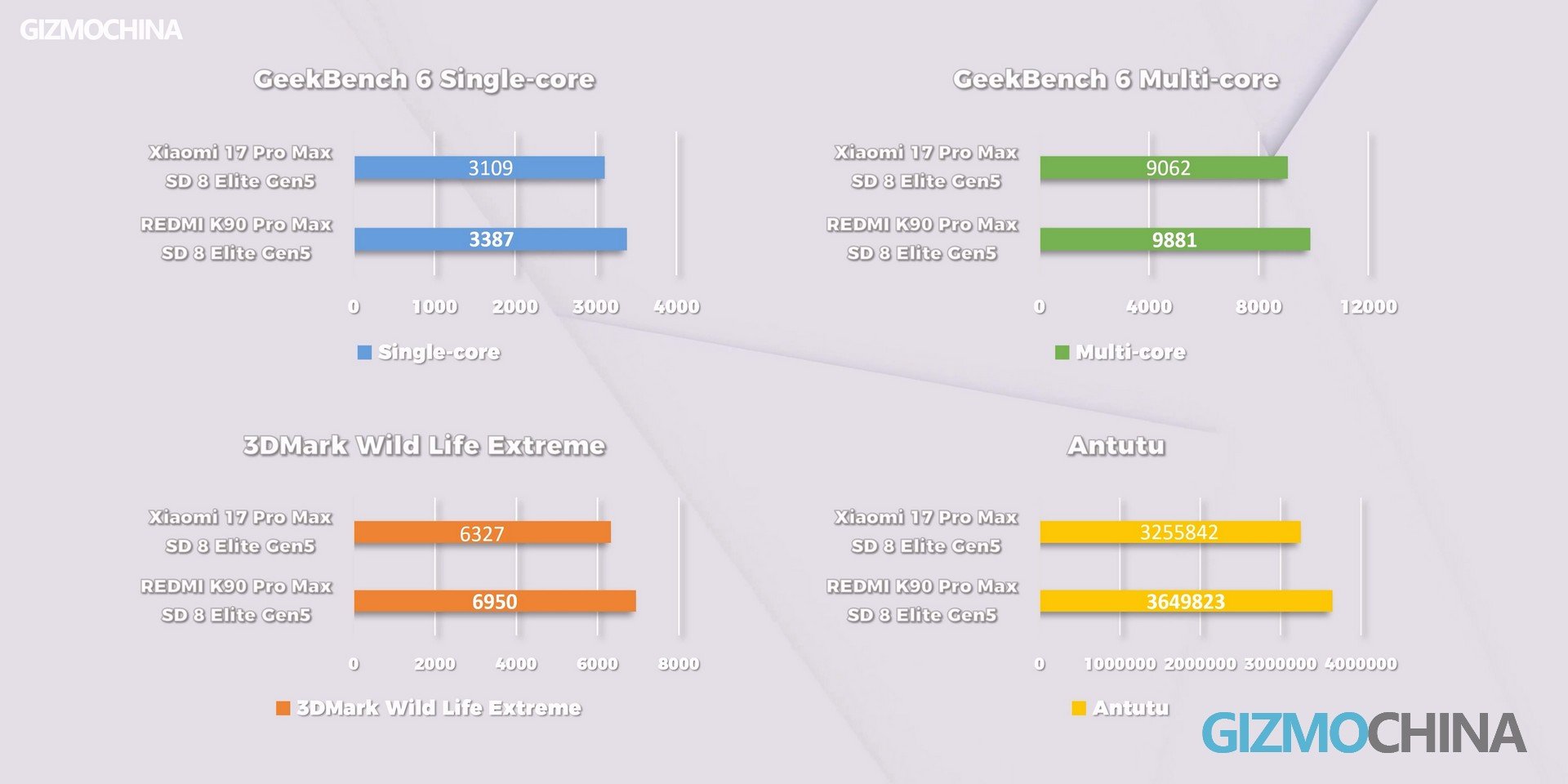
It uses the same Snapdragon 8 Elite Gen 5, but the tuning here is more aggressive than on the 17 Pro Max — not just in benchmarks, but in real gaming. In Honkai: Star Rail, it tries very hard to maintain high frame rates. But once temps hit 52°C and power draw reaches almost 9W, throttling is unavoidable.
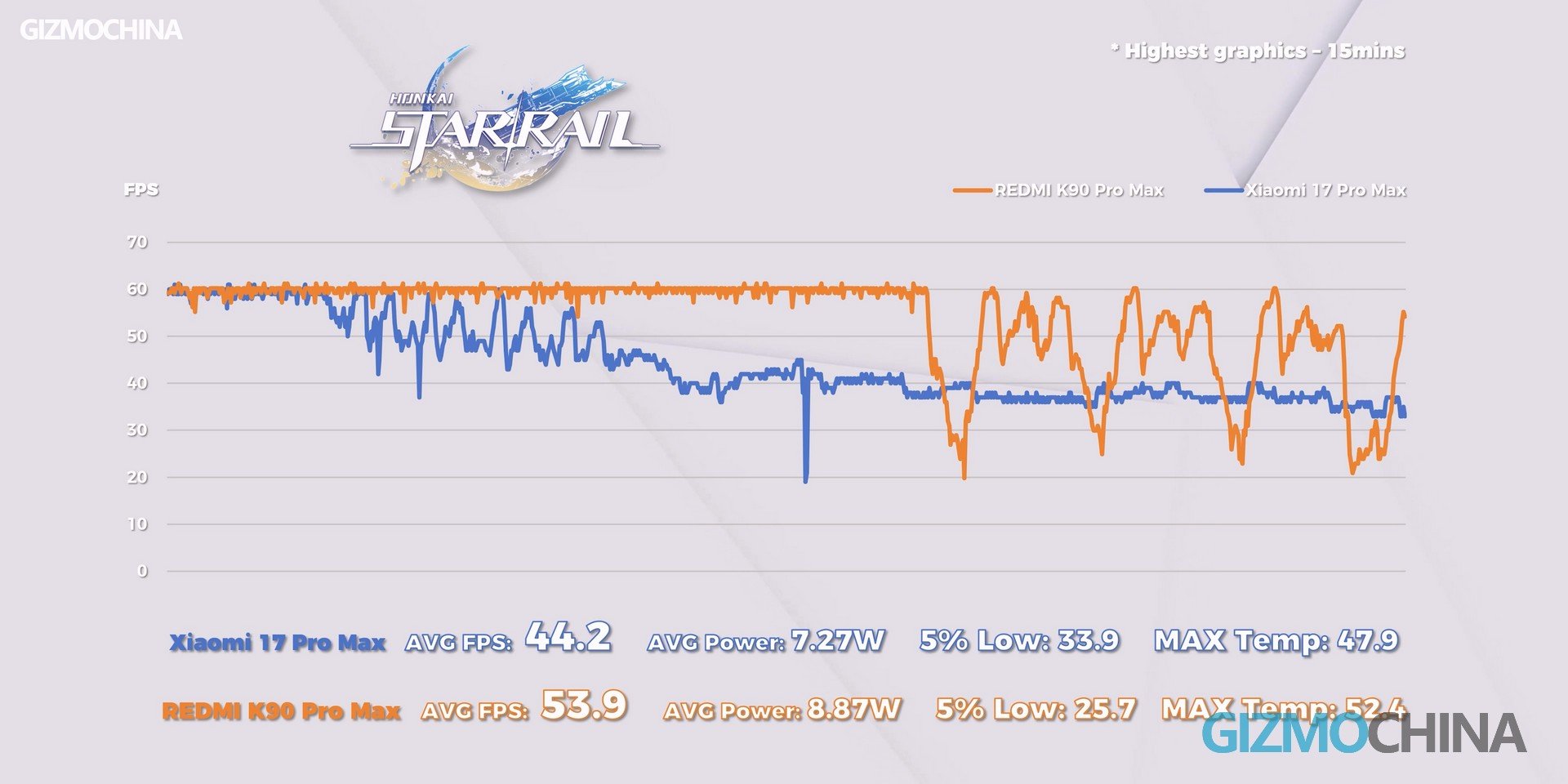
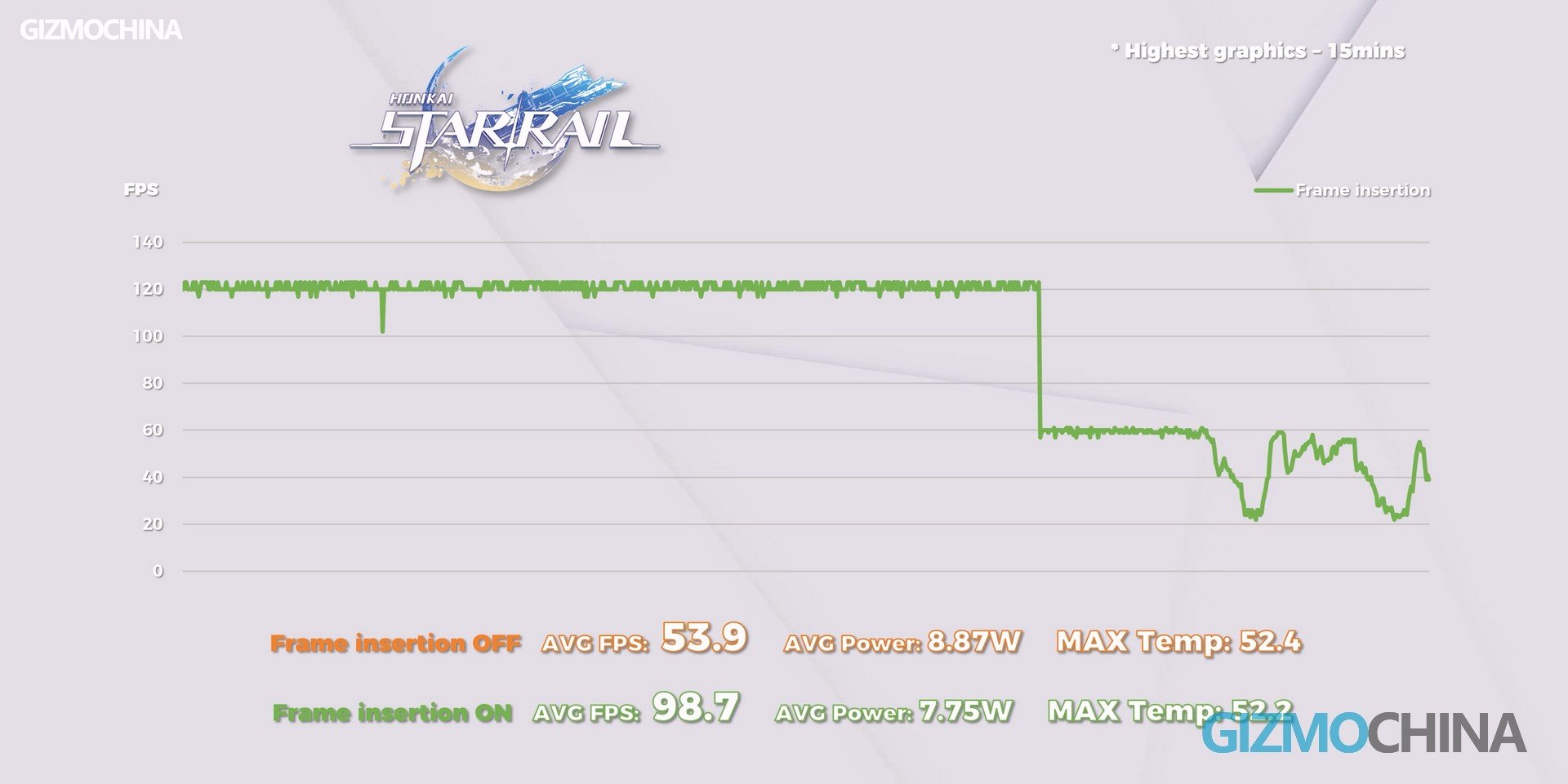
So what about the D2 display chip? Will using it for frame insertion make gaming smoother? Of course not—frame insertion only works for the first ten minutes, and once it overheats, it automatically shuts off. Your hands then feel just like slow-cooked beef—uncomfortable. Plus, frame insertion causes severe screen tearing. Honestly, for this game at least, this chip doesn’t really serve any purpose.
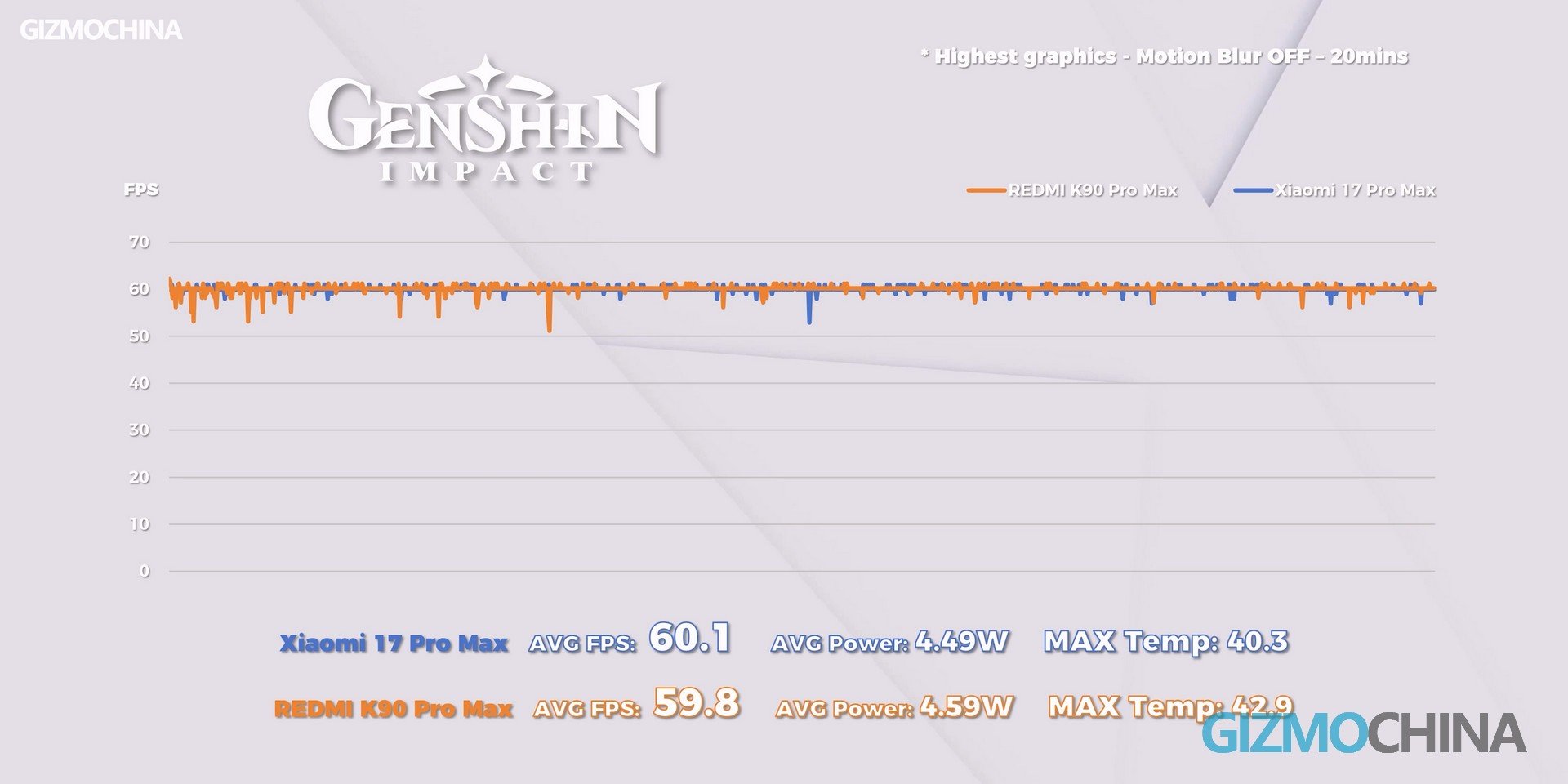
Of course, we tested Genshin Impact as well. But the difference between them was so small, there’s really not much to take away from it.
But here’s the fun part: Xiaomi has been testing a PC game emulator called WinPlay, and on the K90 series, it’s finally available to the public. Right now, it runs three games perfectly: Hollow Knight, Hollow Knight Silksong, and Stardew Valley — with Steam save sync and low power draw. Basically, the Steam Deck experience on your phone. But… if you don’t play these three games, this feature means nothing to you.
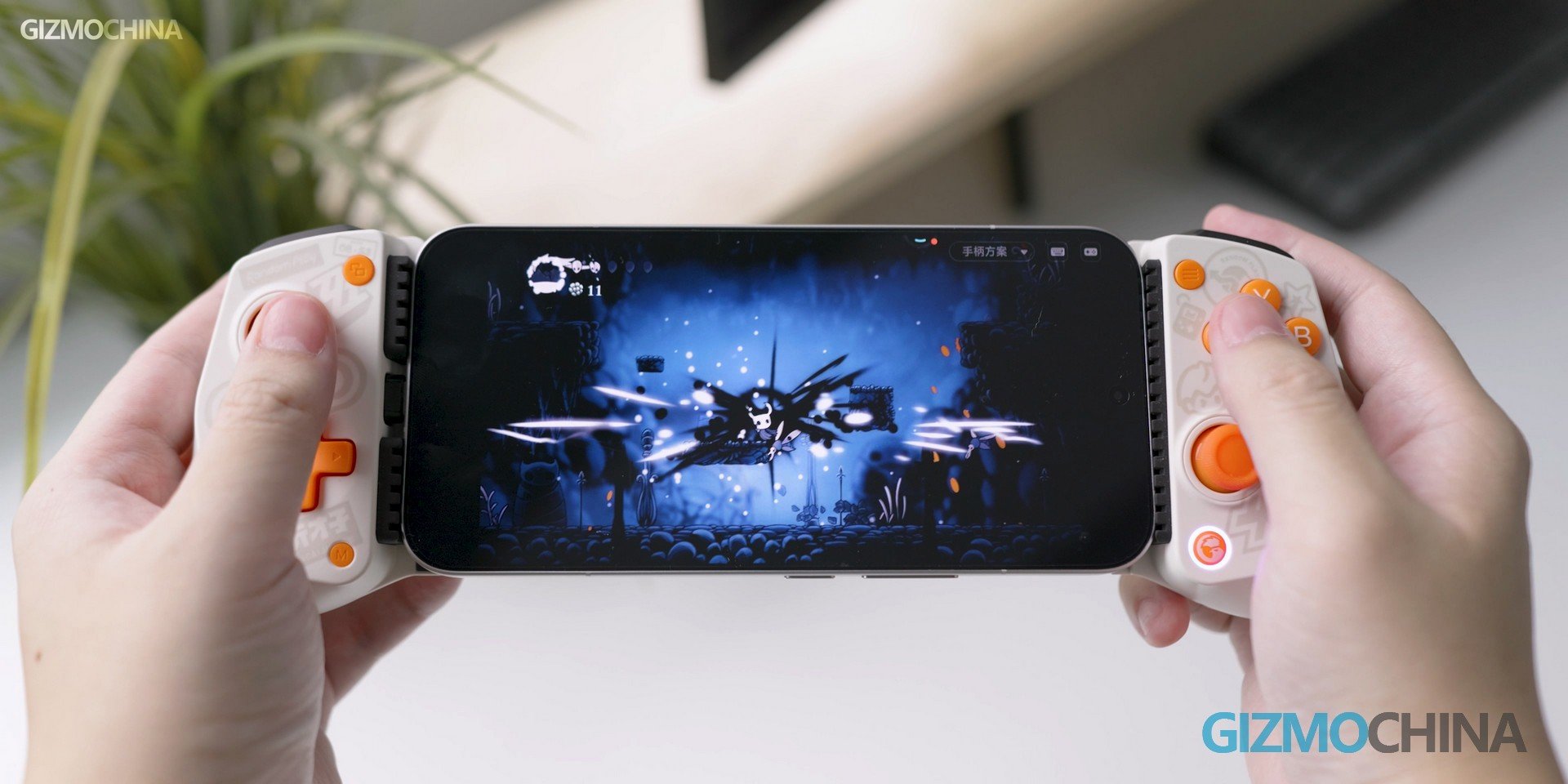
There are still a lot of drawbacks. For example, the launcher for this emulator is really hard to find, and the interface hasn’t even been translated into English yet. You also have to be online and logged into a Xiaomi account just to start a game. Want to play other games? Nope. Right now, outside of those three games we mentioned, most of them just won’t run properly.
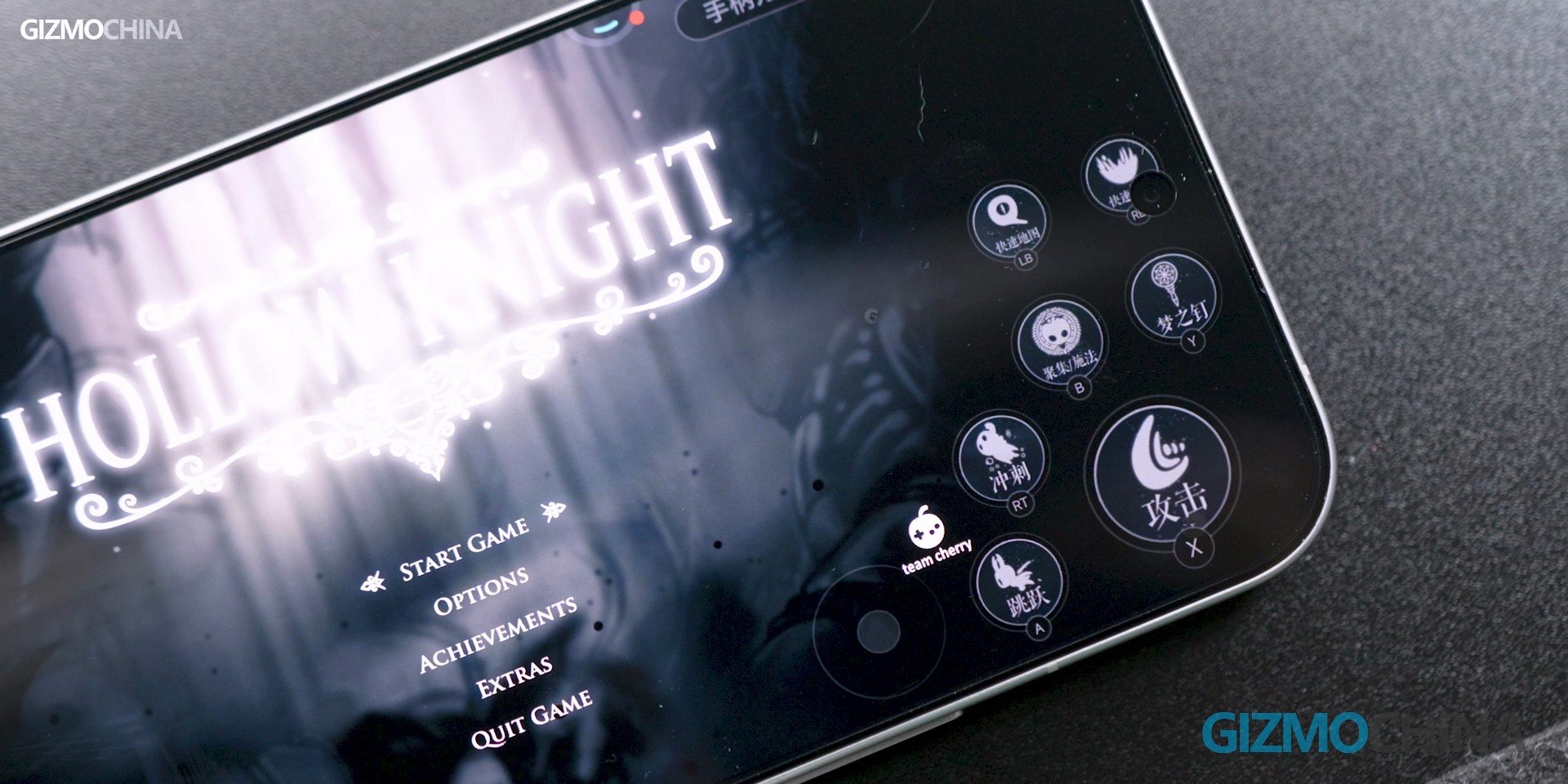
So yeah, it’s still far from replacing a Steam Deck. At this stage, the emulator is basically a beta. If you want a truly comfortable PC gaming experience on a phone… you’re gonna have to wait a bit longer.
Cameras
Although the K90 Pro Max’s camera has been upgraded, the improvement might not be as big as everyone imagines. The sensor is exactly the same as the Xiaomi 17’s, and the telephoto has an even smaller aperture because it’s a periscope design. Let’s start with this telephoto first.
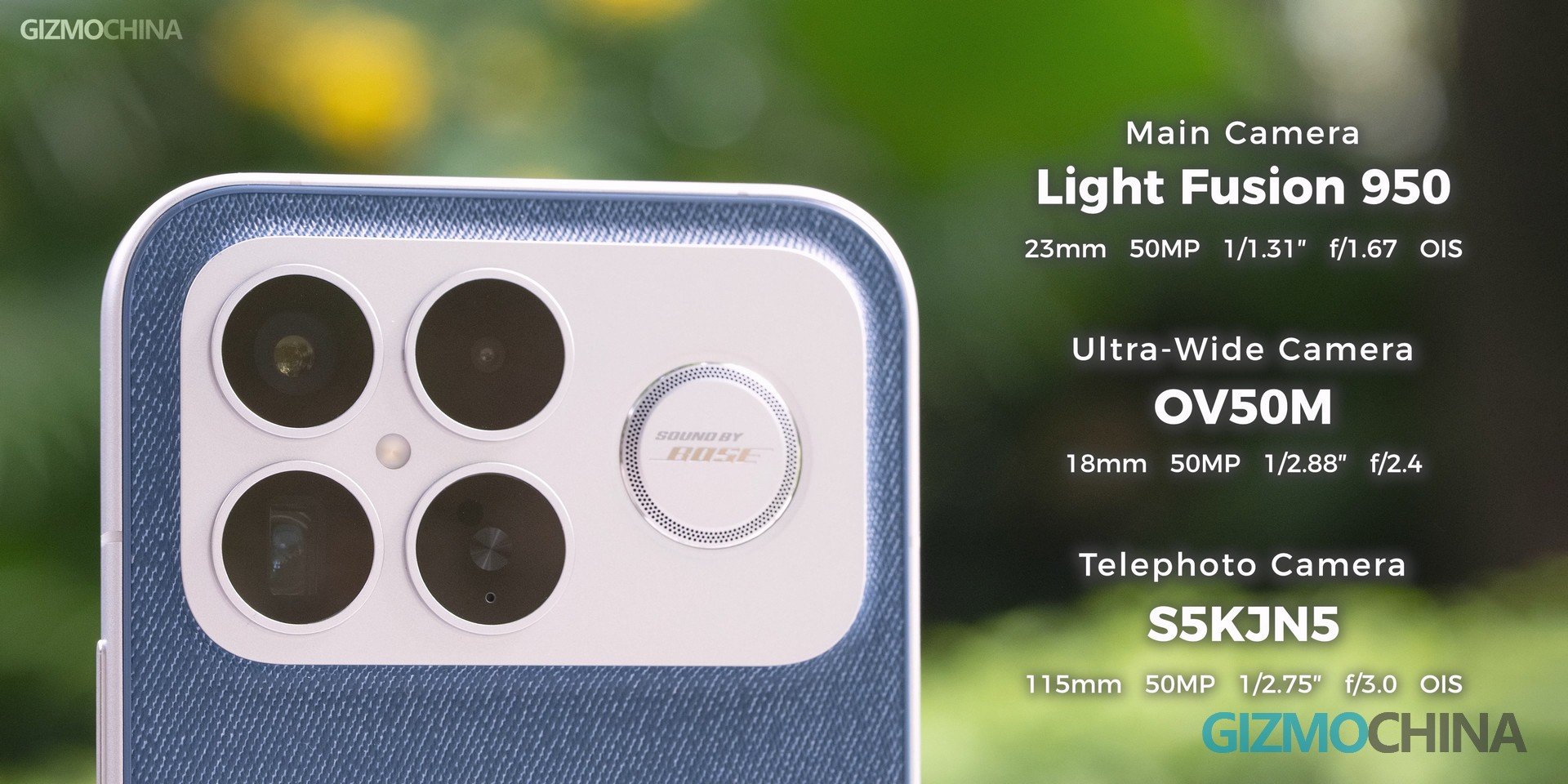
The JN5 is an old friend of ours—although the sensor area is still a bit smaller compared to a flagship, in most scenarios, you won’t notice any major issues. Just like the Xiaomi 17 Pro Max, the focal length is 115mm, meaning 3x to 5x zoom is achieved through cropping the main camera. But the K90 Pro Max also uses center fusion technology and AI enhancement, so photos taken between 70mm and 115mm are actually not bad. Images of this quality are more than enough for posting on Instagram or Facebook.



I think its telephoto easily beats the standard Xiaomi 17, though there’s still a gap compared to the 17 Pro Max. Once the center fusion fails—due to low light or moving subjects—AI enhancement alone can’t save the poor image quality.


Even without a rear display, the camera isn’t pushed out of the module, but the K90 Pro Max’s ultra-wide camera is still 18mm. The main reason is cost-saving—using the same lens assembly as the Xiaomi 17 reduces extra expenses.


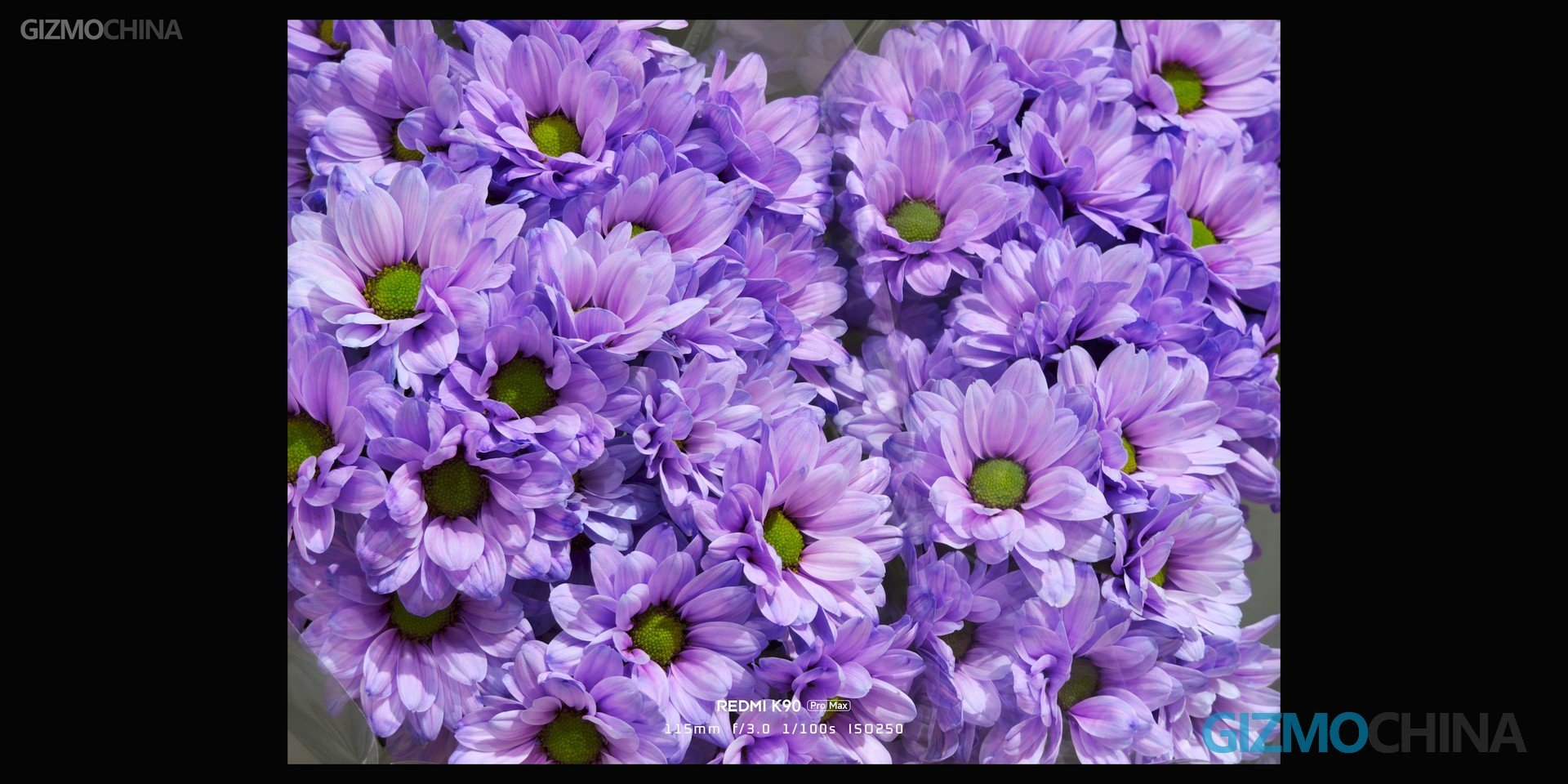
Although the field of view is narrower, the good news is that the image quality has improved. It’s much better in every aspect than the previous 8MP ultra-wide camera.

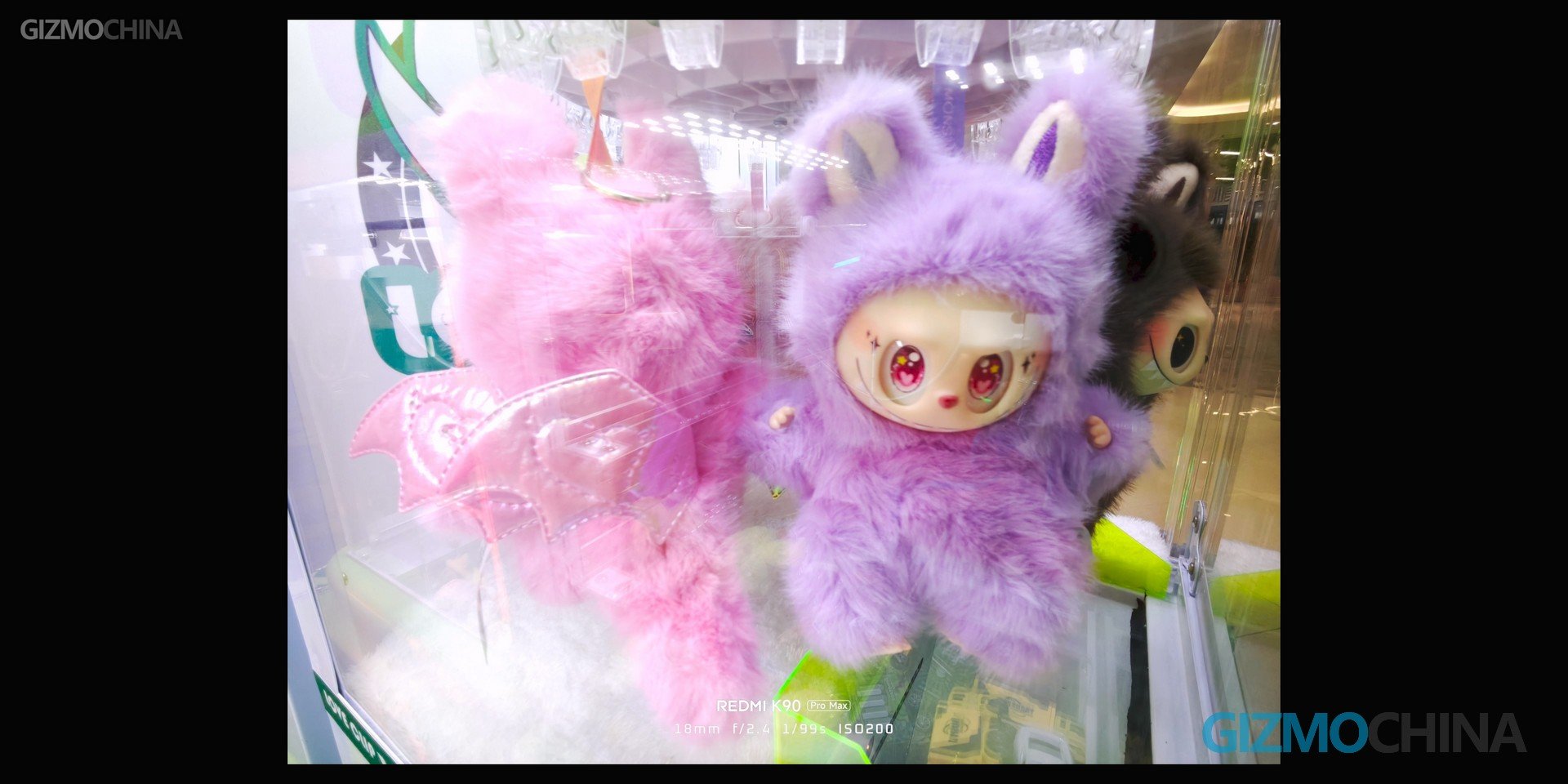
The thing is, I can just step back two steps and take the same composition with the higher-quality main camera. The narrow field of view greatly reduces this camera’s practical value.

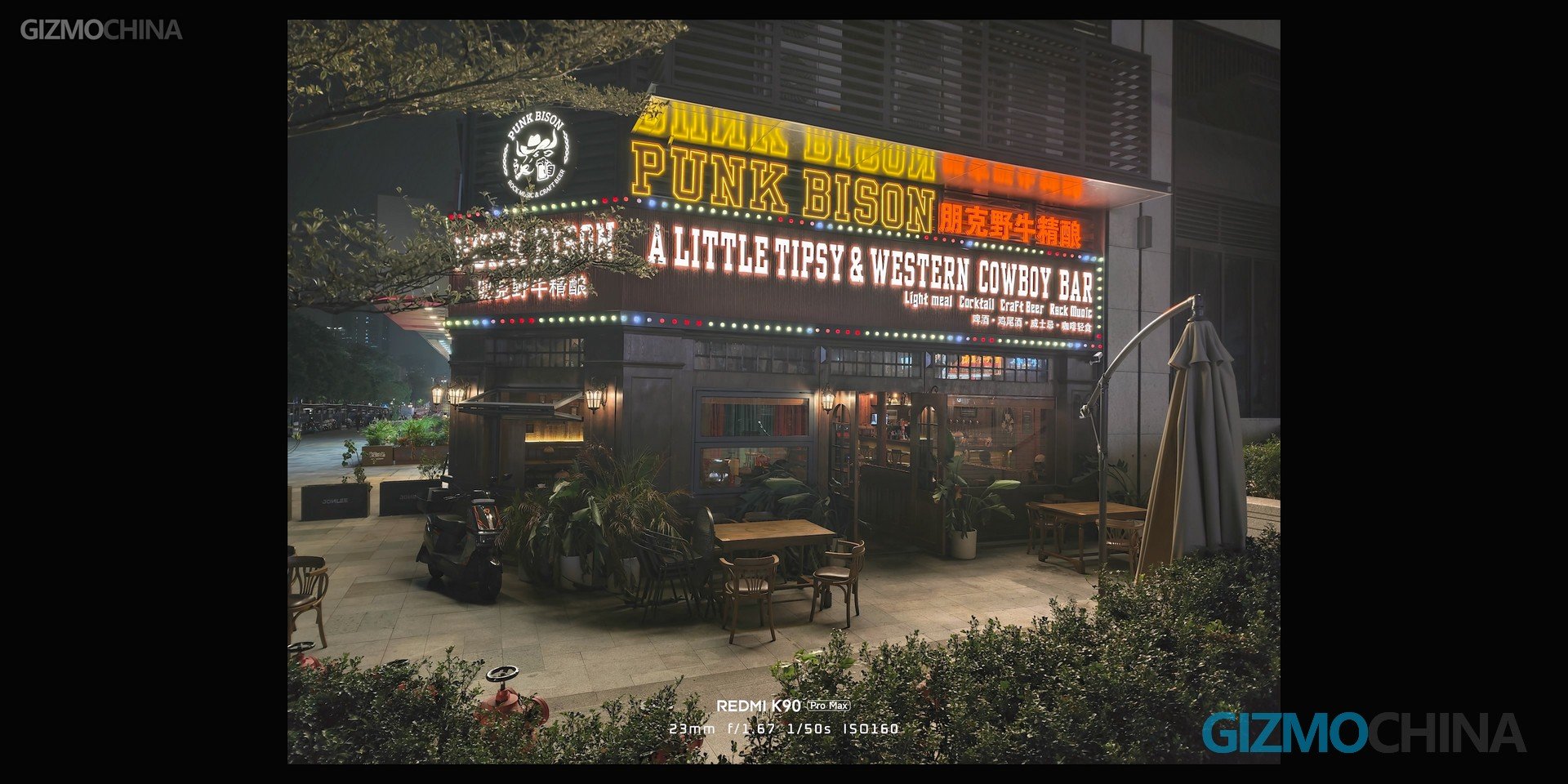
I’ve already talked too much about the problem of the 18mm lens being too narrow in the Xiaomi 17 Pro Max review video, so I won’t repeat it here. My only hope for next year’s Xiaomi and REDMI devices is: don’t use this 18mm lens that can’t even be called ultra-wide again.
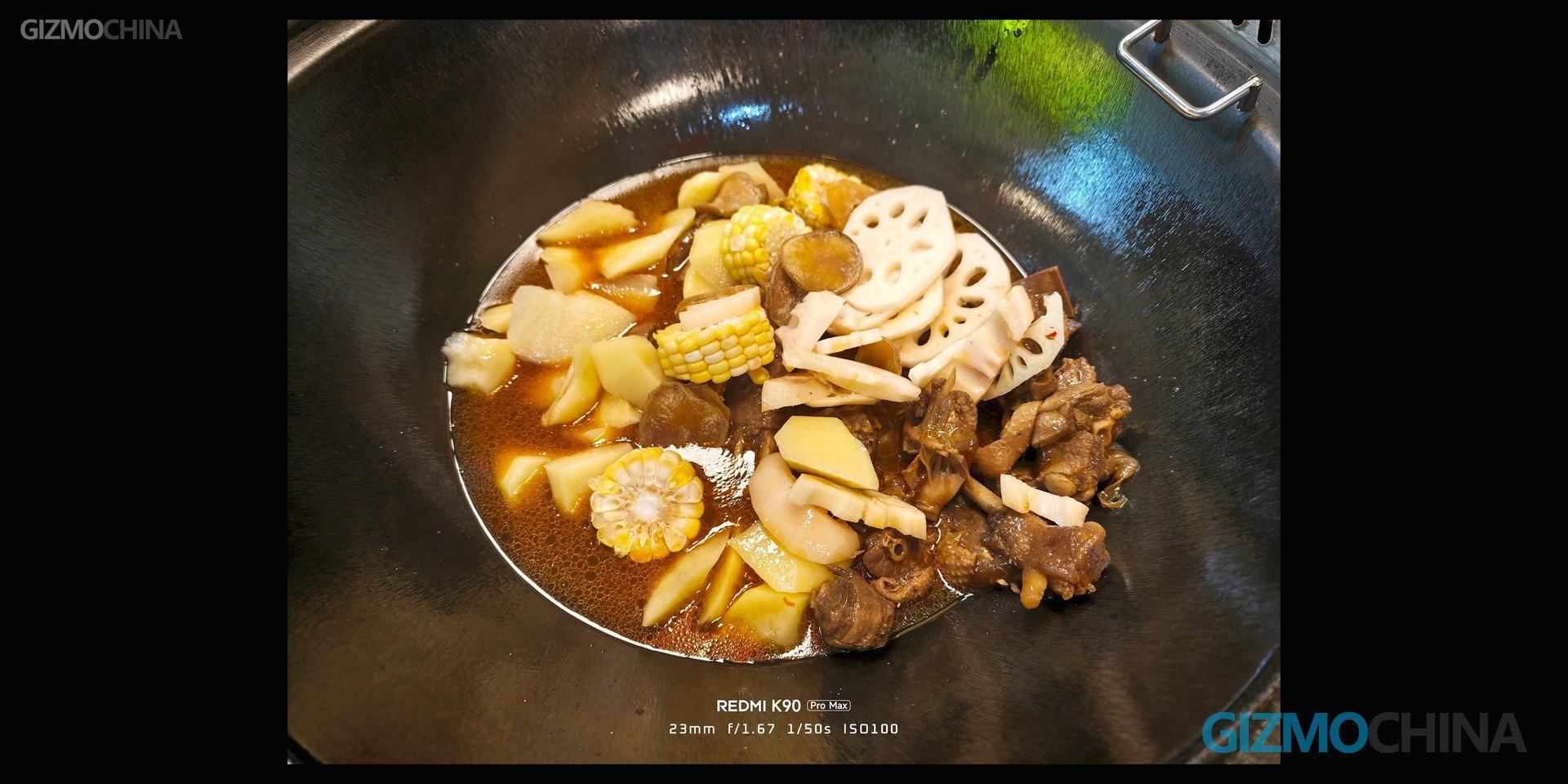
There’s not much to say about the main camera—its performance is almost identical to the Xiaomi 17’s. Compared to other phones in the same price range, its only real advantage is better performance in low-light scenarios.


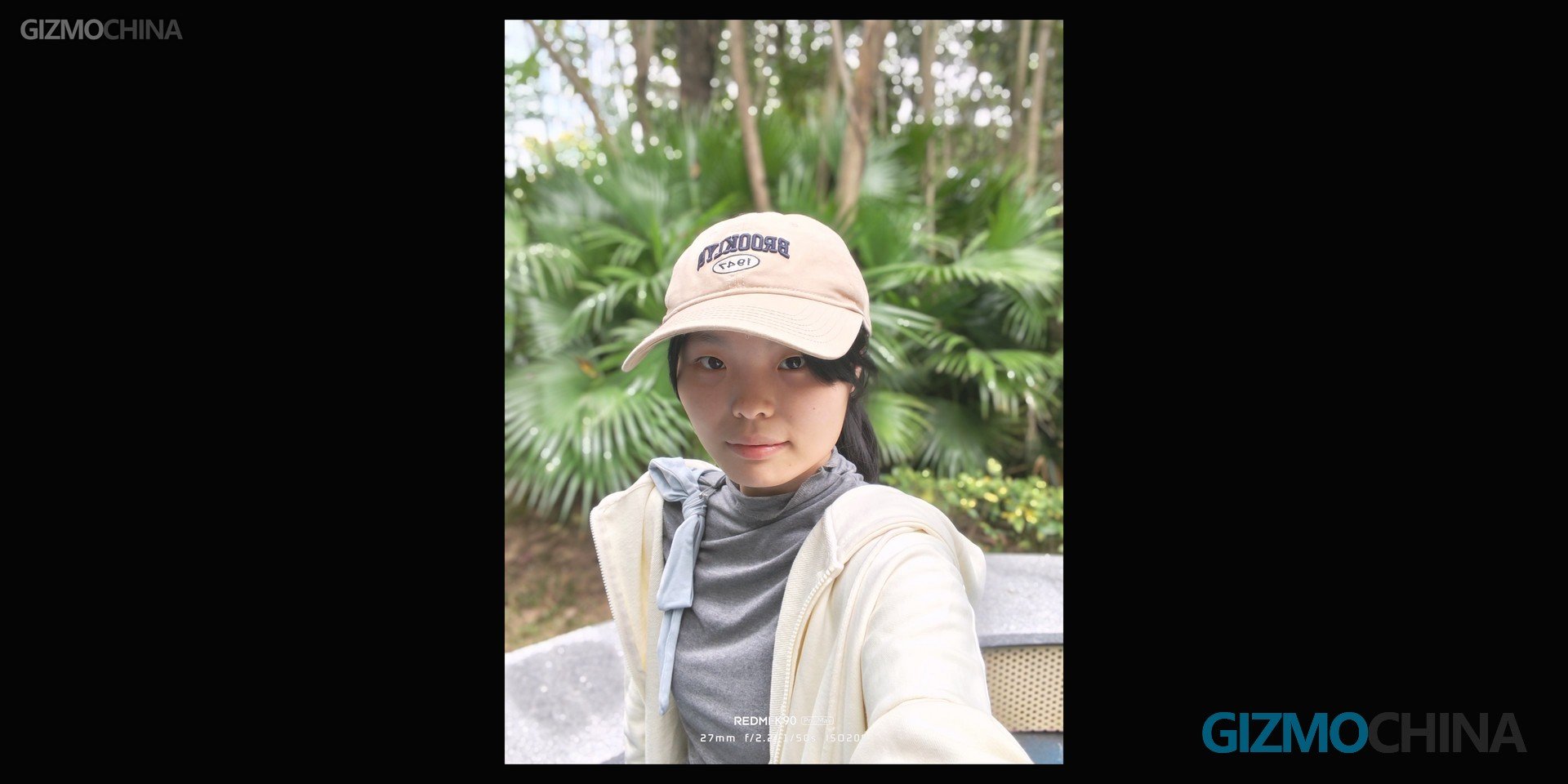
The front camera has actually been upgraded and is better than the K80 Pro. We shouldn’t expect it to be as strong as a flagship, but judging by the image quality, I think it’s already sufficient.
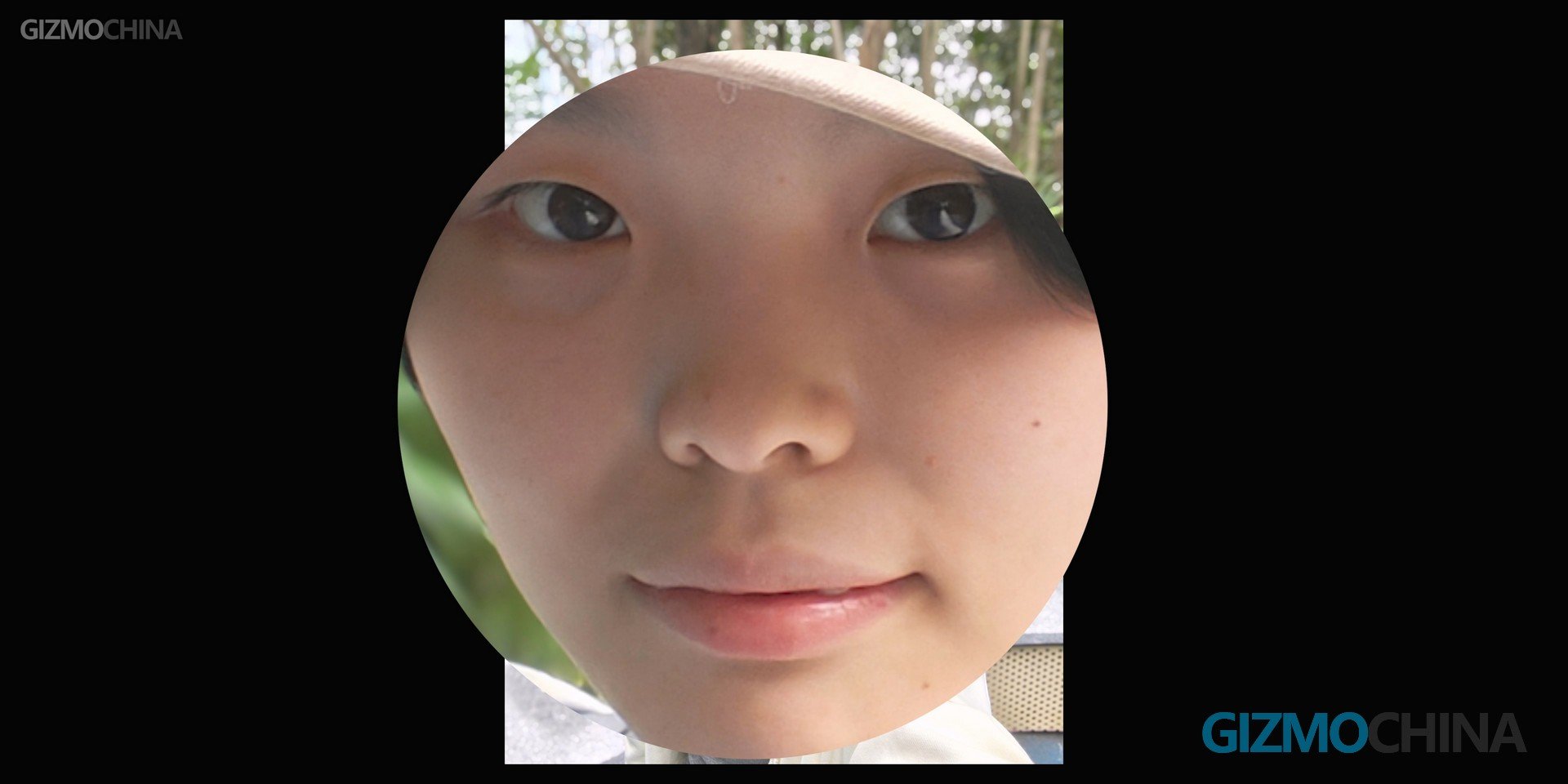
For video, the front camera supports 4K at 30fps, and the rear camera goes up to 8K. My only complaint about its video quality is, the image stabilization algorithm sometimes makes the footage blur. In lower light, this problem gets worse, so it still has a long way to go in terms of video.
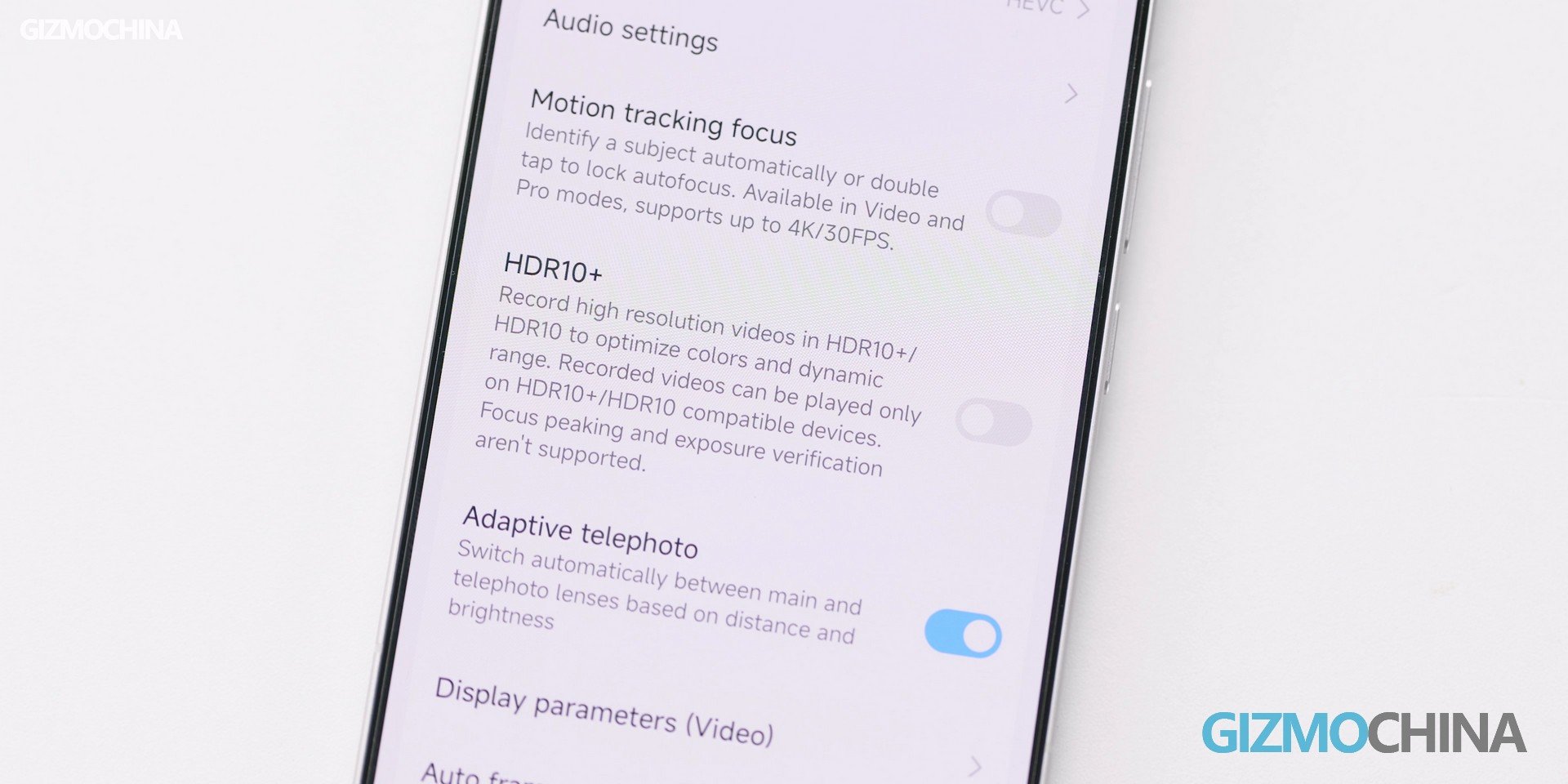
Another point is that the K90 Pro Max cannot record Dolby Vision videos. After all, Dolby Vision requires paying extra, so REDMI is still the familiar REDMI we know.
Battery
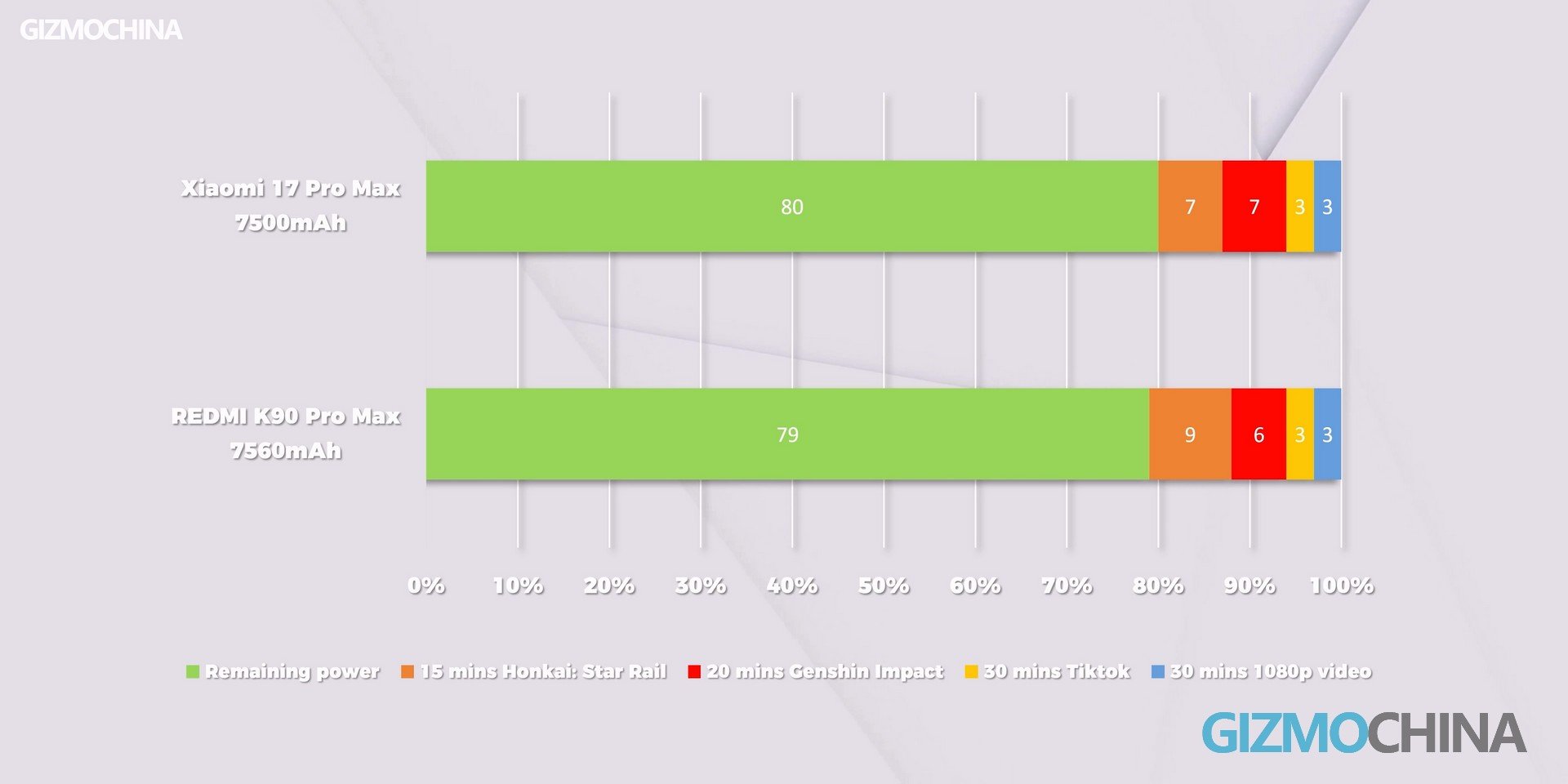
The K90 Pro Max has a 7560mAh battery, so its endurance is almost identical to the Xiaomi 17 Pro Max. It only falls slightly behind during heavy gaming sessions.
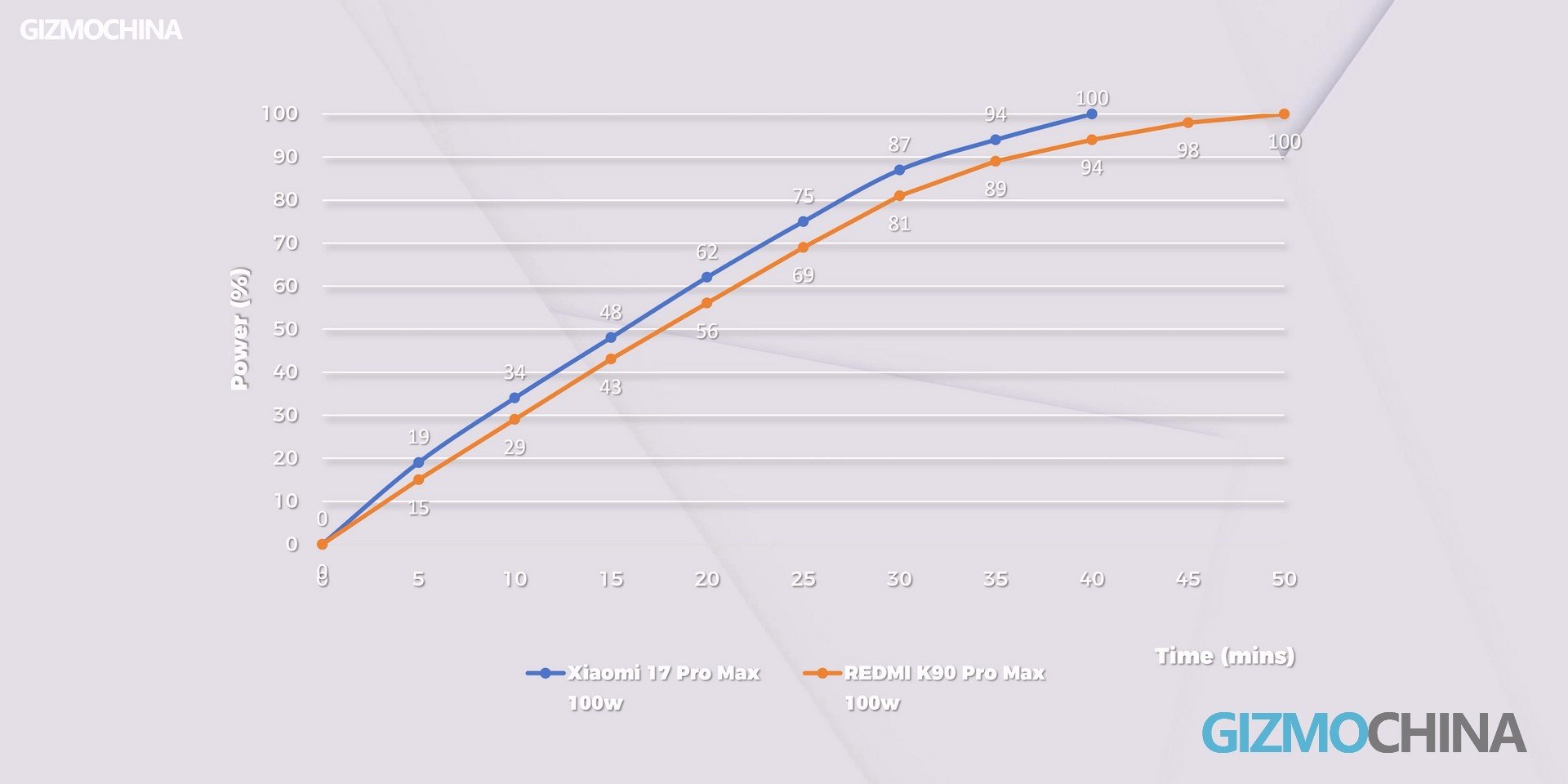
Charging power is also 100W wired, with 50W wireless charging. Using the official 100W charger, the phone can be fully charged in 50 minutes. If you have a charger that supports 100W PPS, the charging speed should be roughly the same as the official charger.
Conclusion
The Xiaomi 17 series and REDMI K90 series look like two product lines, but realistically, if you rename them, they could all just be one. From Mini to Pro Max — Xiaomi gives you everything Apple won’t.
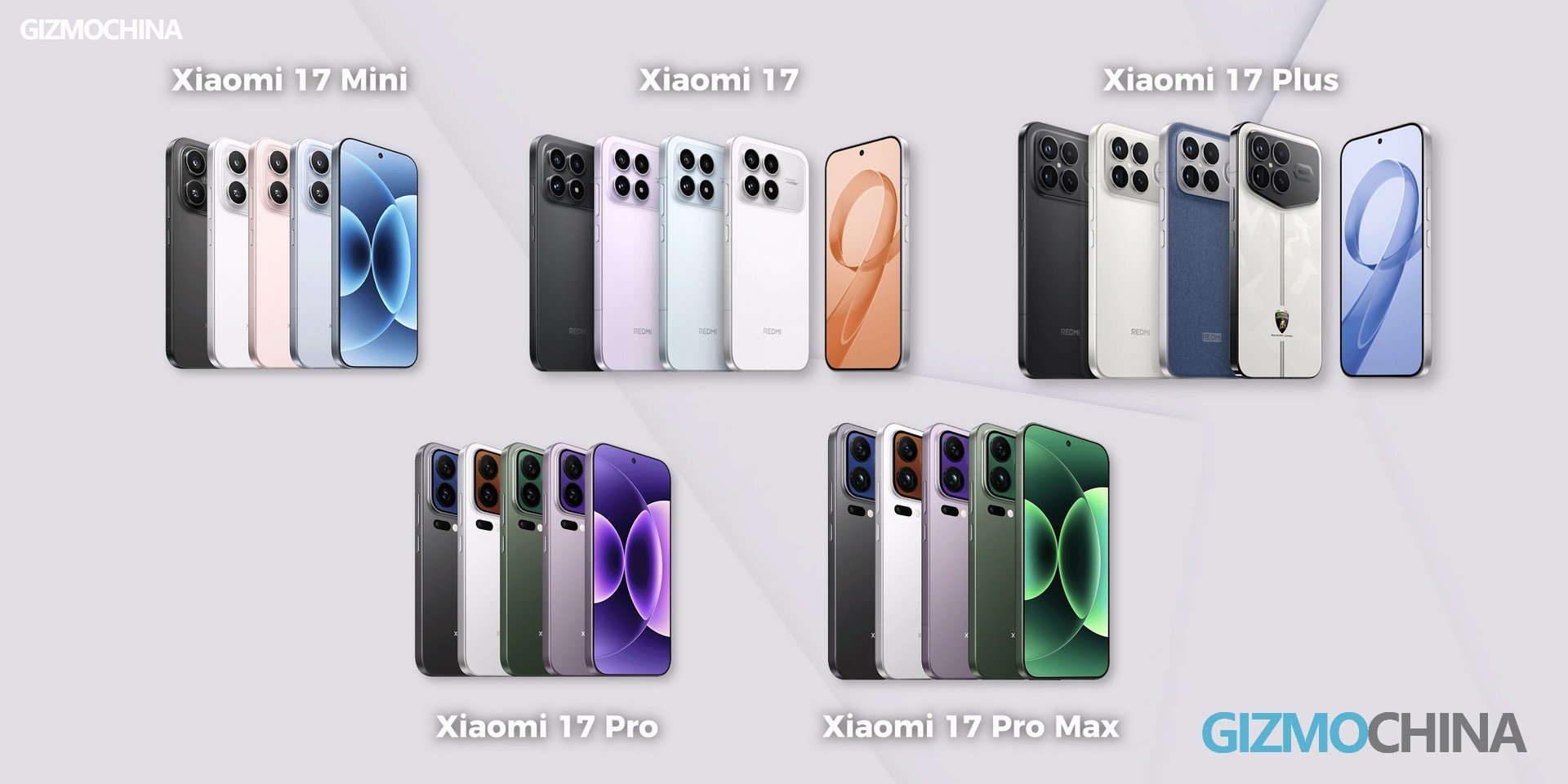
Among them, K90 Pro Max is hands-down the best value — and my personal favorite. It’s balanced in every area, but also unique in a way no other phone is. Even if you never listen to music on your phone’s speakers, you should still give REDMI a thumbs-up. Phones like this make the smartphone world less boring.




Comments