Add GIZMOCHINA as Preferred Source on Google
You’ve likely heard of Redmi and POCO, which are two Xiaomi-family brands. But while both sit under the umbrella of Xiaomi, people often wonder whether both are basically the same. However, they follow distinct strategies and have their own identities in the market. So here’s a look at exactly how POCO differs from Redmi, and which type of buyer each brand suits best.
1. Brand Positioning & Strategy
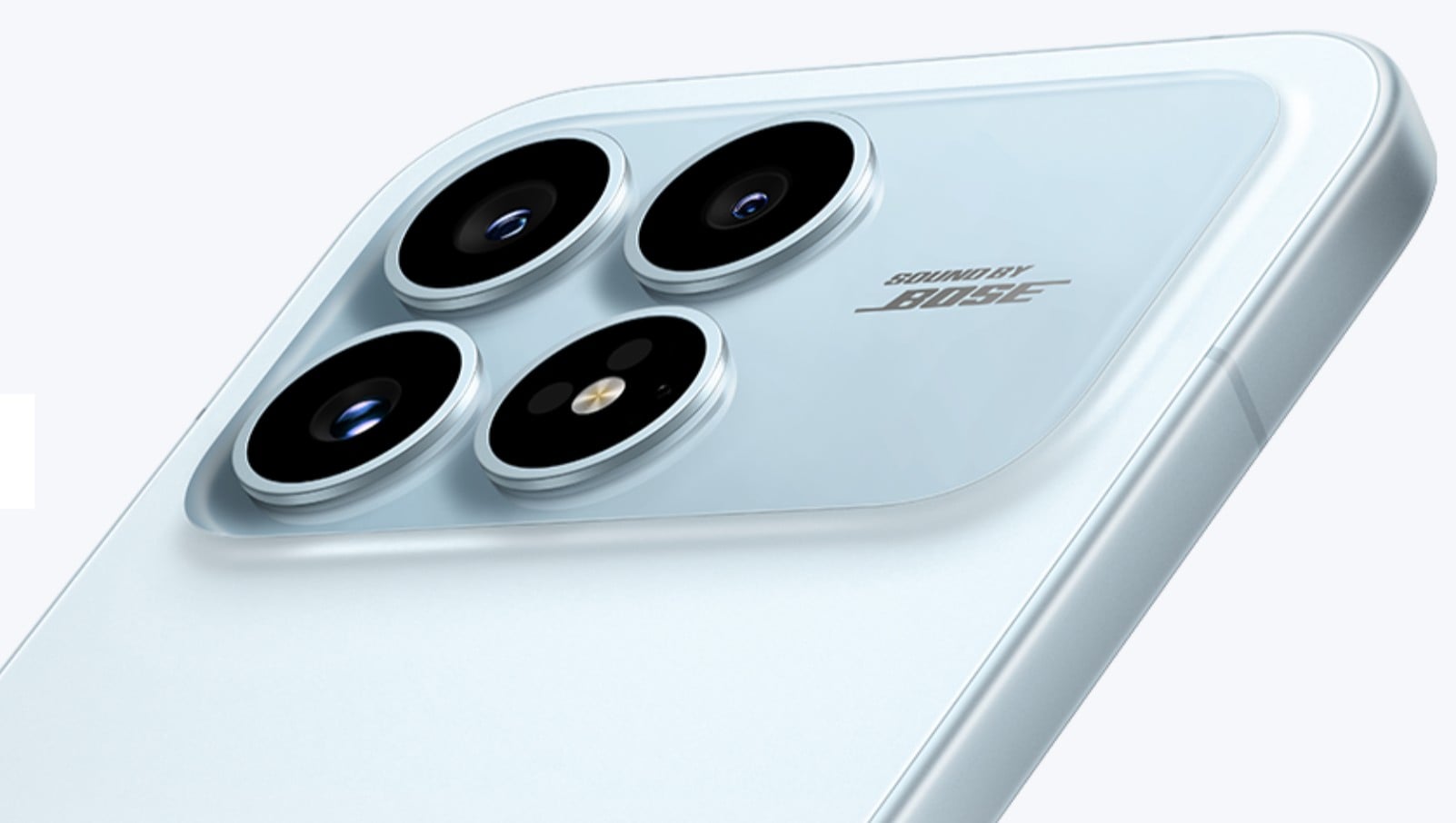
Xiaomi created Redmi way back in 2013, while POCO is a relatively new brand that spun off back in 2018. Ever since its inception, Redmi has played the role of Xiaomi’s value focused brand. It serves smartphones across the entry level and mid range segments, with the aim of making capable smartphones more accessible. A typical Redmi phone would offer a decent battery size, balanced specs, and a price tag that caters to a broader market audience.
POCO, on the other hand, started as a sub-brand of Xiaomi and has evolved into a semi-independent brand. While the brand also offers some affordable devices, POCO’s main focus is performance-driven smartphones for price-sensitive users. The brand’s messaging often centres on “flagship-level hardware at affordable cost” or “performance first” rather than feature-rich luxury. So POCO models are often a popular choice for mobile gaming enthusiasts.
2. Features & Price Trade-Offs
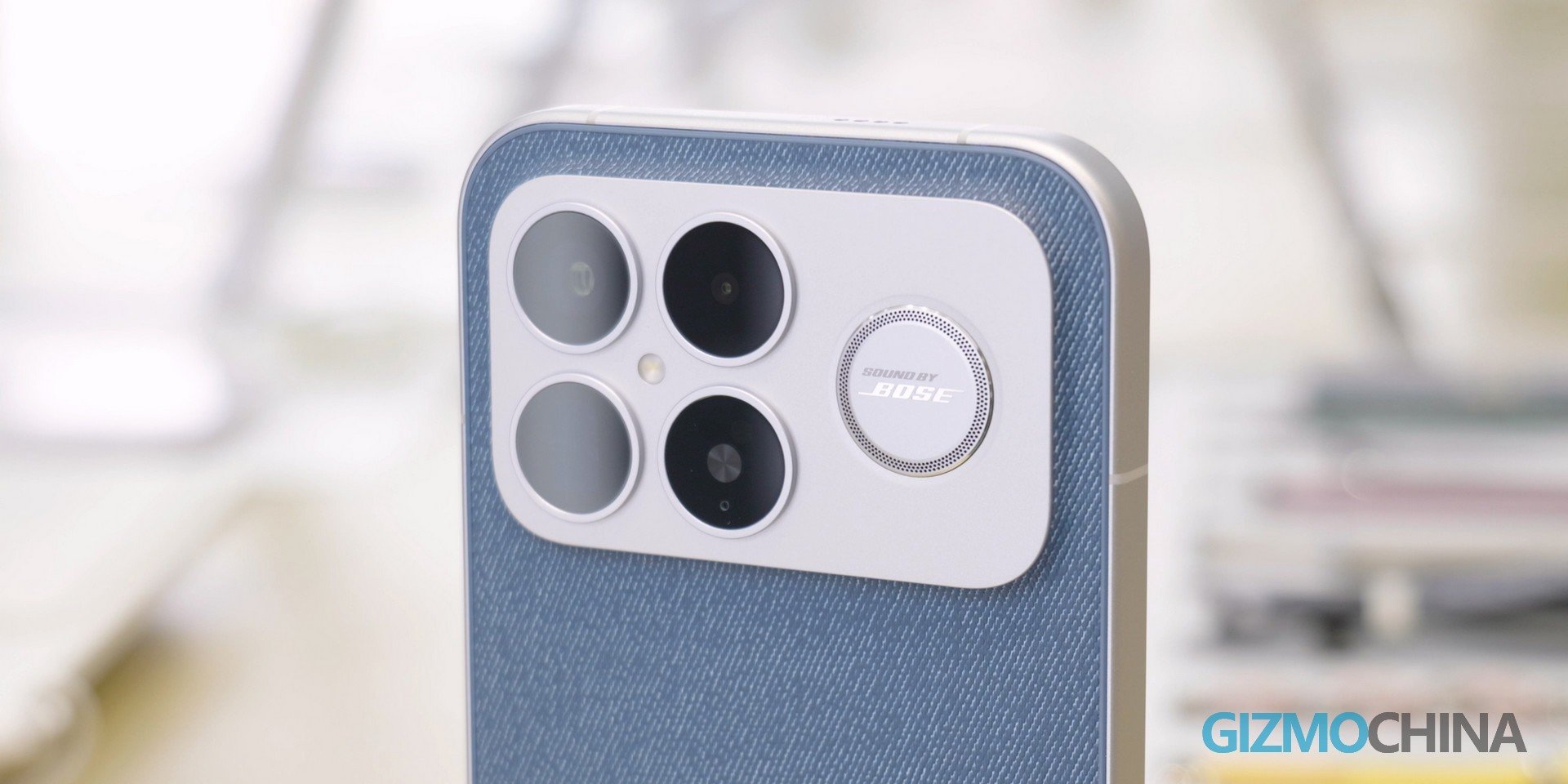
While both brands share supply chains, hardware, firmware and manufacturing infrastructure with Xiaomi, there are notable differences in how they allocate resources and differentiate themselves. For example, POCO phones often push higher refresh rate displays, near flagship level processors, performance oriented cooling systems, while making trade offers such as fewer camera refinements or a slightly less premium build quality.
In contrast, Redmi devices offer a stronger balance between performance and features. You’ll often find less aggressive pricing than POCO’s bottom line strategy. This could have you see compromises on “high-end performance” to maintain better margins or have wider availability and distribution.
3. Target Audience & Positioning
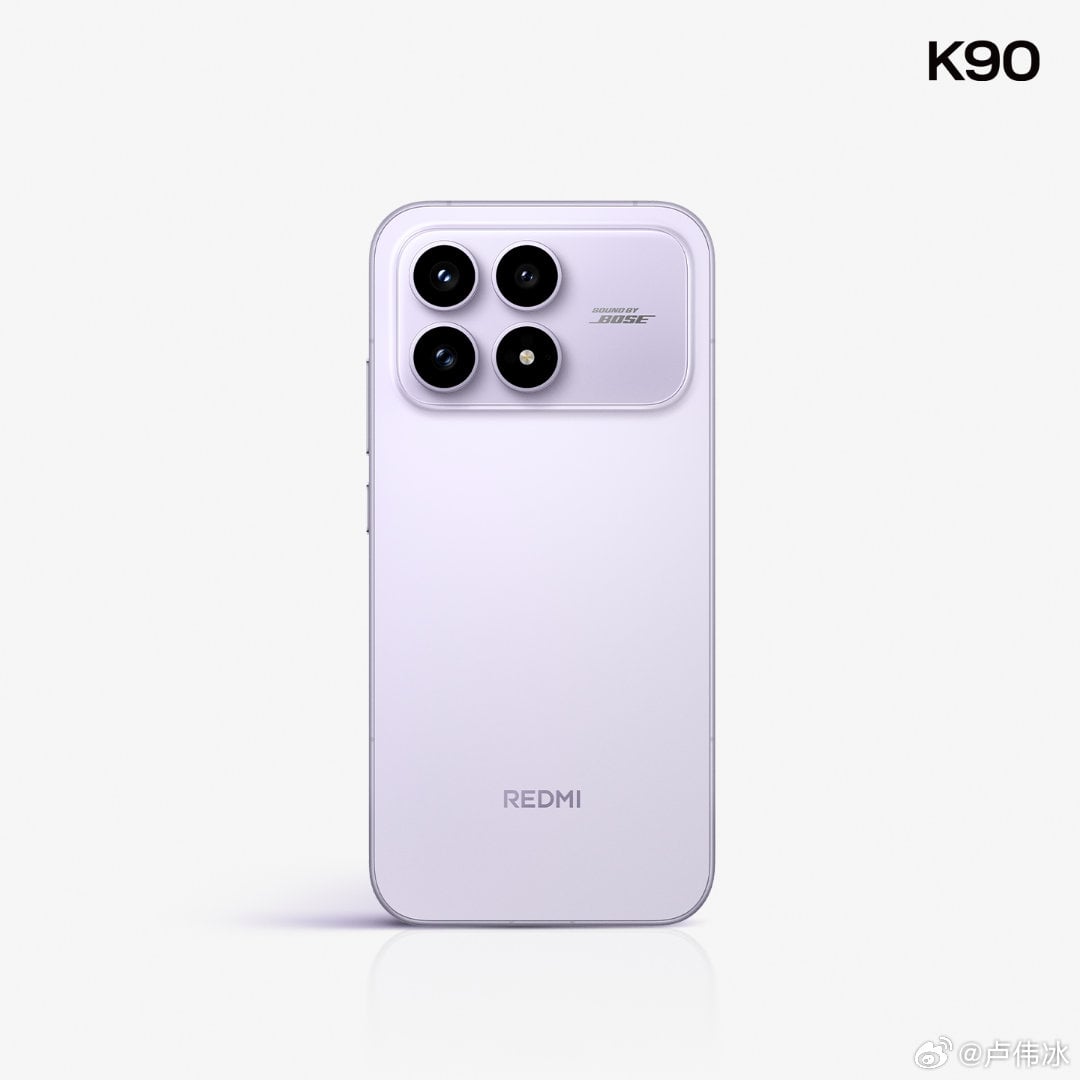
POCO is positioned more towards performance-centric users, especially those who care about high refresh displays, larger RAM/storage, faster chipsets, and are somewhat willing to accept trade-offs (in build materials, camera tuning, etc.) for value.
Meanwhile, Redmi targets a broader mass market audience. Top notch specs isn’t the focus here, just a good value for money smartphone that offers great features and decent design. Redmi often appeals to those who want balanced features across camera, battery, software and value.
4. Final Thoughts

In the decision between POCO and Redmi, the key is understanding what you prioritize. If you want blistering hardware, maximum value and you’re comfortable with a few trade-offs, then POCO is likely the better fit. If you prefer a more balanced smartphone experience with good performance, better cameras, and stronger ecosystem support, then Redmi is the more sensible choice.
Unfortunately, the lines between the two brands have blurred in the recent past as Redmi also releases high powered smartphones, while POCO also makes budget flagship phones and entry level devices now. You’ll often find both companies launching the same smartphone under different rebrands, with the key difference sometimes being just the design and look.
For more daily updates, please visit our News Section.
Don’t miss a thing! Join our Telegram community for instant updates and grab our free daily newsletter for the best tech stories!