
Add GIZMOCHINA as Preferred Source on Google
There’s one thing I’ve always admired about iQOO: they consistently stick to what they believe is right, and they don’t change just to follow trends. You can see this clearly with the iQOO 15. It’s not called the 15 Pro, it’s not called Pro Max, and even the design hasn’t really changed much over the past few years.
This year, because many of its competitors are copying the iPhone, the originally unremarkable iQOO 15 has instead become something rare. And on top of that, iQOO’s long-time weakness — the camera — has also been improved. So overall, it makes perfect sense that the iQOO 15 is selling extremely well this year.
Design
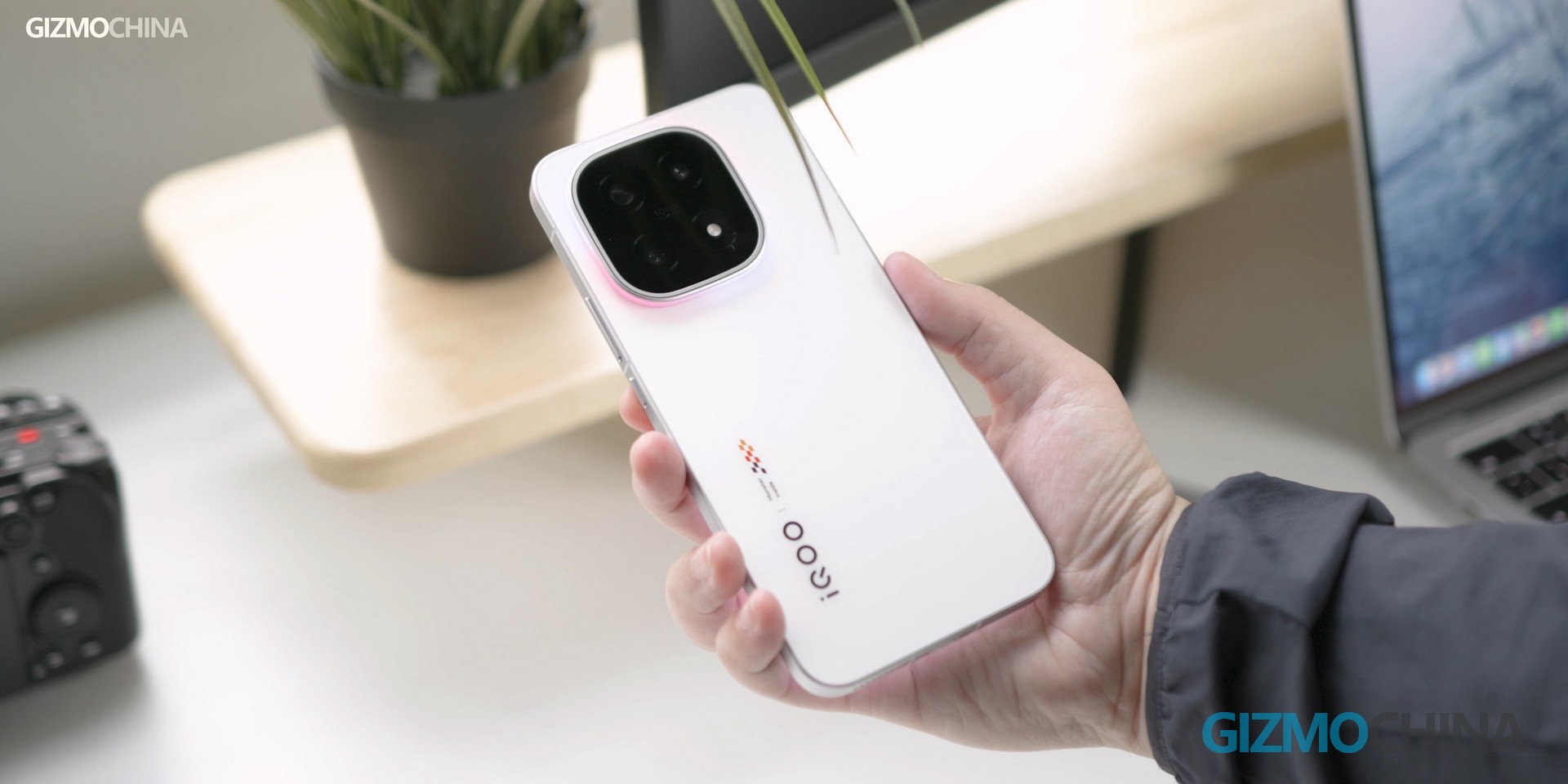
The iQOO 15 we have here is the Legend White version, but this is not the best-looking one. The main featured color this year is called “Lingyun”, and depending on the viewing angle, you’ll see red ink-like patterns appear on the back. If you want a lighter phone, you can choose the black version instead. Its fiberglass back makes it thinner and lighter.
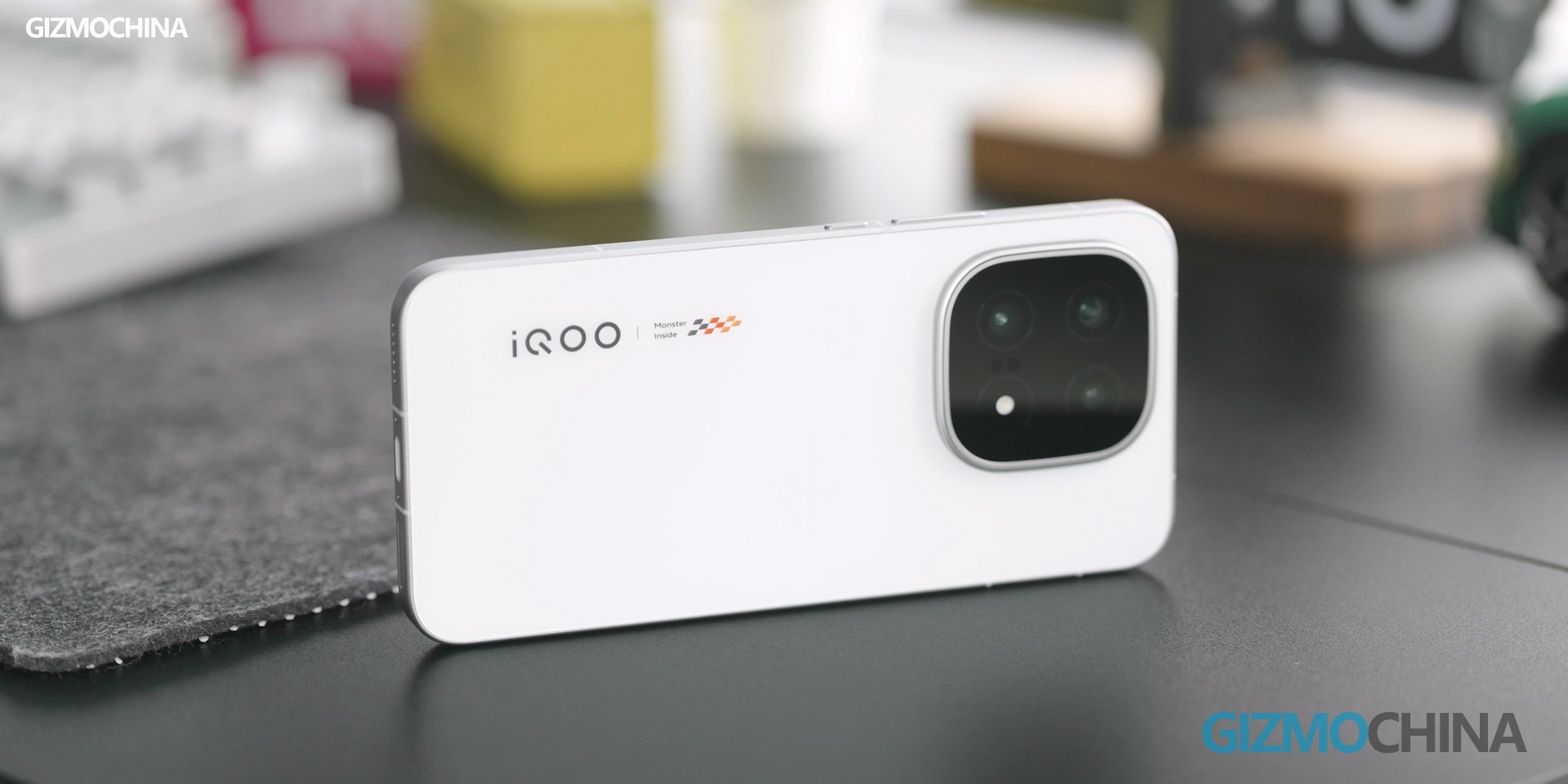
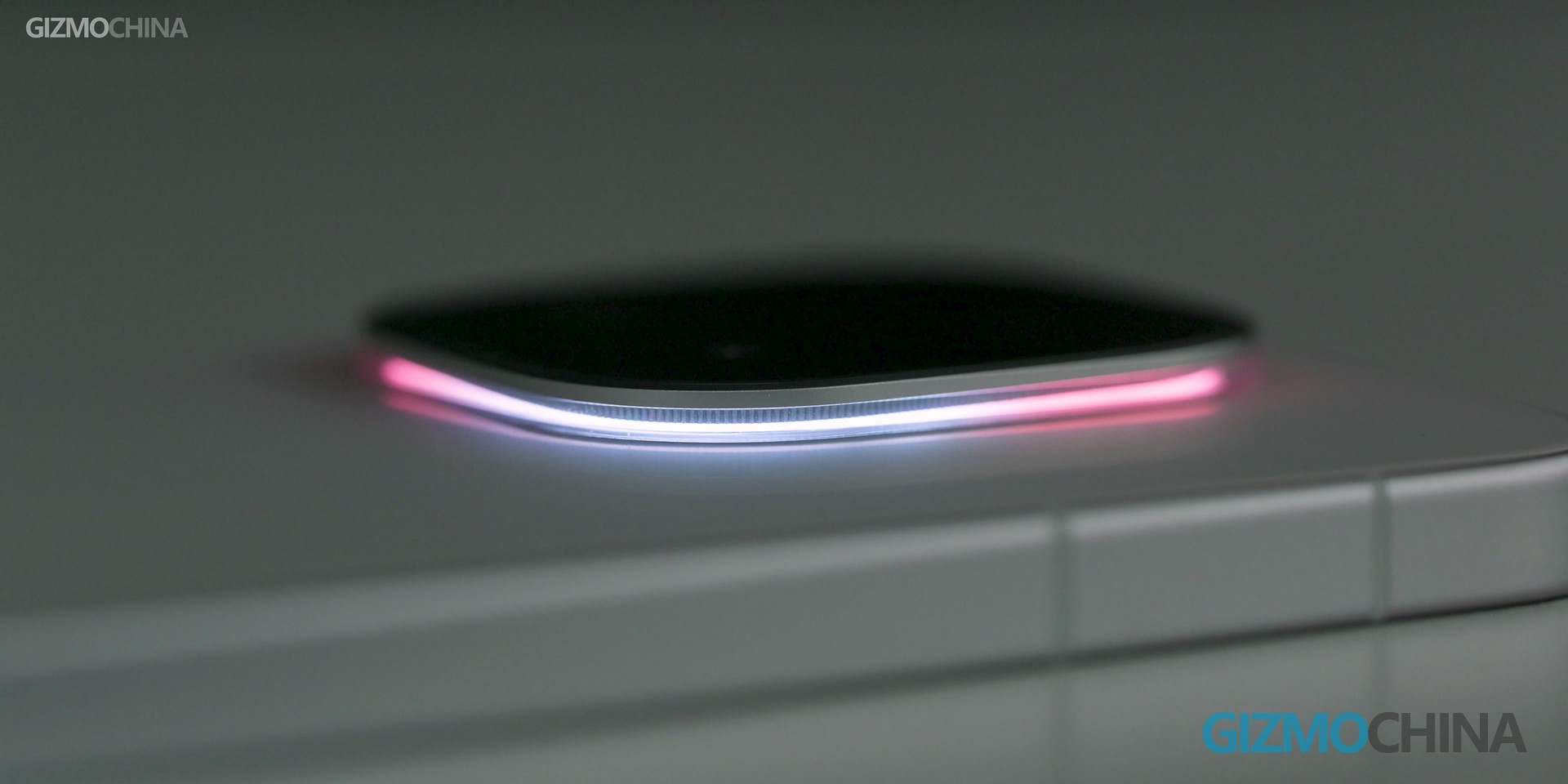
Regardless of which color you go for, the camera module still keeps the RGB light strip. However, the lighting is only faintly visible from the side, and during the day, it’s easy to miss that it’s even on. So if you rely on it as a notification indicator, you may end up missing important messages.
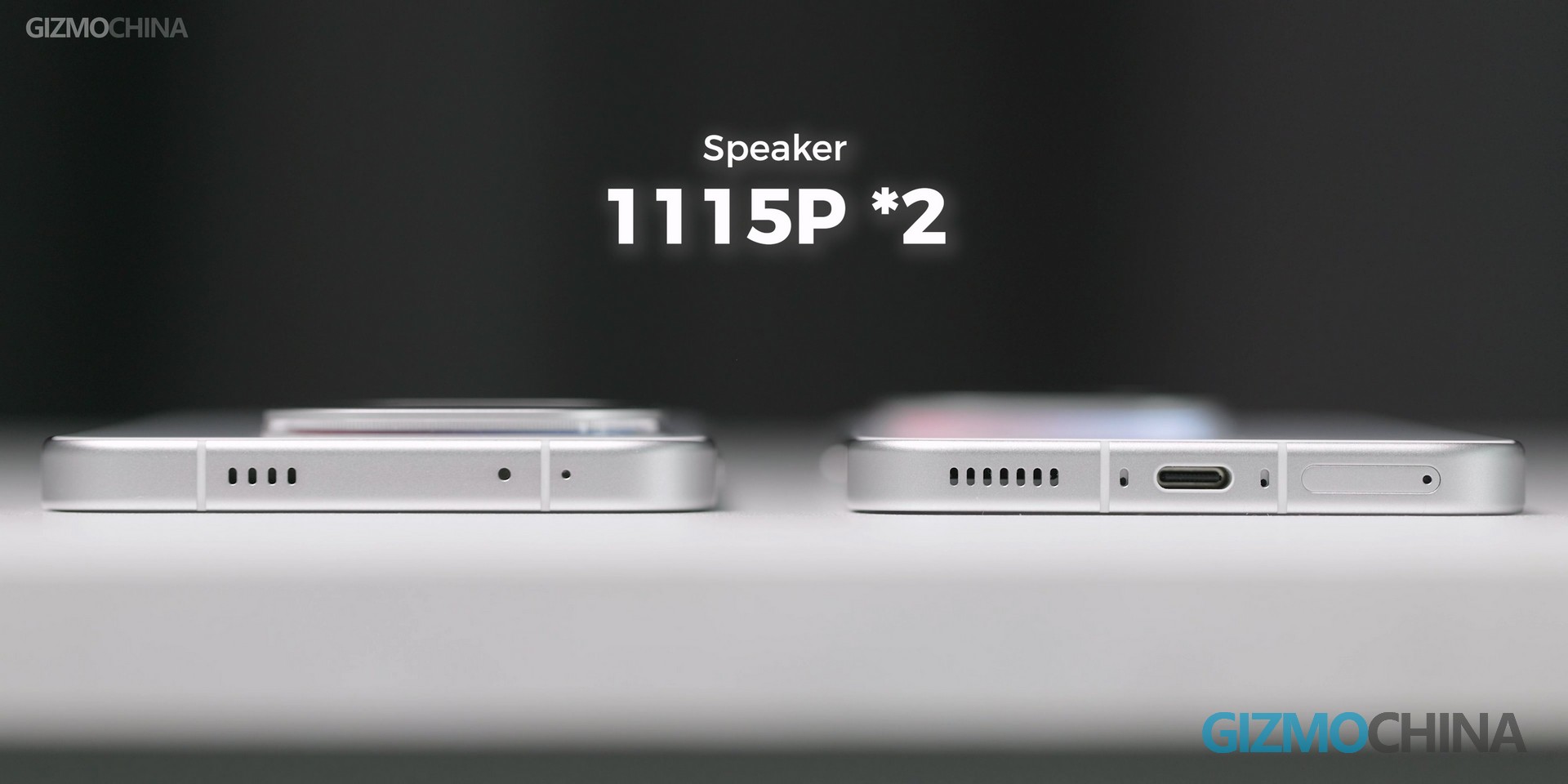
The vibration motor in the iQOO 15 is the 0916 type that can move along both the X and Y axes. The vibration strength is noticeably stronger than competing phones. And both the top and bottom speakers use 1115P drivers, giving you balanced stereo output. I’ll include a speaker test in the video, so you can listen for yourself.
Display
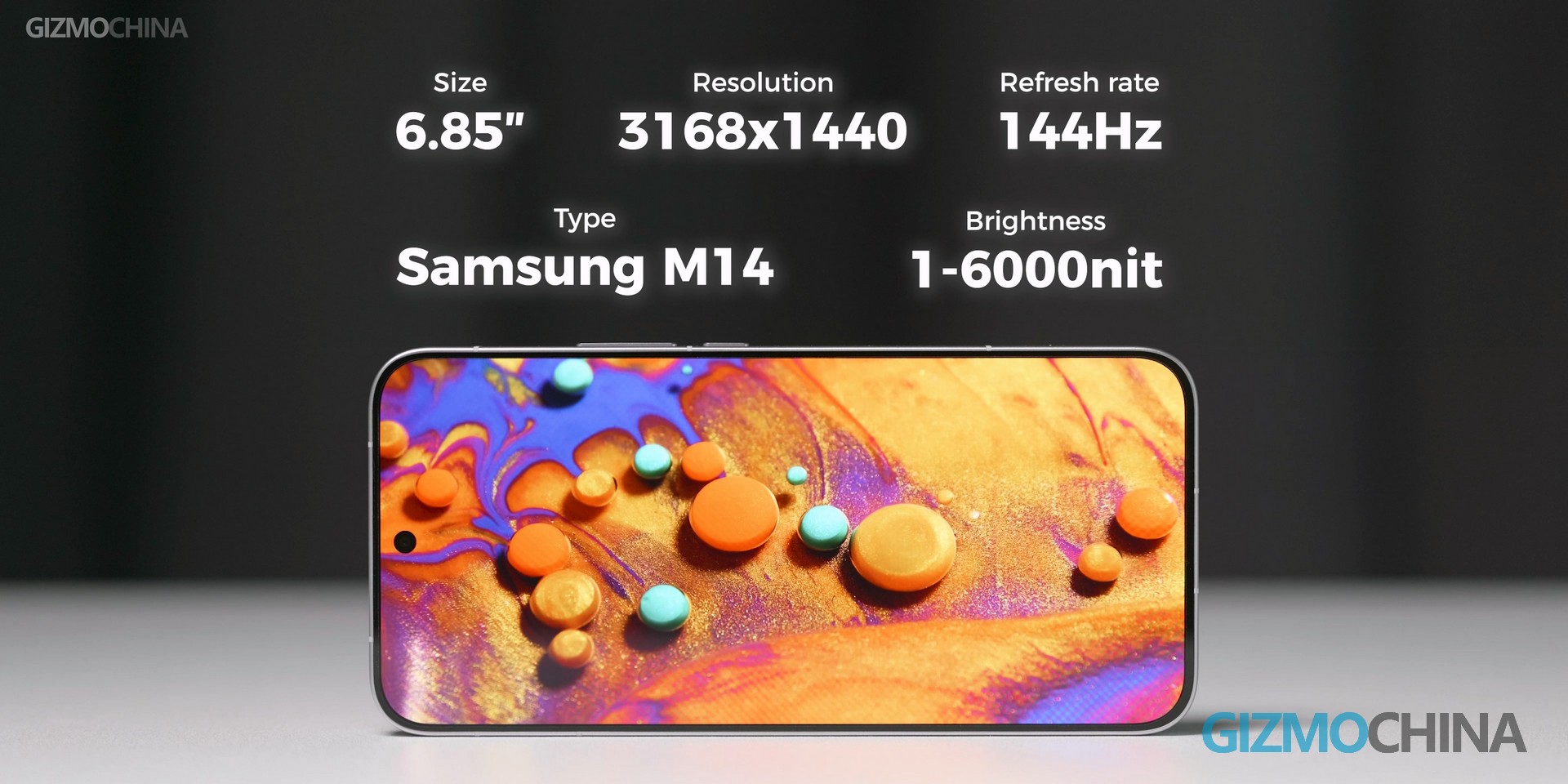
If you really like the display on the Samsung Galaxy S25 Ultra, then you should also like the one on the iQOO 15. It uses Samsung’s latest M14 panel, the same one used in the iPhone 17 series. The iQOO 15 even removes the polarizer layer, which increases brightness.
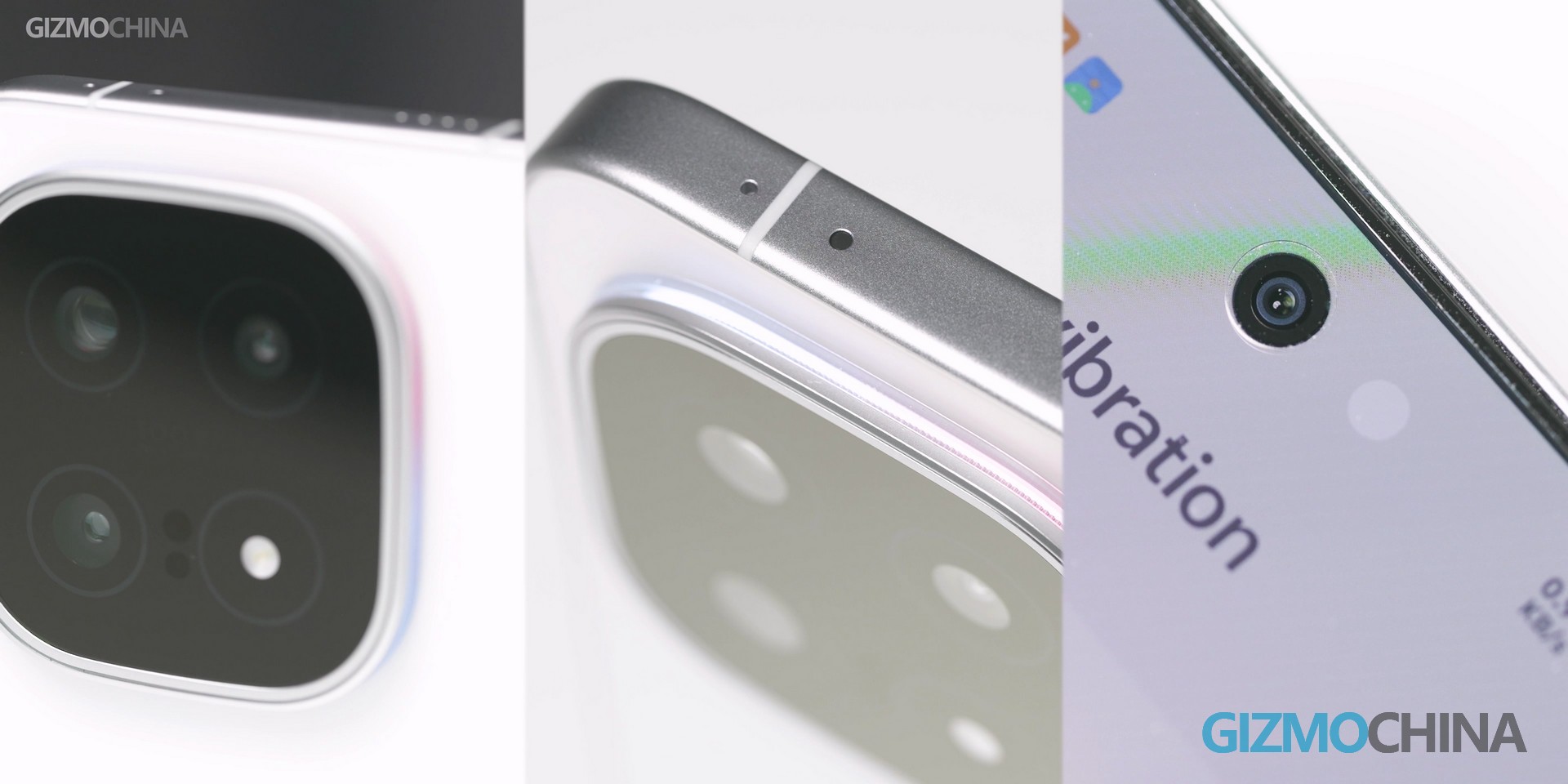
That small hole at the top of the frame isn’t an IR emitter — the IR emitter has been moved next to the flash. That hole is actually an additional ambient light sensor. So in total, the iQOO 15 has three ambient light sensors. This allows the phone to adjust screen brightness faster and more accurately in different environments.
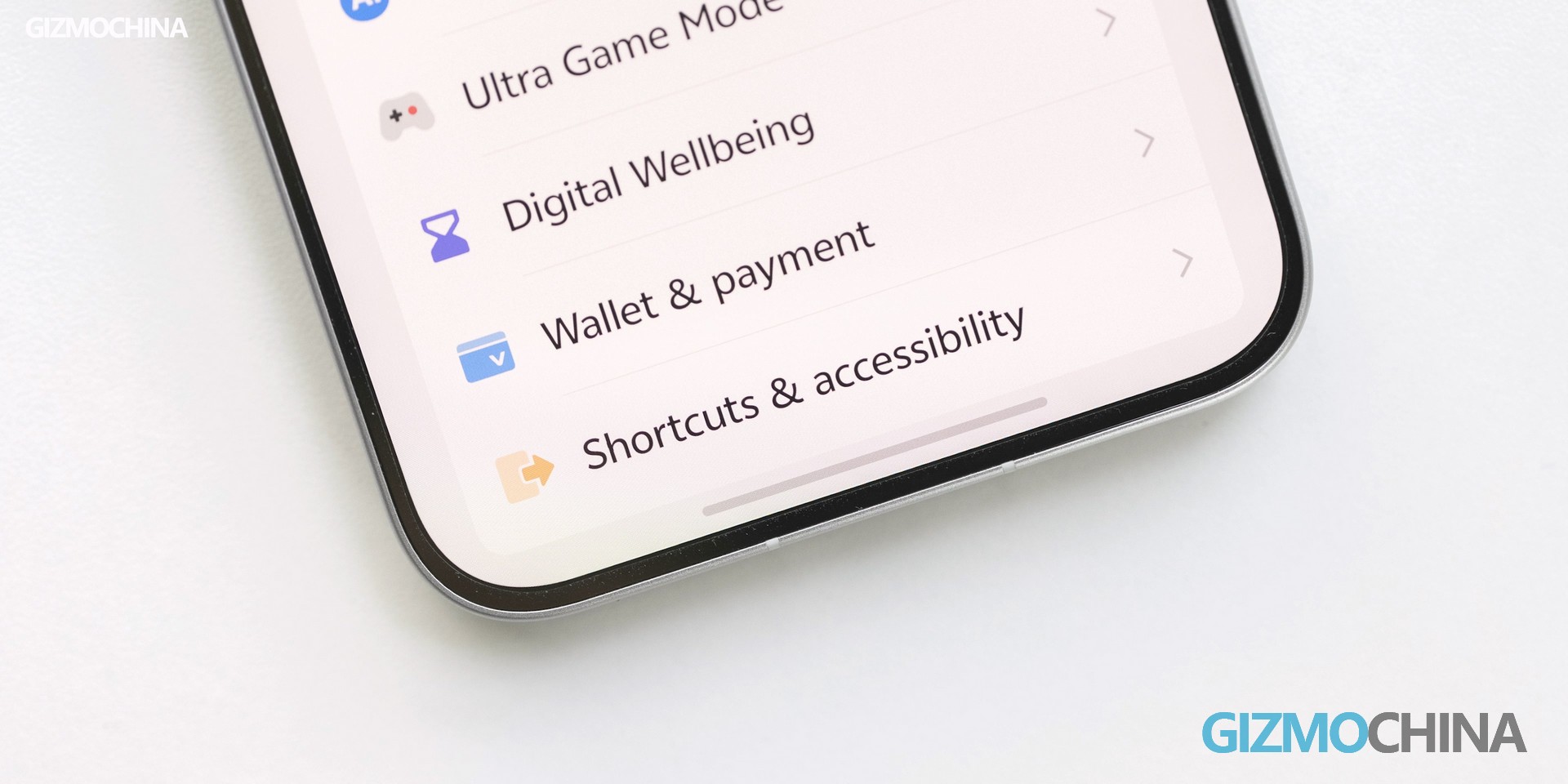
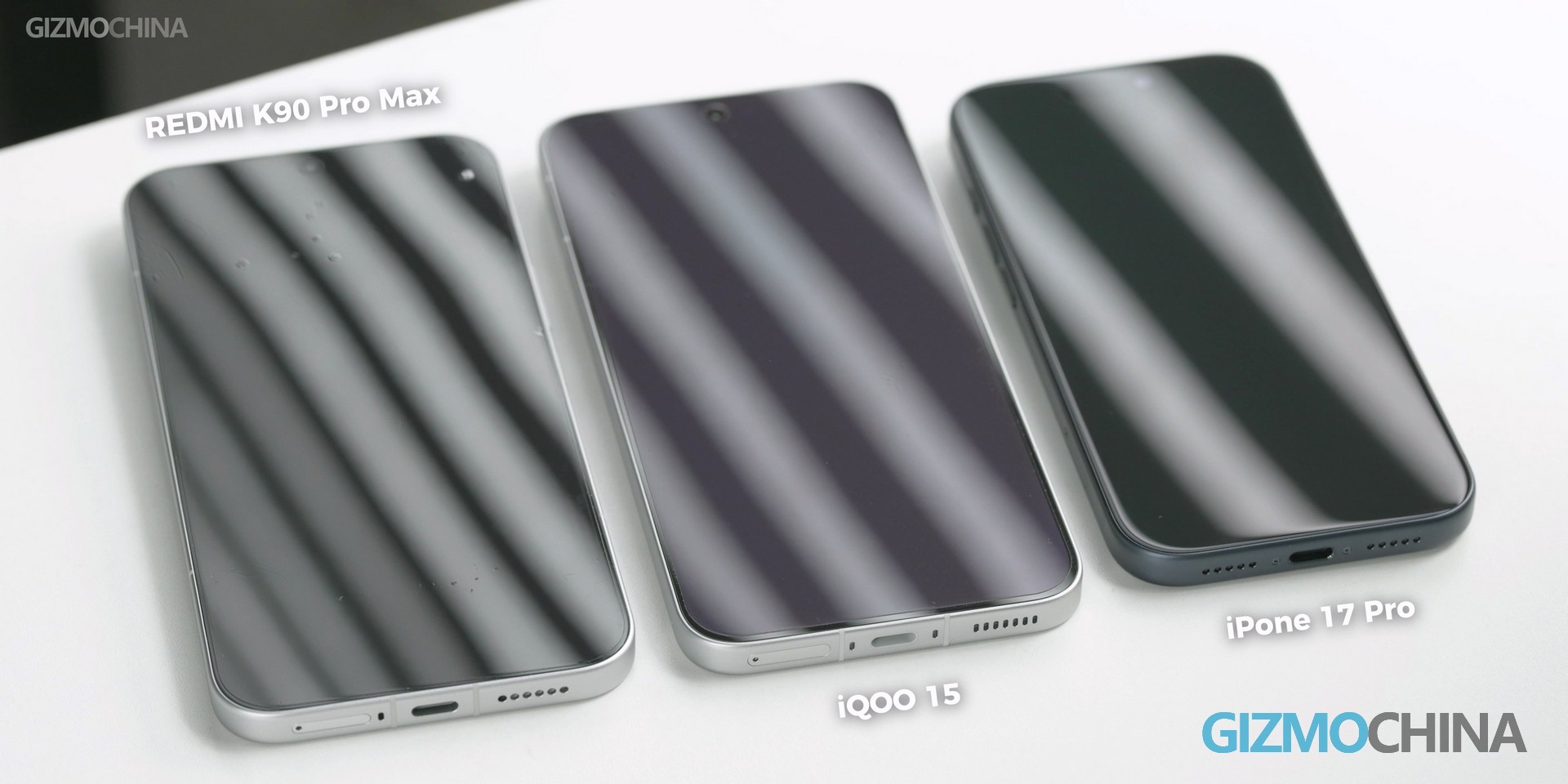
Of course, there are drawbacks. A $590 phone will always have some compromises, like the slightly thicker bottom bezel, similar to the K90 Pro Max.
And because there’s no polarizer layer, the black levels aren’t as deep. However, iQOO solved this with a simple approach: the pre-installed screen protector has an AR coating. And visually, it works very similarly to the AR coating on the iPhone 17 series, significantly reducing contrast loss caused by reflections.
Performance
Although iQOO has never called itself a “gaming phone,” aside from not having trigger bottoms, it is basically a gaming phone. To differentiate itself from the vivo X300 series, the iQOO 15 uses the Snapdragon 8 Elite Gen5 processor, and the performance tuning is very aggressive.
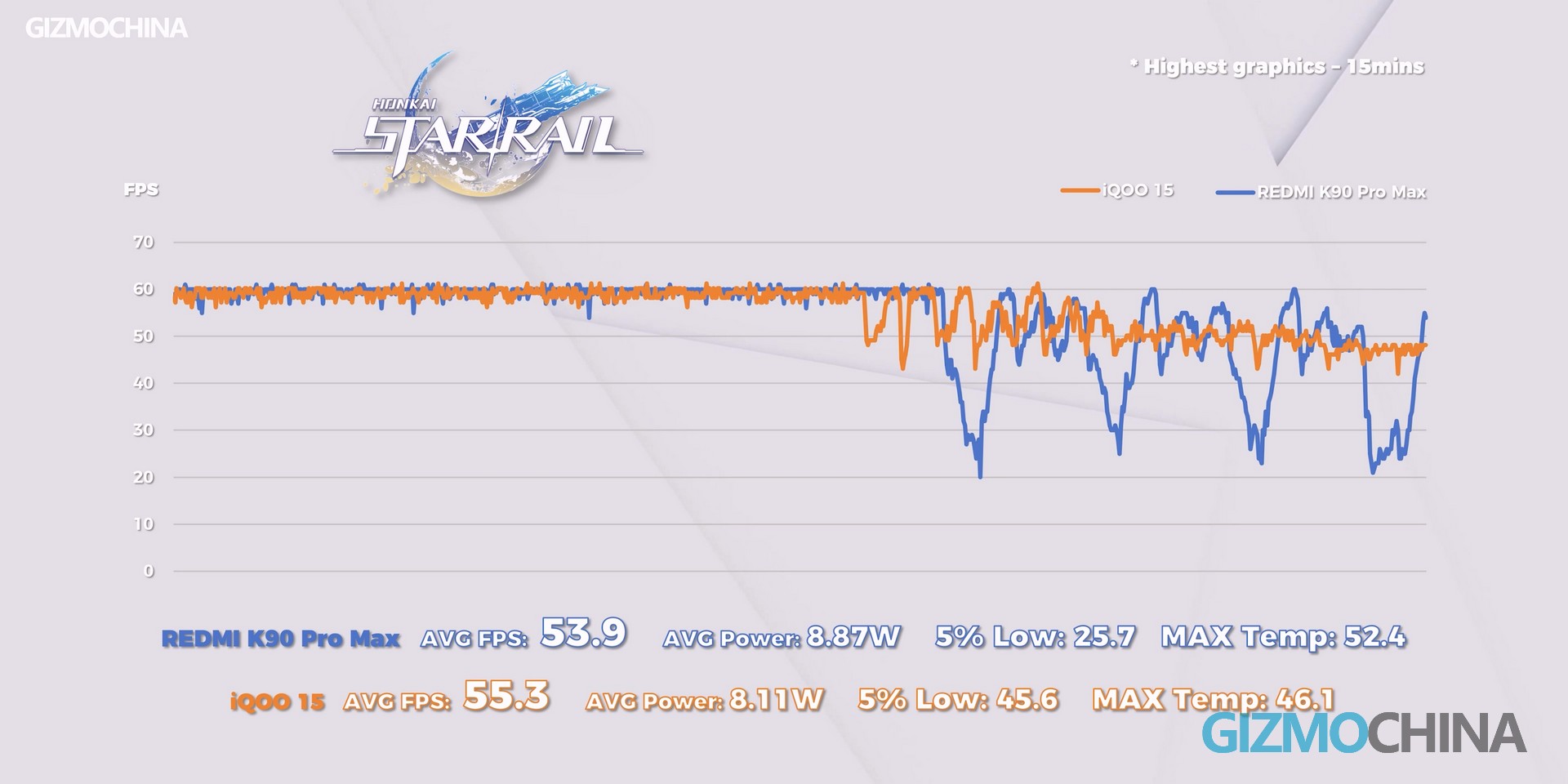
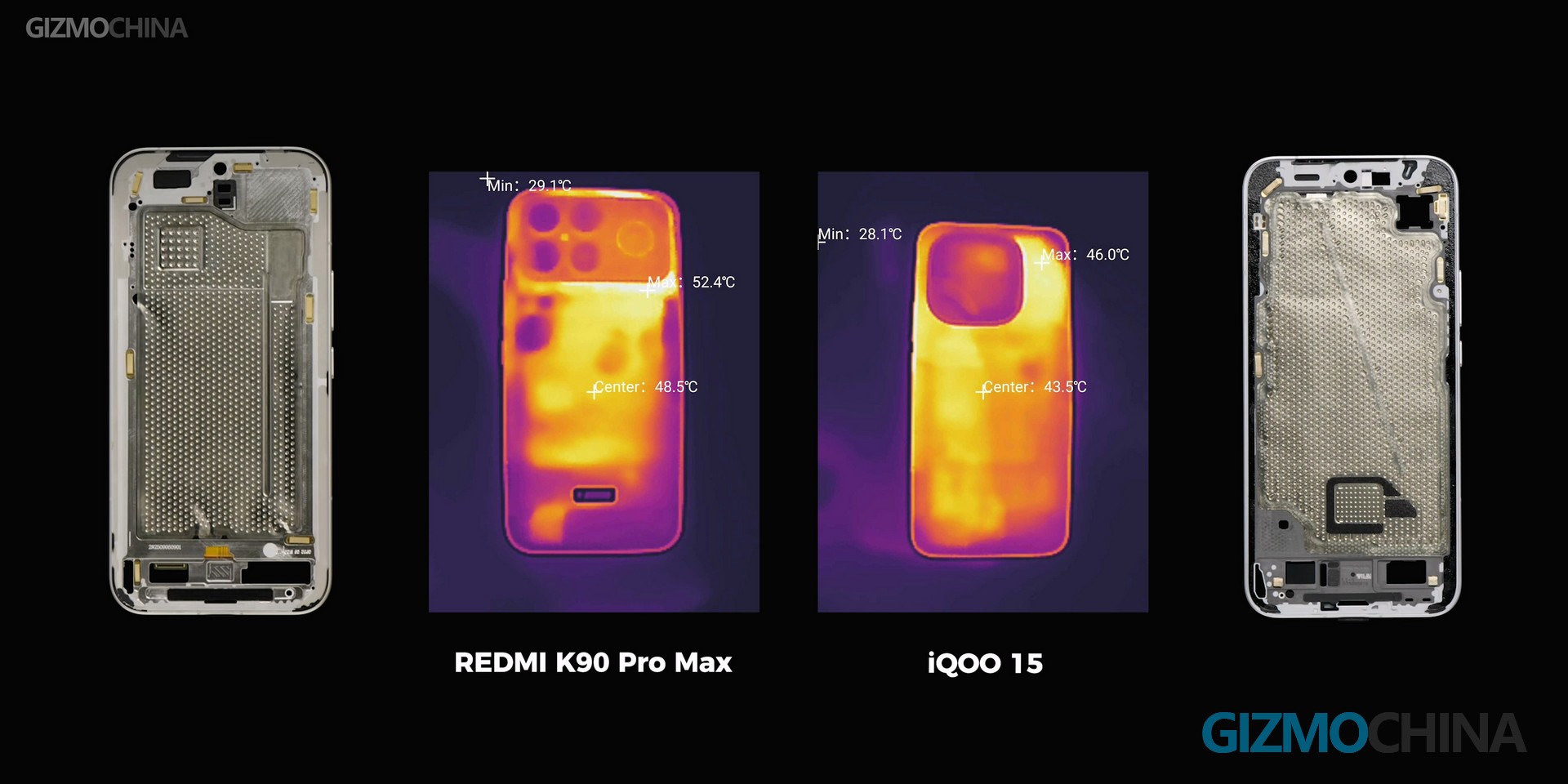
But unlike the also-aggressive Redmi K90 Pro Max, the iQOO 15 maintains a bit of restraint. Both phones begin thermal throttling around the 10-minute mark, but the iQOO 15 brings down performance gradually, with the framerate eventually stabilizing around 45 FPS. Thanks to the single-layer motherboard design and the extremely large vapor chamber, the iQOO 15 keeps temperature and power consumption at reasonable levels.
So, does the Q3 gaming chip actually help? Yes. While frame interpolation can’t be enabled at the highest resolution in Honkai: Star Rail, super-resolution can be turned on at high graphics settings, and the clarity is enough for my needs. With the Q3 assisting, the gaming experience is smoother and more power-efficient.
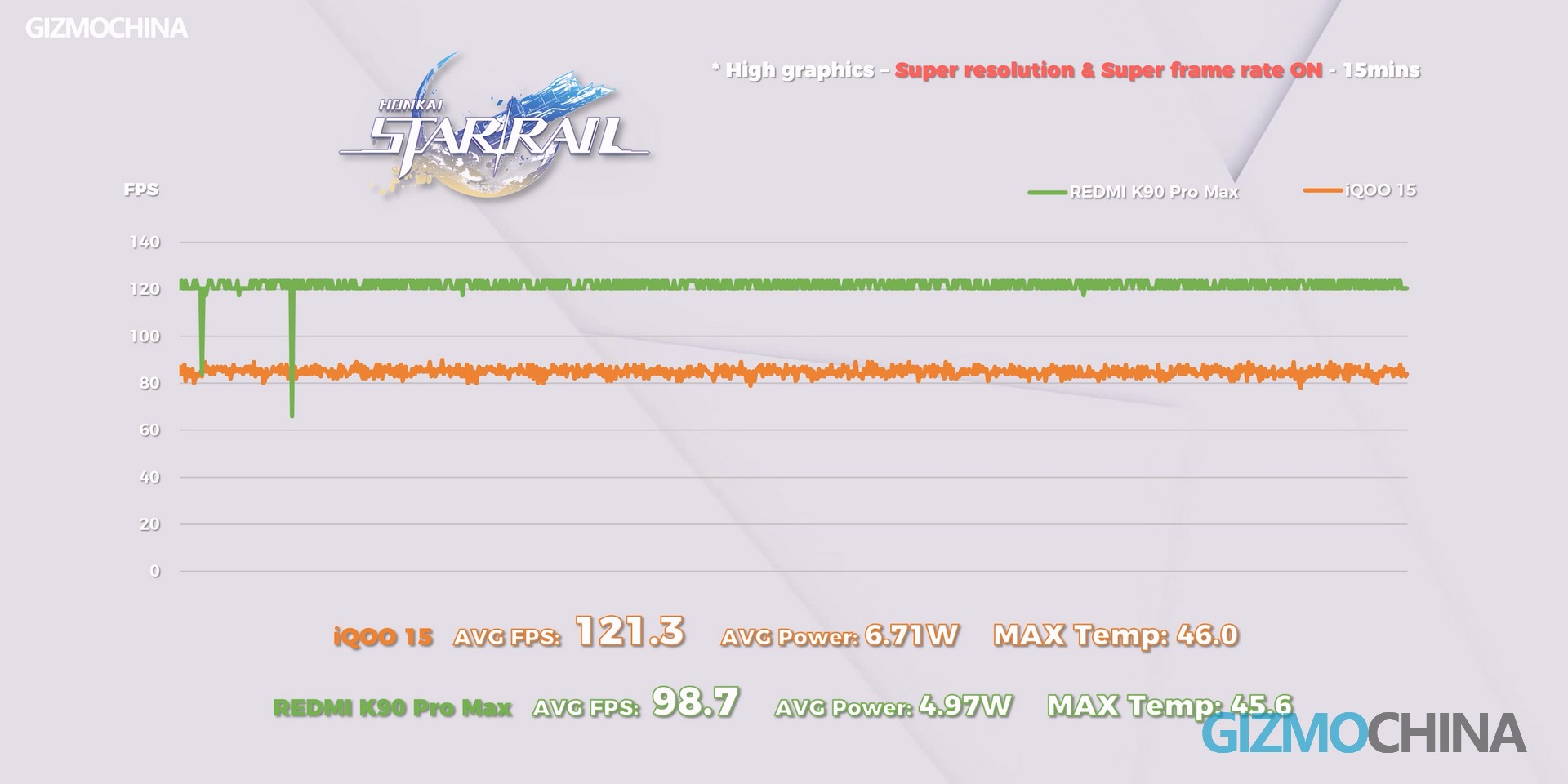
However, since the Redmi K90 Pro Max recently improved the performance of its D2 chip, its power efficiency has become incredibly good. So unfortunately, the Q3 is only the second-strongest display chip we’ve tested.


But the Q3 has one advantage the D2 doesn’t: ray tracing. With ray tracing on, the most noticeable difference is that reflections on surfaces like floors become more realistic. Only two games currently support this, but having it is still better than nothing.
Camera
The main camera upgrade this time is in the telephoto lens. The IMX882 is an excellent telephoto sensor — not only better than the telephoto camera in another phone also named “15”, but even better than the telephoto systems on some Pro Max models.
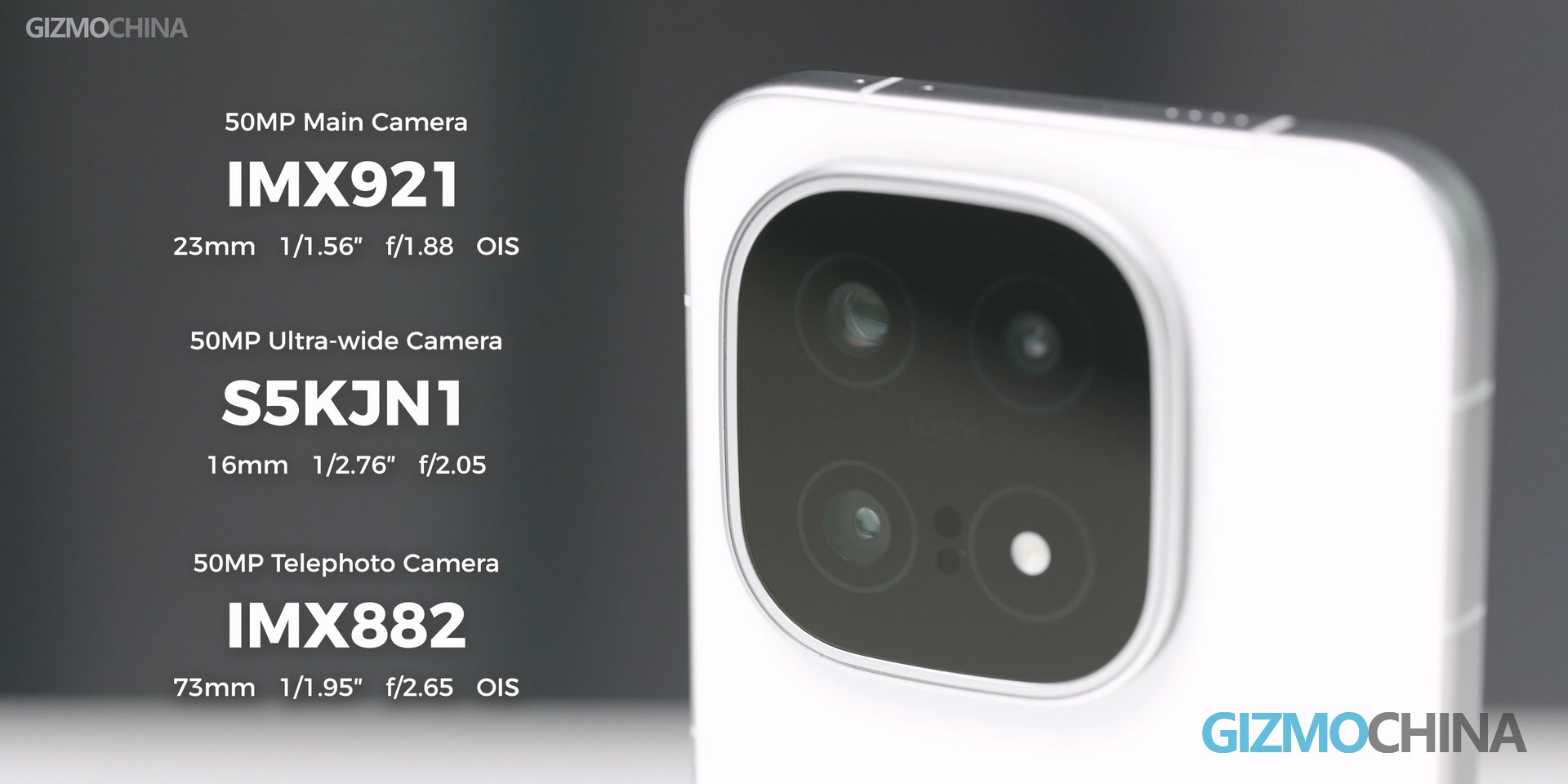
The clarity is great: every hair is captured clearly. Overall, I would rate this telephoto camera highly, but the minimum focusing distance is a bit long. If your subject is within one meter, the phone will switch to shooting with a crop from the main camera instead.

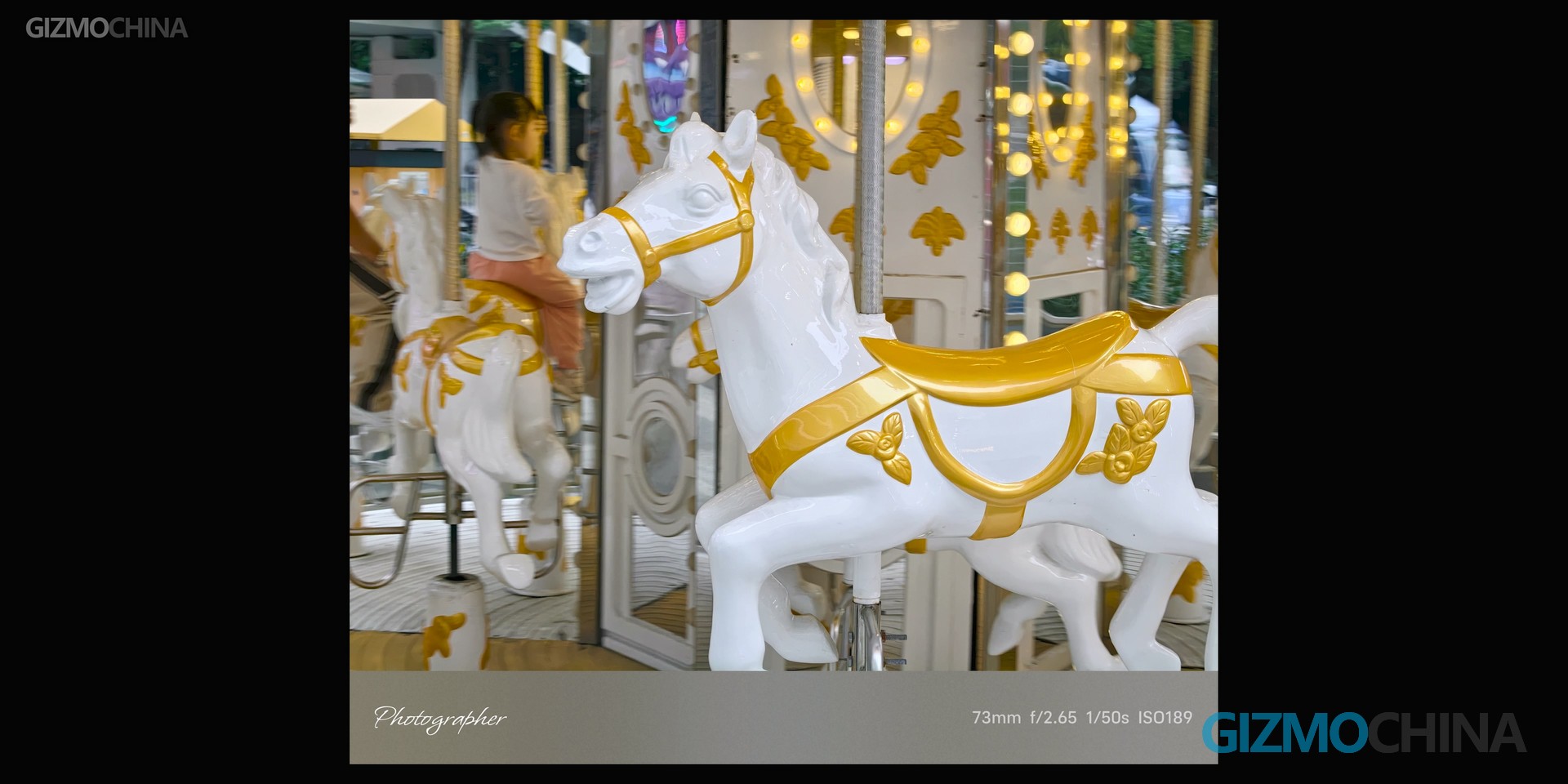
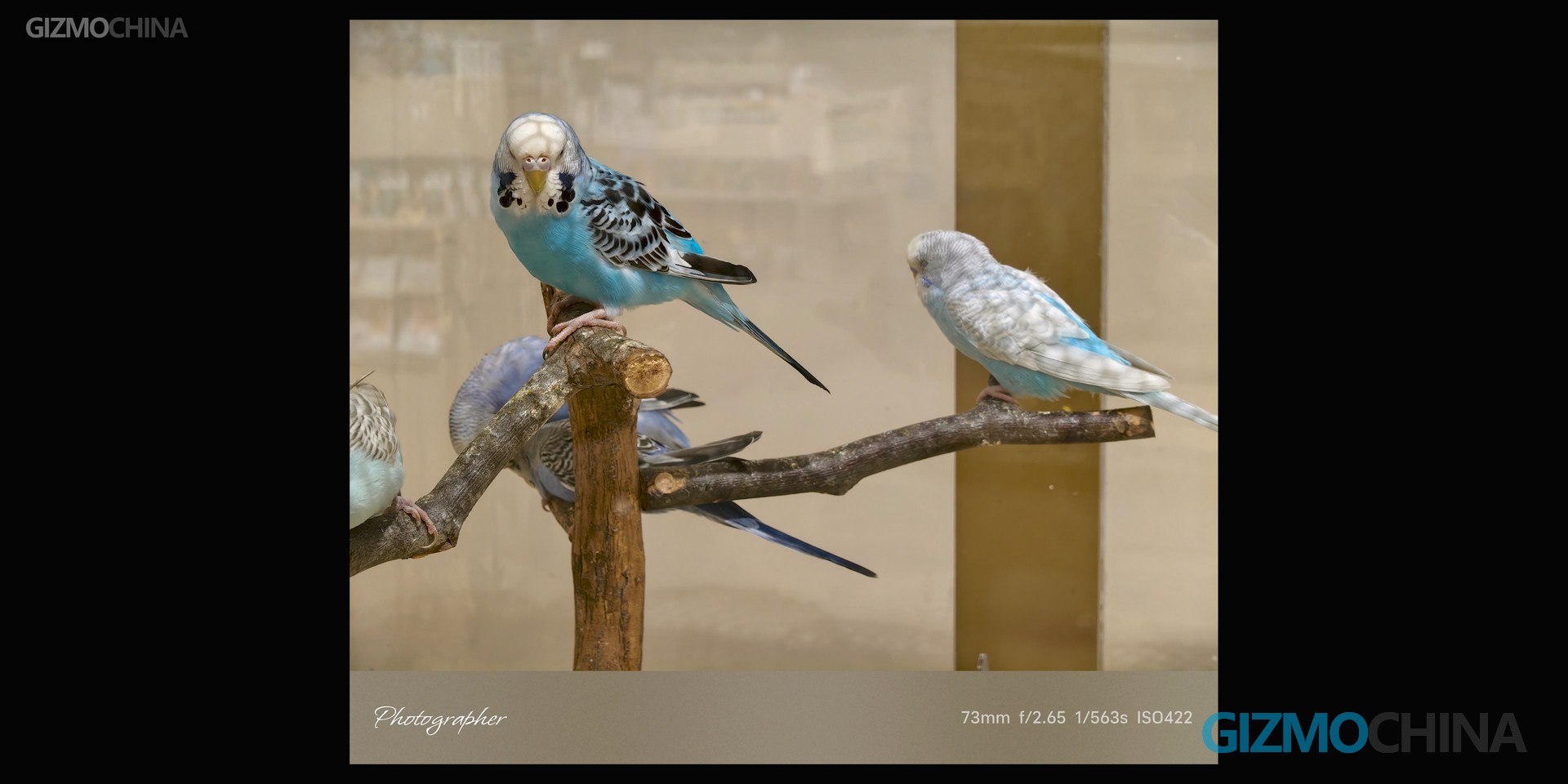

The main and ultra-wide cameras are the same as on the iQOO 13. The only thing I think needs adjustment is that the default Vivid mode tends to overexpose the image. I understand why—more exposure makes the image look more eye-catching—but sometimes it becomes too bright.
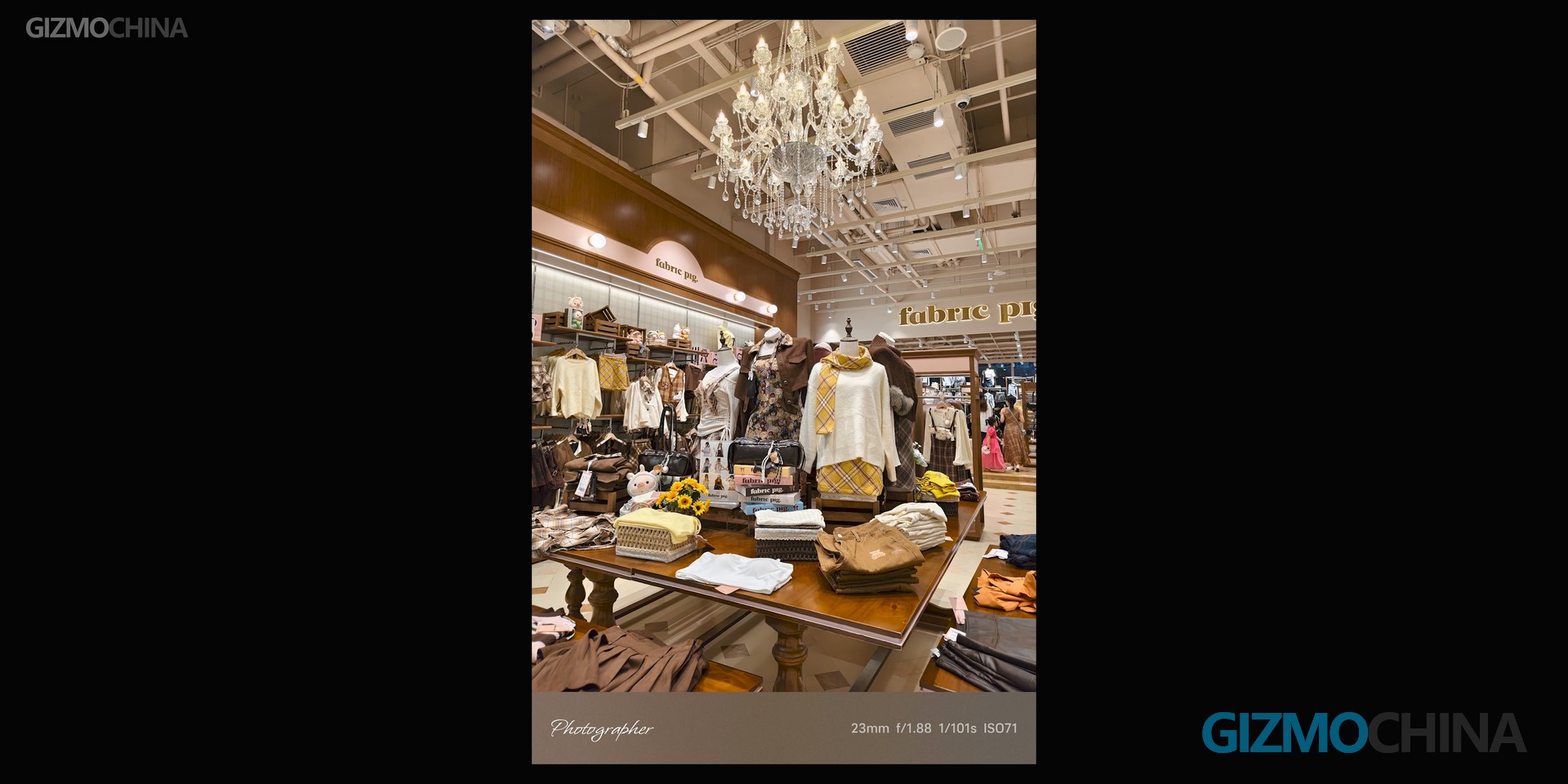
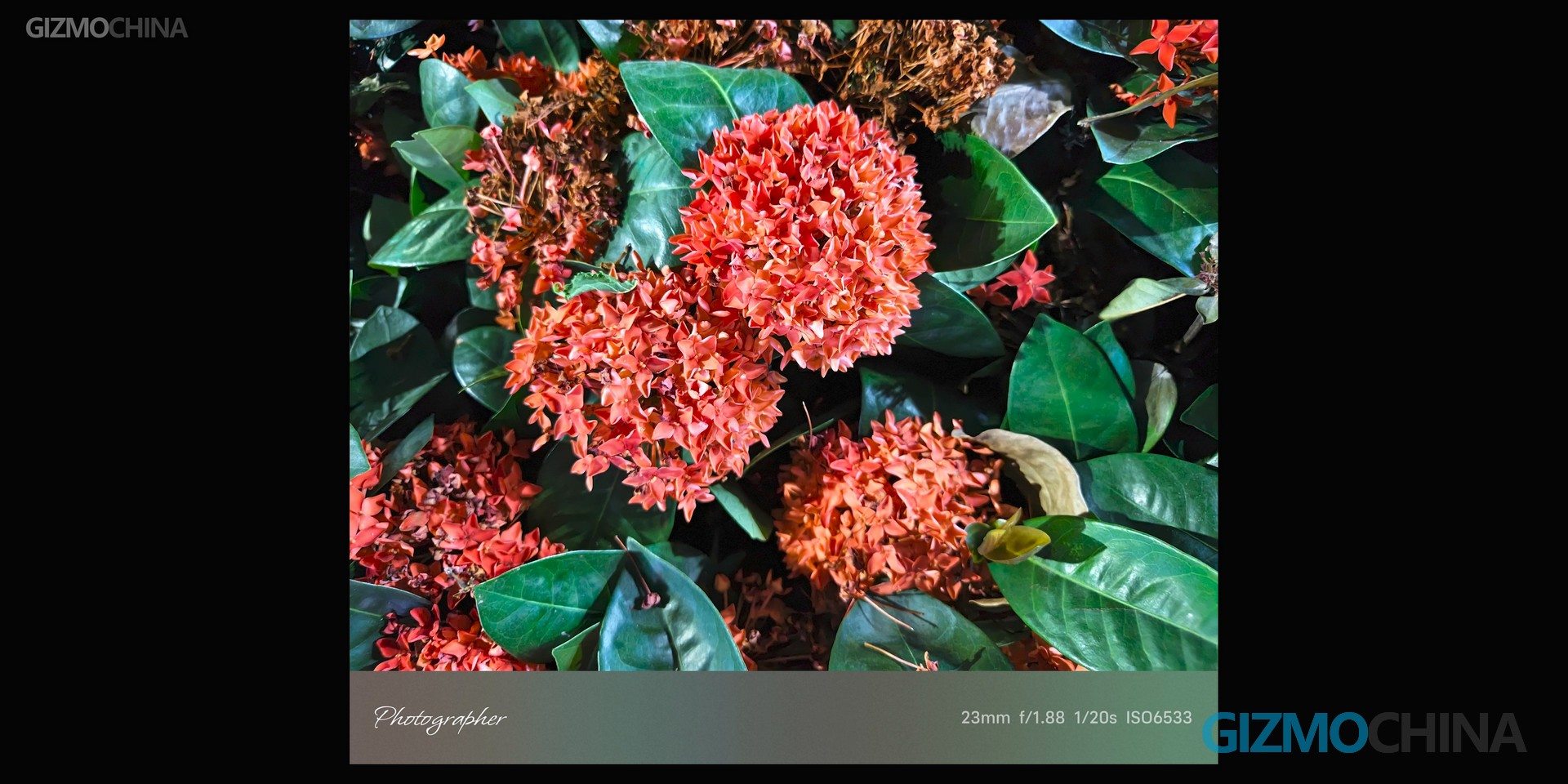

If you switch to the “Texture” mode, this issue is solved, and the photos look more cinematic. I recommend using that mode for everyday photography.
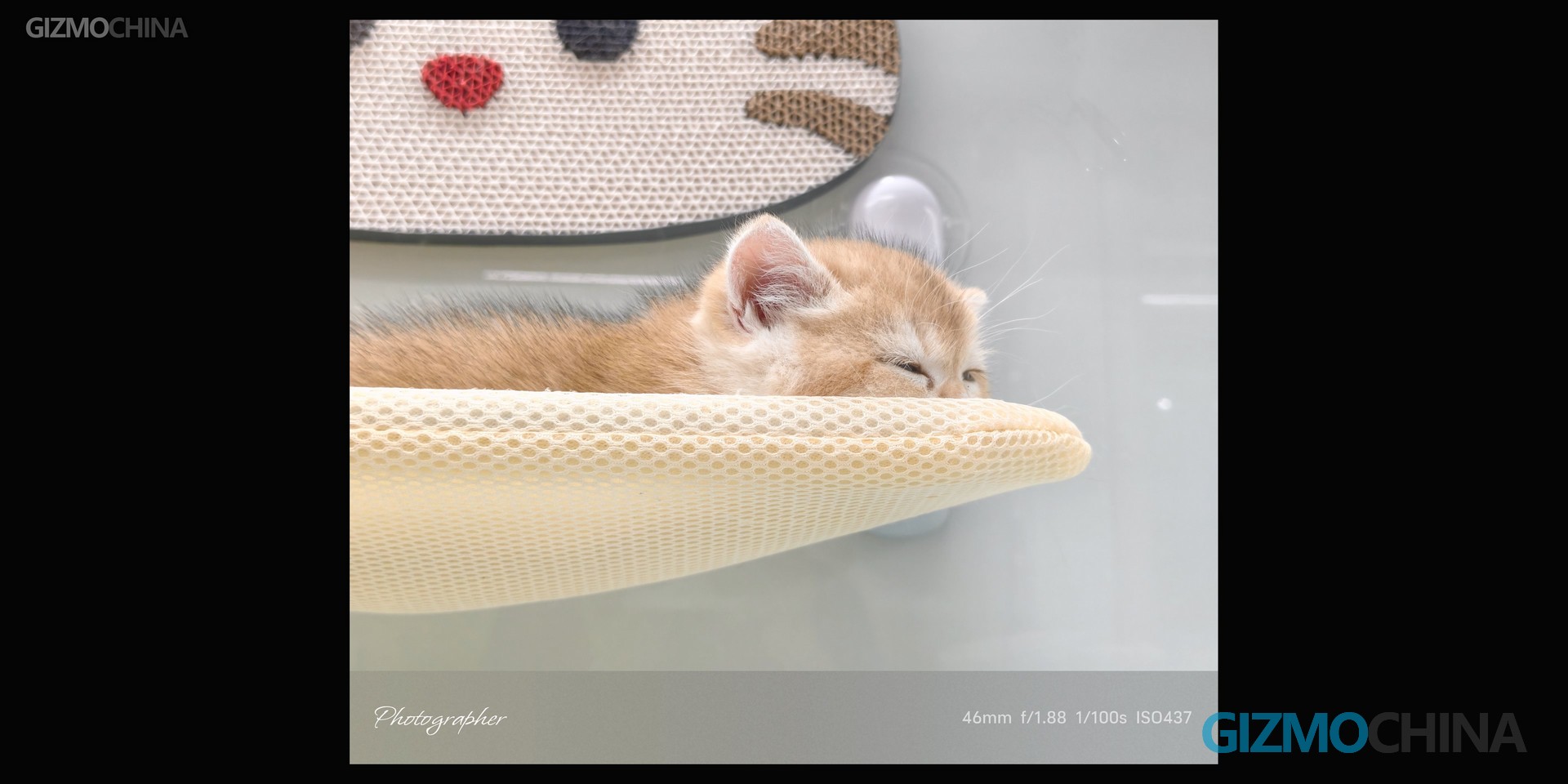

The front camera supports 4K 60fps recording, but the sensor is quite small, so even here indoors, you can already see a drop in image quality. The rear video recording performance is average. Compared to more expensive flagships, yes, it’s slightly weaker, but it’s still acceptable.
Battery
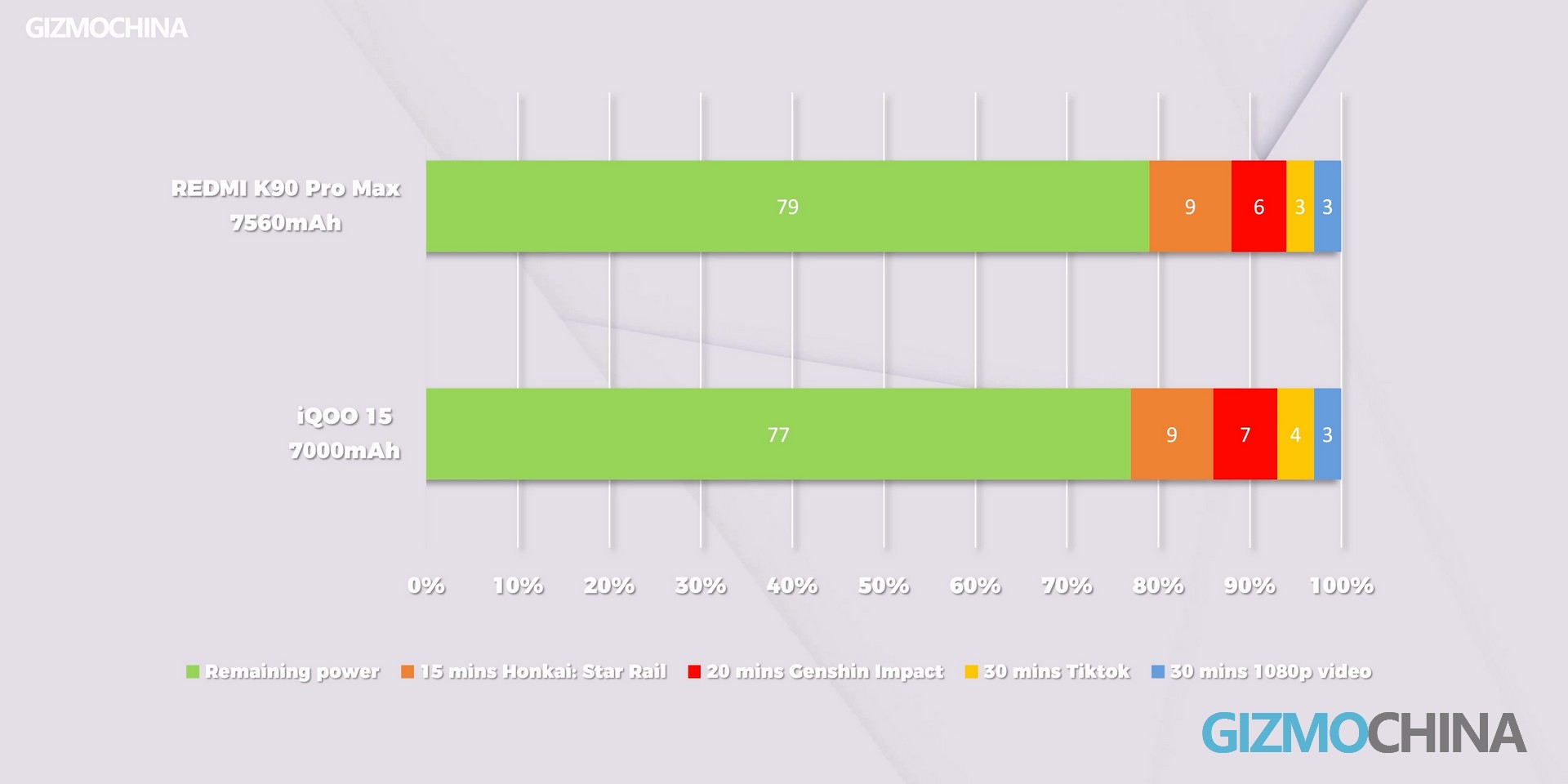
The iQOO 15 has a 7000mAh battery. Although that’s large, it’s not necessarily an advantage against competitors. However, despite the higher resolution display, the battery life is still competitive, and I’m satisfied.
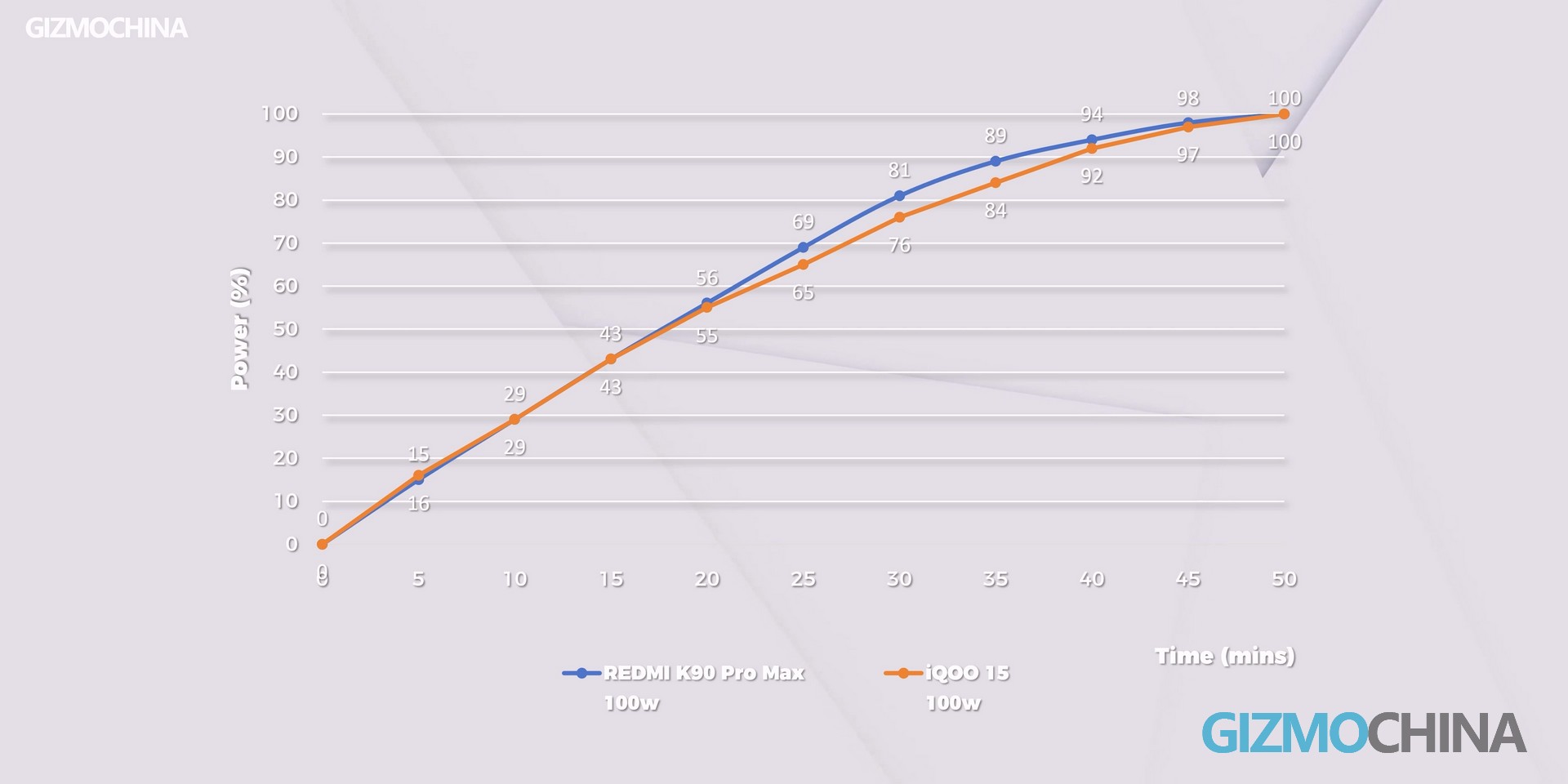
The wired charging is 100W. Whether in the first 20 minutes or the final charging phase, it performs almost exactly the same as the K90 Pro Max. But the wireless charging is only 40W, and third-party PPS chargers can only trigger 45W. The iQOO 15 is powerful enough, but in the charging category, Redmi and Xiaomi are still unbeatable.
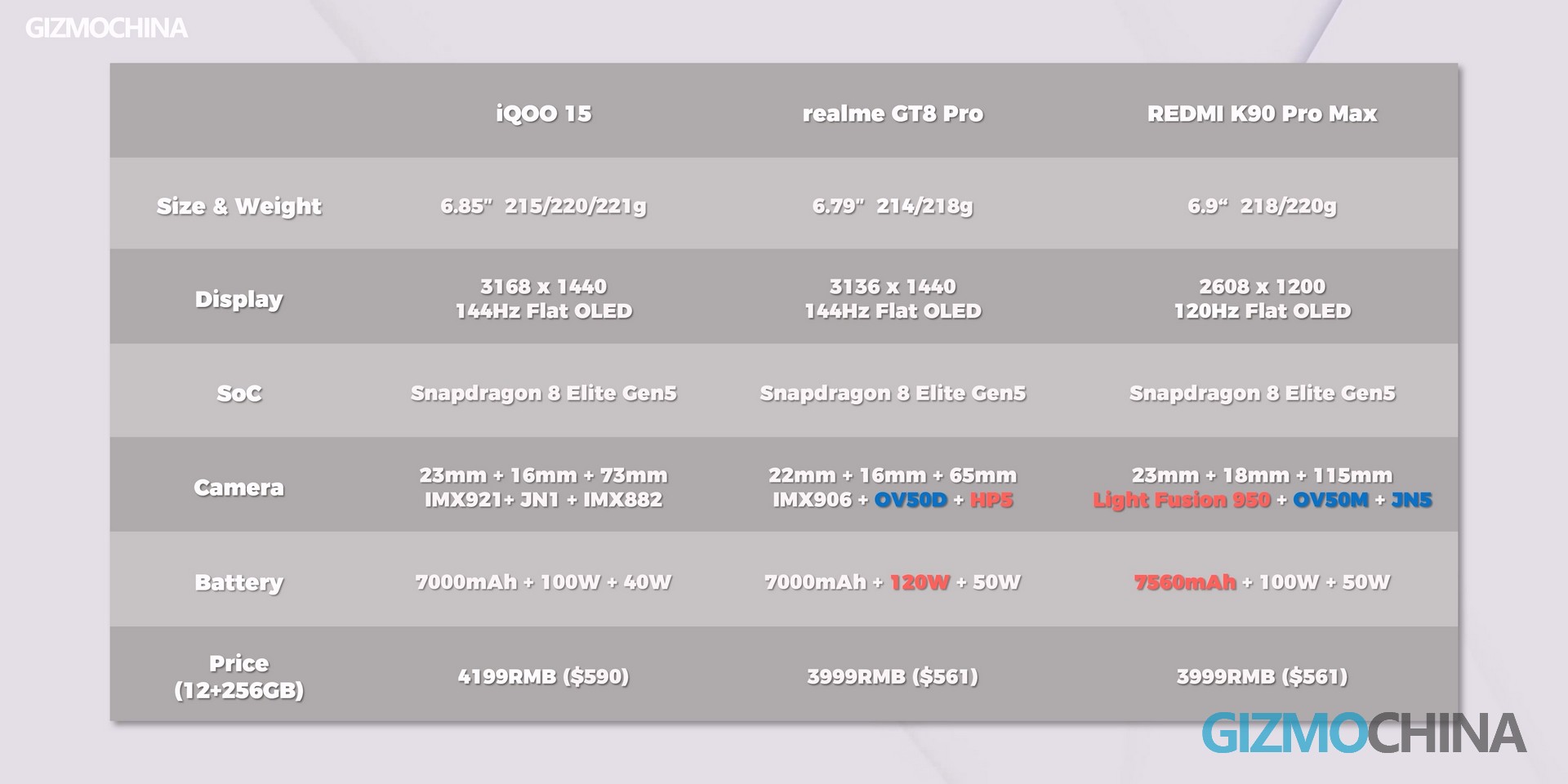
The iQOO 15 is very similar to OPPO’s Find X9 series. I’m not talking about the appearance, but about their overall design philosophy: to make a phone with as few weaknesses as possible. After finishing this review, I feel that the most balanced phone this year is the iQOO 15. Compared to the more expensive Find X9 series, even the pricing is balanced. And with a 2K 144Hz Samsung M14 display, it’s already more than enough.


Comments