
Add GIZMOCHINA as Preferred Source on Google
Samsung has led the global smartphone market for so long that it’s practically tradition. But if the latest forecast from Counterpoint Research plays out, that streak is ending — and sooner than you’d think.
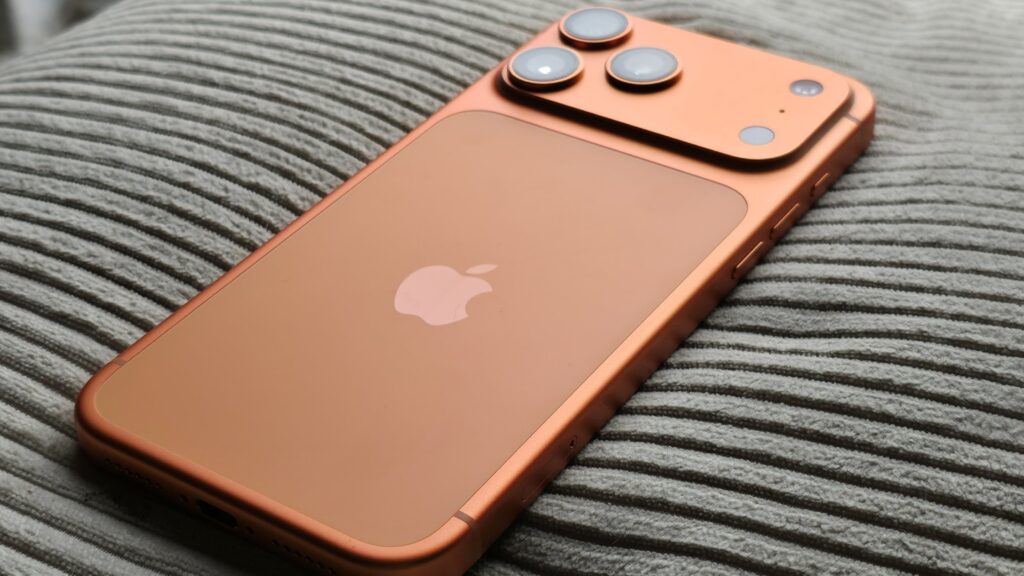
Counterpoint expects Apple to climb back to the No. 1 position by the end of this year, a title it hasn’t held since 2011. Overall smartphone shipments are only predicted to rise about 3.3% next year, yet Apple’s growth is projected to more than triple that pace at roughly 10%. That would give the company a 19.4% share of the global market — just enough to push Samsung into second place despite its own solid 4.6% growth.
And if Apple takes the crown, analysts don’t see it giving it up anytime soon. The projections suggest the company could stay out front through at least 2029.
A few major trends are working in Apple’s favor. The iPhone 17 line is performing strongly in key regions, including China — a market that has been notoriously difficult for Western brands recently. On top of that, we’ve hit a massive upgrade wave: smartphones bought during the pandemic are now aging out, driving millions to replace cracked screens and fading batteries.

There’s also the second-hand factor. From 2023 to mid-2025, roughly 358 million used iPhones traded hands globally. And once someone gets into the iPhone ecosystem, even through a refurbished device, they tend to stay there.
The road ahead looks just as aggressive. Apple is widely rumored to be preparing its first foldable iPhone for 2026 — a direct challenge to Samsung’s current dominance in the premium foldable market. A lower-cost iPhone 17e is reportedly on the way as well, potentially taking over the SE’s role or launching a new “Slim” family to court budget-minded shoppers. Then in 2027, Apple is expected to introduce a major design overhaul. If these forecasts prove accurate, next year could break Samsung’s reign.
Don’t miss a thing! Join our Telegram community for instant updates and grab our free daily newsletter for the best tech stories!
For more daily updates, please visit our News Section.
(Source: Counterpoint Research)



Comments