Add GIZMOCHINA as Preferred Source on Google
The launch of Samsung Galaxy Z TriFold marks a major shake up in the foldable phones segment in years. While a tri-folding device isn’t new, the Galaxy Z TriFold brings the unique design to the mass market across the globe. It brings impressive specs and features despite its form factor, but does that make it a clear upgrade over the familiar Samsung Galaxy Z Fold 7? Here’s a deeper look at how these two different foldables stack up against each other.
1. Display & Form Factor: More Screen, More Compromises
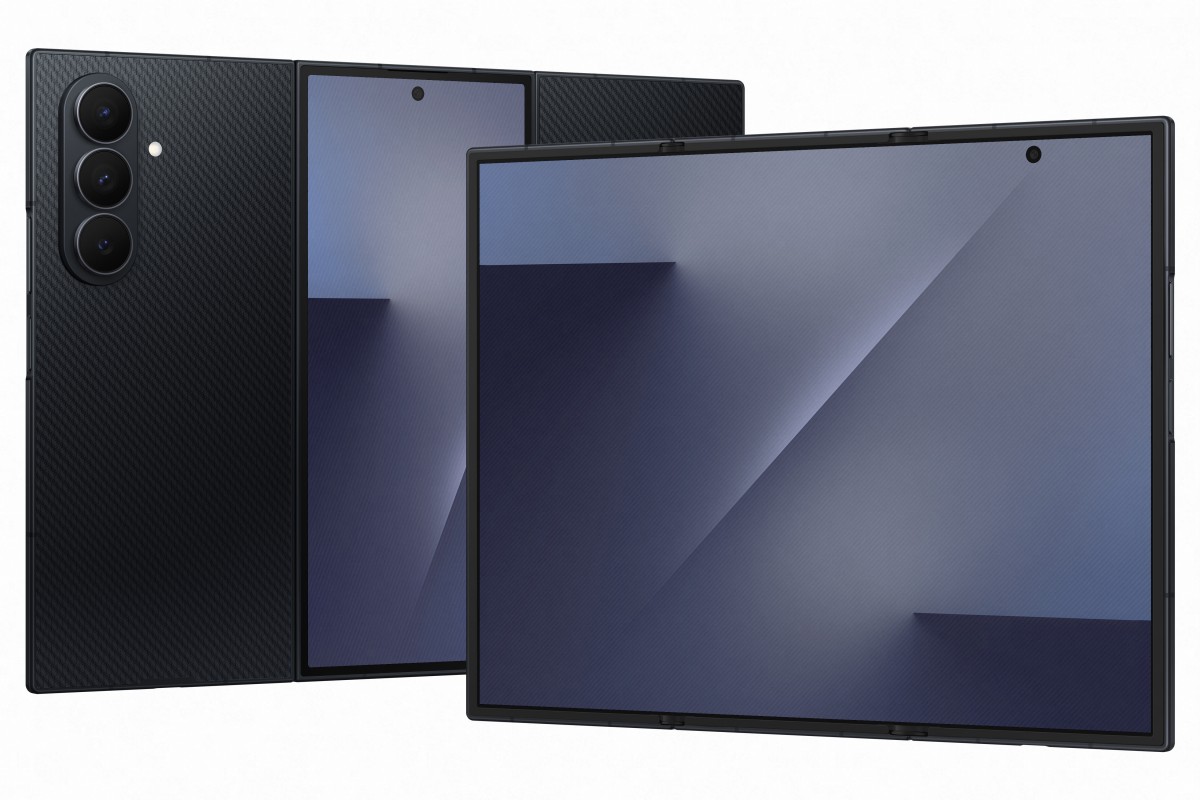
The biggest draw of the TriFold is its 10-inch Dynamic AMOLED 2X main display that folds inward twice. This basically gives users a tablet sized experience in a pocketable form. When completely folded, the device has a 6.5-inch cover display, similar to the Galaxy Z Fold 7. However, the latter only offers an 8-inch main screen.
While this is a smaller display compared to the Galaxy Z TriFold, the Z Fold 7 is the slimmest foldable phone in the market, and it is also no heavier than a typical premium smartphone. On the other hand, the Galaxy Z TriFold weighs a heavier 309 grams and measures 12.9mm thick as well. So the trade off is quite clear: the TriFold brings a true tablet experience with a 4:3 aspect ratio that is better suited for multitasking, media consumption, and other tasks, but that comes at the cost of a bulkier and heavier phone.
2. Battery, Hardware & Performance
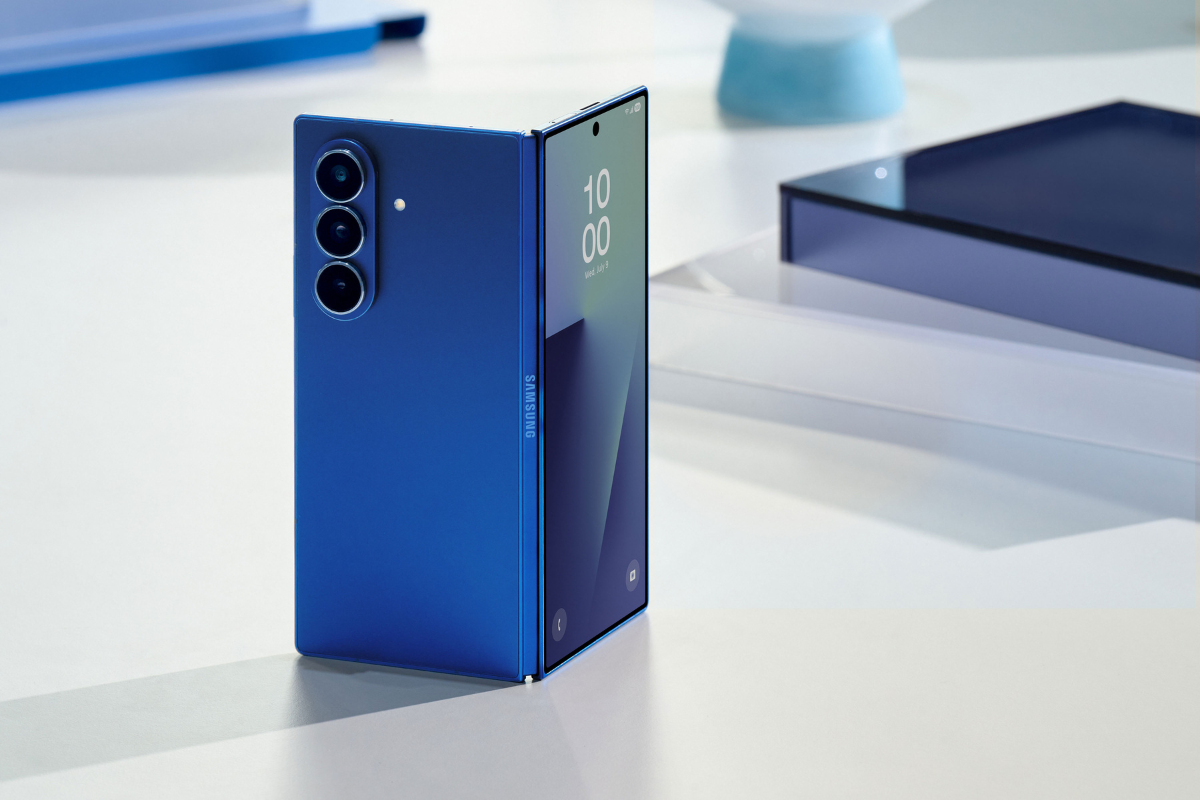
One of the biggest weaknesses of Samsung’s foldable phones was the battery life. Owing to the slim size and older battery Li-Po battery tech, the Galaxy Z Fold 7 houses a small 4,400mAh battery pack. Even the charging rate is mediocre, with 25W wired charging speeds and 15W wireless charging support.
On the other hand, TriFold is powered by a much larger 5600mAh three-cell battery. This larger phone also gets faster 45W wired fast charging and 15W wireless charging speeds. In other words, the TriFold is better equipped for heavier workloads like multitasking, creative apps, media editing, and even gaming.
The larger screen does consume more battery, and the second hinge adds another point of risk for the design. In comparison, the Galaxy Z Fold 7 is easier to carry and has been touted as one of the best foldable phones by many. Being lighter and relatively simpler, the Z Fold 7 is easier to carry around as a “normal” device. Since both models feature Snapdragon 8 Elite, you’re getting a similar flagship level performance on these devices.
3. Use Case & Features
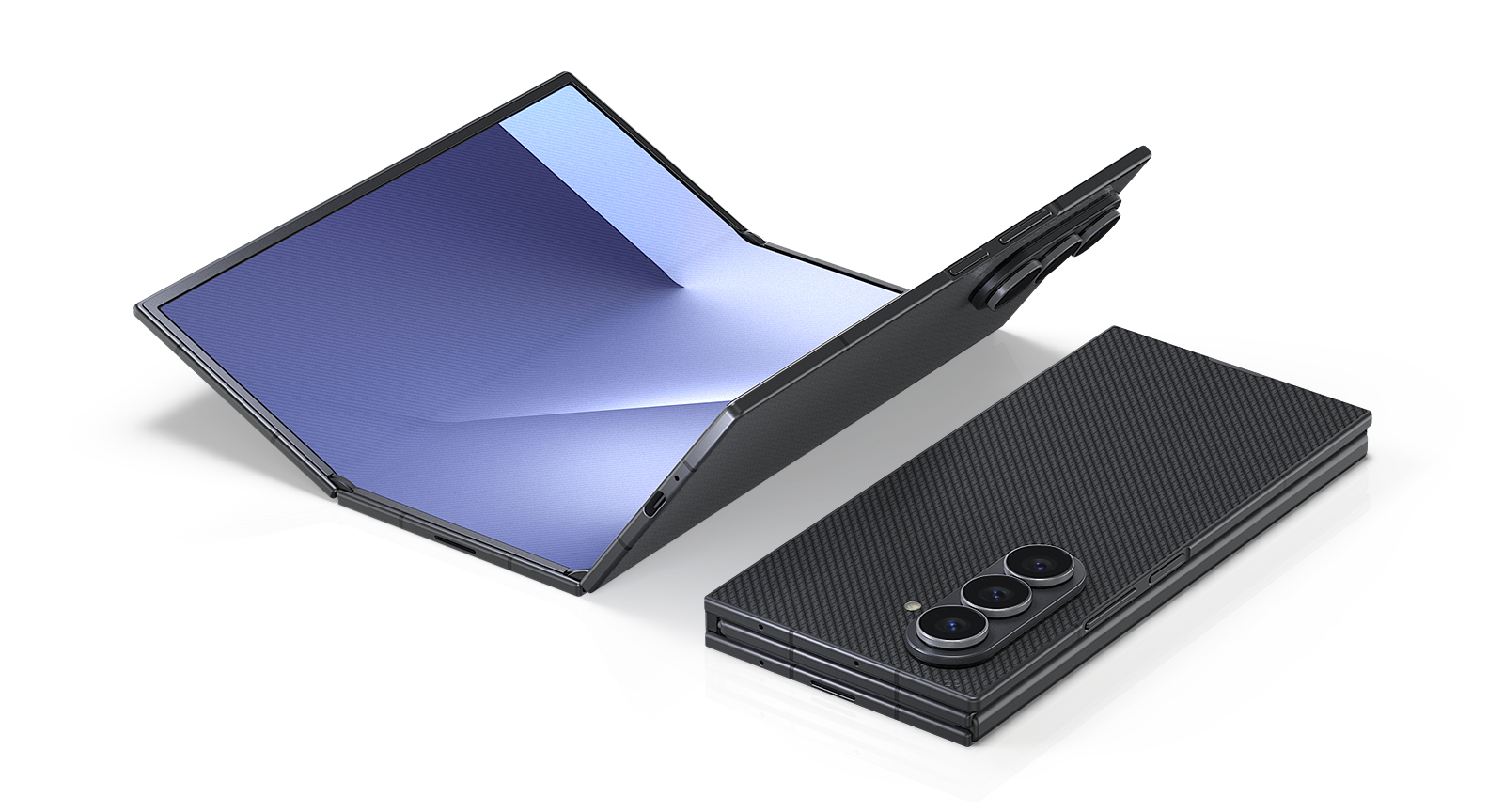
TriFold really shines if you treat your phone like a mini-tablet or pocket-PC. With its large screen, you can run multiple apps in parallel, use built-in DeX for a desktop-style experience without an external monitor, or split the display for work and entertainment. But it isn’t perfect. According to early reports, TriFold doesn’t offer “Flex Mode”, which is a staple for Fold/Split-format foldables that lets certain apps adjust UI dynamically when partially folded. This means some flexibility and convenience in casual folds are lost.
4. Downsides: Price, Durability & Practicality
The TriFold carries a premium price and complexity. Both hinges, three display panels, and extra weight add complexity in handling and increase the risk of damage. Some early impressions have also flagged concerns about the inner screen’s fragility under repeated folds. Also, while the large screen is enticing, it might be overkill if you rarely need tablet-level tasks. For many users, a lighter foldable or even a slab phone + tablet might still be more practical and cost-effective.
For more daily updates, please visit our News Section.
Don’t miss a thing! Join our Telegram community for instant updates and grab our free daily newsletter for the best tech stories!