Add GIZMOCHINA as Preferred Source on Google
In late 2025, the global electric vehicle market has shifted in favor of Chinese manufacturers. They now account for 43% of global EV sales, with eight of the top ten best-selling EV models coming from China. These brands are moving faster, integrating vertically, and treating cars as digital products rather than mechanical ones.
1. BYD
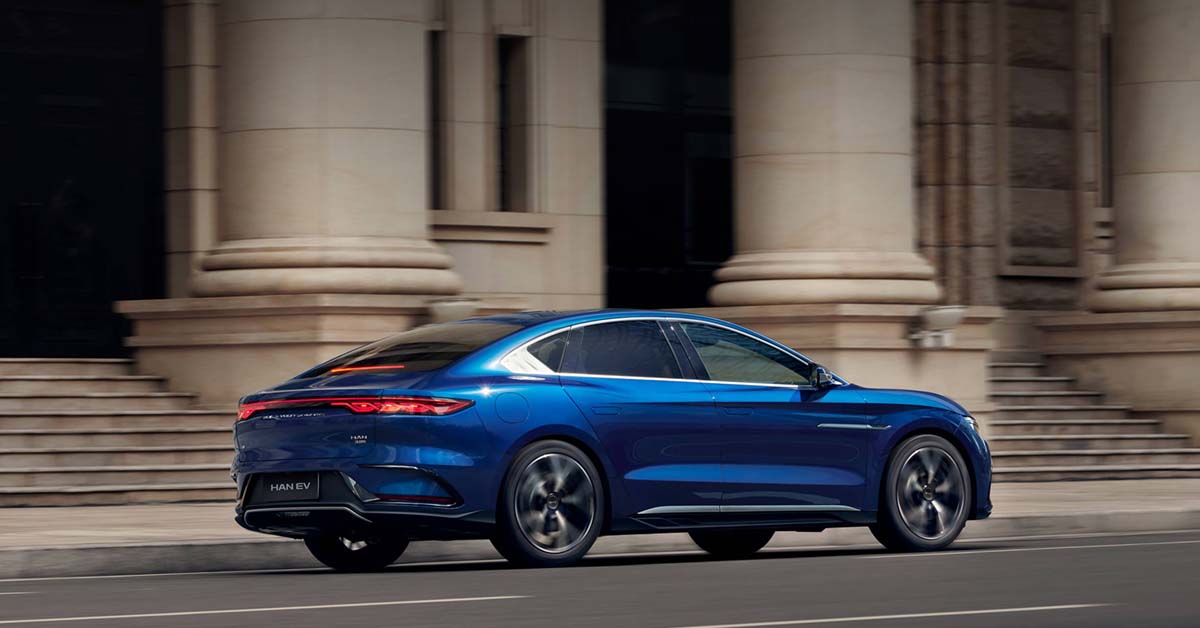
BYD is currently the world’s largest EV maker by volume. It builds its own batteries, motors, and chips, including its signature Blade Battery. This approach has allowed the company to lower costs and reduce reliance on external suppliers. Models like the Seagull continue to undercut global rivals on pricing, while still offering competitive range and features.
In 2025, BYD expanded production into Hungary and Brazil to avoid import tariffs and meet rising demand. The company also pushed into the premium space with its Yangwang sub-brand, which now competes directly with established luxury automakers.
Additionally, the company is all set to launch the Seal 08 and Sealion 08 in Q1 2026, targeting the premium segment with its next-generation Ocean Aesthetic 2.0 design language.
2. Xiaomi
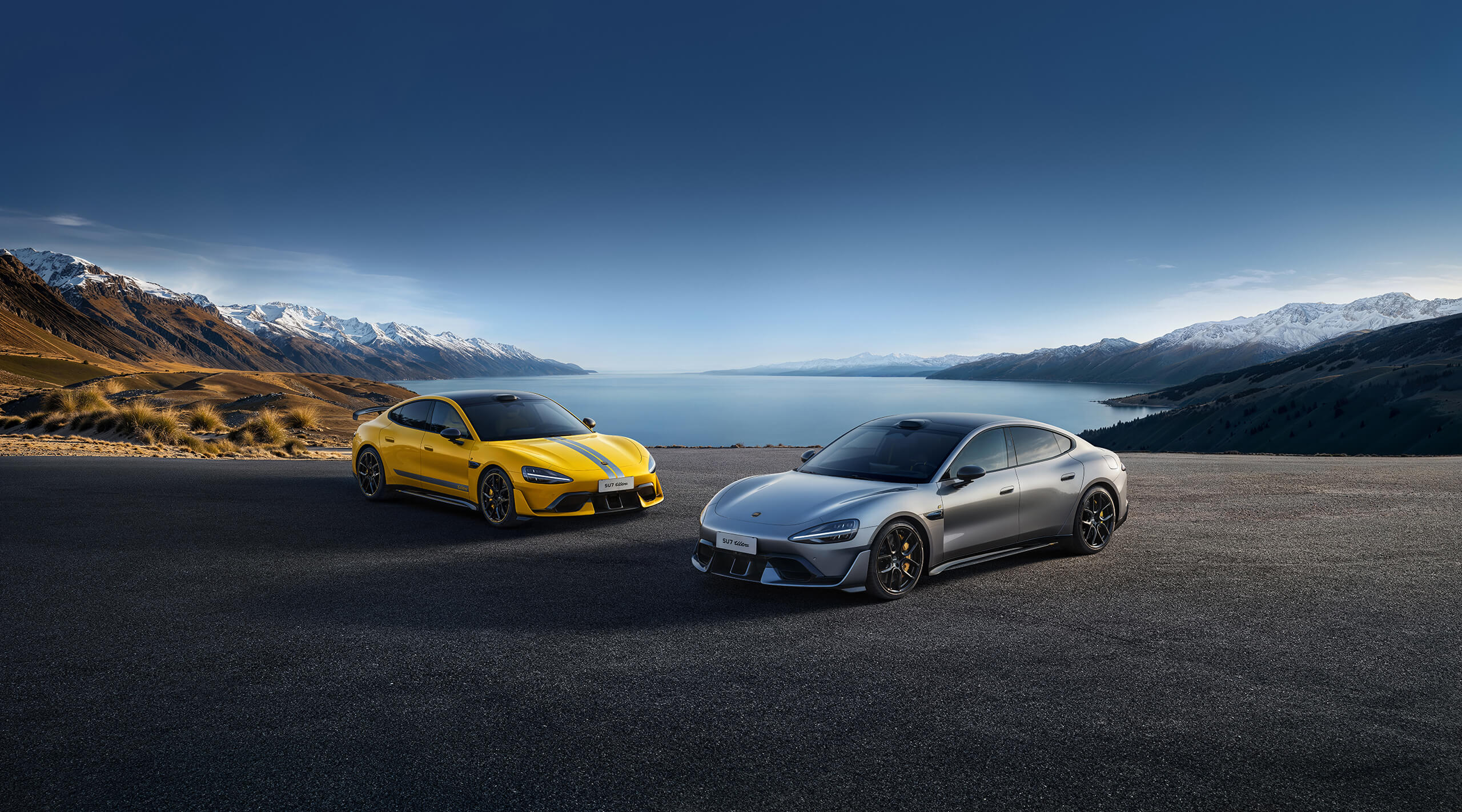
Xiaomi entered the EV market with the SU7 sedan and quickly scaled to over 200k units in less than a year. The vehicle runs on HyperOS, which connects seamlessly with Xiaomi’s smartphones and smart home devices. This integration has attracted a younger, tech-savvy audience that values digital experiences.
In mid-2025, Xiaomi launched the YU7 SUV. It introduced a 900V electrical system and a zero-gravity seat design. The company ramped up production to more than 40,000 vehicles per month, a rate most legacy brands have not achieved in their early years.
3. NIO
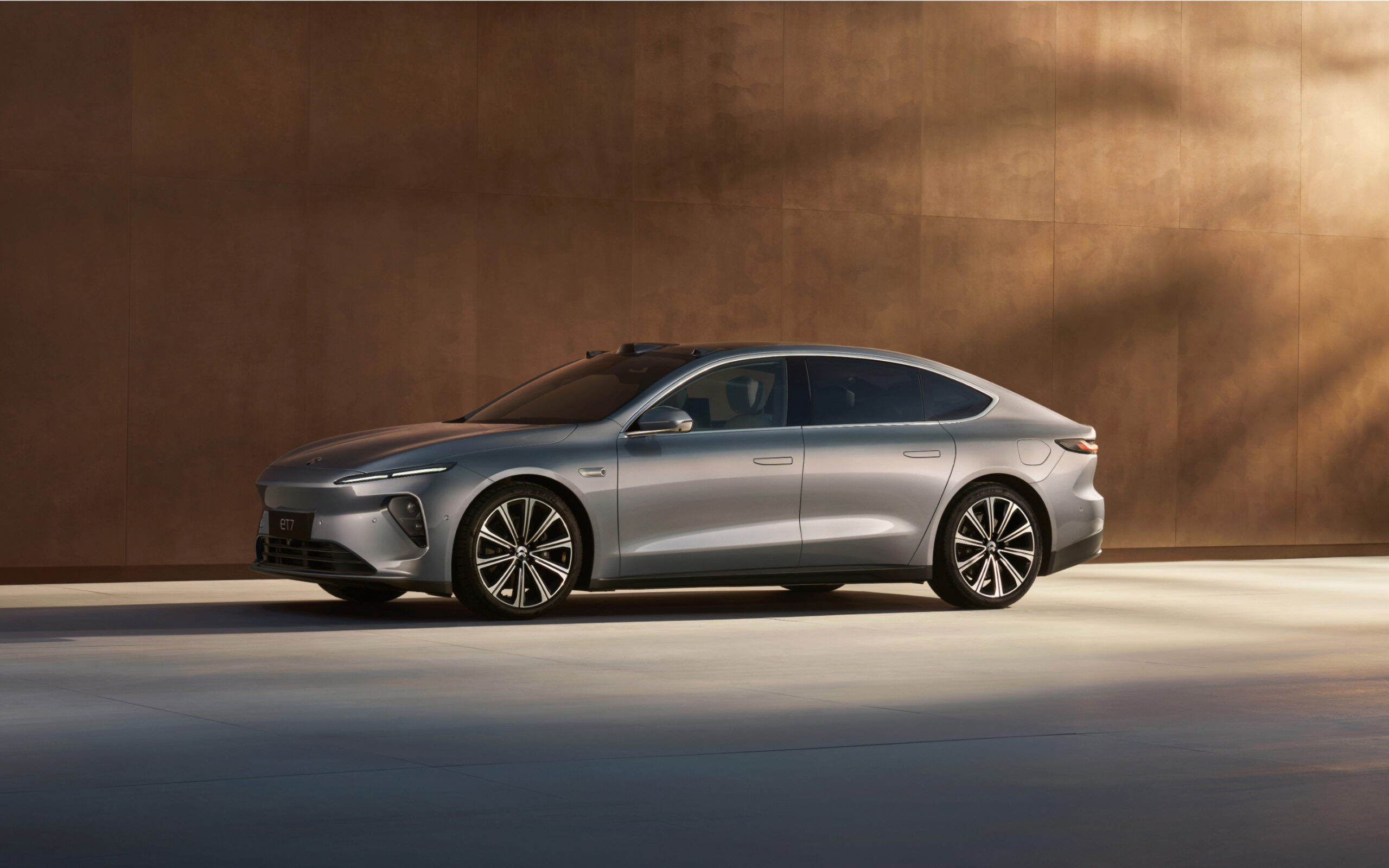
NIO is solving one of the most persistent EV challenges: charging time. Its global battery swap network now includes over 4,000 stations. Each swap takes under three minutes and removes the need to plug in.
NIO expanded its lineup in 2025 by introducing two new sub-brands. Onvo targets family buyers, while Firefly caters to the European market with compact luxury vehicles. The brand has opened new locations in the Netherlands and Norway and plans to enter the UK, Belgium, and Luxembourg in early 2026.
4. Geely
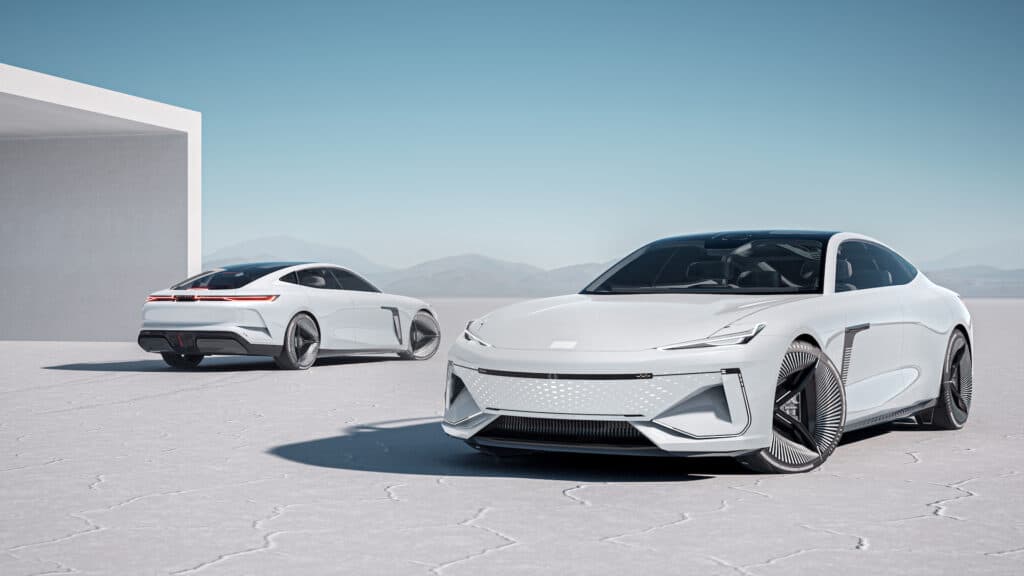
Geely owns brands like Volvo, Polestar, and Lotus. It has used this global footprint to launch its own premium EVs under the Zeekr brand. The Zeekr 001 received a major update in late 2025, including a 900V platform and ultra-fast charging speeds using Geely’s new Golden Brick battery. The vehicle can charge from 10% to 80% in about 7 minutes.
Geely’s SEA (Sustainable Experience Architecture) platform allows it to build a wide range of EVs across multiple brands. This structure supports rapid development and reduces costs, giving Geely a clear advantage in scaling its EV efforts.
5. XPeng
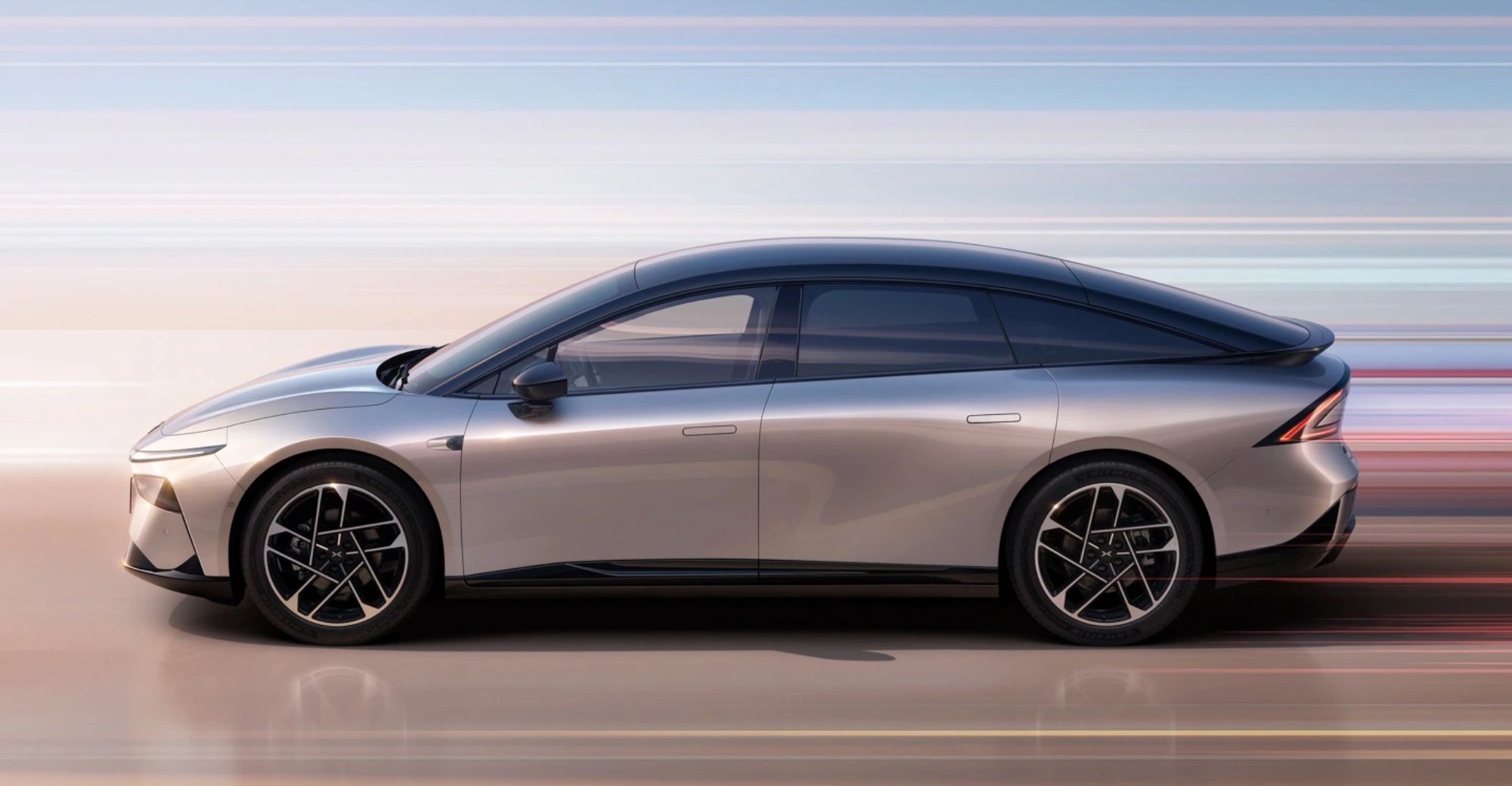
XPeng has solidified its position as the leader in AI-centric mobility. Its 2025 lineup shifted fully to “AI-defined” vehicles, including the vision-based P7+ and the X9 MPV with adaptive AI suspension. The Mona M03 became a best-seller by offering advanced driver-assist tech for under $20,000, and a Mona SUV is set to arrive in early 2026 to challenge the Tesla Model Y.
The company’s partnership with Volkswagen brought major scale advantages, culminating in the VW ID. UNYX 07, powered entirely by XPeng’s software and its in-house Turing AI chip. XPeng also secured Level 3 autonomous driving permits in China and saw its Net Promoter Score top Germany’s rankings. With expansion into the UK, Australia, and South Korea, XPeng is positioning itself as the most advanced AI-first carmaker in the world.
6. What the West Is Getting Wrong
Chinese EV companies move quickly. Their development cycles average 18 to 24 months. Most Western automakers still take 4 to 6 years to bring new models to market. Chinese firms build much of their own supply chains, while Western brands depend on Tier-1 suppliers. The focus in China is on software, user experience, and in-car AI. In contrast, many global brands still prioritize traditional metrics like paint quality and ride feel.
High tariffs in the US and EU have slowed some exports, but Chinese automakers are adapting. BYD and Geely have set up production hubs overseas. Others are increasing their plug-in hybrid offerings to remain competitive while EV policies remain unclear.
For more daily updates, please visit our News Section.
Stay ahead in tech! Join our Telegram community and sign up for our daily newsletter of top stories! 💡