
Add GIZMOCHINA as Preferred Source on Google
GUANGZHOU, China — Held in Guangzhou from December 11, the 2025 Global Technology Innovation Conference (TIC) served as the flagship stage for the company to unveil its latest advancements in integrated technology. The event centered on the core theme of “AI for Real,” showcasing how artificial intelligence is being woven into every layer of TCL’s ecosystem—from consumer-facing smart products and immersive user experiences to the very backbone of its sophisticated manufacturing processes.
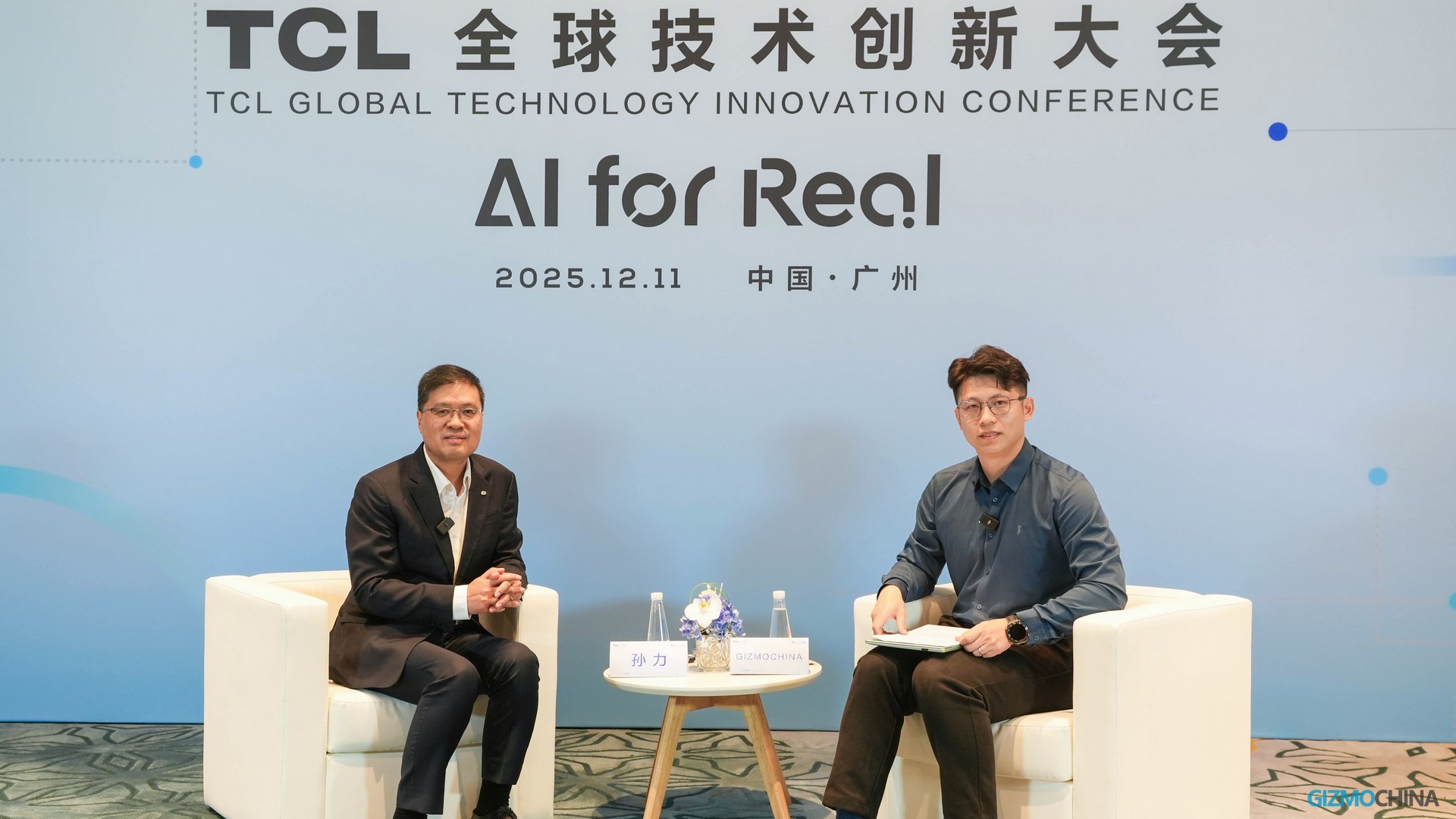
At the conference, a clear message emerged from one of the world’s largest consumer electronics makers: artificial intelligence is not just a buzzword—it’s a tool for tangible, vertical integration. In an exclusive interview with Gizmochina, Daniel Sun, CTO of TCL Industries, shed light on how the company is weaving AI into everything from TVs and air conditioners to its own advanced display factories, all while staying grounded in what he calls “experience-first” technology.
Beyond the Hype: AI as an Enabler, Not a Magic Wand
Sun began by addressing widespread misconceptions about AI. “For consumers, intelligence might mean using an app to turn off an air conditioner remotely,” he said. “For engineers, that’s simply Wi‑Fi, apps, and cloud services.” This gap, he argues, is where many tech companies lose sight of the real goal: delivering meaningful experiences rather than chasing the latest model for its own sake.
He emphasized that not every product needs—or can run—a large language model (LLM). “Many problems can be solved with small models,” Sun explained, pointing to quality inspection in TCL CSOT’s display manufacturing. “Using an AI device with a camera to inspect panel circuits is like an airport X-ray scan. It used to be manual; now it’s fully automated—and it doesn’t require an LLM.”
Why TCL CSOT Built Its Own AI: The X-Intelligence 3.0 Story
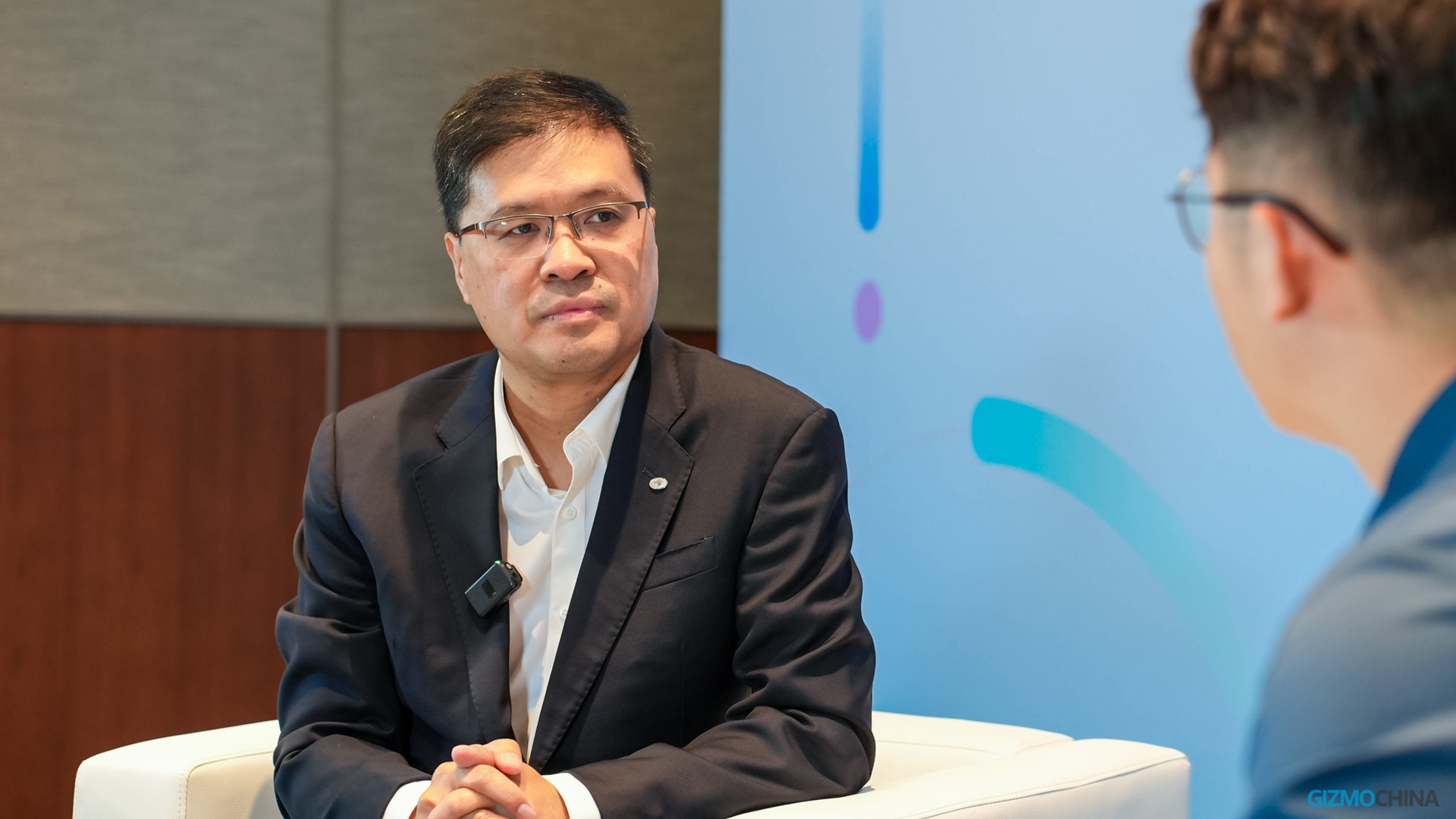
When asked about TCL CSOT’s homegrown AI system, X-Intelligence 3.0, Sun outlined two core motivations. First, public LLMs lack deep, proprietary knowledge. “We attached our specialized display materials data to the world’s best LLMs, and the results were surprisingly poor,” he said. “The model simply wasn’t pretrained on this domain.” In other words, they couldn’t comprehend highly specialized, cutting-edge knowledge.
Instead of building from scratch, TCL CSOT leverages its vast internal knowledge—accumulated over years of R&D and billions in investment—into existing high-performance architectures through fine-tuning and reinforcement learning. “We leverage the best open models and enhance them with our private expertise,” Sun noted, citing cooperative and open‑source advances, including those inspired by frameworks like DeepSeek.
The second driver is organizational efficiency. Sun pointed out that in corporations with thousands of employees, decision-making processes tend to decelerate. He emphasized that while AI cannot instantly replicate human agility, it serves as a powerful accelerator in domains such as operational analysis, process optimization, and high-value task automation — a view supported by its growing role in enhancing enterprise workflow efficiency.
From Living Rooms to Factories: AI in Action
On the product side, TCL is taking an open‑ecosystem approach. In the U.S., TCL TVs now integrate Google’s Gemini, enabling voice-activated content discovery, educational YouTube browsing, and smart‑home control. In China, the company uses cloud-based LLMs—quantized and cost-optimized—to power natural language TV interfaces for under a dollar per device per year.
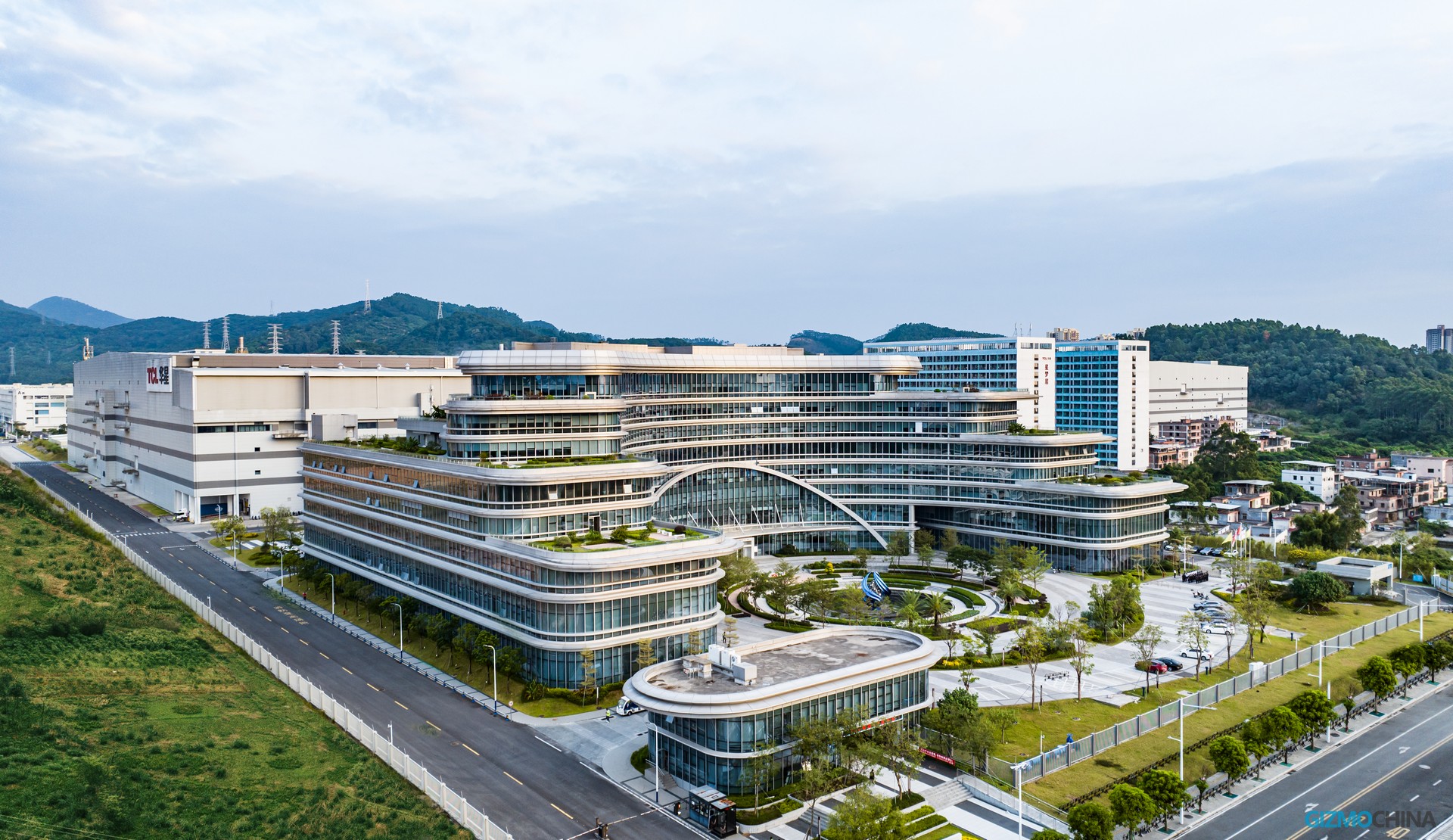
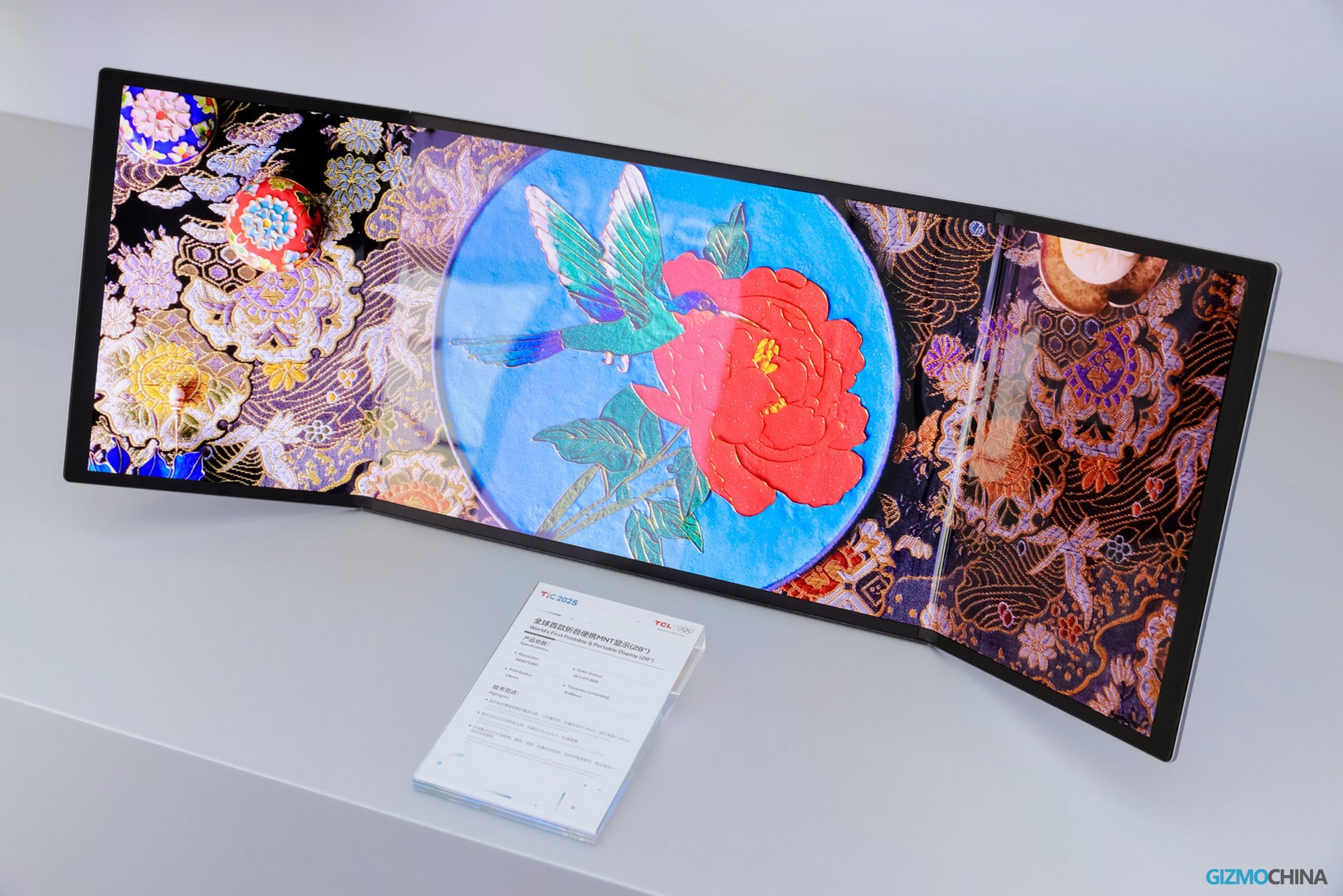
But AI isn’t just for the end user. In manufacturing, LLMs and small models work in tandem. At the TCL CSOT Guangzhou t9 factory, which Gizmochina toured on December 11, AI assists in everything from panel defect detection to production scheduling. The t9 line—the world’s only large-generation line compatible with LCD, Micro LED, and inkjet-printed OLED—relies on AI to maintain precision across its 180,000 glass substrates monthly capacity. Capable of producing 6- to 100-inch panels, the t9 line enables applications spanning smartphones, tablets, notebooks, vehicle displays, monitors, TVs, and large-format commercial screens.
The Hidden AI Star: Energy‑Saving and New Product Horizons
Beyond TVs, TCL’s application of small models has delivered measurable gains in areas such as air conditioning. The company’s compressors now leverage real-time optimization algorithms that significantly reduce energy consumption—reportedly by up to 40% in initial operating hours, with sustained savings exceeding 18% thereafter. This advancement not only lowers household costs but also supports broader environmental, social, and governance (ESG) objectives, reflecting a tangible example of AI-driven efficiency in mature product categories.
TCL has also begun channeling AI into entirely new product segments. Two notable directions in its roadmap include AR glasses—deeply integrated with large language model interactions—and a future generation of household robots designed as companion-oriented devices. These efforts signal a strategic move beyond incremental product enhancements toward what the company describes as “AI-native, AI-rich” innovations, where artificial intelligence fundamentally defines the user experience and product functionality.
Globally, TCL works closely with silicon and platform partners to enable on-device AI where possible—and falls back to cloud‑edge collaboration when needed. “Local computing is limited,” Sun acknowledged. “That’s why a hybrid architecture is essential for bringing advanced AI to everyday devices at a feasible cost.”
AI with Purpose
Throughout the interview and the factory visit, one theme remained constant: TCL’s AI strategy is deliberately vertical, practical, and consumer-centric. Rather than joining the race to build the largest foundation model, the company is focused on injecting its deep industrial knowledge into adaptable AI systems—systems that enhance today’s products, optimize its factories, and quietly enable the next generation of smart living.
As Daniel Sun put it: “The anchor should never be pursuing technology for its own sake. It must always return to consumers and customers—that’s where the real focus should be.”
For TCL, that focus is already showing—in quieter air conditioners, sharper displays, and smarter factories that together form a blueprint for AI done right.
Gizmochina attended TIC 2025 as an invited media partner. Special thanks to TCL for facilitating the interview and factory tour.

Comments