Add GIZMOCHINA as Preferred Source on Google
Smartphones in 2025 aren’t just about camera counts or silicon speeds. They’re about intelligence, fluidity, and seamless integration. The top Android skins of the year have evolved into intelligent platforms that personalize, predict, and adapt.
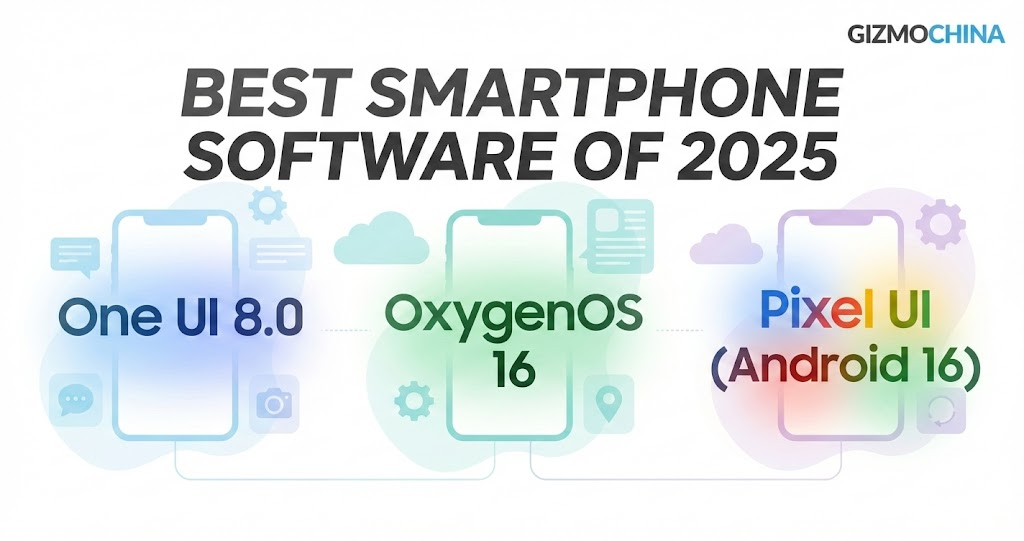
Three software experiences stand out: One UI 8, OxygenOS 16, and Pixel UI on Android 16. Each one reflects a different vision of what the future of mobile software looks like.
1. One UI 8
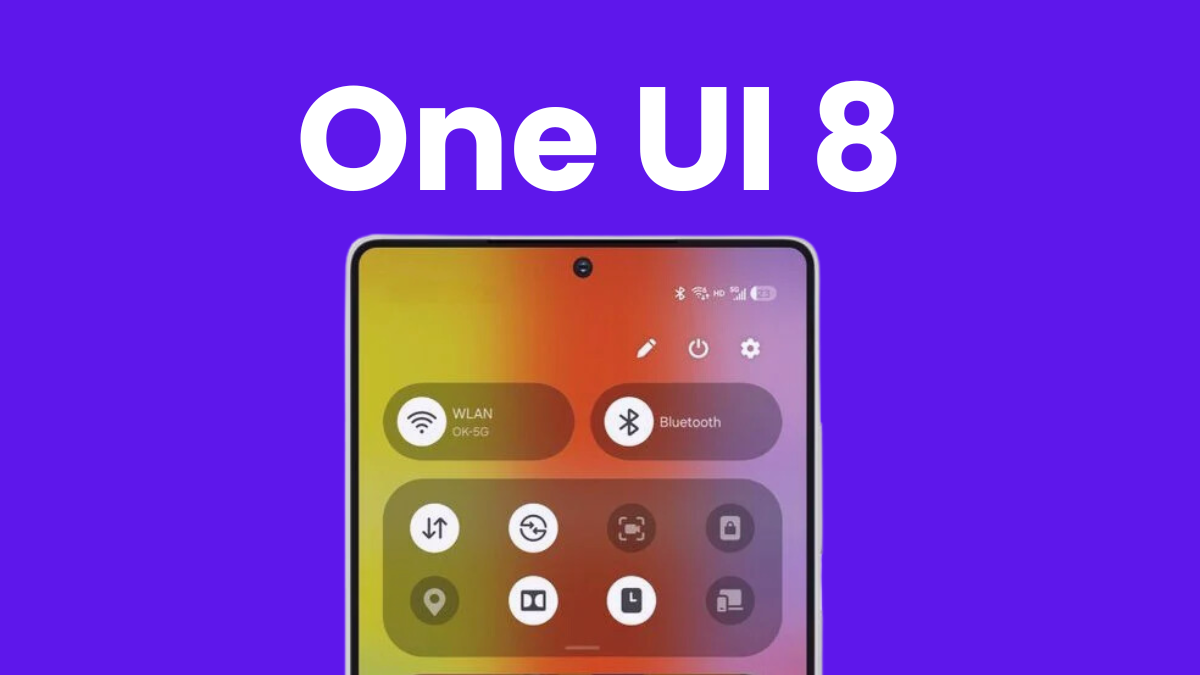
Samsung’s One UI 8 didn’t arrive with a visual overhaul, but that was never the point. Instead, it focused on making smartphones genuinely smarter. Powered by multimodal AI, One UI 8 combines visual, auditory, and contextual intelligence to understand what you’re doing and respond accordingly. Features like Gemini Live (now available even on the Flip’s cover screen) let users interact with AI that sees what they see in real time.
The new Circle to Search can fetch in-game help or object info with a simple gesture, and AI Results View keeps your screen clutter-free while you multitask. Tools like Audio Eraser, Call Captions, and Portrait Studio show how AI can clean audio, translate calls, and generate pet portraits all on-device.
But One UI 8 doesn’t stop at intelligence. Animations are smoother, layouts adjust fluidly between phones and tablets, and Quick Share and Reminder apps get smarter. The security upgrades are equally impressive, with Knox Keep, Knox Matrix, and post-quantum cryptography support.
Even better, the One UI 8.5 beta adds deep creative tools like Photo Assist with edit history, Auracast-powered Audio Broadcast, and theft-protection locks. Samsung’s ecosystem feels more connected and secure than ever.
2. OxygenOS 16
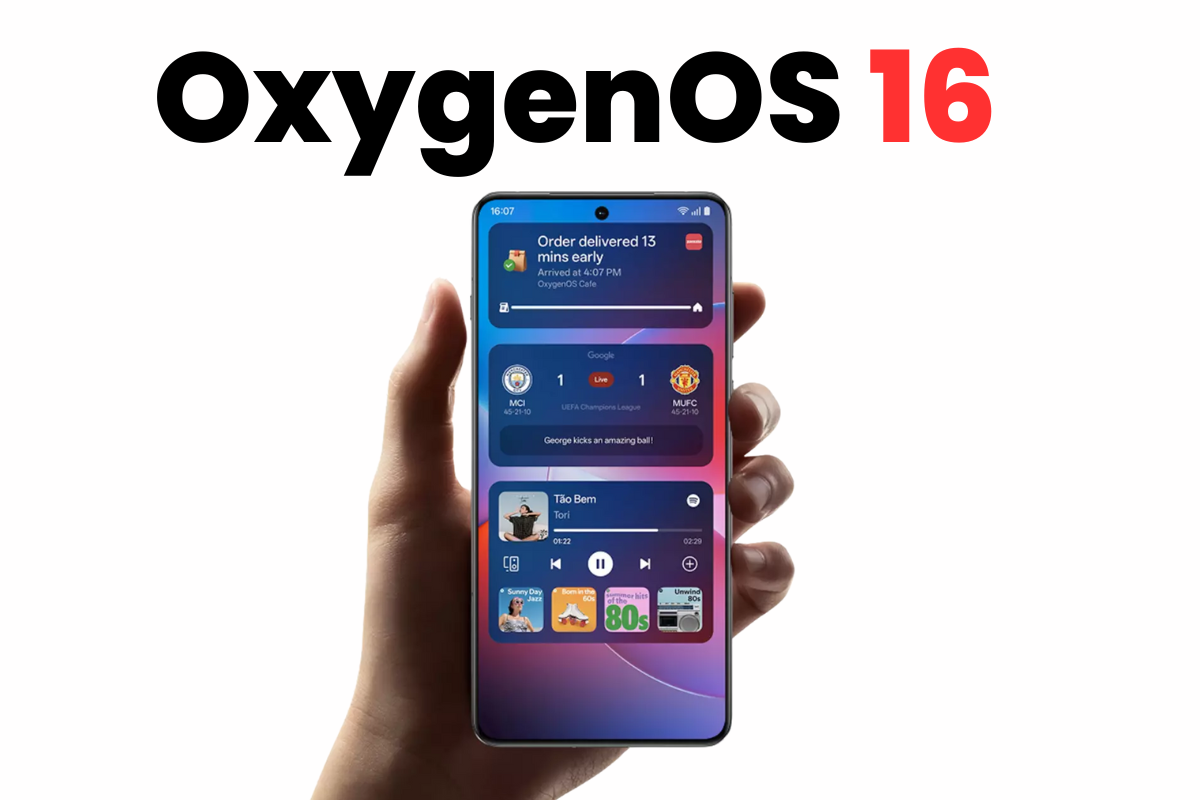
OnePlus took a bold step by embedding Google Gemini deep within its latest OxygenOS 16 update. This isn’t just a voice assistant bolted on. It’s a contextual co-pilot. Through Plus Mind, users can collect and organize anything, locations, posts, schedules, then ask Gemini to summarize, group, or build plans using real-time data.
The AI stack gets deeper with AI Writer (offering tone-based text suggestions), AI Scan (a smarter camera-based document scanner), and AI Recorder (real-time transcription with speaker ID). Photography fans get AI relighting and eye-correction tools, while Party Up creates short videos from static images.
OxygenOS 16 also shines in polish. Parallel Processing 2.0 and Flow Motion animations remove lag during multitasking. The design language called Breath with You brings in light blur effects and motion-responsive weather themes. The redesigned lock screen supports live wallpapers, depth effects, and interactive widgets.
The update builds ecosystem bridges too, with O+ Connect syncing Androids with Windows, Mac, and even iPhones. Integration with Apple Watch is a surprise twist and it works.
3. Pixel UI
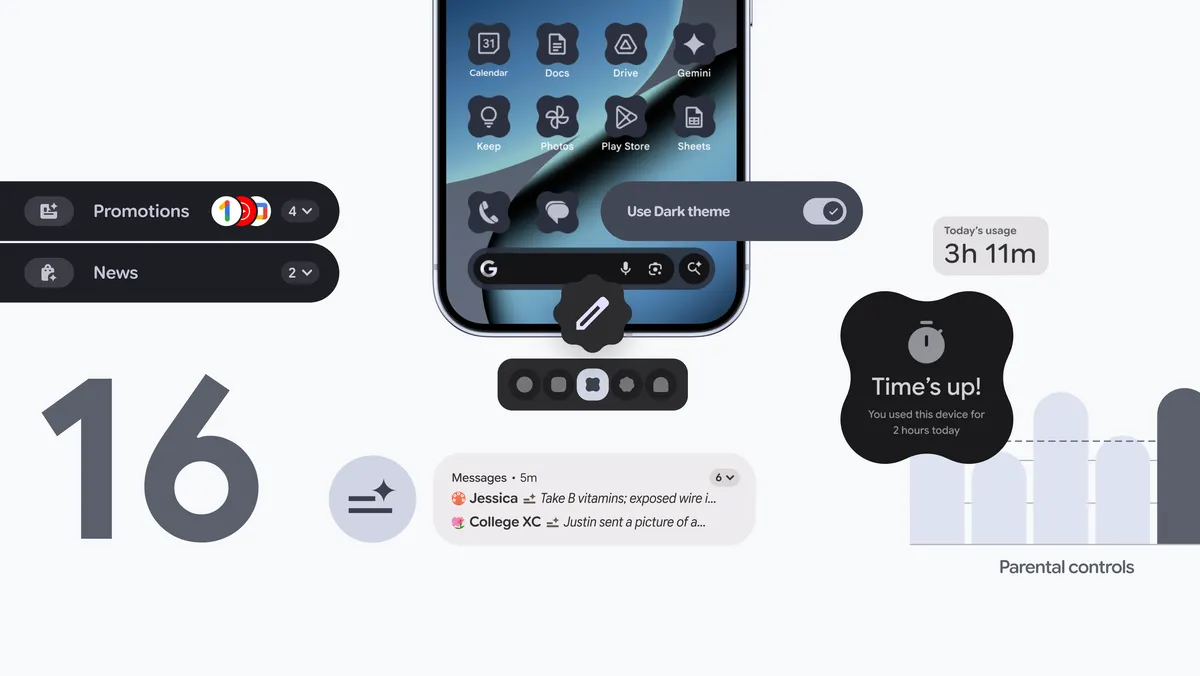
Google’s Android 16 takes a quieter, more considered path rather than chasing headline-grabbing changes. The most visible update comes through Material 3 Expressive, which introduces resizable quick toggles, haptic sliders, and a dual shade layout that separates notifications from quick settings. The result feels more fluid and easier to manage during everyday use.
AI plays a practical role by tackling notification overload. Android 16 adds AI summaries and a smarter notification organizer that tones down promotional clutter while highlighting messages that actually matter. The lock screen also gains more character through live effects, retro-inspired clock styles, and dynamic weather visuals that respond to real conditions.
Pixel UI continues to lean heavily into photography, backed by Tensor-powered, on-device AI. Features such as Magic Eraser, Best Take, Magic Editor, and Video Boost focus on making advanced photo and video edits feel fast and accessible, while keeping most processing local for better privacy.
Privacy remains a core theme across the update. Tools like Privacy Sandbox, Advanced Protection Mode, and Photo Picker with Cloud Support underline Google’s push toward a privacy-first Android experience, even as AI becomes more deeply integrated.
The recent Android 16 QPR2 update also delivers a noticeable performance boost on Pixel devices. Real-world tasks and graphics see clear improvements, while CPU gains remain modest. These gains likely stem from deeper system-level optimizations, including better memory management, rather than raw hardware changes.
For more daily updates, please visit our News Section.
Stay ahead in tech! Join our Telegram community and sign up for our daily newsletter of top stories! 💡