Add GIZMOCHINA as Preferred Source on Google
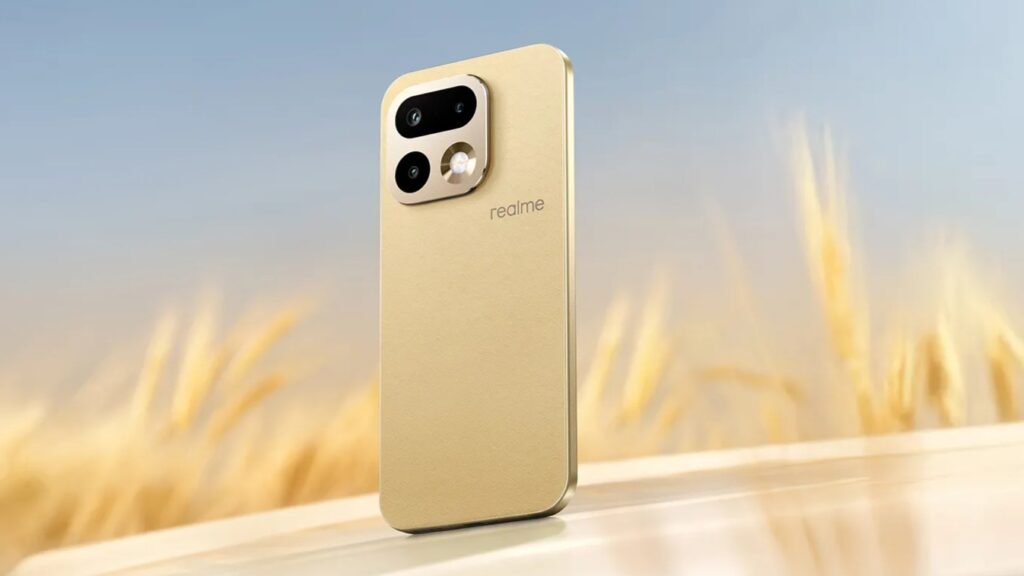
The Realme 16 Pro series is set to launch in India on January 6, featuring a new camera island design and a focus on imaging. After sharing image samples and design elements of the series over the past few weeks, the brand has finally taken the wraps off the chipsets—and honestly, it’s a bit disappointing.
1. A clear step back in performance
The Realme 16 Pro+ sticks with the Snapdragon 7 Gen 4 of the Realme 15 Pro, while the standard Realme 16 Pro adopts a MediaTek chip—the Dimensity 7300-Max. According to the brand, this new Dimensity chip achieved an AnTuTu score of 971K in its internal testing, surpassing the roughly 900K score of the Dimensity 7360-Turbo.
But how does it compare to the Realme 15 Pro? According to NanoReview, the predecessor averages over 1 million points in AnTuTu testing—higher than what Realme claims for the newer model.
The Realme 16 Pro also previously appeared on Geekbench, posting single and multi-core scores of 1003 and 2860, respectively. The Snapdragon-powered Realme 15 Pro shows an edge here as well, with single and multi-core scores exceeding 1200 and 3500. Taken together, these numbers suggest that the Realme 16 Pro will be weaker than its predecessor in terms of raw performance alone.
The Geekbench listing for the Realme 16 Pro also matches the core cluster and clock speeds of existing Dimensity 7300-series chips, including the Dimensity 7300, 7300 Pro, and 7300 Ultra.
2. Price-to-performance comparison
Realme is one of the smartphone brands known for its price-to-performance focus, which makes this discussion particularly relevant. The Realme 15 Pro launched in India at a starting price of Rs. 31,999 for the 8GB + 128GB variant.
To put things into perspective, here are a few smartphones powered by Dimensity 7300-series chips with the same 8GB + 128GB configuration, along with their current prices:
- CMF Phone 2 Pro (Dimensity 7300 Pro) – Rs. 18,670
- iQOO Z10x (Dimensity 7300) – Rs. 16,499
- Poco X7 (Dimensity 7300 Ultra) – Rs. 17,999
3. The positioning of the Realme 16 Pro
Realme is clearly not aiming to compete on performance this time around. Instead, the brand appears to be leaning heavily on design and imaging.
There is a market for phones that look expensive but aren’t, and Realme likely sees an opportunity here. The camera module closely resembles that of the flagship OnePlus 15, and the company has highlighted its collaboration with world-renowned designer Naoto Fukasawa, along with nature-inspired aesthetics, as what sets the Realme 16 Pro apart.
Performance, notably, hasn’t received the same level of attention in the teasers.
4. The trade-off Realme is making
Does the chipset downgrade matter for day-to-day use? Possibly, yes. The camera, for instance, is a major selling point of the Realme 16 Pro but it’s also a resource-intensive component. This is especially true given the 200MP sensor, Realme’s LumaColor system, and features like AI Instant Clip.
The Dimensity 7300-Max isn’t weak by any means, but it sets the Realme 16 Pro far apart from what most users expect from a Realme phone priced around Rs. 30,000.
It may not be a deal breaker for some buyers, but it does raise questions about why Realme opted for a weaker chipset this time around. Let us know in the comments if it would affect your buying decision.
Don’t miss a thing! Join our Telegram community for instant updates and grab our free daily newsletter for the best tech stories!
For more daily updates, please visit our News Section.