The smartphone industry has long been obsessed with prestige. For years, a flagship phone wasn’t truly a flagship unless it had a camera partnership with a legendary optics brand or a badge from a luxury automaker. Logos like Hasselblad, Leica, Zeiss, Porsche Design, and Lamborghini were more than design flourishes. They were status symbols, reassuring buyers that the phone in their hands had photographic or luxury legitimacy. But as we step into 2026, it feels like that era is quietly fading.
Take the recent breakup between OnePlus and Hasselblad. That collaboration began as a bold statement: OnePlus was ready to play in the big leagues. For five years, the Hasselblad logo was welded to the “Pro” identity of OnePlus flagships, promising more than just marketing fluff, Hasselblad Natural Color Calibration, improved image tuning, and a shot at true photography-grade performance. But with the OnePlus 15, the logo is gone. In its place? A self-branded “DetailMax Engine.”
And… it barely registered.
To the average user, the absence of the logo doesn’t impact purchase decisions. In fact, some see it as a natural evolution. After half a decade of collaboration, maybe OnePlus doesn’t need the training wheels. Maybe it’s time to stand on its own. In this light, dropping the name isn’t a downgrade, it’s a signal of confidence.
2. Where Partnerships Still Work
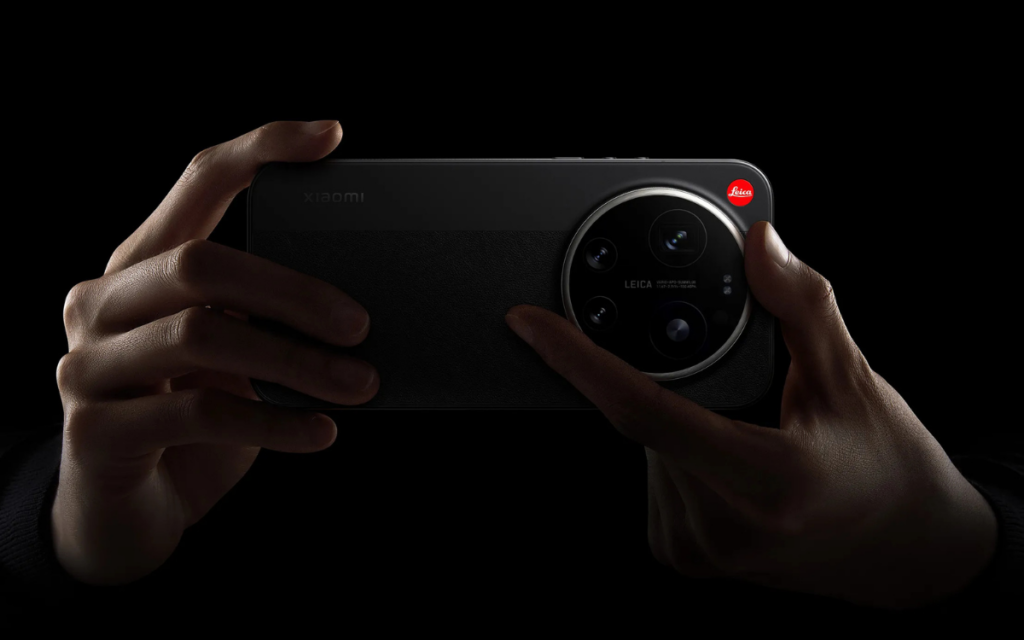
That doesn’t mean all collaborations are dead. Xiaomi and Leica are going strong and going deeper. The Xiaomi 17 Ultra might be the most Leica-integrated smartphone yet, even featuring the iconic Red Dot, a design privilege Leica rarely extends beyond its own cameras. This isn’t just tuning, it’s full co-engineering, down to lens profiles and authentic Leica color modes.
Same goes for Vivo and Zeiss. Devices like the Vivo X300 Pro don’t treat Zeiss as a vanity sticker. These phones integrate Zeiss T* lens coatings, APO-certified optics, and deliver pro-level output that photographers actually care about.
For this niche of users, enthusiasts, content creators, mobile photographers, the branding is the value. It’s a comfort zone. If you’re looking for a specific color science or lens behavior you’re already familiar with, these collaborations bring reassurance that specs alone can’t offer.
3. Luxury Labels Are Mostly Gone
Compare that to the forgotten supercar collabs. Remember Huawei’s Porsche Design models? Or Oppo’s Lamborghini Editions? These luxury tie-ins once justified huge price tags. Today, they’re nearly extinct. The market has spoken: a Lamborghini logo doesn’t add megapixels or increase battery life. In an age where every dollar is scrutinized, flashy brand badges feel hollow.
This decline is partly due to shifting consumer priorities. People care more about software support, camera performance, AI smarts, and display quality than a co-sign from an unrelated luxury house.
4. What Really Matters Now?
The market is beginning to stratify.
For enthusiast devices like the Xiaomi 17 Ultra or Vivo X300 Pro, partnerships still make sense. These phones are crafted for people who want a Leica or Zeiss look baked into their mobile photography. The brand is part of the feature set.
But for the average consumer shopping in the $500-$800 range? These logos don’t carry the same weight. In that space, people want performance, value, and long-term reliability. The camera should be good, regardless of what name is printed next to it.
So we ask: do you still care about collaborations like Xiaomi x Leica? Or has the smartphone world matured to a point where branding doesn’t matter, only the results do?
When you pick your next phone, what’s going to sway your decision? A red dot? Or just how good your next photo looks?
We use cookies on our website to give you the most relevant experience by remembering your preferences and repeat visits. By clicking “Accept”, you consent to the use of ALL the cookies.
This website uses cookies to improve your experience while you navigate through the website. Out of these, the cookies that are categorized as necessary are stored on your browser as they are essential for the working of basic functionalities of the website. We also use third-party cookies that help us analyze and understand how you use this website. These cookies will be stored in your browser only with your consent. You also have the option to opt-out of these cookies. But opting out of some of these cookies may affect your browsing experience.
Necessary cookies are absolutely essential for the website to function properly. This category only includes cookies that ensures basic functionalities and security features of the website. These cookies do not store any personal information.
Any cookies that may not be particularly necessary for the website to function and is used specifically to collect user personal data via analytics, ads, other embedded contents are termed as non-necessary cookies. It is mandatory to procure user consent prior to running these cookies on your website.