Add GIZMOCHINA as Preferred Source on Google
Smartphone companies are always looking for new tricks to keep people interested. That’s also what usually brings innovations—like foldable screens, under-display sensor or more recently, bigger batteries.
Xiaomi, in its own way, joined this trend by adding a small secondary display next to the camera module on Xiaomi 17 Pro and 17 Pro Max. It is a bit unusual, but the trick has worked for the company as both the Pro phones have reached the 1 million sales milestone in China.

Soon, the brand will expand the line with Xiaomi 17 Max, but it might take a different approach. According to rumors, the Max model might completely drop the rear screen and go back to a more traditional design.
Here’s why we think this is a smart decision by the brand.
1. The case against the rear screen
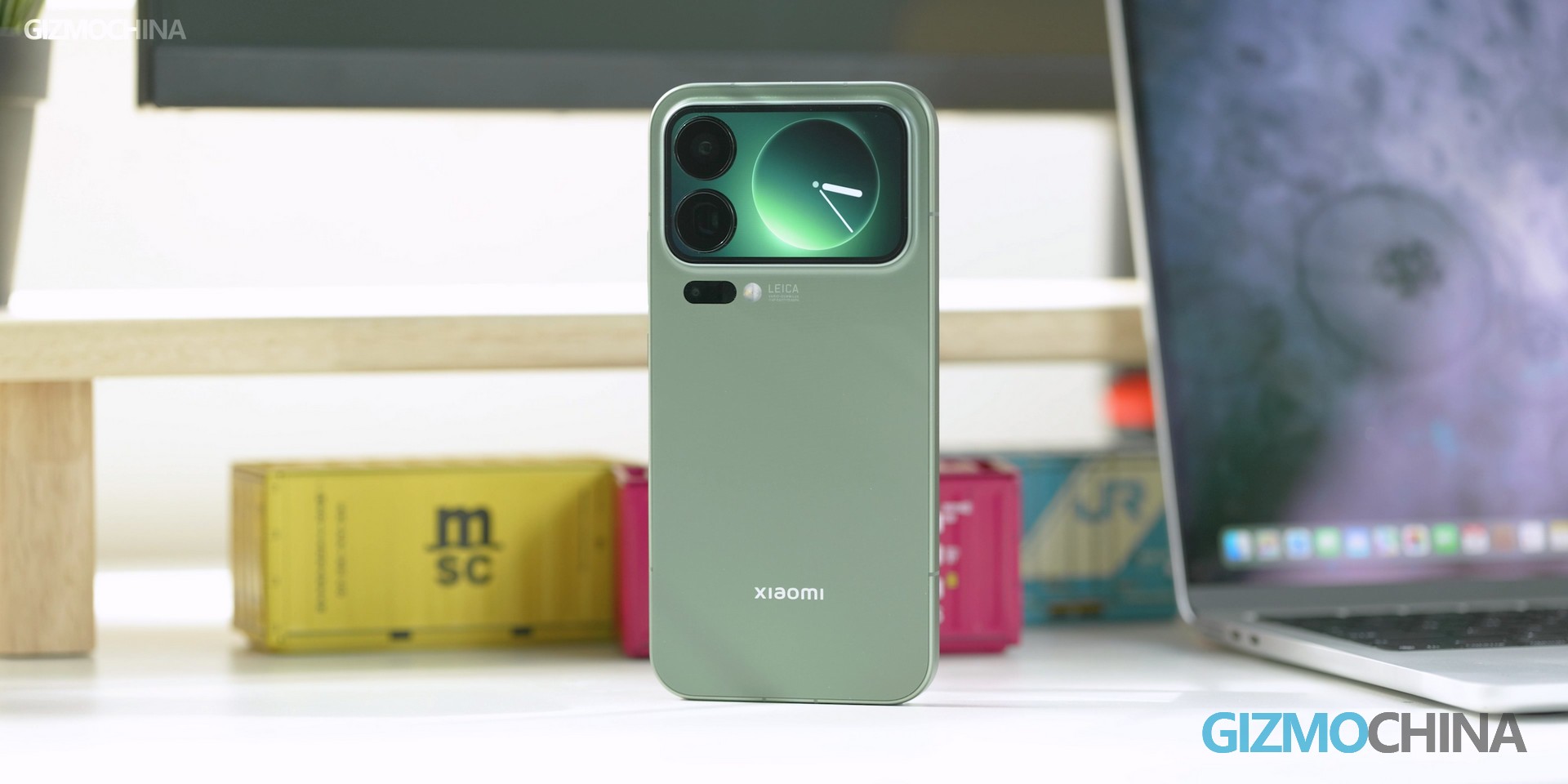
Let’s be honest about what the rear display actually is.
Sure, it’s a clever idea. You can use it to preview selfies with the main camera, check quick notifications, or display a clock. For some people, that’s genuinely useful. But for the majority, it’s still a feature that they play with for a week and then mostly forget about.
The problem with features like this is that they add complexity for brands without necessarily improving the core experience of using a phone. A second screen means more components, more software to maintain, more potential for bugs, and higher production costs.
And all of that eventually shows up in the price.
If Xiaomi removes the rear display from the 17 Max, it will simplify the phone to its core. This could mean better battery life, lower cost, and a cleaner design, which are the things many buyers care about far more than a tiny extra panel on the back.
2. Not every phone needs to be a showpiece
One of the hardest things for any brand is figuring out how to structure a lineup.
Right now, Xiaomi’s high-end range includes multiple devices: standard models, Pro models, Ultra, and the upcoming “Max” version.
The Ultra has a clear distinction that it offers the very best Xiaomi has to offer in terms of imaging and experience. The standard models bring flagship power in a relatively compact form factor. Likewise, the Pro models separate them with a screen on the back.
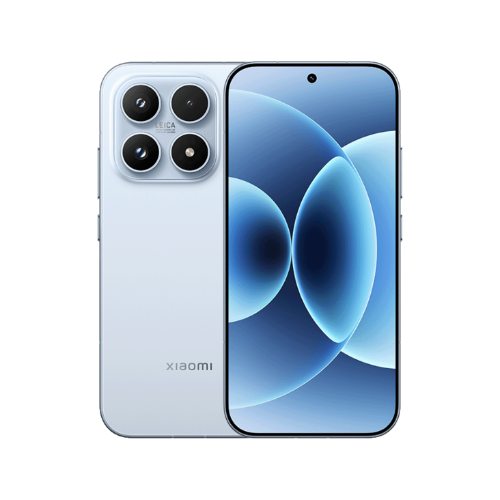
The Xiaomi 17 Max, as we see it, could be the perfect big-screen flagship for buyers who don’t want the extra premiumness of the Ultra, the rear screen of the Pro, or the compact size of the vanilla model.
By keeping the rear screen exclusive to the Pro and Pro Max models, Xiaomi can give each version a clear identity.
The Pro phones can be the flashy, feature-packed devices for people who like having the newest and unique additions. The Xiaomi 17 Max, on the other hand, will serve as the practical big screen flagship with huge battery, strong performance, and none of the experimental extras.
When you think about it, this kind of separation actually makes a lot of sense.
3. Bigger battery beats smaller novelty

One of the most interesting rumors around the Xiaomi 17 Max is its battery size.
According to the most recent report, the device will feature a battery of 8000mAh. If true, this would be the biggest battery phone on Xiaomi 17 series.
However, the space inside a smartphone is limited. You can’t just keep adding components without sacrificing something else.
A secondary rear display takes up physical room, requires connectors, protection layers, and extra power management. Removing it gives Xiaomi more flexibility to prioritize what really matters for a Max device: endurance.
For a lot of users, a phone that lasts two full days on a charge is far more valuable than one that has a tiny screen next to the cameras.
That’s the trade-off Xiaomi seems to be making, and it’s hard to argue with that logic.
4. Practical features over marketing features
Even companies often fall into the trap of adding things because they look impressive in advertisements.
A rear screen is a perfect example of that. It photographs well. It gives reviewers like us something to talk about. It makes a phone feel different from everything else on a store shelf.
But the actual day-to-day benefit is limited for most users.
People interact with their phones through the main display. It’s this screen people care about most: how bright it is, how smooth it feels, how long the battery lasts. A secondary panel doesn’t really change any of those fundamentals.
So by skipping the rear display, Xiaomi can focus on improving the parts of the phone that users notice constantly instead of occasionally. It could be better cooling, faster charging, stronger cameras, or longer software support.
5. Pricing could be the real advantage
There’s also a financial angle to all of this.
Every extra component in a phone increases the cost. And when a company builds millions of units, even small additions become expensive.
If the Xiaomi 17 Max launches without the rear screen, the company gets the chance to price it more aggressively than the Pro Max model. That creates a very appealing option for people who want a Pro-level experience without paying the Pro price.
And this sounds like the better deal for a lot of buyers. It also helps Xiaomi target different kinds of customers more clearly.
Those who want the most advanced Xiaomi phone can go with Ultra, those who love something experimental can take Pro / Pro Max, and those who want a big, practical phone can buy the 17 Max.
6. Verdict
In the end, the Xiaomi 17 Max skipping the rear screen isn’t a feature loss. It’s more like Xiaomi diversifying its offerings based on users.
For normal users, phones should just work how they are supposed to. They don’t need to be overloaded with gimmicks to be good. Sometimes the best upgrade is removing something unnecessary and using that space, money, and engineering effort on features people actually notice. And the Xiaomi 17 Max could build on this strategy.
Don’t miss a thing! Join our Telegram community for instant updates and grab our free daily newsletter for the best tech stories!
For more daily updates, please visit our News Section.